

 Español
Industry News
Content
- 1 Spark Plug Torque: The Exact Specs You Need Before You Touch a Wrench
- 2 Spark Plug Torque Specs by Thread Size and Head Material
- 3 How to Torque a Spark Plug Correctly: Step-by-Step
- 4 How to Install Spark Plugs Without a Torque Wrench: The Turn-After-Snug Method
- 5 Why Aluminum Heads Require Lower Spark Plug Torque Than Cast Iron
- 6 Does Spark Plug Type (Iridium, Platinum, Copper) Affect Torque Specs?
- 7 What Happens When You Over-Torque or Under-Torque a Spark Plug
- 8 Spark Plug Torque Specs for Common Vehicles
- 9 Spark Plug Heat Range and Its Relationship to Proper Torque
- 10 Tools You Need for Accurate Spark Plug Torquing
- 11 Special Considerations for Turbocharged and High-Performance Engines
- 12 Removing Old Spark Plugs: Torque, Corrosion, and Safe Extraction
- 13 Spark Plug Gap Adjustment and Its Effect on Ignition Performance
- 14 Spark Plug Replacement Intervals: When to Change and What to Look For
- 15 Frequently Asked Questions About Spark Plug Torque
- 15.1 What is the standard spark plug torque for a 14mm plug in an aluminum head?
- 15.2 Can I use a standard ratchet instead of a torque wrench to install spark plugs?
- 15.3 Should I put anti-seize on spark plug threads?
- 15.4 What happens if I torque spark plugs when the engine is hot?
- 15.5 How do I know if I've stripped a spark plug thread during installation?
- 15.6 Do different spark plug brands have different torque specs for the same thread size?
- 15.7 Can over-torqued spark plugs cause engine misfires?
- 15.8 What torque spec should I use when re-installing spark plugs after removing them for an inspection?
- 15.9 Is it necessary to torque spark plugs on a motorcycle engine?
- 15.10 How do I choose the right spark plug socket size?
Spark Plug Torque: The Exact Specs You Need Before You Touch a Wrench
The correct spark plug torque spec for most passenger car engines is between 10 and 20 ft-lbs (14–27 Nm) when installing into an aluminum cylinder head, and between 20 and 30 ft-lbs (27–40 Nm) for cast iron heads. However, the precise figure depends on the thread diameter, thread pitch, and the head material of your specific engine — so always verify with your vehicle's service manual or the spark plug manufacturer's published torque table before installation.
Getting spark plug torque wrong is one of the most common causes of engine damage during a DIY tune-up. Too little torque and the plug can vibrate loose, causing misfires, heat-transfer failure, and eventual thread damage. Too much, and you risk stripping the threads in the head — a repair that can cost hundreds of dollars in labor. The difference between a good install and a ruined head can be as little as 5 ft-lbs.
This guide covers everything from standard torque values by thread size, to torquing by feel when you don't have a torque wrench, to the differences between aluminum and iron heads, copper and iridium plugs, and new versus used threads.
Spark Plug Torque Specs by Thread Size and Head Material
The thread diameter of a spark plug is the single most important variable in determining how much torque to apply. Larger diameter plugs require more torque to achieve the same clamping force. Below is a comprehensive reference table based on data from NGK, Denso, and Bosch installation guidelines.
| Thread Size | Aluminum Head (ft-lbs) | Aluminum Head (Nm) | Cast Iron Head (ft-lbs) | Cast Iron Head (Nm) |
|---|---|---|---|---|
| 10mm | 8–10 | 11–14 | 10–12 | 14–16 |
| 12mm | 10–14 | 14–19 | 14–18 | 19–24 |
| 14mm (flat seat) | 13–17 | 18–23 | 18–25 | 24–34 |
| 14mm (tapered seat) | 7–15 | 10–20 | 7–15 | 10–20 |
| 18mm | 20–27 | 27–37 | 25–32 | 34–43 |
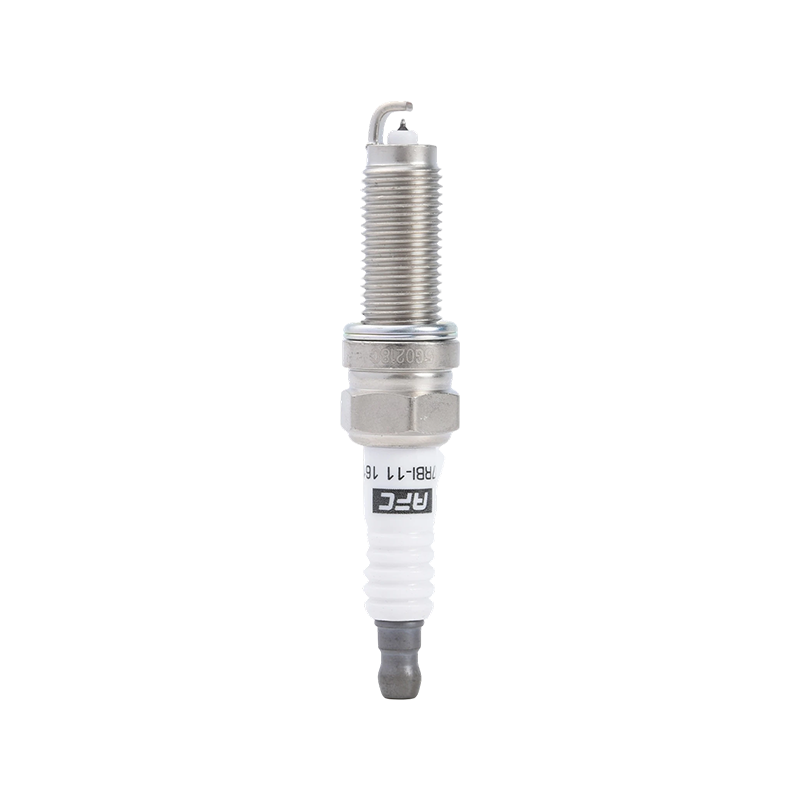
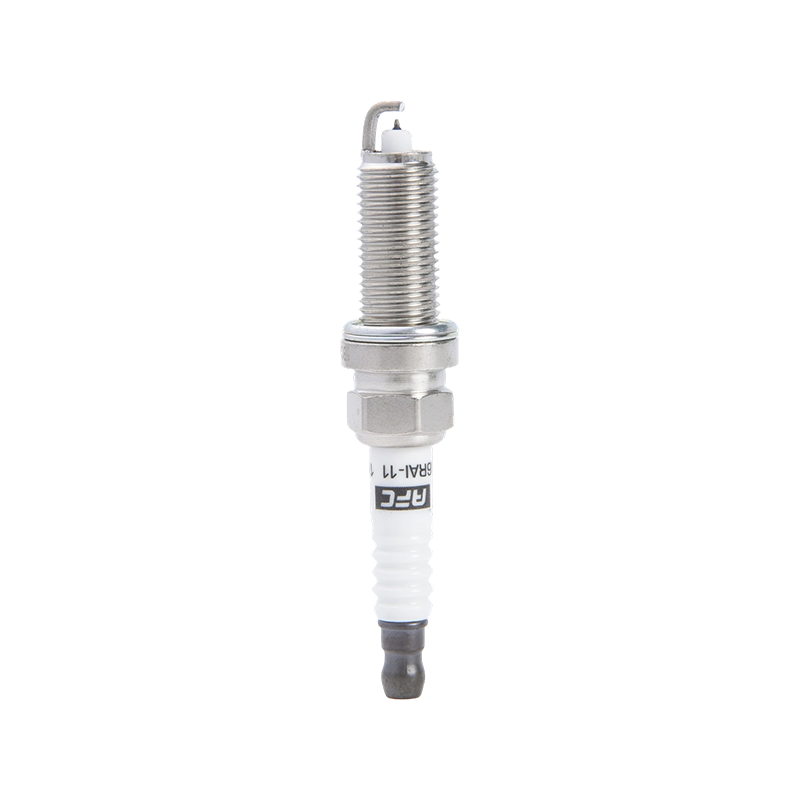
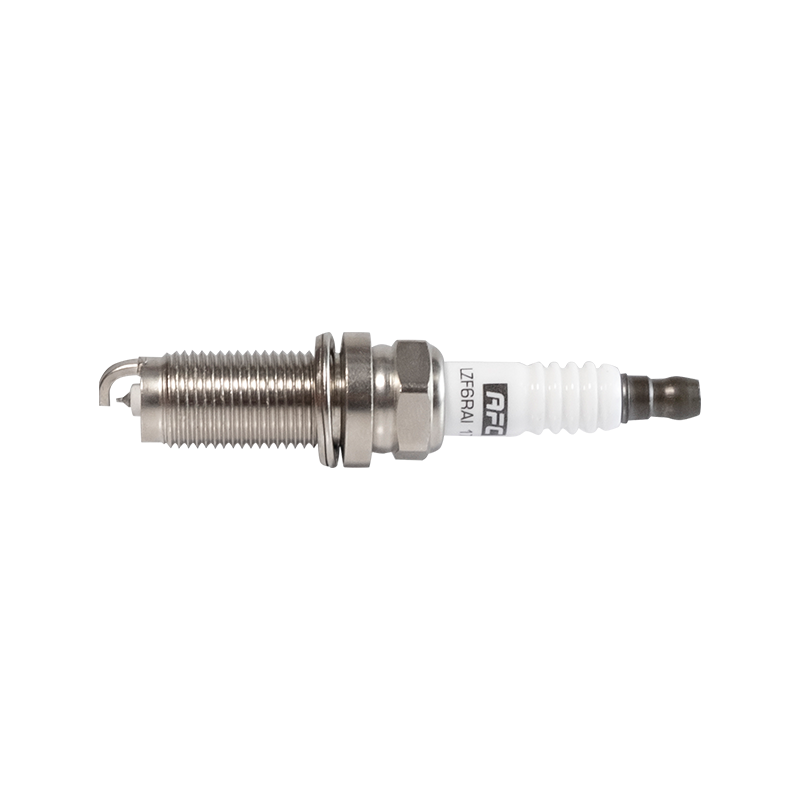
Note that tapered-seat plugs (also called conical-seat plugs) seal via metal-to-metal contact between the plug's tapered seat and the head, so they require less torque than gasket-seat (flat-seat) plugs of the same thread size. Confusing the two seating types and applying the wrong torque range is a frequent mistake — check your plug's part number to identify which type you have.
How to Torque a Spark Plug Correctly: Step-by-Step
Proper technique is just as important as having the right torque spec. Even with a calibrated torque wrench, mistakes in the installation sequence can result in incorrect clamping, cross-threaded plugs, or damaged gaskets.
- Allow the engine to cool completely. Installing spark plugs in a hot aluminum head dramatically increases the risk of thread galling. NGK recommends waiting until the engine is below 40°C (104°F). This usually means waiting at least 30 minutes after shutdown, and longer after highway driving.
- Inspect and clean the plug holes. Use compressed air to blow debris out of the plug wells before removing old plugs. Any foreign material that falls into the combustion chamber during plug removal can cause serious engine damage.
- Check the new plug's gap. Even pre-gapped plugs from the factory may have shifted in shipping. Use a feeler gauge to verify the electrode gap matches your engine's specification — commonly between 0.028 and 0.060 inches depending on the application.
- Do not apply anti-seize to most modern spark plugs. NGK and Denso explicitly state that applying anti-seize compound to their spark plugs will result in over-torquing by up to 20%, because the lubricant reduces friction and allows the plug to rotate further than intended before reaching the specified torque reading. Most modern plugs have a zinc or nickel coating that provides sufficient protection. If you do use anti-seize on uncoated plugs, reduce the specified torque by approximately 10–15%.
- Thread the plug in by hand. Use a rubber hose or plug socket with an extension to start threading the plug into the head. Thread it in completely by hand until finger tight. If you feel any resistance early in the threading process, stop — the plug may be cross-threaded. Back it out and try again.
- Tighten to the specified torque. Use a calibrated torque wrench to bring the plug to the correct spec in a smooth, continuous motion. Avoid jerky movements or stopping and restarting mid-tighten, as this can give a false torque reading.
- Attach the ignition wire or coil-on-plug connector. Press the connector firmly until you feel or hear a click. A loose connection is one of the most common causes of misfire codes after a spark plug service.
How to Install Spark Plugs Without a Torque Wrench: The Turn-After-Snug Method
In the field — or in a garage where a torque wrench isn't available — you can use the turn-after-snug (or torque-by-feel) method. This is actually the method described in many OEM service manuals as an acceptable alternative when a torque wrench is unavailable. However, it requires a good understanding of what "snug" feels like and must be adapted based on seat type.
For Gasket-Seat (Flat-Seat) Spark Plugs:
- New plug: Finger-tighten until the gasket contacts the head, then turn an additional 1/2 to 2/3 of a turn (180–240 degrees) with a plug wrench.
- Used plug (reinstalling with old gasket already compressed): Finger-tighten to snug, then turn an additional 1/8 to 1/4 turn (45–90 degrees).
For Tapered-Seat (Conical-Seat) Spark Plugs:
- New or used plug: Finger-tighten until the taper contacts the seat, then turn an additional 1/16 to 1/8 turn (15–30 degrees) only. These plugs require significantly less additional rotation because the metal-to-metal seal compresses far less than a gasket does.
The turn-after-snug method is widely accepted, but it is less precise than using a calibrated torque wrench and is more dependent on the technician's feel. For high-performance engines, turbocharged engines, or any application where the cylinder head is particularly vulnerable to thread damage (such as older aluminum heads with thin thread engagement), always use a proper torque wrench.
Why Aluminum Heads Require Lower Spark Plug Torque Than Cast Iron
Aluminum is significantly softer than cast iron and has a lower tensile strength. The yield strength of common automotive-grade aluminum alloys (such as A356 used in cylinder heads) is approximately 160–200 MPa, compared to approximately 250–300 MPa for gray cast iron. This means aluminum threads can strip or gall at much lower clamping forces than iron threads.
Additionally, aluminum has a coefficient of thermal expansion approximately twice that of steel and cast iron. As an aluminum head heats up during engine operation, the bore around the spark plug expands, which temporarily reduces clamping load. When the engine cools, the aluminum contracts back, which can leave plugs loose if they were installed at the lower end of the torque range. This thermal cycling effect is one reason why NGK recommends using the mid-to-upper end of the torque range for aluminum heads during initial installation — while still staying well within the stated maximum.
In aluminum heads, thread inserts (such as Helicoil or Time-Sert inserts) are sometimes used in high-performance or heavy-duty applications to provide stronger thread engagement. If your engine uses thread inserts, consult the insert manufacturer's torque specifications, as these can differ from bare-aluminum-thread recommendations.
Does Spark Plug Type (Iridium, Platinum, Copper) Affect Torque Specs?
The electrode material — whether copper, platinum, single platinum, double platinum, or iridium — does not directly change the required installation torque. Torque is determined by thread size, thread pitch, seat type, and head material, not by the tip chemistry or electrode configuration.
However, there are some indirect relationships worth understanding:
Iridium and Fine-Wire Electrode Plugs:
Iridium and platinum plugs tend to have finer, smaller center electrodes and more delicate tip geometry. While this does not change the torque value, it does mean you must be more careful during gapping — never attempt to gap an iridium spark plug by bending the center electrode. The thin iridium tip can break. These plugs typically come pre-gapped from the manufacturer and should only be adjusted (if necessary) by gently bending the ground electrode.
Copper Core Plugs:
Copper-core plugs are most common in older vehicles or high-performance racing applications. They typically have standard electrode sizes and no special torque considerations beyond the standard thread-and-seat-type rules above.
Extended-Tip Plugs:
Some high-performance plugs feature extended nose insulator designs that project further into the combustion chamber. These are more sensitive to heat and require the correct heat range for the application — but again, torque requirements are the same as any other plug of the same thread and seat configuration.
Where plug type does matter in torquing: the longer service life of premium iridium or double platinum plugs means they remain in the engine for much longer intervals — up to 100,000 miles in some applications. This extended dwell time makes initial correct torque even more critical, because the longer the plug sits, the more corrosion and galvanic bonding can develop between the plug and the head, making removal difficult if the plug was overtightened at installation.
What Happens When You Over-Torque or Under-Torque a Spark Plug
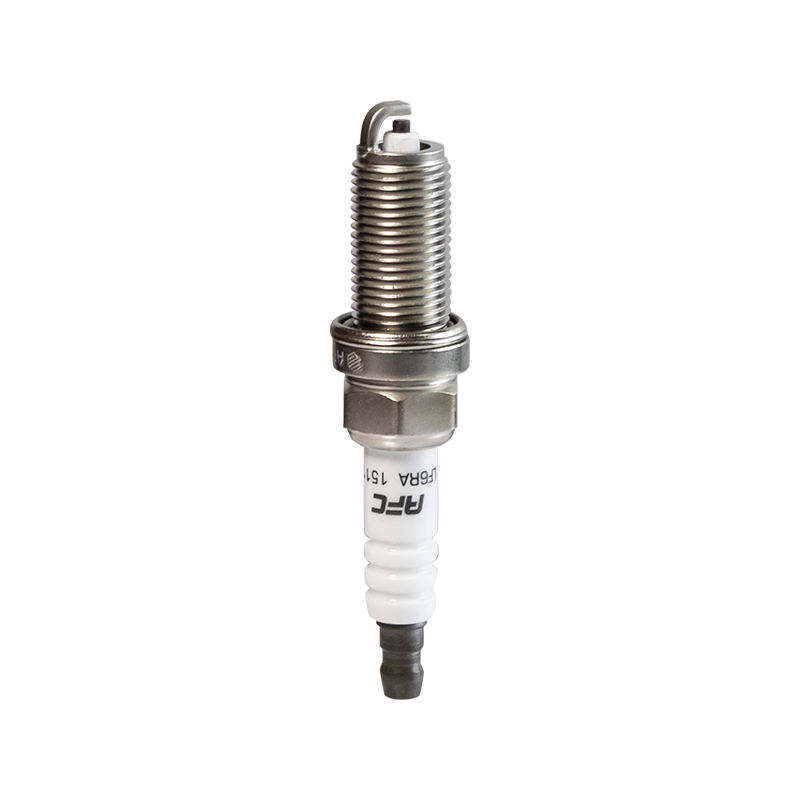
Consequences of Over-Torquing:
- Stripped threads in the cylinder head — the most costly outcome. Thread repair requires removal of the head or the use of thread inserts. Labor cost alone can exceed $300–$600 per cylinder.
- Plug body or shell distortion, which can affect the ground electrode gap and alter combustion characteristics.
- Porcelain insulator cracking, which can cause spark to track along the crack instead of jumping the electrode gap, resulting in misfire.
- Difficulty or impossibility of removing the plug at the next service interval without damaging the head.
Consequences of Under-Torquing:
- Plug loosening under vibration — combustion events create thousands of pressure pulses per minute, which will gradually back out an insufficiently torqued plug.
- Compression leakage past the plug gasket or taper seat, reducing engine power and fuel efficiency.
- Excessive heat buildup in the plug due to poor thermal transfer — the plug relies on its contact with the head to dissipate heat, and a loose plug loses this contact efficiency.
- In the worst case, a loose plug can be ejected from the head entirely while the engine is running, causing catastrophic damage.
Spark Plug Torque Specs for Common Vehicles
While the table above gives general ranges by thread size, real-world specs can vary. Below are verified factory torque values for some of the most common vehicles, drawn from OEM service documentation and verified against NGK's vehicle-specific database.
| Vehicle | Engine | Plug Thread | Torque (ft-lbs) | Torque (Nm) |
|---|---|---|---|---|
| Toyota Camry 2.5L (2018–2024) | A25A-FKS | 14mm | 13 | 18 |
| Honda Civic 1.5T (2016–2024) | L15B7 | 14mm | 13 | 18 |
| Ford F-150 5.0L V8 (2018–2024) | Coyote V8 | 14mm | 11 | 15 |
| Chevrolet Silverado 5.3L V8 (2019–2024) | L84/L82 EcoTec3 | 14mm | 15 | 20 |
| BMW 3 Series 2.0T (2019–2024) | B48 | 14mm (tapered) | 11 | 15 |
| Subaru Outback 2.5L (2020–2024) | FB25 | 14mm | 17.4 | 23.5 |
| Hyundai Elantra 2.0L (2021–2024) | Nu 2.0 MPI | 14mm | 15–22 | 20–30 |
These values are provided for reference only. Always cross-reference with the official service manual for your specific model year and trim level, as production changes sometimes result in mid-cycle updates to torque specifications.
Spark Plug Heat Range and Its Relationship to Proper Torque
Heat range is a separate but related concept that affects how long and how well your spark plug performs after being installed at the correct torque. A spark plug's heat range describes its ability to dissipate combustion heat — rated by the length of the insulator nose.
A "cold" plug has a short insulator nose and dissipates heat rapidly, keeping the tip cooler. These are used in high-performance or turbocharged engines where combustion temperatures are elevated. A "hot" plug has a longer insulator nose and retains more heat — keeping the tip warm enough to self-clean in slow-speed, low-load engines, preventing carbon fouling.
The connection to torque: if a plug is installed at the correct torque but the wrong heat range is used, the plug will not transfer heat efficiently to the head regardless of clamping force. A plug that runs too hot can pre-ignite the air-fuel mixture (causing engine knock or ping), while a plug running too cold will foul rapidly with carbon deposits.
Heat range is designated differently by each manufacturer. NGK uses a number system where lower numbers indicate colder plugs (e.g., NGK BKR5E is colder than NGK BKR6E), while Denso uses the opposite convention where higher numbers indicate colder plugs. Always check the manufacturer's heat range chart for your specific application.
Tools You Need for Accurate Spark Plug Torquing
Having the right tools makes the difference between a professional-quality installation and a guessing game. Here is what you actually need:
Torque Wrench:
A 3/8-inch drive click-type or beam-type torque wrench is the standard for spark plug installation. The torque range for spark plugs (typically 8–30 ft-lbs) falls in the lower range where many cheap torque wrenches are inaccurate. Choose a wrench with a working range of 5–75 ft-lbs to ensure you are operating in the accurate mid-range of the tool. Digital torque wrenches are an excellent option for DIYers who want real-time feedback and accuracy confirmation.
Spark Plug Socket:
Use a spark plug socket with a rubber insert — this grips the ceramic insulator and prevents it from cracking during installation or removal. Common sizes are 5/8 inch (16mm) for most American vehicles and 9/16 inch (14mm) for many import applications. Using a standard socket without a rubber insert risks cracking the insulator.
Extension and Universal Joint:
In deep plug wells or awkward angles — common on V6 and V8 engines — a 3–6 inch extension and a wobble or universal joint socket adaptor is essential for reaching the plug without applying lateral force that could damage threads or the insulator.
Thread Chaser or Tap:
If installing spark plugs in an engine that has been sitting, or that shows signs of corrosion or carbon buildup in the plug holes, use a thread chaser (not a cutting tap) to clean the threads before installation. This ensures the torque applied actually translates into clamping force rather than being consumed overcoming thread friction from debris.
Feeler Gauge:
Essential for checking and adjusting spark plug gap before installation. Wire-type feeler gauges are more accurate for the tight gaps common on modern engines than flat-blade gauges, which can give artificially narrow readings in worn or rounded electrode gaps.
Special Considerations for Turbocharged and High-Performance Engines
Turbocharged engines, supercharged engines, and high-performance naturally aspirated engines subject spark plugs to more extreme conditions than standard passenger car applications. This affects several aspects of spark plug selection and installation:
Higher Cylinder Pressure:
Boosted engines (turbo or supercharged) can produce peak cylinder pressures significantly higher than naturally aspirated engines — sometimes exceeding 1,500–2,000 psi (103–138 bar) in high-boost performance applications, compared to 600–1,000 psi in a typical NA engine. This increased pressure pushes harder against the plug and its sealing surfaces, making correct torque and gasket integrity even more critical.
Colder Plug Heat Range Requirement:
Performance applications typically require a one or two step colder plug heat range compared to the factory specification. For example, an engine running 15 psi of boost that uses an NGK BKR6E stock may require a BKR7E or BKR8E for sustained high-load operation. This does not change the torque spec, but it must be matched correctly to prevent detonation and pre-ignition.
More Frequent Replacement Intervals:
In high-performance engines, even premium iridium spark plugs may need replacement as frequently as every 20,000–30,000 miles instead of the 60,000–100,000 miles typical in stock applications. More frequent removal and reinstallation cycles mean thread condition must be monitored closely — the thread chaser tool mentioned above becomes even more important.
Thread Locking and Anti-Seize Compounds:
In race applications where vibration levels are extreme, some engine builders apply a small amount of thread locker (not standard Loctite, but purpose-made high-temperature plug sealant) to maintain clamping even in high-vibration environments. In these cases, torque specs are provided by the engine builder and may differ from standard OEM guidelines.
Removing Old Spark Plugs: Torque, Corrosion, and Safe Extraction
Removing old spark plugs — especially from aluminum heads and especially after long service intervals — is where many engines sustain thread damage. The combination of galvanic corrosion between the steel plug and aluminum head, plus the thermal cycles welding the plug slightly to the head, can result in removal torques many times higher than the original installation torque.
Rules for Safe Spark Plug Removal:
- Remove plugs when the engine is warm, not hot or cold. Cold aluminum contracts around the steel plug shell, increasing the chance of seizing. A warm engine (not fully operating temperature, but above ambient) allows the aluminum to be slightly expanded, making removal easier.
- Apply penetrating oil around the base of the plug before attempting removal if any resistance is felt. Allow it to soak for 15–30 minutes.
- If significant resistance is felt, do not force it. Alternate between loosening and tightening (a 1/8 turn back, then 1/4 turn forward approach) to gradually break the corrosion bond without stripping threads.
- After removal, inspect the threads in the head with a bright light. If they appear pulled, damaged, or show aluminum galling, repair with a thread insert before installing new plugs.
Spark Plug Gap Adjustment and Its Effect on Ignition Performance
The spark plug gap — the distance between the center electrode and the ground electrode — directly controls the size of the spark kernel and has significant effects on combustion efficiency, fuel economy, and emissions. Most modern vehicle manufacturers specify gaps between 0.028 and 0.060 inches (0.7–1.5 mm), though some high-performance applications run gaps as large as 0.080 inches (2.0 mm).
A wider gap generally produces a larger, more robust spark that ignites the air-fuel mixture more completely and with greater consistency. However, a gap that is too wide for the ignition system's coil output voltage will result in misfires — the coil cannot generate enough voltage to jump the wider gap. This is particularly important in older ignition systems with less powerful coils.
A narrower gap is easier for the coil to fire but produces a smaller spark that may not ignite lean or dilute mixtures reliably — a concern in modern direct-injection engines that use lean burn strategies under light load.
Iridium and laser-welded platinum plugs must not have their center electrode bent to adjust gap. Always adjust these plugs only by bending the ground electrode, and do so with a purpose-made gap tool, not a screwdriver or other improvised lever.
Spark Plug Replacement Intervals: When to Change and What to Look For
Replacement intervals vary widely by plug type and application. Using a plug beyond its service life results in increasing gap erosion (the electrodes wear away over time, widening the gap beyond specification), increased firing voltage requirements, harder starting, worse fuel economy, and increased emissions.
| Plug Type | Typical Replacement Interval | Notes |
|---|---|---|
| Copper | 10,000–20,000 miles | Shortest life; best for older or performance engines |
| Single Platinum | 30,000–60,000 miles | Suitable for most DIS (distributor-less ignition) systems |
| Double Platinum | 60,000–100,000 miles | Preferred for distributor-type ignitions; platinum on both electrodes |
| Iridium | 60,000–120,000 miles | Longest life; best overall performance; used in COP systems |
Plug condition reading — examining the deposits and electrode condition of a removed plug — provides valuable diagnostic information. A light tan or gray deposit on the insulator nose indicates normal combustion. Black, sooty deposits indicate a rich mixture or oil fouling. White or blistered porcelain indicates overheating, which may point to an incorrect heat range, lean mixture, or detonation.
Frequently Asked Questions About Spark Plug Torque
What is the standard spark plug torque for a 14mm plug in an aluminum head?
For a 14mm flat-seat spark plug installed in an aluminum head, the typical torque range is 13–17 ft-lbs (18–23 Nm). However, some manufacturers specify as low as 11 ft-lbs for specific aluminum alloy heads. Always check your vehicle's service manual for the confirmed figure.
Can I use a standard ratchet instead of a torque wrench to install spark plugs?
Technically yes, using the turn-after-snug method described above, but a calibrated torque wrench is strongly recommended for aluminum heads and for any high-value engine. The turn-after-snug method carries more risk of under or over-tightening, especially for inexperienced mechanics.
Should I put anti-seize on spark plug threads?
For most modern spark plugs — NGK, Denso, Bosch — the answer is no. These plugs come with nickel or zinc-coated threads designed to prevent seizing without anti-seize compound. Applying anti-seize and using the standard torque spec can result in 20% over-clamping, which risks stripping aluminum threads. If you use anti-seize on uncoated plugs (such as some copper racing plugs), reduce the torque spec by 10–15%.
What happens if I torque spark plugs when the engine is hot?
Installing plugs in a hot aluminum head is risky for two reasons: the aluminum is at its softest when hot (yield strength decreases with temperature), making thread stripping more likely; and the thermal expansion of the head means the plug will experience higher clamping load than intended once the engine cools, potentially making future removal very difficult.
How do I know if I've stripped a spark plug thread during installation?
Signs of a stripped thread include: the plug rotates without resistance after the first few threads, the torque wrench reaches spec much sooner than expected (or never provides resistance), compression readings on that cylinder are abnormally low, or exhaust gases are visible or audible around the plug hole after the engine is started. If you suspect stripped threads, stop immediately and do not run the engine — a loose plug can be blown out entirely.
Do different spark plug brands have different torque specs for the same thread size?
Generally no — torque specs are determined by thread geometry and head material, not by the brand. An NGK and a Denso plug with the same 14mm thread, the same seat type, and installed in the same head require the same torque. Brand-specific torque tables exist mainly to account for variations in plug coating, but the differences are minor.
Can over-torqued spark plugs cause engine misfires?
Yes. Over-torquing can crack the ceramic insulator of the spark plug, causing the spark to track along the crack rather than across the electrode gap. This results in inconsistent ignition, misfire codes (P030X in OBD-II systems), rough idle, and reduced power output.
What torque spec should I use when re-installing spark plugs after removing them for an inspection?
When reinstalling a previously used spark plug with a compressed (used) gasket, use approximately 1/8 turn (45 degrees) additional rotation after finger-tightening rather than the full 1/2 to 2/3 turn used for new plugs. If using a torque wrench, the spec is the same as new — but because the gasket is already set, the plug will reach the specified torque after much less angular travel than a new plug requires.
Is it necessary to torque spark plugs on a motorcycle engine?
Yes — and particularly important in motorcycle applications, where engines are often air-cooled with aluminum cylinder heads that have very thin thread engagement depth (sometimes as few as 4–5 thread turns). Many motorcycle manufacturers publish torque specs significantly lower than automotive equivalents for the same thread size. Always use the specification in your motorcycle's service manual and never apply automotive torque values to a motorcycle engine.
How do I choose the right spark plug socket size?
Spark plug hex size and socket size are different from the thread diameter. Most 14mm thread plugs use a 5/8 inch (16mm) hex for the socket, while many 12mm thread plugs use a 9/16 inch (14mm) or 5/8 inch hex. Check the top of the plug itself — the hex dimension is visible — or look up the part number in a cross-reference chart to confirm the correct socket size before beginning work.