


 Español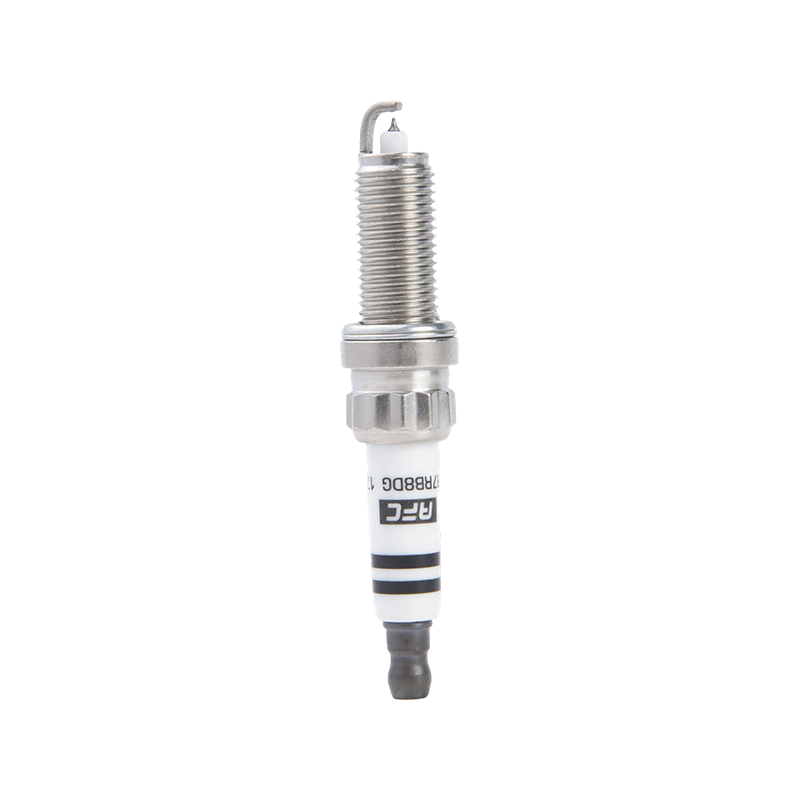
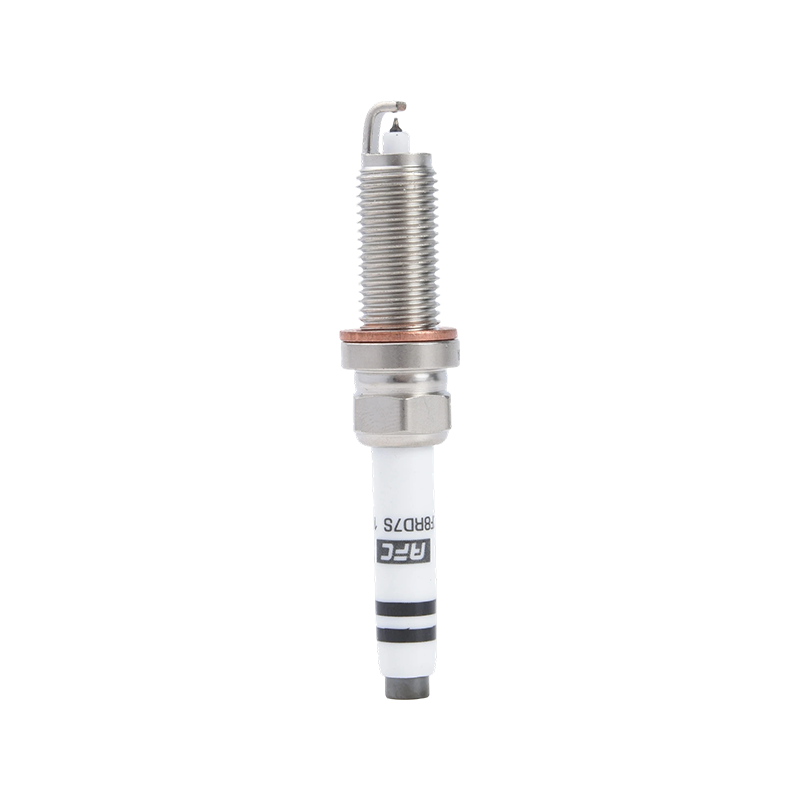
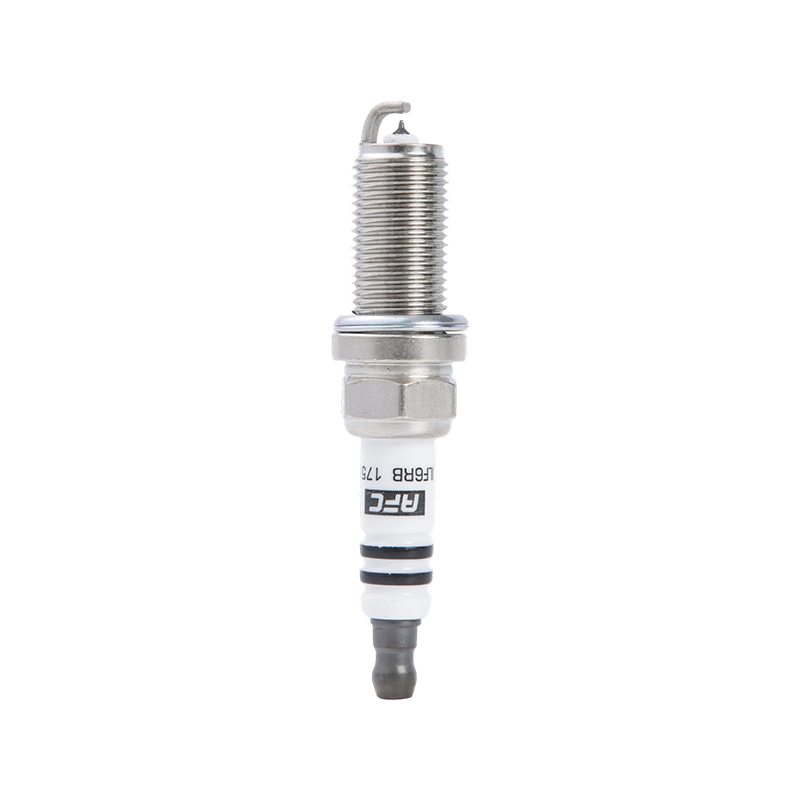
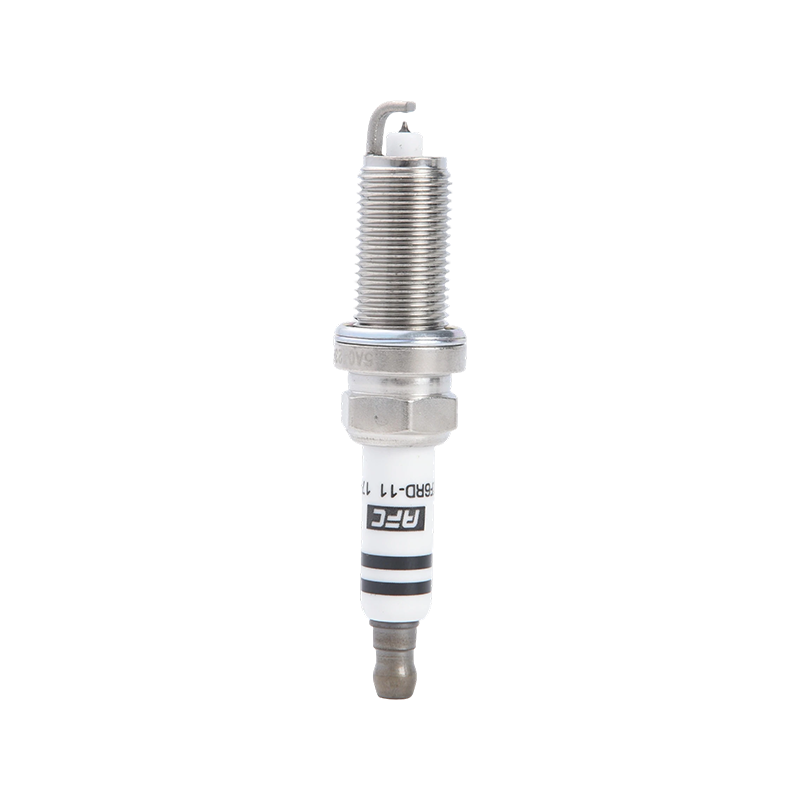
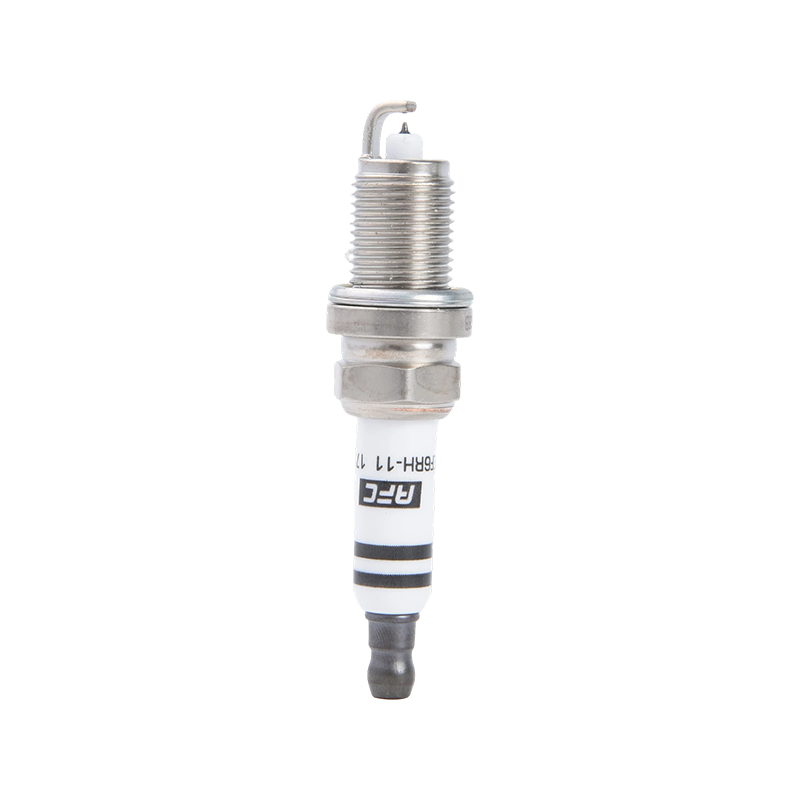
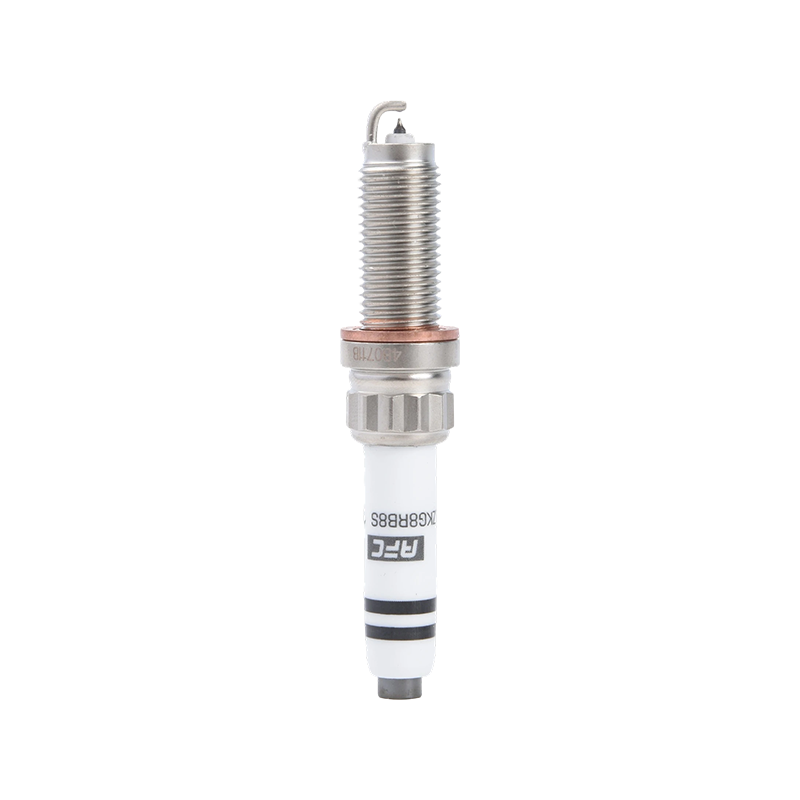
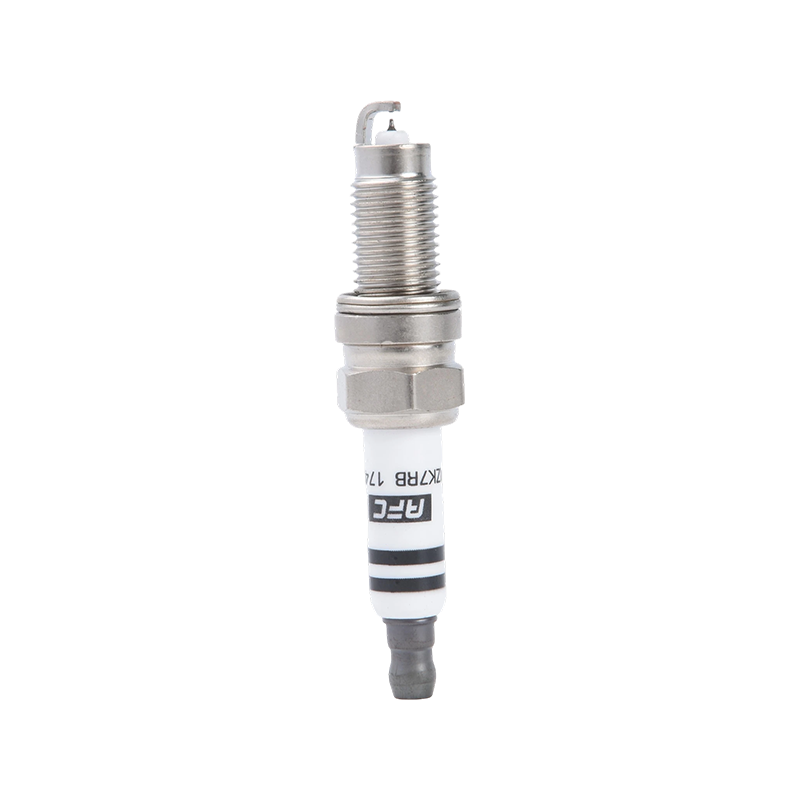
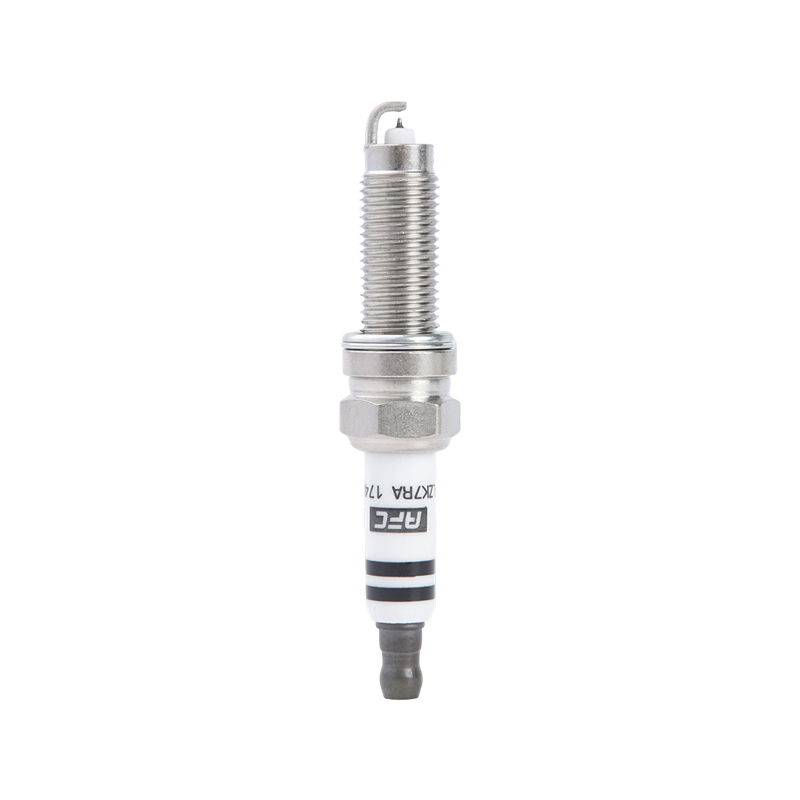
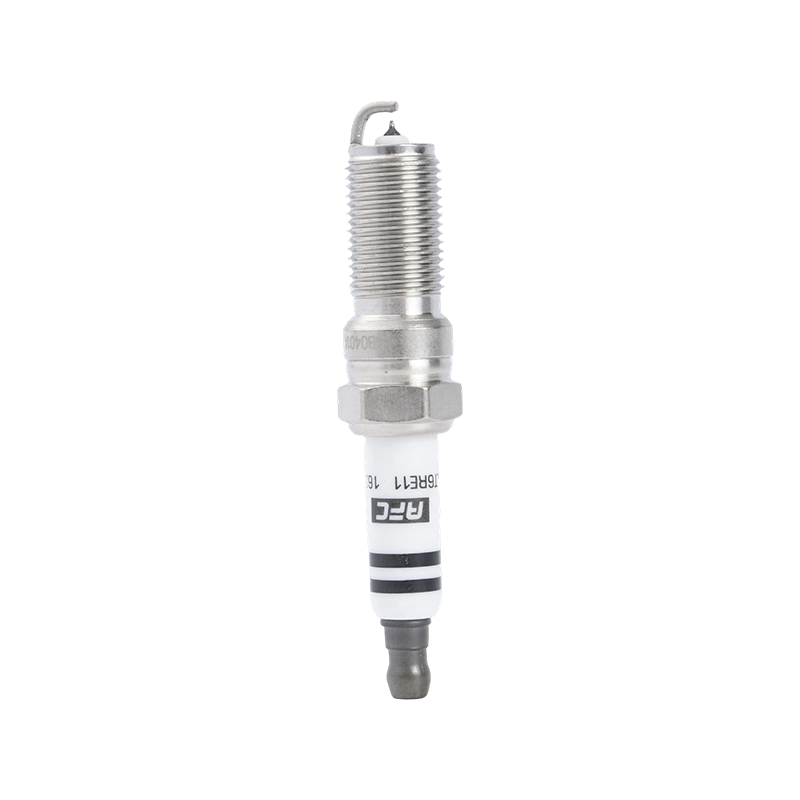
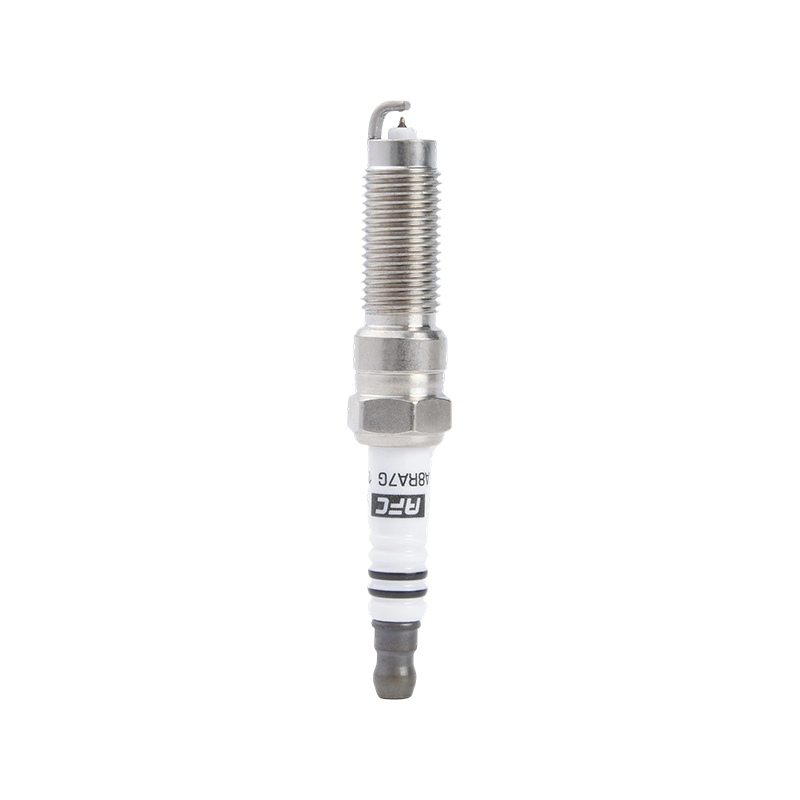
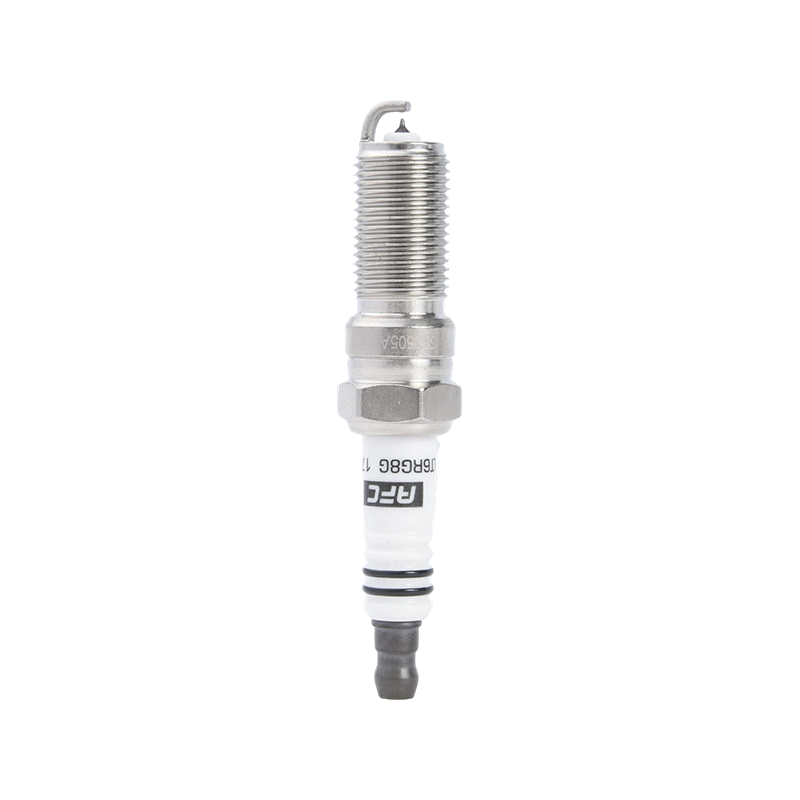
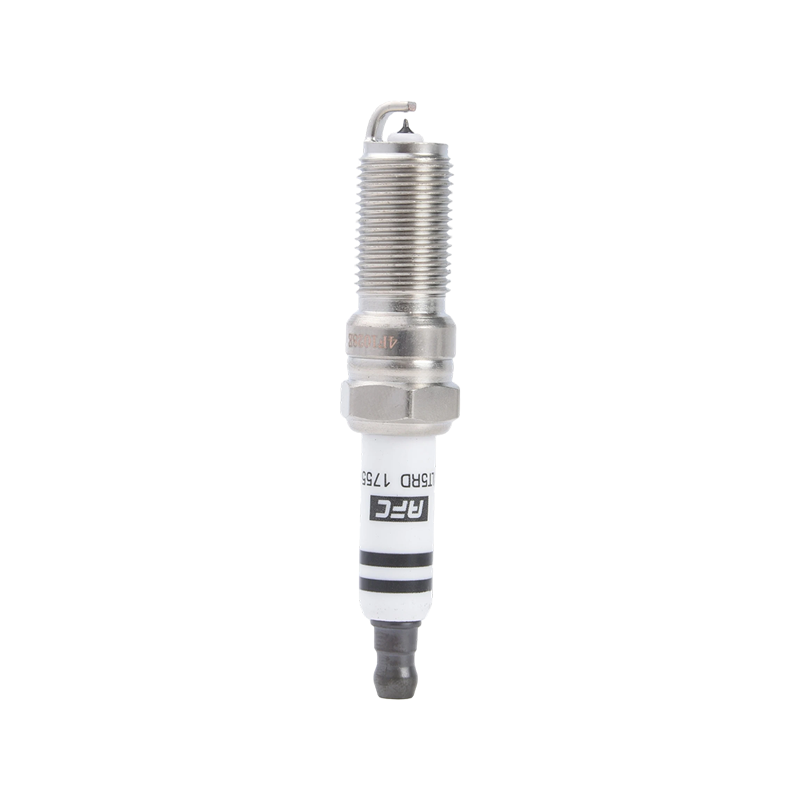
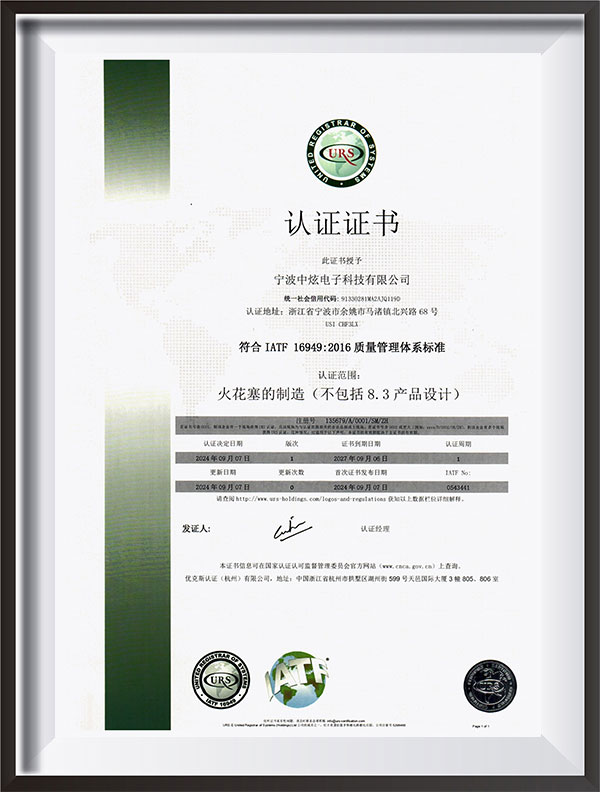
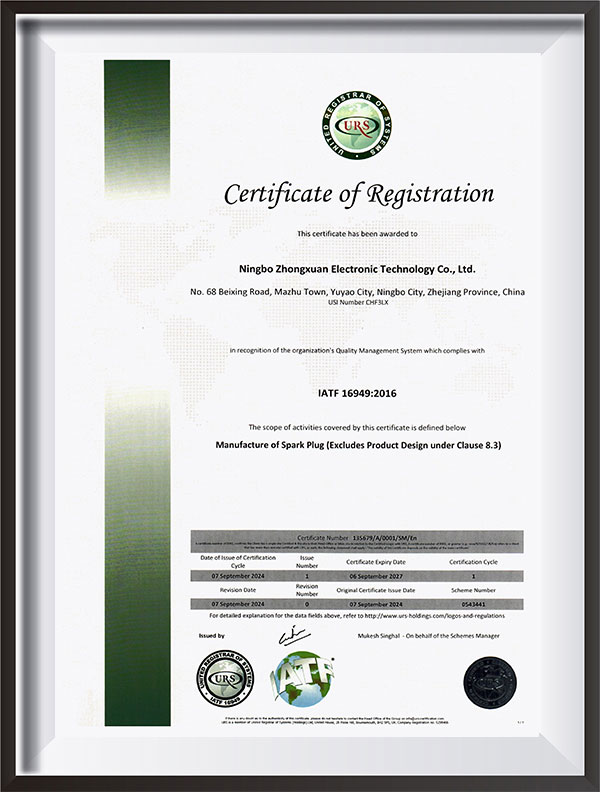
In modern engine ignition systems, Iridium Platinum Spark Plugs — commonly referred to as Iridium Platinum Plugs — represent the convergence of two premium electrode materials: iridium's extreme hardness and platinum's oxidation resistance. These plugs are engineered for high-demand applications where standard copper-core or single-metal plugs fall short, delivering consistent ignition across a wide range of engine temperatures and combustion pressures. From passenger vehicles to performance engines, Iridium Platinum Plugs have become the benchmark component for reliable, long-service ignition.
Why Combining Iridium and Platinum Changes Everything
Iridium has a melting point of 2,446 °C — one of the highest among all metals — making it nearly immune to electrode wear under repeated sparking. Platinum, on the other hand, excels at resisting fouling and oxidation in environments rich with unburned fuel or exhaust gases. When combined in a dual-electrode design, the center electrode (iridium) and the ground electrode (platinum) create a spark path that can maintain a precise gap within ±0.02 mm over tens of thousands of firing cycles.
Single-platinum plugs use platinum only on the center electrode, meaning the ground electrode degrades faster. Dual-metal plugs solve this asymmetry, and that's precisely the category where Iridium Platinum Spark Plugs sit — extending service intervals while keeping combustion efficiency high.
Electrode Material Performance Comparison
How an Iridium Platinum Spark Plug Actually Works
The ignition coil steps up battery voltage — typically from 12 V — to anywhere between 12,000 V and 45,000 V depending on engine load. This high-voltage pulse jumps the gap between the iridium-tipped center electrode and the platinum ground electrode, ionizing the air-fuel mixture and initiating combustion. The narrower the electrode tip, the less voltage is required to bridge the gap — which is why iridium's 0.4 mm tip diameter outperforms standard 2.5 mm copper cores in ignition consistency.
A fine-wire center electrode reduces voltage demand and creates a more focused spark kernel, which accelerates early flame propagation. This translates to more complete combustion, reduced misfires at idle, and measurable gains in fuel efficiency — often cited in the range of 1–3% under real-world driving conditions.
Spark Plug Type — Performance Radar
Key Industry Metrics You Should Know
When sourcing or specifying Iridium Platinum Spark Plugs, a few measurable parameters separate adequate parts from genuinely reliable ones. The table below covers the most practical benchmarks that buyers and engineers reference.
| Parameter | Typical Range | Impact |
|---|---|---|
| Center electrode tip diameter | 0.4 – 0.6 mm (Ir) | Spark focus, voltage demand |
| Spark gap | 0.6 – 1.1 mm | Combustion completeness |
| Service life | 60,000 – 120,000 km | Replacement interval cost |
| Operating temp range | 450 – 870 °C (tip) | Self-cleaning vs. pre-ignition |
| Thread diameter (common) | 12 mm / 14 mm | Head compatibility |
Average Service Life by Plug Type (×1,000 km)
What Happens When the Spark Gap Drifts
The spark gap is the most performance-sensitive dimension of any plug. As electrodes erode, the gap widens. A gap that grows from the factory-spec 0.8 mm to just 1.3 mm can increase the required firing voltage by roughly 25–30%, pushing the ignition system toward the edge of reliable operation. In turbocharged engines, where cylinder pressure is already elevated, this margin disappears quickly with worn plugs.
With Iridium Platinum Spark Plugs, the combination of a hard iridium center and a platinum ground electrode dramatically slows gap growth. Field data across fleet vehicles suggests these plugs maintain gap tolerance within 0.1–0.15 mm even after 80,000 km — a stark contrast to copper plugs that can exceed 0.3 mm drift in under 30,000 km.
Electrode Gap Drift Over Mileage (mm)
Manufacturing Iridium Platinum Plugs at Scale — Inside NINGBO ZHONGXUAN
Producing Iridium Platinum Spark Plugs at a consistent quality level demands more than just sourcing the right metals. The manufacturing environment — equipment capability, process discipline, and testing rigor — determines whether a plug will actually perform to its rated spec over its full service life.
At NINGBO ZHONGXUAN ELECTRONIC TECHNOLOGY CO., LTD, the factory is equipped with sound facilities and full functions, which makes it very suitable for mass production of Iridium Platinum Plugs. That phrase — "sound facilities and full functions" — matters in practice: it means the production line can handle the precision electrode welding, ceramic insulator firing, and shell threading that Iridium Platinum Spark Plug manufacturing requires, without compromise even at high daily output volumes.
Mass Production Readiness
Full-function facilities mean every stage of Iridium Platinum Plug assembly — from electrode welding to final torquing — runs on equipment calibrated for consistent output, not just small batch prototyping.
17 International Testing Standards
The laboratory at NINGBO ZHONGXUAN strictly implements 17 international testing standards. For Iridium Platinum Spark Plugs, this means each plug is tested across multiple parameters before leaving the facility, including spark voltage threshold, insulation resistance, and dimensional accuracy of the electrode gap.
Running 17 testing standards through a dedicated laboratory is not a marketing claim — it requires sustained investment in measurement equipment and trained personnel. For buyers sourcing Iridium Platinum Plugs at volume, this infrastructure directly reduces the risk of field failures and warranty returns.
How to Select the Right Iridium Platinum Spark Plug
Not every Iridium Platinum Plug fits every engine. The selection process involves matching several physical and thermal parameters to the specific application:
- Thread pitch and reach: A mismatch in thread length can leave exposed threads inside the combustion chamber, creating carbon buildup sites or even mechanical damage.
- Heat range: Plugs that run too cold foul with deposits; plugs that run too hot risk pre-ignition. The heat range must match the engine's thermal load and typical operating RPM.
- Electrode gap specification: Always refer to the engine manufacturer's gap specification. Iridium Platinum plugs are typically pre-gapped at the factory, but verification before installation prevents voltage delivery issues.
- Ground electrode configuration: Standard single-ground, projected-nose, and multi-ground configurations each affect flame front shape and are suited to different combustion chamber geometries.
- Application environment: Turbocharged and high-compression engines create more cylinder pressure, demanding tighter gap tolerances and higher voltage headroom from the ignition system.
Common Questions About Iridium Platinum Plugs
Are Iridium Platinum Spark Plugs worth the higher price versus single-metal plugs?
For most modern engines — especially those with direct injection or forced induction — yes. The longer replacement interval alone often offsets the upfront cost difference. A copper plug at one-fifth the price but one-quarter the service life is not actually cheaper over time, particularly when labor cost for plug replacement on modern engines is factored in.
Can I regap an Iridium Platinum Spark Plug in the field?
Technically possible with a coin-type gapping tool, but not recommended. The iridium tip is extremely hard but also somewhat brittle. Bending the ground electrode puts lateral stress on a welded platinum pad that is not designed for adjustment. Most manufacturers advise against gapping and ship plugs pre-set to the most common OEM specifications.
What is the difference between a single-platinum and a dual-metal Iridium Platinum plug?
A single-platinum plug uses platinum only on the center electrode. The ground electrode is typically nickel alloy and erodes faster. In a dual-metal Iridium Platinum Plug, iridium covers the center electrode and platinum covers the ground electrode, balancing wear rates on both sides of the spark path. This symmetry is what enables the extended service intervals quoted for this category.
Does laboratory testing really affect the plugs I receive in a bulk order?
Yes — and it's one of the clearest differentiators between suppliers. A facility like NINGBO ZHONGXUAN that enforces 17 international testing standards through a dedicated laboratory is testing statistical samples across each production batch. That means dimensional outliers, insulation failures, and welding defects are caught before shipment rather than discovered in the field by end users.
How do I know when an Iridium Platinum Plug has actually reached end of life?
The most reliable indicator is a measured gap check against the original spec. If the gap has grown by more than 0.2 mm beyond the factory setting, the plug should be replaced regardless of visual appearance. Other field signs include persistent misfires under load, rough cold-start idle that smooths out after warm-up, and a measurable drop in fuel economy over a short period.