


 Español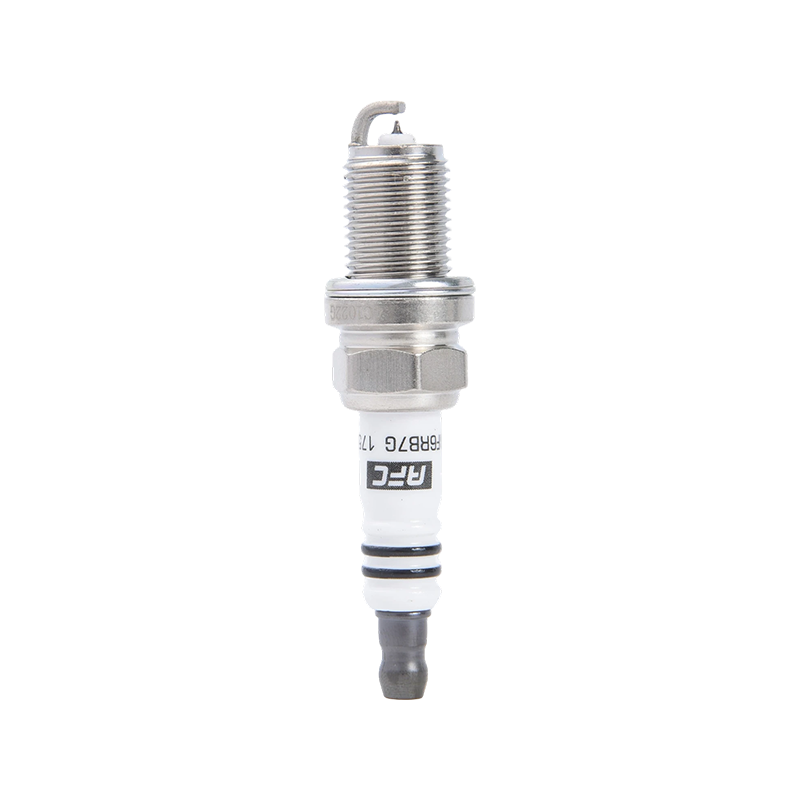
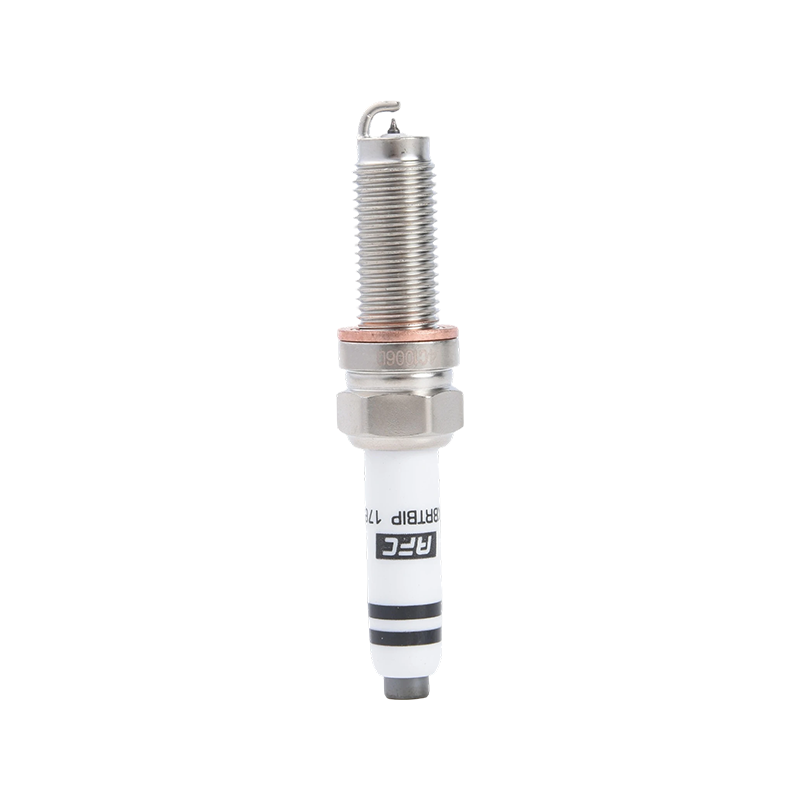
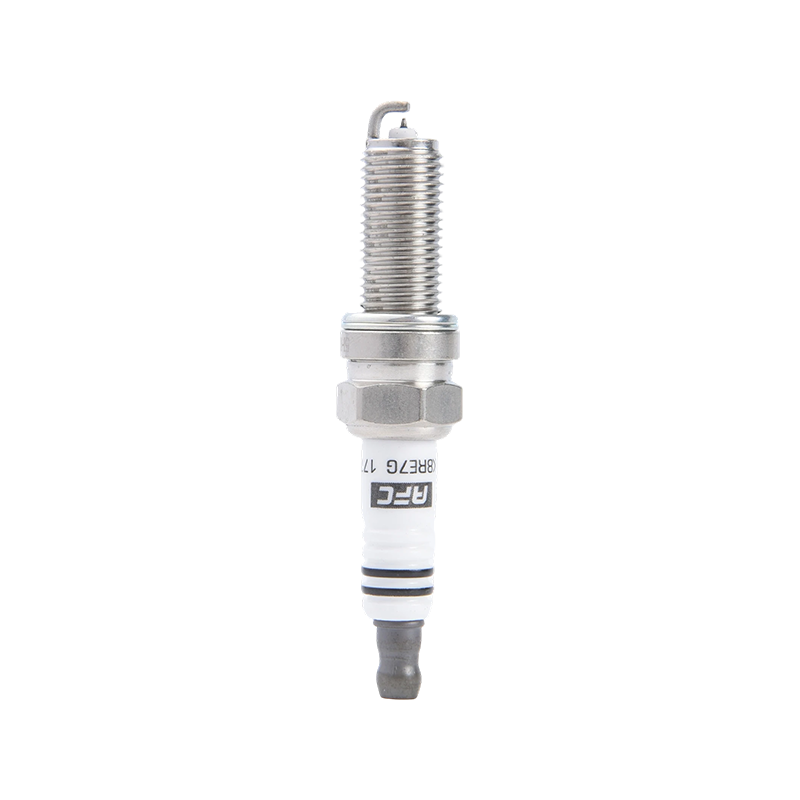
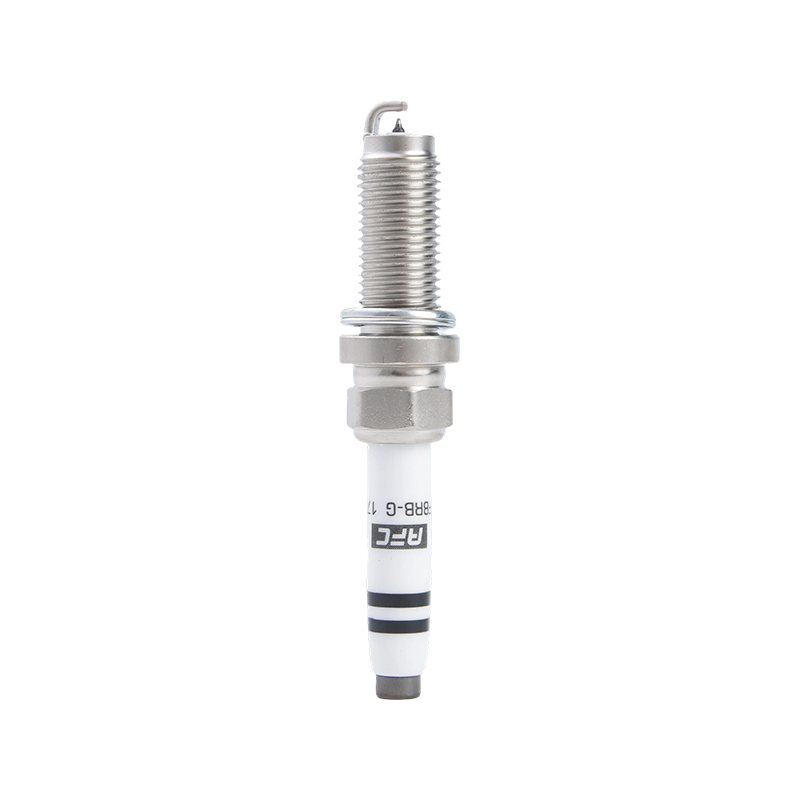
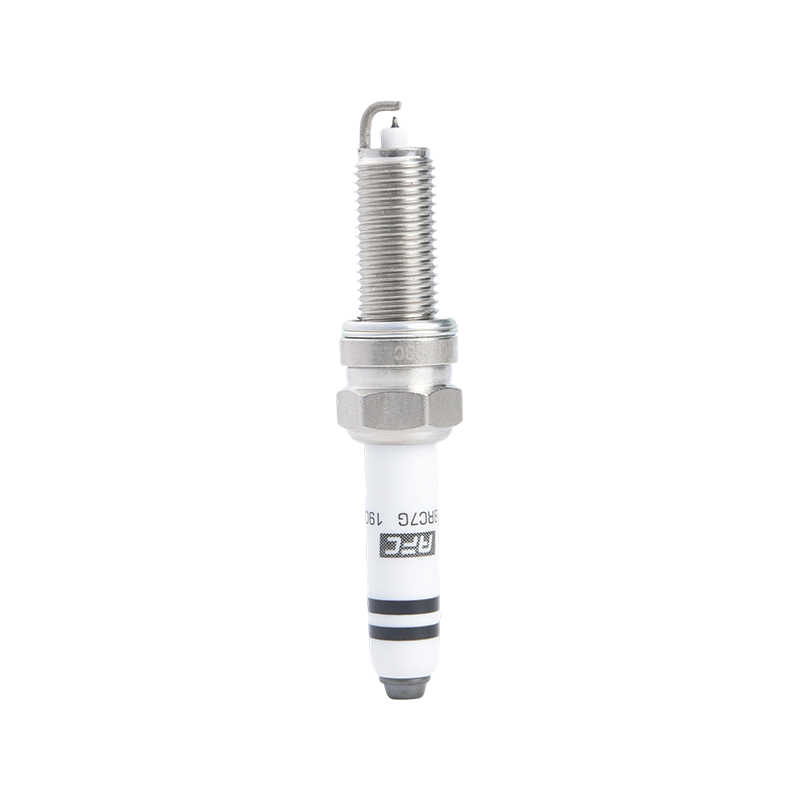
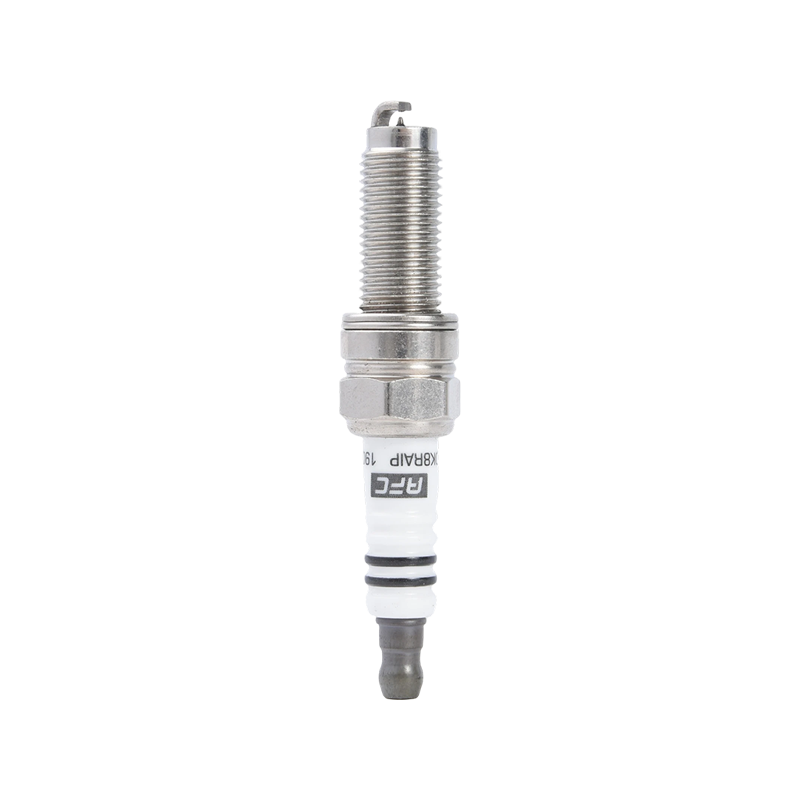
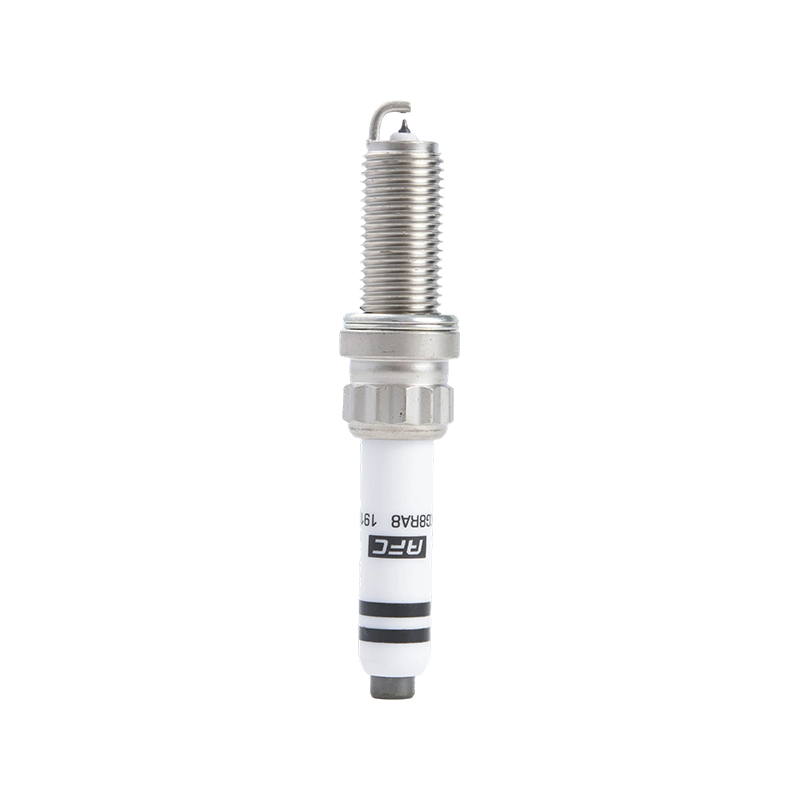
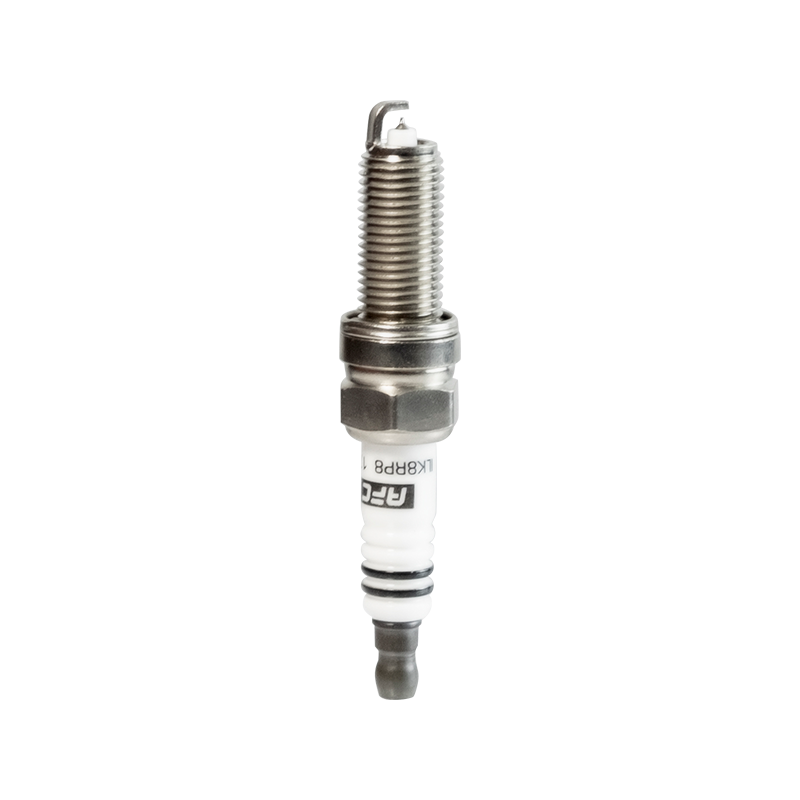
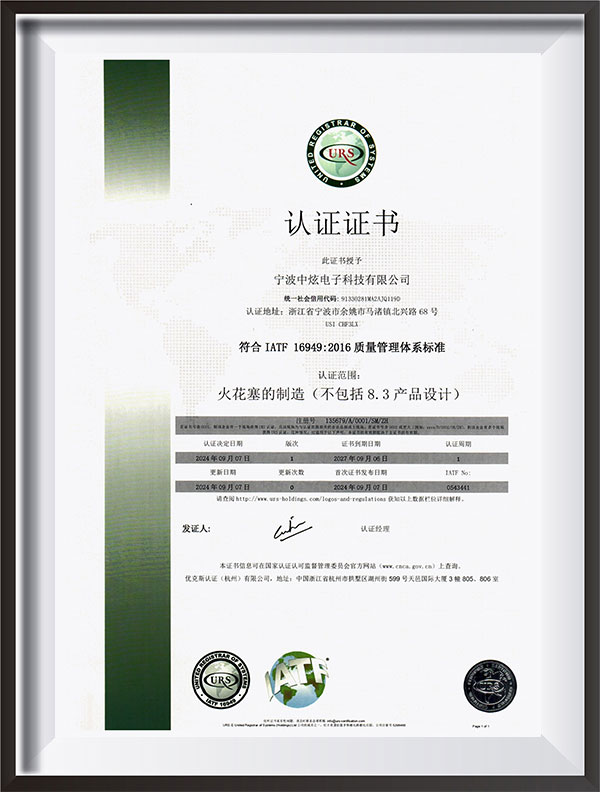
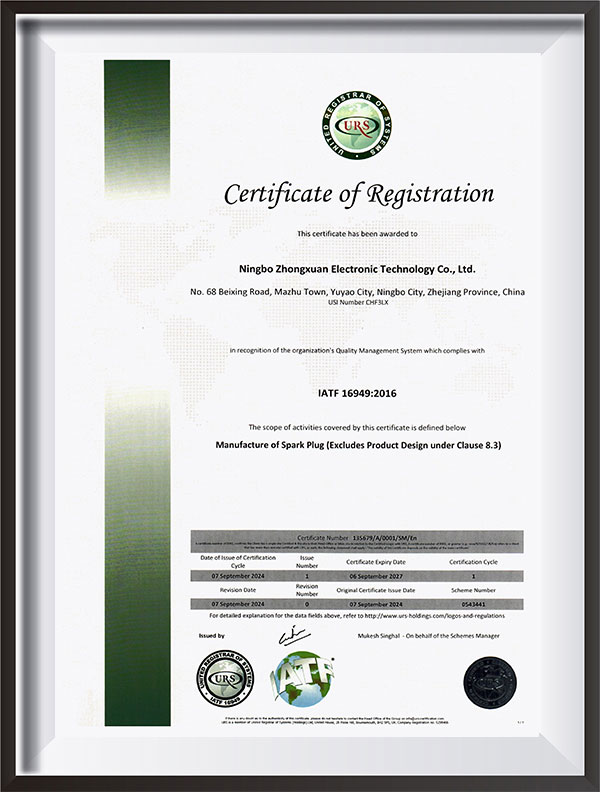
As Chinese automakers expand their global footprint, the demand for precision engine components — particularly iridium platinum spark plugs for Chinese cars — has grown substantially. These spark plugs combine two rare-metal technologies to deliver consistent ignition performance across a wide range of Chinese-manufactured engines, from compact city cars to turbocharged SUVs. Unlike conventional copper-core plugs, iridium platinum variants feature an ultra-fine center electrode paired with a platinum ground electrode, reducing ignition voltage requirements and extending service intervals beyond 60,000–100,000 km in typical driving conditions.
Why Chinese Car Engines Have Specific Spark Plug Requirements
Chinese passenger cars increasingly use turbocharged, direct-injection (TGDI) engines — a shift that happened quickly. According to data from the China Passenger Car Association (CPCA), turbocharged vehicles accounted for over 58% of new passenger car sales in China by 2023. These engines run at higher combustion pressures and temperatures compared to naturally aspirated units, which demands a spark plug that can handle thermal stress without fouling or misfiring.
Standard spark plugs simply are not engineered for this environment. Iridium's melting point sits at 2,446°C, making it one of the most heat-resistant materials used in automotive applications. Platinum, applied to the ground electrode, adds oxidation resistance. Together, they maintain a stable spark gap for much longer than nickel or copper alternatives — a practical necessity for engines that stay in high-load conditions during highway driving or urban stop-start cycles.
Electrode Material Durability Comparison (Service Life, km)
How Iridium Platinum Technology Works in Practice
The iridium center electrode is typically 0.4–0.6 mm in diameter — roughly one-third the size of a standard nickel electrode. This fine tip concentrates the electrical field, which means ignition can occur at lower voltage. Lower required voltage translates directly into less stress on the ignition coil and a more complete combustion event at each cylinder cycle.
The platinum pad on the ground electrode faces the incoming spark and resists the erosion that gradually widens the gap in conventional plugs. When the gap widens unchecked, misfires increase, fuel consumption rises, and the engine management system begins compensating — often at the cost of performance.
For turbocharged Chinese engines in particular, the cold-start behavior is equally important. Japanese-developed cold sealing technology, which ensures the plug seat seals correctly under thermal cycling, prevents gas leakage around the plug body — a failure mode that can cause subtle power loss and rough idle that is difficult to diagnose.
Iridium Platinum vs. Standard Plug: Key Performance Dimensions
NINGBO ZHONGXUAN ELECTRONIC TECHNOLOGY CO., LTD: Capability Behind the Plug
Not every manufacturer producing spark plugs for Chinese cars has invested equally in process technology. NINGBO ZHONGXUAN ELECTRONIC TECHNOLOGY CO., LTD has built its production around mature Japanese cold sealing technology and galvanizing technology, using nickel plating to ensure both superior product performance and a consistent, quality appearance. These are not marketing claims — they reflect specific process choices that affect how the plug behaves across temperature cycles and in the varied fuel qualities found in different markets.
The company also brings many years of research and development experience specifically in turbocharged special spark plug technology — a niche that has become mainstream as Chinese automakers moved rapidly toward forced induction. This focus means the product range reflects real-world engineering considerations for the engines it is designed to serve.
On the market side, NINGBO ZHONGXUAN has established partnerships with numerous domestic auto parts brand chain enterprises and large auto parts dealers, while also offering OEM customization for influential Chinese brands. This distribution depth means the plugs reach both the independent repair market and original equipment fitment — a useful indicator of confidence in the product's consistency.
Estimated Channel Distribution of Spark Plug Supply in China's Aftermarket (2023)
Matching the Right Plug to Your Chinese Vehicle
Compatibility is where many buyers get stuck. Chinese car brands — including those using joint-venture powertrains — can use engines sourced from very different suppliers, and the same model sold across different years may use a different plug specification. The heat range, thread pitch, reach, and seat type all need to align precisely with what the engine manufacturer specified.
Four Ways to Confirm Compatibility
- Check your vehicle's user manual — it typically lists the OEM plug part number and specification.
- Read the model and code printed on your old spark plug before replacing it.
- Provide the vehicle brand, model, engine displacement, and production year — NINGBO ZHONGXUAN's technical team can match the correct plug using their extensive vehicle-to-spark-plug compatibility database.
- For fleet or workshop buyers, request a compatibility check directly before ordering in volume.
The production year detail matters more than it might seem. For example, a popular Chinese SUV model updated its engine mid-cycle in 2021, changing the required plug reach by 2mm — enough to cause seating issues if the wrong plug is installed. Having access to a well-maintained cross-reference database is not a nice-to-have; it is a baseline requirement for supplying this segment reliably.
| Engine Type | Thread Size | Heat Range | Electrode Type |
|---|---|---|---|
| 1.4T / 1.5T Inline-4 | M14 x 1.25 | 6–7 | Iridium + Platinum |
| 2.0T High-output | M14 x 1.25 | 8 | Iridium Fine Wire |
| 1.0T 3-cylinder | M12 x 1.25 | 5–6 | Platinum Double |
Surface Finish and Sealing: Why Manufacturing Process Matters
The outer shell of a spark plug is often overlooked, but its finish directly affects long-term reliability. The nickel and galvanized coatings used in production serve a functional purpose: they protect the metal housing from corrosion in the presence of combustion gases and moisture that enters through the intake. In markets with high humidity — common across southern China and Southeast Asian export destinations — this matters considerably.
Japanese cold sealing technology, as applied in the manufacturing process at NINGBO ZHONGXUAN, ensures the glass-to-metal seal inside the plug body maintains its integrity across repeated heat cycles. A failed internal seal allows combustion pressure to escape along the center electrode, which degrades insulation performance gradually rather than causing immediate failure — making it harder to diagnose in service.
Shell Corrosion Resistance Retention Over Time (%) — Nickel/Galvanized vs. Uncoated
Frequently Asked Questions
How often should iridium platinum spark plugs be replaced in a Chinese turbocharged car?
Most manufacturers specify a replacement interval of 60,000–100,000 km for iridium platinum plugs under normal driving conditions. For vehicles used frequently in heavy traffic or under sustained high-load conditions — highway towing, for example — checking at 60,000 km is a reasonable precaution. Always cross-reference with the vehicle manual for the specific model.
Can the same plug be used across multiple Chinese car brands?
Not necessarily. While certain platforms share engines across brands — especially in joint-venture models — thread size, reach, and heat range must still be confirmed per vehicle. Providing the vehicle brand, model, displacement, and production year to the supplier's technical team is the safest approach. NINGBO ZHONGXUAN maintains an extensive compatibility database specifically for this purpose.
What is the difference between single and double platinum spark plugs?
A single platinum plug has a platinum pad only on the ground electrode; a double platinum version adds platinum to the center electrode tip as well. Iridium platinum plugs use iridium for the center — a harder and more erosion-resistant metal — and platinum on the ground electrode, which many engineers consider the most effective combination for high-cylinder-pressure engines common in turbocharged Chinese vehicles.
Does plug quality affect fuel consumption measurably?
Yes, though the effect is gradual. As plug gaps widen with wear, ignition becomes less efficient. Studies cited by NGK's technical literature suggest that worn plugs can increase fuel consumption by approximately 2–4% compared to new plugs at correct gap specification. For high-mileage Chinese commercial vehicles, this adds up meaningfully over time. Source: NGK Spark Plugs technical documentation, publicly available.
Is OEM customization available for workshops or parts distributors?
NINGBO ZHONGXUAN provides OEM customization for products targeted at influential brands in China, and works with large auto parts dealers and brand chain enterprises. Distributors or workshops sourcing in volume can discuss customization options directly with the team.