


 Español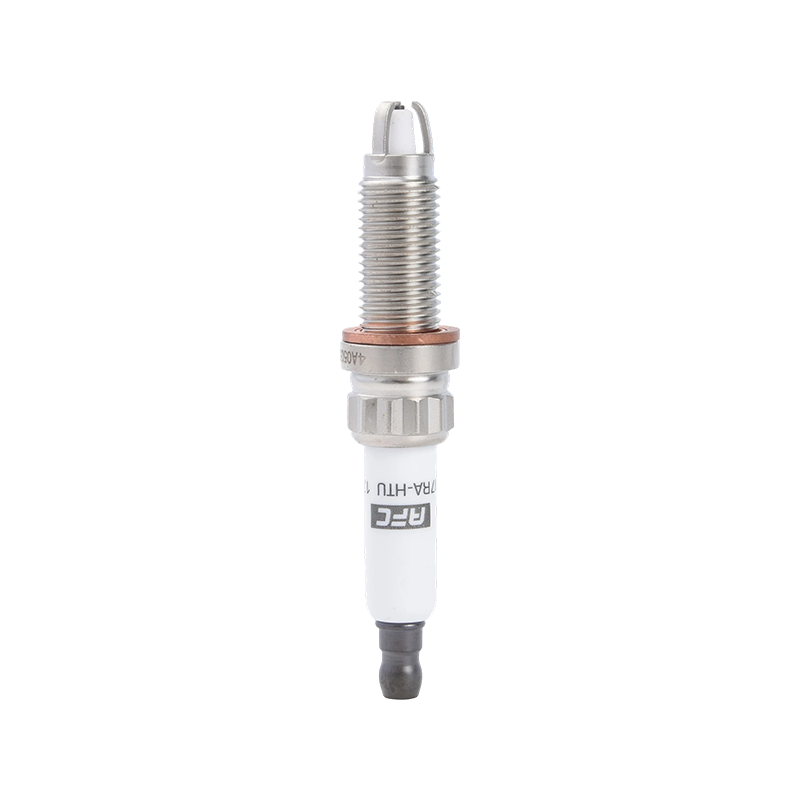
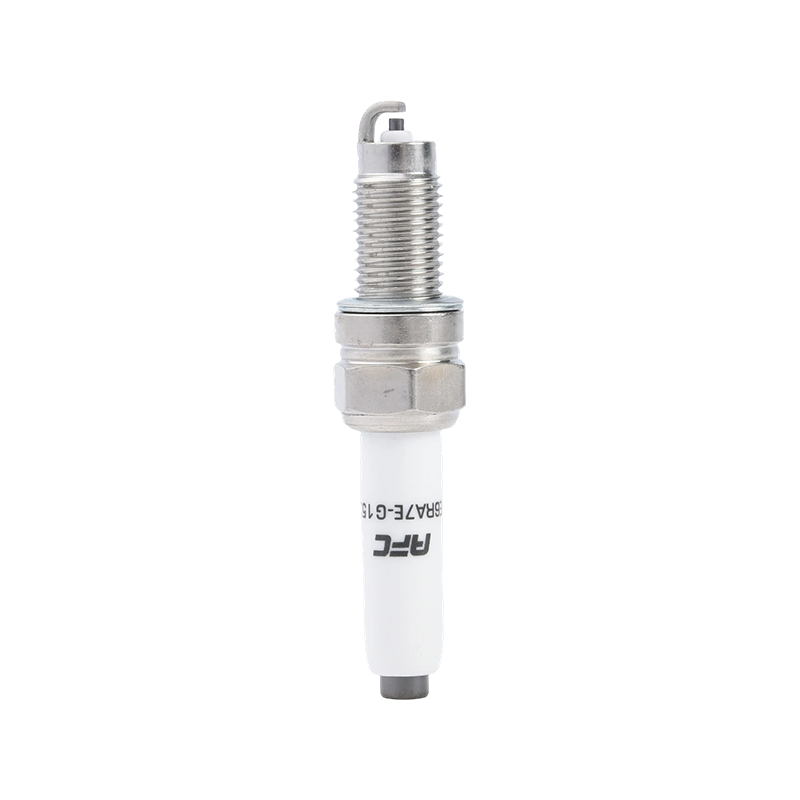
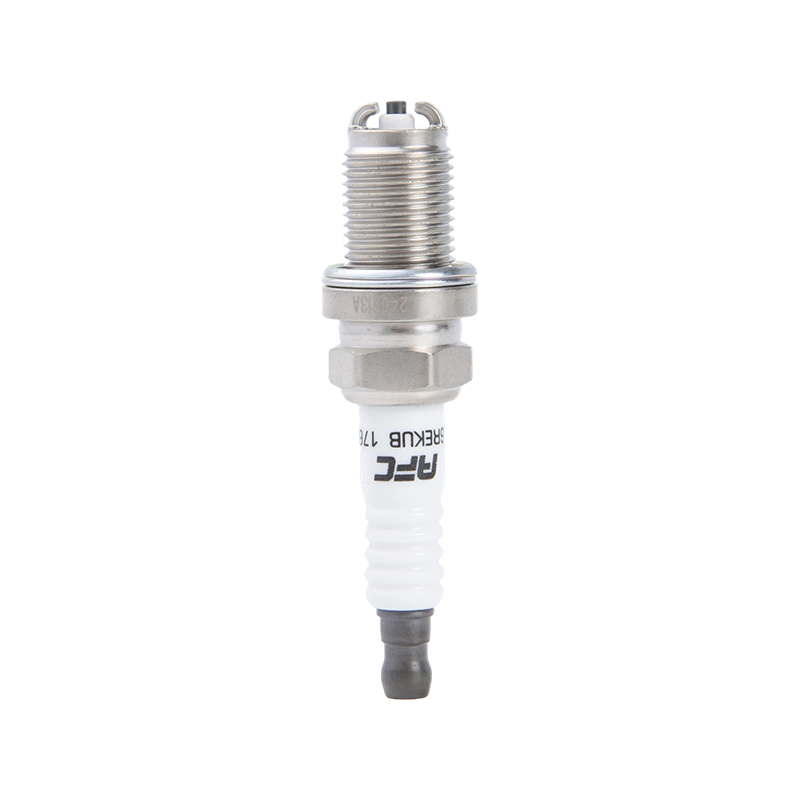
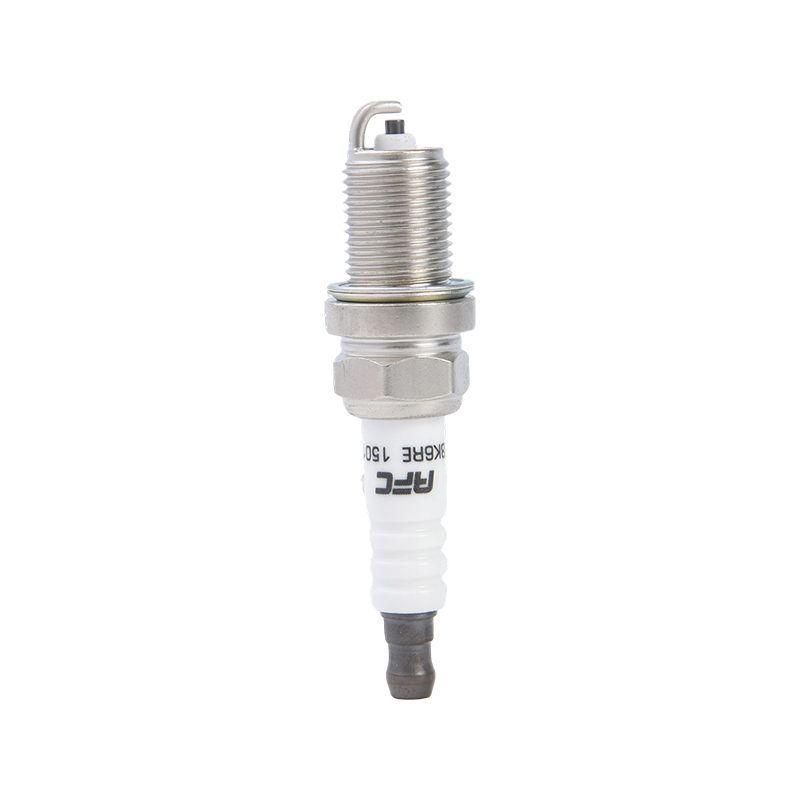
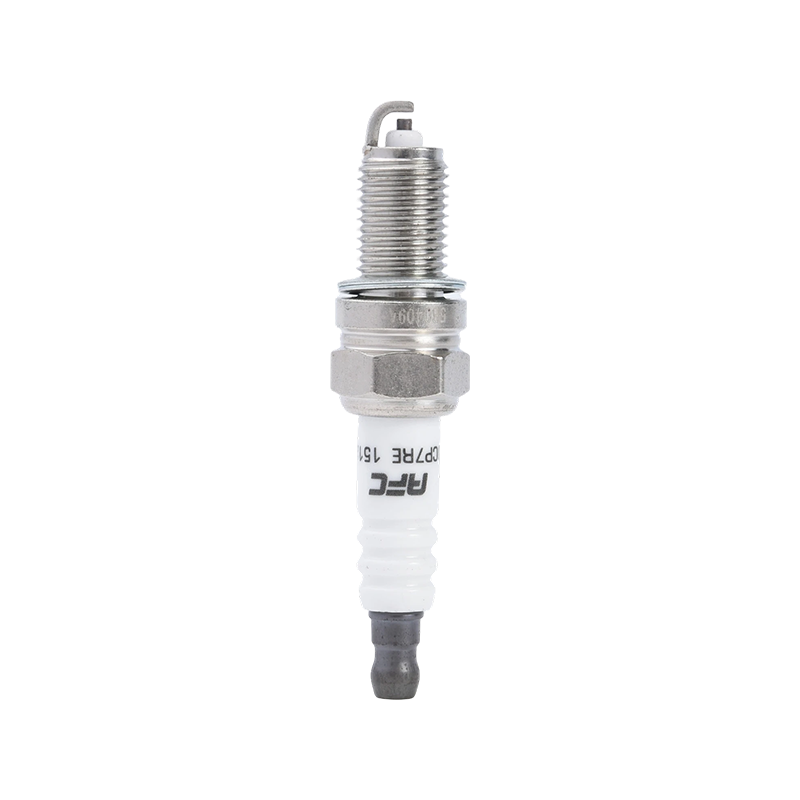
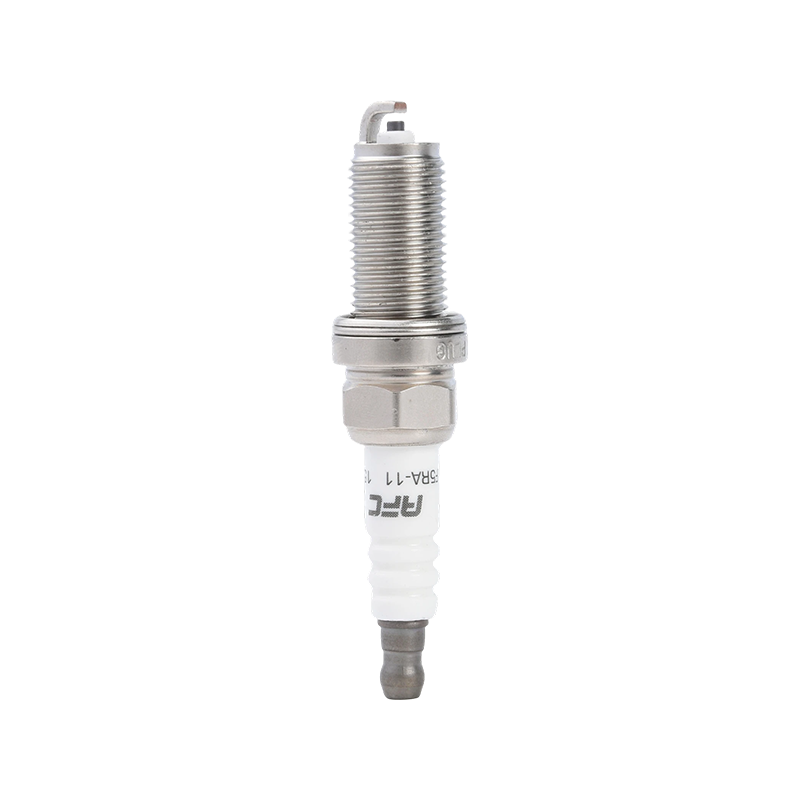
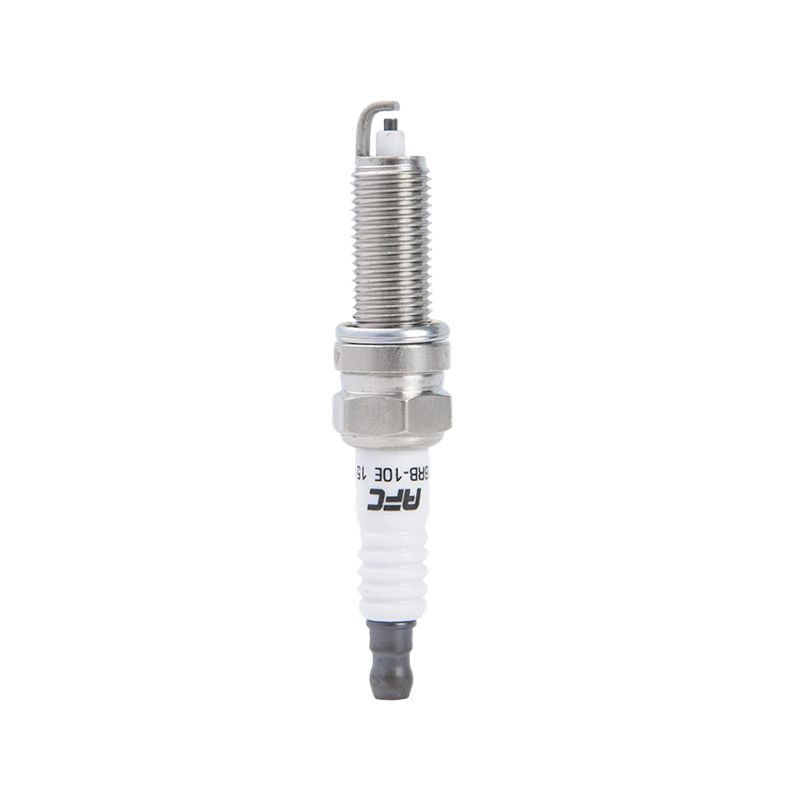
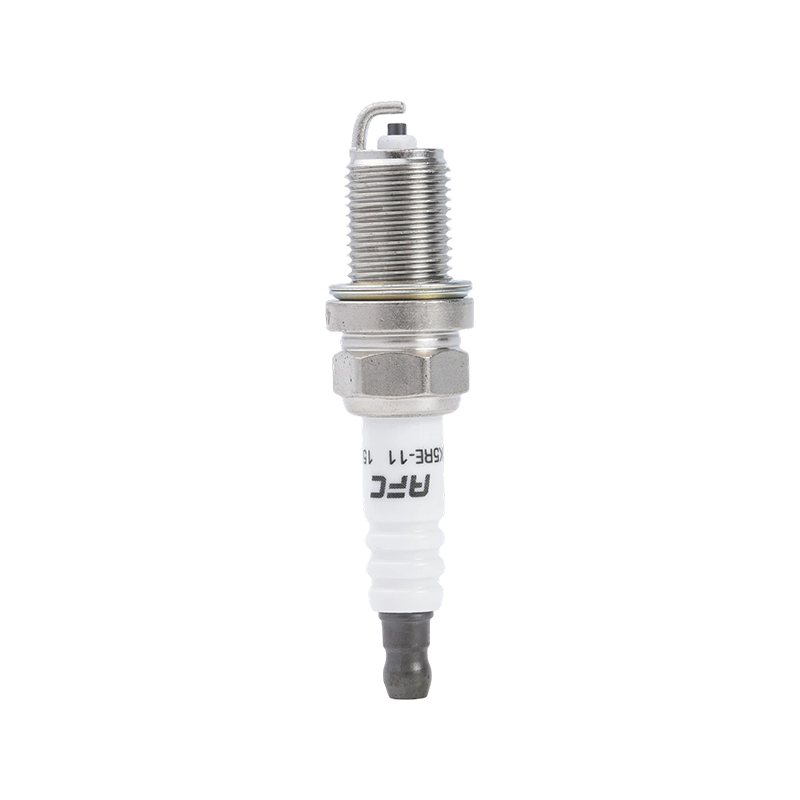
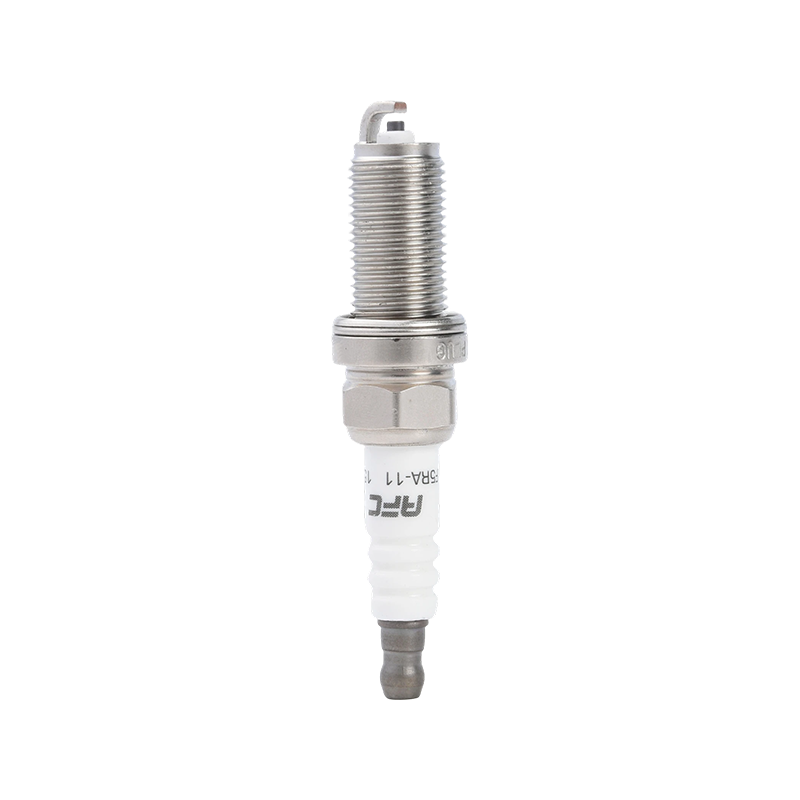
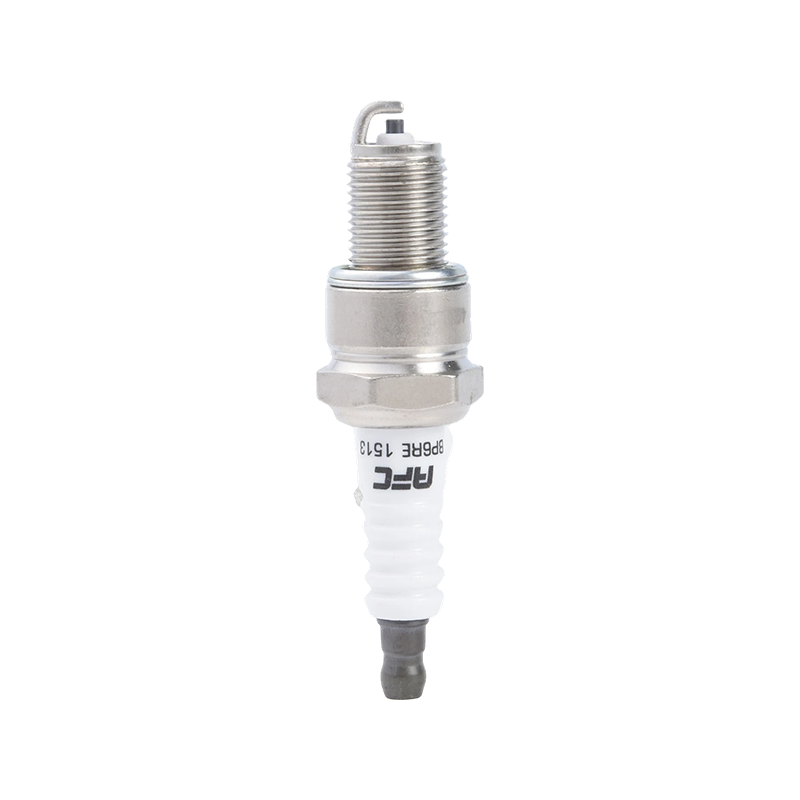
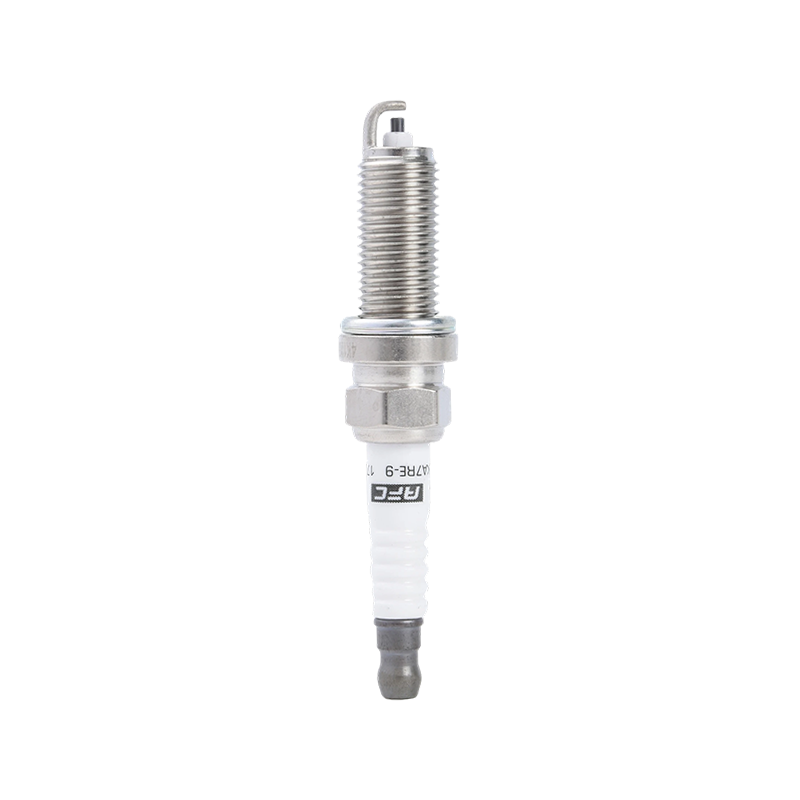
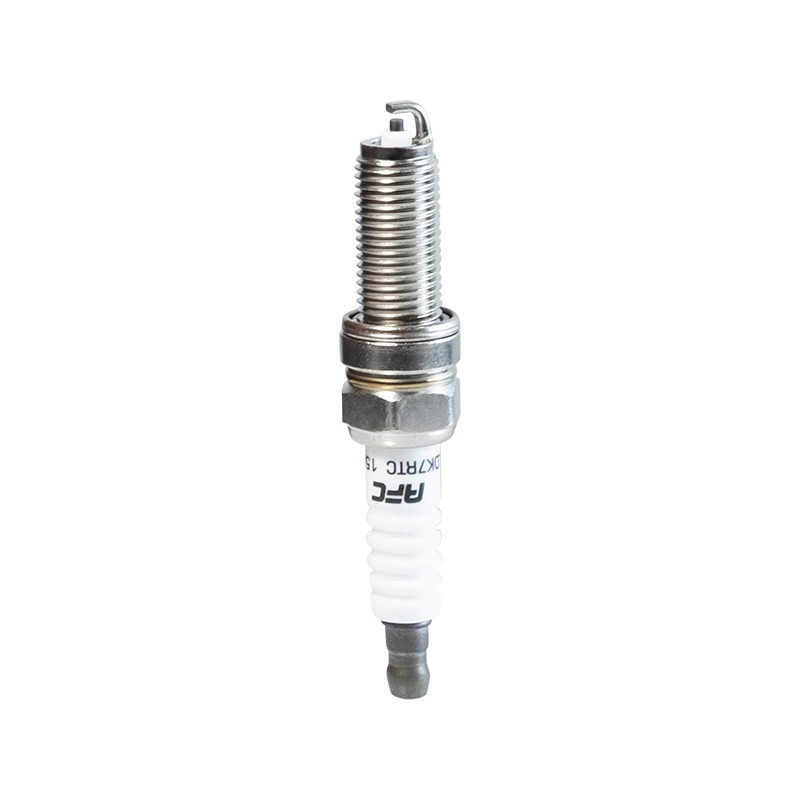
In the world of internal combustion engines, the spark plug is a deceptively small component that carries enormous responsibility. From everyday passenger cars to high-performance turbocharged engines, the choice between a Nickel Copper Spark Plug and a standard copper-core design can meaningfully affect ignition quality, fuel efficiency, and engine longevity. The Copper Spark Plug 4 Pack has become a staple purchase for workshops and individual vehicle owners alike — offering a cost-effective way to maintain or restore ignition performance across all four cylinders at once. Understanding the metallurgy, design principles, and application logic behind these products is what separates an informed maintenance decision from a guess.
Why Electrode Material Matters More Than You Think
At its core, a spark plug's job is to reliably fire a high-voltage spark at precisely the right moment — thousands of times per minute. The electrode material determines how well it handles the thermal stress of that task. Copper has one of the highest thermal conductivity ratings among common metals, sitting at roughly 385 W/m·K, which allows heat to dissipate rapidly from the firing tip. This prevents pre-ignition and electrode fouling under moderate engine loads.
Nickel alloy, layered over a copper core in a Nickel Copper Spark Plug, adds a protective outer shell that resists oxidation and chemical erosion from combustion byproducts. The result is a plug that combines copper's heat-transfer advantages with nickel's surface durability — a practical engineering compromise that has served the automotive aftermarket for decades.
Thermal Conductivity of Common Electrode Materials (W/m·K)
Higher thermal conductivity means faster heat dissipation, reducing the risk of pre-ignition.
The Engineering Behind Nickel Copper Spark Plugs
A Nickel Copper Spark Plug is not simply a copper plug with a nickel coating sprayed on top. The manufacturing process involves precise cold-forming of the copper core followed by controlled nickel-alloy deposition — a sequence that demands both metallurgical expertise and tight process tolerances. The cold-forming step shapes the electrode geometry without introducing thermal stress, preserving the crystal structure of the copper and maintaining consistent electrical conductivity throughout the part.
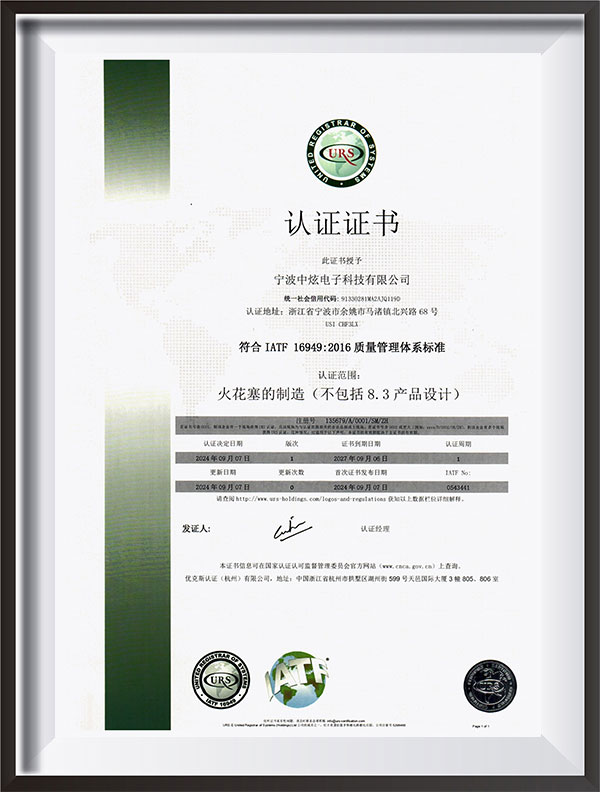
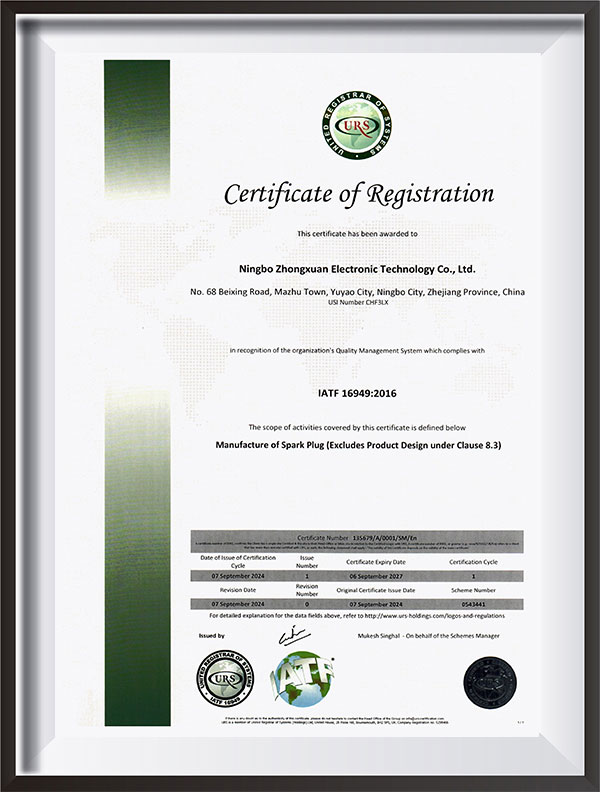
NINGBO ZHONGXUAN ELECTRONIC TECHNOLOGY CO., LTD has built its production capability around exactly this kind of precision. The company employs mature Japanese cold sealing technology and an advanced galvanizing process to apply nickel uniformly, ensuring both superior spark performance and a polished, corrosion-resistant exterior. This isn't cosmetic — consistent nickel thickness directly affects how the plug handles voltage demand under high-compression or turbocharged conditions.
Cold Sealing Technology
Japanese-Origin Process
Preserves copper crystal structure; eliminates thermal distortion in forming stage.
Galvanizing Precision
Uniform Nickel Layer
Consistent coating thickness = consistent voltage performance across every plug in a set.
Appearance Finish
Exquisite Surface Quality
Nickel finish resists rust and oxidation in the thread area, protecting both plug and cylinder head.
Copper Spark Plugs in Turbocharged Engines: A Closer Look
Turbocharged engines present a unique challenge to ignition components. Boost pressure raises in-cylinder temperatures and densities, requiring a spark plug that can fire reliably under conditions that would cause a marginal plug to misfire or foul. Copper-core plugs, with their excellent heat dissipation, have long been used as OEM fitment in forced-induction applications — but the heat range selection and electrode geometry must be matched precisely to the engine's boost profile.
NINGBO ZHONGXUAN ELECTRONIC TECHNOLOGY CO., LTD has dedicated years of engineering effort specifically to this segment, accumulating substantial research and development experience in turbocharged special spark plug technology. That focused expertise means the company's Nickel Copper plugs are not generic designs adapted for turbo use after the fact — they are products where turbocharger behavior was considered from the design phase.
Firing Reliability vs. Boost Pressure
Illustrative comparison: Nickel-Copper vs standard copper electrode under increasing boost
Why the 4-Pack Format Makes Practical Sense
Most four-cylinder engines — which account for the majority of the global passenger vehicle market — require a matched set of four spark plugs changed simultaneously. Installing mismatched plugs, or replacing only one or two worn plugs while leaving others, creates cylinder-to-cylinder ignition timing inconsistencies that can trigger misfires, increase fuel consumption, and cause rough idle. The Copper Spark Plug 4 Pack eliminates this risk by ensuring all four plugs come from the same production batch, with identical electrode geometry and gap specifications.
| Factor | Single Replacement | 4-Pack Replacement |
|---|---|---|
| Cylinder Balance | Inconsistent | Uniform |
| Electrode Gap Consistency | Variable | Matched (same batch) |
| Labor Cost per Service | Higher (repeat visits) | Lower (one intervention) |
| Misfire Risk | Elevated | Reduced |
Nickel Copper vs. Copper: Performance Profile at a Glance
Every spark plug type involves trade-offs. The radar chart below maps key performance dimensions to help clarify where a Nickel Copper Spark Plug excels relative to a bare copper design — and where the differences are marginal.
The nickel-copper profile scores meaningfully higher on durability and corrosion resistance, while standard copper retains a slight edge in raw heat-dissipation speed. For most street-driven four-cylinder applications, the nickel-copper plug offers the better all-round balance.
Common Questions About Nickel Copper and Copper Spark Plugs
Can I mix nickel-copper and standard copper plugs in the same engine?
This is not recommended. Different electrode materials can have subtly different heat ranges and firing characteristics. Even if both plugs appear to share the same specifications on paper, mixing them risks uneven combustion across cylinders, which shows up as rough idle or slight power inconsistencies. The whole point of buying a Copper Spark Plug 4 Pack is to guarantee uniformity — defeating that with mixed types doesn't make sense.
What does the nickel coating actually protect against?
Inside a combustion chamber, a spark plug faces acid-rich combustion gases, thermal cycling between cold starts and operating temperature, and physical erosion from repeated spark events. Nickel alloy resists oxidation in this environment far better than bare copper or steel. In the thread area specifically, nickel plating (as used in NINGBO ZHONGXUAN ELECTRONIC TECHNOLOGY CO., LTD's galvanizing process) prevents the plug from seizing in the cylinder head — a real and frustrating problem with cheaper, uncoated plugs, especially after extended service intervals.
Are copper-core plugs suitable for turbocharged engines?
Yes, but heat range selection becomes critical. A plug that runs too "hot" (meaning it retains heat rather than transferring it) will cause pre-ignition under boost. Conversely, a plug too cold for the application will foul at idle or light-load driving. NINGBO ZHONGXUAN ELECTRONIC TECHNOLOGY CO., LTD's years of R&D specifically in turbocharged spark plug technology means their products address this calibration challenge directly — not as an afterthought.
How do I know when to replace copper spark plugs?
The most reliable indicators include rough idle, reduced throttle response, hard cold starts, and a noticeable increase in fuel consumption. Visually, a worn copper-core plug will show a rounded center electrode (it should be square-edged when new), deposits on the insulator tip, or a widened spark gap beyond the manufacturer's specification. As a preventive measure, replacing the full set on schedule — rather than waiting for symptoms — keeps ignition performance consistent and protects other components like catalytic converters from unburned fuel.
What is the significance of Japanese cold sealing technology in spark plug manufacturing?
Cold sealing (cold forming) shapes metal at room temperature rather than under heat. This preserves the material's grain structure, producing tighter dimensional tolerances and better mechanical properties than hot-formed alternatives. For a spark plug's center electrode, this translates to a more consistent electrode geometry, which in turn means a more predictable spark gap and more reliable ignition across every firing event. NINGBO ZHONGXUAN ELECTRONIC TECHNOLOGY CO., LTD's adoption of Japanese-origin cold sealing technology reflects a deliberate choice to prioritize this consistency over lower-cost forming methods.