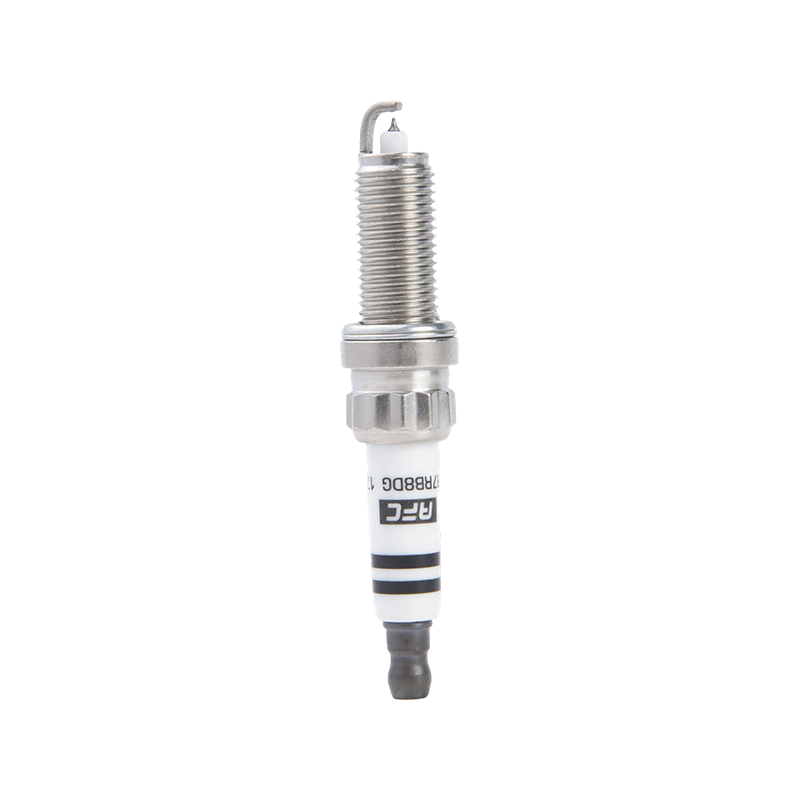
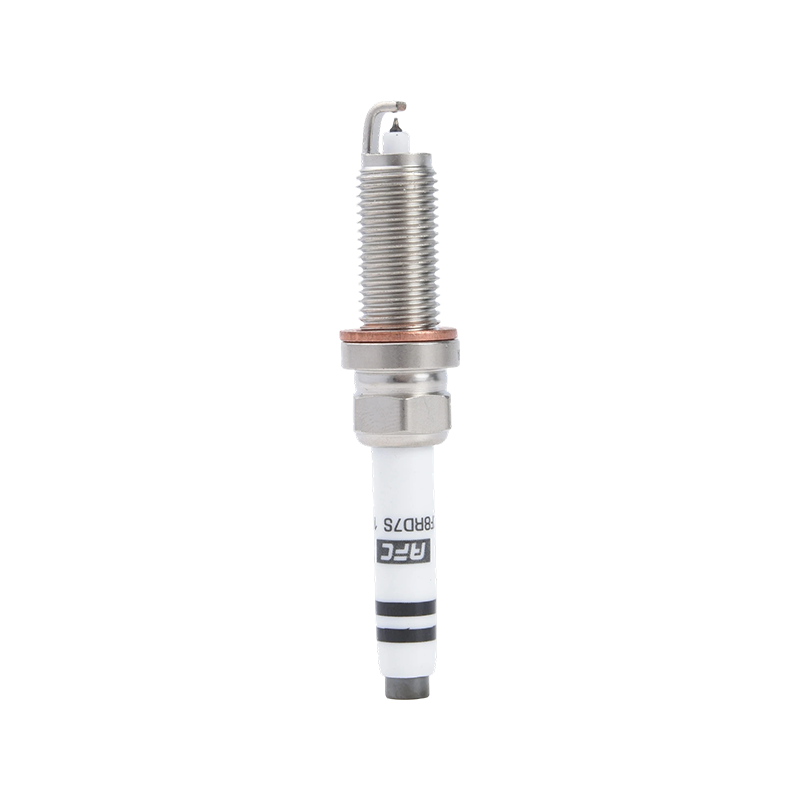
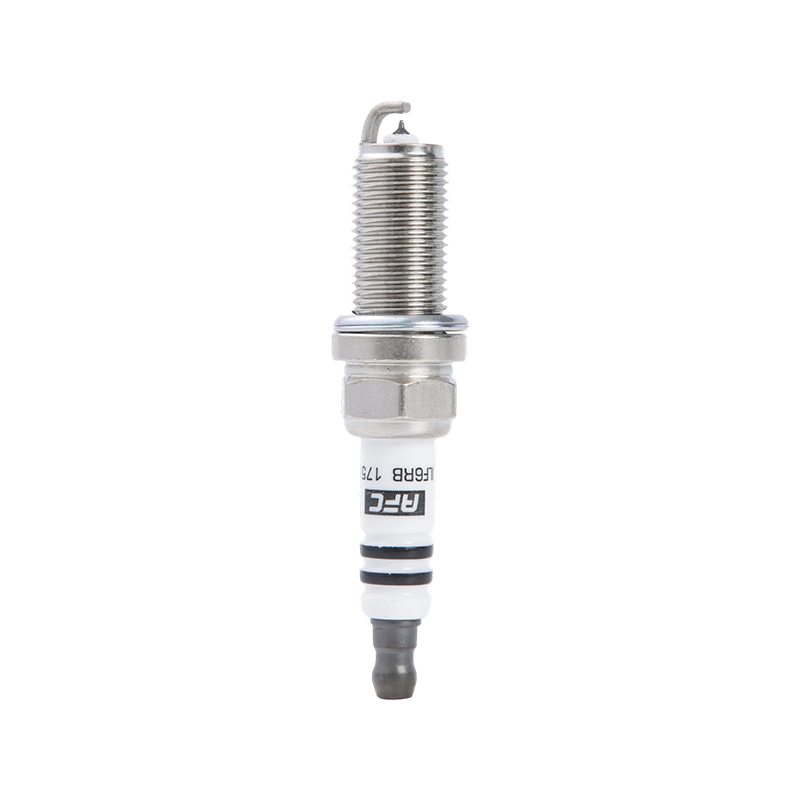
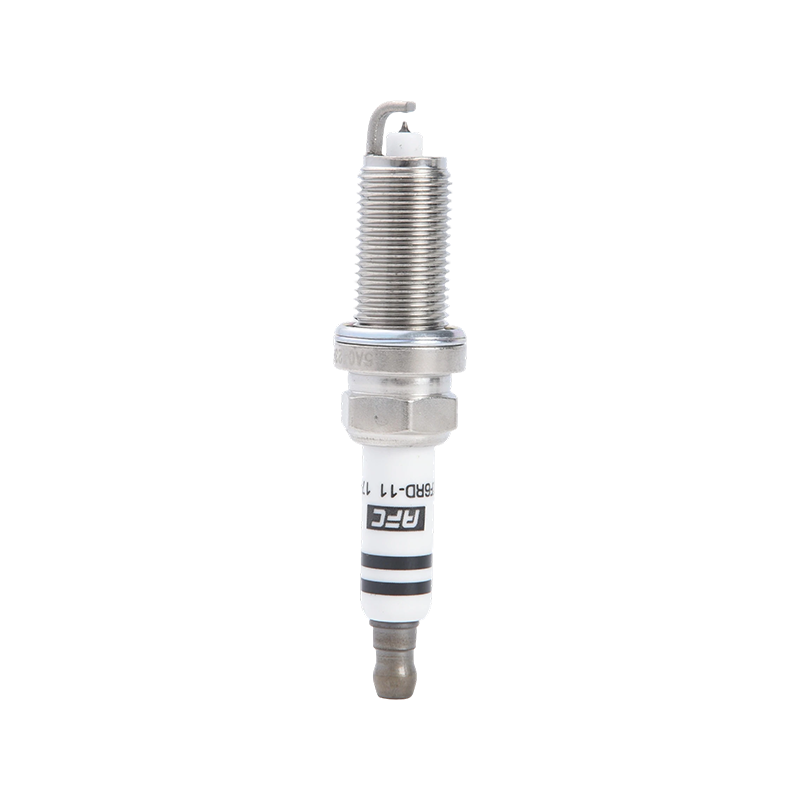
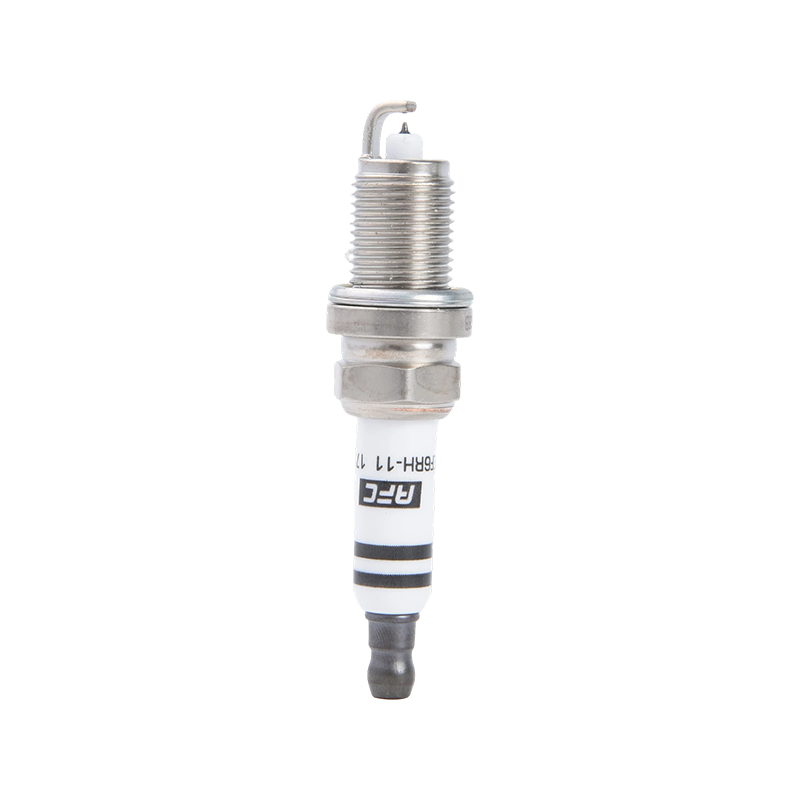
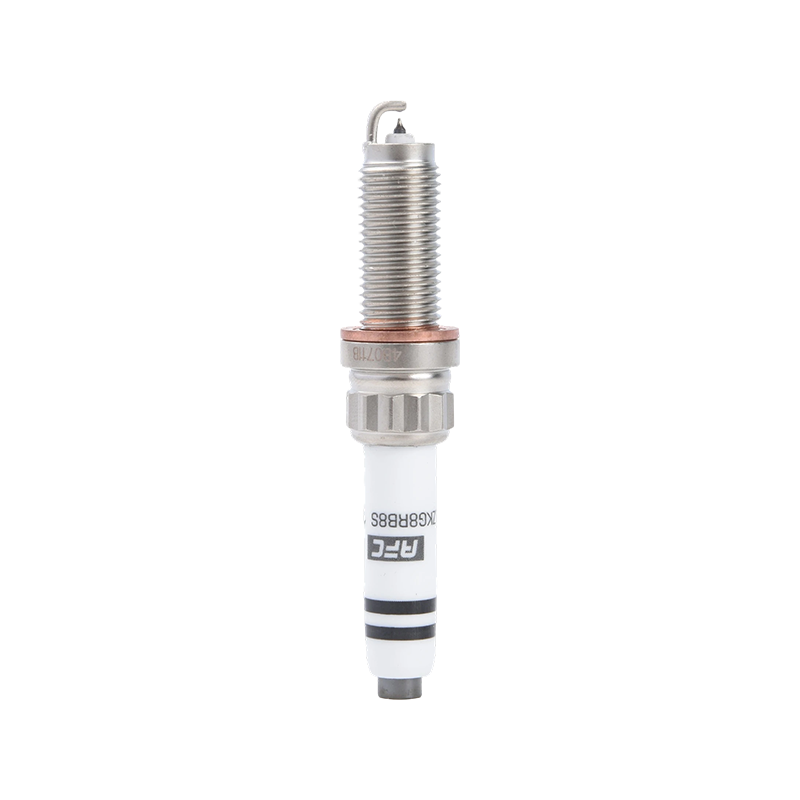
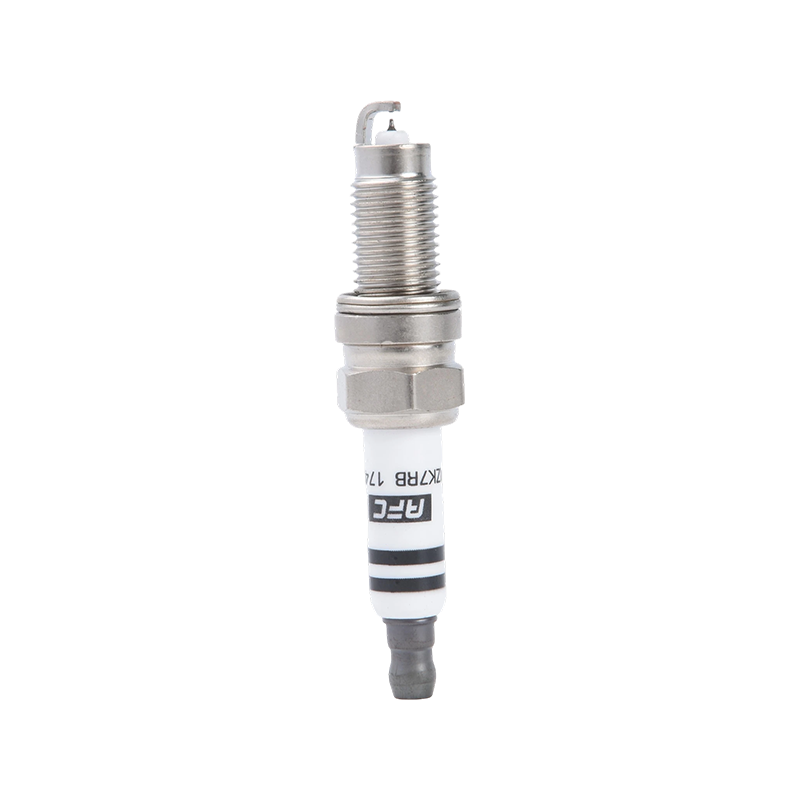
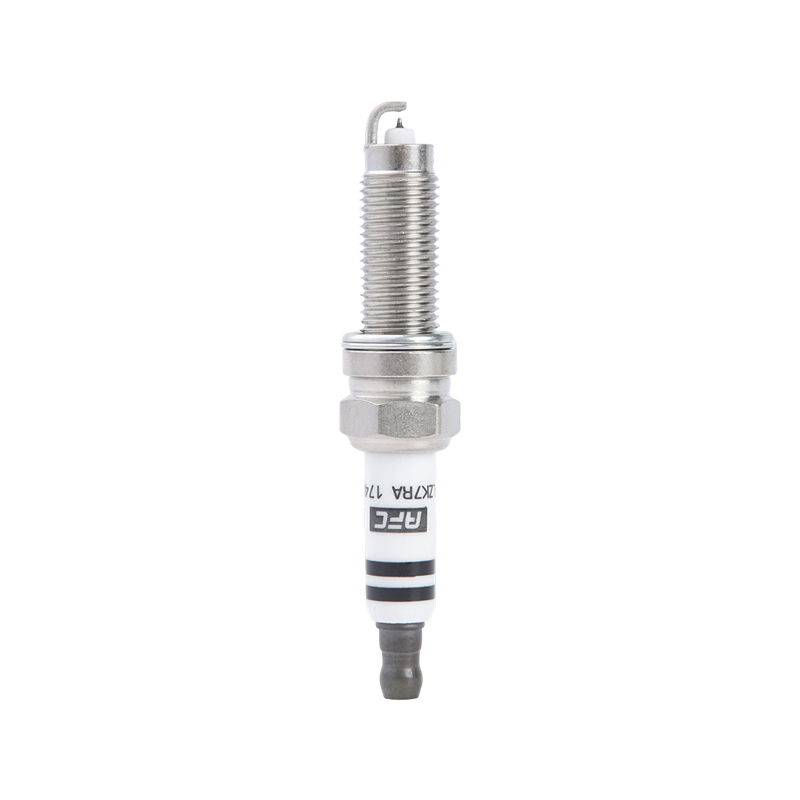
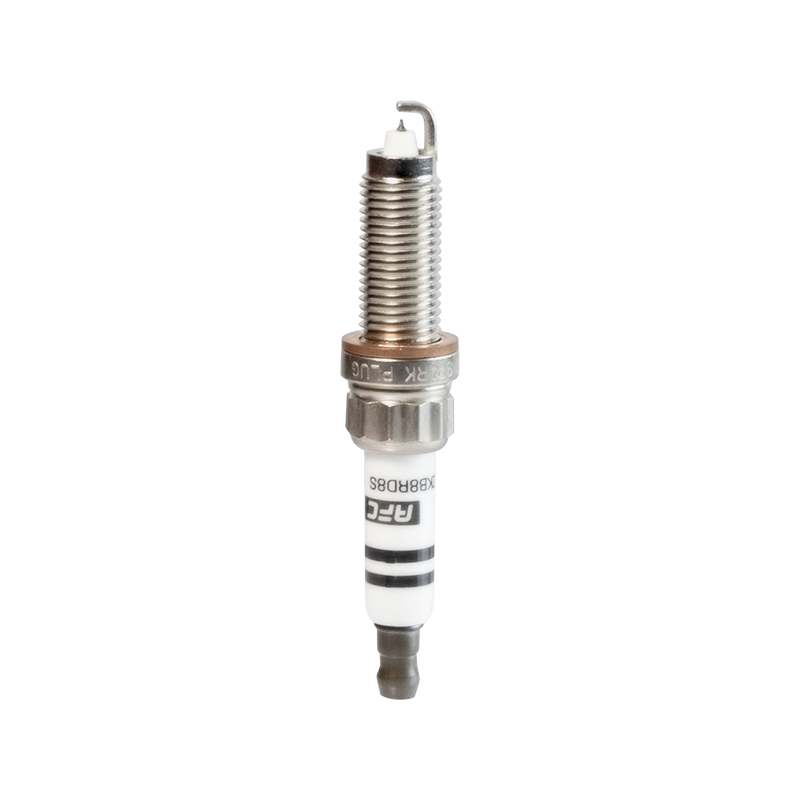
High-Performance Iridium-Platinum Spark Plugs for German Engines Specially engineered for the performance characteristics of German powertrains, these iridium-platinum spark plugs deliver precise compatibility with Audi, Volkswagen, Mercedes-Benz, and other German models. The series employs a core technology combining an iridium center electrode and platinum ground electrode, leveraging composite precious metals to synergistically enhance ignition efficiency, corrosion resistance, and heat dissipation. With optimized heat ranges, gap parameters, and thread specifications tailored to mainstream German powertrains, they ensure robust spark strength and combustion stability under extreme operating conditions while balancing daily drivability, explosive power, and long-term durability.
The key advantage lies in the dual-precious-metal electrode design—the combination of an iridium center electrode and platinum ground electrode provides superior corrosion resistance, preventing ignition delays or misfires caused by electrode wear. This ensures smooth power delivery and significantly improves ignition efficiency and combustion stability. With exceptional adaptability to extreme conditions and a service life of up to 80,000 kilometers, these spark plugs reduce the need for frequent maintenance. Thanks to their dual-precious-metal technology and precise compatibility with German-engineered vehicles, they represent a premium maintenance solution for high-performance German models.
About Us
Ningbo Zhongxuan Electronic Technology Co., Ltd
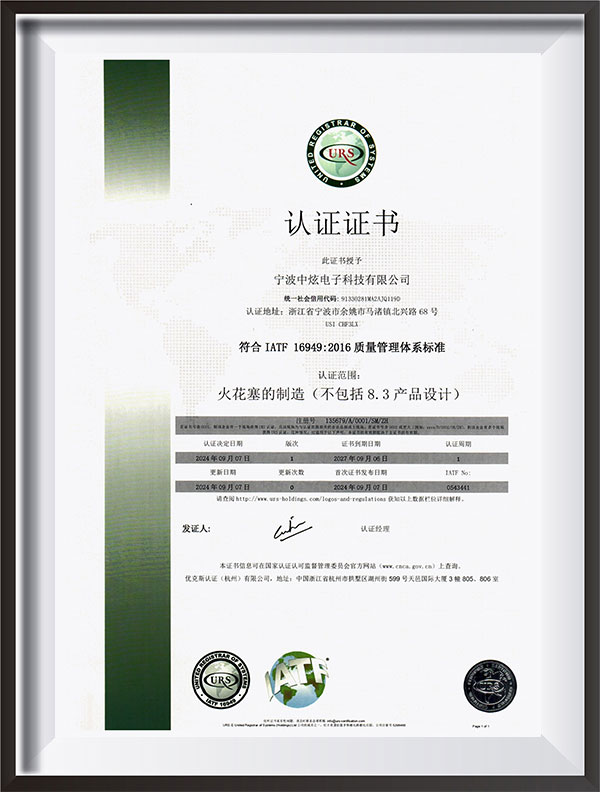
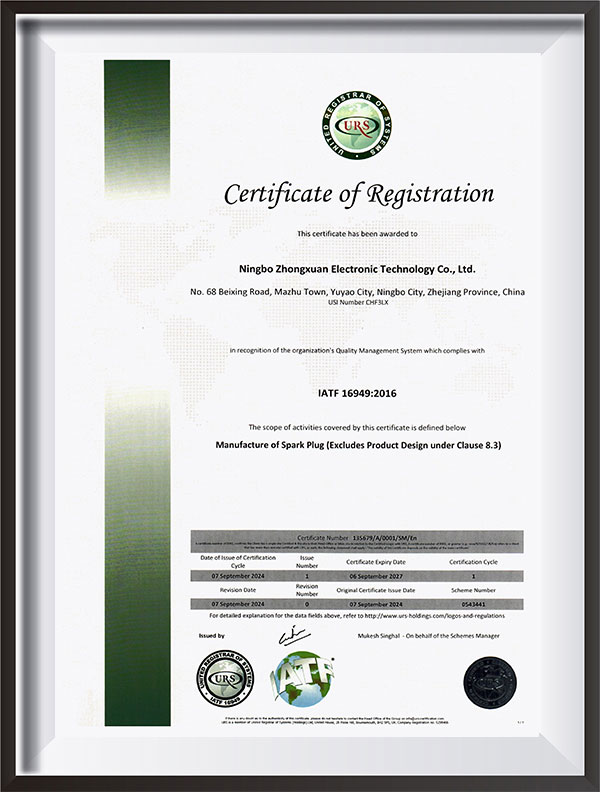
As China OEM Iridium Platinum Spark Plug For German Cars Suppliers and ODM Iridium Platinum Spark Plug For German Cars Factory, The company is a high-end automotive spark plug professional manufacturer.The existing standard workshop is more than 12000 square meters, a number of advanced complete automatic production lines, production capacity and production technology has reached the industry leading level. The enterprise has passed the lATF 16949 quality management system standard, lSO9001,and other system certification.
The company has mature Japanese cold sealing technology and galvanizing technology, nickel to ensure superior product performance and exquisite appearance.Also with many years of research and development experience in turbocharged special spark plug technology.
The production of iridium, platinum, double platinum, iridium platinum, double iridium and other precious metal car special type spark plug, over 330 types.Annual output is more than 20,000,000 pcs.The company has more than 90 R&D sales and after-sales personnel. The product quality is constantly improved after years of research and development.
At present, the company has become partner with many domestic auto parts brand chain enterprises, large auto parts dealers, and OEM customization for products with influence brand in China.At the same time, the company cooperate with the world's top three OES company, the products are exported to Germany,Poland.Russia.United States and so on.
If you are comparing a heat range 6 and a heat range 7 spark plug for the same engine, the direct answer is that the 6 is one step hotter and the 7 is one step colder. The 7 keeps the electrode tip roughly 70-100°C cooler at the same engine load, which gives a larger safety margin against pre-ignit...
A spark plug gap that is too small produces a short, weak spark that cannot ignite the air-fuel mixture reliably. In ordinary driving this shows up as a rough idle, hesitation when you press the throttle, a measurable drop in fuel economy, and often a flashing or steady check-engine light with a mi...
Selecting the heat range of a spark plug is not a performance upgrade. It is a combustion tuning decision that affects engine reliability. The heat range controls how quickly the firing tip sheds heat into the cylinder head, and the correct heat range keeps that tip between 500°C and 800°C (932°F t...
Please feel free to leave a message and we will reply to you soon.
Industry knowledge
German cars — whether a BMW 3 Series, a Mercedes-Benz C-Class, or an Audi A4 — are engineered with tight tolerances and high-revving engines that put serious demands on every ignition component. Iridium platinum spark plugs have become the go-to solution for this segment because they combine iridium's extreme hardness with platinum's corrosion resistance, delivering a reliable, precise spark even under high-compression, turbocharged conditions. From OEM replacements to performance upgrades, iridium platinum spark plugs for German cars cover a wide range of BMW, Mercedes-Benz, Audi, Volkswagen, and Porsche applications — and getting the right spec makes a measurable difference in how an engine actually runs.
Why German Engines Have Stricter Spark Plug Requirements
Most German production engines run higher compression ratios and turbocharger boost pressures than comparable Japanese or American engines of the same displacement. A BMW B58 inline-six, for example, runs approximately 11:1 compression with up to 25 psi of boost in performance variants. At these conditions, a standard nickel plug erodes quickly and produces inconsistent spark gaps, which leads to misfires and increased fuel consumption.
The combination of iridium and platinum in one plug addresses two different failure points simultaneously: the iridium fine-wire center electrode resists wear under high energy discharge, while the platinum ground electrode layer handles the heat and oxidation that come with sustained high-load driving. The result is a plug that maintains its original gap dimensions far longer than single-material alternatives.
Approximate Service Life by Spark Plug Material (Miles)
Iridium vs. Platinum: What Actually Changes at the Electrode
Both materials improve on copper, but they work differently. Iridium has a melting point of 2,446°C — significantly higher than platinum's 1,768°C — which allows an iridium-tipped center electrode to be drawn down to 0.4–0.6 mm without the tip burning off. That finer diameter lowers the voltage required to produce a spark, which means the ignition coil does less work and ignition timing is more repeatable across cylinders.
Platinum, when applied to the ground electrode, handles a different problem: oxidation and hot-spot erosion caused by the returning spark charge. European vehicle manufacturers including BMW and Mercedes-Benz have specified platinum ground electrodes on turbocharged engines since the mid-2000s precisely because boost pressure concentrates combustion heat near the electrode tip.
Material Properties Relevant to Spark Plug Performance
Property
Iridium
Platinum
Copper (baseline)
Melting Point
2,446°C
1,768°C
1,085°C
Relative Hardness vs. Platinum
~8× harder
Reference
Softer
Typical Electrode Diameter
0.4–0.6 mm
0.6–0.8 mm
2.5 mm
Primary Application in Plug
Center electrode tip
Ground electrode tip
Both electrodes
Data sources: Accio.com industry reference; STR Performance technical guide
Coverage Scope: Which German Models Actually Benefit
Not every German car needs a premium plug, but turbo-equipped petrol engines in particular respond noticeably. The vehicles below represent the highest-demand applications where iridium platinum specifications are either OEM-required or strongly recommended by workshop technicians.
●
BMW (1–7 Series, X3–X5)
N20, B48, B58, and N55 turbocharged inline engines. OEM part numbers such as 12120039664 specify iridium platinum construction. Replacement intervals: 60,000–100,000 km depending on tune level.
●
Mercedes-Benz (C, E, S-Class)
M271, M274, M276 engines running 1.6T–3.0T. Original equipment references such as A0001590500 use iridium platinum dual-material designs to handle the high ignition energy of direct injection.
●
Audi / Volkswagen (EA888, EA839)
Golf, A3, A4, Q5 and their performance derivatives running 1.4T–3.0T. These platforms are particularly sensitive to electrode gap — deviating from spec by even 0.1 mm can trigger misfire codes on the ECU.
●
Porsche (Boxster, Cayenne, Macan)
Porsche combustion chambers run exceptionally high cylinder pressures. Workshop experience consistently shows that deviating from OEM plug specifications on Porsche engines leads to fouling or misfires at high rpm.
Performance Profile: Iridium Platinum vs. Standard Plugs in German Turbocharged Engines
The radar below illustrates how iridium platinum plugs compare to standard copper plugs across five operating dimensions that matter most in German turbocharged applications. Scores are indicative based on aggregated workshop data and published material specifications.
How to Choose the Right Iridium Platinum Plug for Your German Car
Three parameters matter most when cross-referencing a replacement plug for a BMW, Audi, or Mercedes application:
Heat range — German turbocharged engines tend to require a colder heat range than naturally aspirated equivalents. Running a plug that is too hot under boost causes pre-ignition; too cold leads to carbon fouling at idle.
Thread reach and diameter — BMW inline engines typically use M12 × 1.25 plugs with a 26.5 mm reach; Mercedes V6s commonly use M14 × 1.25. Using the wrong reach can expose the electrode tip inside the combustion chamber or fail to seat properly.
Electrode gap — Audi EA888 direct injection engines are particularly sensitive: a gap deviation of 0.1 mm from the specified value has been documented to trigger P0301–P0304 misfire fault codes. Always verify against the OEM part number, not just aftermarket compatibility charts.
For stage-tuned cars running modified ECU maps, the replacement interval shortens significantly. On stock engines, 60,000–100,000 km is typical; on Stage 1 or Stage 2 tuned applications, technicians recommend inspecting at 20,000–30,000 km, as boosted combustion conditions accelerate electrode wear even on iridium tips.
Sourcing Iridium Platinum Spark Plugs: What to Look For in a Supplier
Counterfeit and substandard spark plugs are a genuine problem in the aftermarket — particularly for high-demand German car fitments where the OEM specifications are precise. When evaluating a supplier, catalog depth, sample availability, and response speed are the three practical indicators that separate a serious manufacturer from a catalogue reseller.
230+
Models Covered
Cars, motorcycles, and small gasoline engines
<0.5h
Inquiry Response
On business days
Free
Standard Samples
Buyer covers courier freight
NINGBO ZHONGXUAN ELECTRONIC TECHNOLOGY CO., LTD stocks over 230 models covering the vast majority of car, motorcycle, and small general gasoline engine applications — including the German car fitments most frequently requested in the aftermarket. For buyers who want to assess quality before placing a bulk order, the company provides free samples of standard products; the buyer covers courier freight. For customized specifications or non-standard requirements, a sample cost fee may apply, though this is typically deductible from the subsequent order.
On business days, the team responds to inquiries within half an hour of receipt. That turnaround matters in practice: importers and workshop procurement teams dealing with time-sensitive fitment questions — particularly around heat range or electrode gap for an uncommon German engine variant — need answers quickly. Customization is also accepted, which is relevant when a German car application calls for a specification outside the standard catalog range.
Can I use an iridium platinum plug as a direct replacement for the OEM plug in my BMW or Audi?
Yes, provided the heat range, thread diameter, thread reach, and electrode gap match the OEM specification exactly. Do not assume a plug labeled "compatible" is set to the correct gap — always check and adjust to the figure in the vehicle's service documentation before installation.
How long should iridium platinum plugs last in a turbocharged German engine?
On a stock engine, 60,000–100,000 miles is the typical range cited by technicians. On a tuned car running higher boost, interval inspection is recommended at 20,000–30,000 km. The fine iridium tip can still erode faster than expected if ignition timing is advanced beyond OEM spec.
What happens if the spark plug gap is wrong on an Audi or VW direct injection engine?
Direct injection engines are more sensitive to gap variation than port injection equivalents because fuel delivery and ignition timing are tightly coordinated by the ECU. A gap that is 0.1 mm wider or narrower than specified can produce P0301–P0304 misfire codes, rough idle, and measurable fuel consumption increases.
Is it possible to order custom iridium platinum spark plugs for a less common German engine variant?
Yes. Manufacturers such as NINGBO ZHONGXUAN ELECTRONIC TECHNOLOGY CO., LTD accept customization requests for non-standard specifications. A sample production fee may apply, which is typically deductible from the first commercial order. Providing the OEM part number and engine code is the fastest way to confirm fitment.
Does a better spark plug actually increase horsepower?
A new iridium platinum plug does not add horsepower on a well-maintained engine. What it does is recover lost performance: a worn plug with an eroded or fouled electrode produces inconsistent combustion, which translates to real-world power loss. Replacing a degraded plug restores combustion efficiency to baseline rather than exceeding it.



 Español