


 Español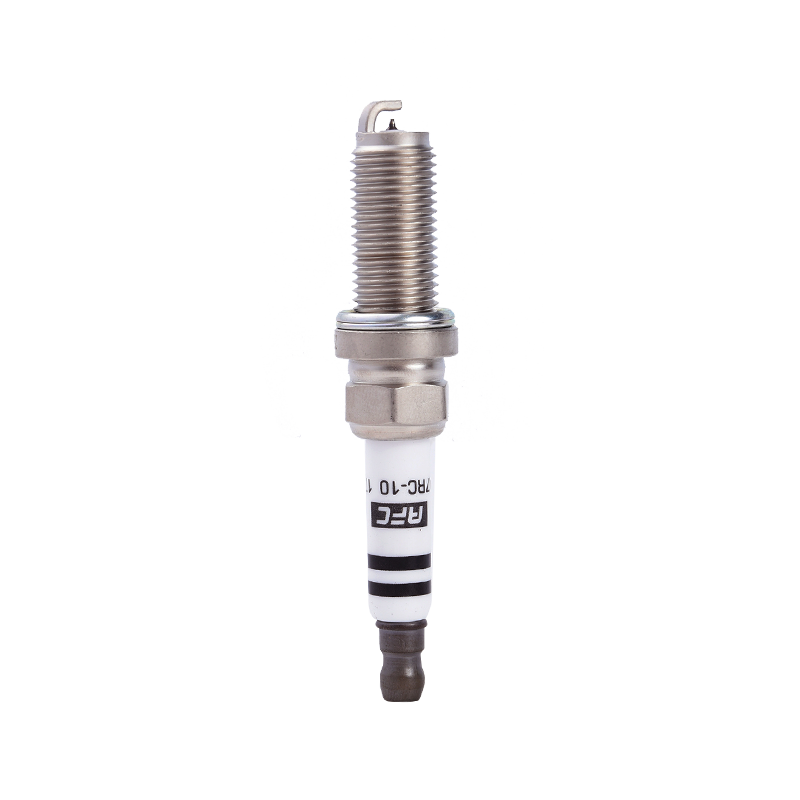
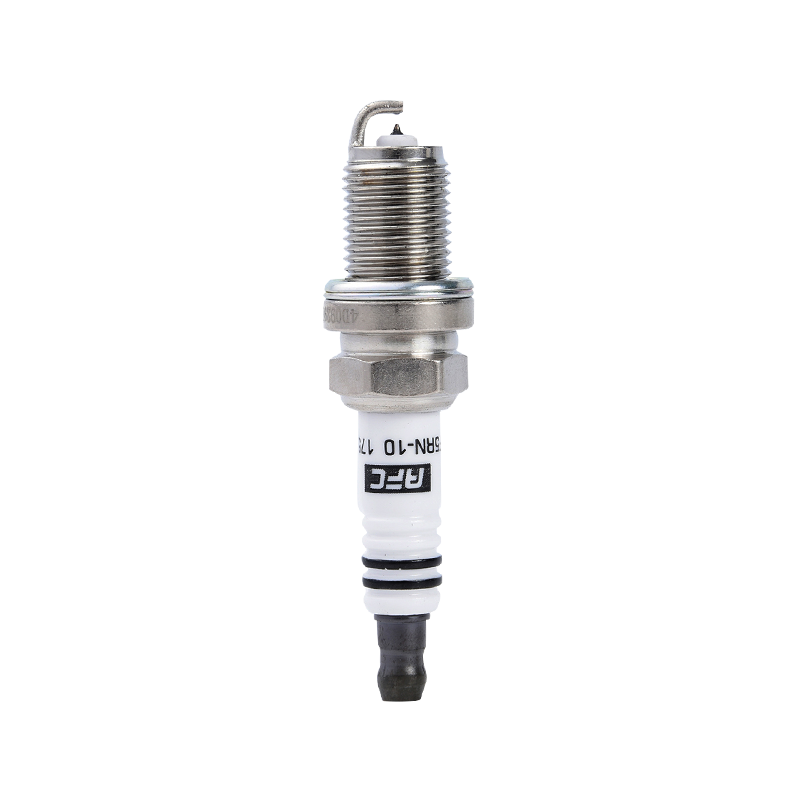
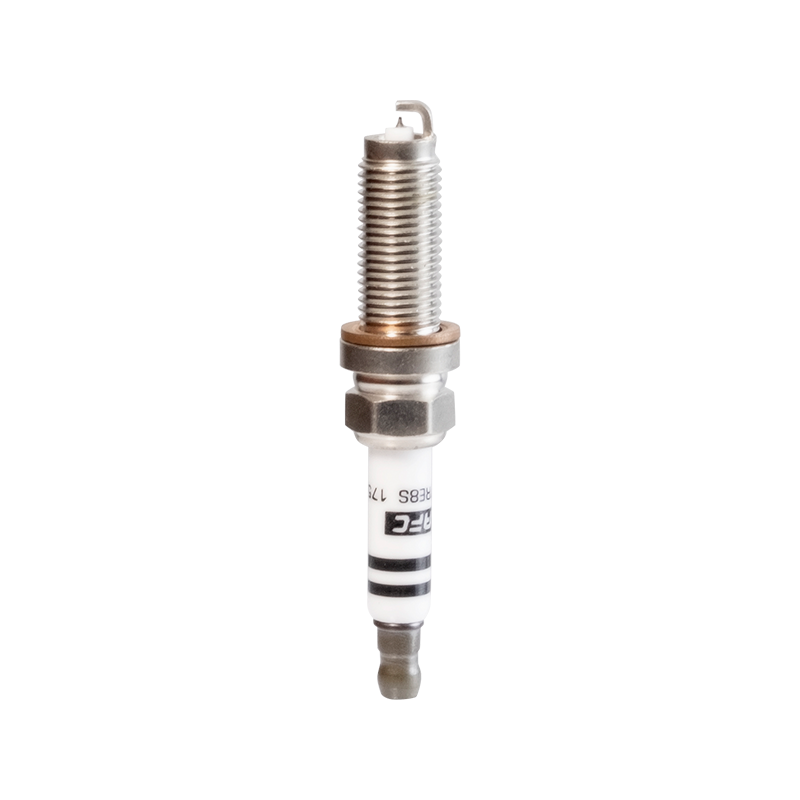
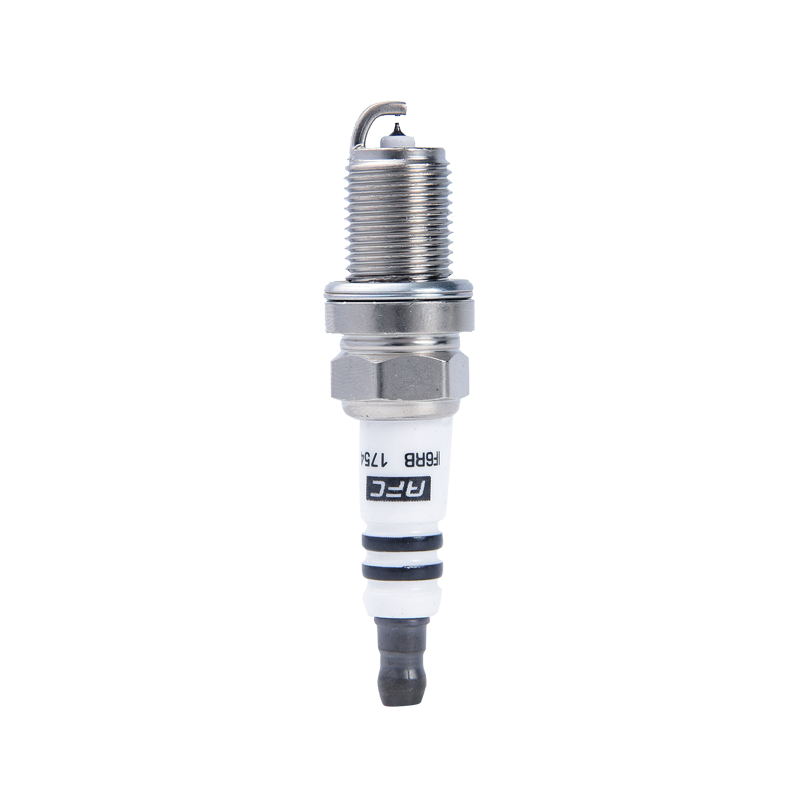
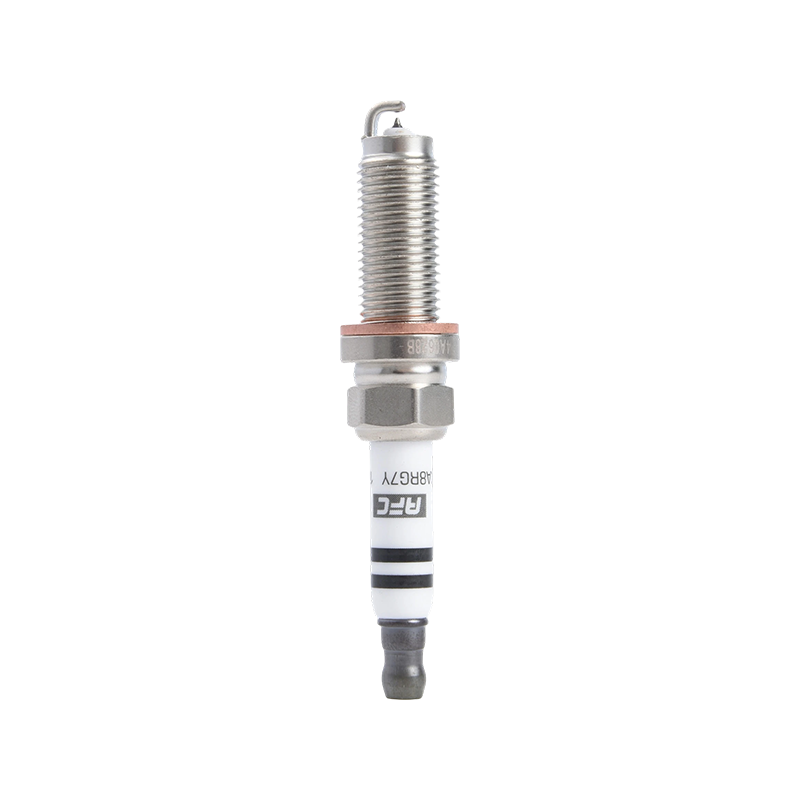
Iridium platinum spark plugs for other cars represent a specialized category within the automotive ignition market — designed to serve a broad spectrum of passenger vehicles, light trucks, and specialty models that fall outside the mainstream fitment charts. These plugs combine two of the hardest precious metals available in ignition technology: iridium for a razor-fine center electrode and platinum for a hardened ground electrode, together delivering a consistent, high-energy spark across diverse engine architectures. For vehicle owners seeking reliable ignition solutions beyond OEM standard models, iridium platinum spark plugs for other cars bridge the gap between universal compatibility needs and premium ignition performance.
Why Electrode Material Defines Spark Plug Performance
The center electrode diameter is one of the most consequential design decisions in a spark plug. Iridium, with a melting point of 2,446 °C and a hardness rating roughly six times that of platinum, allows manufacturers to reduce the center electrode tip to as little as 0.4 mm. This fine tip concentrates the electrical discharge, lowering the voltage required to fire the plug and reducing misfires under load.
Platinum ground electrodes complement iridium centers by resisting the oxidation and erosion that commonly shortens plug life in high-temperature combustion chambers. In turbocharged engines — where cylinder temperatures can spike well above 900 °C — this pairing is particularly effective.
Electrode Material Melting Points (°C)
Source: Engineering Toolbox — Melting Points of Metals & Alloys
Understanding the "Other Cars" Fitment Challenge
When manufacturers publish spark plug fitment catalogs, they prioritize high-volume platforms — mainstream sedans, SUVs, and pickups. Vehicles that fall outside these segments, from older imported models to low-volume specialty cars, often require custom or cross-reference sourcing. This is the core challenge behind iridium platinum spark plugs for other cars.
Thread diameter, reach length, heat range, and terminal type all vary across engine families. A mismatch in any dimension can cause incomplete combustion, fouling, or in extreme cases, mechanical damage to the cylinder head. The table below outlines the most common fitment variables:
| Parameter | Common Range | Impact of Mismatch |
|---|---|---|
| Thread Diameter | 10 mm / 12 mm / 14 mm | Won't seat; thread damage |
| Thread Reach | 12 mm – 26 mm | Fouling or piston contact |
| Heat Range | 4 (cold) – 10 (hot) | Pre-ignition or fouling |
| Electrode Gap | 0.6 mm – 1.3 mm | Misfire, rough idle |
| Terminal Type | SAE / ISO removable | Loose connection, arcing |
Turbocharged Engines: Where Spark Plug Specs Become Critical
The surge in downsized, turbocharged engines across global markets has changed the expectations placed on spark plugs. A 1.5T or 2.0T engine running at boost pressures of 1.2–2.0 bar subjects plug electrodes to a far more demanding combustion environment than naturally aspirated equivalents. Cylinder pressure at ignition can exceed 60 bar, requiring the plug to fire reliably at voltages that standard copper plugs struggle to sustain.
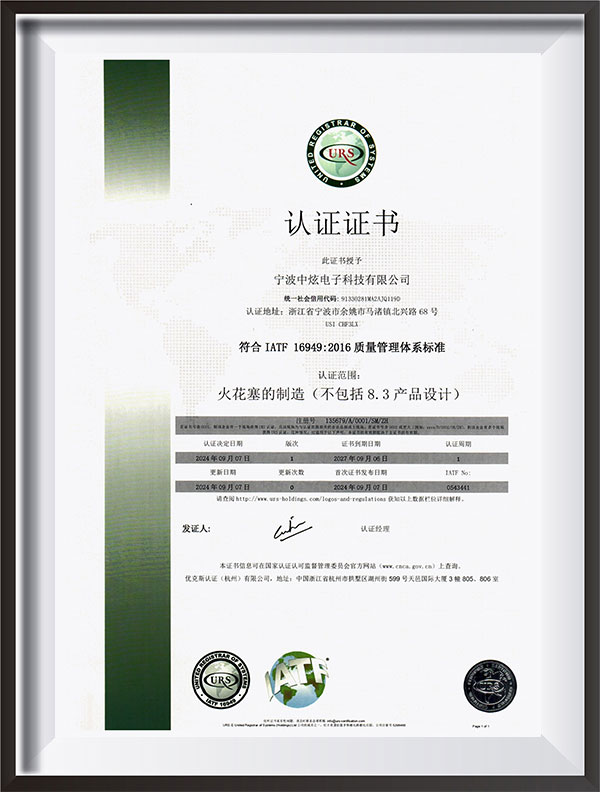
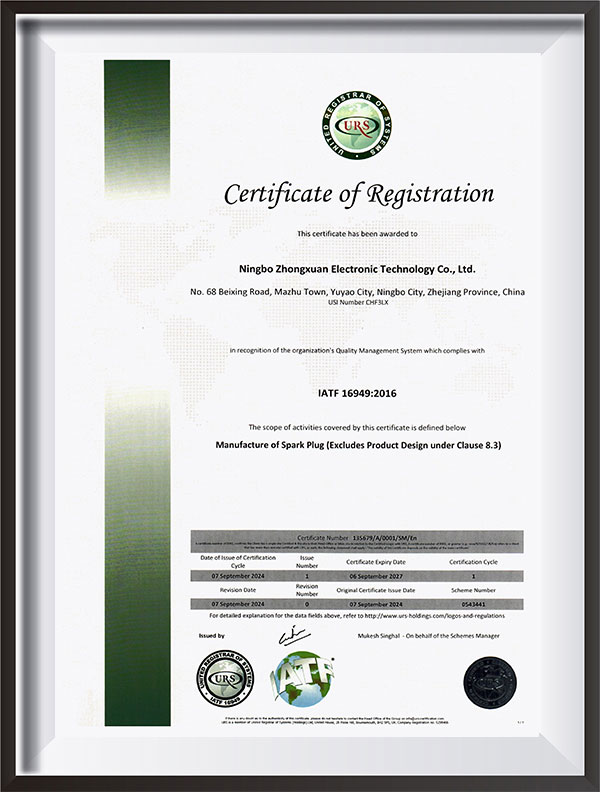
Ningbo Zhongxuan Electronic Technology Co., Ltd has accumulated years of focused R&D in turbocharged special spark plug technology — an area that demands not just material quality but precise thermal management. Their production lines are engineered to maintain electrode geometry tolerances that directly affect ignitability under high-boost conditions.
Plug Type Performance Radar (Relative Score, 0–10)
Relative performance index based on industry testing benchmarks
Ningbo Zhongxuan Electronic Technology Co., Ltd: What the Production Scale Means for Buyers
Behind a competitive iridium platinum spark plug is a manufacturing operation with the capacity and process control to deliver consistent quality at scale. Ningbo Zhongxuan Electronic Technology Co., Ltd operates a standard workshop exceeding 12,000 square meters, running multiple advanced automatic production lines. That scale translates directly into supply stability — something particularly relevant when sourcing plugs for less common vehicle applications where procurement can be unpredictable.
The company has adopted Japanese cold sealing technology and galvanizing technology to ensure both the structural integrity of the shell and the appearance finish. Their use of nickel plating is specifically aimed at resisting corrosion in the threaded seating area — a known failure point on vehicles operated in humid or road-salt environments.
Zhongxuan's reach extends internationally: their products are exported to Germany, Poland, Russia, the United States, and other markets, and they work with three of the world's top OES-level companies. Domestically, they supply major auto parts chain enterprises and large distributors, and offer OEM customization for brands with significant market presence in China.
Export Destination Overview (Illustrative Distribution)
Distribution levels are illustrative based on stated export markets of Ningbo Zhongxuan Electronic Technology Co., Ltd.
Service Life: What to Realistically Expect from Iridium Platinum Plugs
Plug longevity varies by engine type, fuel quality, and driving conditions. Under typical use, iridium-tipped plugs are rated for 60,000 to 100,000 km in most passenger vehicle applications, compared to 20,000–40,000 km for standard nickel plugs. However, turbocharged and direct-injection engines tend to shorten service intervals for all plug types due to higher combustion stress and increased carbon deposit tendency.
Electrode Gap Growth Over Mileage (mm)
Conceptual illustration based on published electrode wear data from NGK Technical Reports and industry documentation.
Common Questions About Iridium Platinum Spark Plugs for Other Cars
Can iridium platinum plugs be used as a direct replacement for standard plugs in any car?
Not automatically. The electrode material upgrade is only beneficial if the plug dimensions — thread pitch, reach, heat range, and gap — match the engine specification. An iridium platinum plug in the wrong heat range will not outperform a correctly specified standard plug. Always cross-reference the OEM part number before fitting.
Do turbocharged engines require a colder heat range plug?
Generally, yes. Boosted engines run hotter combustion cycles, and a plug that runs too hot under boost risks pre-ignition. Most turbocharged applications call for a plug one or two steps colder than naturally aspirated equivalents. This is one reason Ningbo Zhongxuan Electronic Technology Co., Ltd specifically invested in R&D for turbocharged special spark plug applications — the engineering requirements are meaningfully different.
How does the galvanizing process affect plug shell durability?
Galvanizing — applying a zinc coating to the steel shell — is the primary defense against rust in the thread and hex areas. A corroded plug shell can seize in the cylinder head, making removal destructive and expensive. Ningbo Zhongxuan's adoption of Japanese galvanizing technology targets corrosion resistance as a long-term reliability factor, not just an appearance concern.
Is the iridium tip welded or pressed onto the center electrode?
On quality plugs, the iridium tip is laser-welded to the nickel alloy center electrode. Laser welding creates a strong metallurgical bond that resists the thermal cycling and mechanical vibration of normal engine operation. Pressed or crimped iridium tips are a known failure point at higher mileage and are associated with lower-cost production methods.
What does OEM customization mean in the context of spark plugs?
OEM customization allows a parts brand or vehicle manufacturer to specify electrode materials, gap settings, heat range, and shell finish to match their exact engine and performance targets, then have the plug produced and packaged under their own brand. Ningbo Zhongxuan Electronic Technology Co., Ltd offers this service for domestic brands with significant market presence in China, and their production capacity — with over 12,000 square meters of workshop space — supports the volume requirements this type of partnership typically demands.