


 Español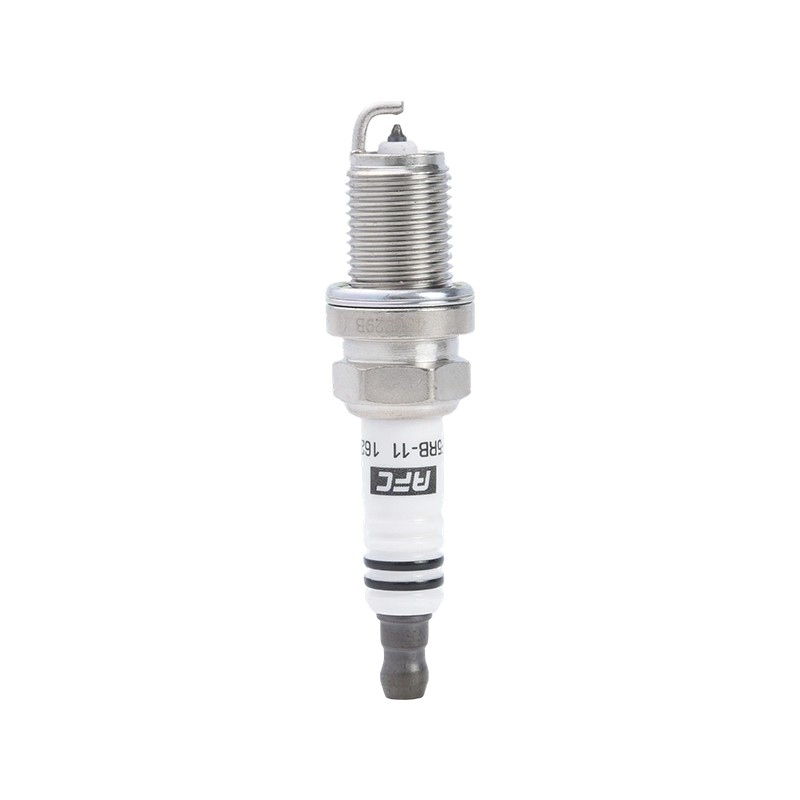
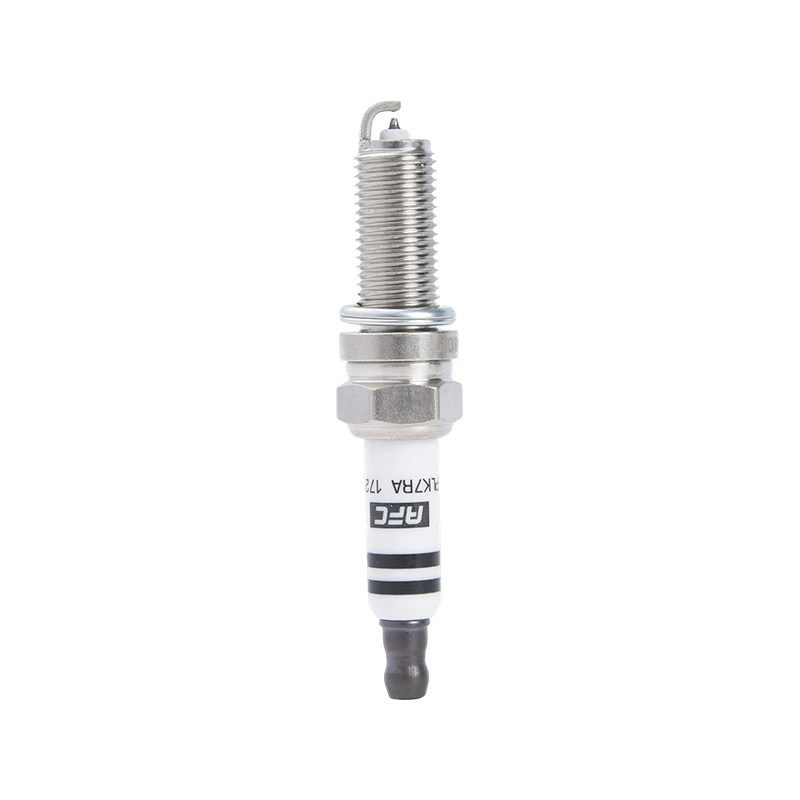
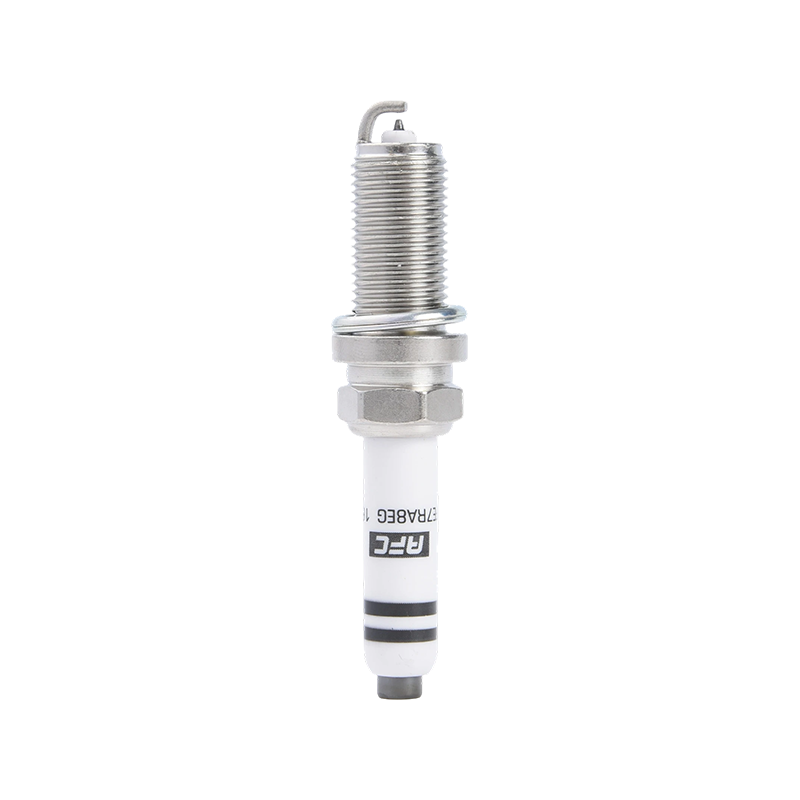
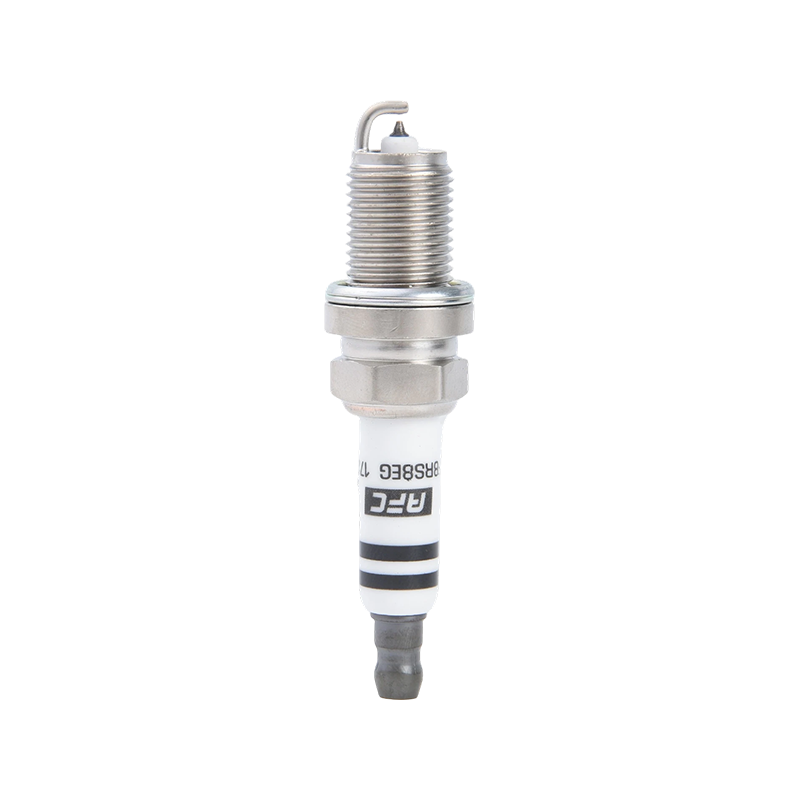
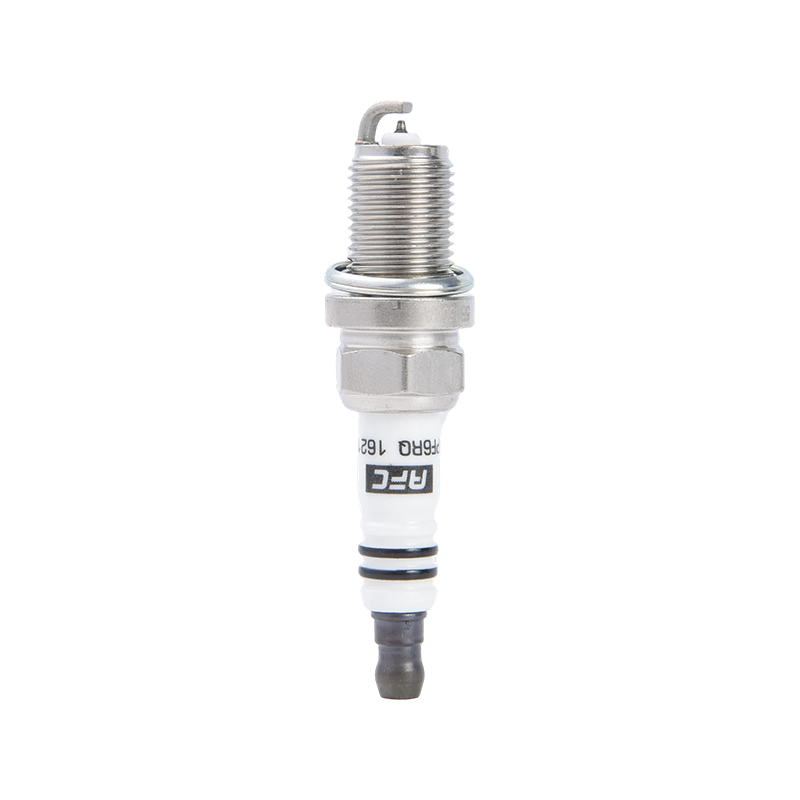
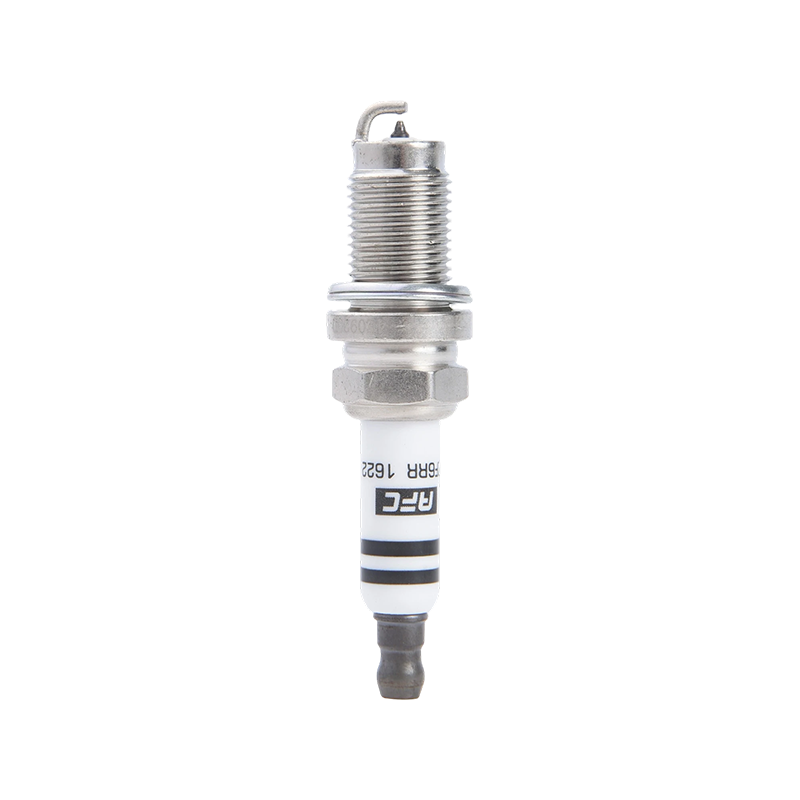
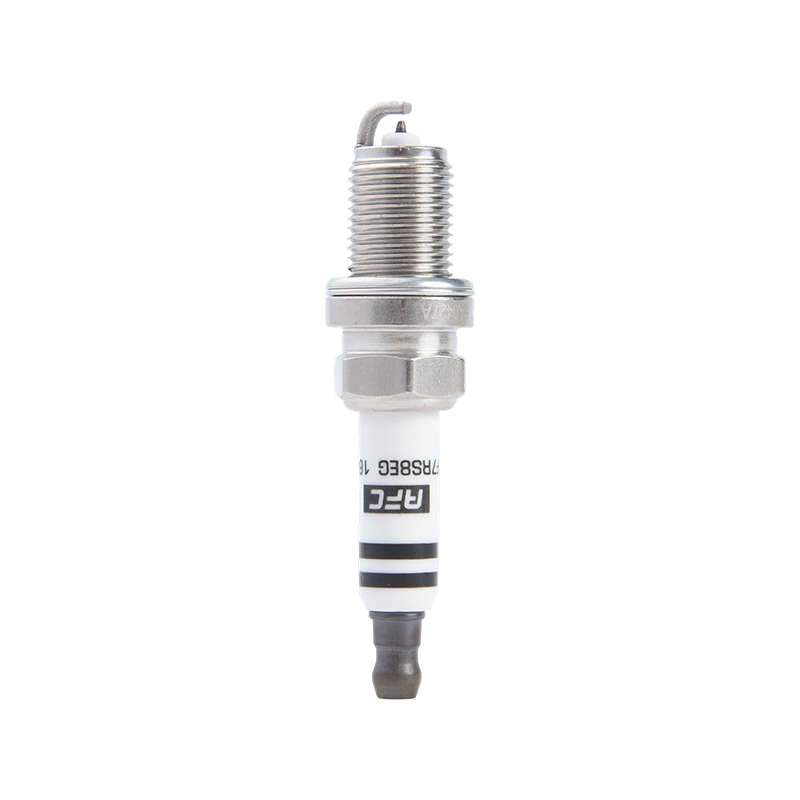
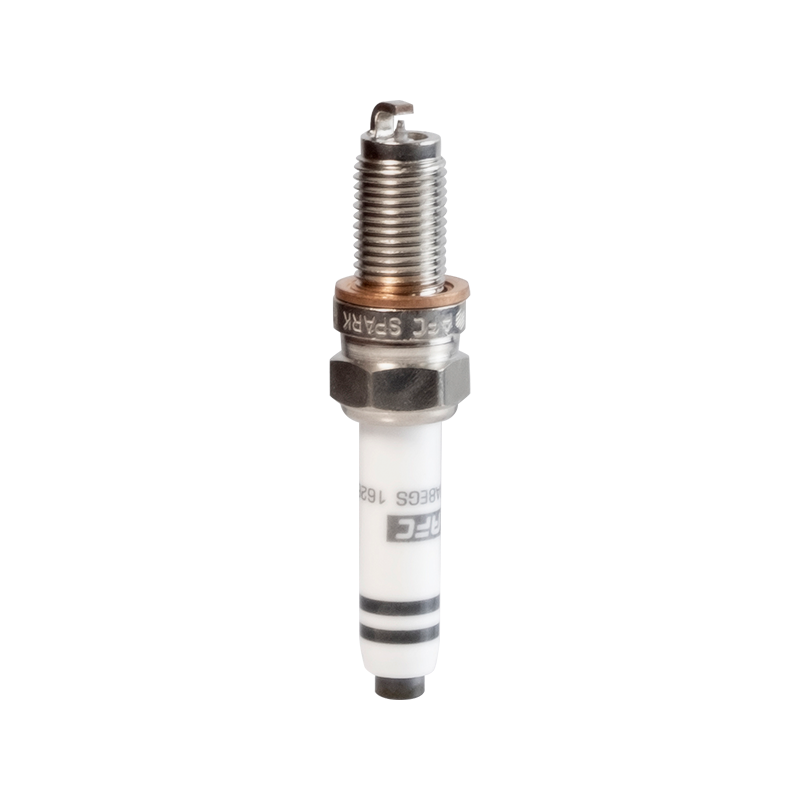
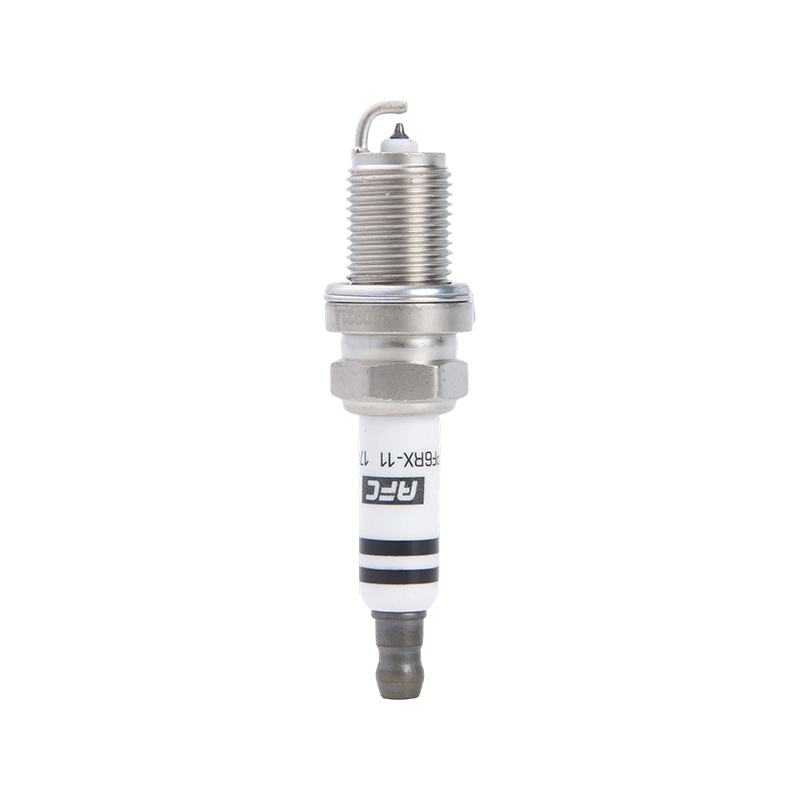
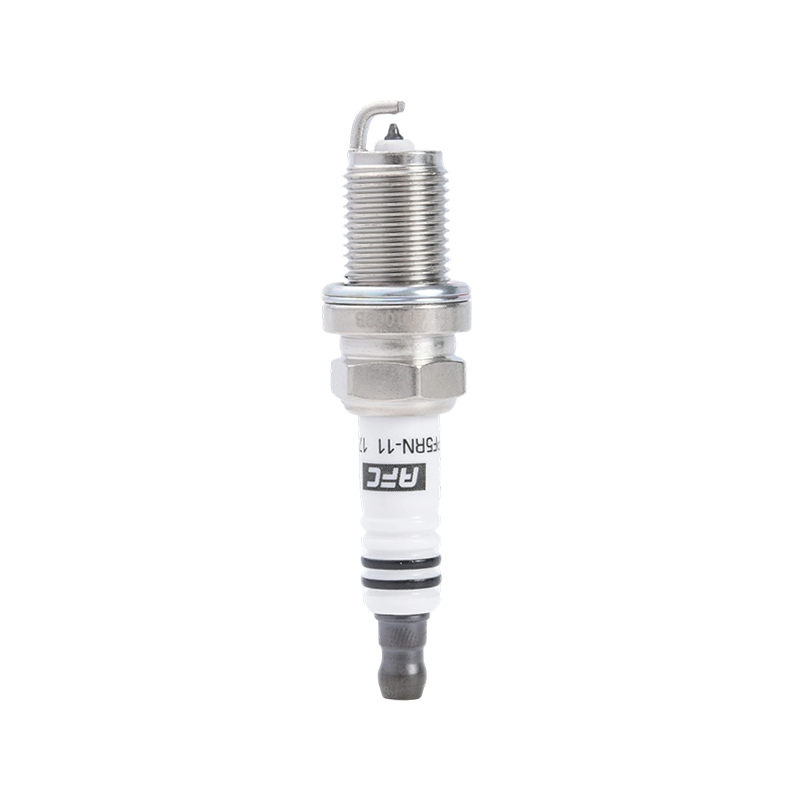
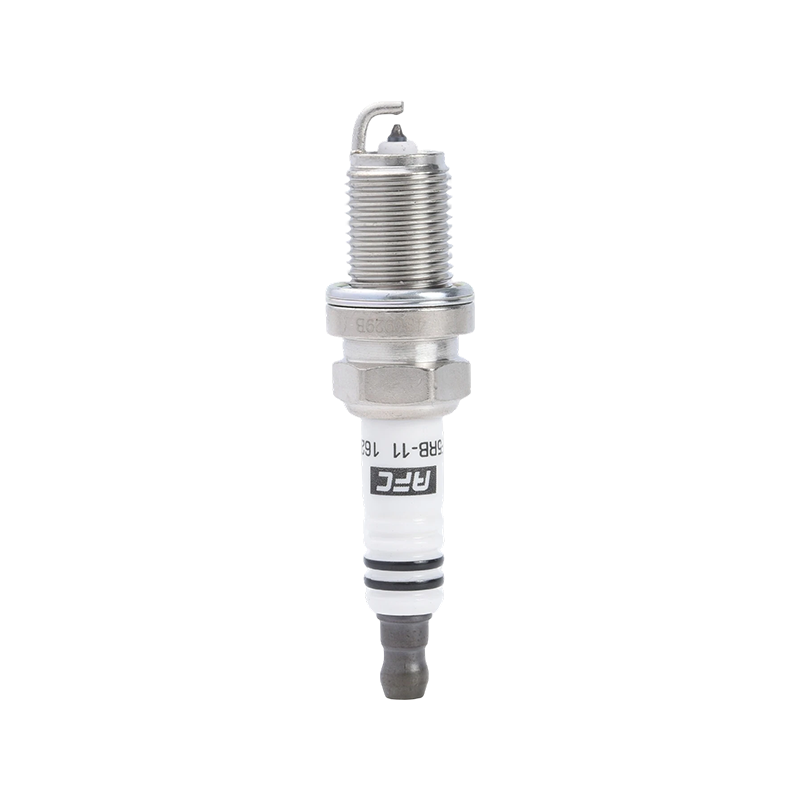

Spark plug selection sits quietly behind a lot of engine performance issues that drivers and repair shops deal with every day, from a rough idle to slower throttle response after high mileage. Double Platinum Spark Plugs belong to a category built specifically to slow down electrode wear on both sides of the spark gap, not just one. Standard plugs use a copper or nickel alloy electrode that erodes steadily under repeated sparking, while platinum-tipped plugs use a small platinum disc bonded to the center electrode to resist that erosion. Double platinum spark plugs extend the same idea to the ground electrode, giving both contact points a wear-resistant surface. This article looks at how that two-sided design affects heat range behavior, gap stability, and voltage demand over the service life of a plug, and how a manufacturer's production setup affects the consistency of the parts that end up in an engine bay.
Why Two-Sided Platinum Changes Electrode Wear
Every time a spark jumps the gap between the center and ground electrode, a small amount of metal is removed from both surfaces through electrical erosion and chemical oxidation at high temperature. On a copper-core plug this erosion widens the gap fairly quickly, which raises the voltage the ignition coil needs to produce a spark. Platinum resists erosion far better than copper or nickel alloy, which is why a single platinum tip on the center electrode already pushes service intervals well past a standard plug.
Center Electrode vs Ground Electrode Erosion
Ground electrode erosion tends to show up as a rounded or notched tip rather than a uniform gap increase, and it can be harder to spot during a quick visual check. Double platinum spark plugs address both erosion patterns at once, which is one reason this plug type is often specified for distributorless and waste-spark ignition systems where every plug fires twice as often per cycle.
| Plug Type | Primary Electrode Material | Typical Mileage Interval | Common Use Case |
|---|---|---|---|
| Copper | Copper / nickel alloy | Up to 12,000 miles | Older engines, frequent replacement budgets |
| Single Platinum | Platinum tip, center electrode only | Around 60,000 miles | Standard passenger vehicles |
| Double Platinum | Platinum tip, both electrodes | Around 80,000 miles | Distributorless and waste-spark ignition systems |
| Iridium | Iridium tip, fine wire design | Around 100,000 miles | High-performance and long-interval applications |
Heat Range and Combustion Stability
Heat range describes how fast a spark plug moves combustion heat away from its tip and into the cylinder head. A plug that runs too hot for an engine can pre-ignite the fuel mixture before the spark fires; one that runs too cold fouls with carbon deposits before it ever reaches its self-cleaning temperature. Double platinum spark plugs are not a heat range category on their own, but the metal stability of the platinum tips keeps tip temperature behavior more predictable as RPM climbs, because the electrode shape changes less over time than it would on a softer alloy.
Reading Tip Temperature Behavior
In bench comparisons across a typical RPM sweep, a copper-tipped plug shows a steeper rise in tip temperature toward the high end of the range, partly because electrode erosion changes the surface area exposed to combustion gases. A double platinum design holds a narrower temperature band across the same RPM sweep, which keeps the plug closer to its intended heat range even as mileage accumulates.
Electrode Gap Precision and Voltage Demand
Electrode gap is usually set somewhere between 0.028 and 0.044 inches depending on the engine, and that gap has a direct relationship with how much voltage the ignition coil has to generate. A wider gap needs more voltage to jump; once gap growth pushes voltage demand close to what the coil can deliver, the engine starts to misfire under load before any warning light appears. Because platinum resists gap growth on both electrodes, double platinum spark plugs tend to hold a flatter voltage demand curve over their service life compared with copper plugs in the same engine.
Common Signs That a Worn Gap Is Raising Voltage Demand
- Hesitation or a stumble during hard acceleration
- A rougher idle that was not there when the plugs were new
- Lower fuel economy without any other obvious cause
- Occasional misfire codes that clear after a few drive cycles
From Factory Floor to Finished Plug: Why Sourcing Structure Matters
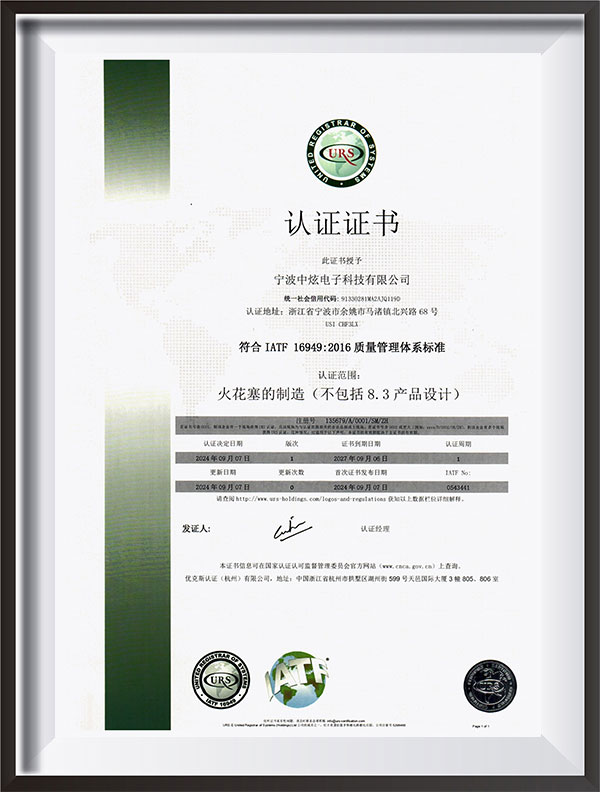
Spark plug quality is not only a design question, it is also a production question. NINGBO ZHONGXUAN ELECTRONIC TECHNOLOGY CO., LTD operates as an integrated manufacturer and trader, which means quality control for parts such as double platinum spark plugs happens under direct oversight of the production line rather than through a separate trading layer with no visibility into how the plugs were actually made. Direct oversight allows fast response and stable product quality, because the same organization that quotes the order is the one running the line. That structure also removes a layer of middlemen from the pricing, which is part of how factory prices stay competitive for buyers ordering in volume.
Customization Options for Bulk and OEM Orders
Buyers sourcing double platinum spark plugs for resale or for a specific engine program usually need more than a stock part number. Flexible small-batch customization covers the areas that come up most often in plug orders:
- Logo printing on the plug body, the packaging box, or both
- Private label packaging design for retail or distributor use
- Spec adjustments such as gap pre-setting, thread length, or heat range variant to match a specific engine family
- Mixed small-batch trial orders before committing to a full container quantity
Because customization is handled on the same line that produces the standard catalog parts, a spec change does not require renegotiating with a separate factory partner, which keeps the path from sample approval to bulk order relatively short.
Working Directly With the Production Line
Technical questions about a double platinum spark plug order, such as a gap tolerance adjustment or a packaging change for a new market, go directly to the people running the production line rather than passing through an intermediary who has to relay the question and wait for a reply. That direct line of communication is one of the practical advantages of working with an integrated manufacturer and trader: any technical or production issue can be communicated directly with the factory, which avoids the kind of information distortion that happens when a request passes through multiple parties, and it generally gets a workable answer back faster.
Common Questions About Double Platinum Spark Plugs
What does double platinum actually refer to on a spark plug?
It refers to the placement of a platinum disc on both the center electrode and the ground electrode, rather than just the center electrode. Both surfaces get the same wear-resistant treatment, instead of only one side of the spark gap.
Are double platinum spark plugs the same as iridium plugs?
No. Iridium plugs use a finer wire-style electrode tip, and iridium is a harder, more heat-resistant metal than platinum. Double platinum plugs sit between standard copper plugs and iridium plugs in terms of typical service interval and price point.
Can double platinum spark plugs be used in any engine that takes a standard plug?
Thread size, reach, and heat range still need to match the engine specification. The platinum tip design does not change those fitment requirements, so the correct part number for the engine is still the starting point before ordering.
Does a small-batch custom order affect lead time compared with a standard catalog order?
It depends on the scope of the change. Packaging and logo changes typically fit into a normal production schedule, while spec changes such as a non-standard gap pre-set may need a short adjustment period on the line before full production runs.
Why would a buyer prefer an integrated manufacturer and trader over a trading company?
Working with the production line directly tends to shorten the path between a technical question and a usable answer, and it removes a pricing layer that a pure trading company would otherwise add on top of the factory cost.