


 Español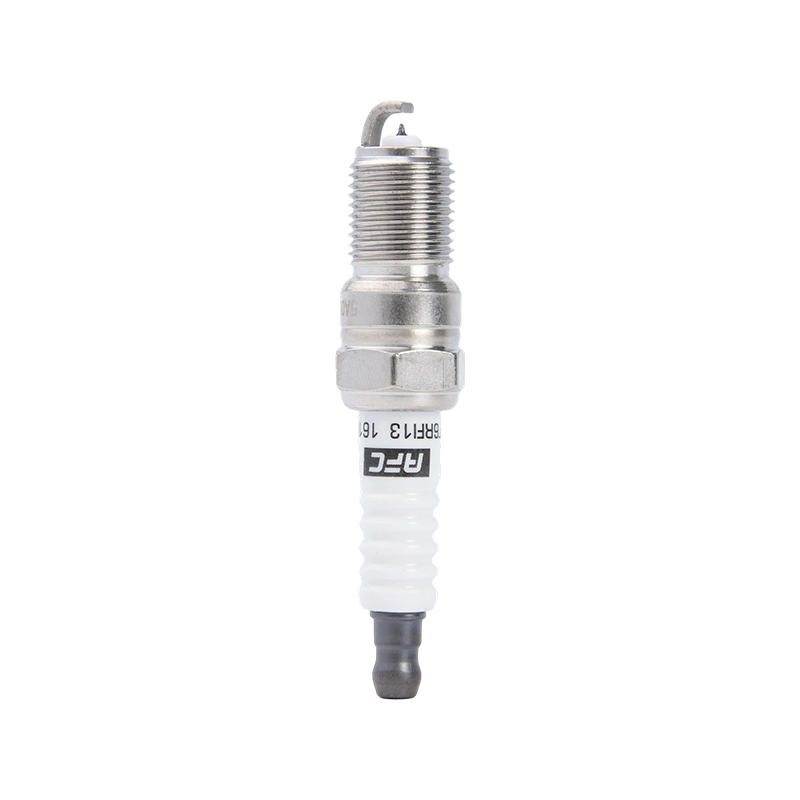
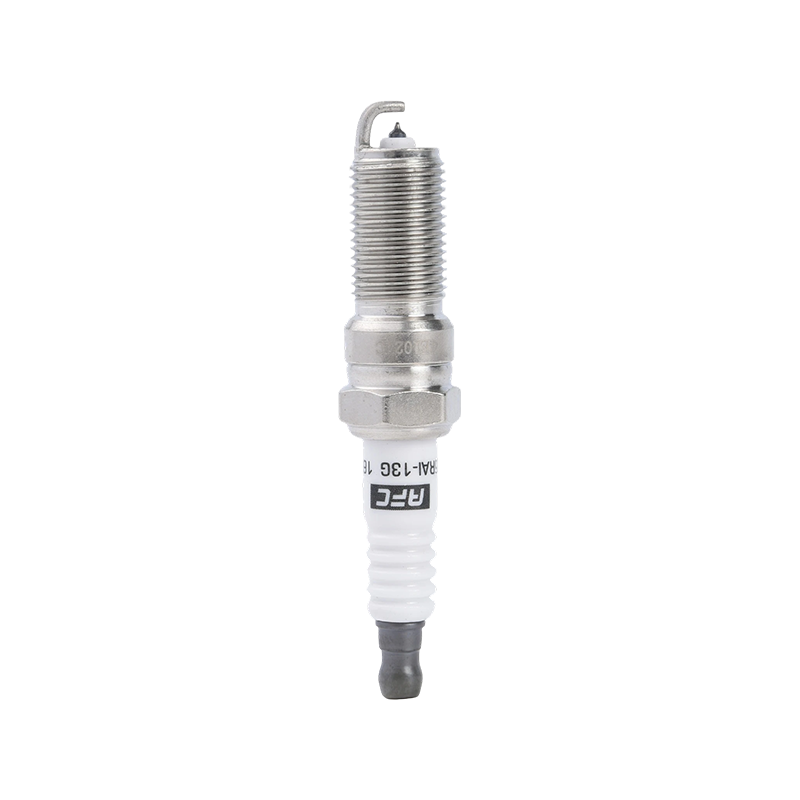
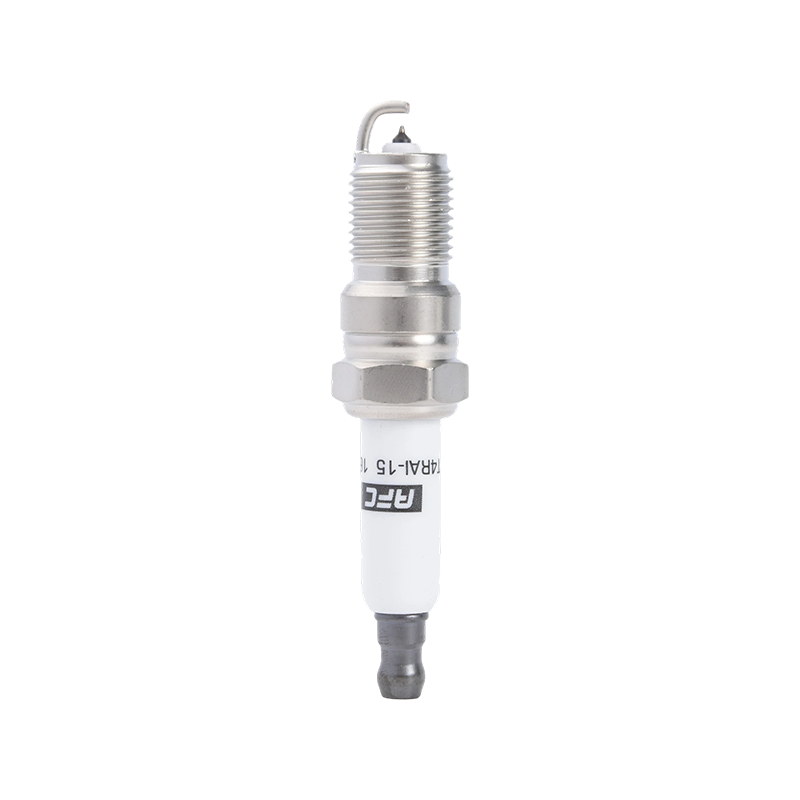
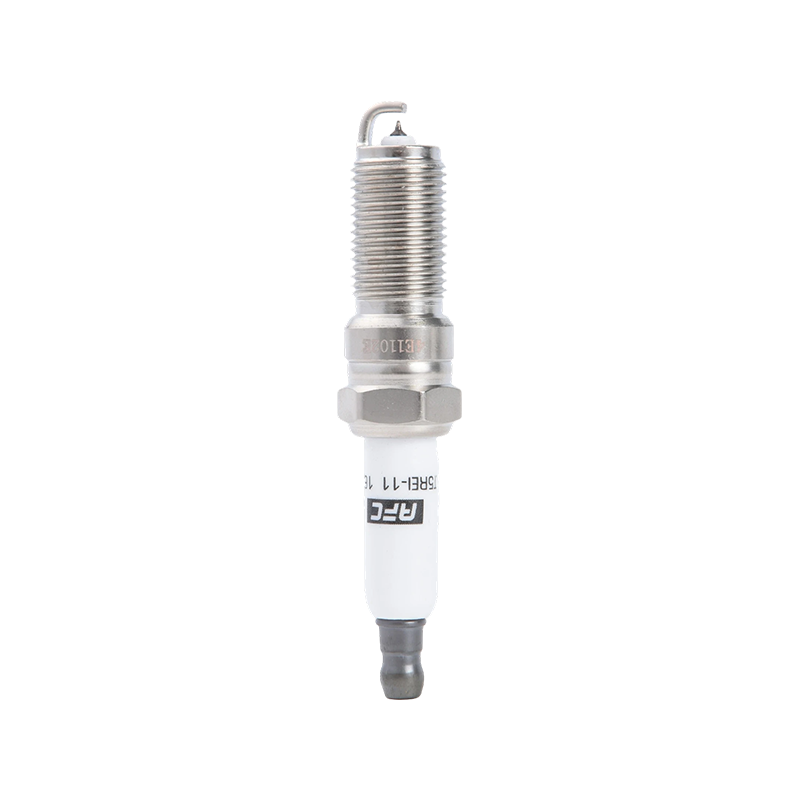
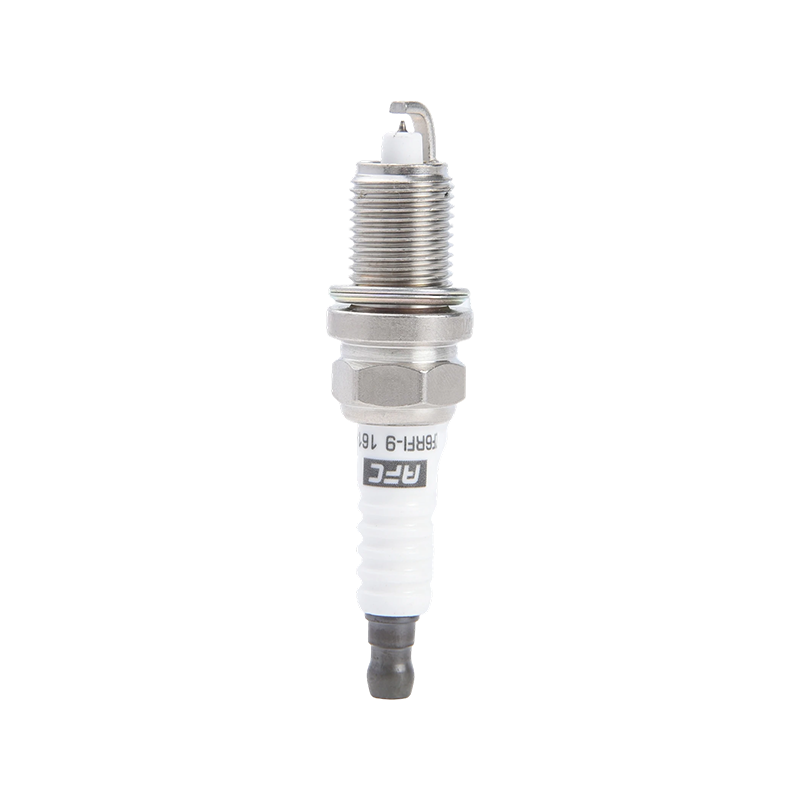
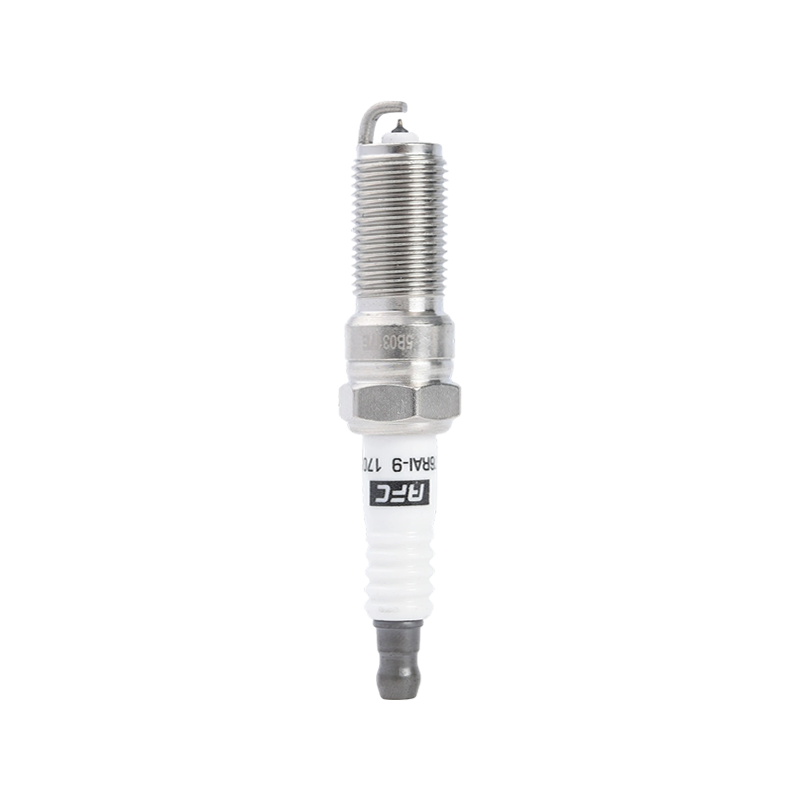
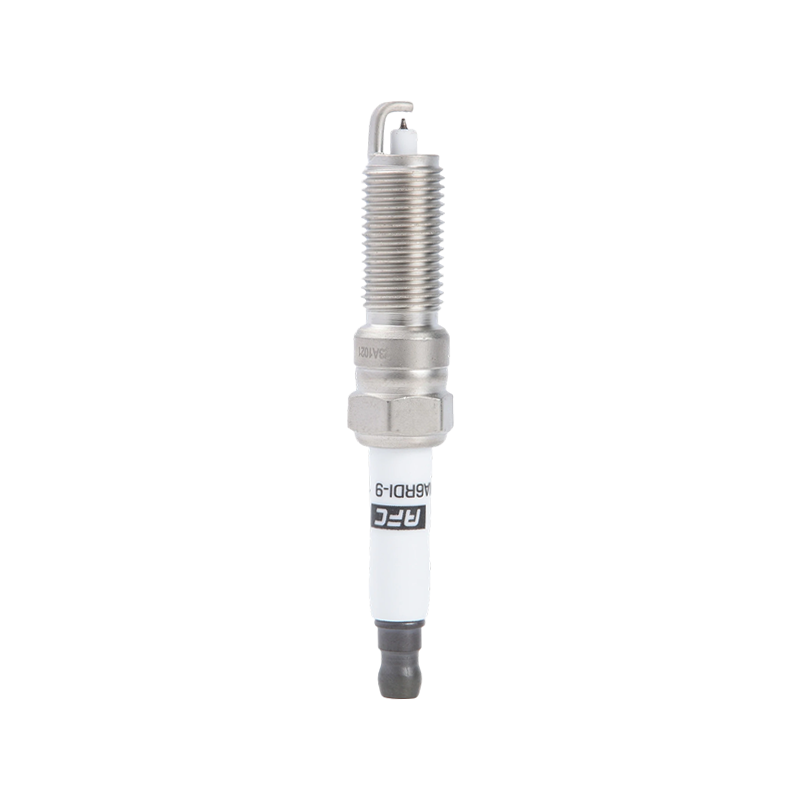
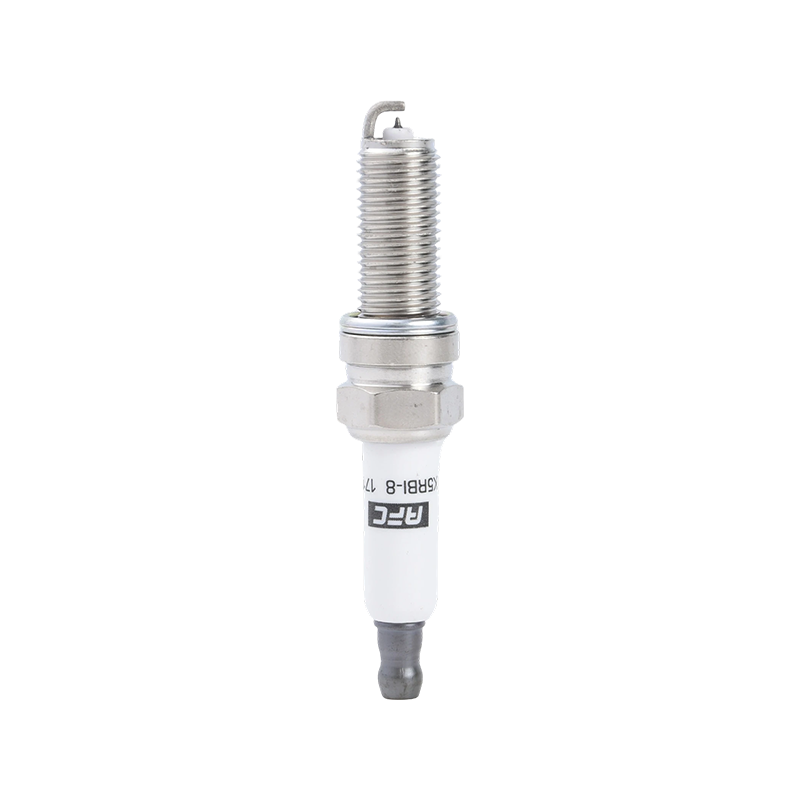
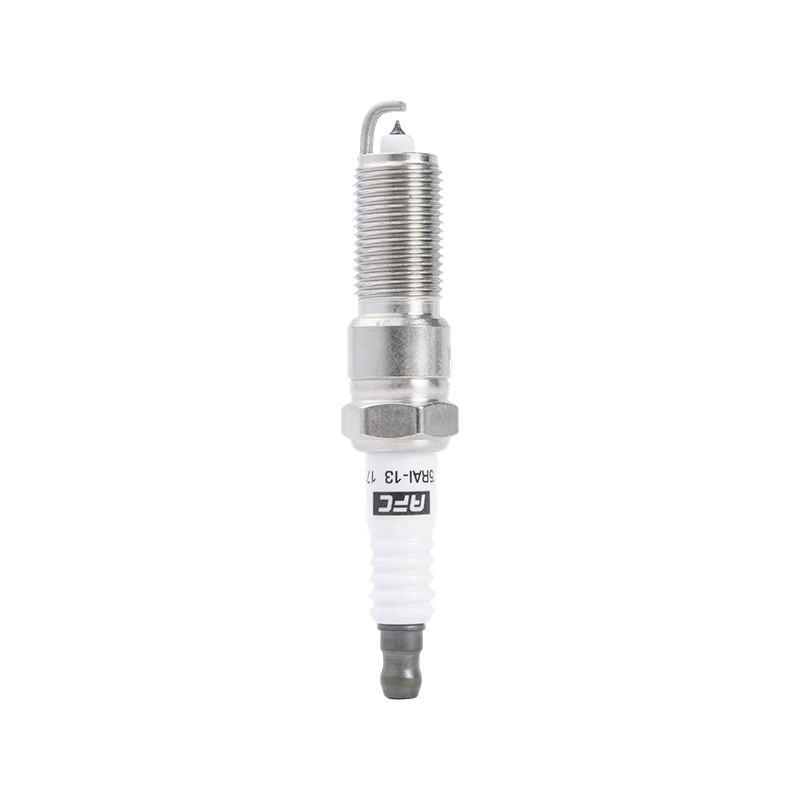
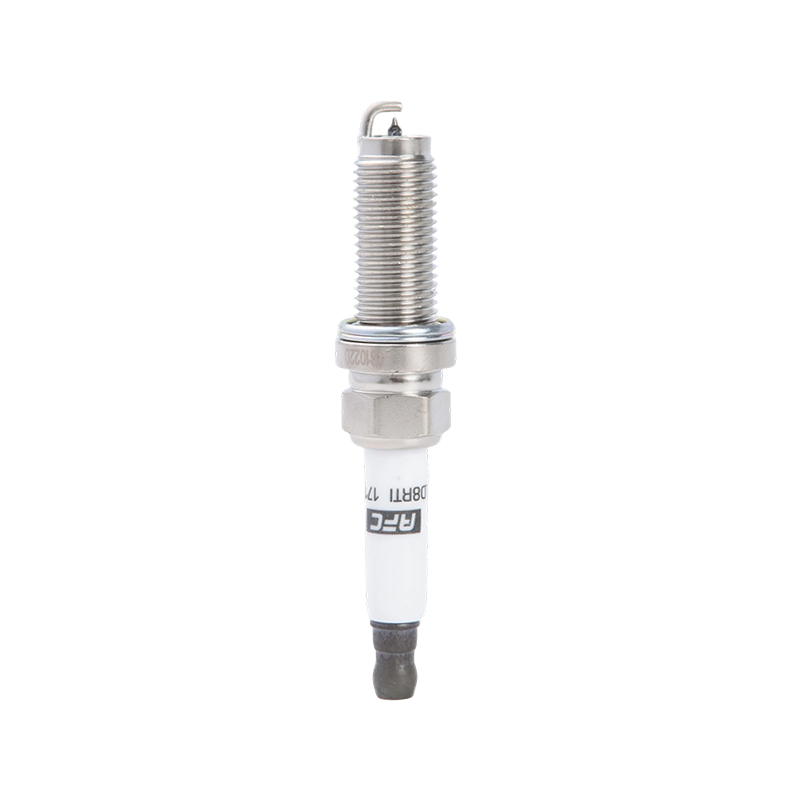
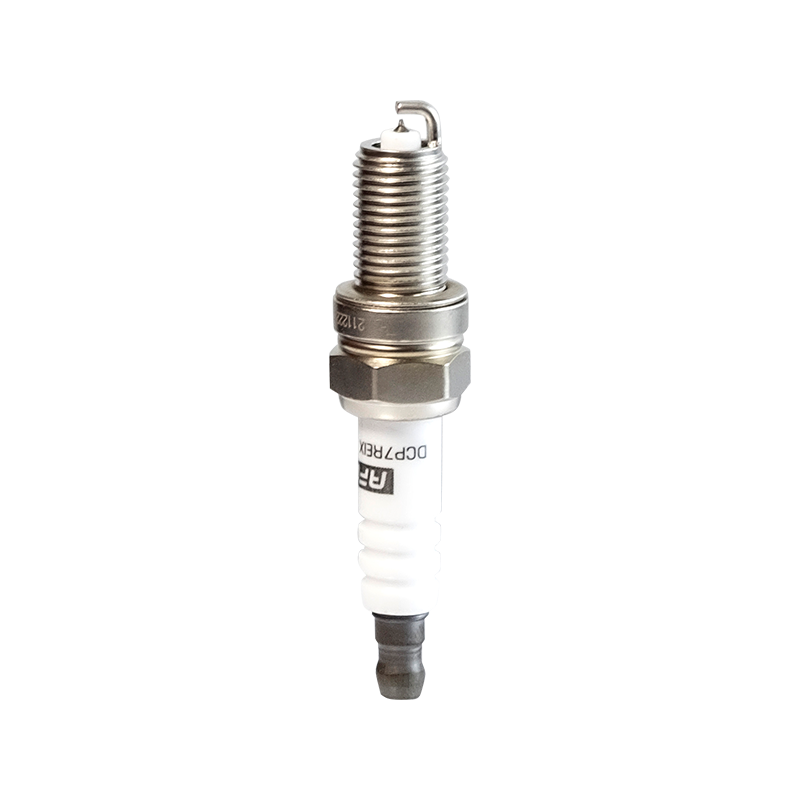
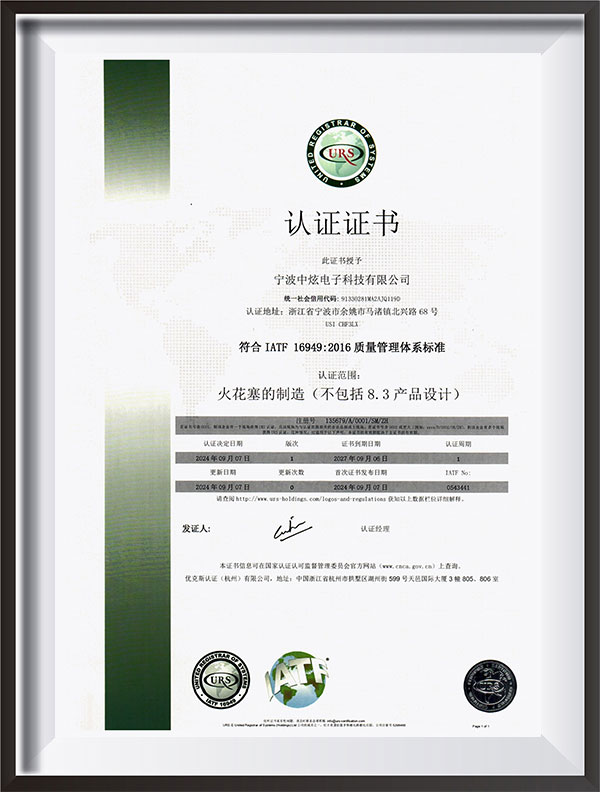
Iridium spark plugs for American cars represent a significant upgrade over conventional copper or platinum designs, engineered specifically to handle the high-displacement, high-torque demands that define the American automotive landscape — from V8 muscle cars and full-size pickup trucks to large-displacement SUVs and performance sedans. The iridium center electrode, typically no wider than 0.4–0.6 mm, focuses the spark with far greater precision than conventional plugs, translating directly into more complete combustion, reduced misfires, and fuel savings that American motorists can feel at the pump. As a manufacturer specializing in iridium spark plug production, NINGBO ZHONGXUAN ELECTRONIC TECHNOLOGY CO., LTD supplies iridium spark plugs built for American car engines, with logistics anchored at one of China's most capable export hubs — Ningbo.
Why American Engines Demand More From a Spark Plug
American V8 and large-displacement engines operate under combustion pressures and temperatures that standard plugs simply aren't built to sustain long-term. Think of a 5.3L or 6.2L V8 firing at highway cruise — cylinder pressures can exceed 1,000 psi, and combustion temperatures regularly top 2,500°C. A conventional copper plug at those conditions begins to erode within 20,000–30,000 miles. An iridium plug, by contrast, is rated to 60,000–100,000 miles under similar duty cycles.
The iridium tip's hardness — roughly 6 times harder than platinum — resists spark erosion far better, keeping the electrode gap stable throughout the plug's service life. For trucks towing heavy loads or performance vehicles with forced induction, that gap stability is the difference between consistent power delivery and gradual performance degradation.
Spark Plug Lifespan by Type (miles, typical American V8 duty)
The Material Science Behind Iridium Performance
Electrode Geometry
The fine-wire iridium tip — typically 0.4 mm in diameter — requires far less voltage to initiate a spark compared to a 1.1 mm copper tip. This lower required voltage (often 20–30% less) means the ignition coil isn't working as hard, which reduces the chance of coil failures — a real concern in high-mileage American trucks with aging electrical systems.
Melting Point Advantage
Iridium melts at 2,446°C, versus platinum's 1,768°C and copper's 1,085°C. In a high-load V8, combustion chamber temps can approach or briefly exceed copper's comfort zone — making iridium the only material that reliably holds its shape across the full operating range of American performance engines.
Material Comparison: Iridium vs Platinum vs Copper
Common American Car Applications and Fitment Notes
Matching the correct iridium spark plug to an American engine is a non-trivial exercise. Thread pitch, reach, hex size, and heat range all vary between platforms. Below is a reference snapshot for common American engine families.
| Engine Family | Displacement | Thread Size | Recommended Gap | Heat Range Note |
|---|---|---|---|---|
| Small Block V8 (Gen III/IV) | 4.8L – 6.2L | M14×1.25 | 0.040 in (1.0 mm) | Mid-range; stock coils |
| Modular V8 (4V) | 4.6L – 5.4L | M14×1.25 | 0.054 in (1.37 mm) | Watch for long-reach issues |
| Hemi V8 | 5.7L – 6.4L | M14×1.25 | 0.043 in (1.09 mm) | Dual-plug design; 16 plugs total |
| EcoBoost V6/I4 | 2.3L – 3.5L | M12×1.25 | 0.028 in (0.71 mm) | Boosted; tighter gap required |
For forced-induction applications (supercharged or turbocharged), gap recommendations typically drop by 0.005–0.010 in compared to naturally aspirated specs, as boost pressure fights spark propagation. Iridium's fine tip still delivers a reliable spark at the tighter gap — something a flat-nose copper plug struggles with.
Getting Iridium Spark Plugs From Ningbo to American Buyers
NINGBO ZHONGXUAN ELECTRONIC TECHNOLOGY CO., LTD is located in Ningbo — just 35 kilometers from Ningbo Port, one of the world's busiest container ports by throughput. That proximity makes sea freight the natural default for bulk orders headed to American importers, distributors, or aftermarket warehouses. For time-sensitive orders, both Ningbo Airport and Shanghai International Airport are within reach, keeping air freight a live option without rerouting through a distant logistics hub.
For American buyers sourcing iridium spark plugs at volume — whether stocking a regional warehouse or fulfilling wholesale orders — sea shipping out of Ningbo Port is the cost-effective route. Ningbo Port handled over 33 million TEUs in 2023 (source: Ningbo-Zhoushan Port Group annual report), meaning vessel frequency and route coverage to U.S. West Coast ports like Los Angeles and Long Beach are among the best available from any Chinese port city.
When a customer needs a smaller urgent shipment — say, a specific iridium plug SKU for a dealer who has run out — air freight from Ningbo or Shanghai can have parts on a U.S. shelf within 3–5 business days. That dual-channel logistics capability matters in the American aftermarket, where demand spikes around peak seasons (spring tune-up season, pre-winter maintenance) can be sharp and unpredictable.
Typical Transit: Ningbo to U.S. West Coast
Heat Range: The Most Misunderstood Spec in Spark Plug Selection
Heat range describes how quickly a spark plug dissipates heat from the firing tip into the cylinder head. It's a number, but it carries a real engineering consequence: too hot a plug in a high-output American V8 and you risk pre-ignition; too cold a plug in a daily driver and carbon fouling builds up within weeks.
Hot Plug (Higher Number)
- Longer insulator nose
- Retains more heat at the tip
- Suited for low-load, low-RPM use
- Prevents carbon fouling in light-duty cycles
Cold Plug (Lower Number)
- Shorter insulator nose
- Transfers heat rapidly to cylinder head
- Needed for boosted or high-RPM engines
- Prevents pre-ignition and tip melt
For most stock American cars, the OEM heat range is appropriate. Step one heat range colder is a common recommendation when adding a supercharger or pushing boost above 8–10 psi on a previously naturally aspirated engine.
Tip Temperature vs. Engine RPM — Hot vs. Cold Iridium Plug
Frequently Asked Questions
Do iridium spark plugs actually improve fuel economy in American trucks?
In real-world testing on large-displacement trucks, the efficiency gains are modest but measurable — typically 1–3% improvement in fuel economy versus worn conventional plugs. The bigger gain is restoring performance that has degraded as old plugs erode: a misfiring cylinder on a V8 truck can drop fuel economy by 4–6% and trigger a check engine light. Iridium's extended service life means the plug is still performing close to new condition at 80,000 miles, where a copper plug would have been replaced twice.
Is sea shipping reliable for sourcing spark plugs from Ningbo to the U.S.?
Ningbo Port's connectivity to U.S. West Coast ports is well-established, with multiple weekly sailings to Los Angeles / Long Beach and Seattle. For bulk importers stocking American distribution warehouses, sea freight from NINGBO ZHONGXUAN ELECTRONIC TECHNOLOGY CO., LTD is both cost-efficient and operationally reliable. The 35 km distance from the factory to port means lead time from production to vessel is tightly controlled. Air freight via Ningbo or Shanghai airports handles urgent, smaller-volume needs.
How do I know if my American car needs a plug replacement?
Common indicators include rough idle, hesitation on acceleration, increased fuel consumption, or a P030X misfire code on the OBD-II scanner. For iridium plugs, visual inspection at the manufacturer's recommended interval (often 60,000–100,000 miles) is advisable even if no symptoms appear — worn electrode gap is invisible without measurement but affects combustion quality progressively.
Can iridium spark plugs be used in both old and new American engines?
Yes, provided the fitment specs (thread size, reach, heat range) match. Classic American muscle cars with older distributor-based ignition systems can benefit from iridium's lower required voltage. Modern coil-on-plug systems in current-generation American engines also pair well with iridium, as the coil's output is fully utilized rather than wasted overcoming a corroded or eroded electrode.
What is the minimum order consideration when sourcing iridium plugs from a Chinese manufacturer?
For manufacturers like NINGBO ZHONGXUAN ELECTRONIC TECHNOLOGY CO., LTD shipping by sea, bulk orders make the most of the logistics advantage their Ningbo location provides — container loads going directly to U.S. ports at competitive freight rates. Smaller urgent orders can be air-freighted from Ningbo or Shanghai airports, giving buyers flexibility without needing to hold large safety stock domestically.