


 Español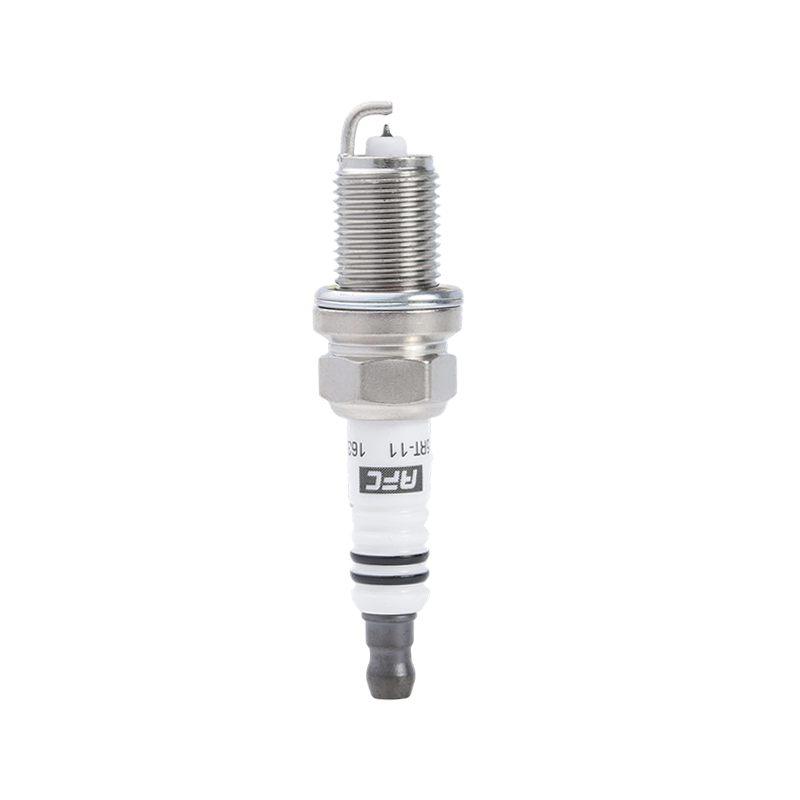
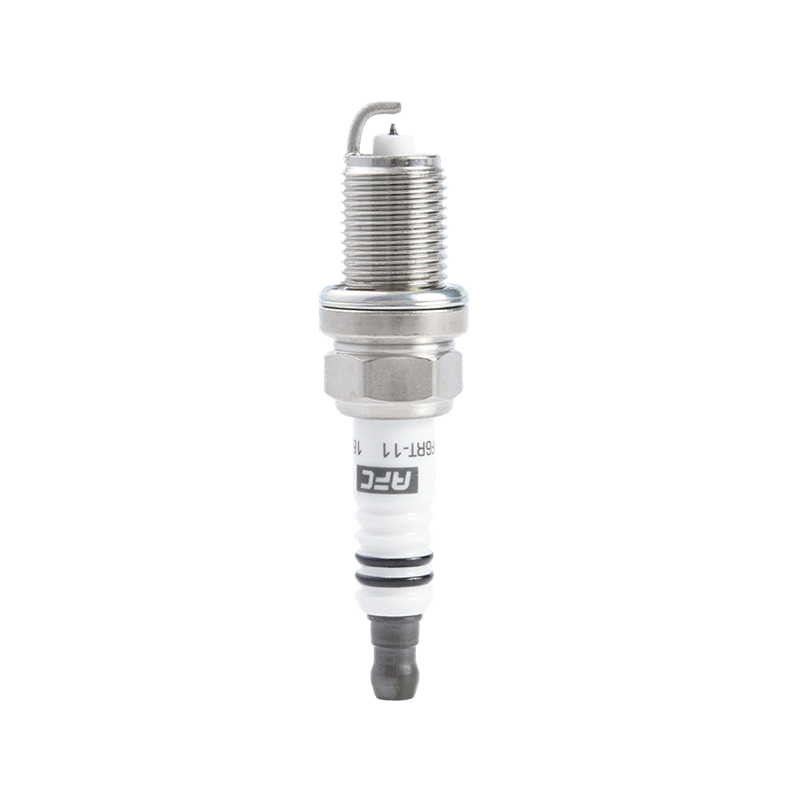
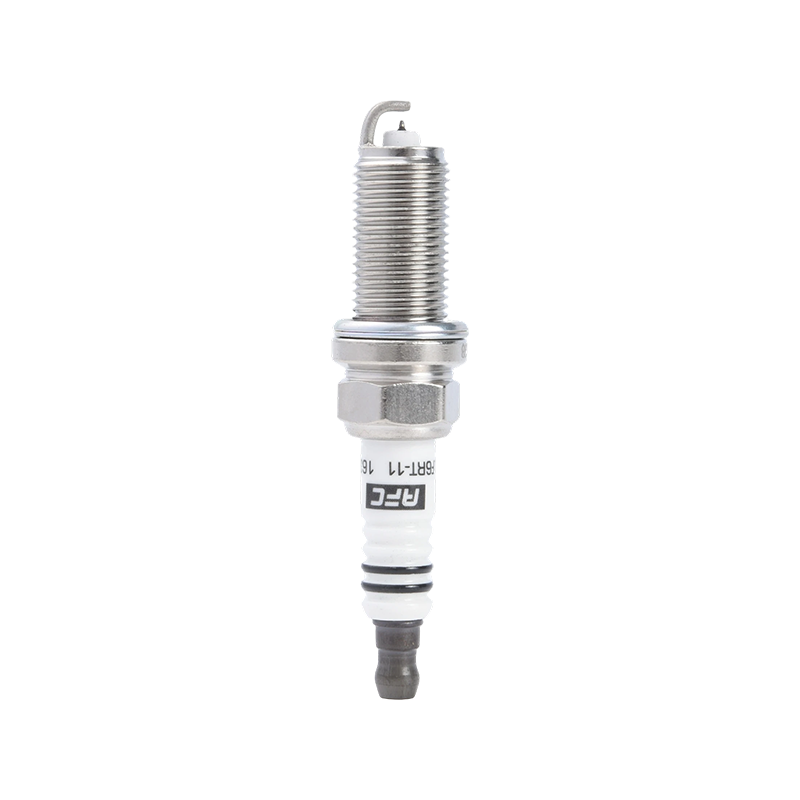
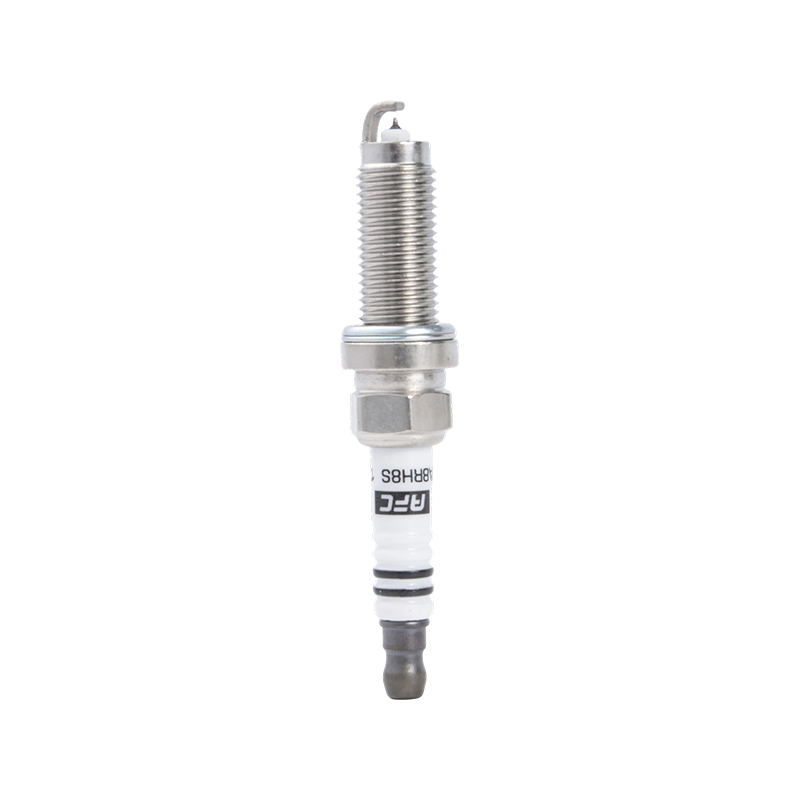
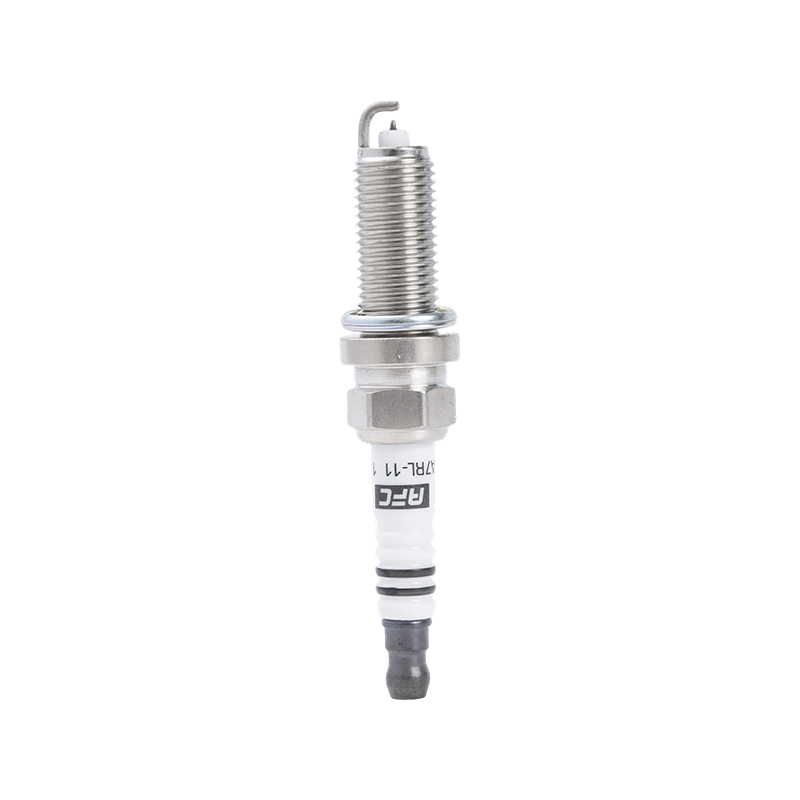
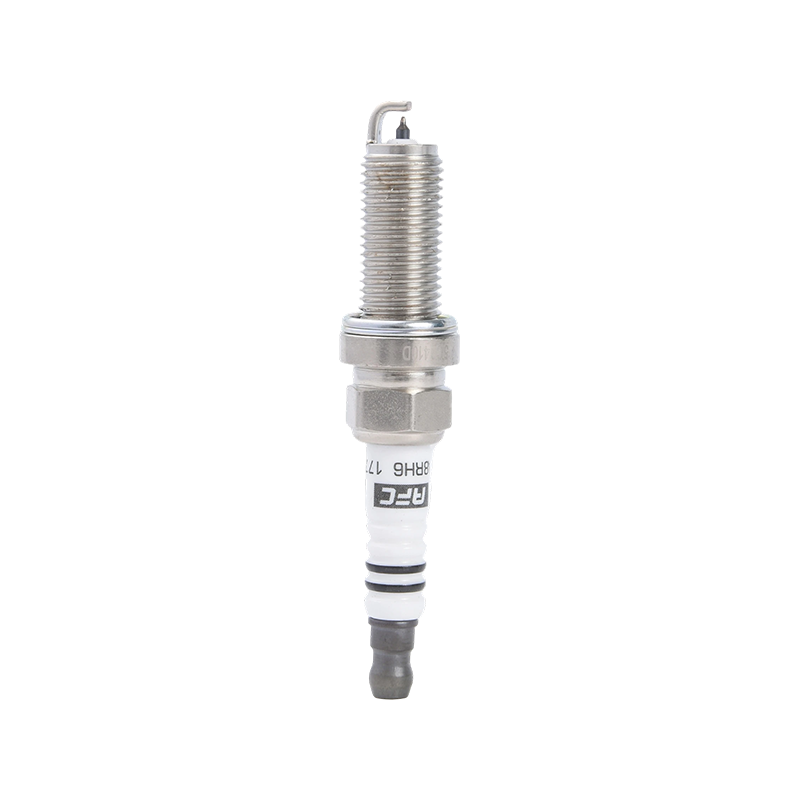
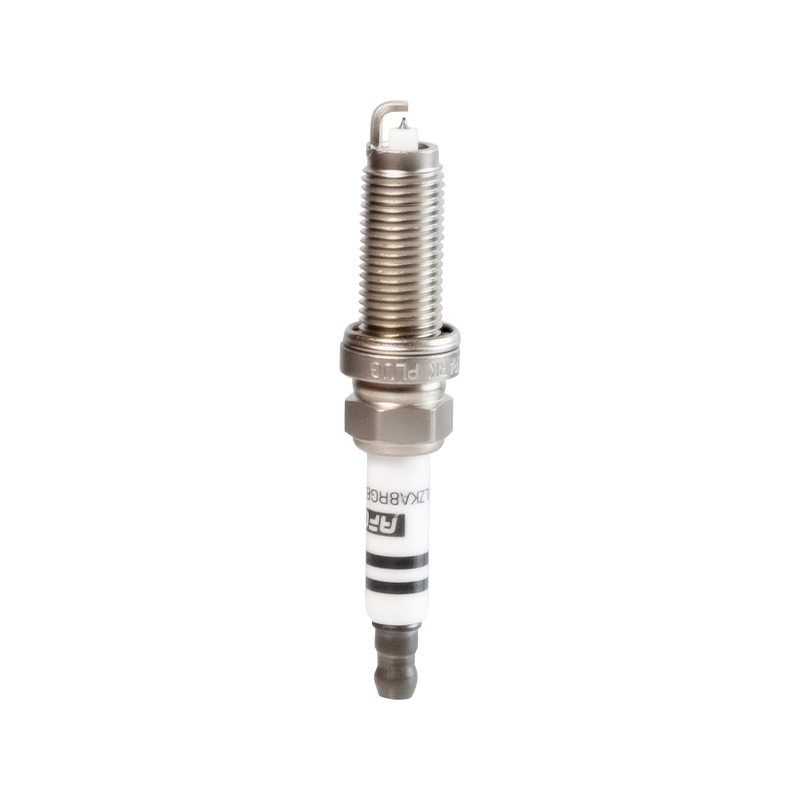
Japanese cars have long been recognized for their engineering precision, and their ignition systems are no exception. The iridium platinum spark plug for Japanese cars has become the standard choice for models across compact sedans, performance coupes, and hybrid vehicles — engineered to handle the tight tolerances and high-revving nature of Japanese engines. Combining an iridium center electrode with a platinum ground electrode, these plugs deliver fine-wire firing efficiency, extended service life, and reliable cold-start performance under diverse conditions. The category spans fitments for virtually all major Japanese marques, covering both naturally aspirated and turbocharged configurations.
Why Japanese Engines Have Specific Spark Plug Requirements
Most Japanese passenger car engines operate at higher compression ratios and tighter bore tolerances than their European or American counterparts. Four-cylinder engines from popular Japanese manufacturers typically run compression ratios between 10:1 and 13:1, with many modern turbocharged variants pushing past that range. At these pressures, a conventional copper plug misfires more frequently under high-load conditions, directly degrading combustion efficiency.
Iridium's melting point sits at approximately 2,446 °C, far above platinum's 1,768 °C, which allows a finer electrode tip — typically 0.4–0.6 mm in diameter — compared to 1.1 mm for standard copper plugs. This narrower tip concentrates the spark kernel, reducing the required ignition voltage and enabling consistent firing even under high cylinder pressure. For Japanese engines tuned around precise fuel-air ratios, that consistency translates directly into smoother idle, crisper throttle response, and lower hydrocarbon emissions.
Electrode Tip Diameter by Material (mm)
Finer tips reduce required ignition voltage and improve kernel consistency.
The Case for Combining Iridium and Platinum in One Plug
Single-electrode iridium plugs are well established, but the iridium-platinum combination addresses a specific wear pattern observed in Japanese car ignition systems. The center electrode faces high-frequency spark erosion, while the ground electrode weathers oxidative wear from combustion gases. Placing iridium at the center and a platinum pad on the ground electrode means each material handles the wear mode it resists best.
Center: Iridium
Withstands spark erosion; fine tip sustains sharp spark kernel across 60,000–100,000 miles of service.
Ground: Platinum
Resists oxidation and chemical attack from combustion byproducts, maintaining gap geometry over time.
In practice, a well-manufactured dual-metal plug keeps its gap within ±0.02 mm of specification for far longer than single-material alternatives, which is meaningful for Japanese engine management systems that use the spark timing signal as part of their knock-detection feedback loop.
Common Fitment Scenarios: Japanese Car Engine Types
The plug specifications vary considerably between engine families. Thread reach, heat range, and electrode gap are the three parameters that matter most during sourcing. Mixing up heat range — even by one step — can cause pre-ignition on a high-compression engine or fouling on a mild one.
| Engine Type | Thread Size | Typical Gap (mm) | Heat Range | Plug Reach |
|---|---|---|---|---|
| Naturally Aspirated 1.5–2.0L | M14 × 1.25 | 1.0–1.1 | Mid (5–6) | 19 mm |
| Turbocharged 2.0–2.5L | M14 × 1.25 | 0.7–0.8 | Cold (7–8) | 26.5 mm |
| Hybrid Atkinson 1.8–2.5L | M14 × 1.25 | 1.0–1.1 | Mid (5–6) | 19 mm |
| High-Revving 4-Cyl (>8000 RPM) | M12 × 1.25 | 0.8–0.9 | Cold (7) | 26.5 mm |
Manufacturing Depth Behind a Precision Plug
Producing an iridium platinum spark plug that genuinely performs across the range of Japanese car fitments requires more than sourcing the right alloys — it demands automated process control at every bonding and assembly step. The electrode tip bond between the iridium pin and the nickel alloy center shaft, for instance, must achieve consistent fusion depth to avoid tip detachment under thermal cycling. That level of control only exists at scale, with dedicated equipment.
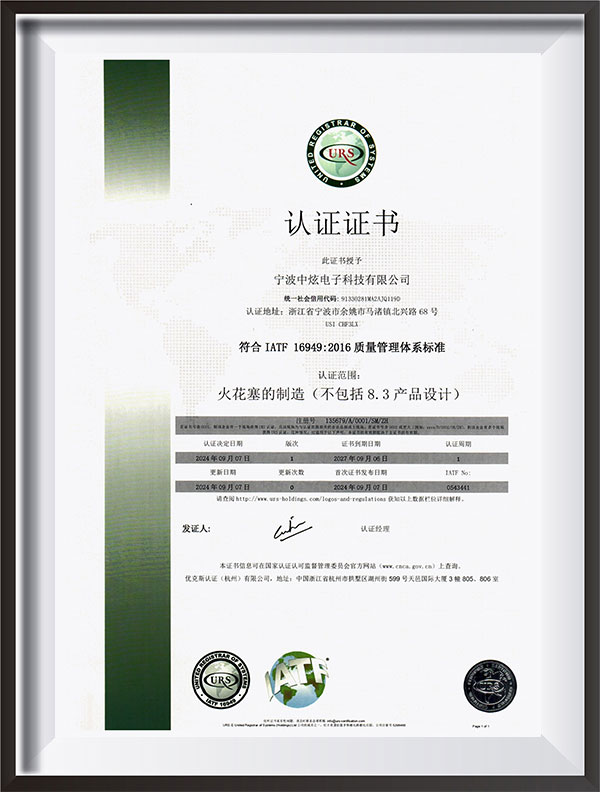
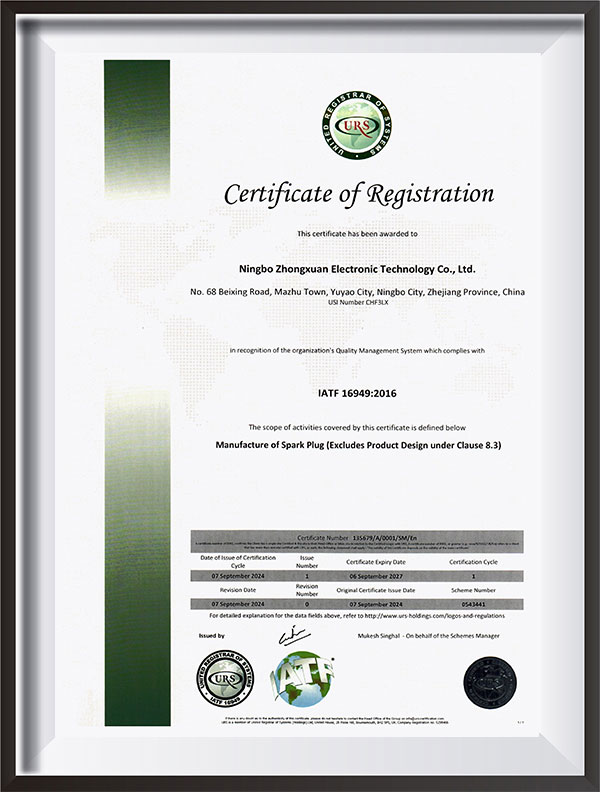
NINGBO ZHONGXUAN ELECTRONIC TECHNOLOGY CO., LTD operates from a standard workshop exceeding 12,000 square meters, running multiple fully automatic production lines. Annual output capacity reaches 18 million pieces, which is a meaningful figure — at that volume, process engineers accumulate enough production data to identify and eliminate subtle variance sources that would be invisible at lower output rates. The facility has passed IATF 16949 and ISO 9001 quality management system certifications, establishing a documented process framework applied at every production stage.
For buyers sourcing iridium platinum plugs for Japanese car fitments, lead time matters as much as specification accuracy. Zhongxuan's standard products typically move from deposit confirmation to shipment within 15–30 days. For large volumes or customized specifications, a specific production schedule is provided upfront — a practical approach that avoids the ambiguity that causes supply chain disruption for aftermarket distributors.
Facility Overview: Key Figures
Production scale enables data-driven process refinement across millions of units.
Gap Growth Behavior and When to Replace
One of the most practical aspects of iridium platinum plugs is their predictable gap growth rate. Copper plugs typically show gap growth of 0.025–0.04 mm per 10,000 km. Iridium platinum plugs in comparable service tend to grow at roughly 0.005–0.01 mm per 10,000 km — about four times slower. For Japanese car owners operating in stop-and-go urban cycles, where cold-start enrichment causes disproportionate electrode wear, this difference is significant.
Electrode Gap Growth Comparison (mm)
Iridium-platinum plugs maintain tighter gap over the full service interval.
Most Japanese car service schedules call for iridium plug replacement at 60,000–100,000 miles (approximately 96,000–160,000 km). The actual trigger should be gap measurement, not odometer reading alone. A gap that has grown beyond 1.3 mm on an engine calibrated for 1.1 mm will noticeably increase misfire frequency under cold-start or wide-open-throttle conditions.
Performance Attribute Comparison: Plug Types for Japanese Cars
When selecting spark plugs for Japanese car applications, five attributes drive most sourcing decisions: ignition reliability, service life, cold-start performance, high-RPM stability, and gap retention. The radar chart below maps typical performance across these dimensions for the three common plug types.
Across all five dimensions relevant to Japanese car ignition systems, the dual-metal iridium platinum design holds a clear advantage. The margin is most pronounced in gap retention and high-RPM stability — the two areas where Japanese engine calibrations are most sensitive to plug degradation.
What to Verify When Sourcing Iridium Platinum Plugs for Japanese Applications
Aftermarket buyers routinely encounter plugs marketed as "iridium platinum" that use an iridium coating rather than a solid iridium pin, or that use a single-layer platinum ground pad rather than a multi-layer one. These distinctions matter because coating thickness under 0.3 mm burns through at a rate that brings effective service life close to a standard platinum plug.
- Confirm the center electrode uses a solid iridium pin, not a coated nickel core.
- Request the nominal tip diameter specification — anything above 0.65 mm indicates a non-standard iridium design.
- Check that the ground electrode platinum pad thickness is documented, typically 0.3–0.5 mm for quality products.
- For Japanese turbocharged applications, verify heat range against the engine's boost pressure — mismatched heat range is the leading cause of premature plug failure in forced-induction setups.
- Confirm the supplier's production process uses a quality management system to ensure batch-to-batch consistency.
NINGBO ZHONGXUAN ELECTRONIC TECHNOLOGY CO., LTD produces iridium platinum spark plugs for Japanese car fitments within a quality management framework that covers every stage from raw material incoming inspection to final gap measurement before packing. With an annual output of 18 million pieces across fully automatic lines, the production data density supports tight process windows that smaller-scale operations cannot maintain.
Frequently Asked Questions
Can I use iridium platinum plugs in a Japanese hybrid vehicle?
Yes — and in many respects hybrid applications benefit more than conventional ones. Hybrid engines frequently operate in Atkinson cycle mode with delayed intake valve closing, which raises effective compression during combustion. The finer electrode tip of an iridium plug sustains reliable ignition under these conditions, and the plug also performs better during the frequent cold-start events that hybrids experience when the engine kicks in from electric-only mode.
Is it safe to re-gap an iridium platinum plug?
Generally, no. The iridium center pin and the platinum pad on the ground electrode are precision-bonded and dimensioned to the specified gap. Attempting to adjust the gap with a conventional tool risks cracking the ceramic around the center electrode or dislodging the platinum pad. For Japanese car applications, order the plug pre-set to the correct gap rather than sourcing a generic plug and adjusting it.
What causes carbon fouling on iridium platinum plugs in Japanese cars?
Carbon fouling occurs when the plug's heat range is too cold for the operating conditions, or when the engine runs rich for extended periods (common in vehicles with degraded oxygen sensors or fuel injectors). Iridium plugs are not immune to fouling — they're simply less susceptible than copper plugs because the finer tip reaches firing temperature faster during warm-up. Persistent fouling in a Japanese car with new iridium plugs usually points to a fuel system issue rather than a plug selection problem.
How do I confirm the correct torque spec when installing these plugs?
Japanese car cylinder heads are almost universally aluminum, which means overtorquing is a serious risk. For M14 plugs with a gasket seat, the typical torque range is 20–30 N·m. For tapered-seat designs, it is lower, around 10–20 N·m. Always consult the vehicle's service manual for the specific value. Aluminum threads strip at lower torque than steel, and rework on a Japanese DOHC head is expensive.
What is the minimum order quantity and lead time when sourcing from a manufacturer?
This depends heavily on the manufacturer. At NINGBO ZHONGXUAN ELECTRONIC TECHNOLOGY CO., LTD, standard Japanese car fitment plugs can be completed and shipped within 15–30 days of receiving the deposit for catalog items. For customized specifications or large-volume orders, the company provides a specific production schedule upfront so buyers can plan their inventory replenishment cycle accurately.