

 Español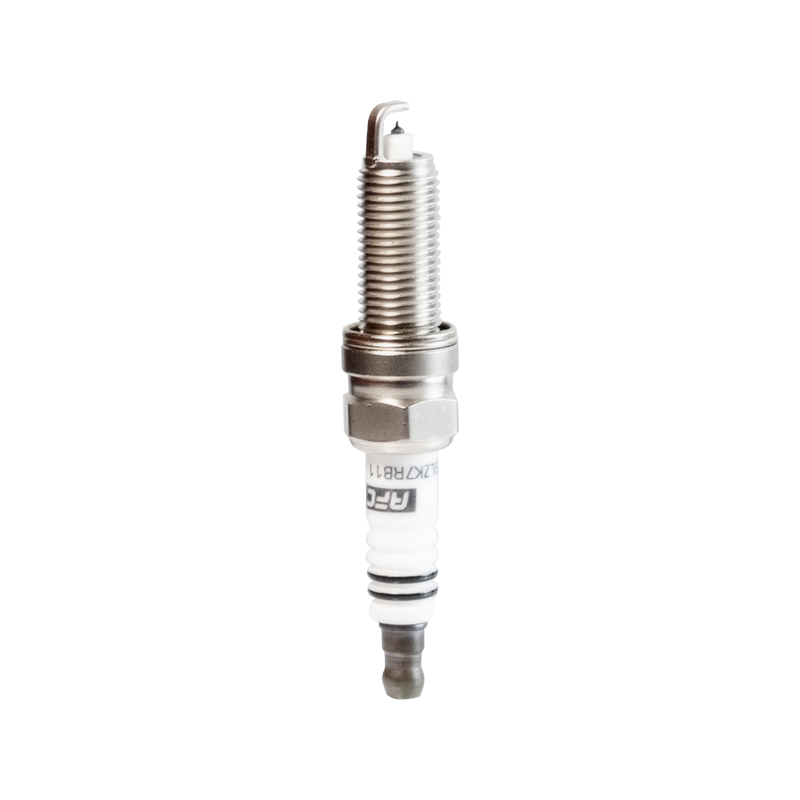
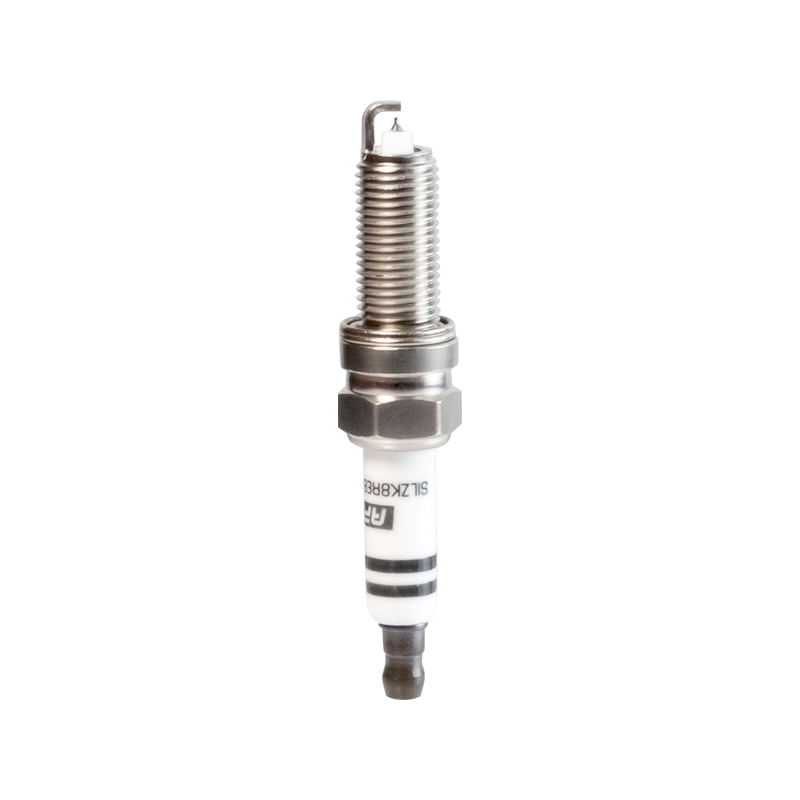
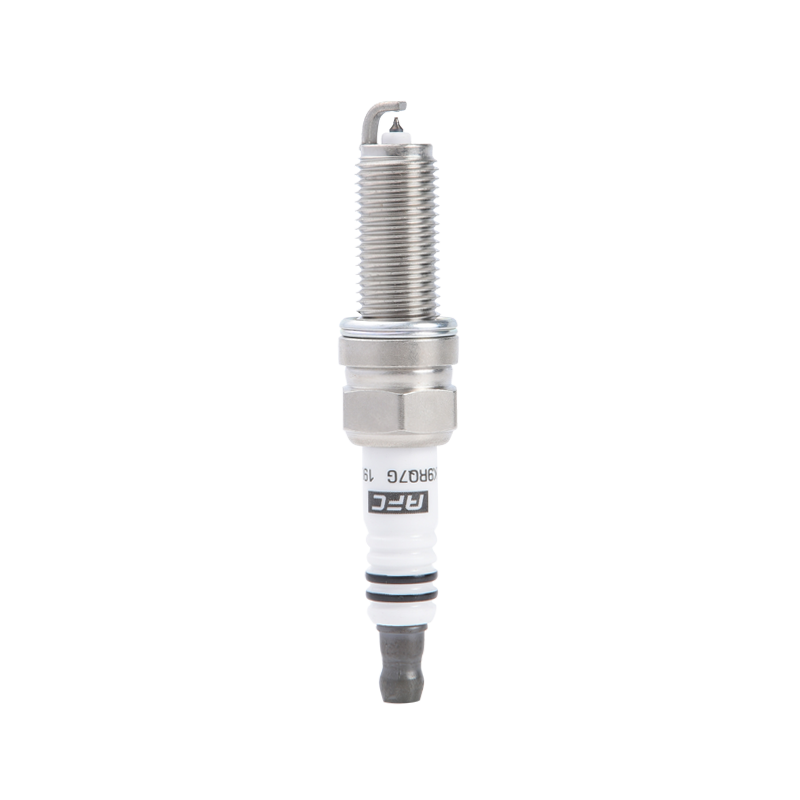
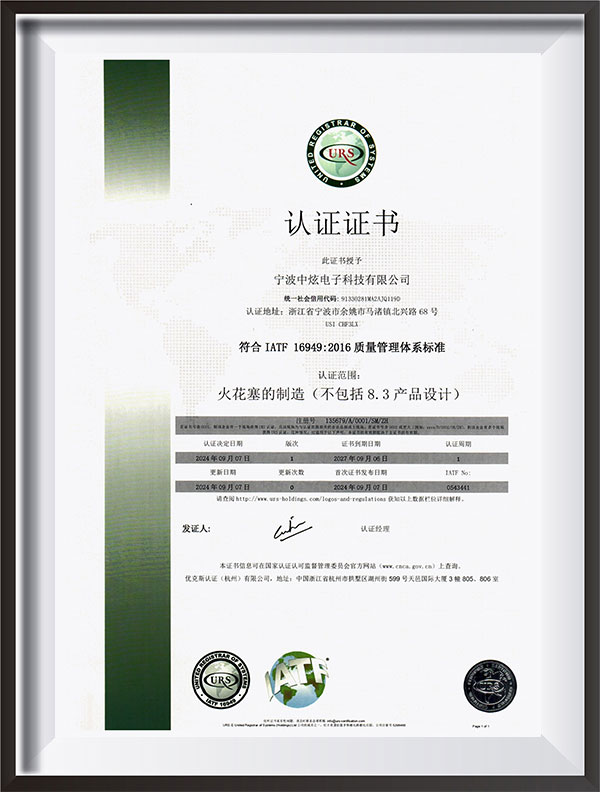
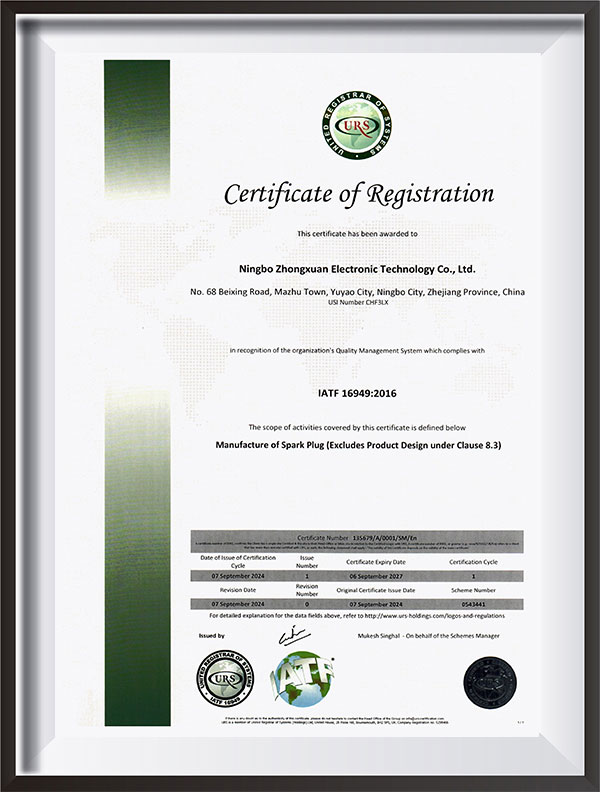
Korean-market vehicles — spanning compact sedans to turbocharged crossovers — place specific demands on ignition components that generic plugs often fail to meet consistently over time. The iridium platinum spark plug for Korean cars addresses exactly this gap: a dual-precious-metal design that pairs an iridium-tipped center electrode with a platinum ground electrode to maintain stable spark geometry across the long service intervals and varied fuel grades common in Korean-spec engines. As one of the core product lines at NINGBO ZHONGXUAN ELECTRONIC TECHNOLOGY CO., LTD, these plugs cover a wide range of popular Korean vehicle families and are produced on a fully automated line with annual output reaching 18 million pieces.
Why Electrode Material Matters in Korean Car Engines
Korean engines, particularly the Theta II, Nu, and Gamma families widely used in compact and mid-size platforms, tend to run relatively high compression ratios paired with variable valve timing. That combination means the ignition event has to be precise — a worn or incorrectly gapped plug causes misfire that the engine management system can partially compensate for, but never fully recover from in terms of combustion efficiency.
Iridium has a melting point of 2,446 °C and is roughly six times harder than platinum, which is why iridium center electrodes can be drawn down to a fine tip (typically 0.4–0.6 mm diameter) without eroding quickly. Platinum on the ground electrode resists the spark erosion on that side. The two materials work together to keep the gap stable far longer than a single-material design.
The practical upshot: an iridium-platinum plug can typically serve 60,000–100,000 km in Korean vehicles before the gap has widened enough to noticeably affect combustion, compared to 30,000–40,000 km for conventional copper plugs.
Matching the Right Plug to a Korean Vehicle
Compatibility is probably the most common stumbling block for buyers. Korean automakers have used a fairly wide range of thread sizes, reach lengths, and hex sizes across model years, and the same vehicle nameplate can accept two different plug specifications depending on whether it carries a naturally aspirated or turbocharged engine variant.
How NINGBO ZHONGXUAN Handles Compatibility Verification
The technical team at NINGBO ZHONGXUAN ELECTRONIC TECHNOLOGY CO., LTD maintains an extensive vehicle-to-spark-plug compatibility database. There are three practical routes a buyer can take to confirm fitment:
- Reference the vehicle's owner manual — it lists the OE plug specification directly.
- Provide the model number and code printed on the old plug; the team will cross-reference it.
- Supply the vehicle brand, model name, engine displacement, and production year — the team will identify the correct match from the database.
This matters especially for Korean vehicles produced in the 2015–2022 window, during which several platforms underwent mid-cycle engine revisions that changed plug specifications without changing the exterior vehicle designation.
| Engine Family | Displacement Range | Thread Size | Electrode Gap (mm) | Typical Service Interval |
|---|---|---|---|---|
| Theta II | 2.0 / 2.4 L | M14×1.25 | 1.0–1.1 | 80,000 km |
| Nu | 1.6 / 2.0 L | M14×1.25 | 1.0–1.1 | 80,000 km |
| Gamma | 1.4 / 1.6 L T-GDi | M14×1.25 | 0.7–0.8 | 60,000 km |
| Lambda II | 3.0 / 3.3 / 3.8 L | M14×1.25 | 1.0–1.1 | 100,000 km |
Production Scale and Lead Time at NINGBO ZHONGXUAN
For aftermarket distributors and wholesale buyers, production reliability is as important as plug specification. NINGBO ZHONGXUAN ELECTRONIC TECHNOLOGY CO., LTD operates a complete automated production line with annual capacity reaching 18 million pieces. That scale allows consistent electrode geometry and gap tolerances across large batches — something that matters for fleet buyers and distributors who need plug performance to be uniform across thousands of units.
On lead times: standard orders typically ship within 15–30 days after deposit confirmation. For large-volume or customized orders — different heat ranges, specific OE-cross references, private-label packaging — a production schedule is provided at the time of order so buyers can plan logistics accordingly. The company treats delivery commitments as a contractual obligation, not an estimate.
Iridium-Platinum vs Other Plug Types: A Performance Comparison
When choosing between copper, single-platinum, and iridium-platinum plugs for Korean vehicles, the trade-offs aren't just about price — they show up in ignition voltage demand, gap stability, and replacement frequency, all of which have downstream effects on fuel consumption and engine smoothness.
Relative performance across five categories — higher polygon area indicates better overall suitability for modern Korean engine demands.
Installation Notes and Gap Setting for Korean Engines
Iridium-platinum plugs ship pre-gapped from the factory. On Korean engines, adjusting the gap after the fact is not recommended — applying lateral force to the fine iridium tip risks microcracking the electrode. If a gap check shows a significant deviation from spec, the correct response is to swap the plug rather than try to adjust it.
Torque Values by Thread Size
- M14 thread (most Korean 4-cyl engines): 25–30 N·m with anti-seize; 20–25 N·m without.
- M12 thread (some smaller displacement units): 15–20 N·m.
- Always install into a cold or warm (not hot) engine to avoid thread galling in aluminum heads.
Boot removal on some Korean GDi engines is tighter than expected due to coil-on-plug packaging. Pull straight out rather than angling — a 45° pull can tear the boot internal conductor.
Common Questions
Can one iridium-platinum plug spec cover both the NA and turbocharged versions of the same Korean engine?
Generally no. Turbocharged variants typically specify a colder heat range (higher numerical heat index in Korean OE notation) to handle the higher combustion temperatures. The thread dimensions may be identical, but running a plug with the wrong heat range in a turbo engine risks pre-ignition. Always verify by engine variant, not just model name.
What information do I need to give NINGBO ZHONGXUAN to get the right plug matched?
The fastest route is to provide the part number from your current plug. Alternatively, vehicle brand + model + engine displacement + production year is sufficient for the technical team to cross-reference the compatibility database. For buyers with the vehicle's user manual available, the OE specification on the ignition page is the most reliable starting point.
Does the iridium tip actually require a different anti-fouling approach compared to copper plugs?
The fine tip geometry of an iridium electrode runs slightly hotter at the tip, which gives it better self-cleaning behavior at idle and in stop-and-go conditions. In practice, fouling on iridium plugs from Korean vehicles is less common than with copper unless there is an underlying engine issue (oil consumption, rich-running condition) that needs to be addressed first — the plug is not the root cause in those cases.
What is the minimum order quantity for a wholesale purchase from NINGBO ZHONGXUAN?
NINGBO ZHONGXUAN ELECTRONIC TECHNOLOGY CO., LTD handles both standard and large customized orders. For specific MOQ figures and pricing tiers, buyers should contact the sales team directly — for custom or private-label requirements, the production schedule and quantities are confirmed at the order stage.
Is there a noticeable difference in cold-start performance between iridium-platinum and single-platinum plugs in Korean cars?
In most operating conditions the difference is small. Where dual-precious-metal plugs tend to show a measurable advantage is after extended service — at 60,000+ km, a single-platinum plug will have a widened gap on the ground electrode side that increases the required firing voltage, which can translate to slightly rougher cold starts. The iridium-platinum design keeps both electrode surfaces more stable over that interval.