


 Español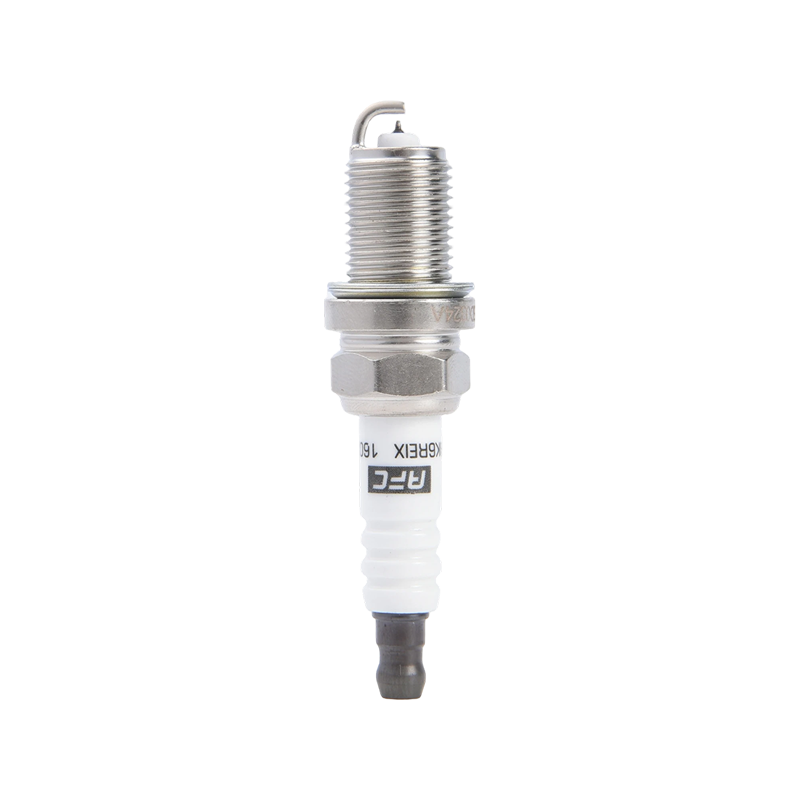
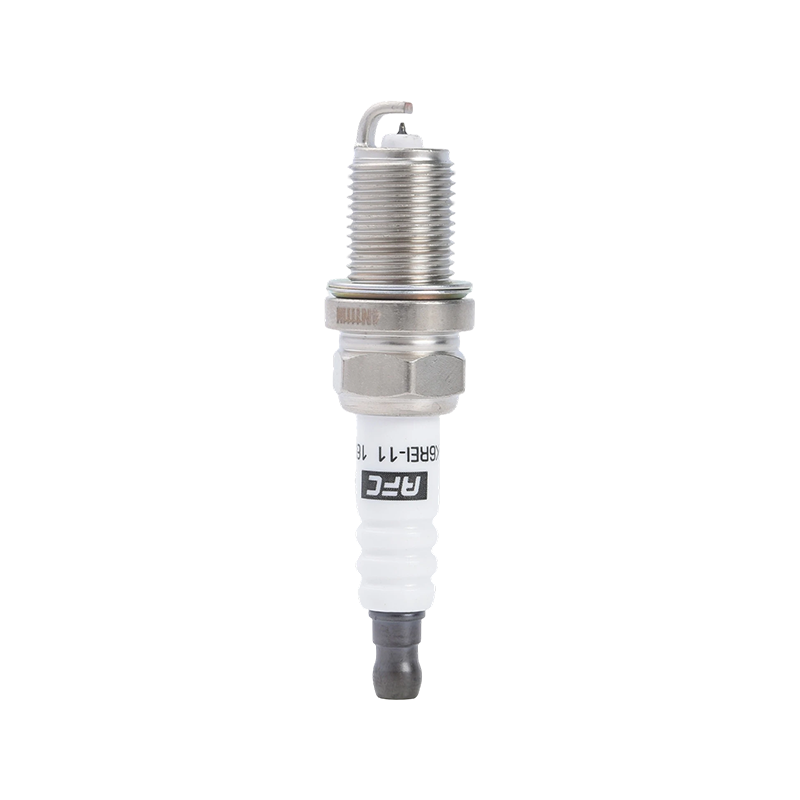
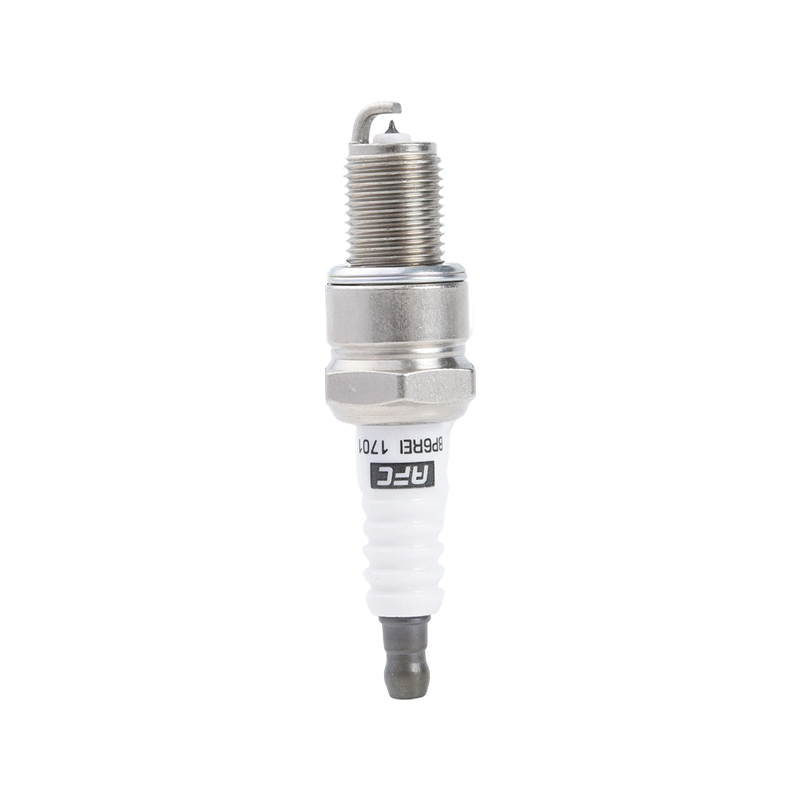
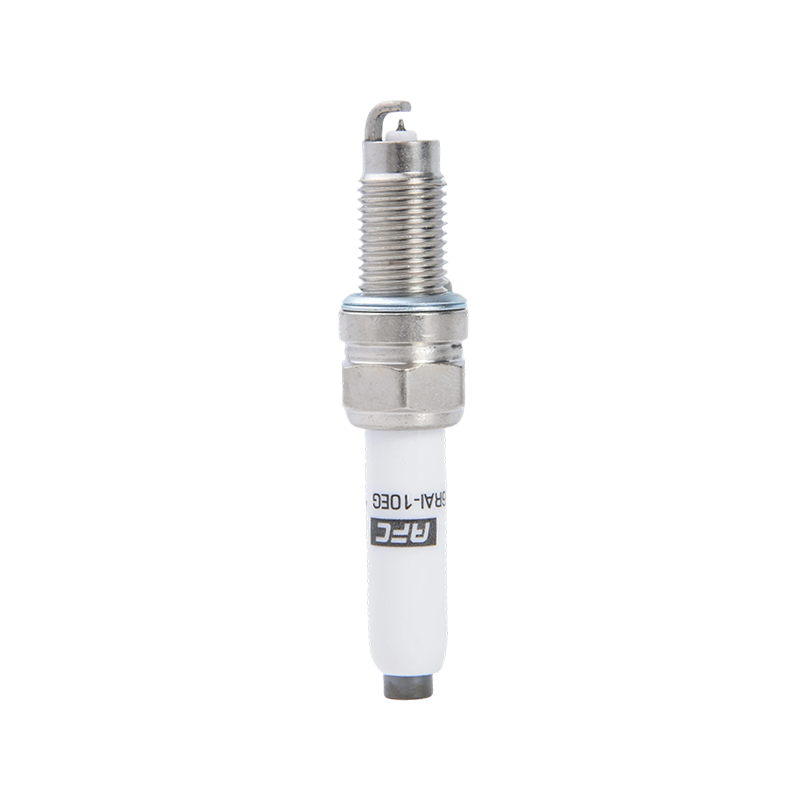
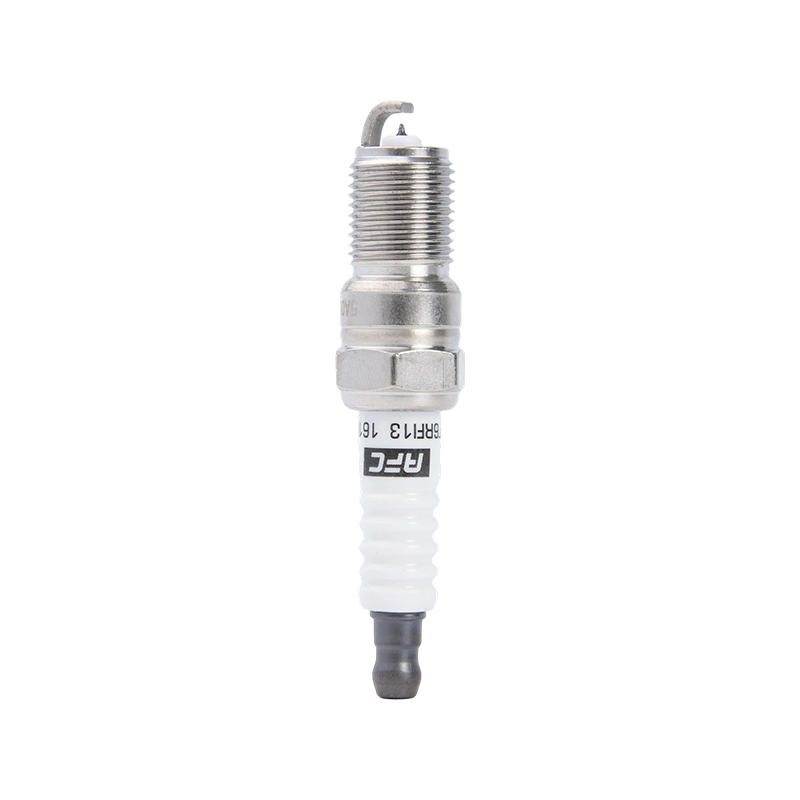
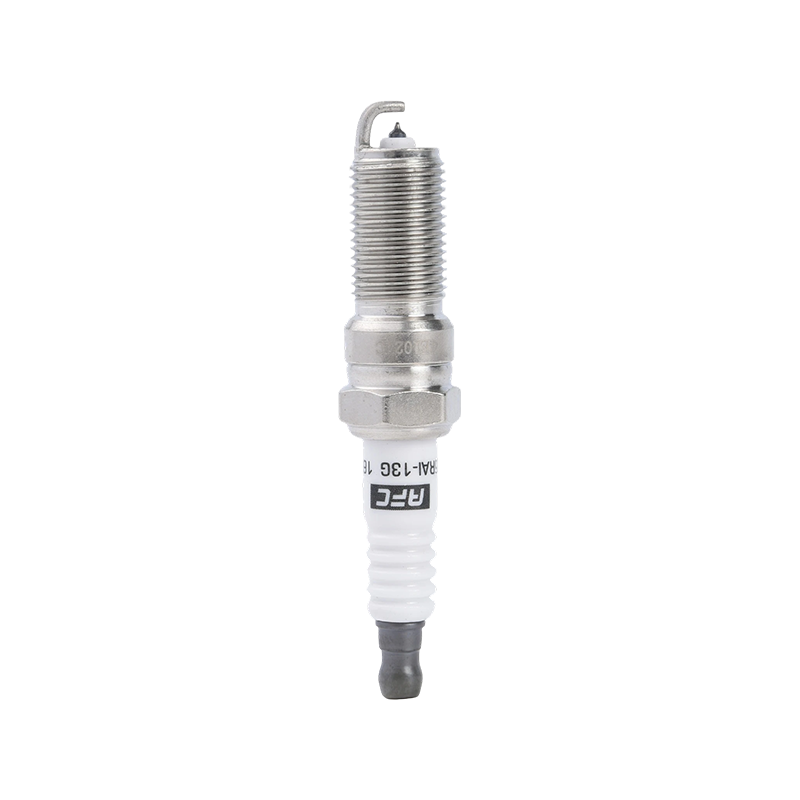
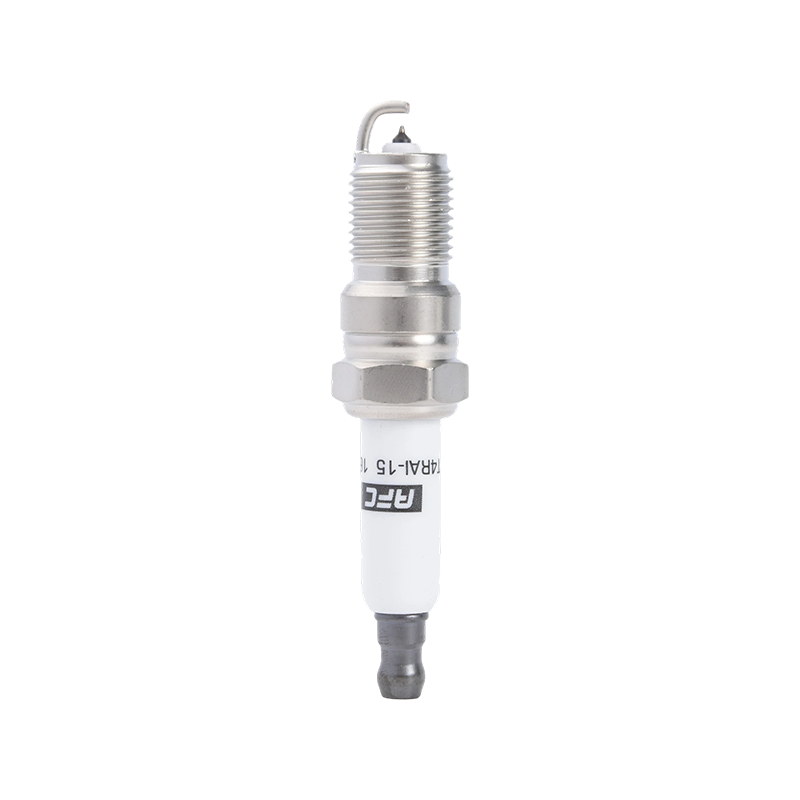
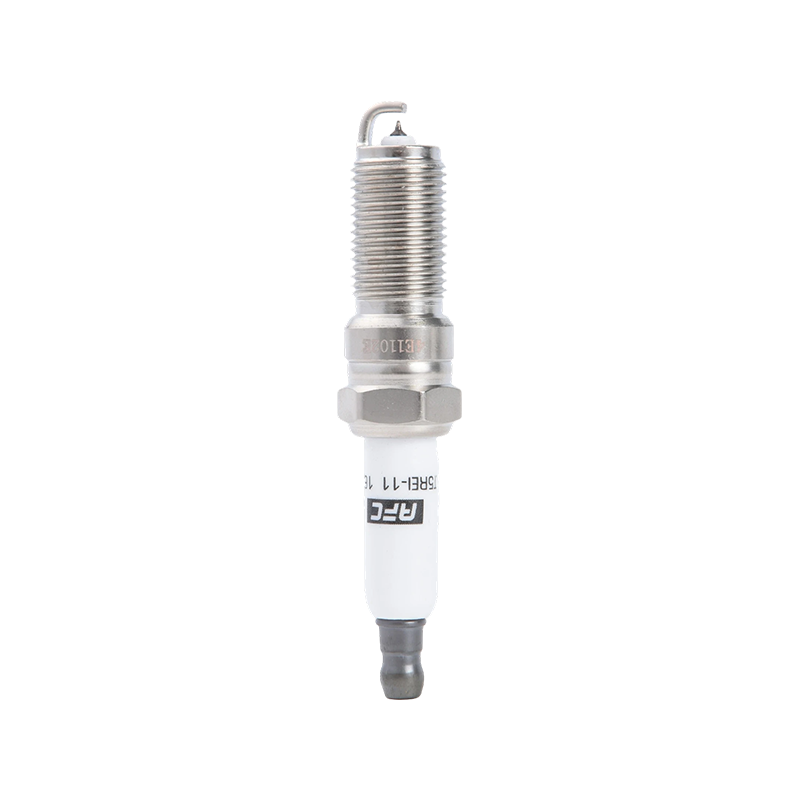
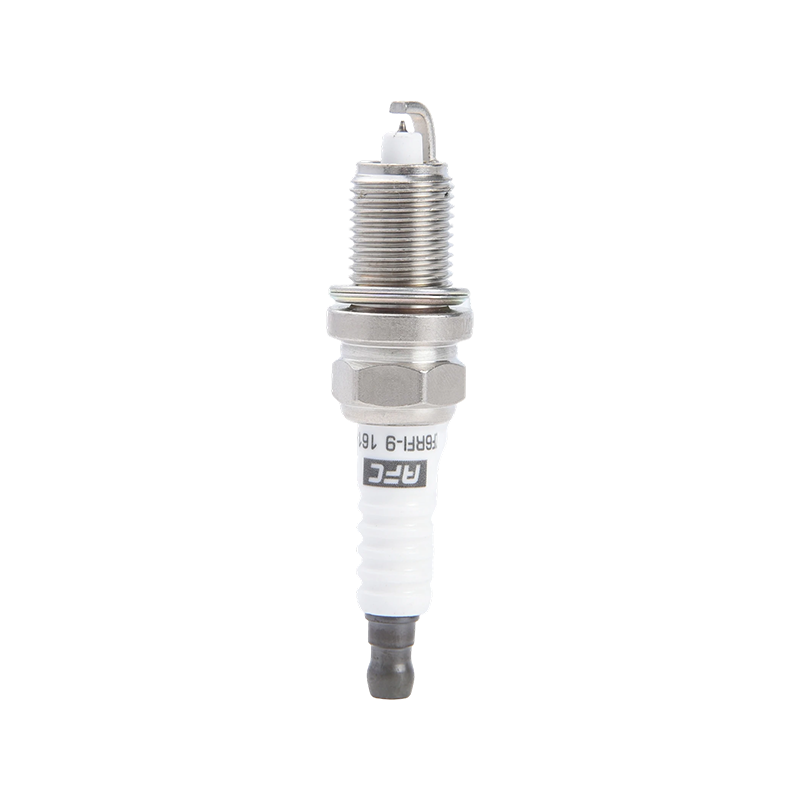
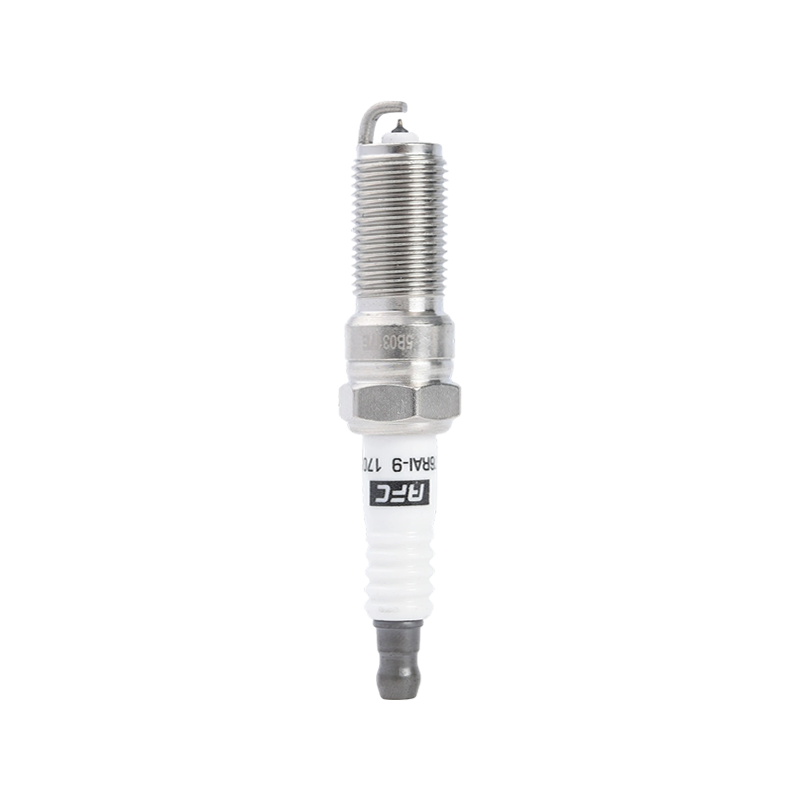
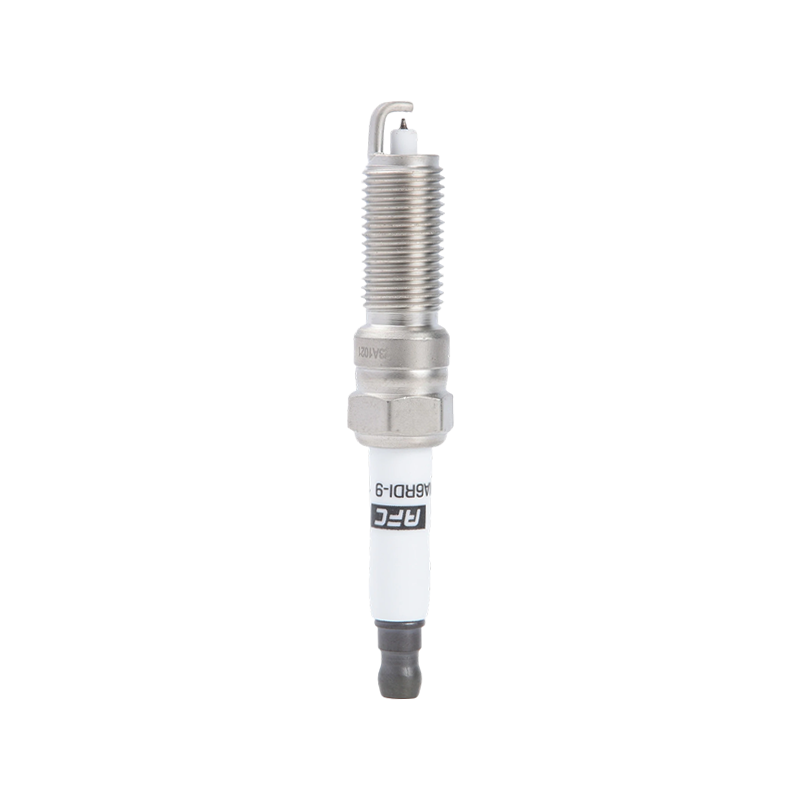
When it comes to engine ignition performance, the iridium spark plug has become the go-to choice for both passenger vehicles and high-demand applications. Spark plugs iridium technology centers on the use of one of the hardest and most heat-resistant metals available, allowing for a finer electrode tip, a more concentrated spark, and a longer service interval compared to conventional copper or platinum plugs. For anyone evaluating the best iridium spark plugs on the market, the key considerations come down to electrode precision, thermal management, and manufacturer consistency — all of which separate a truly reliable plug from one that merely carries the iridium label. The best rated iridium spark plugs earn their reputation through measurable improvements in cold-start reliability, fuel combustion efficiency, and sustained performance across hundreds of thousands of ignition cycles.
Why Iridium Became the Industry Standard Electrode Material
Iridium has a melting point of approximately 2,446°C — far above the operating temperature inside a combustion chamber. This thermal tolerance lets manufacturers reduce the center electrode diameter to as little as 0.4 mm, which concentrates the electrical discharge into a tighter arc. A narrower arc means less voltage is required to fire the plug, which in turn reduces ignition coil strain and produces a more complete combustion event.
The practical result is measurable. Engine tests comparing iridium vs. copper plugs under identical conditions consistently show:
| Electrode Material | Typical Service Life | Electrode Diameter | Voltage Requirement |
|---|---|---|---|
| Copper | ~20,000 km | 2.5 mm | High |
| Platinum | ~60,000 km | 1.1 mm | Medium |
| Iridium | ~100,000 km+ | 0.4–0.6 mm | Low |
Service Life Comparison: Electrode Materials at a Glance
The chart below illustrates how much longer iridium plugs last compared to conventional alternatives, which directly affects replacement frequency and long-term cost per kilometer driven.
What Separates the Best Rated Iridium Spark Plugs from Average Ones
Not every plug with "iridium" on the box delivers the same result. The best rated iridium spark plugs share a handful of structural and manufacturing traits that are worth understanding before making a purchase decision.
Electrode Tip Consistency
A fine-wire iridium tip must maintain its shape under repeated thermal expansion cycles. Plugs with inconsistent tip geometry show erratic spark timing after as few as 10,000 ignition cycles.
Gap Precision
The electrode gap is typically set between 0.8 mm and 1.1 mm depending on the engine spec. A deviation of just 0.1 mm can shift ignition timing and reduce fuel efficiency by a noticeable margin.
Insulator Material Quality
The ceramic insulator must withstand both the electrical and thermal stress of every combustion event. High-purity alumina ceramic insulators resist cracking and carbon fouling across a wide temperature range.
Thread and Shell Integrity
Consistent thread pitch and shell plating prevent galling and ensure reliable torque values during installation — a small detail that causes real problems when ignored.
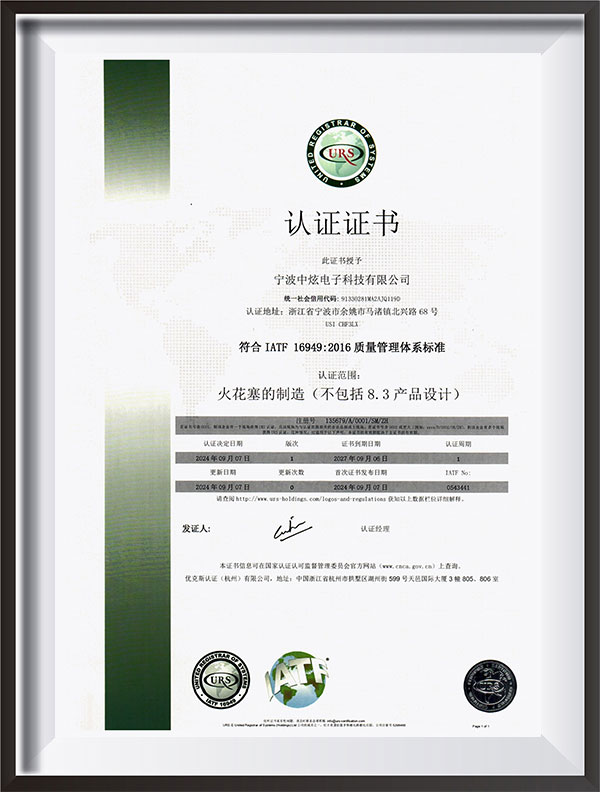
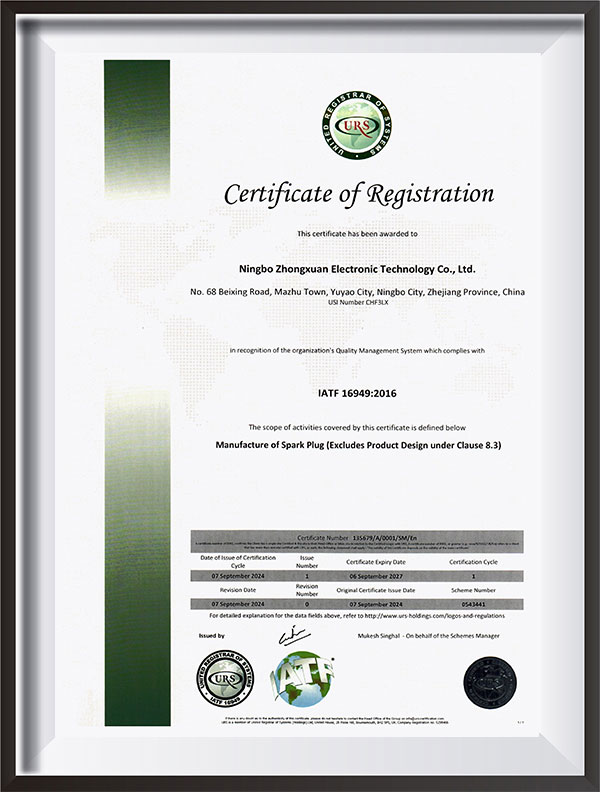
NINGBO ZHONGXUAN ELECTRONIC TECHNOLOGY CO., LTD: Scale Meets Precision
One of the realities of the spark plug supply chain is that consistent quality at scale is genuinely difficult. Many manufacturers can produce a well-performing plug in small batches; doing it reliably across more than 20,000,000 pieces per year is a different challenge entirely.
NINGBO ZHONGXUAN ELECTRONIC TECHNOLOGY CO., LTD has built its position in the iridium spark plug segment around exactly that kind of volume consistency. The company's product catalog covers over 330 types of spark plugs, which means the engineering team has had to solve fitment and performance problems across a wide range of engine families — not just a handful of popular applications.
With more than 90 personnel across R&D, sales, and after-sales functions, the company maintains a feedback loop between what happens in the field and what gets adjusted at the manufacturing stage. That structure matters in practice: when a gap tolerance issue appears in a specific engine type, it gets documented, analyzed, and corrected — not just patched. The product quality reflects years of that iterative development process.
NINGBO ZHONGXUAN Iridium Plug — Performance Radar
How Iridium Plug Performance Holds Over Time
One of the defining advantages of a quality iridium spark plug is how gradual its performance decline is compared to cheaper alternatives. The chart below tracks relative ignition efficiency over accumulated mileage for three electrode types under normal driving conditions.
Iridium plugs sustain ignition efficiency above 95% even at 80,000 km, which is why they appear consistently at the top of best iridium spark plugs rankings across independent automotive testing channels.
Where Iridium Plugs Make the Most Difference
Iridium spark plugs are not universally necessary — but in certain engine configurations and usage patterns, the performance gap over alternatives is hard to ignore.
- Turbocharged engines: Higher combustion pressures demand a plug that can fire reliably without excessive voltage. Iridium's fine tip does exactly that.
- Direct injection engines: DI combustion chambers run hotter and dirtier. Iridium's resistance to fouling and erosion makes it a practical choice for long maintenance intervals.
- High-mileage vehicles: In an engine already seeing wear, a plug that demands less from the ignition system reduces overall electrical load on aging components.
- Cold climate starting: The lower voltage requirement of iridium plugs makes cold-weather starts more consistent, especially in older ignition systems.
- Fleet and commercial use: When vehicles need to run on extended service schedules, iridium plugs reduce the frequency of unscheduled maintenance stops.
With over 330 types available from NINGBO ZHONGXUAN ELECTRONIC TECHNOLOGY CO., LTD, there is a fitment solution for the vast majority of these scenarios — from compact passenger cars to commercial vehicles with demanding duty cycles.
Common Questions About Iridium Spark Plugs
Are iridium spark plugs actually worth the higher upfront cost?
For most drivers, yes. The longer replacement interval — typically three to five times the service life of a copper plug — means fewer replacement events over the vehicle's life. Add in the labor cost of a plug change, and the per-kilometer cost of iridium frequently comes out lower than copper or single-platinum alternatives.
Can I use iridium plugs in an older engine that originally specified copper?
Generally yes, as long as the heat range and thread spec match. Iridium plugs operate effectively in a wide range of combustion environments. The key is matching the correct heat range to the engine — a detail that NINGBO ZHONGXUAN's 330+ type catalog addresses across a broad range of legacy and modern fitments.
How do I know when an iridium spark plug actually needs replacing?
Unlike copper plugs, which show obvious electrode erosion relatively early, iridium plugs often look acceptable visually even when their performance has degraded. The most reliable indicators are mileage tracking (follow the OEM or plug manufacturer interval), recurring rough idle at cold start, or a noticeable drop in fuel economy that persists after other maintenance has been ruled out.
What does a 20-million-unit annual output actually tell you about a manufacturer?
Volume at that scale forces a level of process discipline that lower-output manufacturers rarely achieve. Maintaining electrode gap tolerances within ±0.05 mm across 20 million units per year requires automated precision measurement at multiple production stages. For end users, this translates to consistency across boxes — the plug you install in cylinder one performs the same as the plug in cylinder four.
Is a dual-electrode (twin-tip) iridium design better than a single fine-wire tip?
Not necessarily. Dual electrode designs were developed to extend service life by providing a secondary firing surface as the primary tip erodes. However, a high-quality single fine-wire iridium tip that maintains consistent geometry throughout its service life often outperforms a dual design in terms of initial spark intensity and combustion completeness.