


 Español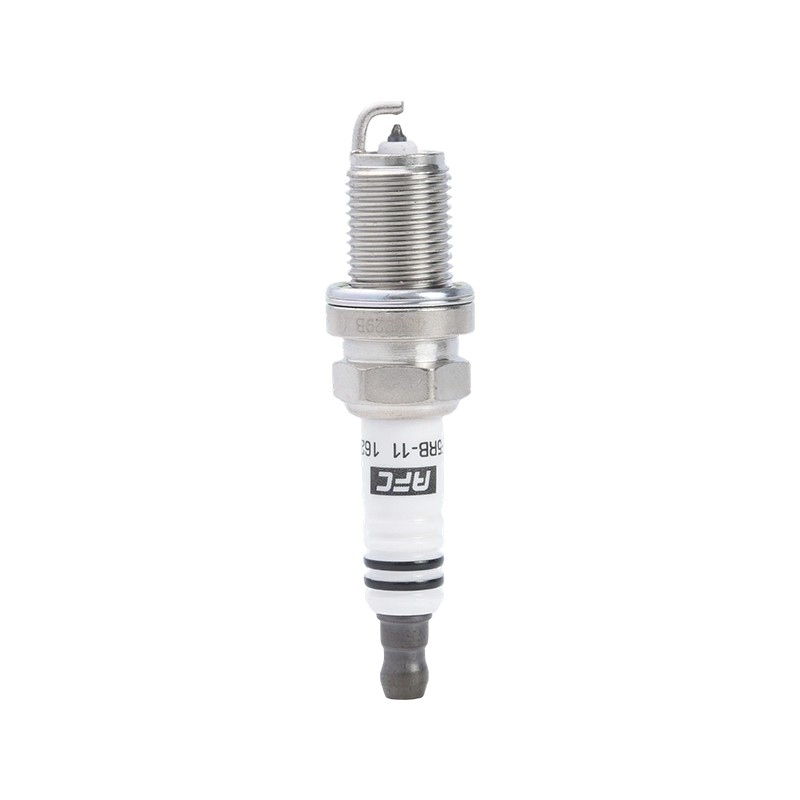
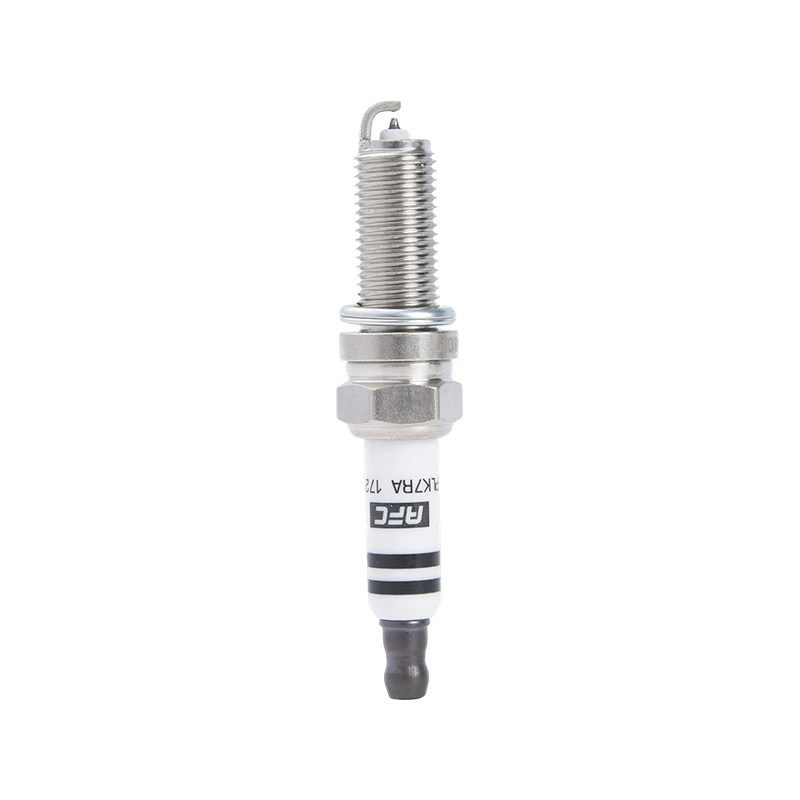
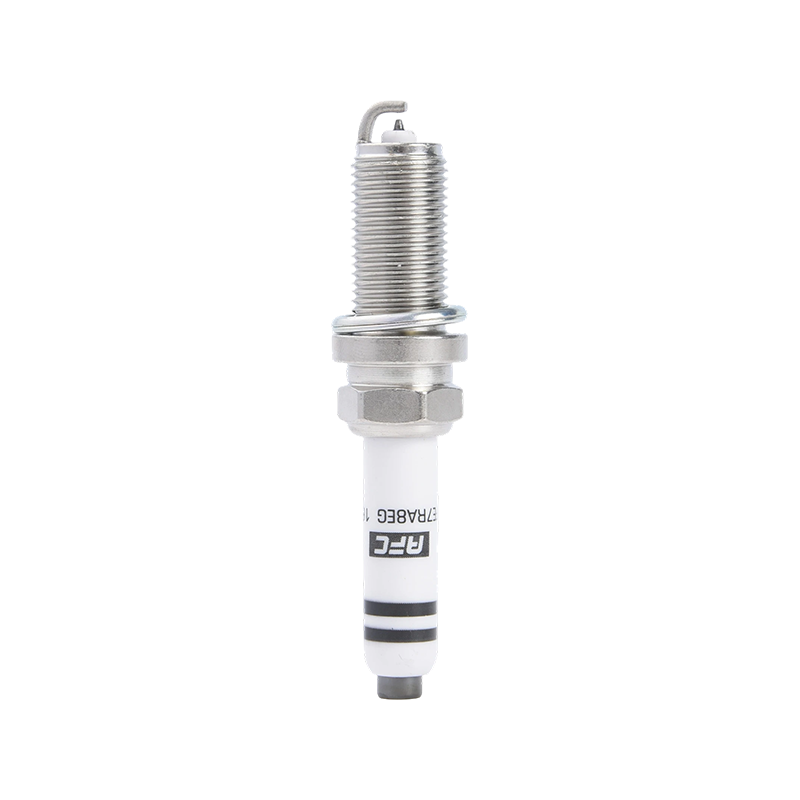
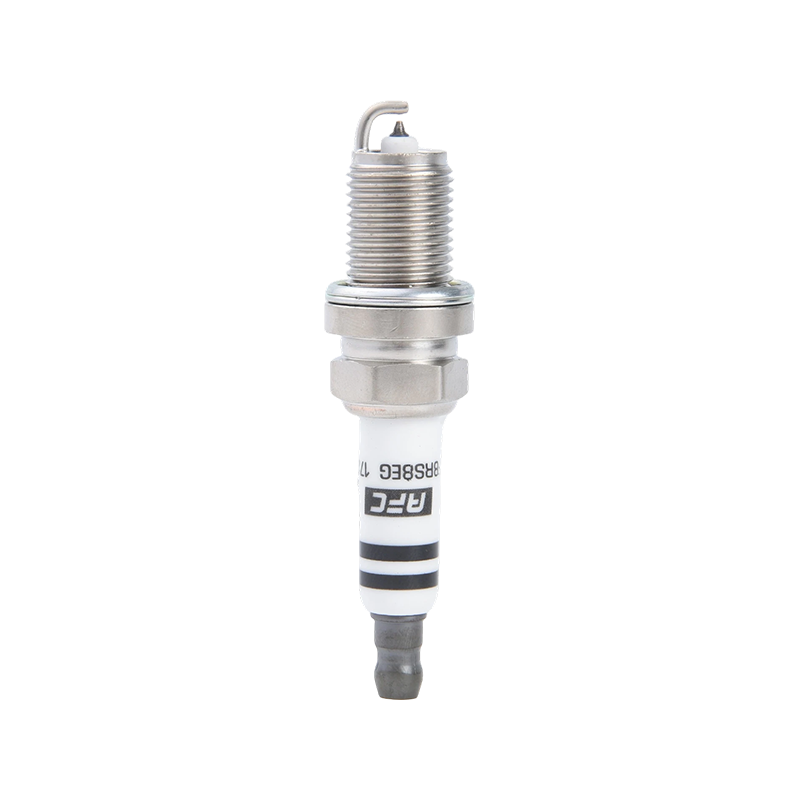
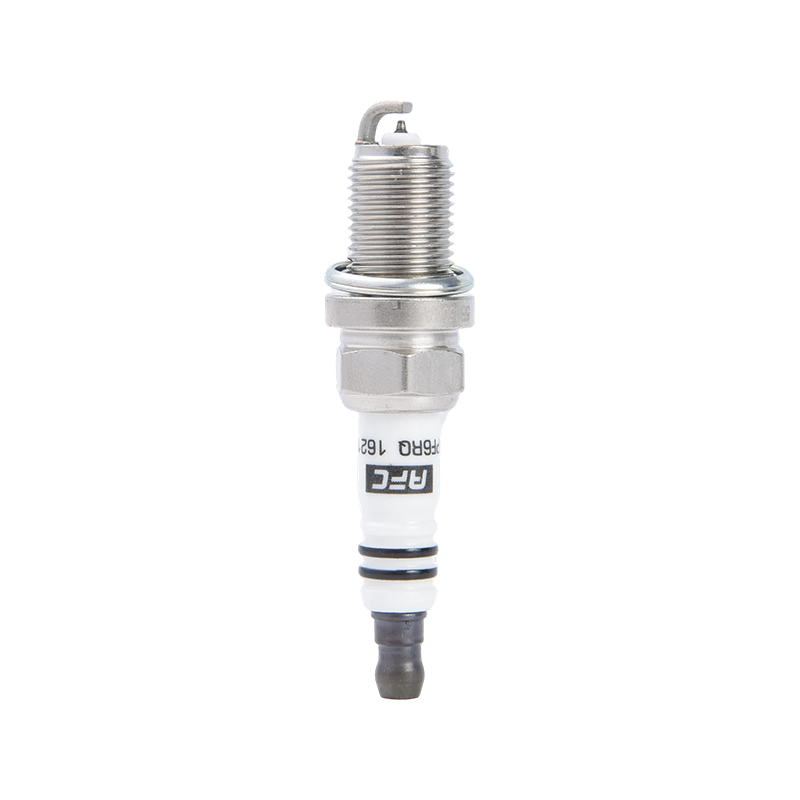
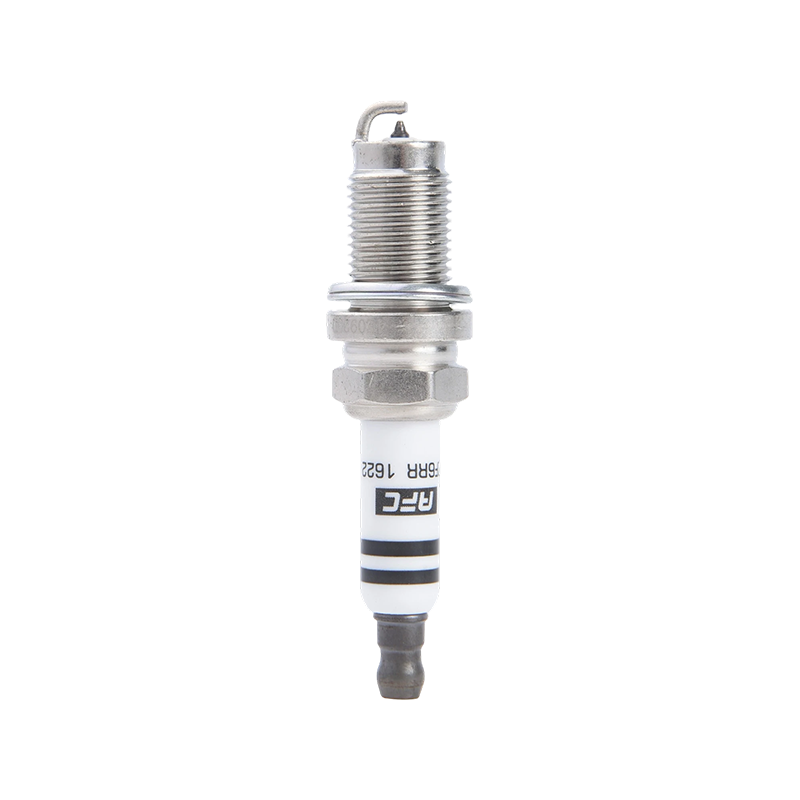
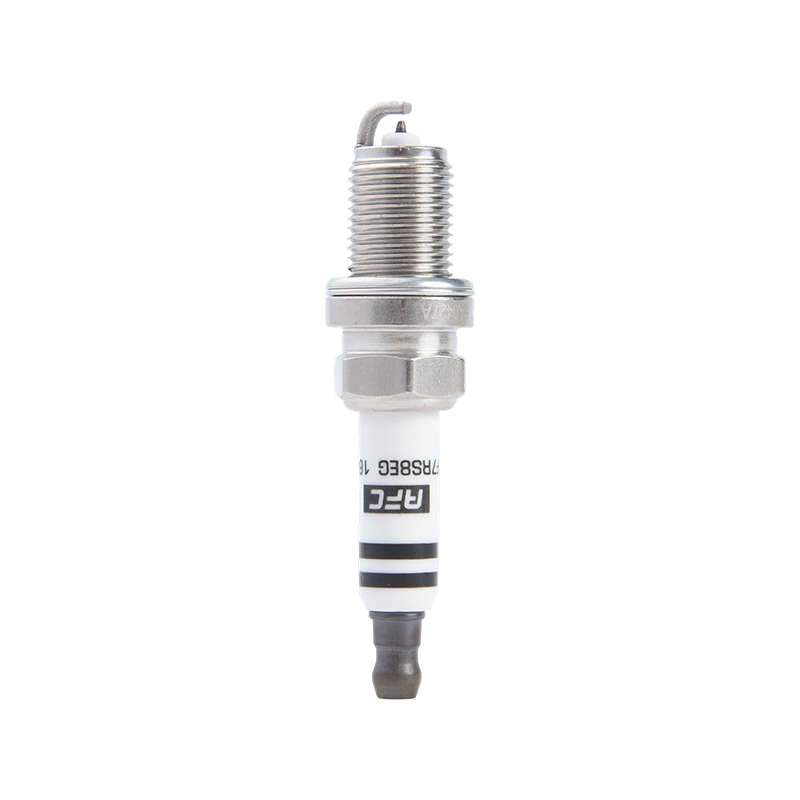
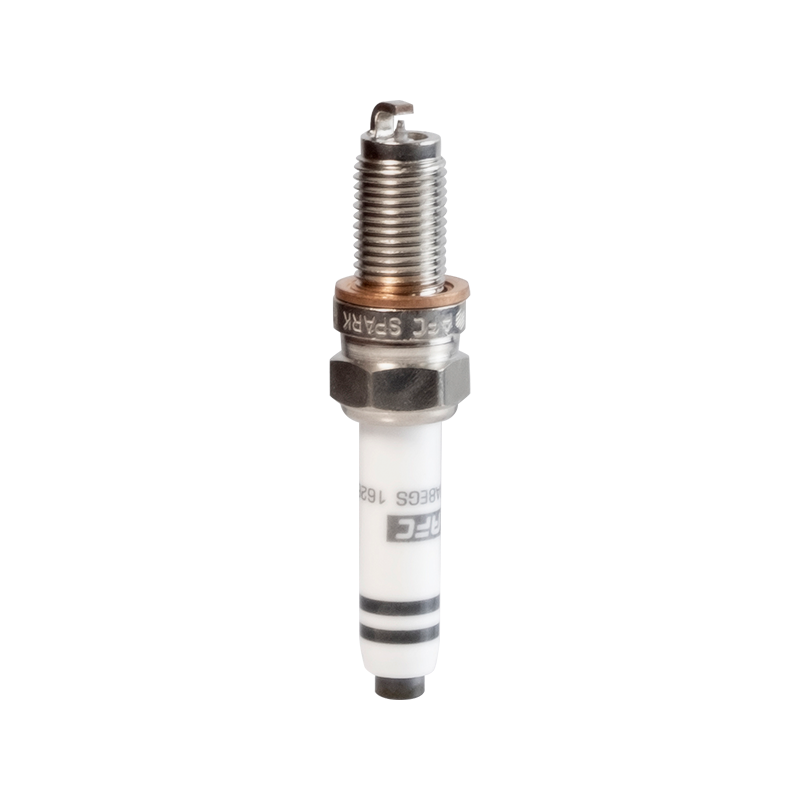
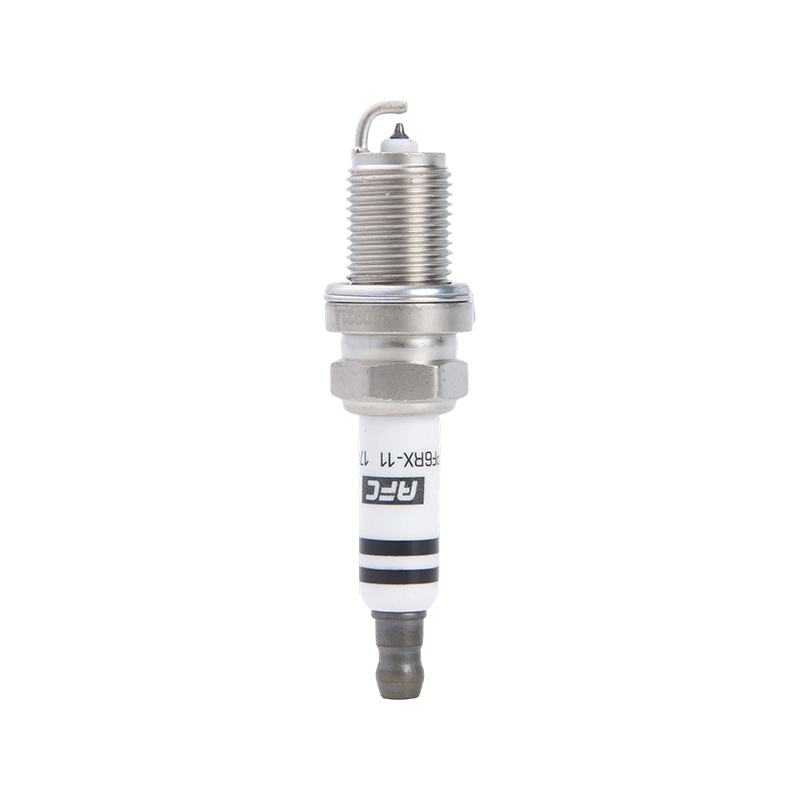
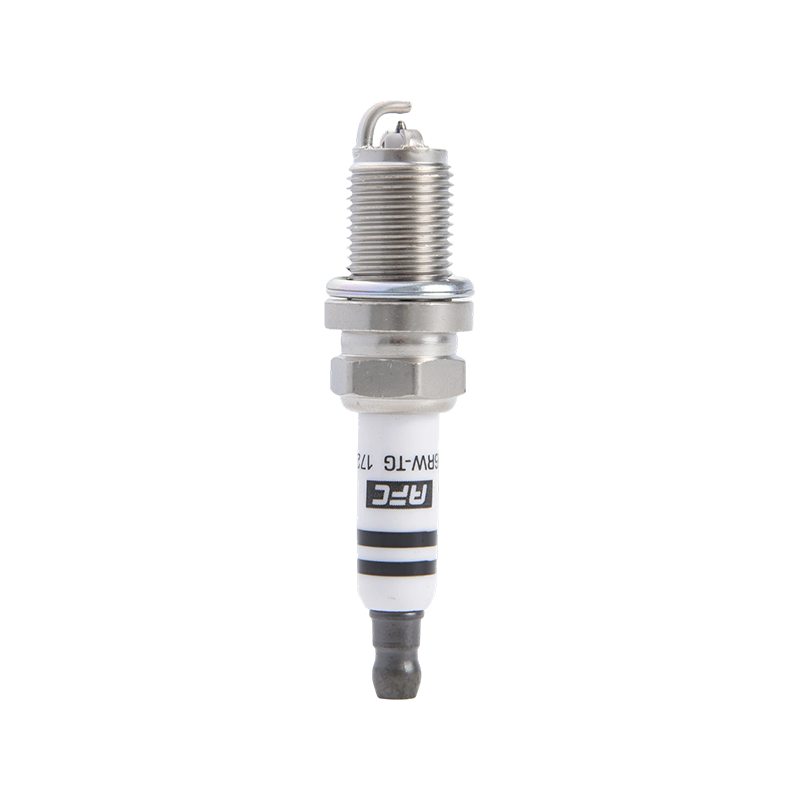
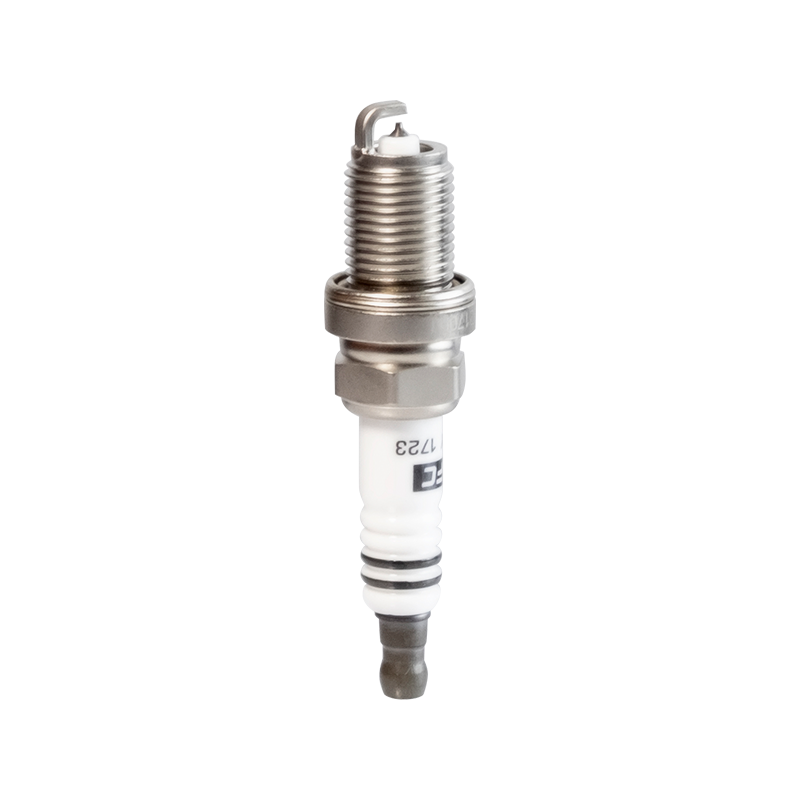
German-engineered vehicles have long set the benchmark for precision combustion, and the ignition components that serve them must meet equally exacting demands. The double platinum spark plug for German cars exists precisely at this intersection: a plug category engineered to match the tight tolerances, high compression ratios, and extended service intervals that define engines built in Stuttgart, Munich, and Ingolstadt. Unlike standard copper or single-platinum alternatives, double platinum construction places a platinum disc on both the center electrode and the ground electrode, dramatically reducing erosion at both contact points and maintaining a consistent spark gap throughout the plug's service life.
Why German Engines Demand Double Platinum
German car manufacturers typically spec their engines with ignition systems that fire at higher voltages and maintain tighter air-fuel mixtures than many other market segments. That operating environment accelerates electrode wear in a way that punishes conventional spark plug materials.
The dual-platinum design answers this by protecting the two surfaces that matter most. Platinum's melting point sits at approximately 1,768 °C, well above the combustion temperatures encountered even in turbocharged four-cylinder and high-revving six-cylinder configurations. The result is a plug that holds its original gap geometry far longer — typical service intervals for double platinum plugs in German cars run between 60,000 km and 100,000 km, compared to 30,000 km or less for standard copper plugs.
Electrode Wear Rate Comparison (relative erosion index, lower = better)
Source: industry aggregate from NGK and Denso technical white papers on precious-metal electrode longevity.
The Science Behind the Double-Disc Design
Center Electrode Platinum Disc
Welded onto a nickel alloy core, the platinum disc on the center electrode reduces the voltage required to fire the plug — a property engineers call a lower "required voltage." This means the ignition coil works less hard, prolonging coil life as well.
Ground Electrode Platinum Disc
On distributor-less waste-spark ignition systems — common in many German inline-four and V6 engines — the spark fires in both directions. A single-platinum plug wears the unprotected electrode rapidly under this condition; the double-platinum design protects both firing faces equally.
This bidirectional protection is not academic. Many German turbocharged engines use coil-on-plug systems combined with sequential injection, meaning every cylinder fires precisely and frequently. Without ground-electrode protection, gap growth can reach measurable levels within 20,000 km of hard use, degrading cold-start quality and partial-load fuel efficiency.
How Double Platinum Compares Across Key Dimensions
Choosing a spark plug involves trading off several real-world properties. The radar chart below maps double platinum against copper and single platinum across five axes that matter to German-car owners and workshop technicians alike.
Illustrative comparison based on published OEM service data and industry benchmarks.
Matching the Right Double Platinum Plug to German Vehicle Applications
Not every double platinum plug is a direct fit for every German engine family. Thread diameter, reach, hex size, heat range, and electrode geometry all differ across model lines. The table below gives a practical reference for the most common engine configurations:
| Engine Family | Displacement Range | Thread (mm) | Reach (mm) | Typical Interval |
|---|---|---|---|---|
| Inline-4 Turbo | 1.4 L – 2.0 L | M14×1.25 | 26.5 | 60,000 km |
| Inline-6 NA | 2.5 L – 3.2 L | M14×1.25 | 19.0 | 80,000 km |
| V6 Turbo | 2.8 L – 3.0 L | M12×1.25 | 26.5 | 60,000 km |
| V8 NA / Bi-turbo | 4.0 L – 5.0 L | M14×1.25 | 26.5 | 60,000–80,000 km |
| Flat-4 (Boxer) | 2.0 L – 2.5 L | M14×1.25 | 19.0 | 60,000 km |
Heat range is particularly critical for turbocharged applications: a plug that runs too hot risks pre-ignition, while one that is too cold fouls in stop-and-go urban traffic. Double platinum plugs for German turbocharged engines typically carry a colder heat range than equivalent plugs for naturally aspirated configurations of the same displacement.
Sourcing Double Platinum Plugs for German Cars: Factory Direct from Ningbo
Cost-Effectiveness
By eliminating middlemen entirely, NINGBO ZHONGXUAN ELECTRONIC TECHNOLOGY CO., LTD passes factory pricing directly to importers and distributors — a meaningful advantage when ordering plugs for a product line that may require a dozen different part numbers across German vehicle ranges.
Direct Quality Oversight
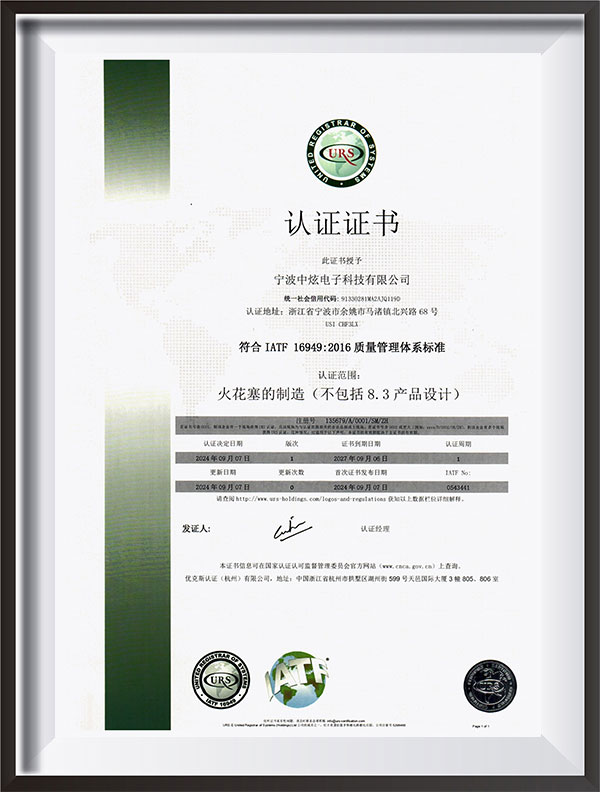
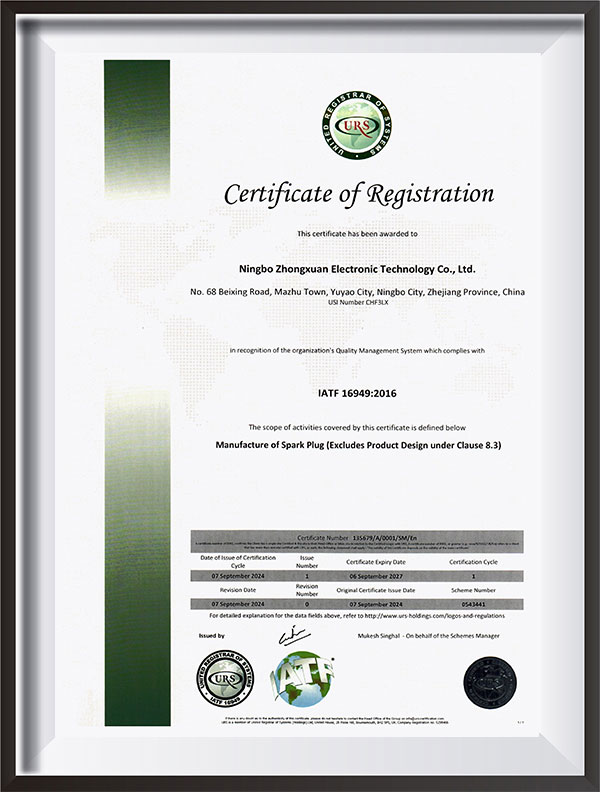
As an integrated manufacturer and trader, NINGBO ZHONGXUAN directly oversees the production line. Any dimensional or material deviation in platinum disc welding — the most quality-sensitive step in double platinum production — is caught and corrected before parts leave the facility, ensuring stable output.
Flexible Small-Batch Customization
Distributors serving niche German vehicle segments — classic car restorers, performance tuning shops — often need small quantities with custom packaging or private-label branding. NINGBO ZHONGXUAN supports flexible small-batch customization covering logo, packaging, and specifications, so buyers are not forced into container-load minimums.
Efficient Technical Communication
Because buyers communicate directly with the factory — not through a trading intermediary — technical questions about heat range, electrode gap, or electrode geometry reach engineers who can answer them accurately and quickly, avoiding information distortion that typically delays resolution when intermediaries are involved.
Logistics is another area where geography becomes an advantage. NINGBO ZHONGXUAN is located in Ningbo, just 35 kilometers from Ningbo Port, one of the world's highest-throughput container ports. Regular sea freight consignments to European automotive aftermarket hubs — Rotterdam, Hamburg, Felixstowe — are well-served by direct sailings from Ningbo. For time-critical situations — a distributor running short on a fast-moving SKU — the company can arrange air freight, drawing on proximity to both Ningbo Airport and Shanghai International Airport.
Typical Lead Time: Ningbo to Europe (days)
Estimated transit times; actual schedules vary by carrier and destination port.
Installation Practices That Protect the Platinum Discs
Even a correctly specified double platinum plug can be damaged at installation if standard precautions are skipped. The platinum welding on both electrodes is precise but physically small — mechanical stress from incorrect gapping or overtorquing can dislodge or crack a disc.
- Do not regap double platinum plugs using conventional pliers or bending tools applied to the ground electrode. The platinum disc is laser-welded onto the electrode tip; bending can fracture the bond.
- Torque to spec: most German engine designs specify 25–30 Nm for M14 plugs and 15–20 Nm for M12 plugs. Overtorquing deforms the gasket seat and can stress the ceramic insulator.
- Anti-seize is generally not recommended for aluminium cylinder heads (common in German engines): it can alter the effective torque and compromise the thermal path between plug shell and head.
- Inspect the gap before installation using a wire-type feeler gauge rather than a flat blade, which can mis-read the gap on fine-wire electrode designs.
Most German turbocharged engines specify a spark plug gap of 0.7 mm – 0.8 mm. Naturally aspirated engines often run slightly wider, at 0.9 mm – 1.1 mm. Always verify against the vehicle's engine compartment sticker or OEM service data — not generic aftermarket guides.
Frequently Asked Questions
Can I use a double platinum plug in place of an iridium plug specified by the OEM?
Generally, no — not as a like-for-like replacement. Iridium plugs carry a finer center electrode (often 0.4–0.6 mm diameter) that lowers required voltage further and suits certain direct-injection engines with higher compression. Using a double platinum plug where iridium is specified can still deliver reliable ignition in many cases, but always verify heat range, reach, and electrode gap compatibility against OEM data before substituting.
Do double platinum plugs require a break-in period?
No formal break-in is needed. The platinum discs are factory-welded and dimensionally stable from the first firing event. Some technicians note that idle quality may feel slightly different in the first few cold starts as the new plug's thermal path stabilizes, but this is brief and not a cause for concern.
Why does heat range matter more in German turbocharged engines?
Boost pressure compresses the air-fuel charge and raises combustion temperatures significantly above naturally aspirated benchmarks. A plug that runs too hot will ignite the charge before the spark fires — pre-ignition — which can destroy a piston in minutes. Turbocharged German engines therefore use colder-range plugs to keep the ceramic nose below the pre-ignition threshold, typically below 850 °C.
How does factory-direct sourcing from NINGBO ZHONGXUAN affect quality compared to distribution channels?
When NINGBO ZHONGXUAN ships directly from its own production line, the number of handling steps between manufacture and end-user is minimized. Each additional link in a supply chain introduces a point where products can be stored in non-ideal conditions or swapped. Direct factory communication also means that if a batch specification needs to change — say, a revised gap dimension for a newly released engine variant — the adjustment reaches production immediately rather than filtering through intermediaries who may not relay the detail correctly.
Is sea freight from Ningbo Port reliable enough for aftermarket replenishment cycles?
Ningbo Port ranks among the world's top three by container throughput and has well-established weekly sailings to major European ports. Transit times of 28–32 days to Northern Europe are consistent enough for distributors who plan replenishment cycles 6–8 weeks in advance. For shorter replenishment windows or emergency top-ups, proximity to Shanghai International Airport makes air freight a practical escalation option.
What minimum order quantity applies for custom-packaged double platinum plugs?
NINGBO ZHONGXUAN supports flexible small-batch customization, which is specifically valuable for distributors serving European aftermarket niches where per-SKU volumes are lower than mass-market applications. Specific MOQ details are best discussed directly with the factory, which can respond quickly given the absence of intermediaries in the communication path.