

 Español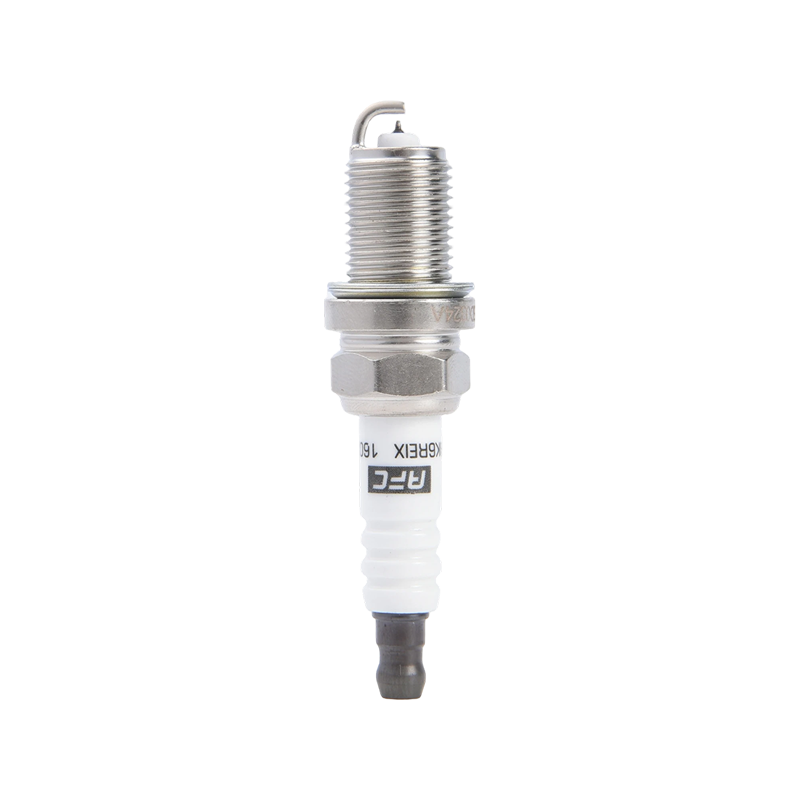
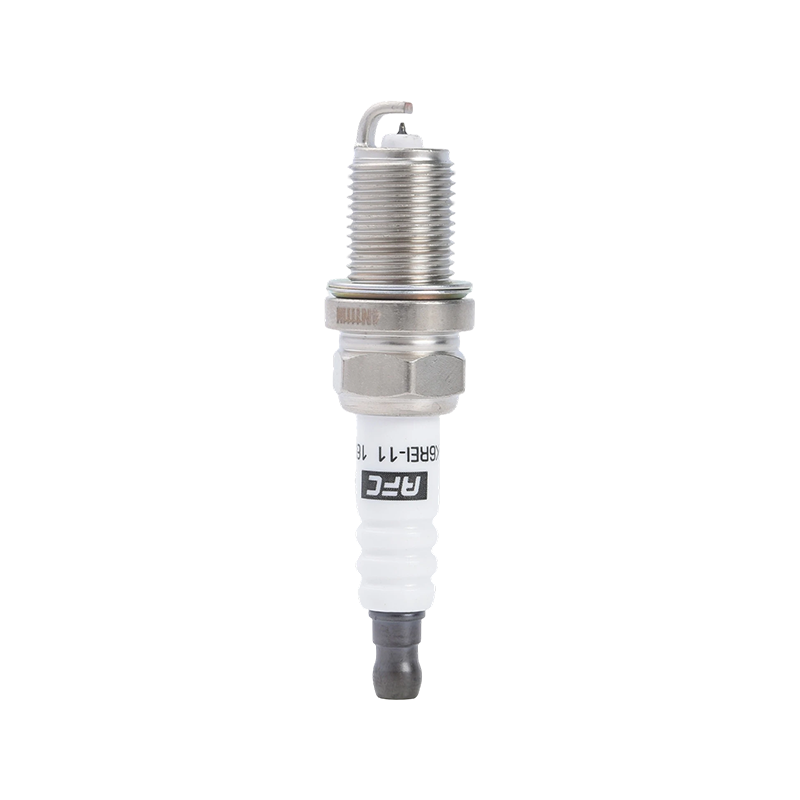
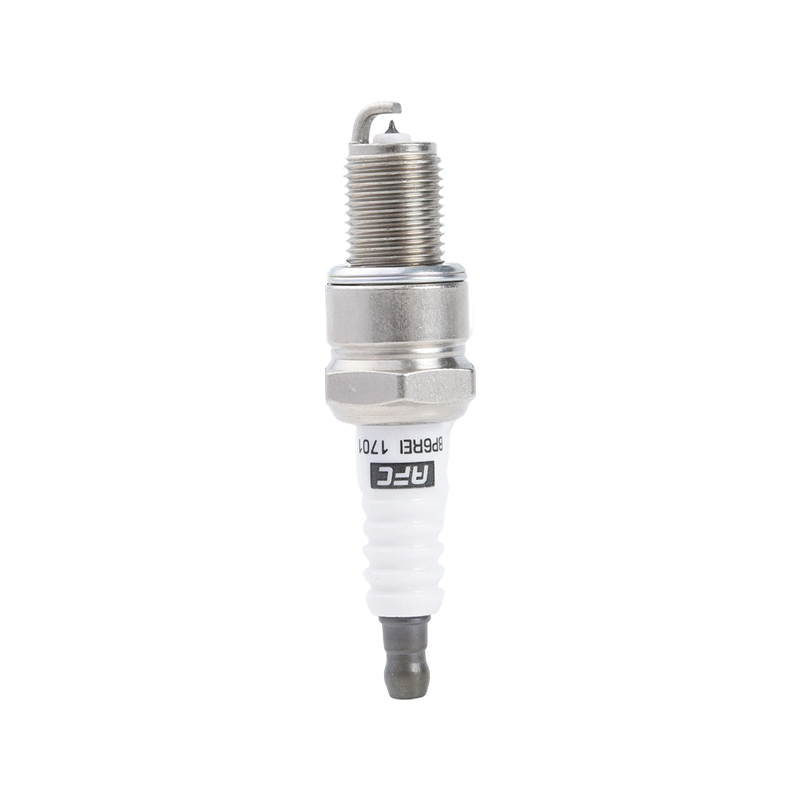
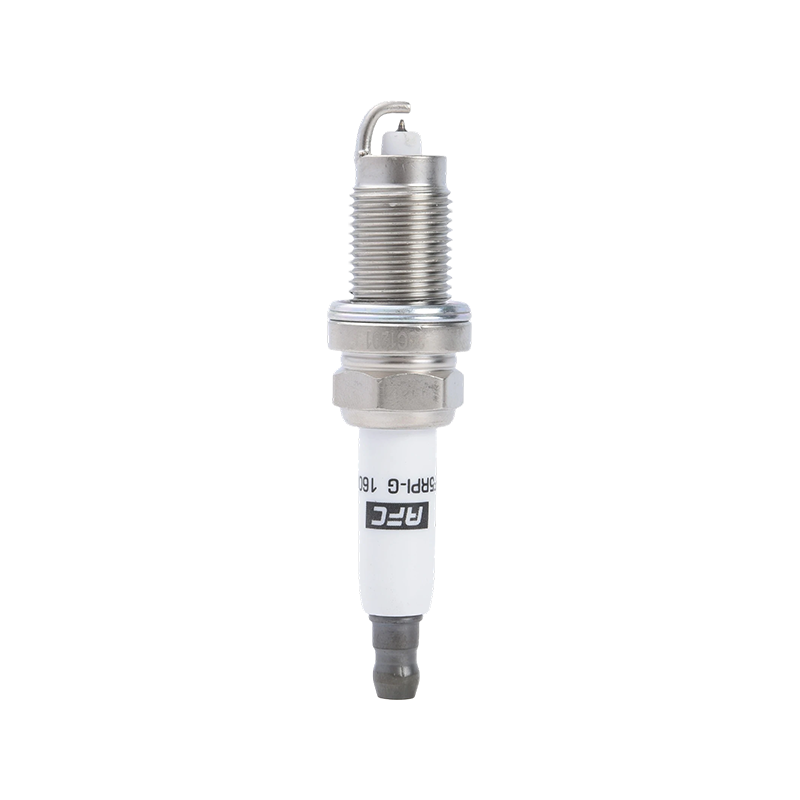
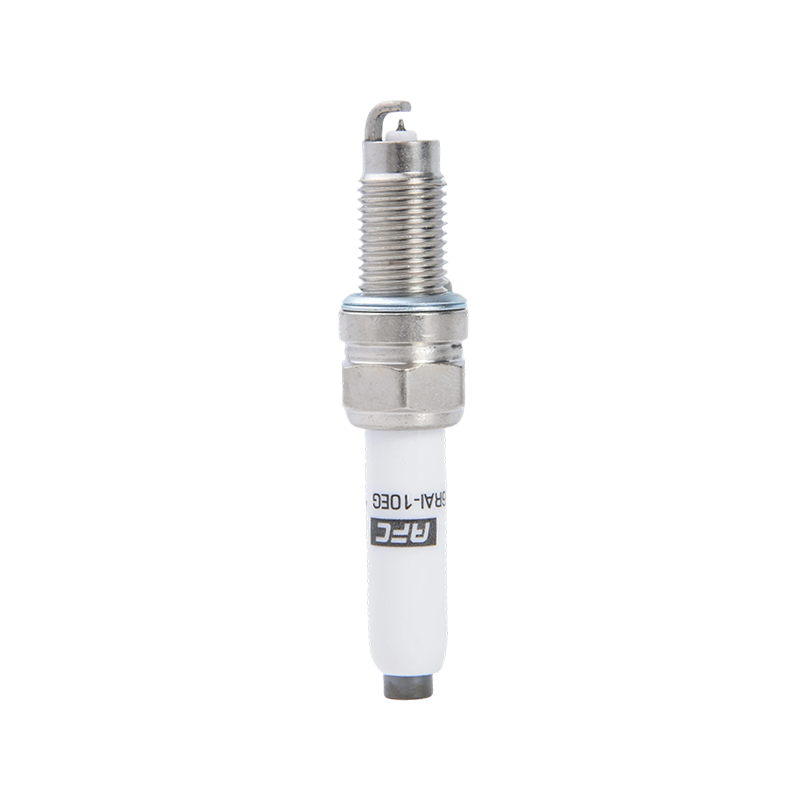
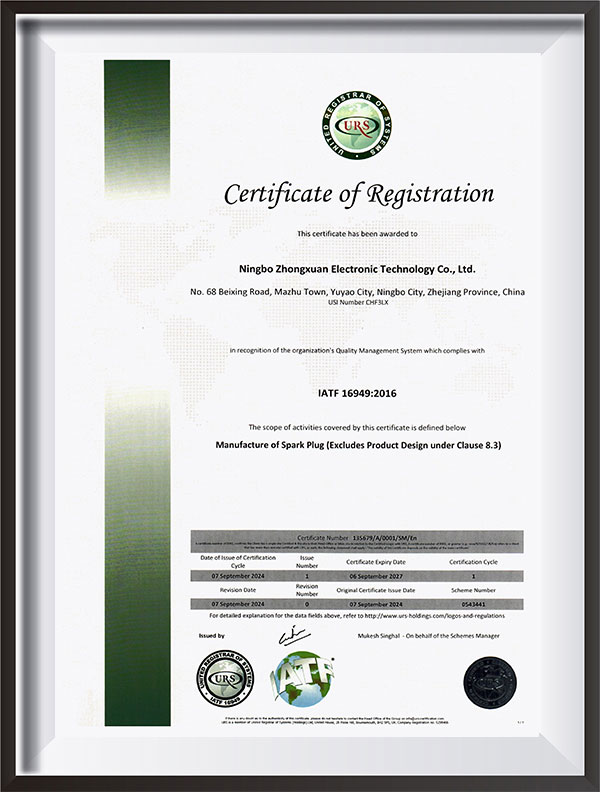
German-engineered vehicles — whether high-displacement sedans, turbocharged coupes, or precision-tuned SUVs — place unusually strict demands on every component in the ignition system. The iridium spark plug for German cars has become the category benchmark precisely because iridium's extreme melting point (2,443 °C) and fine-wire electrode geometry match the tight tolerances of German combustion chambers far better than conventional copper or platinum alternatives. From air-cooled classics to modern direct-injection engines, this article traces how the iridium spark plug rose to prominence in the German automotive aftermarket, what buyers and mechanics need to know before specifying one, and how NINGBO ZHONGXUAN ELECTRONIC TECHNOLOGY CO., LTD moves these products from factory floor to global garage.
Why German Engines Push Spark Plugs Harder
German passenger cars have historically run higher compression ratios than the global average. Turbocharged four-cylinders commonly operate at 9.5:1 to 11:1 compression; naturally aspirated inline-sixes from the same era often exceeded 10.5:1. Higher compression means higher peak cylinder temperatures, which accelerates electrode wear exponentially in a standard plug.
The table below compares typical spark plug service intervals across different electrode materials when fitted to a high-compression German four-cylinder:
| Electrode Material | Typical Service Life (km) | Gap Growth per 10,000 km | Misfire Risk at High Compression |
|---|---|---|---|
| Copper | 20,000 – 30,000 | ~0.08 mm | High |
| Platinum | 60,000 – 80,000 | ~0.04 mm | Moderate |
| Iridium | 100,000 – 120,000+ | ~0.01 mm | Low |
The 0.01 mm gap growth per 10,000 km for iridium is roughly eight times more stable than copper. For vehicles with coil-on-plug ignition — standard on most modern German platforms — that stability directly reduces the voltage demand on the ignition coil, cutting the risk of coil failure in the process.
Electrode Diameter and Its Effect on Ignition Voltage
One of the least-discussed performance drivers is electrode diameter. A thinner tip concentrates the electrical field, lowering the voltage needed to initiate spark — a property known as the "ionisation effect." Iridium can be drawn into fine wire (typically 0.4 mm to 0.6 mm) that copper or nickel alloys cannot sustain at the same hardness. The chart below visualises required ignition voltage by electrode tip diameter:
This voltage reduction is particularly meaningful for turbocharged German engines, where cylinder pressure is already elevated during the ignition event. A plug drawing only 8–12 kV leaves considerably more headroom before the coil reaches its saturation limit.
Head-to-Head: Iridium vs Platinum in German Fitment
Mechanics upgrading German vehicles often weigh iridium against double-platinum plugs, which share the extended-life claim. The radar chart below scores each across five practical criteria (scale 1–10):
Iridium outscores double-platinum on every axis in this German-fitment context. The gap is widest on longevity and gap stability, where iridium's harder alloy resists the oxidative erosion that high-temperature combustion accelerates.
Getting Iridium Spark Plugs from Ningbo to Your Workshop
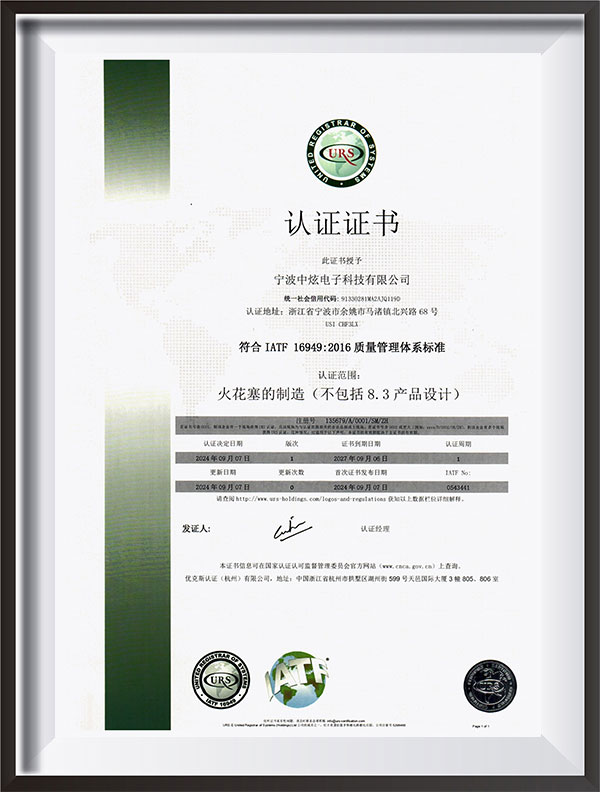
Supply chain consistency is a real concern in the ignition parts aftermarket — counterfeit or substandard iridium plugs are a documented problem, and buyers rely on traceable sourcing. NINGBO ZHONGXUAN ELECTRONIC TECHNOLOGY CO., LTD addresses this through its geographic position and shipping model.
The company is located in Ningbo, just 35 kilometres from Ningbo Port — one of the world's top-five container ports by throughput. That proximity makes sea freight the default and most cost-efficient route for large or standard orders. For time-sensitive shipments, the company can arrange air freight; Ningbo Airport is accessible from the facility, and Shanghai International Airport — a major international cargo hub — is also within practical reach. This dual-mode flexibility means distributors in Europe can plan around both budget (sea) and urgency (air) without switching suppliers.
Sea Freight (Standard)
- Distance to Ningbo Port: 35 km
- Suitable for: bulk orders, planned inventory
- Transit to Europe: approx. 28–35 days
- Cost per unit: lowest
Air Freight (Urgent)
- Airports: Ningbo Airport + Shanghai Intl.
- Suitable for: emergency stock, samples
- Transit to Europe: approx. 3–7 days
- Cost per unit: higher, offset by speed
For German car aftermarket distributors, this dual-mode approach is practical: run sea freight for your quarterly stocking orders, and switch to air for the odd flush of demand — say, a promotional campaign or a regional recall that spikes plug orders unexpectedly.
Iridium Spark Plug Market Demand: German Aftermarket Trend
Demand for premium spark plugs in the European aftermarket has tracked the ageing of the German car parc. As vehicles leave manufacturer warranty cycles (typically 3–5 years), independent workshop servicing rises, and owners increasingly specify premium parts. The line chart below illustrates indexed demand growth in the German aftermarket premium spark plug segment (index base: 2019 = 100):
The divergence after 2021 reflects a shift in consumer behaviour: workshop customers are increasingly willing to pay a moderate premium for a plug that won't need replacing for 100,000 km or more, reducing the total labour and parts cost over a vehicle's service life.
Selecting the Right Heat Range for a German Engine
Heat range is one of the most consequential and most misunderstood spec choices when sourcing iridium spark plugs for German cars. A plug running too hot risks pre-ignition; too cold and it fouls. German turbocharged engines typically prefer a one-step colder heat range compared to the OEM copper plug they replace with iridium, because iridium's superior conductivity transfers heat away from the tip more efficiently.
Turbocharged engines at wide-open throttle can push plug tip temperatures well above 600 °C, approaching the pre-ignition risk threshold. Specifying an iridium plug with a one-step colder heat range brings WOT temperatures back into the 450–850 °C optimal zone — the range where self-cleaning occurs without the risk of glowing tip pre-ignition.
Common Questions About Iridium Spark Plugs for German Cars
Can I fit iridium plugs to an older German engine designed for copper?
Yes, provided you verify thread reach, seat type (flat or tapered), and heat range. Older German inline-sixes sometimes use a 14 mm x 19 mm reach that differs from modern applications. The plug manufacturer's fitment catalogue is the definitive reference. Iridium offers a genuine longevity and ignition-efficiency benefit even in older designs.
Is gap pre-set on iridium plugs, and should I adjust it?
Iridium plugs are typically shipped pre-gapped to OEM specification. Do not attempt to bend the ground electrode on a fine-wire iridium plug — the tip is hard but the centre electrode bond is not designed for adjustment tools. If the gap is out of spec on delivery (which should be rare), the plug should be replaced, not adjusted. Always verify the gap spec for your specific German engine variant before installation.
How does altitude affect iridium plug performance in German cars?
At altitude, lower air density reduces the voltage needed to fire the plug — iridium's already-low voltage demand means it copes with altitude better than higher-resistance copper plugs. German vehicles sold across elevation ranges (e.g., for markets spanning alpine regions to sea level) benefit from iridium's consistent performance envelope.
What torque specification should I use when installing in aluminium cylinder heads?
Most German engines use aluminium heads. Torque specifications for spark plugs in aluminium are lower than for cast iron — typically 20–30 Nm for a 14 mm threaded plug, compared to 35–45 Nm in cast iron. Always consult the specific engine's workshop manual. Overtightening in aluminium strips the thread; under-tightening risks blow-out and poor heat transfer from the plug body to the head.
How do I order iridium spark plugs for German cars from NINGBO ZHONGXUAN ELECTRONIC TECHNOLOGY CO., LTD?
Contact the company through its product pages to request a fitment check and pricing. Given the company's proximity to Ningbo Port, standard sea freight orders are well-supported for importers needing consistent stock. For sample orders or urgent restocking, air freight via Ningbo Airport or Shanghai International Airport is an option the team can arrange. Sharing the vehicle make, engine code, and desired quantity upfront speeds up the quoting process significantly.