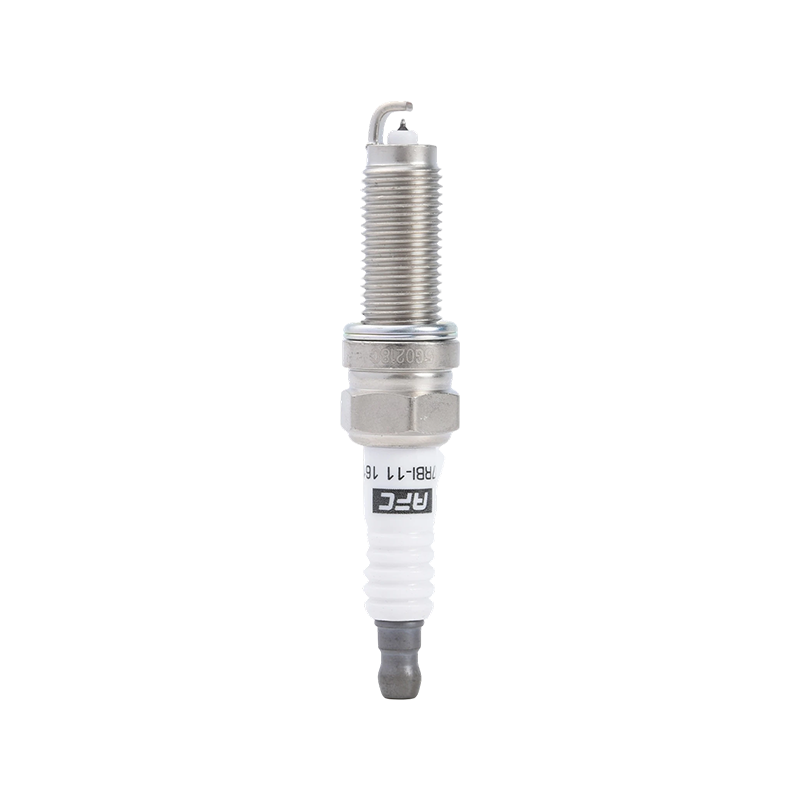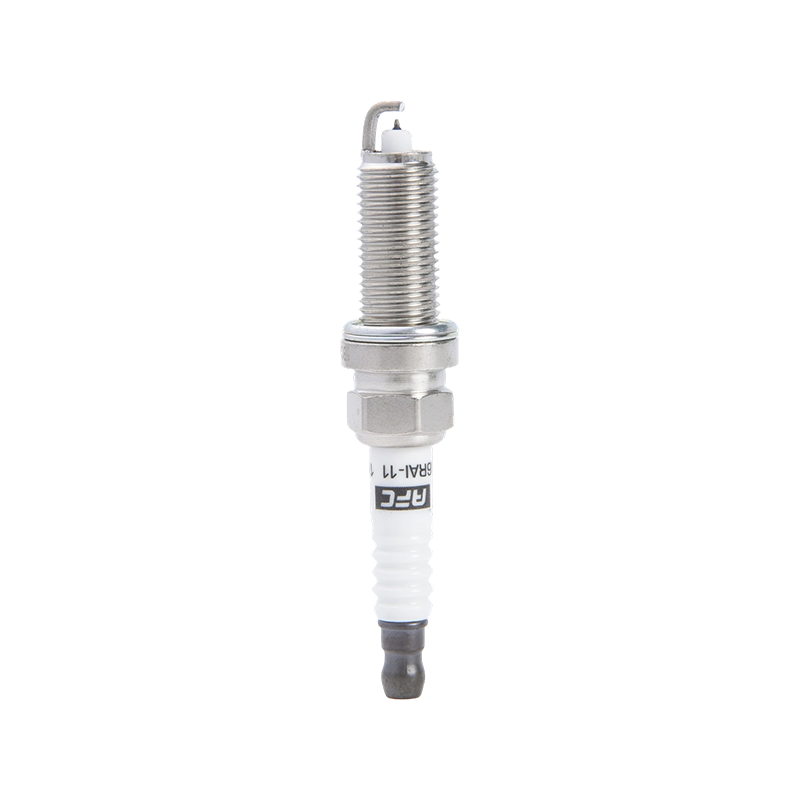


 Español
Industry News
Content
- 1 What a Spark Plug Chart Actually Contains
- 2 Decoding the Letters and Numbers Inside a Part Number
- 3 Spark Plug Charts by Application Category
- 4 Installation Torque Values by Thread Size and Seat Type
- 5 Electrode Gap: Why the Chart Number Is Not Optional
- 6 How Cross-Reference Charts Work Between Brands
- 7 Electrode Material Listed on the Chart
- 8 How Climate and Driving Pattern Shift the Right Chart Row
- 9 Common Mistakes When Reading a Spark Plug Chart
- 10 Service Life Expectations Tied to the Chart's Material Column
- 11 Tools Needed to Verify Chart Specs at Home
- 12 Using the Chart to Diagnose an Existing Problem
- 13 Matching Symptoms Back to the Chart
- 14 A Practical Checklist Before Buying From a Chart
- 15 Frequently Asked Questions
- 15.1 Can I use a hotter plug than the chart recommends for better performance?
- 15.2 Why do two charts list different gap values for the same plug?
- 15.3 Is a longer-reach plug ever safe to use as a substitute?
- 15.4 Do iridium plugs need a different gap than copper plugs in the same engine?
- 15.5 How often should the gap be rechecked between replacements?
- 15.6 Why does a chart sometimes list two different gap values for the same part number?
- 15.7 Can a tapered-seat plug be installed where a gasket-seat plug is specified?
- 15.8 Does anti-seize compound change the torque value listed on the chart?
- 15.9 Is it safe to mix electrode materials across the cylinders of one engine?
- 15.10 What does an extended-reach chart entry actually change at installation?
A spark plug chart is the fastest way to confirm three things at once: the correct plug for an engine, the right gap setting, and the heat range the engine actually needs. Cross-referencing a chart against the engine's OEM number, rather than guessing from a part that "looks similar," prevents the two most common spark plug failures in the field: pre-ignition from a plug that runs too hot, and fouling from a plug that runs too cold. Most mismatched-plug failures trace back to skipping the chart step entirely and substituting a plug based on thread size alone.
A chart is also the only reliable way to compare plugs across brands without physically measuring the part. Thread pitch, reach, and seat type look almost identical to the eye at 12mm or 14mm, yet a half-millimeter difference in reach is enough to either strike a piston or leave the firing tip recessed too far into the chamber. Charts exist precisely because these dimensions are not visually obvious and because heat range numbers are not standardized across manufacturers, so the printed number alone is meaningless without knowing which brand's scale it belongs to.
This guide walks through how spark plug charts are structured, how to read heat range and gap columns correctly, how cross-reference charts work between brands, how to decode the letters and numbers inside a part number, which torque values apply to which seat type, how application category changes which row of the chart applies, and which numbers actually matter when an engine is misfiring, fouling, or losing power.
What a Spark Plug Chart Actually Contains
A standard spark plug chart organizes plugs by engine application first, then lists the technical columns needed to confirm fitment. The five columns that appear on nearly every manufacturer chart are part number, thread size and reach, heat range, gap, and recommended torque.
01
Part Number / OEM Cross-Reference
The manufacturer's catalog number, plus the equivalent numbers from competing brands, so a technician can substitute NGK for Denso or Champion without re-measuring the engine bay.
02
Thread Size and Reach
Listed in millimeters, typically 10mm, 12mm, 14mm, or 18mm thread diameter, alongside reach (the length of threaded portion that sits inside the cylinder head, usually 12mm to 26.5mm).
03
Heat Range Number
A relative scale (not an absolute temperature) showing how quickly the plug pulls heat away from the firing tip. Lower numbers run hotter on NGK and Denso scales; higher numbers run hotter on Champion and Bosch scales.
04
Electrode Gap
The distance between the center and ground electrode, measured in millimeters or inches, directly affecting spark strength and how easily the air-fuel mixture ignites.
05
Tightening Torque
Specified by thread size and seat type (gasket or tapered), since over-torquing a tapered-seat plug can crack the porcelain insulator and under-torquing causes poor cylinder sealing.
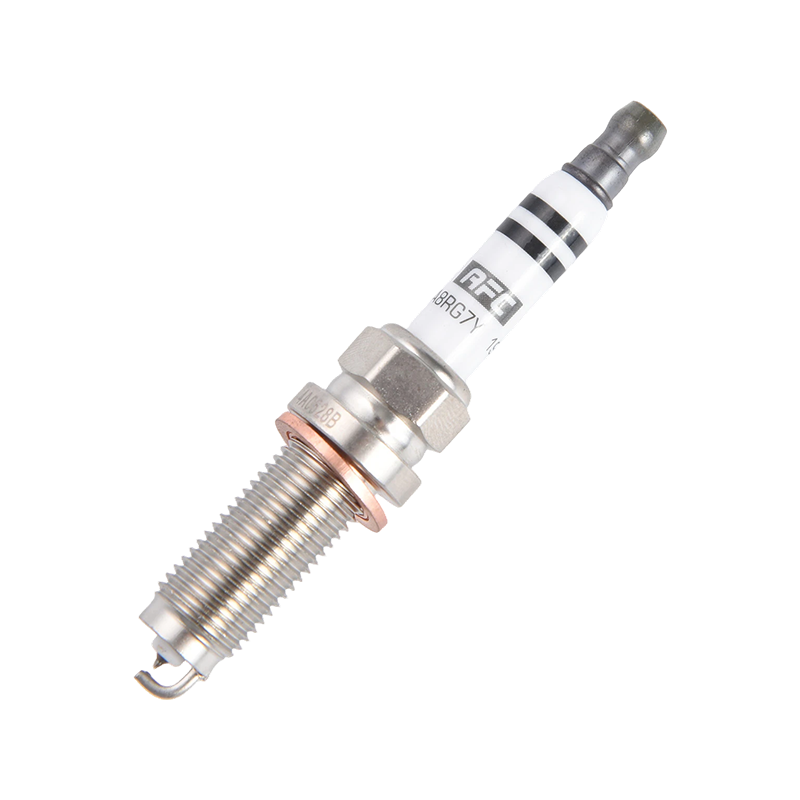
Decoding the Letters and Numbers Inside a Part Number
A spark plug chart only becomes fully useful once the part number itself can be read without looking anything up. Manufacturers pack thread size, reach, heat range, and electrode type into a single alphanumeric string, and the position of each character is consistent within a brand's own system, even though it differs from brand to brand.
B Thread size group (B = 14mm on NGK)
K Hex size / electrode configuration
6 Heat range number
E Extended reach indicator
IX Iridium electrode suffix
Using NGK as the reference system, since it is the most widely cross-referenced brand on multi-manufacturer charts: the first letter typically identifies thread diameter, the following letter or letters describe hex size and electrode projection, the number in the middle is the heat range, a letter immediately after the heat range number often signals extended reach or a tapered seat, and a trailing suffix such as IX, P, or GR identifies iridium, platinum, or a racing-specific design. Changing any single character in the code can change fitment, which is why charts list the full string rather than allowing partial matches.
Denso follows a similar logic but with its own letter assignments, and Champion and Bosch use different prefix and suffix conventions entirely. A chart that lists all four brands side by side is doing the decoding work in advance, but understanding the underlying code structure makes it possible to spot an obvious data entry error on a chart, such as a heat range digit that does not match the rest of the row.
Spark Plug Charts by Application Category
The same brand's catalog spans automotive, motorcycle, marine, and small-engine plugs, and each category tends to cluster around different thread sizes, reach lengths, and heat range bands because the engines themselves run at different RPM ceilings and duty cycles.
| Application | Common Thread Size | Common Reach | Typical RPM Ceiling |
|---|---|---|---|
| Passenger car / light truck | 12mm to 14mm | 19mm | 6,000 to 7,000 RPM |
| Motorcycle / sport bike | 10mm to 12mm | 12mm to 19mm | 10,000 to 14,000 RPM |
| Outboard marine | 14mm | 19mm to 26.5mm | 5,500 to 6,500 RPM |
| Lawn / small engine | 14mm to 18mm | 9.5mm to 12.7mm | 3,000 to 3,600 RPM |
| Industrial generator | 14mm | 12.7mm to 19mm | 3,600 RPM (fixed) |
Marine and motorcycle charts deserve particular attention because both applications run sustained high load for extended periods, which is the opposite duty cycle of a lawn mower that idles, surges, and shuts off repeatedly within minutes. A chart entry built for sustained high-RPM use will almost always specify a colder heat range than the equivalent thread-size entry for an intermittent-use small engine, even when the physical dimensions are otherwise identical.
Installation Torque Values by Thread Size and Seat Type
Torque is the column most often skipped on a chart, yet it is just as critical as gap or heat range. Over-torquing a tapered-seat plug can crack the porcelain insulator or crush the seat, while under-torquing a gasket-seat plug leaves a combustion gas leak path around the threads that erodes the cylinder head over time.
| Thread Size | Gasket Seat Torque | Tapered Seat Torque |
|---|---|---|
| 10mm | 8 to 10 Nm | 8 to 10 Nm |
| 12mm | 15 to 20 Nm | 10 to 15 Nm |
| 14mm | 20 to 30 Nm | 15 to 23 Nm |
| 18mm | 30 to 40 Nm | 20 to 30 Nm |
These ranges assume a dry, unlubricated thread, which is how the vast majority of charts present their torque figures. If anti-seize compound is applied to the threads, the effective clamping force at a given torque setting increases, so the actual torque value should be reduced by roughly 10 to 20 percent from the chart's dry-thread figure to avoid over-compressing the seat. A torque wrench is the only reliable way to hit these numbers consistently; the common "finger tight plus a quarter turn" method is an approximation that works reasonably well for gasket-seat plugs but is far less forgiving on tapered seats.
Heat range is the column most frequently misread on a spark plug chart, because the scale direction flips between manufacturers. NGK and Denso use ascending numbers for colder plugs, meaning a 9 runs colder than a 6. Champion and Bosch use the opposite convention, where higher numbers indicate a hotter plug.
| Brand | Scale Direction | Typical Range | Hotter Example |
|---|---|---|---|
| NGK | Lower number = hotter | 2 to 12 | BR6 is hotter than BR9 |
| Denso | Lower number = hotter | 2 to 12 | U22 is hotter than U27 |
| Champion | Higher number = hotter | 7 to 16 | RV15 is hotter than RV9 |
| Bosch | Higher number = hotter | 2 to 8 | WR7 is hotter than WR5 |
A "hotter" plug has a shorter insulator nose, transferring combustion heat into the cylinder head faster, which keeps the tip cool enough to avoid pre-ignition in high-load, high-compression, or turbocharged engines. A "colder" plug has a longer insulator nose that retains heat longer at the tip, which helps it self-clean carbon deposits in engines that run at lower RPM or shorter trip cycles. Selecting one step colder than OEM is common in track or towing applications; selecting one step hotter is rarely advisable outside a documented tuning change.
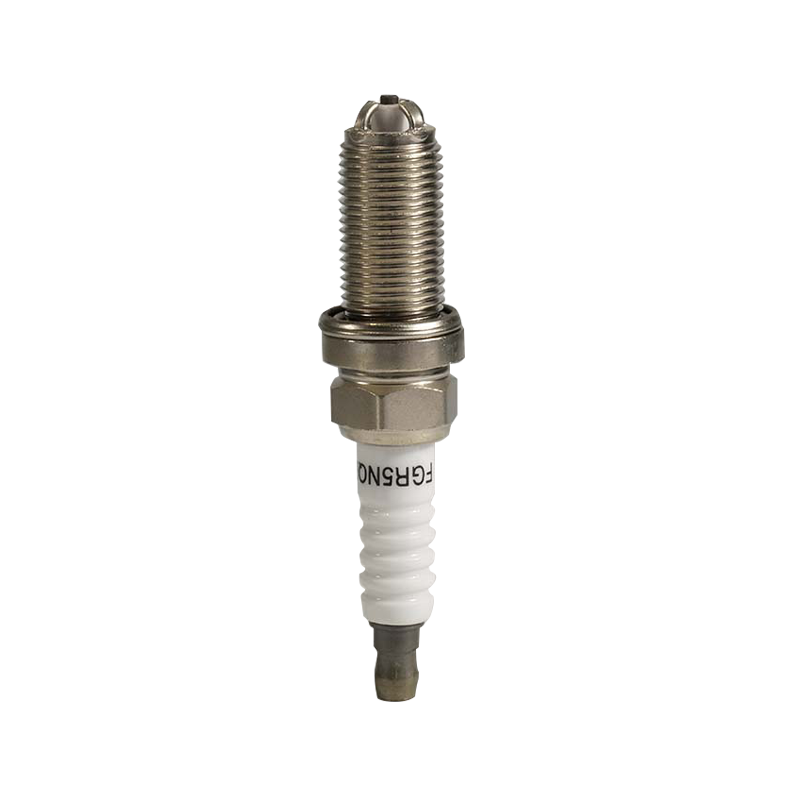
Electrode Gap: Why the Chart Number Is Not Optional
The gap value listed on a chart is calibrated to the ignition system's voltage output and the engine's compression ratio. A gap that is too narrow produces a weak, small spark that struggles to ignite a lean mixture, leading to hesitation under load. A gap that is too wide demands more voltage than the coil can reliably deliver, causing the spark to misfire intermittently, especially at high RPM.
Gap Too Narrow (Below Spec)
- Rough idle and reduced low-speed throttle response
- Increased risk of carbon fouling over time
- Spark may "find a shortcut" along the insulator instead of jumping the gap
Gap Too Wide (Above Spec)
- Hesitation or stumble under acceleration
- Coil strain, which shortens ignition coil service life
- Higher chance of misfire codes at highway speed
| Engine / Ignition Type | Typical Gap (mm) | Typical Gap (in) |
|---|---|---|
| Older points-type ignition | 0.6 to 0.8 | 0.024 to 0.032 |
| Standard electronic ignition | 0.8 to 1.1 | 0.032 to 0.043 |
| Coil-on-plug (modern passenger car) | 1.0 to 1.3 | 0.039 to 0.051 |
| Small engines / lawn equipment | 0.5 to 0.75 | 0.020 to 0.030 |
Pre-gapped plugs should still be checked against the chart before installation, since shipping and handling can close or widen a factory gap by a few hundredths of a millimeter, which is enough to affect cold-start performance on tight-tolerance coil-on-plug systems.
How Cross-Reference Charts Work Between Brands
A cross-reference chart maps one brand's part number to its closest equivalent in another brand's catalog, matched by thread size, reach, heat range position, and electrode material. "Closest equivalent" does not always mean identical, two cross-referenced plugs can differ slightly in electrode tip design (standard nickel, platinum, or iridium) even when every dimensional spec lines up.
A
Start with the known-good part number, usually from the OEM service manual or the plug currently installed.
↓
B
Match thread diameter and reach exactly, these are non-negotiable; a 0.5mm reach mismatch can hit the piston or sit too far from the chamber.
↓
C
Confirm heat range position is equivalent, not just the printed number, since scale direction differs by brand as covered above.
↓
D
Check seat type (gasket vs. tapered) and electrode material match, or at minimum confirm the substitution is rated for the same duty cycle.
Industrial and small-engine applications, including generators, pressure washers, and chainsaws, frequently use compact extrusion or single-cylinder engines where the OEM part number maps to several aftermarket equivalents on a single chart row. Always confirm reach before assuming a cross-referenced part is a drop-in fit, since two engines sharing a bore size can still use different reach plugs depending on cylinder head design.
Electrode Material Listed on the Chart
Most charts include an electrode material column because it affects both spark plug life and the ideal gap-check interval. Material choice does not change heat range, but it does change how often the gap should be inspected and how long the plug lasts before replacement.
| Material | Typical Service Life | Notes |
|---|---|---|
| Copper / nickel-alloy | 20,000 to 30,000 miles | Lowest cost, widest gap-check intervals needed |
| Platinum (single) | 60,000 to 80,000 miles | Center electrode coated, slower gap erosion |
| Platinum (double) | 60,000 to 100,000 miles | Both electrodes coated, common on distributorless ignition |
| Iridium | 80,000 to 120,000 miles | Finer center wire, lower voltage requirement, longest interval |
On a multi-brand chart, iridium and platinum entries are typically positioned in the same heat range row as their copper counterpart, just listed as a premium variant with a different suffix letter in the part number.
How Climate and Driving Pattern Shift the Right Chart Row
Two identical engines in different climates or duty cycles can land on different rows of the same chart, because heat range is meant to match the average operating temperature of the firing tip, not just the engine's displacement or compression ratio.
Cold Climate, Short Trips
Engines that rarely reach full operating temperature before the trip ends tend to foul colder plugs faster. A chart's standard heat range, or even one step hotter, is usually appropriate here.
Hot Climate, Sustained Load
Towing, hauling, or extended highway driving in high ambient heat pushes combustion temperatures up. Many charts list an optional one-step-colder entry specifically for this load profile.
Stop-and-Go City Driving
Frequent idling at low RPM favors a slightly hotter plug that can still burn off carbon deposits during the brief periods of higher load between stops.
Steady Highway Cruising
Consistent mid-to-high RPM cruising keeps the firing tip at a stable temperature, which is the condition the chart's default heat range is generally calibrated around.
A chart's "standard" recommendation assumes an average duty cycle, so any application that sits clearly outside that average, sustained towing, track use, or extremely short urban trips, is exactly the situation where consulting the chart's listed alternate heat range row, if one exists, is worth the extra step.

Common Mistakes When Reading a Spark Plug Chart
!
Matching by thread size alone. Two plugs with the same 14mm thread can have completely different reach, heat range, and seat type, so thread size narrows the search but never confirms the fit on its own.
!
Assuming heat range numbers compare directly across brands. A Champion 9 and an NGK 9 are not the same heat range; the position within each brand's own scale is what matters, not the printed digit.
!
Ignoring the gasket-versus-tapered seat distinction. Using a gasket-seat torque value on a tapered-seat plug, or the reverse, is one of the most common causes of an insulator crack discovered during the next service interval.
!
Reading a generic chart instead of an engine-code-specific one. The same vehicle model year can use two different engine codes with two different plug specifications, so the chart entry needs to be matched to the engine code, not just the model name.
!
Skipping the gap check on a pre-gapped plug. Factory gaps can shift slightly during packaging and shipping, and the chart's listed gap value should still be verified with a gap tool before installation.
Service Life Expectations Tied to the Chart's Material Column
The electrode material column doubles as a rough service-life predictor once it is matched against the application category from the chart above. Sustained high-RPM use shortens every material's interval somewhat, while light-duty intermittent use extends it.
These figures assume the gap and heat range from the chart were correct at installation. An incorrect heat range can cut the expected service life of any material roughly in half, since a plug running hotter or colder than intended accumulates deposits or erodes the electrode faster than its rated interval anticipates.
Tools Needed to Verify Chart Specs at Home
Wire or Coin-Style Gap Gauge
Confirms the actual gap against the chart's listed value; wire-style gauges are more accurate on fine-wire iridium electrodes than flat feeler gauges.
Calibrated Torque Wrench
Needed to hit the chart's torque figure precisely, particularly on tapered-seat plugs where the acceptable range is narrow.
Spark Plug Socket With Rubber Insert
Protects the porcelain insulator during removal and installation, sized specifically to the hex dimension listed on the chart.
Digital Calipers
Useful for double-checking reach when a chart entry seems ambiguous or when comparing a used plug against a new cross-referenced part before installation.
Using the Chart to Diagnose an Existing Problem
When a plug is already showing wear or fouling, working backward through the chart in a fixed order avoids replacing the part with an identical mismatch.
Step 1. Pull the plug and note tip color, deposit type, and electrode wear pattern.
If dry and sooty: confirm the chart's heat range was not one step colder than the listed default, and check for a related rich-mixture cause unrelated to the plug.
If white or blistered: confirm the chart's heat range was not one step hotter than listed, and check ignition timing before reinstalling the same heat range.
Step 2. Re-select the part number from the chart's correct row, recheck gap and torque, and document the install date for the next service interval.
Matching Symptoms Back to the Chart
When an engine is already showing a problem, the chart can work backward from the symptom to identify which spec was likely missed during the last plug change. The tip color and condition of a removed plug is the fastest diagnostic clue available without a scan tool.
Black, dry soot on the tip
Indicates a plug running colder than the chart's recommended heat range for that engine, or a rich fuel mixture unrelated to the plug itself.
White or blistered insulator
Indicates a plug running hotter than recommended, or pre-ignition caused by detonation, carbon buildup, or incorrect timing.
Wet, oily fouling
Points to oil intrusion past worn rings or valve seals rather than a heat range mismatch; chart substitution will not fix this.
Eroded or rounded electrode
Normal end-of-life wear; cross-reference the existing part number on the chart and replace at the listed material's expected interval.
A Practical Checklist Before Buying From a Chart
- Confirm the exact engine code or VIN-specific application, not just the vehicle model year, since mid-year engine changes are common.
- Record the thread size and reach from the plug currently installed, even if replacing with the same brand.
- Note the heat range number and confirm the scale direction for that specific brand before comparing across brands.
- Check the gap specification against the ignition system type, not just the engine family.
- Verify seat type (gasket or tapered) to avoid using the wrong torque value on installation.
- Cross-check electrode material against expected mileage to plan the next replacement interval in advance.

Frequently Asked Questions
Can I use a hotter plug than the chart recommends for better performance?
Running one step hotter than listed is generally not recommended outside of a documented tuning change, since it raises the risk of pre-ignition and detonation, particularly under sustained load or boost.
Why do two charts list different gap values for the same plug?
Gap recommendations are tied to the ignition system, not the plug alone. A chart written for a points-type ignition will list a narrower gap than a chart for the same plug used in a coil-on-plug application.
Is a longer-reach plug ever safe to use as a substitute?
No. A plug with greater reach than specified can protrude into the combustion chamber and contact the piston, while a shorter-reach plug may sit too deep in the threaded bore to fire reliably.
Do iridium plugs need a different gap than copper plugs in the same engine?
Not typically. The gap is set by the engine and ignition system, not the electrode material, so the chart's gap column usually applies across all material variants for that application.
How often should the gap be rechecked between replacements?
For copper plugs, checking at every oil change is reasonable. For platinum and iridium plugs, the wider service interval means the gap rarely needs adjustment until the plug reaches its listed replacement mileage.
Why does a chart sometimes list two different gap values for the same part number?
Some charts list a factory-shipped gap alongside a recommended installed gap for a specific engine application, since one part number can serve multiple engine families with slightly different ignition requirements.
Can a tapered-seat plug be installed where a gasket-seat plug is specified?
No. The two seat types are not interchangeable even at the same thread size, because the cylinder head's machined seat geometry is cut specifically for one type, and forcing the wrong seat style risks a poor combustion seal or thread damage.
Does anti-seize compound change the torque value listed on the chart?
Yes. Most chart torque figures assume dry threads, so adding anti-seize compound increases effective clamping force at a given torque setting, which means the applied torque should be reduced slightly from the chart's dry-thread number.
Is it safe to mix electrode materials across the cylinders of one engine?
It is not recommended. Mixed materials can cause uneven combustion characteristics and uneven wear rates between cylinders, even when every other chart specification matches across all positions.
What does an extended-reach chart entry actually change at installation?
An extended-reach plug positions the firing tip deeper into the combustion chamber than a standard-reach plug at the same thread size, which changes flame propagation slightly and is only correct when the chart specifically lists that engine as requiring extended reach.