

 Español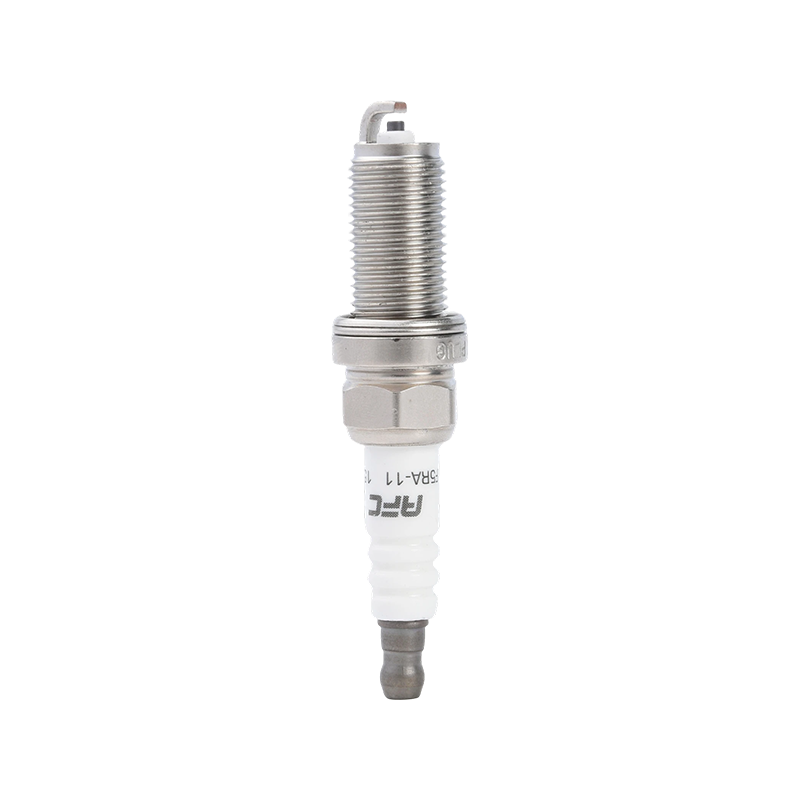
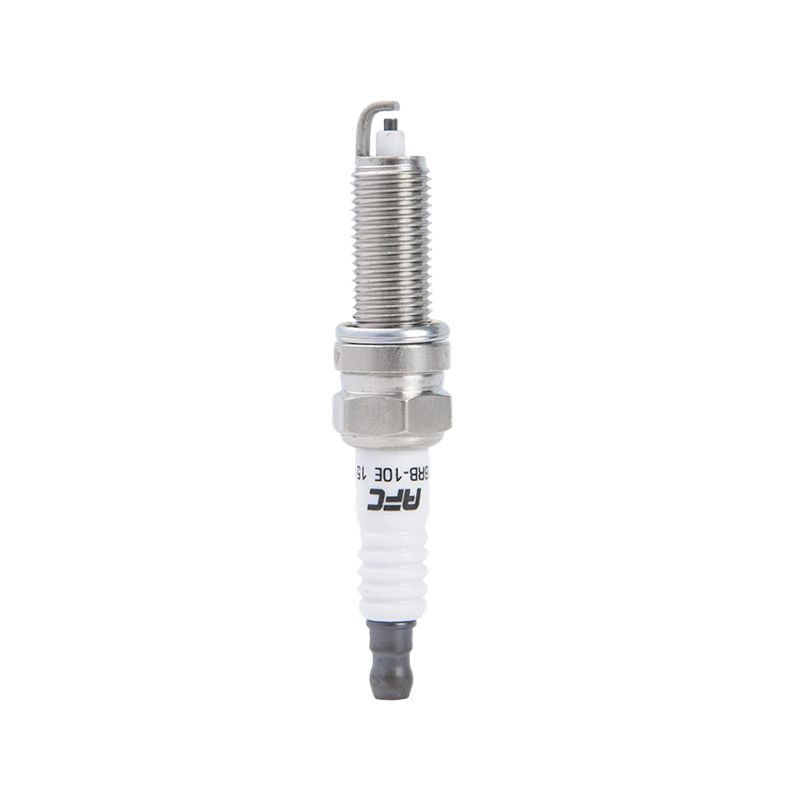
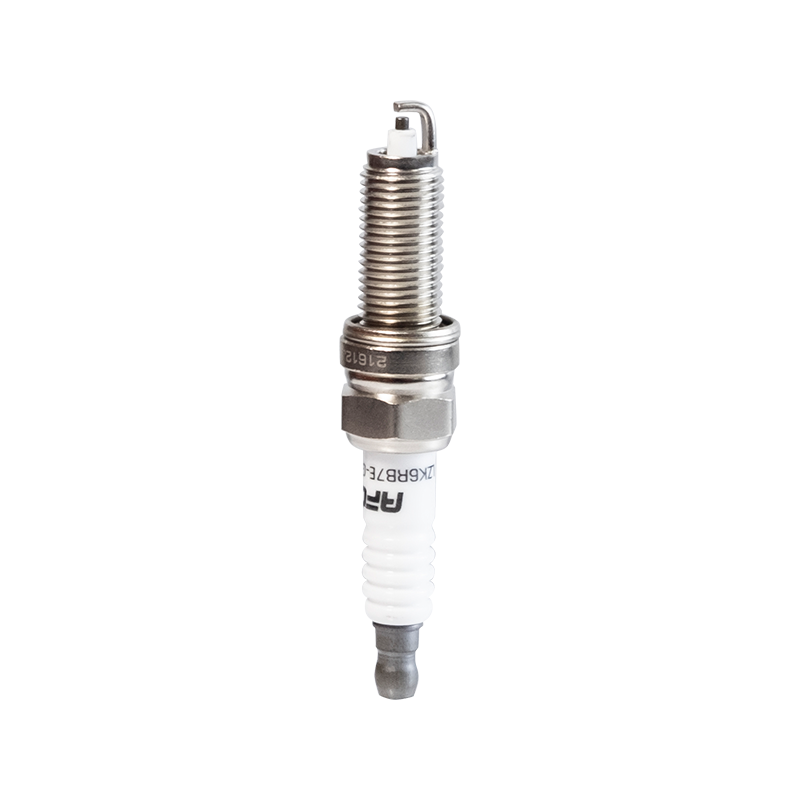
Nickel copper spark plugs designed for Korean cars occupy a well-defined niche in the automotive ignition aftermarket. These plugs combine a nickel-alloy center electrode with a copper core — a configuration that balances thermal conductivity, wear resistance, and cost across the diverse engine families found in vehicles from brands like Hyundai, Kia, and Genesis. From compact city cars with 1.0-liter turbocharged engines to midsize SUVs running naturally aspirated 2.5-liter fours, the right nickel copper spark plug for Korean cars must meet exact heat range, thread pitch, and reach specifications — making compatibility verification the single most important step before purchase.
Why Copper Core Still Matters in Modern Korean Engines
Copper has one of the highest thermal conductivity ratings among common metals — roughly 401 W/m·K — which is why spark plug manufacturers wrap the center electrode core in it. In a Korean turbocharged engine operating under boost, heat management inside the combustion chamber is critical. A plug that retains too much heat risks pre-ignition; one that sheds heat too fast may foul at low loads. The copper core acts as a thermal bridge, pulling heat away from the electrode tip and into the plug shell, where it transfers to the cylinder head.
Nickel electrodes add durability to this picture. Nickel alloys withstand the chemical attack of combustion gases — particularly the sulfur compounds produced by fuel combustion — far better than bare copper. Typical nickel content in electrode alloys ranges from 95% to 99%, providing a serviceable gap life of 20,000 to 40,000 km under normal driving conditions, depending on engine tune and fuel quality.
Electrode Material: Thermal Conductivity (W/m·K)
Source: Engineering Toolbox — thermal conductivity of common metals
Korean Car Engine Families and Plug Specifications
Korean vehicles sold globally cover a remarkably wide engine range, and each engine variant typically demands a specific thread diameter, reach, and heat range. Getting those numbers wrong — even by one heat range step — can cause fouling at low speeds or pre-ignition at high loads.
| Engine Type | Thread Diameter | Common Reach | Typical Heat Range |
|---|---|---|---|
| 1.0T / 1.2T (3-cyl) | M14 × 1.25 | 19 mm | 6–7 (hotter) |
| 1.6 GDI / MPI (4-cyl) | M14 × 1.25 | 26.5 mm | 7–8 |
| 2.0 Theta / Nu (4-cyl) | M14 × 1.25 | 26.5 mm | 7–8 |
| 2.5 / 3.5 Lambda V6 | M12 × 1.25 | 19 mm | 8–9 (cooler) |
One commonly overlooked detail: the same displacement engine can be offered in both naturally aspirated and turbocharged versions in the Korean market, and these two variants may require different heat ranges even though the thread and reach are identical. A plug correct for the NA version will run too hot in the turbocharged application.
How to Confirm Compatibility Before You Order
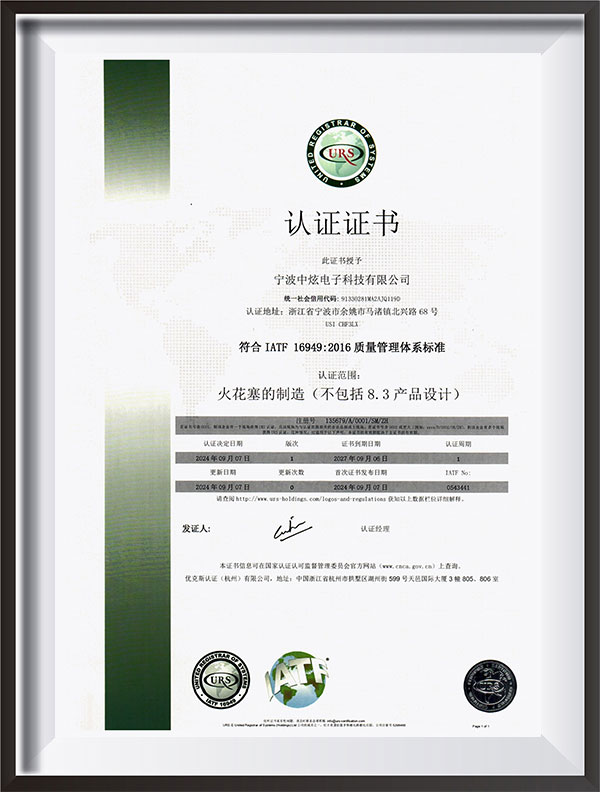
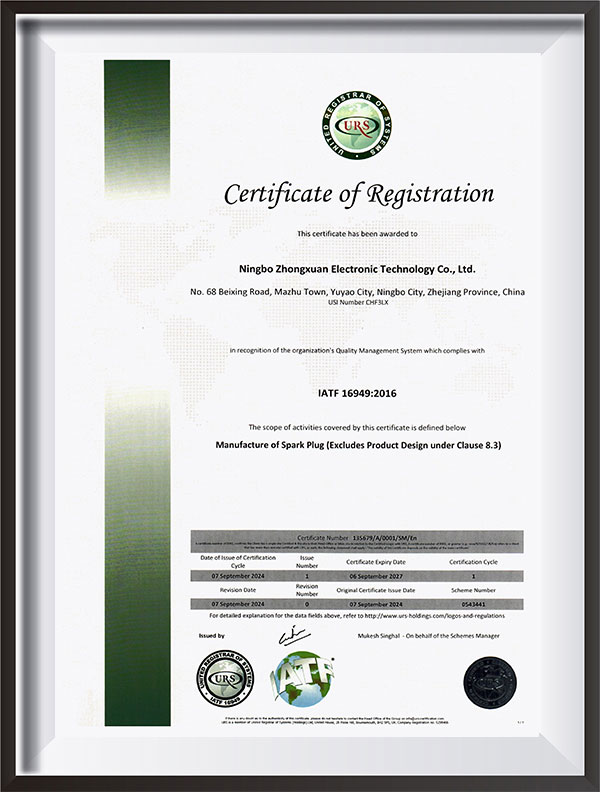
At NINGBO ZHONGXUAN ELECTRONIC TECHNOLOGY CO., LTD, the approach to compatibility is methodical rather than guesswork. There are three practical ways to verify that a nickel copper spark plug matches your Korean car.
Method 1 — Owner's Manual
The vehicle's user manual lists the OEM plug specification, including part number prefix and gap setting. This is the most authoritative source if the engine has never been modified.
Method 2 — Old Plug Code
Send the model and code stamped on your existing spark plug. This cross-reference approach works well for vehicles where the owner's manual is unavailable or where a previous non-OEM plug was already fitted.
Method 3 — Vehicle Details
Provide the vehicle brand, model, engine displacement, and production year. The technical team at NINGBO ZHONGXUAN will match the most suitable model using an extensive vehicle-to-spark-plug compatibility database.
The compatibility database covers a wide range of Korean car models and production years. When buyers supply complete vehicle information, the lookup process removes the ambiguity that leads to returns and repeat orders — particularly for older Korean models where engine codes changed mid-production year.
Electrode Gap and Performance: What the Numbers Mean
Spark plug gap is the distance between the center and ground electrode — the space across which the ignition spark must jump. Korean GDI (Gasoline Direct Injection) engines are particularly sensitive to gap tolerance because the fuel is injected directly into the combustion chamber under high pressure, and ignition timing windows are narrow.
Approximate Ignition Energy vs. Electrode Gap (GDI Engine, ~9:1 compression)
Illustrative trend based on standard ignition coil energy requirements; actual values vary by engine management system.
For most Korean 4-cylinder engines, the factory gap specification falls between 0.8 mm and 1.1 mm. Running a gap that is too wide increases the voltage demand on the ignition coil, which accelerates coil wear. Running too narrow reduces combustion efficiency. Nickel copper plugs are typically supplied pre-gapped, but checking with a feeler gauge before installation takes less than a minute and can save a diagnostic headache later.
Nickel Copper vs. Precious Metal: Choosing the Right Plug for the Application
Iridium and platinum plugs are heavily marketed, and the price premium can make nickel copper plugs seem like a compromise. For many Korean car applications, that framing is inaccurate.
Performance Comparison: Nickel Copper vs. Iridium (Typical Korean NA Engine)
Qualitative comparison for a naturally aspirated Korean engine under typical urban driving conditions.
For high-mileage vehicles that go through plugs on shorter replacement cycles, or for fleet operators running Korean sedans as taxis or ride-share vehicles, nickel copper plugs typically offer a 30–50% lower cost per replacement compared to iridium equivalents, without a meaningful performance penalty in non-performance applications. The calculus changes for turbocharged or high-compression engines where electrode erosion rates are higher.
Common Questions About Nickel Copper Spark Plugs for Korean Cars
How do I know which plug fits my Korean car if I don't have the owner's manual?
The most reliable shortcut is to read the code off your existing plug — it's stamped on the ceramic insulator or the metal shell. That code cross-references directly to a replacement specification. If the plug is too worn to read, supplying the vehicle's brand, model, engine size, and model year is enough for the technical team at NINGBO ZHONGXUAN to identify the right part from their compatibility database.
What is the typical replacement interval for nickel copper plugs in Korean engines?
Under normal driving conditions with fuel that meets specification, nickel copper plugs in Korean 4-cylinder engines generally remain serviceable for 20,000 to 40,000 km. City driving with frequent cold starts and short trips accelerates electrode wear and increases carbon fouling, so the lower end of that range is more realistic for urban vehicles. Checking gap at every engine service interval is a practical habit.
Can one plug specification work across multiple Korean models?
Sometimes, but it's not safe to assume. Korean automakers have used the same engine family across multiple nameplates, and in those cases the plug specification is identical. However, even within one model line, a facelift or engine update can change the required heat range or thread pitch. Cross-referencing by engine code — not just by model name — is the reliable approach.
Does electrode gap need to be adjusted before installation?
Nickel copper plugs are factory pre-gapped to common specifications, but manufacturing tolerances mean the gap can vary by ±0.05 mm from the stated value. On Korean GDI engines in particular, where the ECU timing maps are calibrated to a specific gap, verifying with a feeler gauge before installation is good practice. Adjusting a nickel copper electrode is straightforward — the ground electrode bends easily without cracking, unlike iridium or platinum tips which can be damaged by bending.
Is it worth upgrading to iridium for a standard Korean commuter car?
For a naturally aspirated Korean engine covering normal commuter mileage, the performance difference between nickel copper and iridium plugs is not measurable under everyday driving conditions. The iridium advantage becomes real in high-temperature or high-stress applications. For most Korean city cars and family sedans, the economics favor nickel copper on routine replacement intervals, reserving precious-metal plugs for applications where their extended service life actually pays for itself.
Service Interval Snapshot Across Korean Engine Categories
Estimated Nickel Copper Plug Life (km) by Engine Application
Turbo (blue) applications wear electrodes faster; naturally aspirated (red) benefit from longer intervals.