


 Español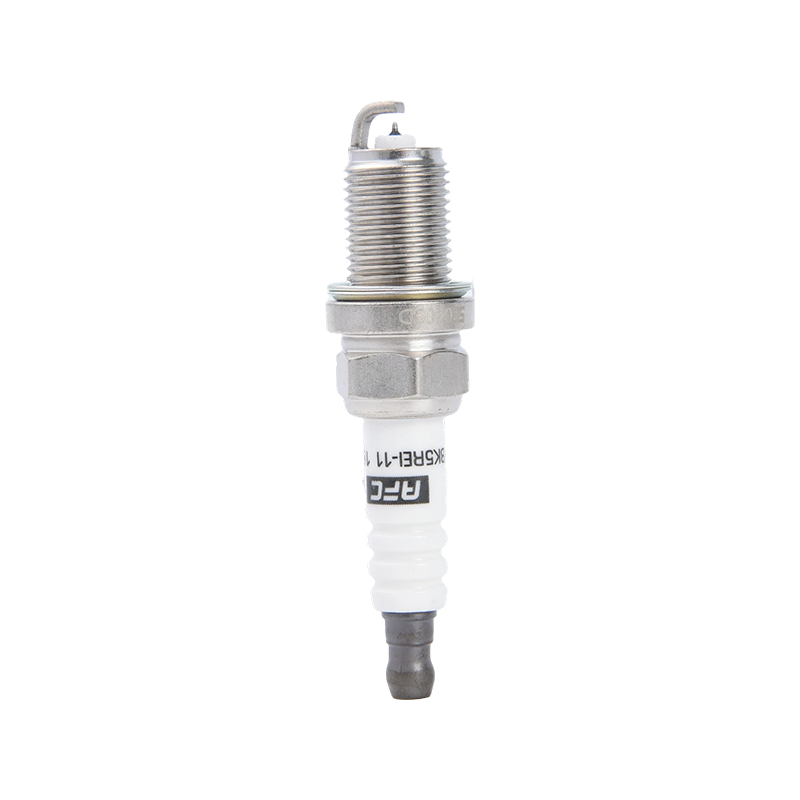
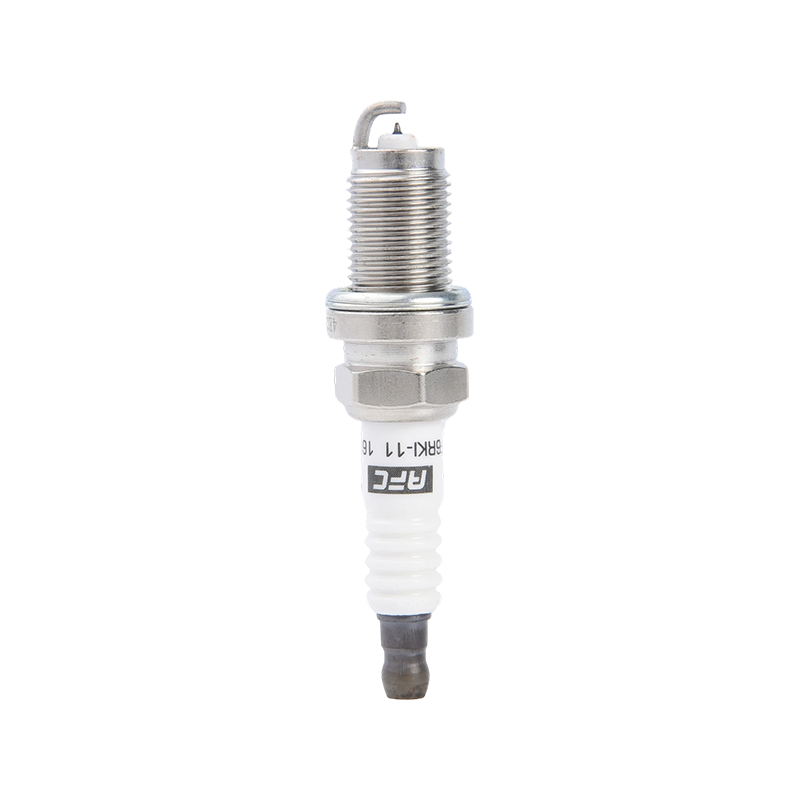
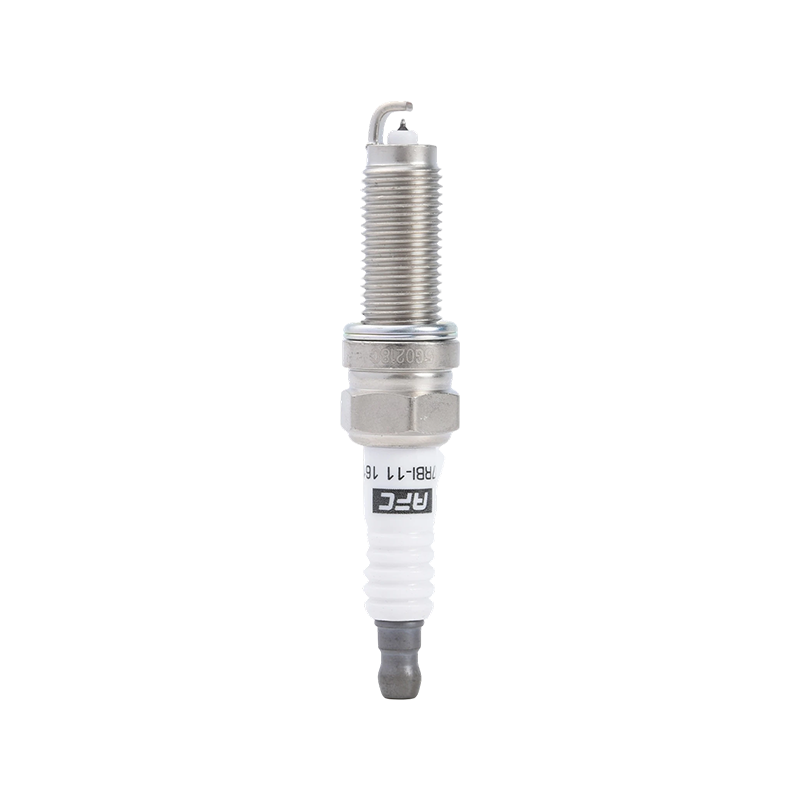
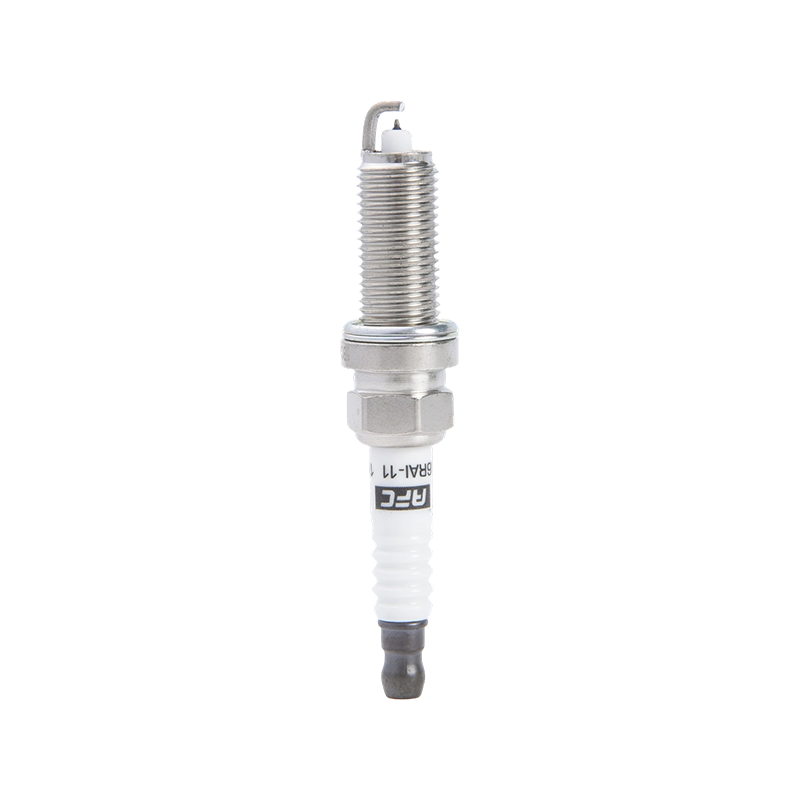
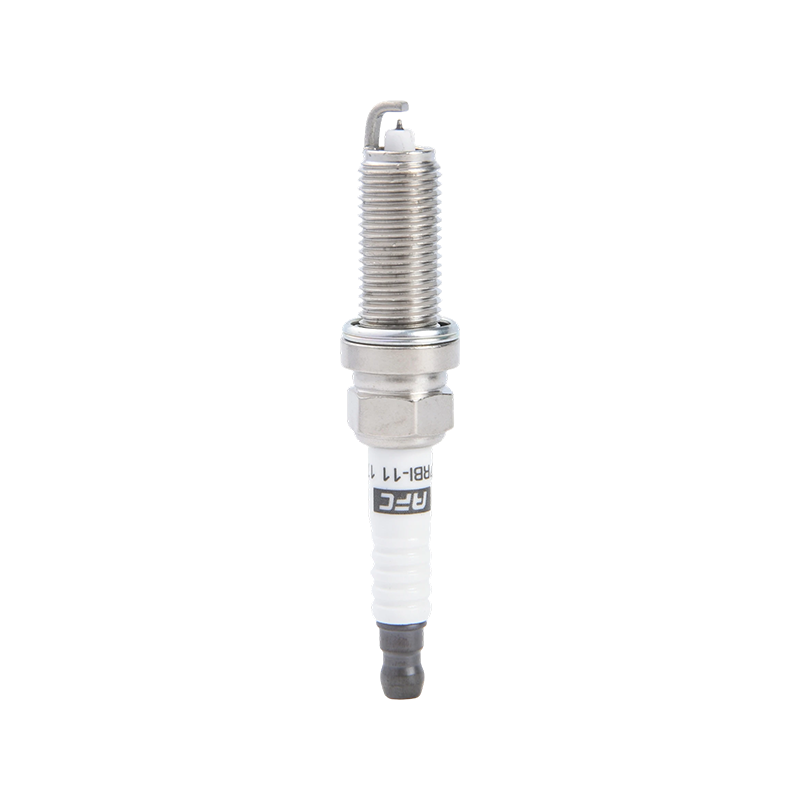
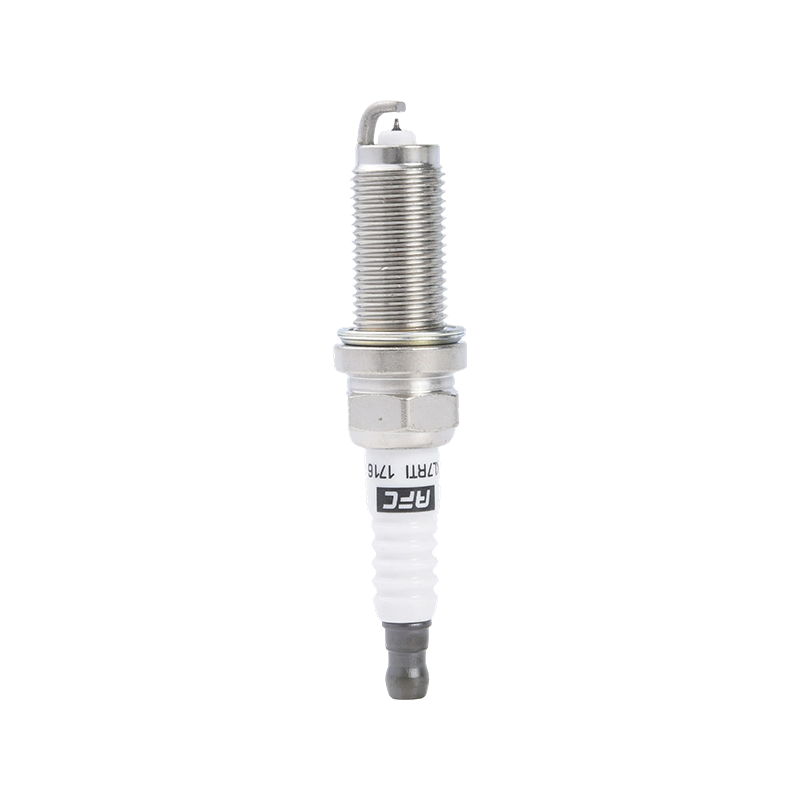
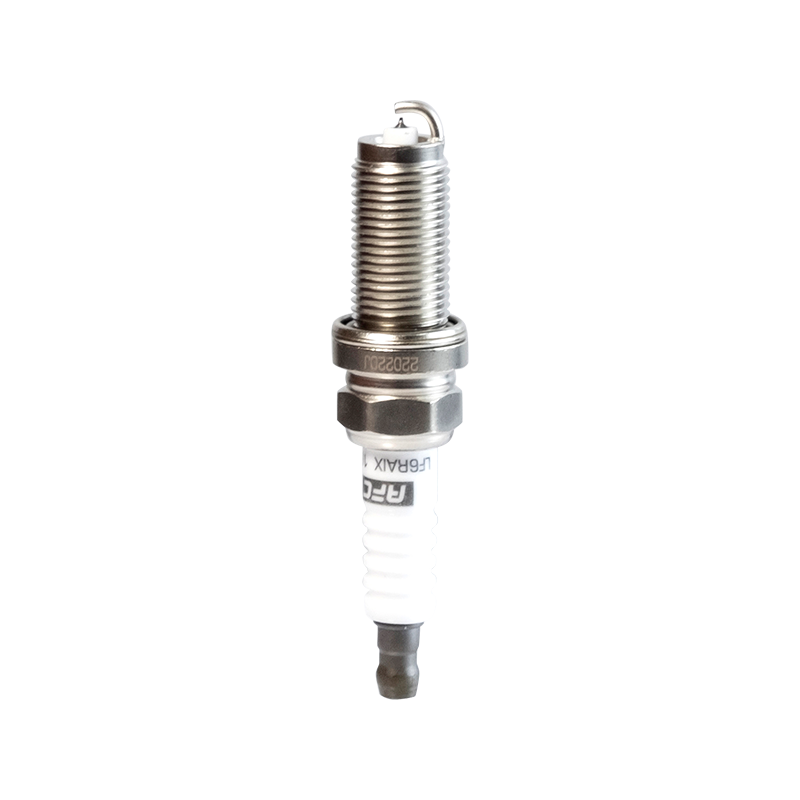
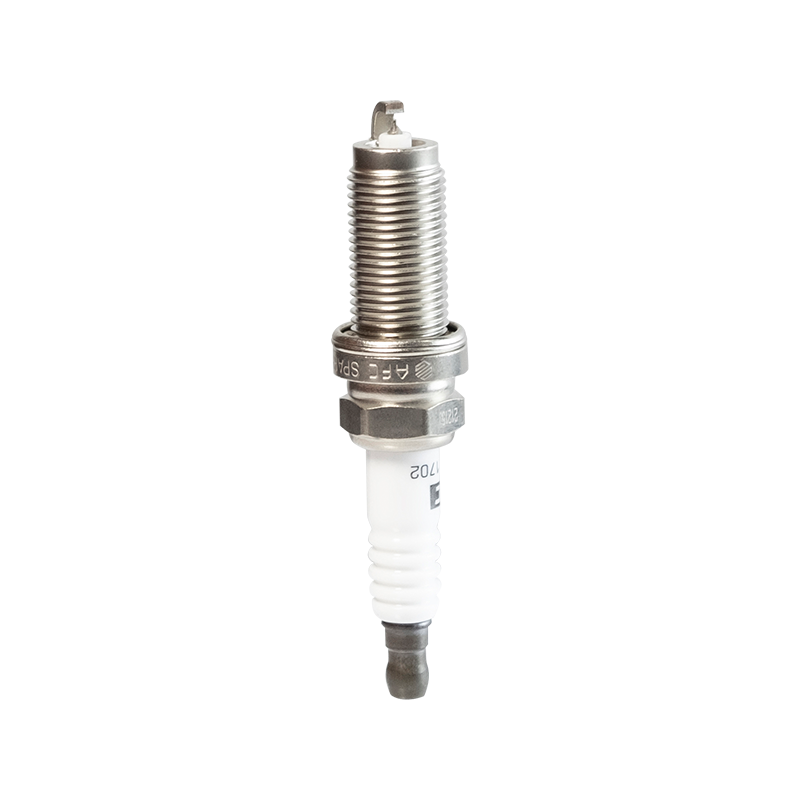
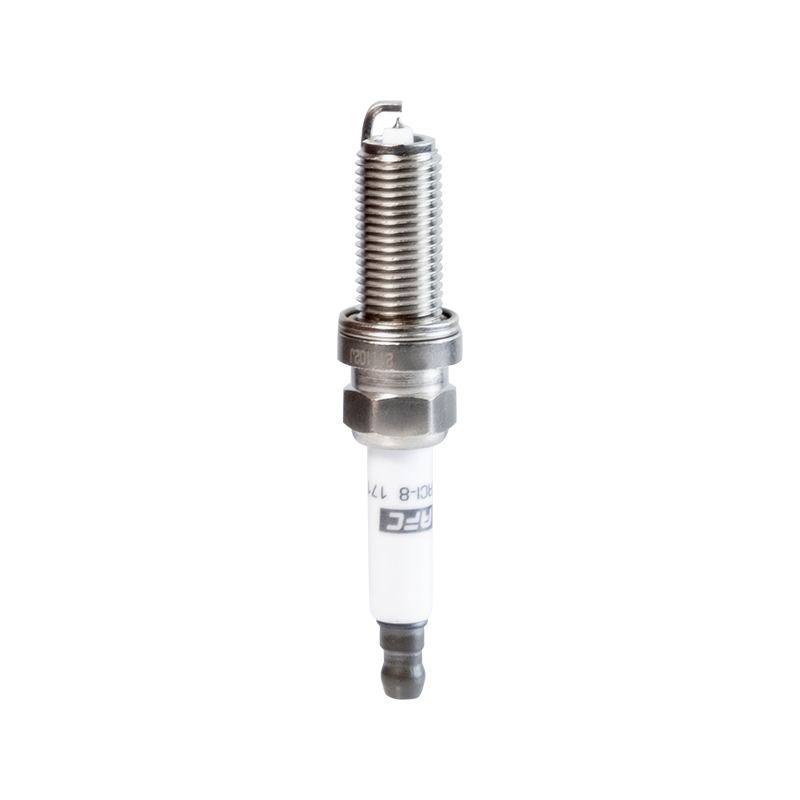
Japanese vehicles have long set the benchmark for engine reliability and fuel efficiency, and the ignition system plays a quiet but critical role in keeping that reputation intact. The Iridium Spark Plug for Japanese Cars sits at the center of this system — a precision component engineered to deliver consistent ignition energy across a wide range of Japanese engine architectures, from compact city cars to high-revving sport models. Unlike conventional copper or platinum plugs, iridium plugs leverage one of the hardest metals on Earth to sustain a fine-wire electrode geometry that resists wear, supports leaner combustion, and maintains peak performance over extended service intervals. Understanding how these plugs work, what drives their specification, and where they are manufactured gives buyers, technicians, and fleet managers a clearer picture of why the choice of spark plug matters far more than it might appear.
Why Iridium Became the Material of Choice for Japanese Engine Fitments
Iridium has a melting point of approximately 2,446 °C and a hardness rating roughly six times that of platinum. Those two properties translate directly into a spark plug electrode that can be drawn to a diameter as fine as 0.4 mm without cracking under thermal stress. A narrower center electrode concentrates the discharge arc, which lowers the voltage required to fire the plug. That reduced demand on the ignition coil is particularly valuable in Japanese engine designs that often pair high compression ratios with small displacement — configurations where every joule of electrical energy must do useful work.
The fine electrode also reduces quenching: the phenomenon where a large metal mass pulls heat away from the developing flame kernel and interrupts combustion. Less quenching means the flame front propagates more completely through the air-fuel mixture, recovering energy that would otherwise appear as unburned hydrocarbons in the exhaust stream. Field data from aftermarket service intervals suggests iridium plugs can maintain stable combustion performance for 60,000 to 100,000 km in typical Japanese passenger car applications, compared to roughly 30,000 km for standard copper-core plugs.
Electrode Diameter Comparison by Plug Type (mm)
Fine-wire iridium electrodes at 0.4 mm significantly outperform copper in electrode geometry.
Reading the Heat Range: The Specification Language of Japanese OEM Plugs
Every OEM spark plug specification for a Japanese engine carries a heat range code — a number embedded in the part number that tells a technician how aggressively the plug sheds combustion heat into the cylinder head. Japanese OEMs typically use a scale where a lower number indicates a hotter plug and a higher number a colder one, though coding conventions vary slightly by manufacturer. Getting the heat range wrong by even one step can cause persistent misfires in a cold plug or pre-ignition damage in a hot one.
Thread diameter and reach are equally critical for Japanese fitments. The most common thread sizes across the Japanese passenger car market are 14 mm and 12 mm, with reach lengths ranging from 19 mm for shallow combustion chambers to 26.5 mm for deeper designs used in performance variants. A plug installed with the wrong reach exposes threads inside the combustion chamber — a fast path to carbon fouling and, in severe cases, piston contact.
| Parameter | Typical Range | Impact of Wrong Choice |
|---|---|---|
| Thread Diameter | 12 mm / 14 mm | Thread damage, cross-threading |
| Thread Reach | 19 mm – 26.5 mm | Carbon fouling, piston contact |
| Heat Range | Varies by engine load | Misfire or pre-ignition |
| Electrode Gap | 0.7 mm – 1.1 mm | Hard start, poor idle |
| Resistor Value | 4 kΩ – 5 kΩ | EMI interference with ECU |
How NINGBO ZHONGXUAN ELECTRONIC TECHNOLOGY CO., LTD Addresses the Scale and Diversity of Japanese Fitments
One of the practical challenges in supplying iridium plugs for the Japanese car segment is sheer variety. Japanese automakers have produced hundreds of distinct engine families over the past three decades, and each family may use multiple plug specifications across its model range. NINGBO ZHONGXUAN ELECTRONIC TECHNOLOGY CO., LTD has built its product catalog around this reality: the company currently covers over 330 plug types, a range deliberately sized to address the breadth of Japanese fitments without forcing distributors to manage multiple suppliers for a single vehicle lineup.
With an annual output exceeding 20,000,000 pieces, the company operates at a scale that keeps per-unit production discipline tight. A high-volume manufacturing environment creates more opportunities to detect process drift before it reaches finished goods — a meaningful advantage for a component where dimensional tolerances are measured in hundredths of a millimeter. The team supporting this output includes more than 90 R&D, sales, and after-sales personnel, which means product improvements identified in the field can move back into the development loop rather than sitting in a feedback queue.
The company's commercial reach spans both domestic and international markets. Within China, NINGBO ZHONGXUAN has established partnerships with major auto parts brand chain enterprises and large-scale dealers. Internationally, its products are exported to Germany, Poland, Russia, the United States, and other markets, including supply arrangements with the world's top three OES companies — a channel that subjects the plugs to the incoming quality inspection regimes of some of the most exacting buyers in the global aftermarket.
NINGBO ZHONGXUAN Capability Radar
Relative capability dimensions across key supplier evaluation criteria.
The Gap Setting Question: Pre-Gapped vs. Field-Adjusted Iridium Plugs
Iridium plugs for Japanese cars are almost universally shipped pre-gapped. The fine iridium tip is brittle enough that attempting to adjust the gap with a traditional feeler gauge and bending tool risks fracturing the electrode. Manufacturers set the gap at the factory using laser measurement and precise tooling — a process that field adjustment simply cannot replicate. Most Japanese OEM specifications call for gaps in the 0.7 mm to 1.1 mm range, with direct-injection engines tending toward the tighter end of that window.
What technicians can and should do before installation is verify the gap has not shifted during transit. A non-contact feeler gauge or go/no-go wire gauge drawn through the gap without applying lateral force gives a reliable reading. If the gap is outside specification by more than 0.05 mm, the plug should be returned rather than adjusted, because a damaged iridium tip that appears intact to the naked eye may already have microscopic fractures.
Typical Service Life by Plug Type — Japanese Passenger Cars (km)
Iridium plugs sustain useful service life significantly longer than alternative materials over equivalent driving years.
Signs That an Iridium Plug Is Telling You Something Is Wrong Upstream
Because iridium plugs last so long, they are sometimes in the engine when other components fail — and the plug deposit pattern becomes a diagnostic log of what happened. Reading plug condition is a skill that saves misdiagnosis time in the workshop.
- White or chalky deposits on the insulator nose suggest a lean mixture condition — possible causes include a vacuum leak, failing mass airflow sensor, or clogged fuel injector.
- Oily, wet fouling indicates oil is entering the combustion chamber, typically through worn valve stem seals or degraded piston rings. An iridium plug will not fix this; it will simply fail sooner than expected.
- Blistering or melted electrode tip points to pre-ignition or detonation — often caused by carbon deposits acting as glow points, incorrect fuel octane, or overadvanced ignition timing.
- Normal light tan or gray coloration with minimal deposits means the engine is running well and the plug can safely continue in service until the next scheduled interval.
Technicians working on Japanese vehicles with direct injection should note that carbon buildup on intake valves — a known characteristic of GDI engines — does not show up on the plug at all, because fuel never washes the back of the valve. Plug condition and valve condition must be assessed through separate inspection methods in these engines.
Supply Chain Considerations When Sourcing Iridium Plugs for Japanese Fleet Applications
Traceability and Batch Consistency
Fleet operators managing large numbers of Japanese vehicles need plugs from suppliers who can trace batches back to production runs. If a single batch shows early electrode wear across multiple vehicles, the ability to identify and quarantine other units from the same run prevents a systematic problem from becoming a reliability incident. High-volume manufacturers who process tens of millions of units annually have the data infrastructure to support this.
Cross-Reference Accuracy
The single most common sourcing error in the aftermarket is cross-reference mismatch — a plug that shares a part number prefix with the correct fitment but differs in heat range or reach. Suppliers covering 330+ SKUs across Japanese fitments need rigorous cross-reference database management to prevent this. The cost of pulling and replacing incorrectly specified plugs in a fleet far exceeds any price saving on the parts themselves.
NINGBO ZHONGXUAN Export Market Reach — Relative Volume Index
Relative export volume index by market (Germany = 100 baseline). Illustrative based on stated export destinations.
Frequently Asked Questions
Can I use a universal iridium plug instead of a Japanese OEM-specified one?
In theory, an iridium plug is an iridium plug — but the heat range, thread reach, and electrode gap must match the engine's requirements exactly. A universal plug that approximates these specs may seem to work at first but will typically show premature wear or contribute to rough idle over time. Japanese OEM fitment specifications exist because engineers designed the engine around a precise plug characteristic. Using a correctly specified plug — whether OEM-sourced or from a qualified aftermarket supplier — is always the correct approach.
How do I verify that an aftermarket iridium plug is correctly specified for my vehicle?
The most reliable method is cross-referencing the OEM part number against the aftermarket supplier's fitment guide using your vehicle's VIN or engine code — not just the make and model year. Engine families within the same model line often change plug specifications mid-cycle, and a guide that only references model year can return the wrong result. When in doubt, physical measurement of thread pitch, reach, and gap against a known-good OEM plug provides a definitive check.
Do iridium plugs for Japanese turbocharged engines differ from those used in naturally aspirated engines?
Yes, typically in heat range. Turbocharged engines operate at higher in-cylinder temperatures and pressures, which means the plug must dissipate heat more efficiently to avoid becoming a pre-ignition hot spot. This pushes the specification toward a colder heat range. The iridium electrode geometry and service life characteristics remain consistent, but selecting the correct heat range for a turbo application versus an NA engine is not optional — it is a core part of the fitment specification.
Is the service interval for iridium plugs the same regardless of driving style?
Not exactly. Published service intervals assume a mix of driving conditions. Vehicles used predominantly for short urban trips — where the engine never fully reaches operating temperature — accumulate deposits faster and may benefit from inspection closer to the lower end of the published interval range. Conversely, vehicles used mostly for extended highway driving tend to keep plugs cleaner and may comfortably reach the upper end of the interval. The plug condition inspection described above gives a reliable real-world data point that mileage alone cannot provide.
What makes NINGBO ZHONGXUAN a credible source for iridium plugs in this segment?
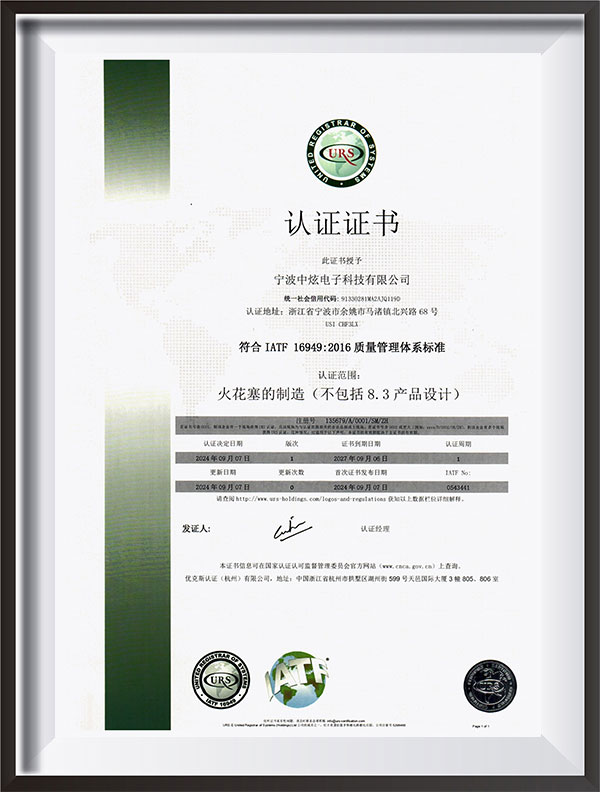
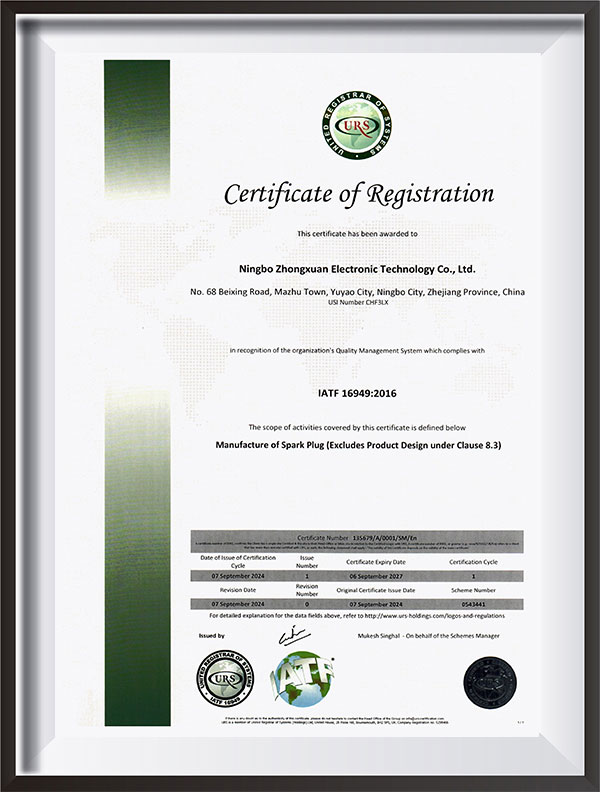
The combination of production scale (20,000,000+ pieces annually), catalog breadth (330+ types), and the company's existing supply relationships with the world's top three OES companies suggests a manufacturing operation that has already passed rigorous third-party quality assessments. For buyers in Germany, Poland, Russia, the United States, and other export markets, those existing OES relationships provide a reference point that is harder to fake than any marketing claim.