

 Español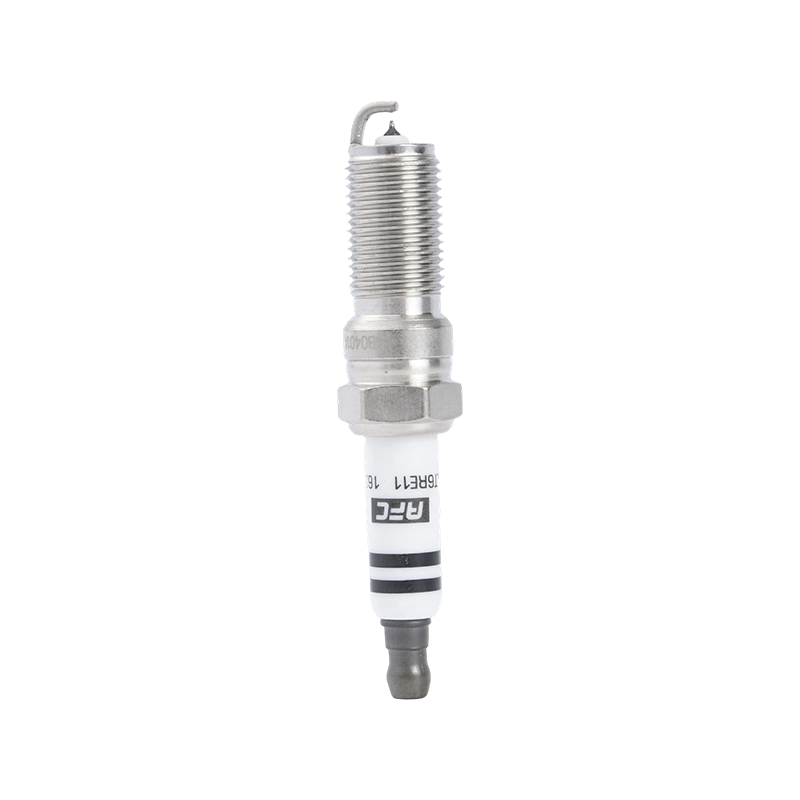
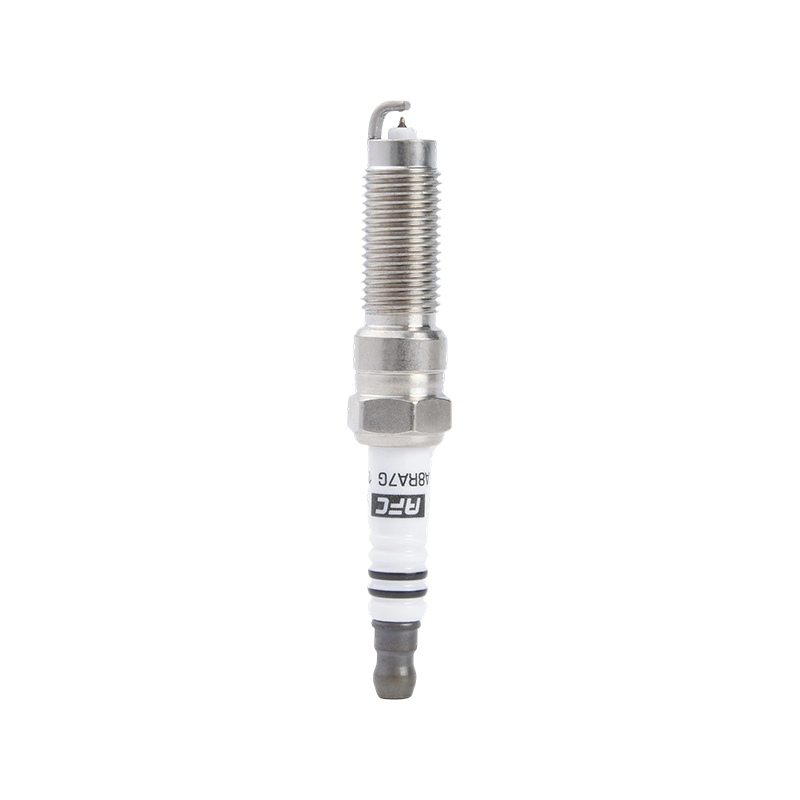
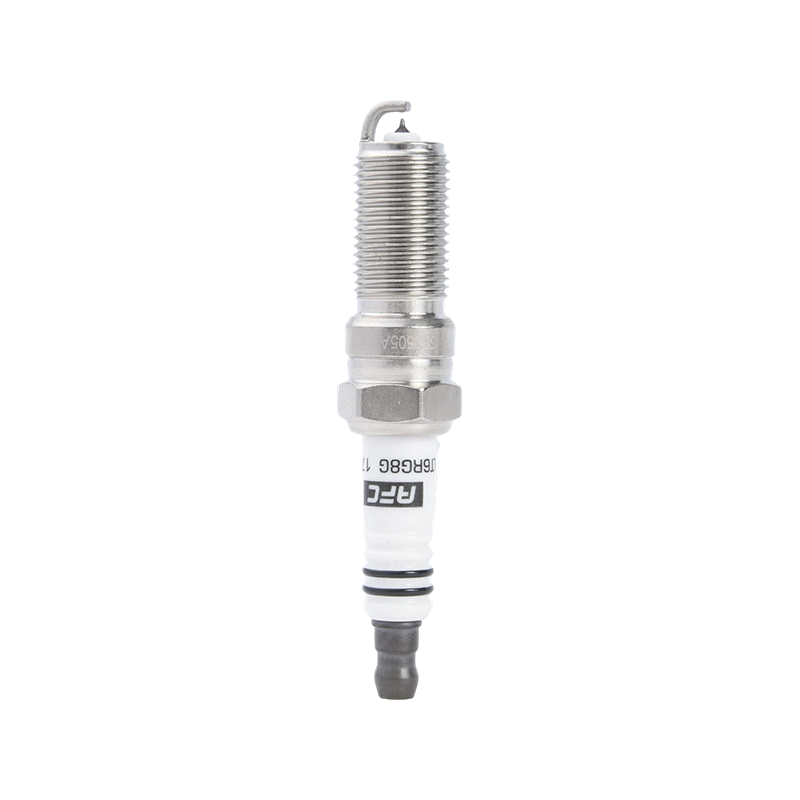
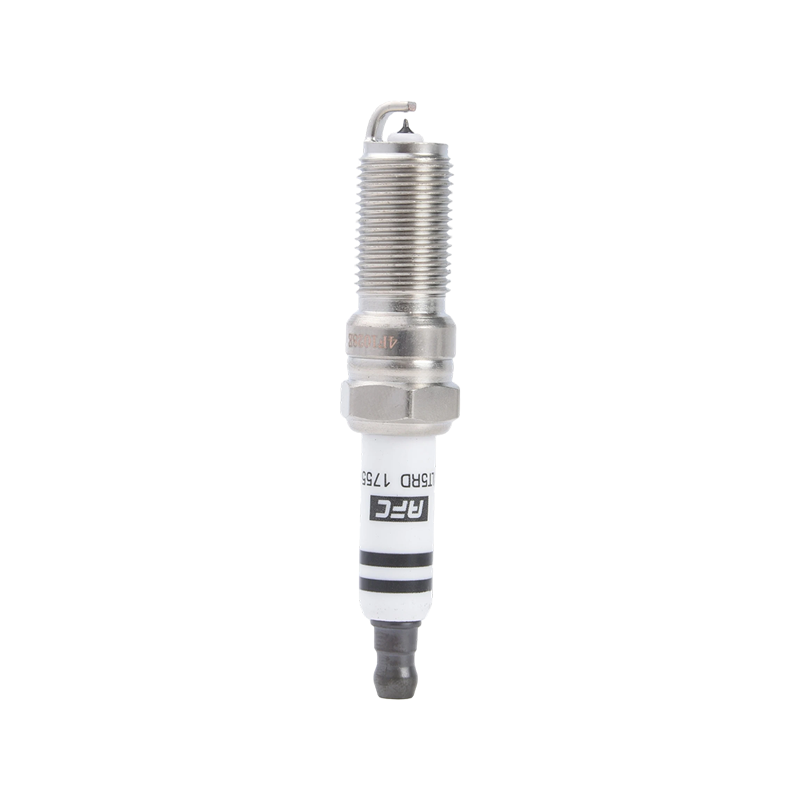
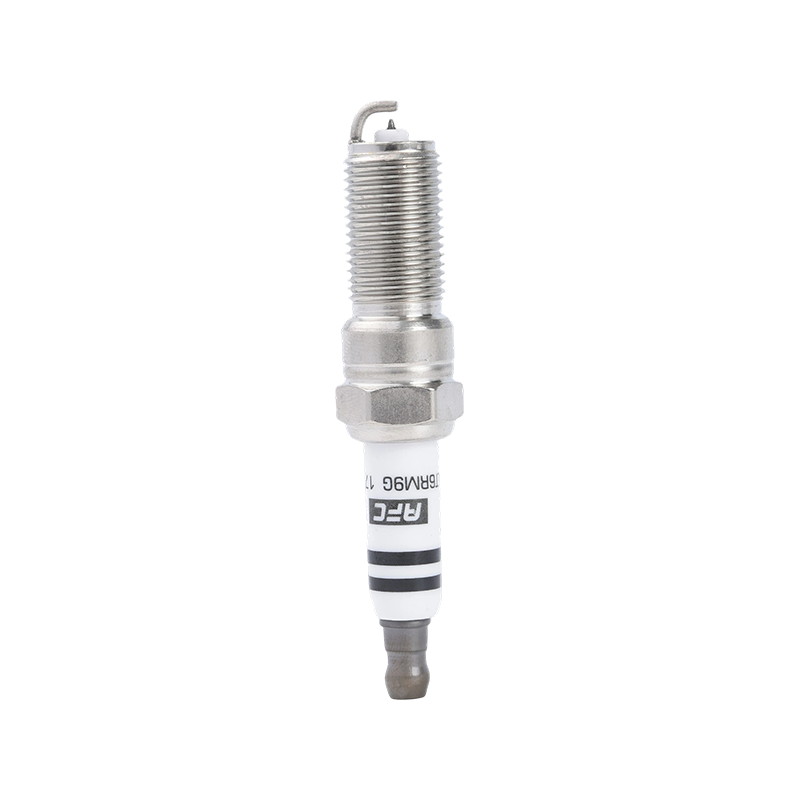
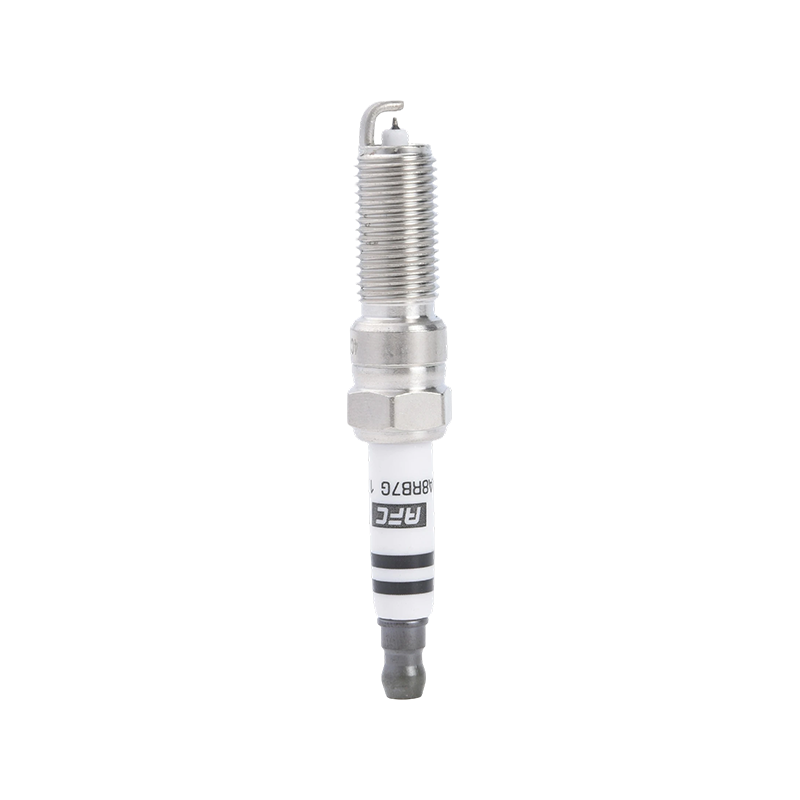
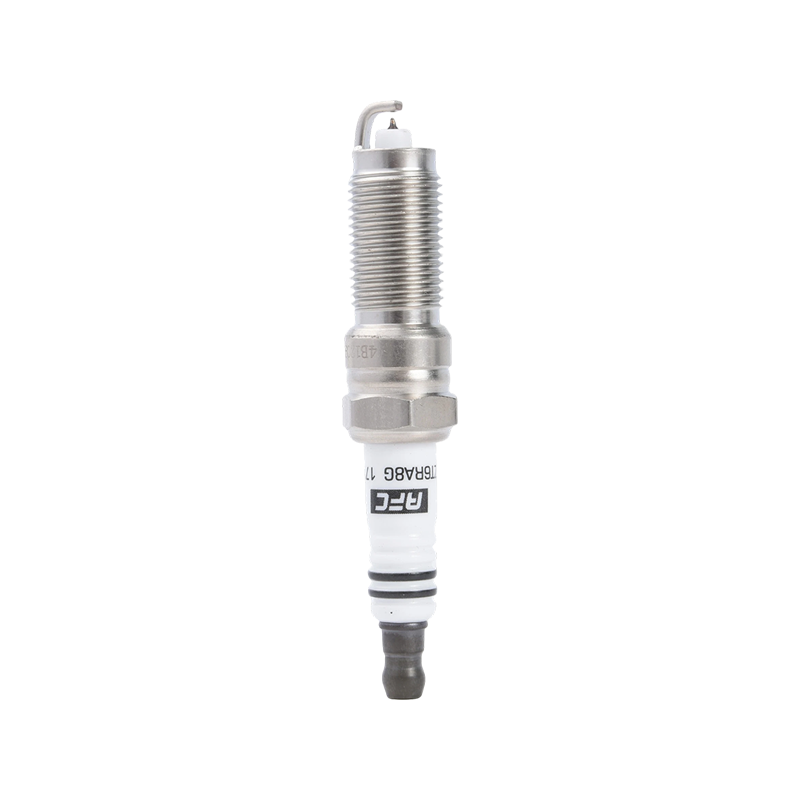
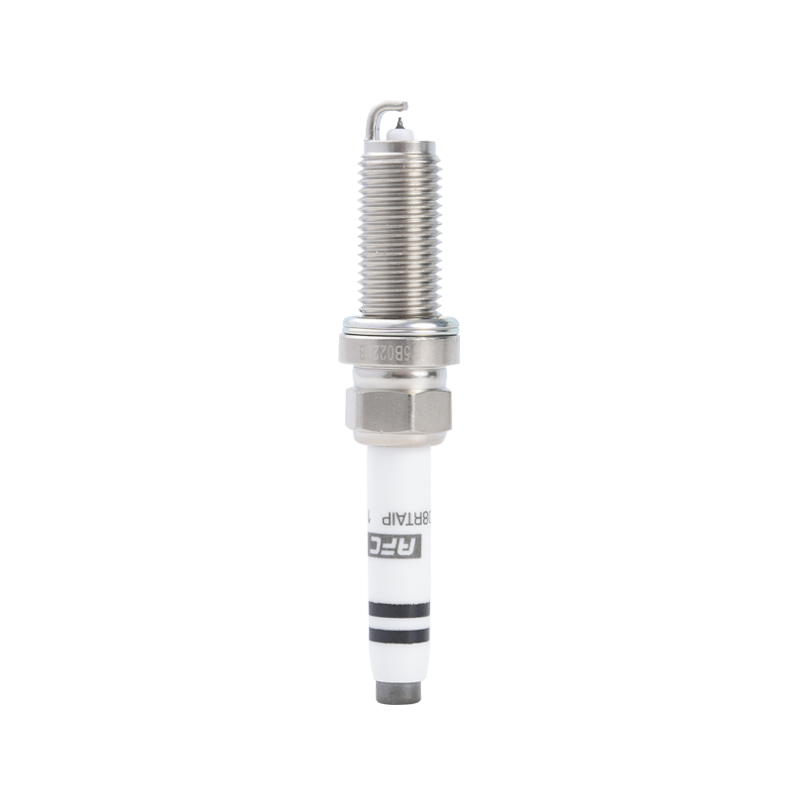
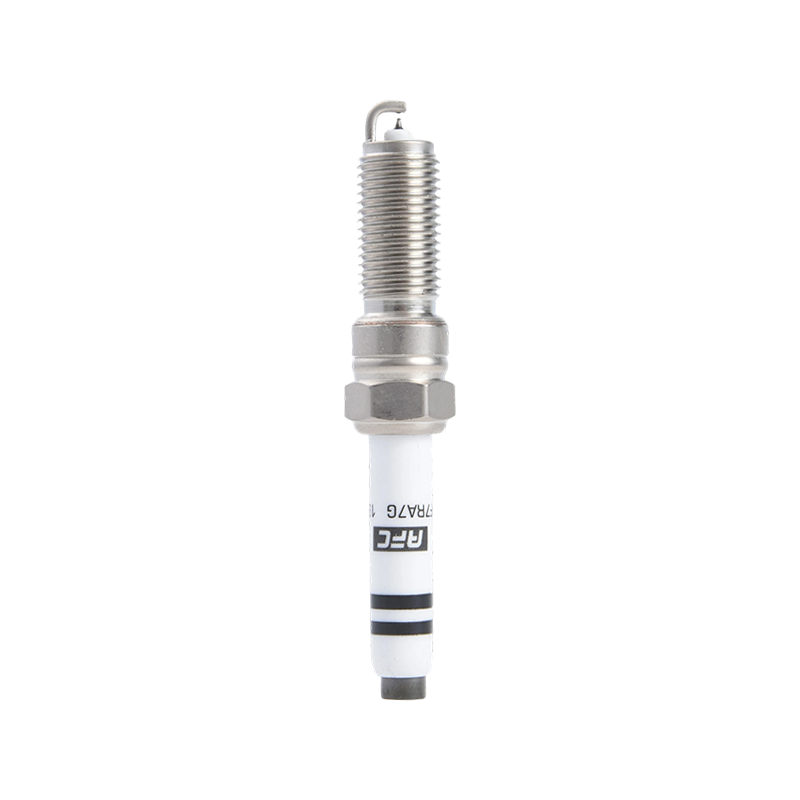
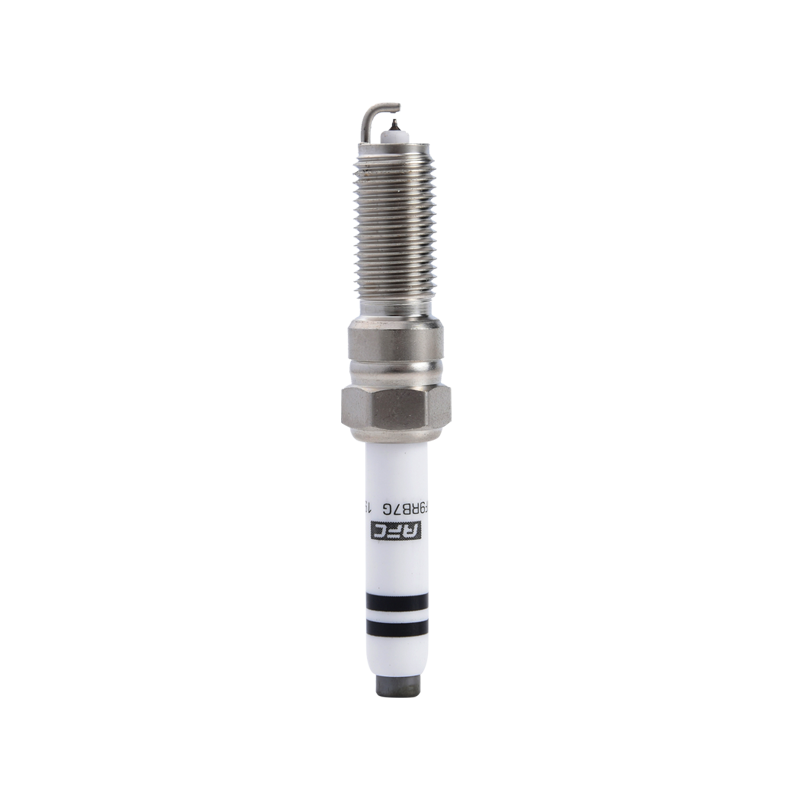
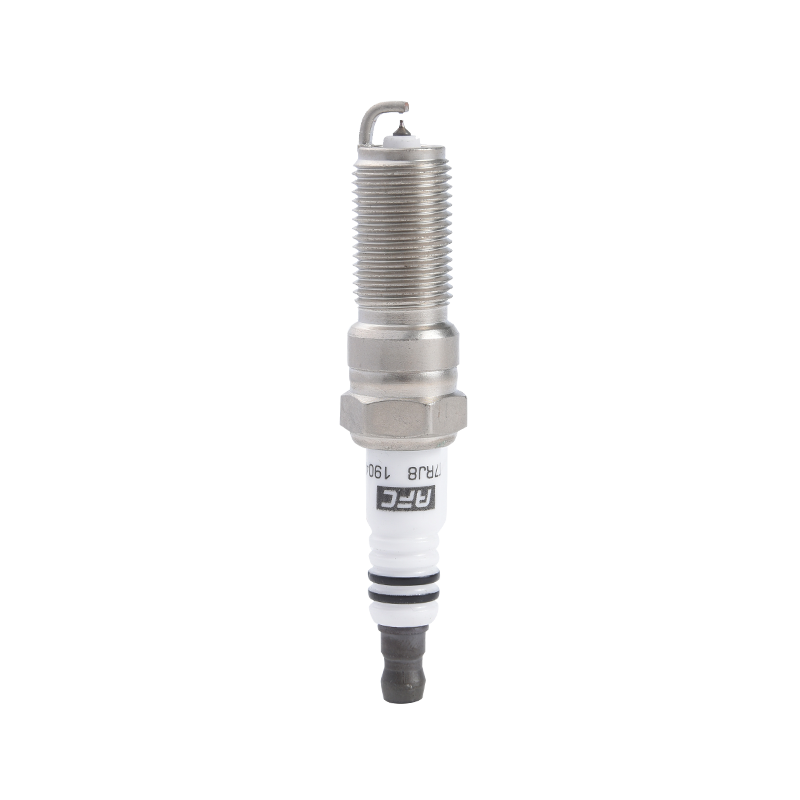
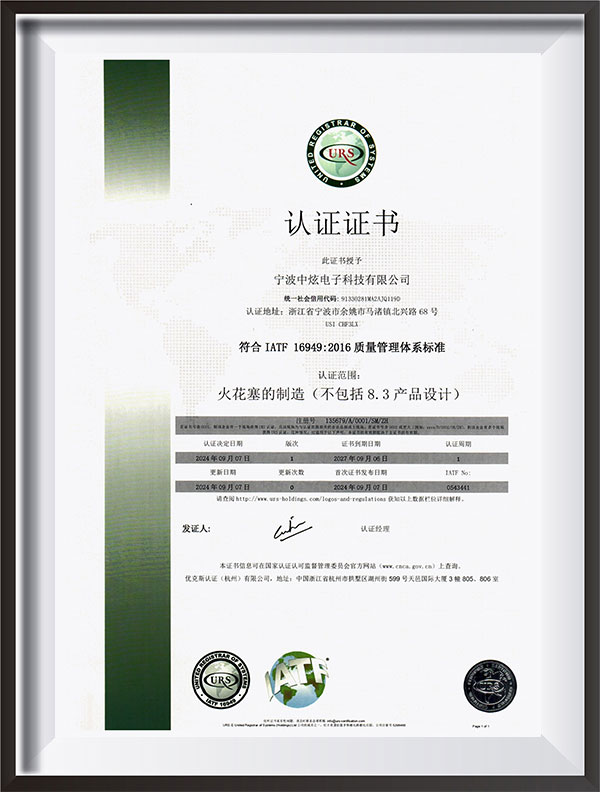
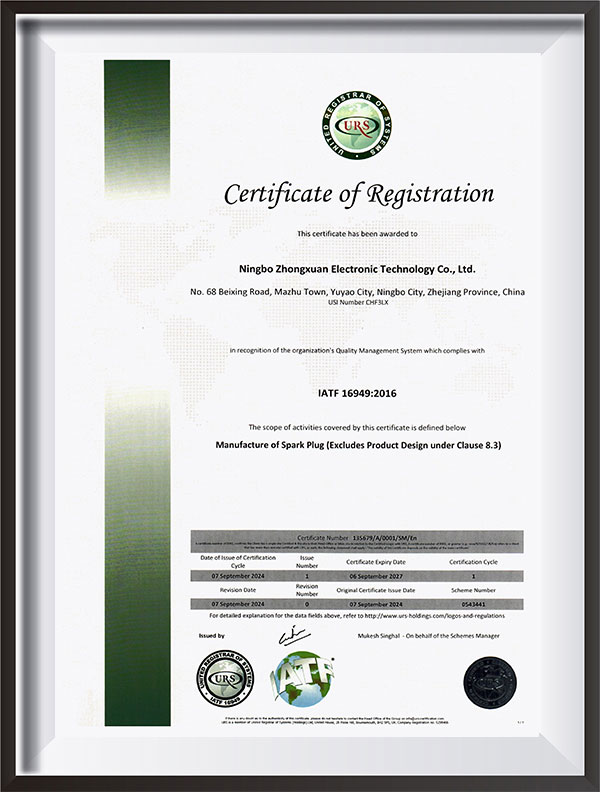
The ignition system is the heartbeat of any gasoline engine, and nowhere is this more apparent than in American vehicles — from full-size V8 trucks to performance muscle cars and daily-driven sedans. Iridium platinum spark plugs for American cars represent the convergence of two advanced electrode materials: iridium's extreme hardness and high melting point (2,446 °C), and platinum's oxidation resistance. Together they deliver ignition reliability that stock copper plugs simply cannot match across the mileage ranges modern American drivers expect. This article walks through the engineering logic behind these plugs, how they interact with common American engine architectures, and what a sourcing partnership with a factory-direct supplier really looks like in practice.
Why American Engines Demand Premium Ignition Materials
American vehicle lineups lean heavily on large-displacement engines — 5.0L, 5.7L, and 6.2L naturally aspirated V8s are commonplace, and turbocharged four-cylinders have become standard across crossovers and compact pickups. Each of these configurations places different stress loads on spark plugs: high-displacement engines fire at lower RPM but generate significant combustion pressure, while boosted small-displacement engines cycle through lean and rich conditions rapidly. A plug that performs across both worlds needs electrodes that resist gap erosion under sustained thermal load.
Iridium's fine-wire center electrode — typically 0.4 mm to 0.6 mm in diameter — focuses the spark arc far more precisely than a conventional 1.1 mm copper tip. This translates directly into a more complete combustion event, lower misfire rates, and — according to independent dyno testing published by Engine Technology International — fuel efficiency improvements of 2–4% in mixed-cycle conditions compared to worn stock plugs. For a V8 pickup averaging 16 mpg, that margin adds up over 60,000 miles.
Electrode Diameter Comparison (mm)
Smaller electrode diameter = sharper spark arc, lower required voltage, and reduced gap erosion over time.
Material Science Behind the Plug: Iridium vs. Platinum in Practice
Iridium Center Electrode
- Melting point: 2,446 °C
- Hardness: 6.5 (Mohs scale)
- Gap erosion resistance: Excellent
- Typical service life: 80,000–120,000 miles
Platinum Ground Electrode
- Melting point: 1,768 °C
- Oxidation resistance: Superior
- Works with iridium center for dual protection
- Stable gap maintenance under thermal cycling
The combination matters because the center electrode and ground electrode erode at different rates. Pairing an iridium center with a platinum ground (the "double precious metal" configuration) balances wear on both sides of the gap. Over a 100,000-mile interval, the gap growth in a properly matched iridium-platinum plug is typically under 0.1 mm, while a single-metal plug may see gap growth of 0.3–0.5 mm — enough to cause cold-start misfires on an EcoBoost or LS engine.
Performance Attribute Comparison
Radar comparison across five ignition performance attributes. Iridium-platinum consistently scores higher across all dimensions.
Common American Engine Families and Plug Compatibility
Not every iridium platinum plug is interchangeable across American engine families. Thread reach, heat range, and gap specification vary considerably between a GM LS, Ford Coyote, Chrysler Hemi, or any of the current-generation turbocharged inline-fours. Getting the heat range wrong — even by one step — can result in pre-ignition on a boosted engine or fouling on an older low-compression V8.
| Engine Family | Thread Size | Typical Gap | Heat Range Note |
|---|---|---|---|
| GM LS / LT V8 | M14 × 1.25 | 0.040 in | Mid-range; standard reach |
| Ford Coyote 5.0L | M12 × 1.25 | 0.032–0.035 in | Extended reach; check depth |
| Chrysler Hemi 5.7L / 6.4L | M14 × 1.25 | 0.043 in | Dual-plug heads — 16 plugs |
| Ford EcoBoost 2.3L / 2.7L | M14 × 1.25 | 0.028–0.030 in | Boosted: colder heat range preferred |
Estimated Ignition Gap Growth Over Mileage (mm)
Iridium-platinum plugs maintain near-original gap dimensions well past 100,000 miles, where copper plugs typically require replacement by 30,000 miles.
Factory-Direct Sourcing: What NINGBO ZHONGXUAN ELECTRONIC TECHNOLOGY CO., LTD Actually Offers
For distributors and aftermarket buyers sourcing iridium platinum spark plugs for American car fitments, the distinction between buying from a trading company and buying directly from a manufacturer has real implications — for cost, for consistency, and for how problems get resolved. NINGBO ZHONGXUAN ELECTRONIC TECHNOLOGY CO., LTD operates as an integrated manufacturer and trader, which positions it differently from pure traders who outsource production.
Cost-Effectiveness
By eliminating middlemen, the factory price is passed directly to buyers — relevant when you're ordering sets of 8 or 16 plugs per vehicle across large fleet accounts.
Quality Control
Direct production line oversight means deviations — gap tolerances, electrode alloy ratios — are caught in-house rather than after shipment.
Customization Flexibility
Small-batch customization is available — including logo, packaging, and specification adjustments — without requiring the minimum order volumes typical of large-scale factories.
Efficient Communication
Technical questions — heat range for a supercharged LS, gap spec for an EcoBoost — go directly to the factory, not through a sales intermediary who may not have engineering background.
Cooperation Models Available
NINGBO ZHONGXUAN offers multiple partnership structures depending on how you go to market:
- OEM: They manufacture using your brand and packaging — no design involvement required from the factory side.
- ODM: Design and manufacturing both handled — useful when you need a specific plug body geometry or heat range not in the existing catalog.
- OBM: If you prefer to resell an established brand rather than build your own, their own-brand products are available for distribution.
- Neutral packaging: Unbranded white-box packaging is available for buyers who want to handle branding downstream. All packaging materials can be customized to your market requirements.
Total Cost of Ignition: Plug Type vs. Replacement Frequency
Price-per-plug comparisons can be misleading. A copper plug at $3 replaced every 30,000 miles costs significantly more over 120,000 miles than an iridium platinum plug at $12–$18 that runs the full interval without replacement — and that's before accounting for labor. For a Hemi with 16 plugs, the labor alone at a shop rate of $120/hr can cost $80–$120 per service, making frequency of replacement a real variable.
Estimated 120,000-Mile Ignition Cost per 8-Plug Engine (USD)
Estimates based on $3 copper, $7.50 single-platinum, $18 iridium-platinum per plug, plus shop labor at $90/service. Actual costs vary by region and vehicle.
Frequently Asked Questions
Can I install iridium platinum plugs in an older American V8 without any other modifications?
Generally yes — as long as the thread size, reach, and heat range match the OEM specification. Iridium platinum plugs are a drop-in upgrade in most cases. The main caution is heat range: don't assume a colder plug is always "better" for a naturally aspirated engine. Stick to the OEM heat range unless you have a specific reason (added boost, higher compression) to go colder.
How does gap setting differ for iridium plugs compared to copper?
Never use a traditional coin-style feeler gauge to adjust an iridium plug's gap — the fine electrode tip can be damaged or bent. If gap adjustment is needed, use a dedicated wire-type gap tool and apply force to the ground strap only, never the center electrode. Most quality iridium platinum plugs for American fitments come pre-gapped and should require no adjustment.
What does OEM vs. OBM vs. ODM mean when sourcing plugs from a manufacturer like NINGBO ZHONGXUAN?
OEM means the manufacturer produces the plug to your specifications under your brand — no design input from them. ODM means they contribute to the design, which is useful for custom heat ranges or non-standard thread configurations. OBM means you resell their own finished brand. Each model has different MOQ and lead time implications, and NINGBO ZHONGXUAN supports all three alongside neutral white-box packaging for buyers who handle branding locally.
Is a misfiring engine always a sign of bad spark plugs?
Not always — misfires can also stem from ignition coil failure, fuel injector issues, or compression loss. However, on American engines with high mileage, plugs are a common culprit. Pulling the plugs and inspecting electrode wear, carbon deposits, and gap measurement is a fast diagnostic step before replacing more expensive components.
What packaging options are available when ordering from a factory partner?
NINGBO ZHONGXUAN provides full customization of packaging materials — box design, language, part number labeling — to match your market's requirements. Neutral white-box (unbranded) packaging is available for buyers who apply their own labels, and all packaging specifications can be adjusted to your downstream retail or wholesale format.