


 Español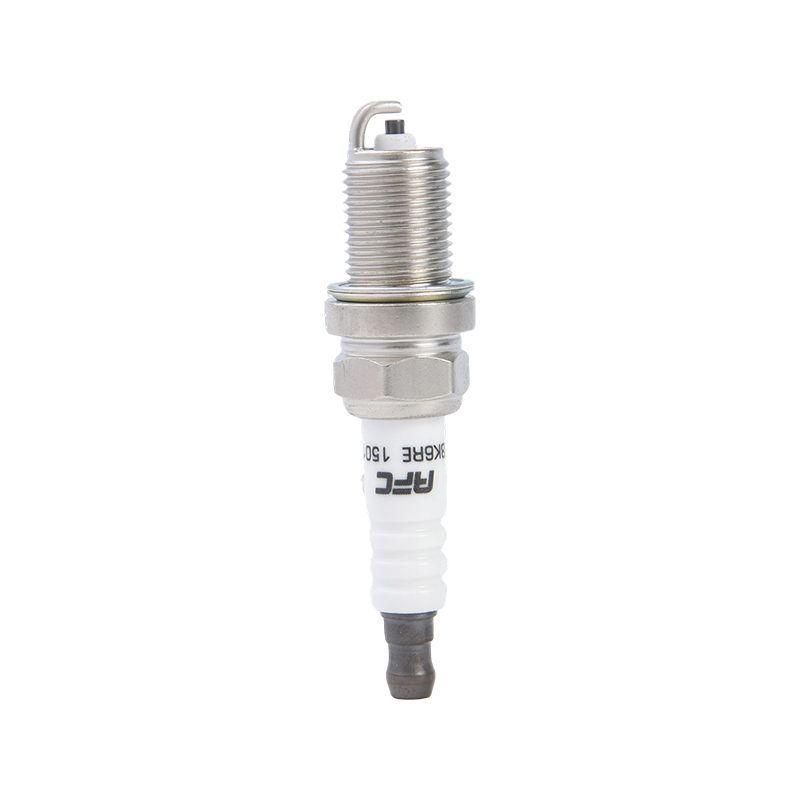
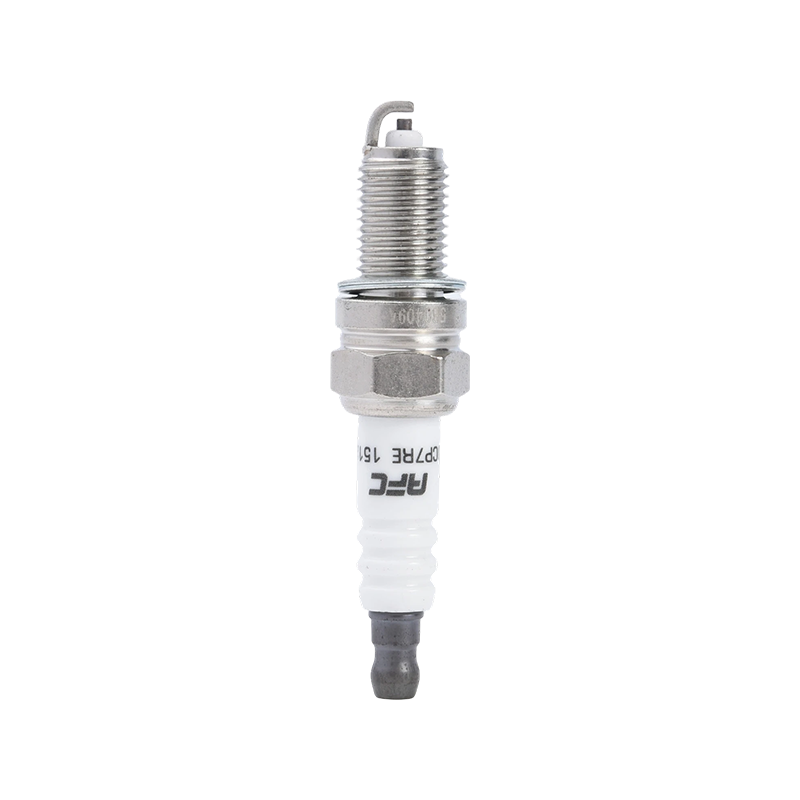
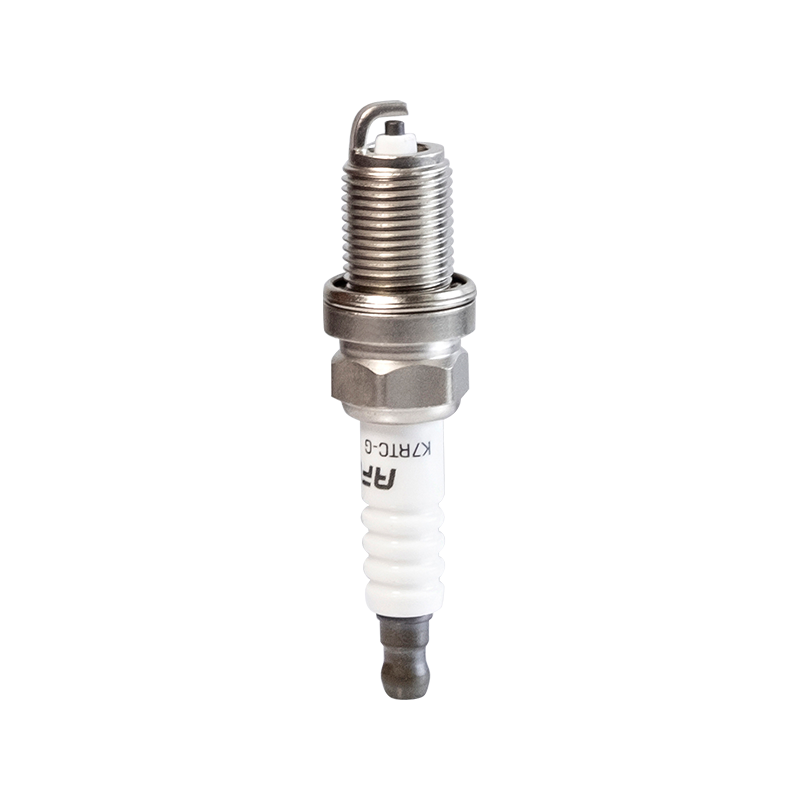
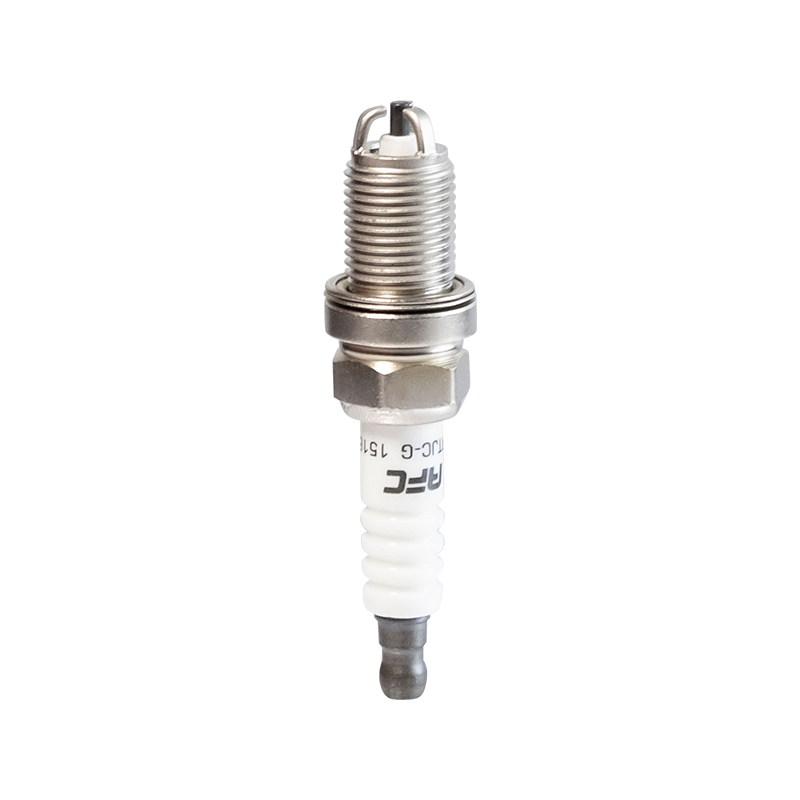
Ignition components sit at the center of how an engine converts fuel into reliable, repeatable power, and within this category, the Nickel Copper Spark Plug For American Cars remains one of the most widely fitted choices across domestic V6 and V8 platforms. This segment covers replacement plugs for daily-driver sedans, full-size trucks, and SUVs built by American manufacturers, where copper-core electrodes paired with a nickel alloy jacket are selected for their balance of heat transfer, ignition voltage requirements, and part cost. Workshops and parts distributors who deal with high-mileage American vehicles rely on this plug type because it matches OEM specifications for a large share of older and mid-generation engines still on the road today.
Why Copper Core Still Matters in Domestic Engines
Copper conducts heat roughly four times faster than the nickel alloy that surrounds it in this plug design, which is why the copper core is placed at the center of the electrode rather than on the firing tip itself. The nickel-copper construction is built around a copper sleeve that channels heat away from the firing end and back into the cylinder head, while the outer nickel layer resists the corrosive byproducts of combustion. For American V6 and V8 engines with cast-iron or early-generation aluminum heads, this combination keeps the plug operating inside a stable temperature window even under stop-and-go driving conditions that are common in fleet and personal-use vehicles alike.
Matching Plug Specifications to American Vehicle Platforms
American cars built across different decades use a wide range of thread sizes, reach lengths, and heat ratings, which is why a single nickel copper spark plug design rarely fits every model. A plug intended for a long-running pushrod V8 will usually carry a different heat range than one designed for a smaller displacement V6 used in mid-size sedans. Getting this match right affects starting reliability, idle smoothness, and how evenly the plug wears across its service interval.
| Engine Type | Thread Size | Reach | Typical Gap |
|---|---|---|---|
| Small V6 Sedan Engine | 14mm | 19mm | 1.0mm |
| Full-Size Truck V8 | 14mm | 26.5mm | 1.0-1.1mm |
| Classic Pushrod V8 | 14mm | 12.7mm | 0.8-0.9mm |
| Compact SUV 4-Cylinder | 12mm | 16mm | 0.7-0.8mm |
Gap settings shown above are general reference points; actual specification always traces back to the engine manufacturer's service data for the specific model year.
Wear Patterns Over a Typical Service Interval
Nickel copper plugs are a consumable part by design, and electrode gap growth over mileage is one of the clearest indicators of when replacement is due. Because the firing tip is solid nickel alloy rather than a precious-metal tip, the gap widens at a steadier, more predictable rate compared to platinum or iridium designs, which makes this plug type easier to budget for in routine maintenance planning for fleets running American-built vehicles.
A widened gap forces the ignition coil to generate more voltage to bridge the spark, and once that demand exceeds what the coil can comfortably deliver, misfires under load become more frequent, which is why most service guidance points toward replacement before the gap drifts too far from the original setting.
How Sourcing and Packaging Decisions Shape Distribution
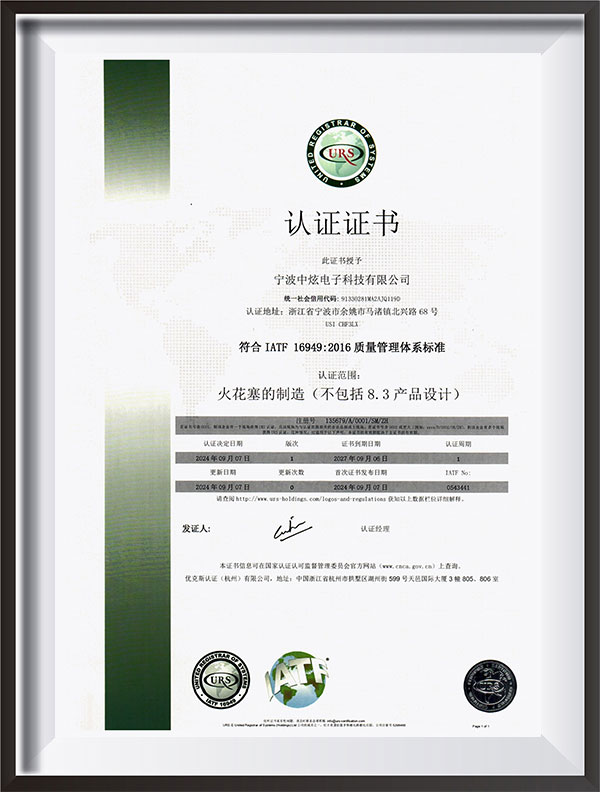
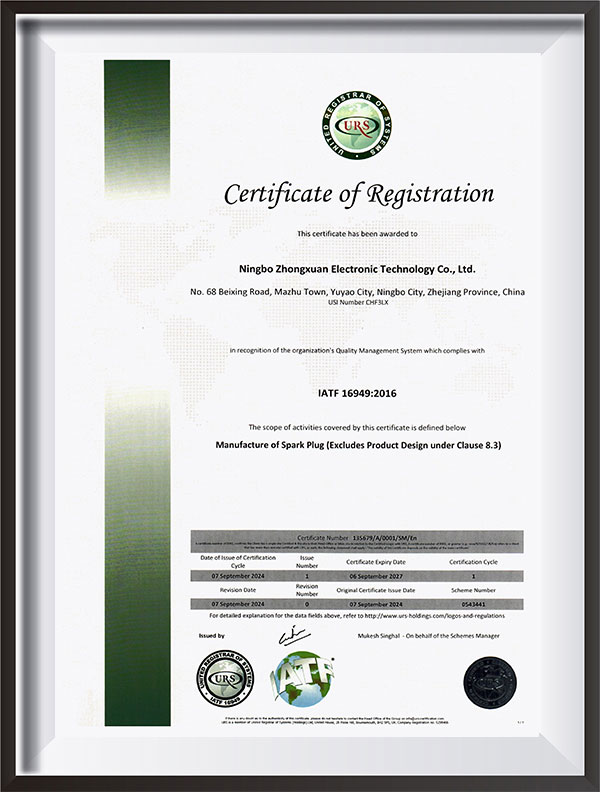
For parts distributors and workshop chains buying nickel copper spark plugs in volume, the conversation usually moves quickly from electrode material to how the product will actually reach the shelf or the service bay. Ningbo Zhongxuan Electronic Technology Co., Ltd. works with this reality directly by offering several cooperation paths rather than a single fixed arrangement. Under OEM/ODM cooperation, the company manufactures using a customer's own brand and packaging, with OEM covering manufacturing only and ODM extending to both design and manufacturing, while an OBM path allows a customer to have the company create, design, produce, and sell entirely under its own brand. For distributors who prefer to move products under their own label, the company's own branded product line is available for direct resale. A neutral packaging option is also offered, supplying unbranded white box packaging that distributors can label or finish according to their own needs, and across all of these paths, packaging materials can be adjusted to fit the requirements of different regional markets.
Why This Flexibility Matters for Spark Plug Buyers Specifically
Spark plugs are typically purchased in bulk by repair shops, auto parts retailers, and regional distributors who each have different labeling and presentation needs. A workshop chain stocking shelves under its own name benefits from the OEM/ODM route, a smaller reseller without an established brand can move forward with neutral white box packaging, and a distributor that already trusts an existing brand identity can simply purchase the company's own branded plugs for resale. This range of options is part of why this kind of cooperation model fits naturally with a consumable, high-turnover part like a nickel copper spark plug.
Comparing Cooperation Paths at a Glance
- OEM: Manufacturing only, using the customer's existing brand and packaging design.
- ODM: Covers both design and manufacturing under the customer's brand.
- OBM: Full creation, design, production, and sale under the company's own brand.
- Neutral packaging: Unbranded white box packaging, customizable to market requirements.
Frequently Asked Questions
Why are nickel copper plugs still common in American cars instead of iridium or platinum?
Many American V6 and V8 engines, particularly those from earlier production years, were originally specified with copper-core plugs, and a large share of replacement demand still follows that original specification. The lower per-unit cost relative to precious-metal tips also makes this option practical for high-mileage vehicles where the owner prioritizes a straightforward replacement over an extended service interval.
How often does a nickel copper spark plug typically need replacement?
Service intervals vary by engine design and driving conditions, but because the firing surface is a softer alloy than precious-metal tips, replacement is generally recommended on a shorter mileage cycle than iridium or platinum equivalents, with the exact figure depending on the vehicle manufacturer's maintenance schedule.
Can a distributor order these plugs without any branding at all?
Yes. Ningbo Zhongxuan Electronic Technology Co., Ltd. offers neutral packaging, meaning the plugs ship in unbranded white box packaging, leaving the distributor free to handle labeling and presentation according to their own market needs.
What is the difference between choosing OEM and choosing ODM?
OEM cooperation covers manufacturing only, applied to a brand and packaging the customer already has designed. ODM goes a step further by including both design and manufacturing, which suits buyers who want packaging or product details developed rather than supplied themselves.