


 Español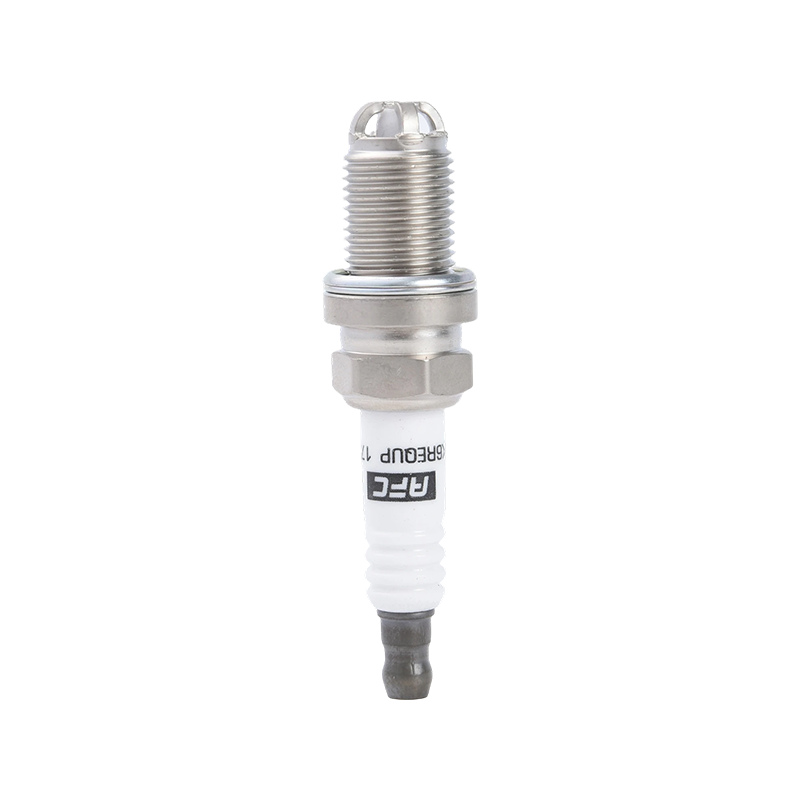
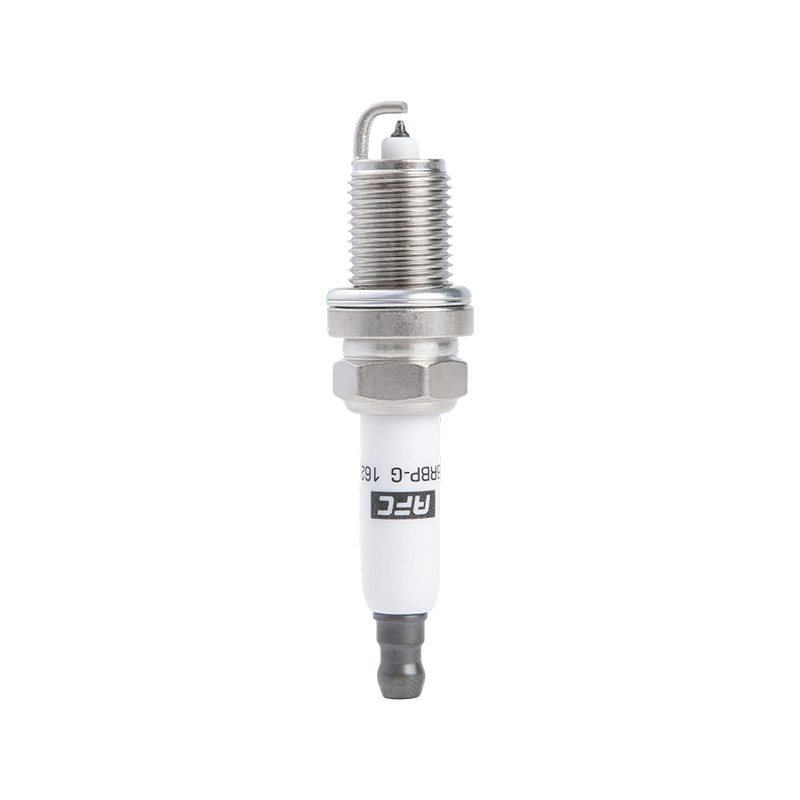
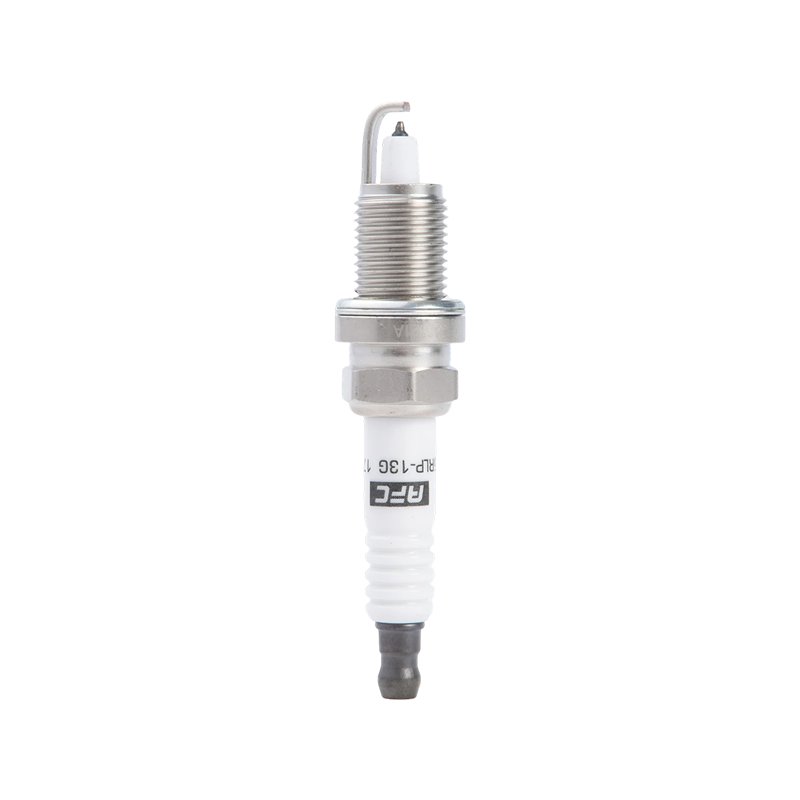
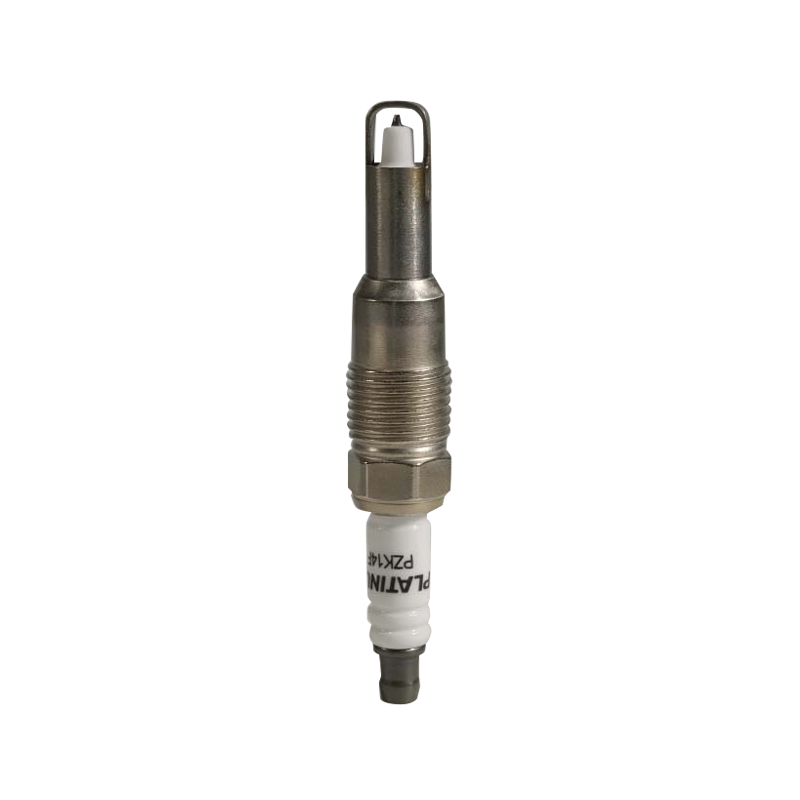
Platinum spark plugs — including platinum tip spark plugs and single platinum spark plugs — represent one of the most widely specified ignition components in modern automotive engineering. Unlike conventional copper-core plugs, platinum-tipped designs use a precious-metal firing pad that dramatically reduces electrode erosion, sustaining a consistent spark gap over tens of thousands of miles. Whether you are maintaining a passenger sedan, a light truck, or a high-cycle commercial vehicle, understanding how these plugs work, where they differ, and who makes them well is foundational industry knowledge for any parts buyer, technician, or fleet manager.
How a Platinum Tip Changes Ignition Performance
The operating principle is straightforward: platinum's melting point sits at 1,768 °C, roughly 400 °C higher than nickel alloy. When the ignition system fires, the electrode tip faces rapid thermal cycling. A nickel tip erodes measurably after ~30,000 km; a platinum tip survives 3–4 times that distance before the gap widens enough to affect combustion efficiency.
Single platinum spark plugs place the platinum disc on the center electrode only. This asymmetric arrangement keeps manufacturing cost lower while still delivering substantially better longevity than full copper plugs — a practical balance that suits a wide range of naturally-aspirated engines running standard ignition voltages (12–15 kV peak).
Electrode Longevity Comparison (km × 1,000)
Approximate service life under normal driving conditions
Single Platinum vs. Double Platinum: Choosing the Right Type
Single Platinum Spark Plugs
- Platinum pad on center electrode only
- Ideal for distributor-based or coil-pack ignition systems
- Typical service interval: 60,000–80,000 km
- Lower unit cost; broad OEM fitment range
- Most common type in mid-range passenger vehicles
Double Platinum Spark Plugs
- Platinum on both center and ground electrodes
- Required for waste-spark (coil-on-plug) systems that fire in both directions
- Typical service interval: 100,000–120,000 km
- Premium pricing reflects dual-electrode metallurgy
- Increasingly specified on modern DI engines
The distinction matters commercially: supplying a single-platinum plug into a waste-spark system causes accelerated wear on the ground electrode, cutting service life nearly in half. Understanding application requirements — not just thread size and heat range — is what separates a knowledgeable parts supplier from a box mover.
What Separates a Quality Platinum Spark Plug at the Manufacturing Level
Not all platinum tip spark plugs deliver the same field performance even at identical specifications. Four manufacturing variables drive real-world outcomes:
Platinum Pad Thickness
Pads thinner than 0.6 mm erode faster. Quality plugs use 0.8–1.1 mm pads laser-welded with precise energy control to avoid micro-cracking at the bond interface.
Insulator Purity
High-density alumina ceramic (≥95% Al₂O₃) resists thermal shock and carbon tracking. Lower-grade insulators crack under repeated cold-start cycling, causing misfires unrelated to electrode wear.
Gap Consistency
Factory gaps should hold within ±0.05 mm of spec. Tight process control here directly impacts cold-start reliability — an area where budget plugs consistently fall short.
Shell Plating
Nickel-plated or zinc-chromate threads prevent seizing in aluminum cylinder heads, particularly critical in humid or marine environments.
Performance Profile: Platinum Tip vs. Copper Plugs
The radar below maps five key performance dimensions. Platinum tip spark plugs lead on longevity and gap stability; copper plugs retain a marginal thermal conductivity edge in extreme high-output applications.
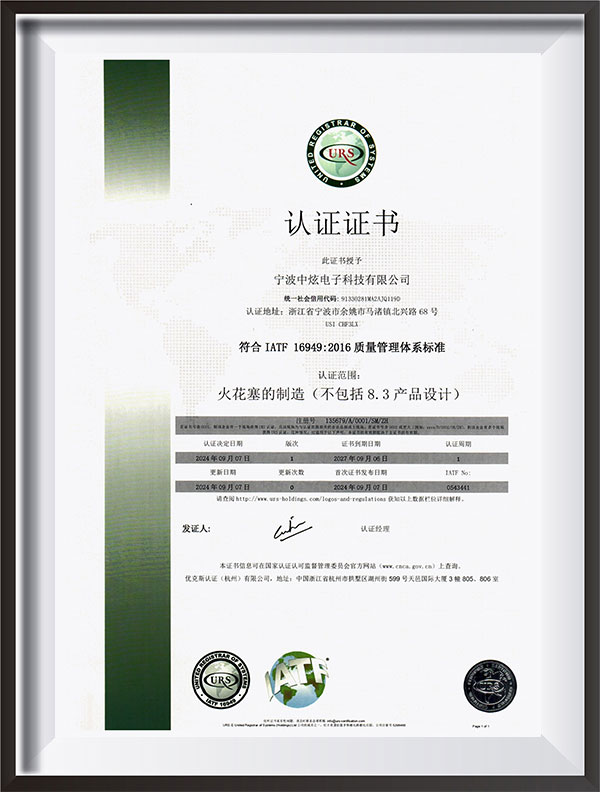
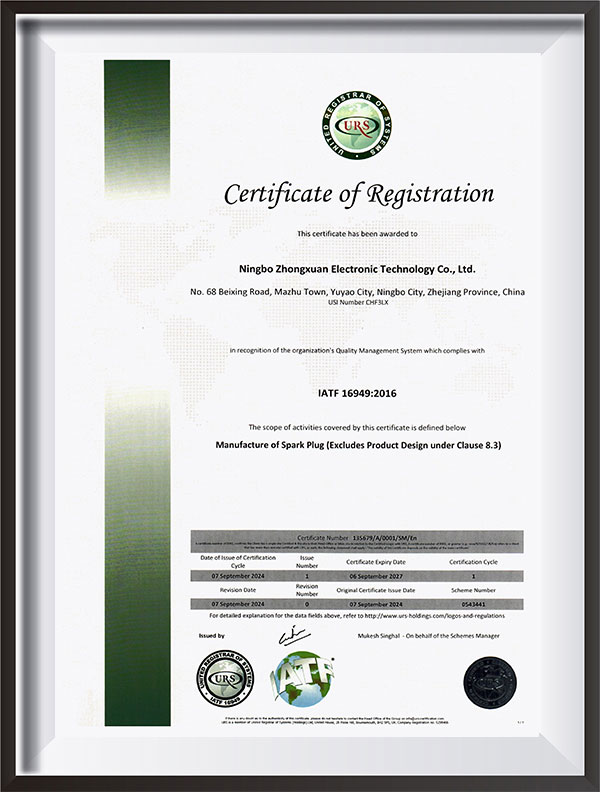
NINGBO ZHONGXUAN ELECTRONIC TECHNOLOGY CO., LTD in the Platinum Spark Plug Supply Chain
The global platinum spark plug market is served by a layered supply chain: raw-material processors, component manufacturers, OES (Original Equipment Supplier) assemblers, and branded aftermarket distributors. NINGBO ZHONGXUAN ELECTRONIC TECHNOLOGY CO., LTD sits at a strategically important node in this chain. The company has built partnerships with numerous domestic auto-parts brand-chain enterprises and large auto-parts dealers within China, while also handling OEM customization for products carrying influential Chinese brands.
At the international level, NINGBO ZHONGXUAN cooperates with three of the world's top-tier OES companies — a distinction that demands consistent dimensional tolerances, materials traceability, and production consistency that only well-invested manufacturing operations can sustain. Platinum tip spark plugs and single platinum spark plugs produced under these OES programs are exported to Germany, Poland, Russia, the United States, and other markets, meaning the products must satisfy the ignition-system requirements of European, North American, and CIS vehicle platforms simultaneously.
Export Market Spread — Relative Volume Index (illustrative)
Relative export volume index across key destination markets
This dual role — domestic brand-chain partner and international OES supplier — gives NINGBO ZHONGXUAN a calibration advantage. Feedback from OES programs flows back into process refinement; improvements validated on export-grade platinum spark plugs raise the performance baseline for the entire product range.
Matching Platinum Spark Plug Type to Application
The table below summarizes the most common application scenarios a parts professional will encounter when specifying platinum plugs:
| Ignition System | Recommended Type | Typical Service Interval | Key Selection Note |
|---|---|---|---|
| Distributor-based | Single Platinum | 60,000–80,000 km | Cost-effective; unidirectional spark |
| Waste-spark (coil pack) | Double Platinum | 90,000–120,000 km | Both electrodes fire alternately |
| Coil-on-plug (COP) | Single or Iridium | 80,000–100,000 km | Check OEM spec; COP often calls for iridium |
| High-cycle fleet / taxi | Single Platinum | 50,000–70,000 km (accelerated cycle) | Prioritize gap consistency and shell plating |
Common Questions About Platinum Spark Plugs
Can I replace copper plugs with single platinum spark plugs without other modifications?
In most cases, yes — provided thread reach, diameter, and heat range match the OEM specification. The gap may need adjustment since platinum plugs are sometimes pre-gapped wider to exploit the more efficient spark. Never gap-adjust a platinum plug with standard feeler tools that might fracture the ceramic or dislodge the platinum pad; use a wire-type gap gauge and adjust from the ground electrode only.
Why does a platinum tip spark plug cost more than a copper plug?
The platinum disc, laser-welding process, and tighter dimensional tolerances all add manufacturing cost. Platinum's raw material price fluctuates, but the precious-metal content in a single plug is measured in milligrams — the cost premium is driven more by the precision manufacturing process than by platinum's spot price. When amortized over service life, the per-kilometer cost of a platinum tip plug is usually lower than copper.
How do I tell whether a used platinum spark plug still has service life remaining?
Measure the electrode gap with a wire gauge. If the gap has grown more than 0.15 mm beyond the specified value, the firing voltage requirement has risen enough to stress the ignition coil. Also inspect the platinum pad visually: a rounded pad (rather than a distinct, sharp-edged disc) signals significant erosion. Asymmetric wear — where only one side of the ground electrode shows pitting — can indicate a weak ignition event rather than normal erosion.
What should importers and fleet buyers look for when sourcing platinum plugs from Chinese manufacturers?
Ask specifically about OES supply experience. A manufacturer that supplies OES programs — such as NINGBO ZHONGXUAN ELECTRONIC TECHNOLOGY CO., LTD, which works with top-tier OES companies and exports to Germany, Poland, Russia, and the United States — has already demonstrated the documentation, consistency, and quality gates those programs demand. OEM customization capability matters too: different markets specify different heat ranges, thread pitches, and connector styles, and a supplier without genuine OEM tooling experience will struggle to maintain those fitments reliably across production batches.
Does engine type affect how long platinum spark plugs last?
Significantly. Turbocharged and supercharged engines run higher combustion pressures and temperatures, which accelerate electrode erosion. A plug rated for 80,000 km on a naturally-aspirated engine may only last 50,000–60,000 km on a turbocharged variant of the same displacement. Engines with aggressive ignition timing advance (for high-octane fuel) also shorten plug life. Always verify the manufacturer's specific interval recommendation for forced-induction applications.