


 Español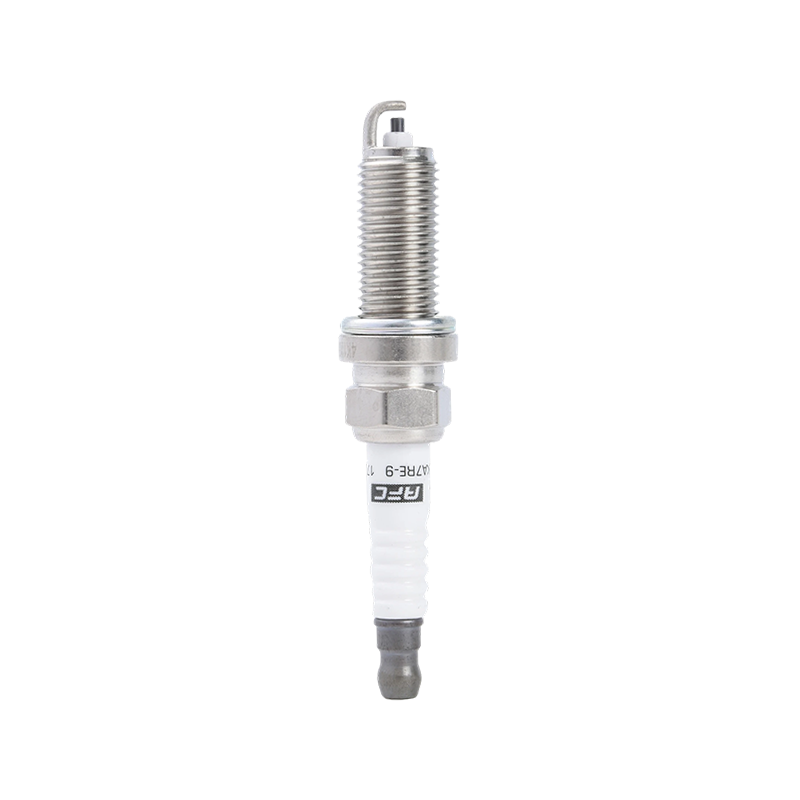
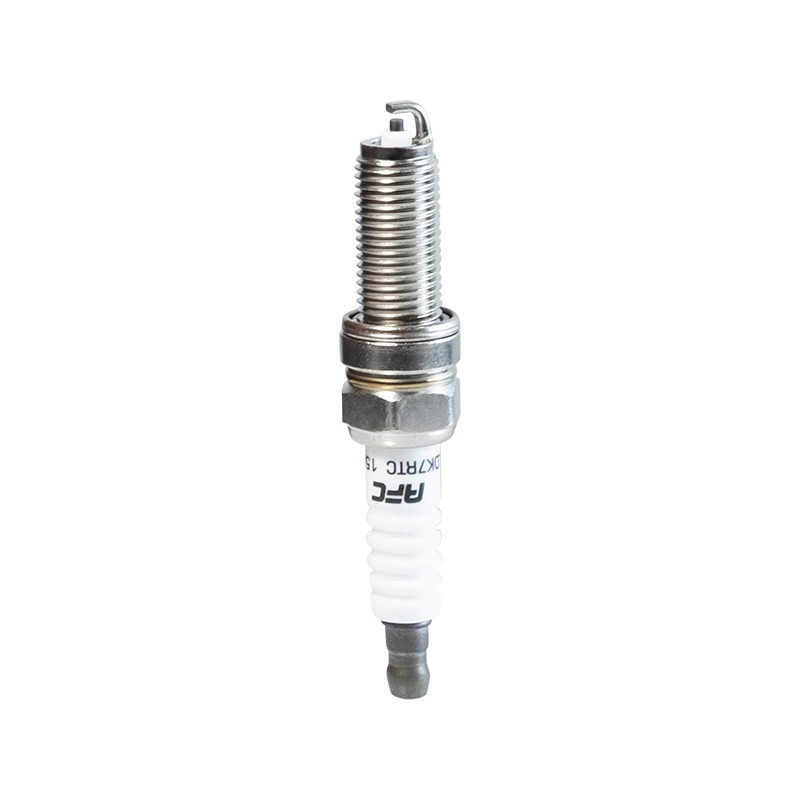
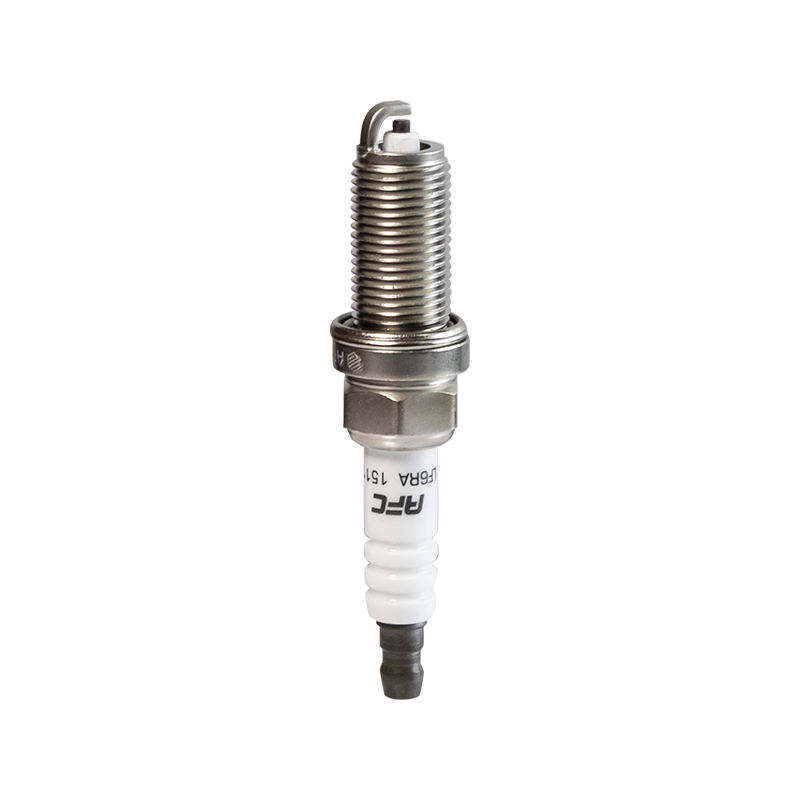
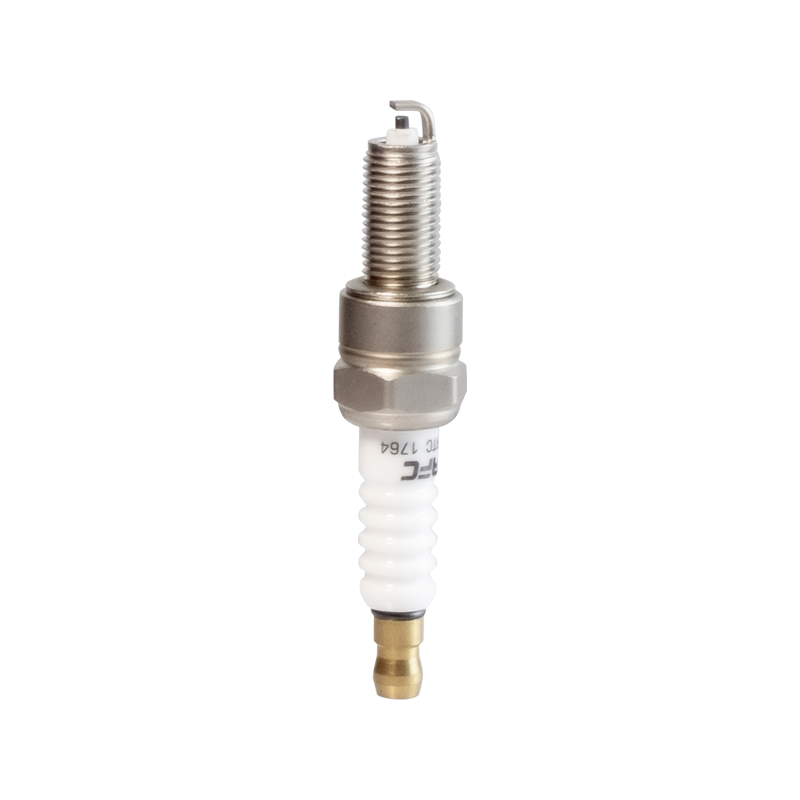
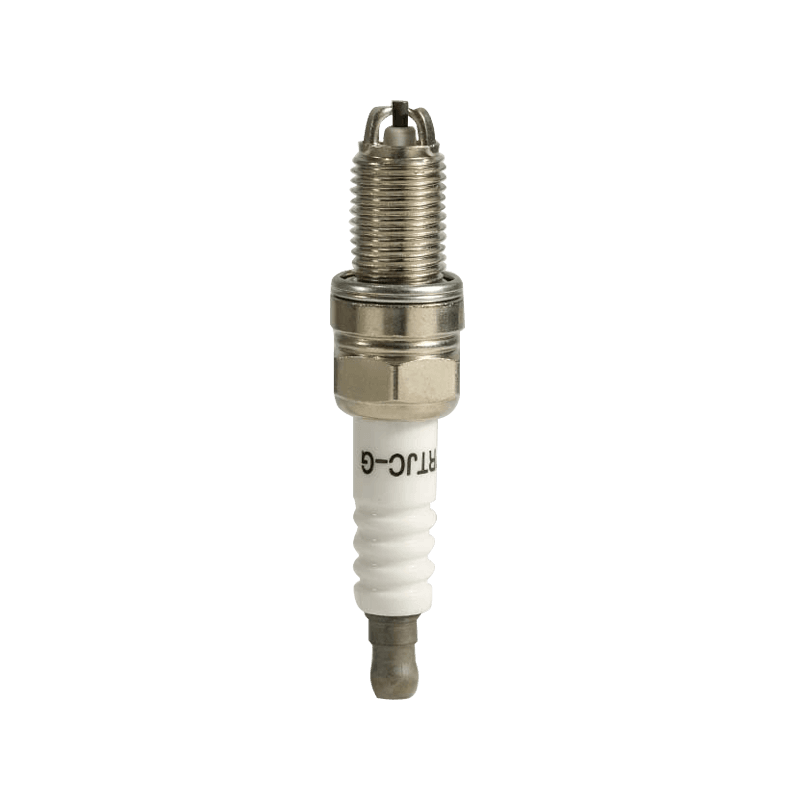
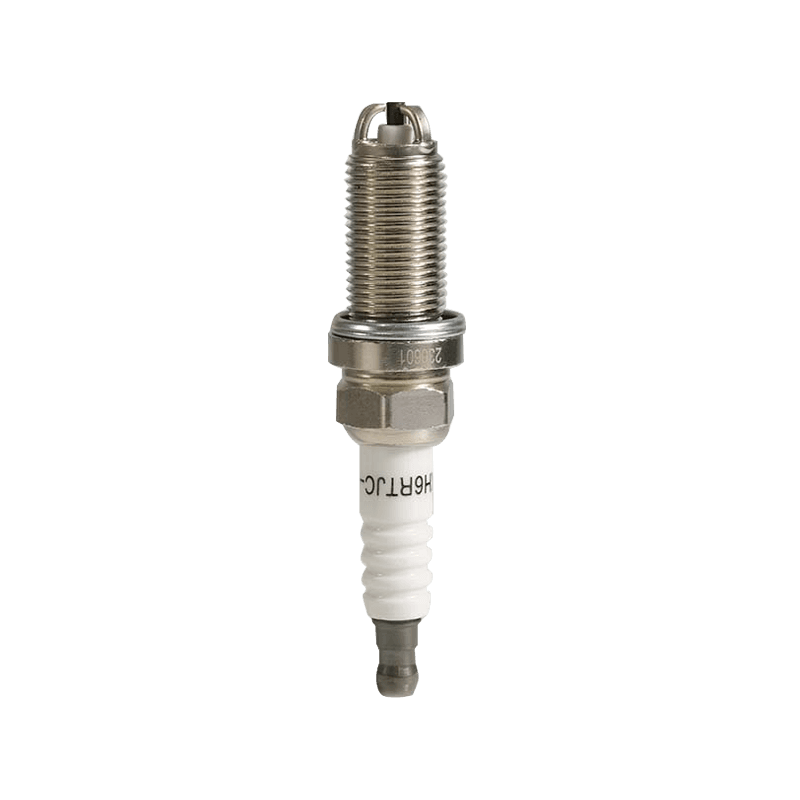
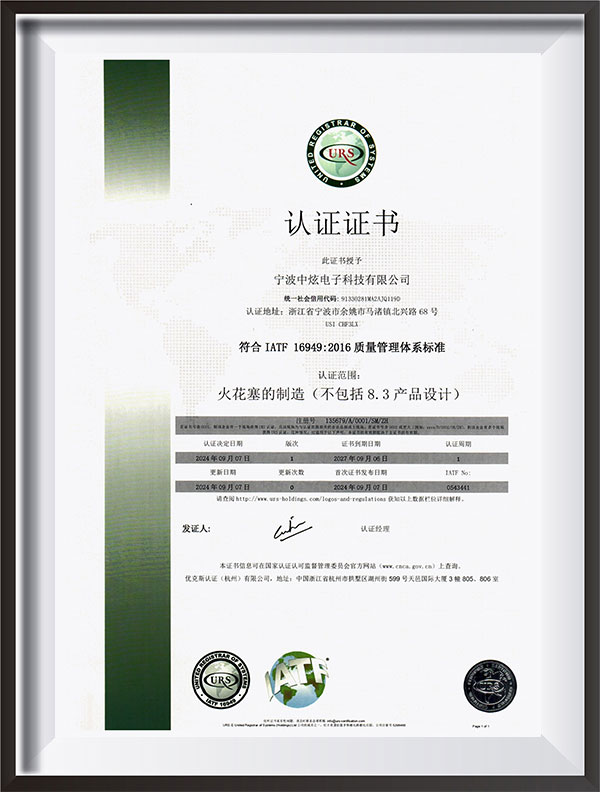
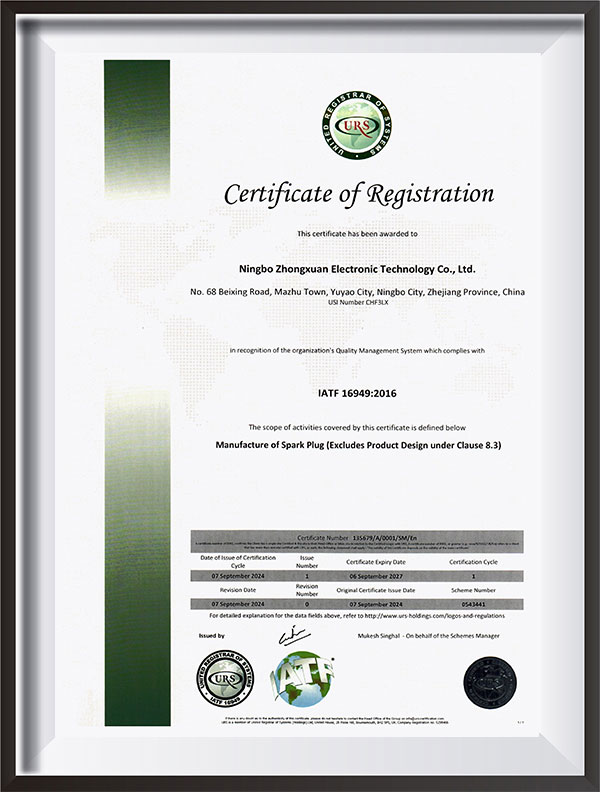
Nickel copper spark plugs for Chinese cars occupy a specific and well-established niche in the global automotive ignition market. Designed to meet the electrode geometry, thread pitch, and heat-range requirements of domestic Chinese engine platforms — from economy compact sedans to commercial vans — these plugs combine a nickel-alloy center electrode with a copper core to balance thermal conductivity, service life, and cost-effectiveness. As Chinese-branded vehicles continue expanding into Southeast Asia, the Middle East, and Eastern Europe, the supply chain for compatible ignition components has grown correspondingly more sophisticated, with specialized manufacturers developing product lines mapped precisely to engine codes found in widely distributed Chinese automotive platforms.
Why the Copper Core Design Works for Chinese Engines
Copper has a thermal conductivity of roughly 400 W/m·K, compared to about 12 W/m·K for standard nickel alloys. In a spark plug, this property matters at the center electrode: a copper core pulls heat away from the tip quickly, reducing the risk of pre-ignition even in engines running modest compression ratios. Chinese passenger car engines in the 1.0 L–1.6 L displacement range — dominant in models produced by mainstream domestic brands — typically run compression ratios between 9.5:1 and 11.5:1, making them well suited to nickel copper construction rather than requiring the more expensive precious-metal alternatives.
The nickel alloy outer electrode provides the wear resistance needed to handle the repeated spark discharge cycle. A typical nickel copper spark plug in normal service will fire approximately 1,800 times per minute at highway rpm. Over a service interval of 30,000 km, that translates to hundreds of millions of discharge events — enough to erode a pure copper electrode but well within the tolerance of a nickel-clad design.
Thermal Conductivity Comparison (W/m·K)
Material thermal conductivity — higher values dissipate heat more rapidly from the electrode tip
Fitment Specifics: Thread, Reach, and Heat Range
Chinese engine architectures have historically drawn on a range of design lineages — some derived from Japanese platforms, others from European joint-venture engines, and an increasing number of fully indigenous designs. This means the fitment landscape for nickel copper spark plugs covering Chinese cars is notably broad, with thread diameters spanning M14×1.25 and M12×1.25, seat styles mixing tapered and flat gasket types, and thread reach lengths ranging from 17.5 mm to 26.5 mm depending on cylinder head design.
| Engine Displacement | Thread Size | Seat Type | Typical Heat Range |
|---|---|---|---|
| 1.0 L – 1.3 L | M14×1.25 | Tapered | 5–6 |
| 1.4 L – 1.6 L | M14×1.25 | Flat gasket | 6–7 |
| 1.8 L – 2.0 L | M12×1.25 | Flat gasket | 7–8 |
| 2.0 L+ (SUV / Van) | M14×1.25 | Flat gasket | 7–9 |
Heat range is particularly consequential. A plug running too cold will foul with carbon deposits in stop-and-go city driving — the dominant use pattern in Chinese urban markets. A plug running too hot risks pre-ignition under sustained highway loads. Getting this parameter right for each specific engine variant is part of the technical work that a competent spark plug supplier must get right before releasing a part number for a given application.
How NINGBO ZHONGXUAN ELECTRONIC TECHNOLOGY CO., LTD Approaches This Market
NINGBO ZHONGXUAN ELECTRONIC TECHNOLOGY CO., LTD operates with a clear internal standard: act on initiative, take entrepreneurial responsibility, and pursue goals with determination. In a product category like nickel copper spark plugs for Chinese cars — where application coverage, dimensional accuracy, and consistent quality are the real differentiators — this attitude is not abstract. It shows up in decisions like committing to catalog a complete range of fitments for smaller-volume engine families that other suppliers skip, rather than concentrating only on the highest-volume applications.
The company also places direct emphasis on working and collaborating in a spirit of trust and communicating openly. In practice, this means technical communication with distributors and end-market mechanics is treated as a genuine exchange rather than a one-way push of marketing materials. When a fitment question arises about a less-common engine variant — say, a turbocharged 1.5 L unit from a smaller domestic manufacturer — the response is straightforward technical data, not deflection.
This combination of self-initiated responsibility and open communication matters in a market where counterfeit and substandard spark plugs remain a documented problem. Buyers working with suppliers whose internal culture treats accountability seriously are less likely to receive product that cuts corners on electrode metallurgy or gap consistency.
Practical Performance Indicators for Nickel Copper Plugs
Qualitative performance profile of nickel copper spark plugs across six evaluation dimensions
- Electrode gap stability: A new nickel copper plug is typically shipped with a pre-set gap of 0.8 mm–1.1 mm depending on application. Gap growth over the service interval should not exceed 0.3 mm before replacement is recommended — beyond that, the ignition coil has to work harder to fire across the widened gap, increasing energy demand and potentially causing misfires.
- Insulator condition: The ceramic insulator tip color after normal operation should be a light tan or gray. Black sooty deposits suggest a rich mixture or fouled condition; white or blistered insulators point to overheating or a plug that is too hot for the application.
- Torque on installation: M14 nickel copper plugs with a flat seat gasket require 25–30 N·m of torque; tapered seat designs use 10–15 N·m. Under-torquing causes heat transfer problems; over-torquing risks thread damage in aluminum heads.
The Aftermarket Supply Chain for Chinese Car Spark Plugs
The aftermarket for nickel copper spark plugs covering Chinese car platforms has expanded significantly alongside the growth of Chinese-brand vehicle exports. Markets like Russia, Chile, South Africa, and the Gulf states now carry meaningful installed bases of Chinese passenger cars in need of periodic ignition service. A key challenge for distributors in these regions is matching a part to an engine code without direct access to comprehensive application data.
Illustrative growth in export aftermarket demand (indexed, 2019=100)
Index values are illustrative based on general export volume trends in Chinese vehicle aftermarket segments
Suppliers who invest in clear, accessible application lookup tools — whether published cross-reference sheets or digital catalog systems — create real value for their distribution partners. This is one area where open communication, a core operating principle at NINGBO ZHONGXUAN, translates directly into a practical competitive advantage: a distributor who can confidently identify the correct nickel copper plug for an unfamiliar engine code places orders more quickly and with fewer returns.
Frequently Asked Questions
How often should nickel copper spark plugs be replaced in Chinese car engines?
Most nickel copper plugs are rated for 30,000 km service intervals under normal conditions. In heavy city traffic with frequent cold starts — a common pattern in Chinese urban markets — intervals closer to 20,000–25,000 km are more appropriate. Always check the vehicle manufacturer's specified interval first, as it reflects the calibrated heat range for that engine.
Can nickel copper plugs be used in turbocharged Chinese engines?
This depends on the specific engine and its thermal load. Turbocharged engines generally produce more heat in the combustion chamber, which can shorten the service life of nickel copper plugs and in some high-boost applications may require a colder heat range or a precious-metal alternative. For lower-boost Chinese turbocharged units producing under 150 hp, a correctly specified nickel copper plug with the right heat range often remains viable, but verification against the OEM specification is important.
What does "copper core" mean in practical terms for the mechanic installing the plug?
The copper core is internal — it is not visible and does not change the installation procedure. From the mechanic's perspective, the plug installs exactly like any standard threaded spark plug. The benefit of the copper core is realized during operation, where its superior heat conduction keeps the electrode tip temperature in the optimal firing range of approximately 450 °C – 850 °C. Below this range, deposits accumulate; above it, erosion and pre-ignition risk increase.
Why are nickel copper plugs often preferred over precious-metal types for Chinese car owners in export markets?
Price-to-performance ratio is the main reason. A nickel copper plug for a common Chinese platform typically costs 60–75% less than an equivalent iridium plug at the distributor level. For markets where vehicles are used as working tools rather than personal assets with long ownership cycles, the economics of a 30,000 km nickel copper plug replaced regularly are straightforward. Precious-metal plugs make more sense where extended intervals are prioritized or where the engine design mandates them.
How does NINGBO ZHONGXUAN handle technical inquiries about unusual fitments?
Consistent with the company's approach of working in a spirit of trust and communicating openly, technical inquiries about less-common engine fitments are treated as a normal and expected part of the supplier relationship. Distributors encountering unfamiliar engine codes from smaller Chinese domestic brands are encouraged to contact the team directly with the engine specification, and can expect a direct technical response rather than a referral to a generic catalog.