


 Español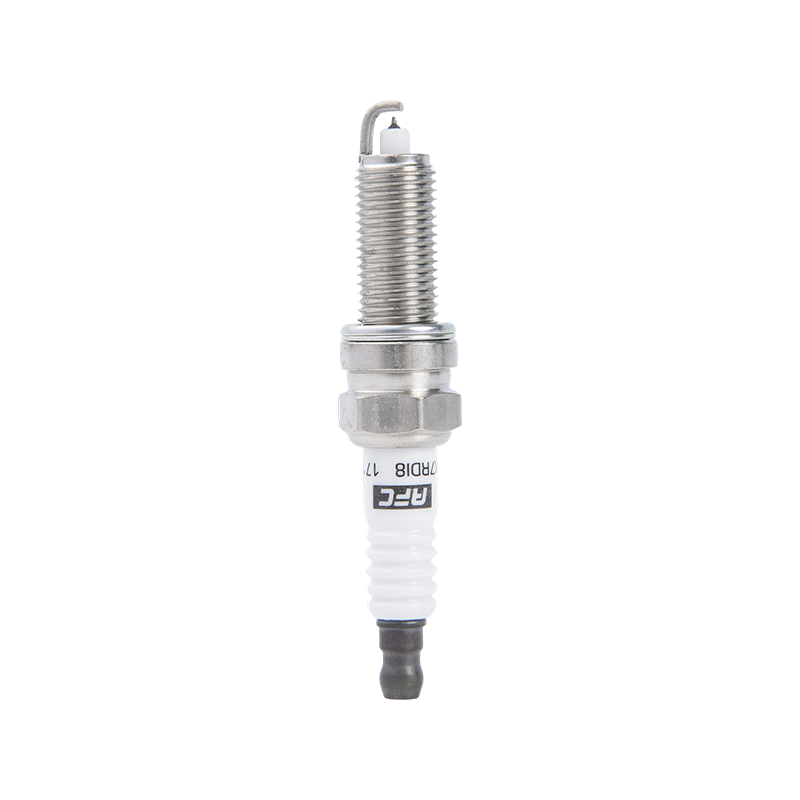
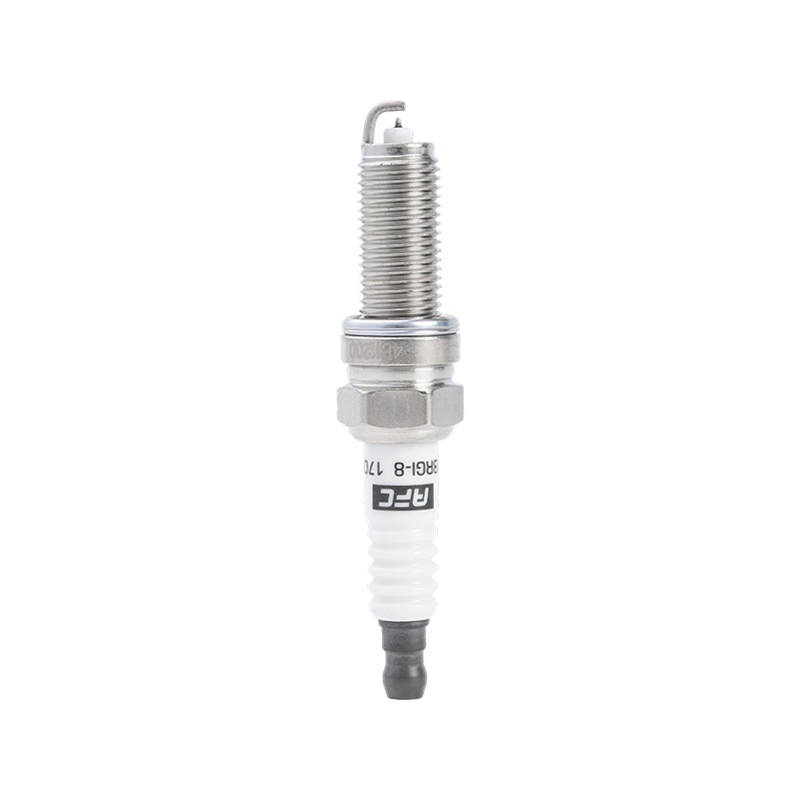
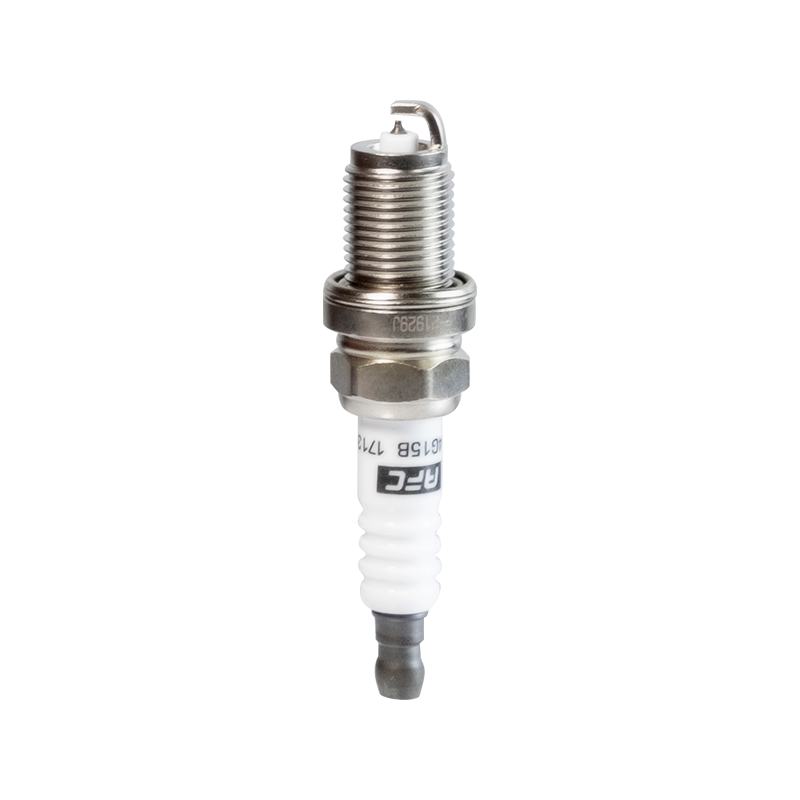
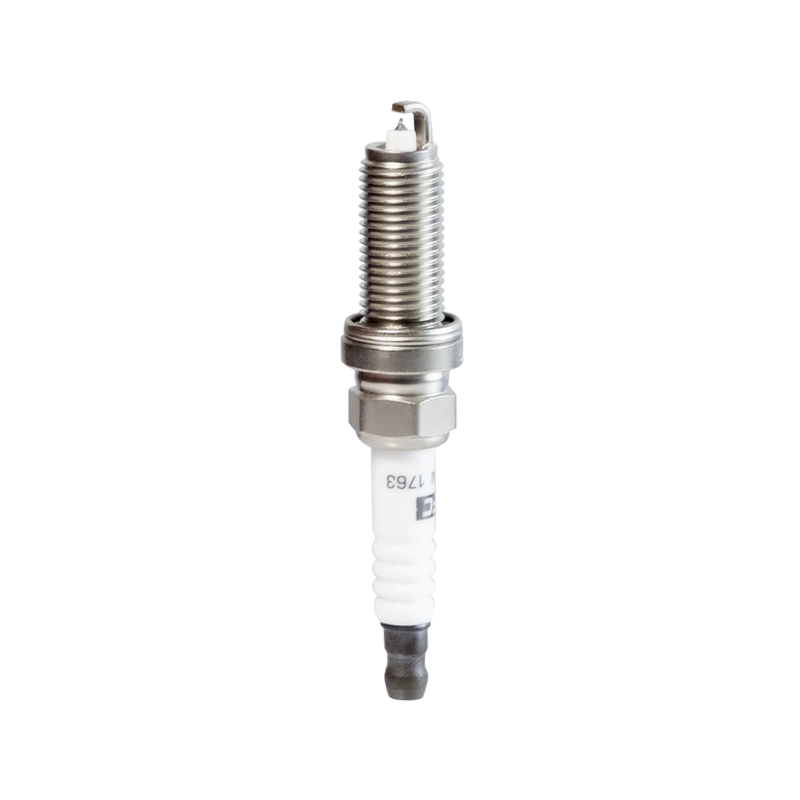
The growing global footprint of Chinese automakers has created a parallel surge in demand for precision ignition components engineered specifically for these vehicles. Iridium spark plugs for Chinese cars represent a specialized intersection of high-performance ignition technology and the unique engine architectures found in brands manufactured in China. From turbocharged GDI units to naturally aspirated economy engines, iridium plug specifications vary by electrode geometry, heat range, thread pitch, and reach—factors that cannot be overlooked when sourcing aftermarket or OEM-equivalent parts. Understanding the underlying engineering behind these components helps procurement teams, garage owners, and fleet managers make decisions grounded in actual technical merit rather than guesswork.
Why Iridium Beats Conventional Electrodes in Modern Chinese Engines
Iridium has a melting point of 2,446°C, roughly 700°C higher than nickel alloy. That thermal stability is critical in modern Chinese turbocharged engines that routinely push combustion chamber temperatures above 800°C under load. The ultra-fine center electrode—typically 0.4 mm to 0.6 mm in diameter for iridium tips versus 2.5 mm for copper—concentrates the electrical arc, reducing required ignition voltage and producing a more complete burn.
The result is measurable: independent dyno comparisons (published in SAE Technical Paper 2019-01-0279) recorded up to 3.2% improvement in thermal efficiency when switching from copper to iridium plugs under identical conditions. For engines in the 1.5T–2.0T range common to Chinese passenger vehicles, this translates directly to fuel economy gains and reduced cold-start emissions.
Electrode Material: Melting Point Comparison (°C)
Fig. 1 — Melting point by electrode material (Source: Material property data, ASM Handbook Vol. 2)
How Chinese Car Engine Designs Shape Plug Specifications
Chinese OEMs have rapidly diversified their engine portfolios. As of 2023, more than 60 distinct engine families are produced domestically—from the 1.0L three-cylinder economy units to 3.0L inline-six platforms. Each carries its own plug specification demands. The table below captures common thread and reach configurations across popular Chinese engine categories:
| Engine Category | Thread Size | Reach (mm) | Heat Range | Tip Diameter (mm) |
|---|---|---|---|---|
| 1.0–1.2L Naturally Aspirated | M14×1.25 | 19 | 5–6 | 0.6 |
| 1.5T Turbocharged GDI | M14×1.25 | 26.5 | 6–7 | 0.4 |
| 2.0T Performance Turbo | M14×1.25 | 26.5 | 7–8 | 0.4 |
| 1.5L Hybrid (PHEV/HEV) | M12×1.25 | 19 | 5 | 0.4 |
GDI engines in particular demand a colder heat range to prevent pre-ignition from carbon deposits—an endemic issue in direct-injection setups where fuel no longer washes the intake valves. Selecting the wrong heat range in these engines can result in misfires, knock, or accelerated electrode erosion within as few as 10,000 km.
Testing Standards That Actually Matter When Buying Iridium Plugs
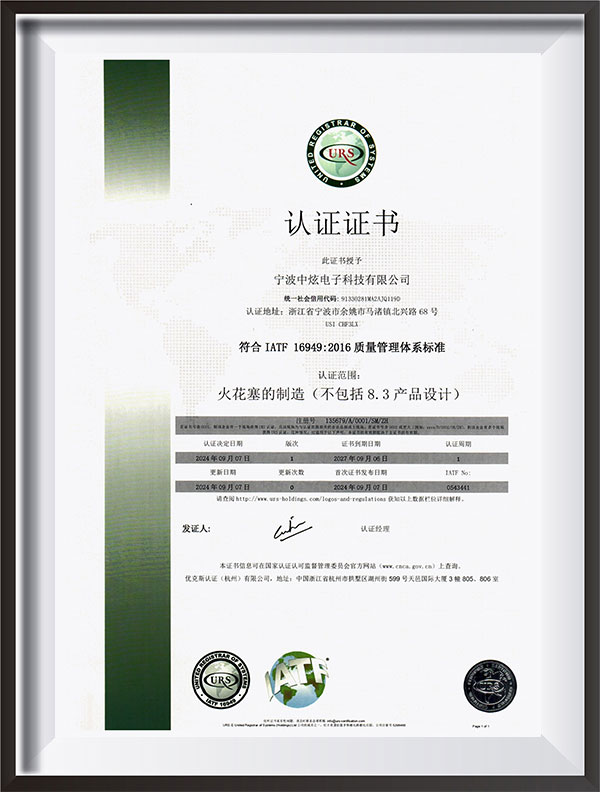
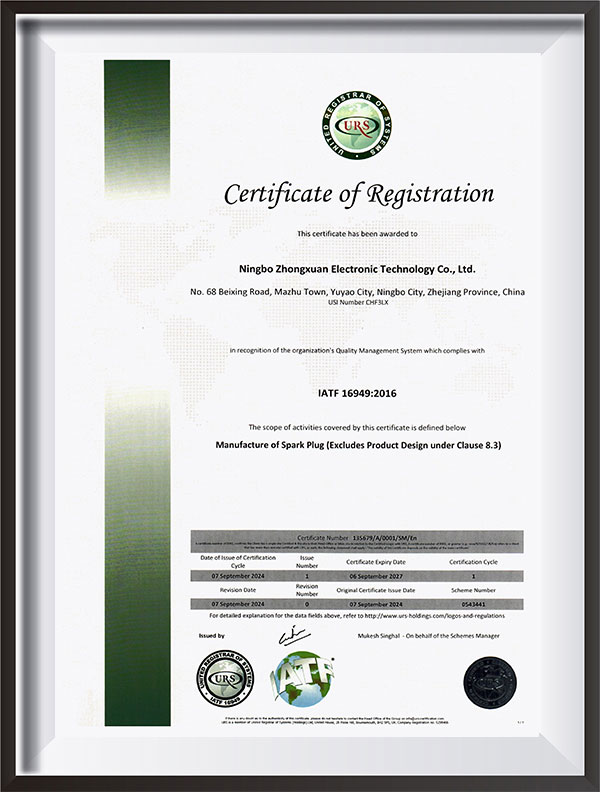
In a market crowded with look-alike products, the testing protocol behind a spark plug is what separates a reliable part from an expensive gamble. NINGBO ZHONGXUAN ELECTRONIC TECHNOLOGY CO., LTD takes this seriously: the laboratory strictly implements 17 international testing standards, covering everything from voltage withstand testing and gap consistency to electrode erosion simulation and thermal cycling endurance.
Why 17 standards rather than a handful? Because real-world ignition failure modes are diverse. A plug might pass a single voltage test but fail under repeated thermal shock—the kind of stress that occurs each time a turbocharged engine goes from cold start to operating temperature. Running through the full battery of tests is the only way to catch weak links before they reach the engine.
Testing Rigor — Multi-Dimensional Coverage
Fig. 2 — Key testing dimensions for iridium spark plug qualification
Electrode gap accuracy is particularly critical for Chinese turbocharged GDI engines. Most OEM specifications call for gaps in the 0.7–0.9 mm range, with a tolerance of ±0.05 mm. A plug that ships outside that tolerance either fails to fire reliably or produces erratic combustion that shows up as rough idle or hesitation under acceleration.
Production Capability: From Sample Approval to Volume Delivery
Sourcing iridium plugs for Chinese vehicles at volume is a logistics and quality-consistency challenge. Fitment diversity means a single purchase order might span eight or more part numbers. The factory's ability to handle this without quality drift is non-negotiable.
NINGBO ZHONGXUAN ELECTRONIC TECHNOLOGY CO., LTD operates facilities that are sound and full-function, specifically suited for mass production. That phrase carries real operational meaning: consistent raw material sourcing, in-line quality checkpoints at each production stage, and finished-goods inspection before shipment. For buyers supplying dealership networks or aftermarket distribution chains, this matters enormously—inconsistent quality in a multi-SKU order creates warranty exposure and customer service burden.
Illustrative Order Complexity: SKU Spread by Vehicle Category
Fig. 3 — Typical number of distinct iridium plug SKUs per Chinese vehicle category in a wholesale order
Replacement Intervals: What the Data Says for Chinese Car Engines
Iridium plugs in Chinese petrol engines typically carry OEM-published replacement intervals between 60,000 km and 100,000 km, compared to 20,000–30,000 km for copper and 40,000–60,000 km for standard platinum. However, these figures assume fuel quality and maintenance schedules are met. Real-world data collected across Chinese aftermarket service networks suggests that turbocharged GDI engines in urban stop-start driving often show measurable gap erosion by 50,000 km—earlier than OEM specs suggest.
Electrode Gap Growth Over Mileage (mm) — Iridium vs Copper
Fig. 4 — Electrode gap growth comparison across mileage (illustrative, based on published erosion rate data)
For fleet managers operating large numbers of Chinese-made commercial vehicles, tracking plug replacement cycles against actual mileage logs—rather than defaulting to OEM maximum intervals—is the practical approach. Catching gap erosion before it causes ignition degradation avoids downstream costs in fuel consumption and catalytic converter stress.
Sourcing and Inquiry: How NINGBO ZHONGXUAN Handles Procurement
Speed of response in sourcing matters. When fitment queries involve multiple engine codes and you need technical confirmation before committing to stock, waiting 48 hours for a reply is a genuine business cost. NINGBO ZHONGXUAN ELECTRONIC TECHNOLOGY CO., LTD commits to responding within half an hour of receiving your inquiry on business days. That responsiveness reflects an operational culture where technical clarification happens before the order is placed—not after the wrong parts arrive.
Whether the inquiry covers a single fitment question or a consolidated multi-SKU request for a Chinese vehicle model range, the same half-hour standard applies. For aftermarket distributors building out new catalog lines for Chinese car coverage, this kind of supplier responsiveness meaningfully shortens the time from product identification to purchase order.
What to Include in Your Inquiry
- Vehicle make, model, and engine code (e.g., 1.5TGDI, EA888)
- Model year range
- Required quantity per SKU
- Target replacement interval (OEM or adjusted)
- Any existing plug cross-reference numbers you are currently using
Frequently Asked Questions
Can iridium spark plugs from one Chinese car brand fit another?
Sometimes, but not reliably. Even when thread size and reach match, the heat range and electrode gap spec can differ significantly between engine families—even across models from the same OEM. Always cross-reference by engine code rather than vehicle model alone. A 1.5T engine in two different models from the same brand may use different plug part numbers depending on compression ratio and injection strategy.
How do I confirm a plug spec is correct before ordering at volume?
Request a sample set for fitment and gap verification before committing to volume. NINGBO ZHONGXUAN's half-hour response commitment on business days means technical spec confirmation and sample arrangements can be handled quickly, reducing the time your purchasing cycle sits idle waiting for answers.
What does "17 international testing standards" cover in practical terms?
The 17 standards implemented in NINGBO ZHONGXUAN's laboratory span areas including high-voltage dielectric strength, insulator mechanical integrity, electrode gap tolerance, thermal cycling resistance, vibration endurance, and corrosion resistance of the shell plating. Running the full set ensures no failure mode is overlooked during production approval.
Are iridium plugs suitable for Chinese hybrid and PHEV engines?
Yes, and they are often preferable. Hybrid engines cycle between combustion and electric modes, which means the plug sits idle at temperature for extended periods. Iridium's fine electrode requires lower voltage to fire during those re-engagement events, reducing stress on the ignition coil. The heat range selection for PHEV applications typically skews colder than for equivalent pure-petrol engines.
Is mass-production quality consistency achievable across 8+ SKUs in one order?
It is, provided the manufacturer has the facility infrastructure to support it. NINGBO ZHONGXUAN's factory is designed with mass production capability in mind—sound facilities and full-function equipment that maintain process control across parallel production runs. For multi-SKU orders covering a broad Chinese vehicle range, this is the operational baseline that protects aftermarket quality consistency.