


 Español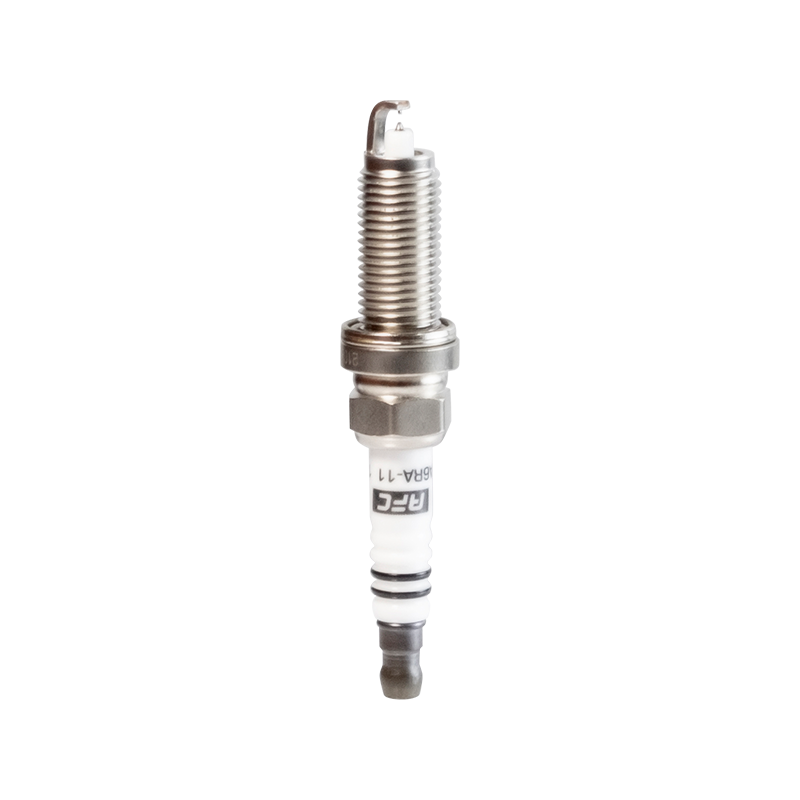
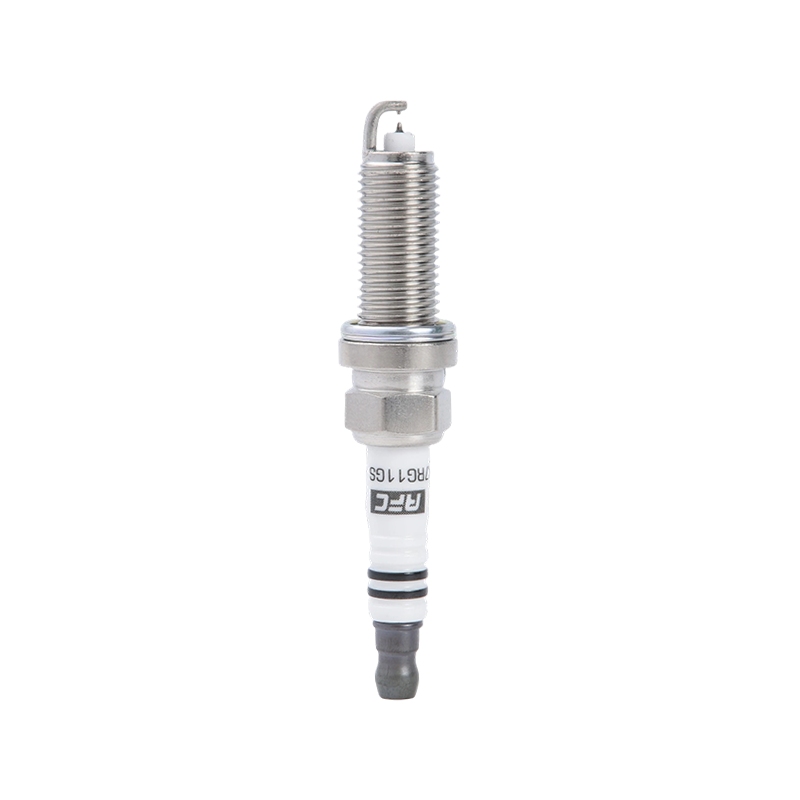
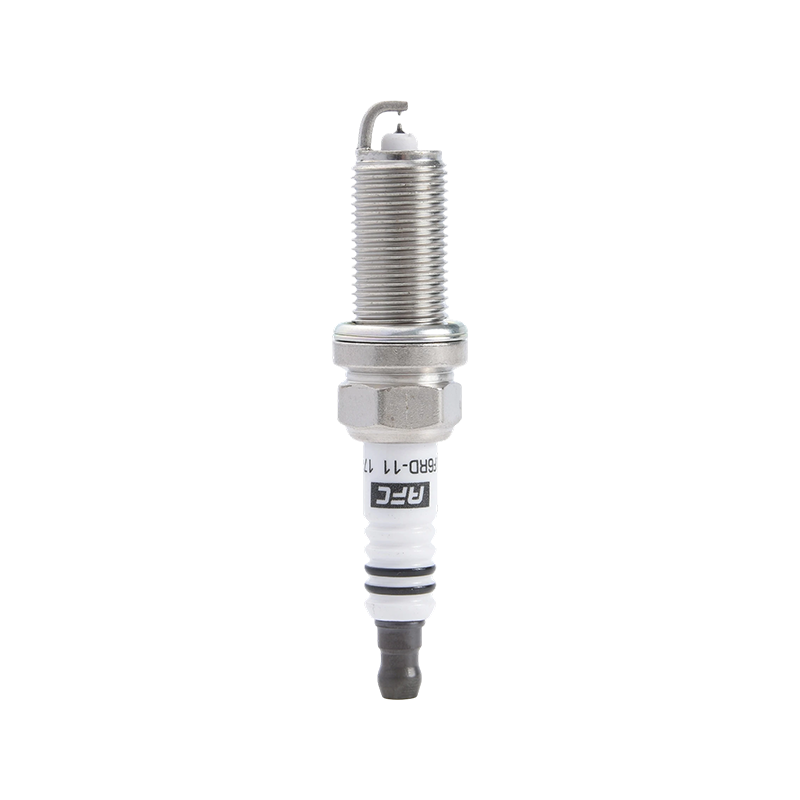
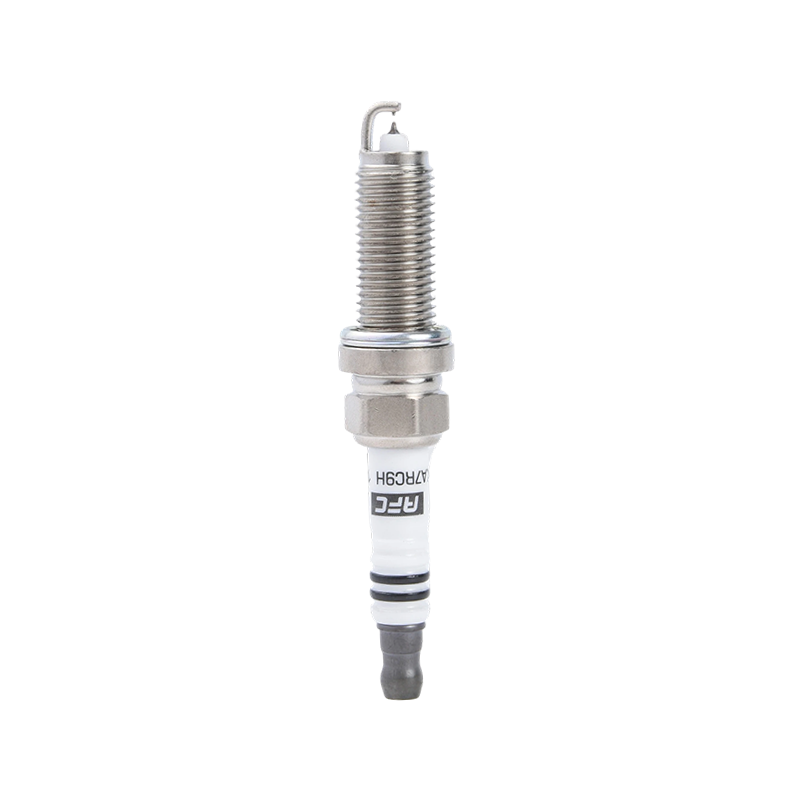
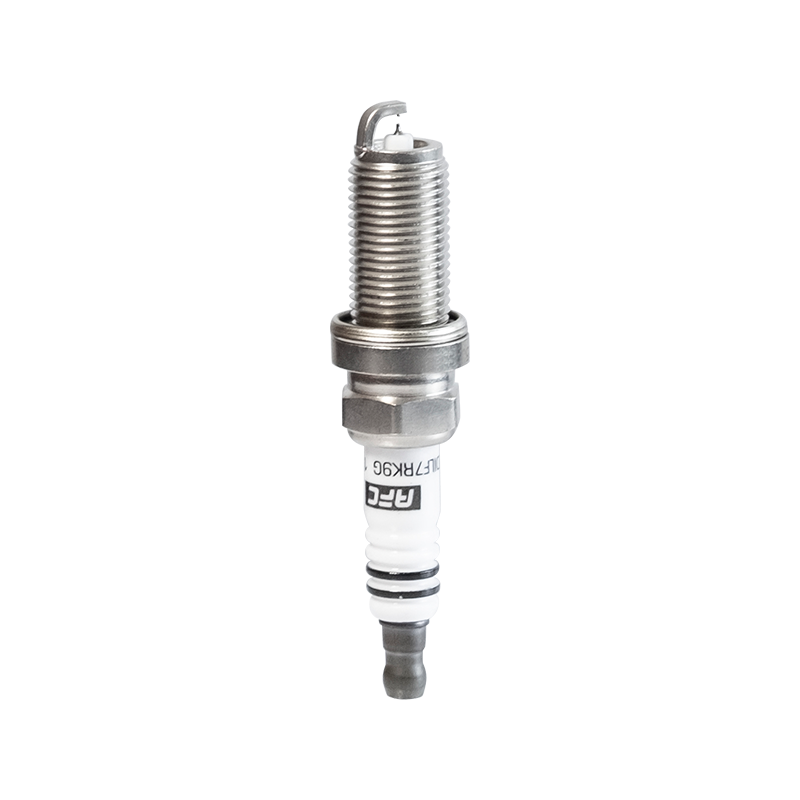
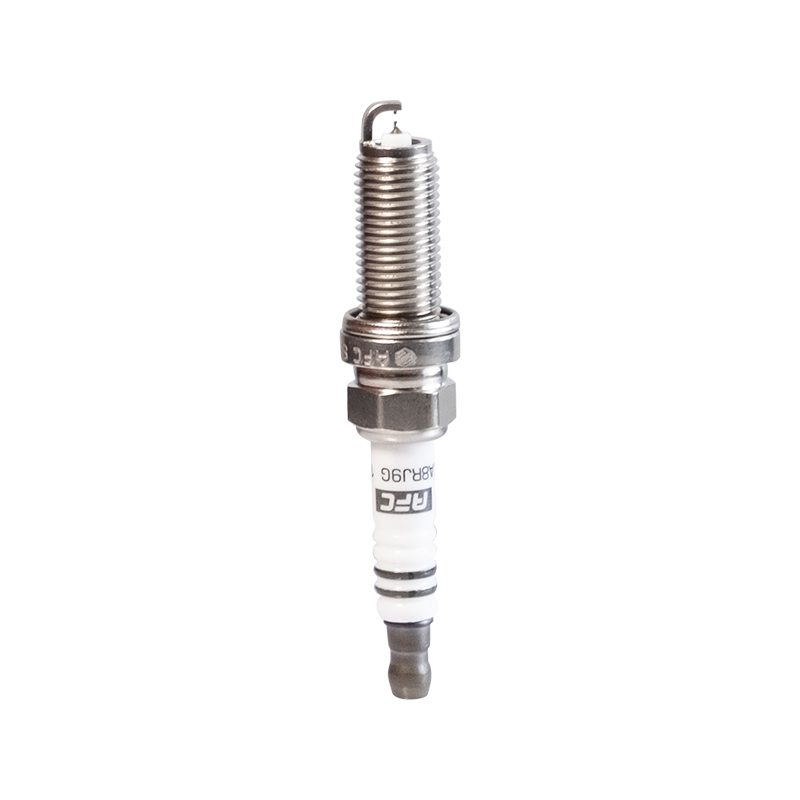
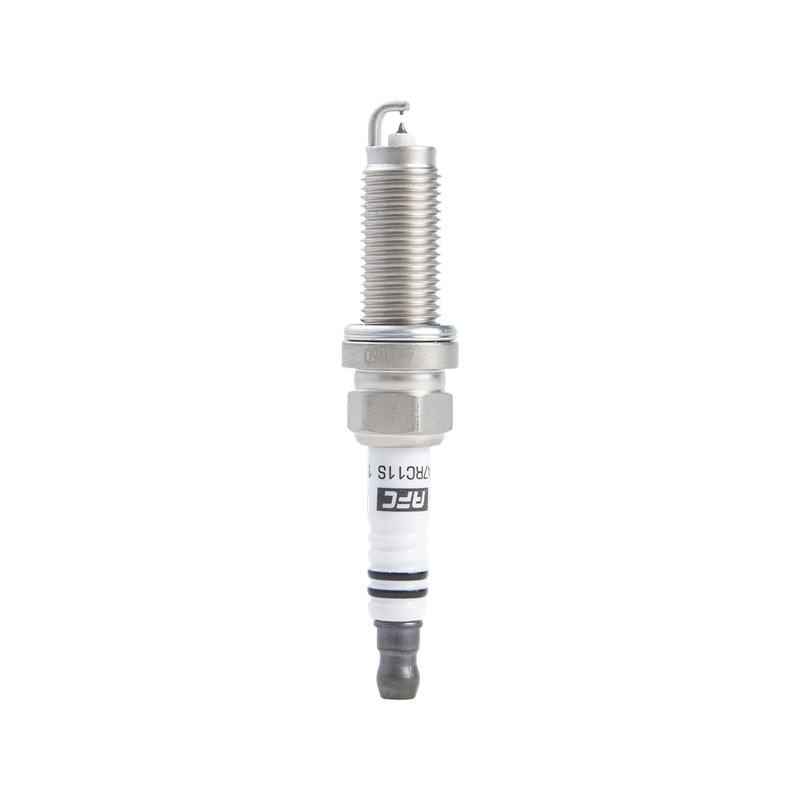
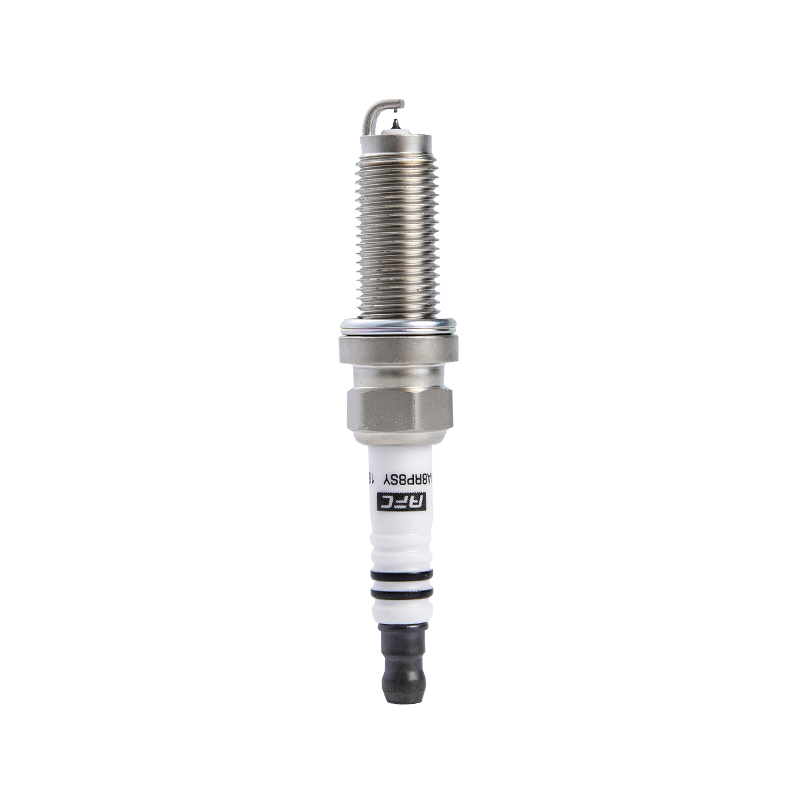
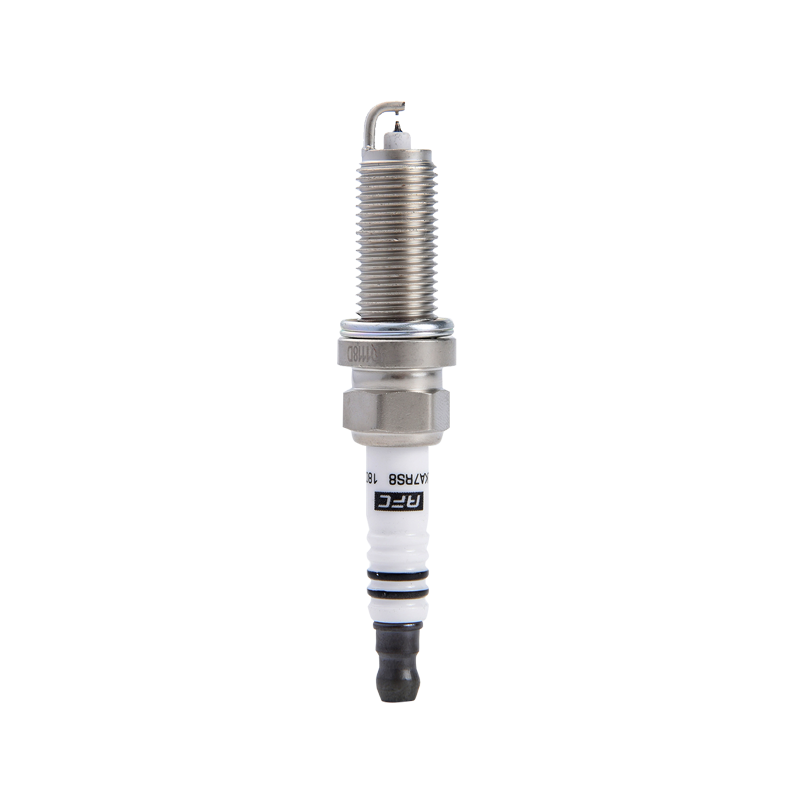
The double iridium spark plug for Japanese cars represents one of the most significant advances in ignition technology for vehicles produced by Japanese automakers. Unlike conventional copper or single-platinum plugs, double iridium plugs feature iridium alloy on both the center electrode and the ground electrode tip — delivering more consistent spark energy, reduced voltage demand, and extended service life. Japanese vehicle platforms, from compact sedans to turbocharged performance engines, place particularly demanding requirements on ignition components due to their tight electrode gap tolerances and high compression ratios. Understanding how double iridium technology interacts with these specific engine architectures is the foundation for anyone sourcing or specifying spark plugs for Japanese car applications.
Why Japanese Engines Demand Iridium-Grade Ignition
Japanese automakers have long pushed compression ratios and fuel atomization beyond what North American or European mainstream engines typically require. Many naturally aspirated Japanese engines run compression ratios between 10.5:1 and 13:1, while modern turbocharged variants push cylinder pressures even further. At these pressures, the spark must fire reliably every time — misfires under load translate directly into catalytic converter damage and drivability complaints.
The double iridium design addresses this by using iridium on both electrodes, not just the center pin. Iridium's melting point of approximately 2,446°C (4,435°F) is the highest of any pure metal used in spark plug manufacturing — this matters because electrode tip erosion is the primary failure mechanism in high-load applications. When both electrodes are iridium-tipped, wear is distributed, and the gap grows far more slowly than in single-platinum or copper designs.
Electrode Gap Growth After 60,000 km (Approximate Industry Benchmarks)
Source: General industry wear-rate comparisons compiled from electrode material specifications and published plug manufacturer technical data
For Japanese car owners and fleet operators, the practical implication is a service interval that genuinely extends to 100,000 km or beyond on most non-turbocharged platforms — compared to 30,000–40,000 km for copper plugs and around 60,000 km for single platinum. That interval difference is not a marketing figure; it derives directly from the material hardness and melting resistance of iridium alloy at the electrode tip.
How Cold Sealing and Galvanizing Technology Affect Real-World Performance
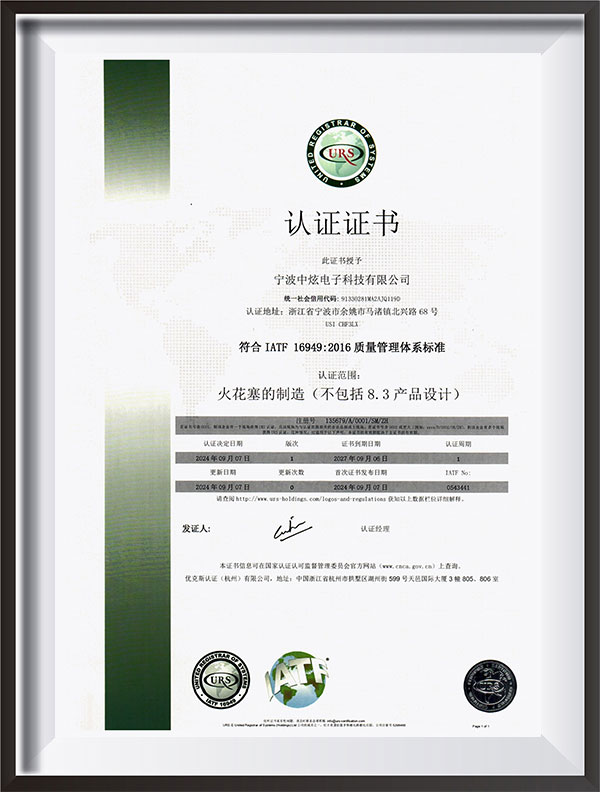
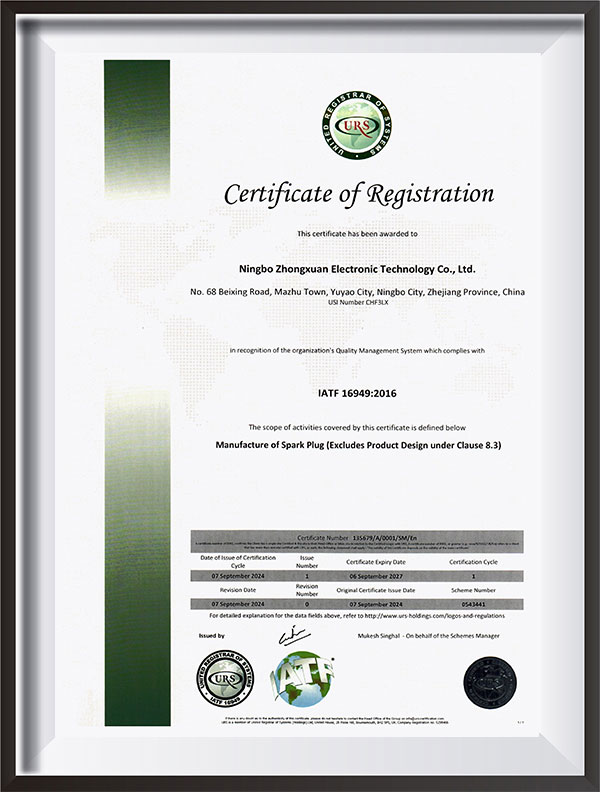
The electrode tip is only part of the equation. The shell and sealing of a spark plug determine whether it can handle the thermal cycling of a Japanese engine over hundreds of thousands of ignition events without loosening, corroding, or leaking combustion gases. NINGBO ZHONGXUAN ELECTRONIC TECHNOLOGY CO., LTD has developed mature Japanese cold sealing technology and galvanizing technology that directly addresses this vulnerability. Cold sealing — a process that crimps and compresses the shell without heat distortion — maintains dimensional accuracy around the insulator seat, preventing micro-gaps that can cause combustion leakage at high cylinder pressures.
Nickel plating on the shell provides corrosion resistance in the wet, salt-laden environments that Japanese coastal regions, and many export markets, regularly present. A well-galvanized shell resists the galling (cold welding) that makes spark plug removal destructive after extended service intervals — an issue that is disproportionately common on aluminum cylinder heads used across Japanese vehicle platforms from the 1990s onward.
Double Iridium Plug Performance Profile for Japanese Engines
Relative performance ratings based on material properties and NINGBO ZHONGXUAN ELECTRONIC TECHNOLOGY CO., LTD manufacturing process specifications
Turbocharged Japanese Engines: A More Demanding Ignition Environment
Boosted Japanese engines — covering a broad range from small displacement inline-fours to legendary six-cylinder configurations — create conditions that expose standard spark plugs to accelerated fouling, pre-ignition risk, and electrode erosion. Boost pressure compresses the air-fuel charge more aggressively, raising in-cylinder temperatures and demanding that the plug fire at higher voltages while simultaneously shedding heat faster to avoid glowing.
NINGBO ZHONGXUAN ELECTRONIC TECHNOLOGY CO., LTD has invested specifically in turbocharged special spark plug technology over many years of research and development. This engineering focus means the company's double iridium plugs for Japanese cars are not generic adaptations of naturally aspirated designs — the heat range selection, electrode geometry, and shell sealing are calibrated for the pressure and thermal spikes that boost-equipped engines generate under load.
Required Firing Voltage — Turbocharged vs NA, Double Iridium vs Copper (kV)
Illustrative voltage demand curves based on electrode diameter effects and boost pressure data from automotive ignition engineering literature
The fine iridium tip — typically 0.4–0.6 mm diameter on premium double iridium designs — concentrates the arc at a single point, which reduces the required firing voltage by roughly 20–30% compared to a worn conventional electrode. That voltage margin becomes a safety buffer in turbocharged applications: it means the coil is not operating near saturation at high RPM under boost, reducing the chance of a failed spark event.
Sourcing Strategy: Why Factory-Direct Matters for Japanese Car Plugs
The double iridium spark plug market for Japanese car is layered with intermediaries — regional distributors, repackagers, and aftermarket aggregators each adding margin without adding technical value. For workshops, importers, and OEM parts suppliers, working directly with an integrated manufacturer and trader like NINGBO ZHONGXUAN ELECTRONIC TECHNOLOGY CO., LTD changes the cost and quality picture substantially.
Because NINGBO ZHONGXUAN directly oversees its own production line, quality control is not a post-production audit — it is embedded in the process. Any technical question about electrode gap tolerance, heat range, or shell thread specification can be communicated directly with the engineering team, without the information loss that occurs when the same question passes through a distributor who may not have manufacturing access.
Multi-Tier Distribution
- Price marked up 2–4x over factory cost
- Technical queries answered by sales staff, not engineers
- Customization (logo, packaging) either unavailable or slow
- Lead times extend with each intermediary layer
Factory-Direct (NINGBO ZHONGXUAN)
- Most competitive factory pricing, no middleman margin
- Direct access to production engineers for technical queries
- Flexible small-batch customization: logo, packaging, spec
- Faster response to quality or design change requests
Cooperation models cover the full range of business needs. OEM arrangements — where the manufacturer produces to the buyer's brand and packaging — suit workshops or distributors building a house brand. ODM adds design services when the buyer needs a new specification developed. For distributors who prefer a ready-to-sell product, NINGBO ZHONGXUAN's own branded plugs or neutral white-box packaging are both available, with all packaging materials customizable to match any target market's language, graphic standards, or shelf format.
Matching Double Iridium Plugs to Japanese Engine Families
Japanese vehicles span an unusually wide range of engine architectures — from small three-cylinder kei car units to high-revving naturally aspirated sports engines to direct-injection turbocharged family crossovers. Plug selection is not interchangeable across these families; heat range, thread reach, and electrode configuration all vary.
| Engine Type | Typical Heat Range | Thread Reach | Key Consideration |
|---|---|---|---|
| Kei / small NA petrol | 5–6 (hot) | 19–26.5mm | Avoid carbon fouling at low loads |
| Mid-size NA sedan | 6–7 | 26.5mm | Balanced interval vs performance |
| High-revving sports (VTEC, VVT-i) | 7–8 | 26.5mm | Fine tip for high-RPM ignitability |
| Turbocharged (modern DI) | 8–9 (cold) | 26.5mm | Heat shedding, pre-ignition resistance |
Typical Service Interval by Plug Type — Japanese Passenger Car Applications (km)
Approximate service intervals based on published plug manufacturer recommendations and workshop data from Japanese vehicle markets
Frequently Asked Questions
Can double iridium plugs be used as a direct replacement for the OEM plugs in Japanese cars?
In most cases, yes — provided the heat range and thread specification match. Many Japanese manufacturers already spec iridium plugs from the factory for their higher-trim models, so the fitment pattern is well-established. Always cross-reference against the vehicle's OEM plug part number before substituting, and confirm thread reach, seat style (flat or tapered), and hex size.
What is the difference between OEM, ODM, and OBM cooperation when sourcing from a factory?
OEM means the factory manufactures a product to your specifications under your brand — no design input from the supplier. ODM includes design services: the factory develops or modifies the product design as well as manufacturing it. OBM (Own Brand Manufacturing) means the factory creates, designs, produces, and sells under its own brand name. For most distributors new to direct factory sourcing, OEM with white-box neutral packaging is a low-commitment entry point — NINGBO ZHONGXUAN supports all three models.
Does the iridium tip on the ground electrode actually make a measurable difference?
Yes, and it is particularly noticeable over extended service intervals. In a single iridium design, the ground electrode is typically nickel alloy, which erodes faster than the iridium center. Over 60,000–80,000 km the gap widens asymmetrically — the center stays tight but the ground electrode wears back, reducing ignitability and increasing required firing voltage. Double iridium eliminates this asymmetry: both tips maintain their geometry, which is why double iridium designs hold tighter gap tolerances across the full service life.
Why does shell construction matter as much as electrode material?
A premium electrode installed in a poorly sealed shell can still fail. Combustion gas leakage past the insulator seat raises temperatures around the thread and compromises the ground electrode connection. On aluminum cylinder heads — standard across Japanese vehicle platforms — a corroded or improperly galvanized shell can seize in the bore, making removal destructive and expensive. Cold sealing and quality nickel galvanizing, as applied in NINGBO ZHONGXUAN's production process, are not cosmetic features; they are structural requirements for reliable long-interval performance.
Is small-batch customization practical when ordering from a Chinese manufacturer?
It depends on the factory's setup. For integrated manufacturers like NINGBO ZHONGXUAN ELECTRONIC TECHNOLOGY CO., LTD, flexible small-batch customization — covering logo printing, box design, language variations on packaging, and specification changes — is a direct service rather than something negotiated through a third party. Because the factory controls its own production line, minimum order quantities for branded runs can be kept lower than what a trading company middleman would typically accept, and turnaround time for packaging changes is faster since there is no approval chain outside the factory.