


 Español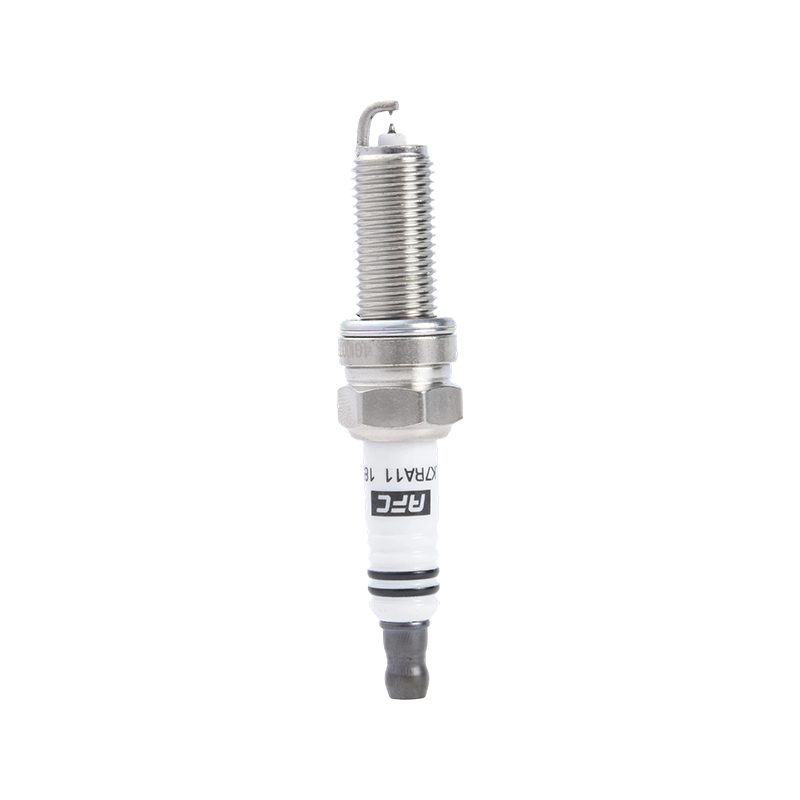
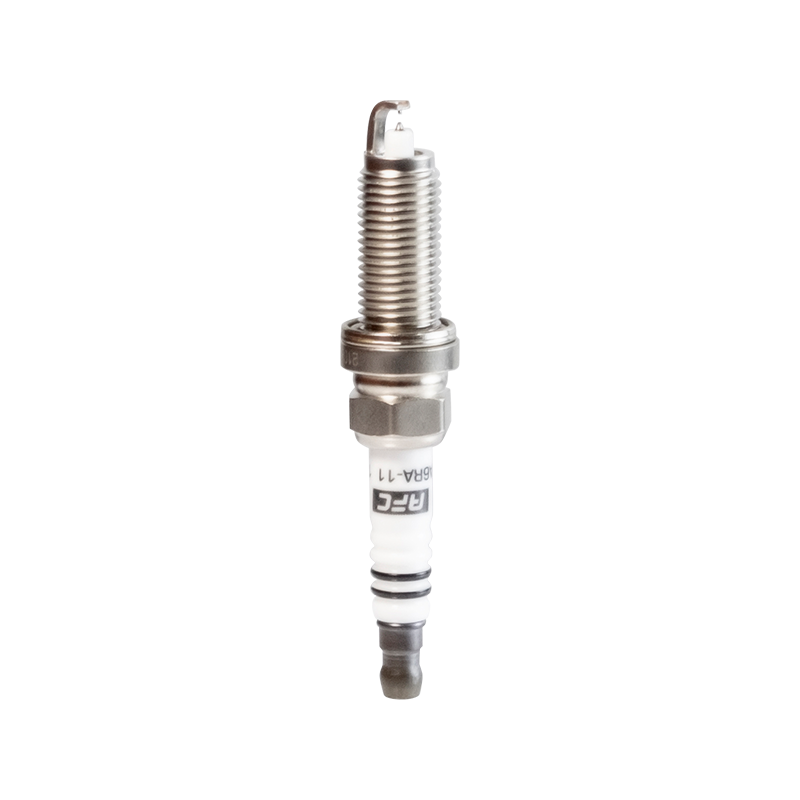
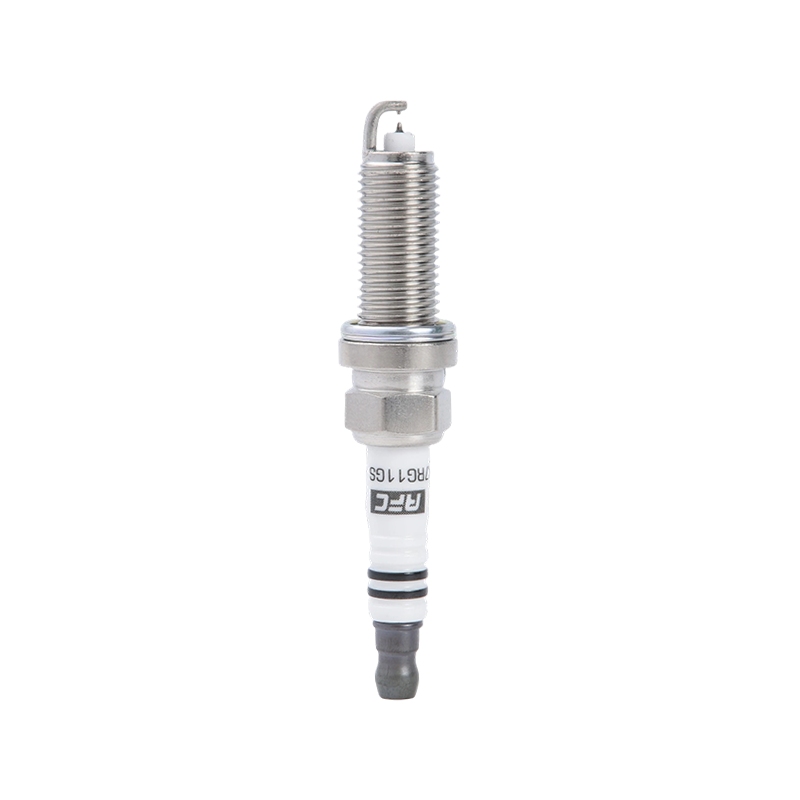
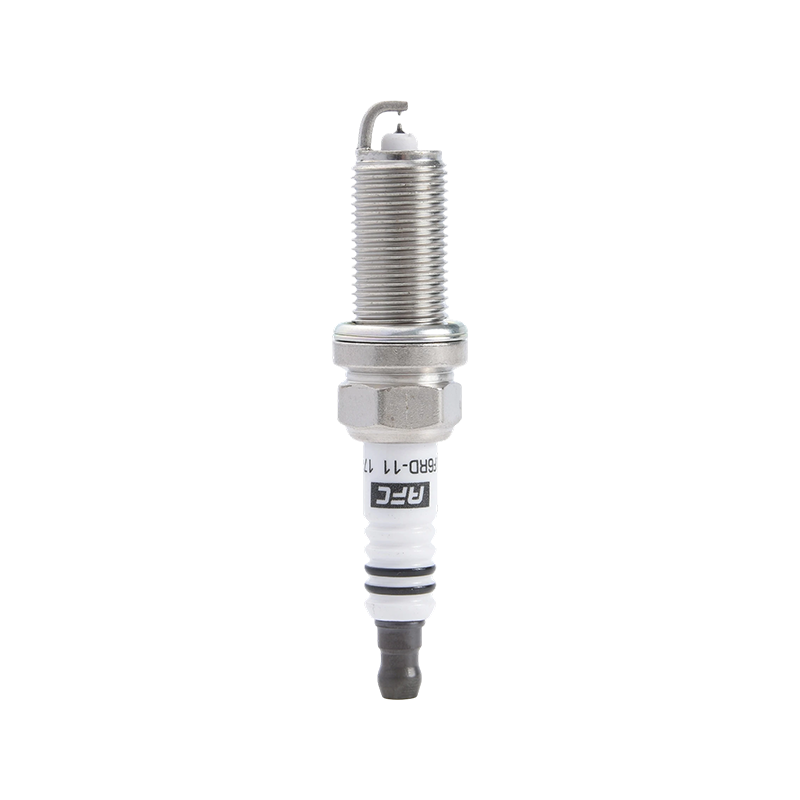
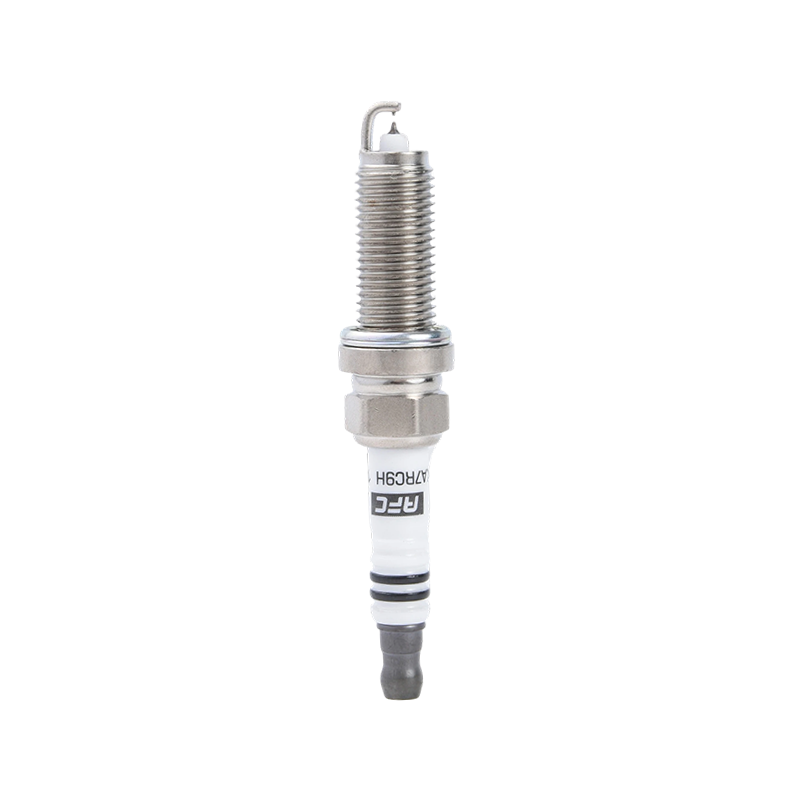
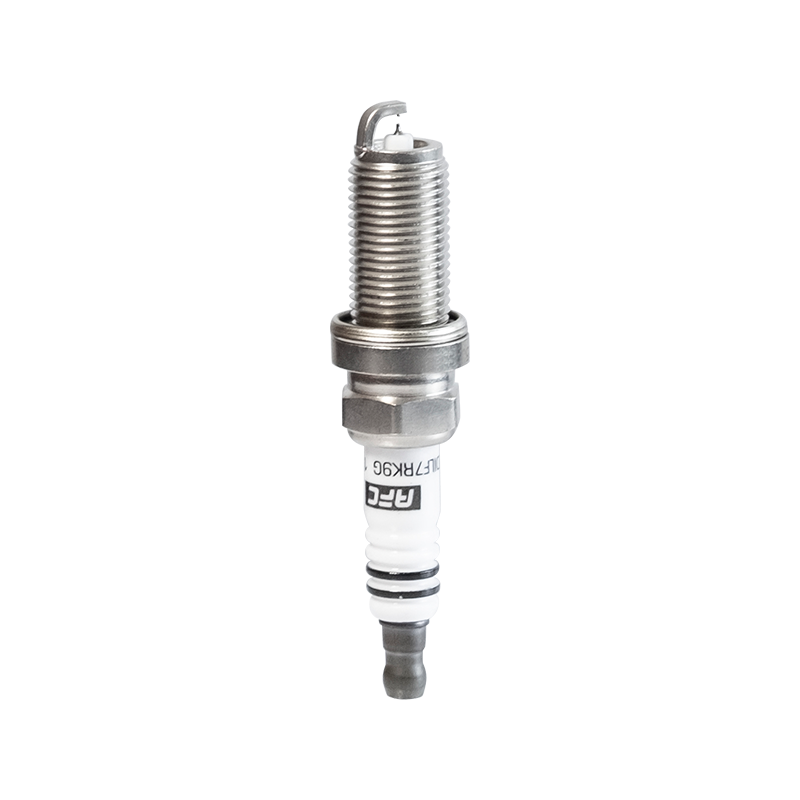
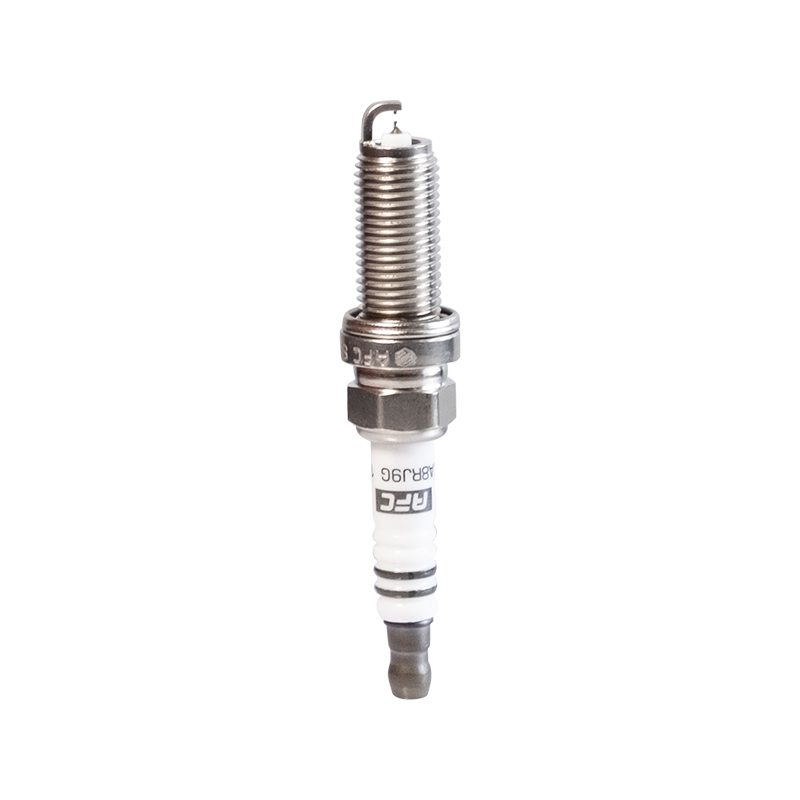
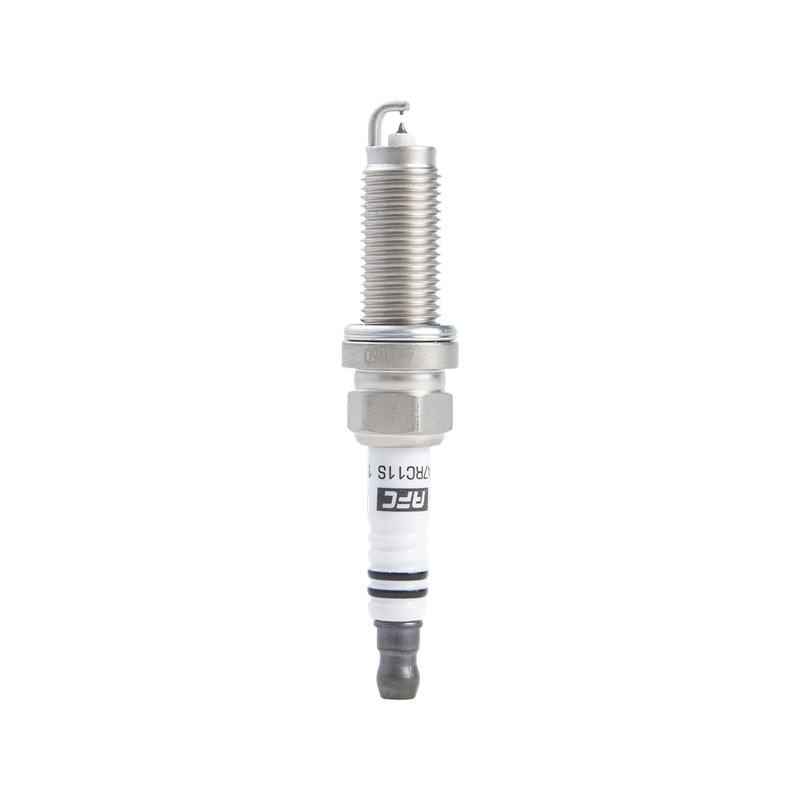
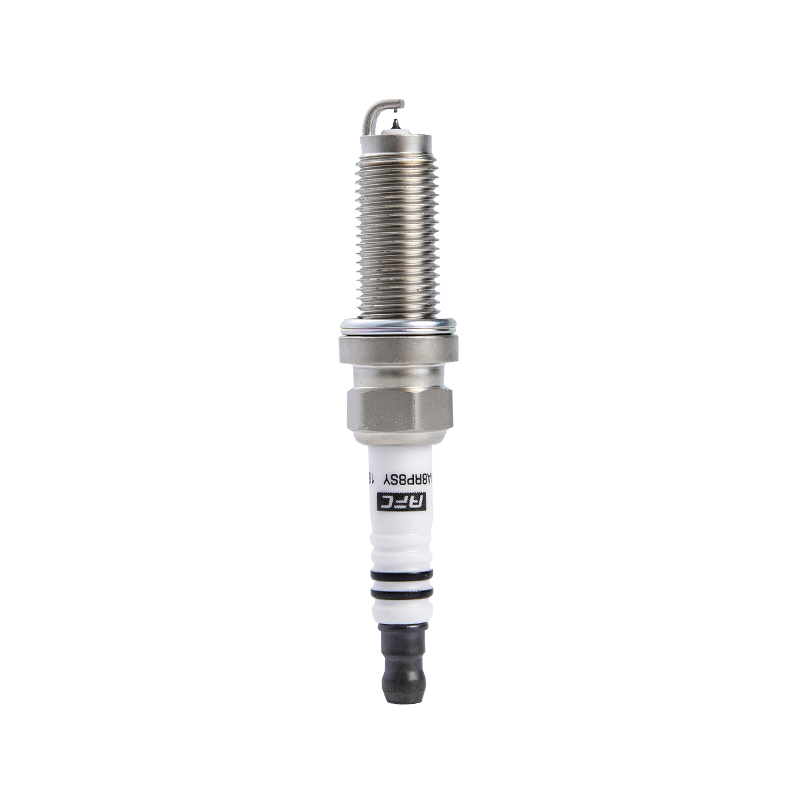
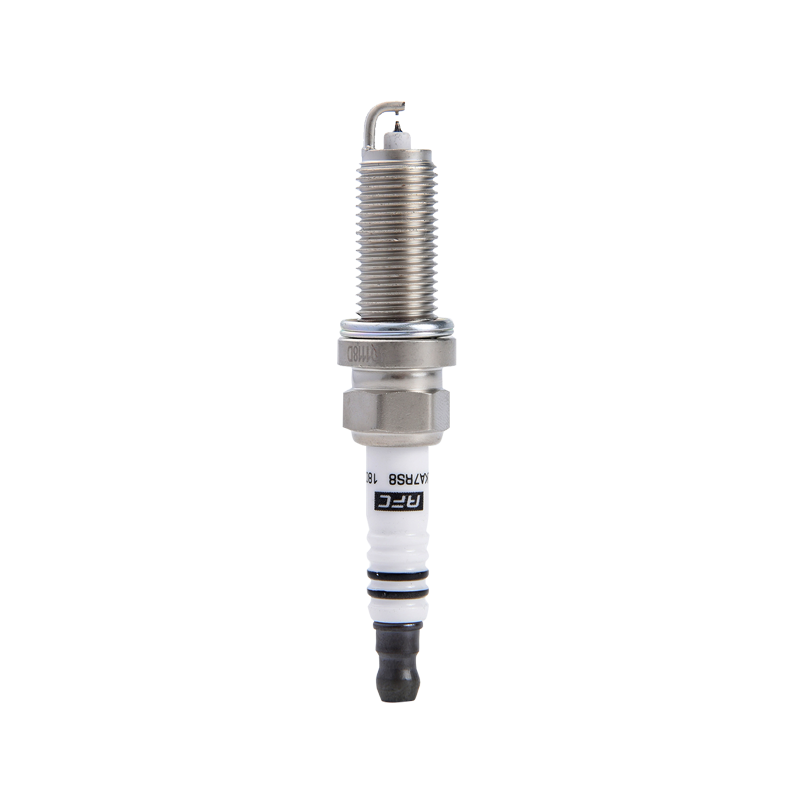
Ignition components sit at the center of how an engine converts fuel into reliable motion, and the choice of electrode material has a direct effect on spark consistency, firing voltage, and how long a plug performs before it needs replacement. Within this category, the Double Iridium Spark Plug and dual iridium spark plugs represent a design approach where both the center electrode and the ground electrode use iridium tips rather than just one side. This dual-tip configuration is built to handle higher combustion temperatures and resist electrode erosion on both ends of the spark gap, which matters for engines that run lean fuel mixtures or operate under sustained high RPM conditions. Manufacturers and buyers working in automotive aftermarket, small engine equipment, and motorcycle ignition systems generally evaluate this category based on tip diameter, gap stability over time, and how the dual-electrode design compares against single iridium or standard nickel plugs.
Why Both Electrodes Matter in Iridium Design
A standard spark plug typically has an iridium or platinum tip only on the center electrode, while the ground electrode remains plain nickel alloy. Over thousands of ignition cycles, the ground side erodes faster because it absorbs spark energy without the same wear-resistant coating. Double Iridium Spark Plug construction addresses this by applying iridium tips to both electrodes, which slows down gap widening on both sides simultaneously rather than just one. In practical terms, this tends to keep the firing voltage requirement more stable across the plug's service life, since voltage demand rises as the gap widens unevenly.
Gap Stability Comparison
The chart below illustrates a general pattern observed when comparing gap widening across electrode types over an extended mileage interval. Single iridium designs show faster ground-side wear, while dual iridium designs show more balanced erosion on both electrodes.
Illustrative gap-widening trend across mileage intervals, dual versus single iridium configuration.
Where dual iridium spark plugs Fit Across Engine Types
Not every engine benefits equally from a dual-tip design. Small displacement engines with low compression ratios may not justify the added cost, while turbocharged or high-compression engines tend to see more practical benefit because they generate higher cylinder pressures that accelerate electrode wear. The table below breaks down typical fit by engine category.
| Engine Category | Typical Compression | Dual Iridium Fit |
|---|---|---|
| Naturally aspirated passenger car | 9:1 - 11:1 | Moderate |
| Turbocharged passenger car | 10:1 - 12:1 | High |
| Motorcycle / sport engine | 11:1 - 13:1 | High |
| Small utility / lawn equipment | 7:1 - 9:1 | Low |
Firing Voltage and Cold-Start Behavior
One of the more practical differences buyers notice between electrode types is how much voltage the ignition coil needs to push to fire the plug, particularly during cold starts when fuel atomization is poorer and the air-fuel mixture is harder to ignite. A narrower, more durable iridium tip allows the spark to concentrate energy into a smaller point, which generally lowers the voltage threshold needed to jump the gap compared to a thicker nickel tip.
Approximate required firing voltage by electrode tip material under cold-start conditions.
What This Means in Practice
A lower voltage requirement gives the ignition coil more headroom before it reaches its maximum output, which becomes especially relevant as a coil ages and its peak output naturally declines. Engines running dual iridium plugs tend to maintain easier cold starts later into the coil's service life compared to engines on nickel plugs, simply because there's more margin built in from the start.
Comparing Performance Attributes Side by Side
When evaluating Double Iridium Spark Plug options against platinum or standard copper-core alternatives, four attributes tend to come up most often in technical discussions: heat dissipation, spark energy concentration, electrode longevity, and resistance to fouling under rich-mixture conditions. The radar comparison below maps these attributes on a relative scale.
Relative comparison of four key performance attributes between dual iridium and platinum tip designs.
Material Cost Breakdown Behind the Category
Buyers sourcing this category often want to understand why dual-tip iridium plugs sit at a different price point than single-tip versions. The added cost mainly traces back to the second iridium application on the ground electrode, plus the additional welding and tip-shaping steps required during manufacturing. The bar chart below shows a representative cost distribution across the main production cost drivers for a dual iridium plug.
Representative share of total production cost across primary cost drivers for a dual iridium spark plug.
Sourcing and Sample Verification
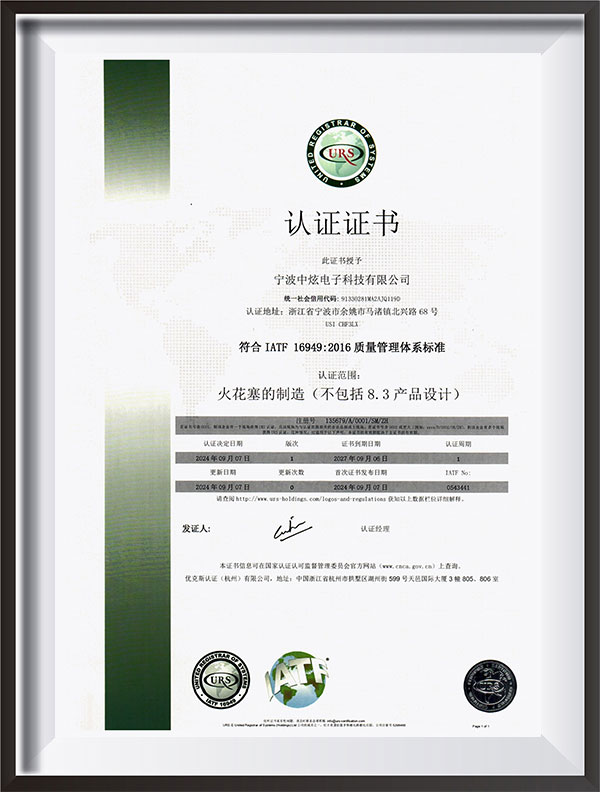
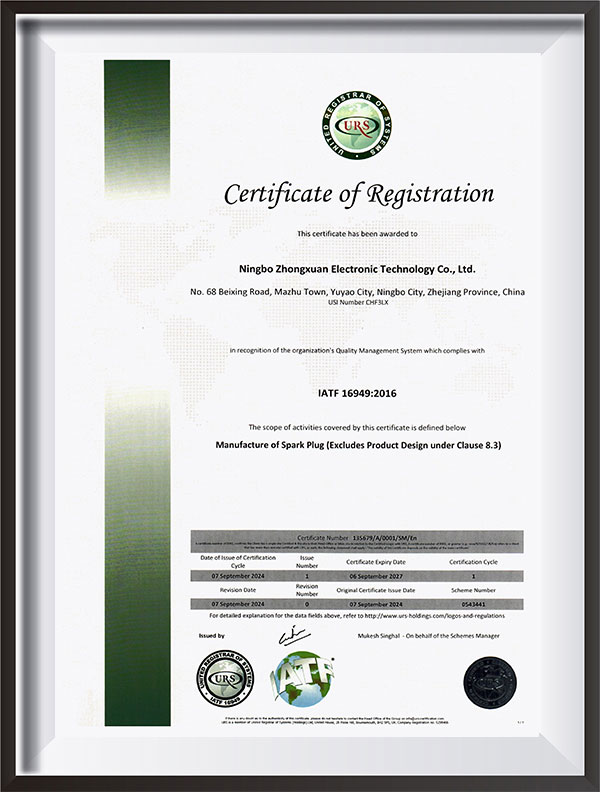
For buyers sourcing ignition components in volume, verifying quality before committing to a full order is a standard part of the process. NINGBO ZHONGXUAN ELECTRONIC TECHNOLOGY CO., LTD supports this by encouraging customers to verify quality through samples directly. Free samples are available for standard products, with the customer covering courier freight, which keeps the verification process accessible without requiring a large upfront commitment. For customized configurations or special requirements outside the standard product line, a sample cost fee may apply, and this fee can usually be deducted from a subsequent order once the buyer moves forward.
Why Sample-Based Verification Matters for This Category
Spark plug performance is difficult to judge from a datasheet alone, since gap consistency, weld quality on the dual electrode tips, and thread precision are best confirmed through physical inspection and bench or in-engine testing. Requesting a sample before placing a bulk order allows a buyer to check these details against their own engine specifications or quality benchmarks, which reduces the risk of receiving a full shipment that doesn't match expectations.
Frequently Asked Questions
Does a dual iridium tip improve fuel efficiency?
The main benefit is more consistent spark performance over time rather than a dramatic fuel economy gain on day one. As the gap stays more stable across both electrodes, the engine avoids the gradual efficiency loss that comes from a widening gap on a single-tip design.
Can dual iridium spark plugs be used as a direct replacement for single iridium or platinum plugs?
In most cases yes, as long as the thread size, reach, and heat range match the original specification. The electrode tip material does not change the physical fitment requirements of the plug.
How does the sample process work for customized spark plug orders?
Standard product samples are provided free of charge with the buyer covering courier costs. For customized specifications, a sample fee may apply, and this amount is typically deducted from the cost of a subsequent bulk order once confirmed.
Is a dual iridium design necessary for every vehicle?
No. Lower compression, naturally aspirated engines often perform adequately with single iridium or platinum plugs. Dual iridium tends to show its advantage more clearly in turbocharged, high-compression, or high-RPM applications where electrode wear accelerates faster.