

 Español
Industry News
Content
- 1 What Reading a Spark Plug Actually Tells You
- 2 Color Reference: What Each Deposit Pattern Means
- 3 How to Pull and Inspect a Plug Without Skewing the Diagnosis
- 4 Reading the Electrode and Gap, Not Just the Color
- 5 Rich Versus Lean: Telling the Two Apart Quickly
- 6 Why Heat Range Changes What You See
- 7 What Engine Builders and Racers Look For Specifically
- 8 Thread and Seat Condition: The Overlooked Half of the Inspection
- 9 A Practical Inspection Checklist
- 10 Common Misreadings to Avoid
- 11 Matching Drivability Symptoms to Plug Findings
- 12 Frequently Asked Questions
- 12.1 How often should spark plugs be pulled just to check their condition?
- 12.2 Can spark plug color alone diagnose a problem with certainty?
- 12.3 Why does only one cylinder show a different color from the rest?
- 12.4 Does a white, lean-looking plug always mean the engine is running too little fuel?
- 12.5 Is it normal for spark plugs to look slightly different from each other even on a healthy engine?
- 12.6 Should plugs be cleaned and reused instead of replaced after a diagnostic read?
- 12.7 Does the brand or material of the plug change how it should be read?
What Reading a Spark Plug Actually Tells You
A used spark plug is a small diagnostic report written in carbon, color, and metal wear. Pull the plug, look at the firing tip and insulator, and you can identify air-fuel ratio problems, ignition timing faults, oil leaks, or overheating before they turn into a blown engine. The fastest way to read spark plugs is to compare the color and texture of the insulator nose against four reference conditions: light tan or grayish-brown means normal combustion, black and sooty means the mixture is too rich or the plug is fouled, white and chalky means the mixture is too lean or the engine is running hot, and oily black with wet deposits means oil is entering the combustion chamber. The rest of this guide breaks down each of those signs in detail, explains what is happening inside the cylinder when you see them, and walks through the gap, thread, electrode, and heat range checks that go along with a full plug inspection.
Spark plug reading has been used by mechanics, racers, and engine builders for decades because it is one of the only ways to see directly into a running combustion chamber without instrumentation. A four-cylinder engine fires roughly 12,000 times per minute at 3,000 RPM, and every one of those events leaves a trace on the plug tip. Reading that trace correctly turns a five-minute inspection into a window on carburetor jetting, fuel injector condition, valve seal health, and ignition system performance. Engine builders sometimes describe the firing end of a plug as a thermometer crossed with a fuel gauge, since the deposits record both the temperature the tip reached and the chemistry of what burned around it.
This guide is organized so that the most urgent diagnostic information comes first, followed by the procedural detail that supports it. If a plug needs reading right now, the color table and the rich-versus-lean section below cover the two most common real-world questions. If the goal is a full inspection routine, the sections on pulling technique, electrode wear, heat range, and thread condition build out a complete checklist that mirrors what a trained technician walks through during a compression-related diagnosis or a pre-purchase inspection on a used vehicle.
Color Reference: What Each Deposit Pattern Means
Deposit color on the insulator nose and ground strap is the first and most reliable signal. The table below lists the patterns mechanics check for first, along with the underlying cause and the typical fix.
| Deposit Appearance | Likely Cause | Typical Fix |
|---|---|---|
| Light tan / grayish-brown | Correct air-fuel ratio, proper heat range | None needed |
| Black, dry, sooty | Rich mixture, clogged air filter, or weak spark | Check fuel mapping, replace air filter, test coil |
| Black and wet / oily | Oil entering cylinder past rings or valve seals | Inspect piston rings, valve stem seals, PCV system |
| White, chalky, blistered | Lean mixture, advanced timing, or overheating | Check timing, fuel delivery, cooling system |
| Yellow-green glaze | Potassium-based deposits baked on at high temperature | Replace plug; glazing often follows long idling |
| Red or pink-tinted deposits | Iron-based fuel additives or certain octane boosters | Switch fuel additive brand; usually not a mechanical fault |
| Gray speckled or sandblasted look | Pre-ignition or detonation eroding the tip surface | Check timing advance, fuel octane, and cylinder cooling |
Color reading is most reliable on the insulator nose, the ceramic cone surrounding the center electrode, rather than on the metal shell further down. The shell often picks up residual deposits from earlier heat cycles and can mislead a quick glance, while the insulator nose reacts to the most recent few minutes of combustion and gives the freshest picture of current engine condition.
How to Pull and Inspect a Plug Without Skewing the Diagnosis
The biggest mistake in spark plug reading is misreading a plug that was already a poor sample. A plug pulled cold after the engine sat overnight tells a different story than one pulled hot after a hard run. For an accurate diagnostic read, follow this sequence:
1. Drive under the load condition you want to diagnose
If the complaint is rough idle, idle the engine for several minutes before shutting it off. If the complaint shows up at highway speed, hold that speed for at least two minutes, then kill the ignition while still moving (engine off, in gear, clutch in, or coasting in neutral) rather than letting it idle down. Idling down after a hard run recoats the plug with idle-condition deposits and erases the high-load picture.
2. Pull the plug carefully
Blow loose debris out of the spark plug well with compressed air before removing the plug, so dirt does not fall into the cylinder. Use a plug socket with a rubber insert to avoid cracking the insulator, and back the plug out slowly and evenly. On engines where the plug well sits low between intake components, a swivel or universal-joint extension keeps the socket square to the plug and avoids cracking the insulator during removal.
3. Inspect within a few minutes
Deposits can shift color slightly as the plug cools, so inspect it as soon as practical after removal, in good light, and photograph it for comparison against the next inspection. Look at the insulator nose first, then the ground strap, then the threads near the seat.
4. Keep cylinders in order
Lay the plugs out in a numbered tray or stick them into a labeled cardboard strip matching the firing order layout of the engine. A plug pulled from cylinder three that gets set down next to cylinder one's plug without labeling defeats the entire point of a cylinder-by-cylinder comparison, since the most useful diagnostic signal often comes from spotting which single cylinder looks different from the rest.
Reading the Electrode and Gap, Not Just the Color
Color tells you about fuel mixture and combustion temperature. Electrode wear and gap tell you about ignition system load and mechanical wear over time.
- Rounded or eroded center electrode: normal wear at high mileage; spark plugs typically need replacement once electrode wear exceeds factory spec, often listed in the owner's manual gap chart.
- Gap wider than spec: indicates electrode erosion from age or a coil under heavy load; a wider gap demands higher voltage to jump, which can cause misfires at acceleration.
- Gap narrower than spec: usually means the plug was mis-gapped during installation or the side electrode bent slightly during handling; a tight gap produces a weaker, smaller spark even though it ignites more easily.
- Melted or rounded electrode tip: signals pre-ignition or detonation, often tied to overly advanced timing, low-octane fuel, or a lean mixture under load.
- Cracked insulator tip: usually mechanical damage from incorrect gapping tools or a dropped plug, not a combustion symptom.
- Bridged or fouled gap (deposits connecting the electrodes): the spark shorts out before it can jump the air gap, producing a dead miss on that cylinder.
- Discolored or blued shell threads: a sign the plug ran hotter than intended, sometimes from a torque issue at installation rather than a combustion fault.
Most factory gap specifications fall in the 0.028 to 0.060 inch range depending on engine design and ignition type, with coil-on-plug systems generally running tighter gaps than older distributor-based systems. Always check the gap against the engine manufacturer's specification rather than the spec printed on the plug box, since the same plug part number is sometimes used across engines with different gap requirements. A wire-type gap gauge gives a more accurate reading than a flat feeler gauge on plugs with a rounded ground strap, because the wire conforms to the curve of the electrode instead of bridging across it at an angle.
Rich Versus Lean: Telling the Two Apart Quickly
Signs of a rich condition
A rich mixture means more fuel than the engine can burn cleanly. The plug tip shows dry black soot that wipes off easily, and the exhaust pipe tip often shows matching black soot. Spark plugs running rich for extended periods also tend to foul faster, since the unburned fuel washes oil film and carbon onto the insulator. Common causes include a stuck-open choke, an oversized injector, a leaking fuel pressure regulator, or a dirty air filter restricting airflow relative to fuel volume. A rich-running engine also frequently shows reduced fuel economy and a faint fuel smell at idle, since some of the unburned mixture exits through the exhaust rather than contributing to power.
Signs of a lean condition
A lean mixture means too much air relative to fuel. The insulator nose turns white or light gray and can develop a blistered, glassy look if the lean condition runs hot enough. Lean conditions are more mechanically dangerous than rich ones because they raise combustion temperature, which accelerates electrode erosion and raises the risk of pre-ignition. Common causes include a vacuum leak, a clogged injector, a failing fuel pump losing pressure under load, or an exhaust leak near the oxygen sensor causing the engine computer to remove fuel it should be adding. A lean-running engine often surges slightly at steady throttle and can develop a faint popping sound on deceleration as unburned air ignites in the exhaust.
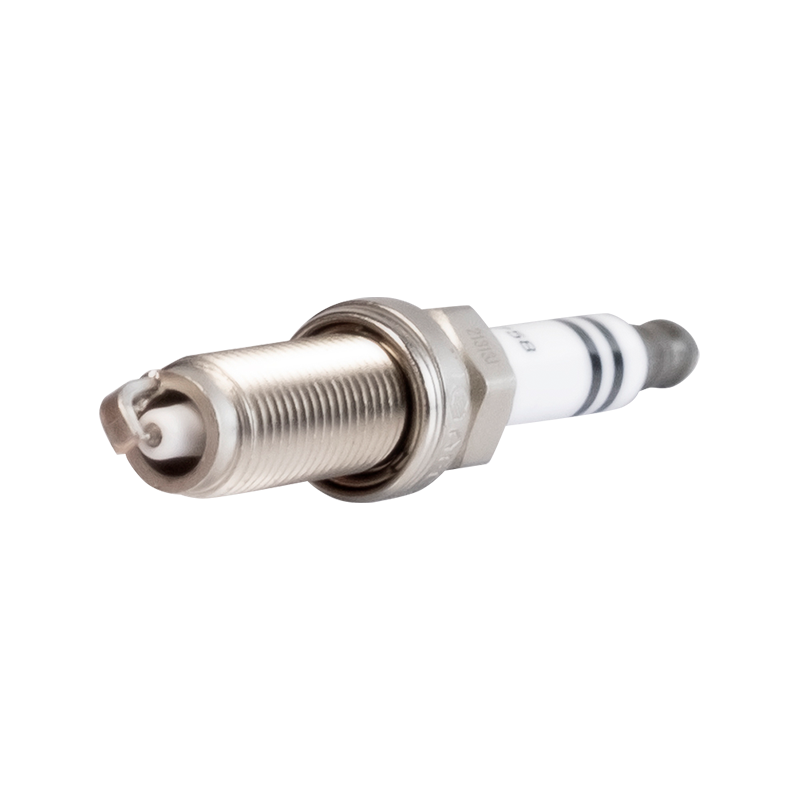
Why Heat Range Changes What You See
Heat range describes how quickly a spark plug moves heat away from its tip into the cylinder head. A plug with too cold a heat range for the engine cannot get hot enough during normal driving to burn off carbon, so it tends to look black and fouled even when the air-fuel ratio is correct. A plug with too hot a heat range stays hotter than it should, which can make a normal mixture look falsely lean or, in severe cases, lead to pre-ignition because the tip itself becomes hot enough to ignite the mixture ahead of the spark event.
This matters directly for reading plugs because the same insulator color can mean two different things depending on heat range. A black plug in a correctly specified heat range usually points to a rich mixture or fouling. A black plug that is several steps colder than the engine manufacturer specifies may simply be too cold to self-clean, with the fuel mixture itself being perfectly normal. Before concluding that a color reading points to a fuel system problem, confirm that the plug part number matches the heat range the engine manufacturer specifies for that engine and driving condition, since aftermarket performance plugs are sometimes installed one or two steps colder than stock without the owner realizing it.
| Heat Range Mismatch | What the Plug Looks Like | Risk if Left Uncorrected |
|---|---|---|
| Too cold for the engine | Black, sooty, fouls easily at low speed | Persistent fouling, hard starting, misfire buildup |
| Too hot for the engine | Clean but blistered, eroded electrode | Pre-ignition, detonation, possible piston damage |
What Engine Builders and Racers Look For Specifically
Production engine diagnosis usually stops at color, but engine builders tuning for performance read plugs with more precision because a misjudged mixture at high RPM can destroy a piston in seconds. Racing technicians commonly use a magnifying loupe to inspect the ring of color directly at the base of the insulator nose, called the "ground strap ring," since this band reacts fastest to mixture changes and is less influenced by idle-time deposits than the broader insulator color.
In drag racing and circle track tuning, builders frequently pull plugs after a single timed run rather than after a full session, because mixing several runs' worth of heat cycles onto one plug blurs the read. A common reference point used in these communities is comparing plug color against a chip-cut or "read" plug chart specific to the fuel type in use, since methanol, E85, and gasoline all produce distinctly different baseline colors even at a correctly tuned air-fuel ratio.
Forced-induction tuners pay particularly close attention to the area where the ground strap meets the shell, since this is often the first place a turbocharged or supercharged engine shows early signs of knock under boost. A slightly peppered or sandblasted texture in that exact spot, even on an otherwise normal-looking plug, is treated as an early warning sign worth investigating with a knock sensor log or a boost-referenced timing pull before it progresses to visible electrode melting.
Thread and Seat Condition: The Overlooked Half of the Inspection
Most attention goes to the firing tip, but the threads and seating surface tell their own story. A plug that backed out slightly during service shows a band of dark, sooty deposits partway up the threads where combustion gas leaked past an under-torqued seat. A plug pulled from an engine with a damaged or worn cylinder head thread sometimes shows uneven thread wear or a slightly cocked seating ring, which combustion gas can blow past even at correct torque.
Tapered seat versus gasket seat
Tapered-seat plugs rely on a precise metal-to-metal fit and typically specify a lower torque value with no retightening after the first heat cycle. Gasket-seat plugs use a crush washer that compresses slightly on first installation, so a small amount of additional tightening after the initial heat cycle is sometimes called for on certain engines. Installing a gasket-seat plug into a tapered-seat application, or the reverse, is a common source of mysterious compression-like symptoms that have nothing to do with the piston rings or valves.
Anti-seize and thread damage
Excess anti-seize compound on the threads can act as a lubricant during torquing, leading to an effectively over-tightened plug even though the torque wrench read the correct value, which can crack the insulator or distort the seat. Aluminum cylinder heads are also more prone to thread damage from cross-threading during installation than cast iron heads, so any plug that comes out with metal shavings caught in the threads is worth pairing with a visual check of the cylinder head threads themselves.
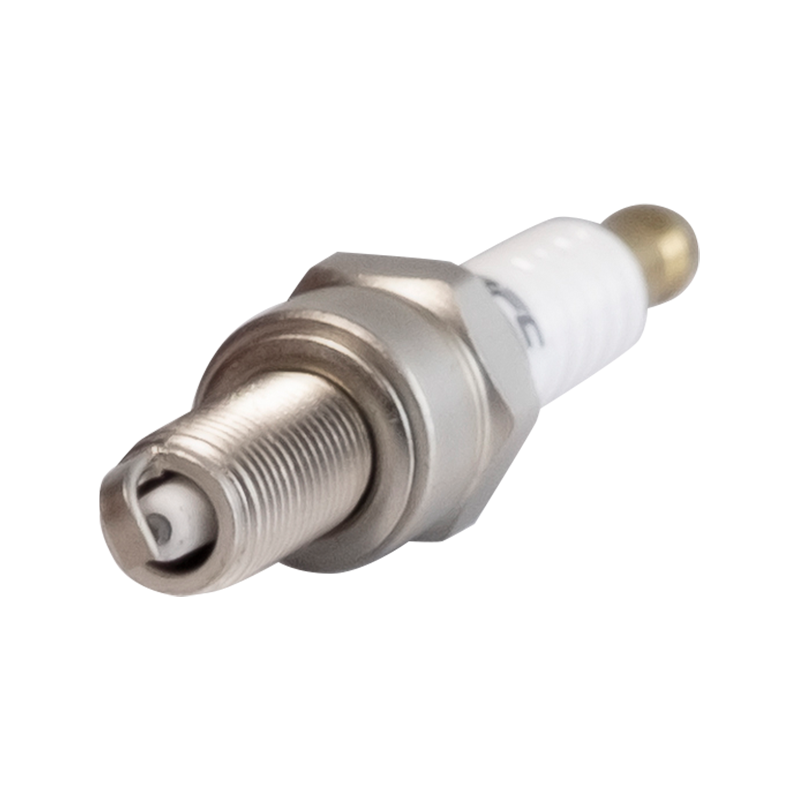
A Practical Inspection Checklist
Use this sequence each time you pull plugs for a diagnostic read rather than a routine swap:
- Note which cylinder each plug came from before removing the next one; mixing up cylinder order erases the most useful diagnostic clue.
- Photograph each plug against a plain background in consistent lighting.
- Compare insulator color, ground strap condition, and electrode shape against the reference table above.
- Measure the gap with a wire or feeler gauge and record the value next to the cylinder number.
- Check the thread reach and seat type against the original plug to confirm a correct replacement was installed previously.
- Inspect the upper threads for soot streaking that would indicate a leaking seat.
- Confirm the plug's heat range code matches the engine manufacturer's specification before drawing conclusions from color alone.
- Cross-reference findings across all cylinders; a single odd plug points to a cylinder-specific issue, while a uniform pattern across all cylinders points to a system-wide fuel, timing, or cooling problem.
Common Misreadings to Avoid
A few patterns regularly trip up first-time plug readers:
- Judging color from a plug pulled after long idling, which coats almost any engine in light black soot regardless of true running condition.
- Assuming new plug deposits mean trouble; a plug with only a few hundred miles on it will still show a thin, light coating that is normal break-in residue, not a fault.
- Confusing oil fouling with rich fuel fouling; oil deposits feel slightly greasy and often coat the shell threads as well as the insulator, while fuel soot stays dry and concentrated near the tip.
- Overlooking the spark plug's heat range stamped on the side, since a plug that runs colder or hotter than spec can mimic mixture problems even when the air-fuel ratio is correct.
- Reading a plug in poor lighting; fluorescent shop lighting can shift the apparent color of light tan deposits toward gray, leading to a false lean diagnosis.
- Comparing a plug against a printed reference photo without accounting for fuel type, since leaded racing fuel, E85, and standard gasoline all leave noticeably different baseline colors.
Matching Drivability Symptoms to Plug Findings
Spark plug condition rarely exists in isolation. Pairing what the plug shows with what the car has been doing on the road narrows the diagnosis considerably faster than either piece of information alone.
| Driving Symptom | Plug Finding That Often Matches | Suggested Next Check |
|---|---|---|
| Rough idle, smooths out at speed | Black, sooty deposits concentrated on one or two cylinders | Coil or injector on the affected cylinder |
| Blue-tinted exhaust smoke | Oily, wet black deposits on most or all cylinders | Valve stem seals, piston rings, PCV valve |
| Pinging or knocking under load | White, blistered insulator or eroded electrode tip | Ignition timing, fuel octane, knock sensor signal |
| Hesitation on acceleration | Gap noticeably wider than specification | Plug age, coil output under load |
| Poor fuel economy, fuel smell at idle | Dry black soot, wipes off easily | Air filter, fuel pressure regulator, injector flow |
Frequently Asked Questions
How often should spark plugs be pulled just to check their condition?
Many shops check plug condition at every oil change interval on engines with a history of fuel or oil issues, and otherwise inspect them once a year or every 12,000 to 15,000 miles for standard nickel or copper plugs. Iridium and platinum plugs are designed for longer service intervals, often 60,000 to 100,000 miles, so they are checked less frequently unless a specific symptom appears.
Can spark plug color alone diagnose a problem with certainty?
Color narrows down the likely cause but should be confirmed with a second data point, such as a fuel trim reading from an OBD scanner, a compression test, or a visual check of the air filter and intake. Relying on color alone can lead to replacing parts that were not actually at fault.
Why does only one cylinder show a different color from the rest?
A single odd plug usually points to a cylinder-specific issue: a leaking valve seal, an injector delivering the wrong amount of fuel, a weak coil if the engine uses individual coils, or a vacuum leak local to that intake port. The other plugs serve as the healthy baseline for comparison.
Does a white, lean-looking plug always mean the engine is running too little fuel?
Not always. Severely advanced ignition timing or a coolant leak raising combustion temperature can bleach a plug white even with a correct air-fuel ratio, since the white appearance is really a temperature signature as much as a fuel signature. Timing should be checked alongside fuel delivery when a white plug appears.
Is it normal for spark plugs to look slightly different from each other even on a healthy engine?
Some minor variation between cylinders is normal, particularly on engines with a single throttle body feeding multiple cylinders unevenly, or on V-shaped engines where one bank runs slightly hotter than the other. Large, obvious differences in color or deposit type are the ones worth investigating.
Should plugs be cleaned and reused instead of replaced after a diagnostic read?
A plug that is otherwise within gap and wear specifications can sometimes be cleaned and reinstalled if the underlying cause of fouling has been fixed, but most technicians treat the diagnostic pull as a good opportunity to replace plugs that are near their service interval anyway, since the labor to remove them has already been spent.
Does the brand or material of the plug change how it should be read?
The underlying color logic stays the same across copper, platinum, and iridium plugs, but iridium and platinum plugs use a much thinner center electrode, so wear and erosion patterns can look more subtle and may need closer inspection under good light or magnification to catch early-stage rounding.