


 Español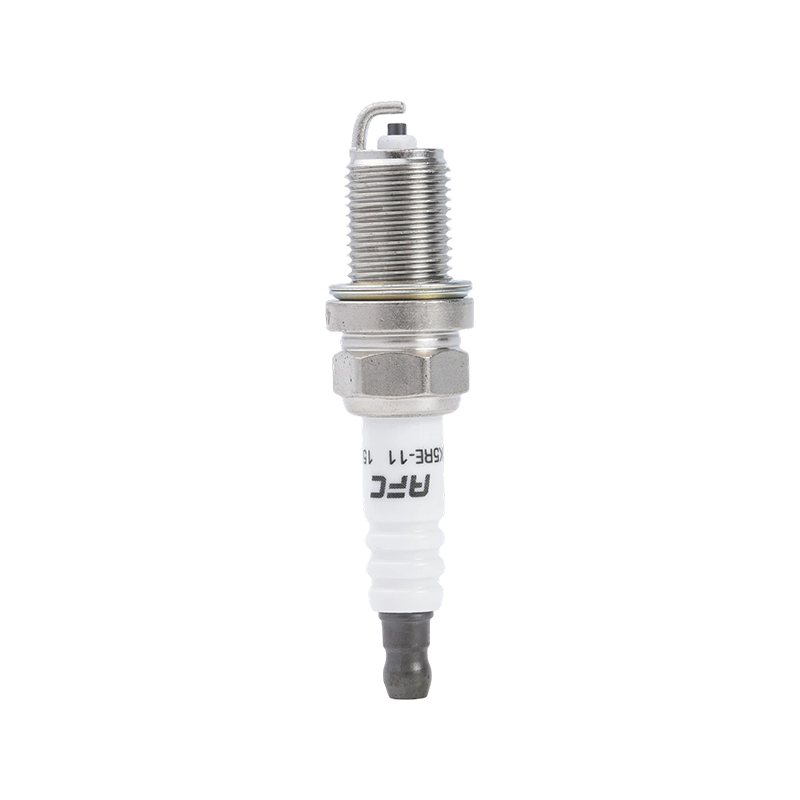
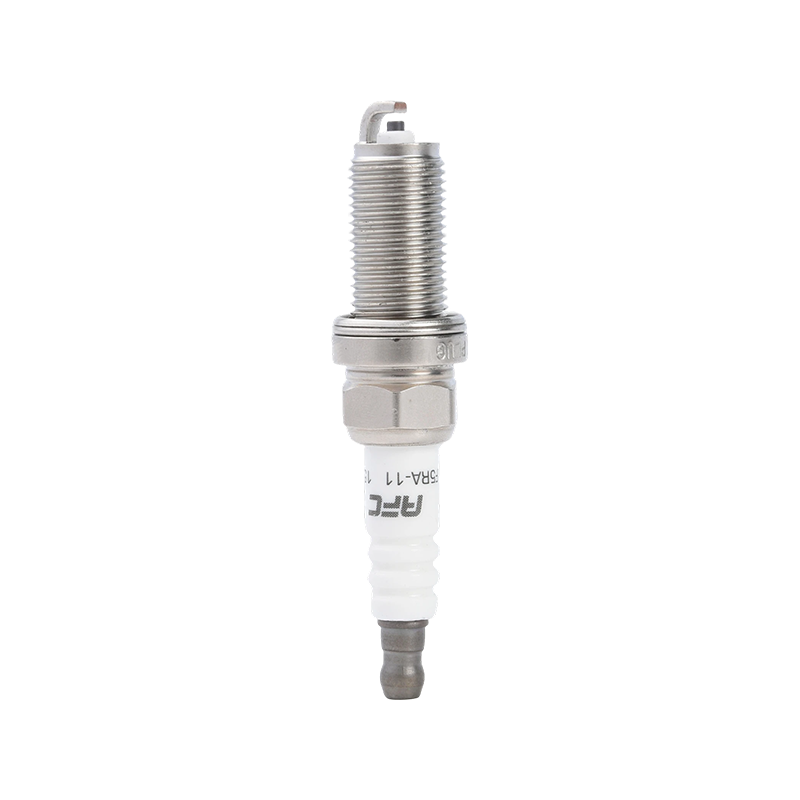
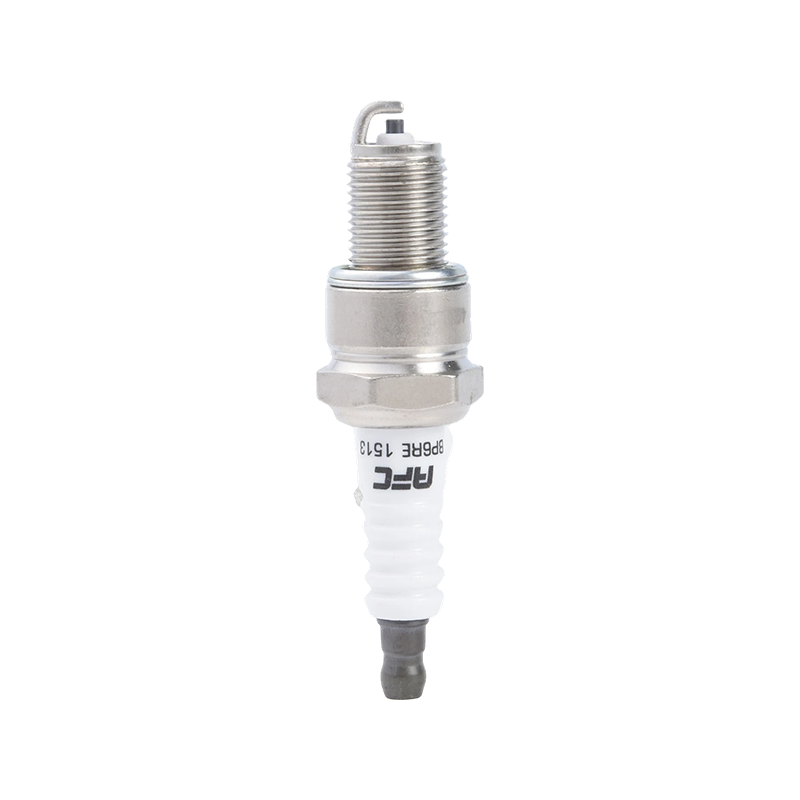
Nickel copper spark plugs designed for Japanese cars represent a foundational category in the automotive ignition parts industry. These plugs combine a nickel-alloy center electrode with a copper core — a configuration that has proven reliable across decades of Japanese vehicle engineering. From compact sedans to mid-size SUVs, the fitment range covers engines built by manufacturers in Japan's major automotive production clusters. For suppliers and procurement teams sourcing these components at volume, understanding the material science, application logic, and trade dynamics behind nickel copper spark plugs for Japanese cars is essential to making sound purchasing decisions.
Why Copper Core Matters in Nickel Spark Plugs
The copper core inside a nickel spark plug is not a marketing detail — it is a thermal management mechanism. Copper conducts heat roughly 4 to 5 times faster than steel, which allows the plug tip to shed combustion heat quickly and resist pre-ignition caused by overheating. For Japanese engines, which are typically designed with tight compression tolerances and relatively high rev ceilings, this thermal conductivity matters more than in lower-revving engine architectures.
The nickel alloy on the electrode surface, meanwhile, provides oxidation resistance and wear durability at ignition temperatures that regularly exceed 800°C at the tip. The combination gives nickel copper plugs a useful balance: the responsiveness of copper and the surface durability of nickel.
Thermal Conductivity Comparison (W/m·K)
Fitment Logic: Japanese Engine Families and Plug Specifications
Japanese passenger cars produced from the 1980s through the early 2010s are the primary market for nickel copper spark plugs. Engine families across this production period share several characteristics that make copper-core nickel plugs a suitable choice: relatively simple ignition systems, moderate compression ratios (typically 9:1 to 10.5:1), and replacement intervals that favor cost-effective consumable parts over long-life precious metal alternatives.
| Engine Type | Thread Size | Heat Range | Gap (mm) | Replacement Interval |
|---|---|---|---|---|
| 1.3–1.6L 4-Cyl Compact | M14×1.25 | 5–6 | 0.9–1.0 | ~30,000 km |
| 2.0–2.4L 4-Cyl Mid-Size | M14×1.25 | 5–7 | 1.0–1.1 | ~30,000 km |
| 3.0–3.5L V6 | M14×1.25 | 6–7 | 1.0–1.1 | ~30,000 km |
| Kei Car / Mini Engine | M12×1.25 | 4–5 | 0.8–0.9 | ~20,000 km |
Trade Terms and Payment Structure at NINGBO ZHONGXUAN ELECTRONIC TECHNOLOGY CO., LTD
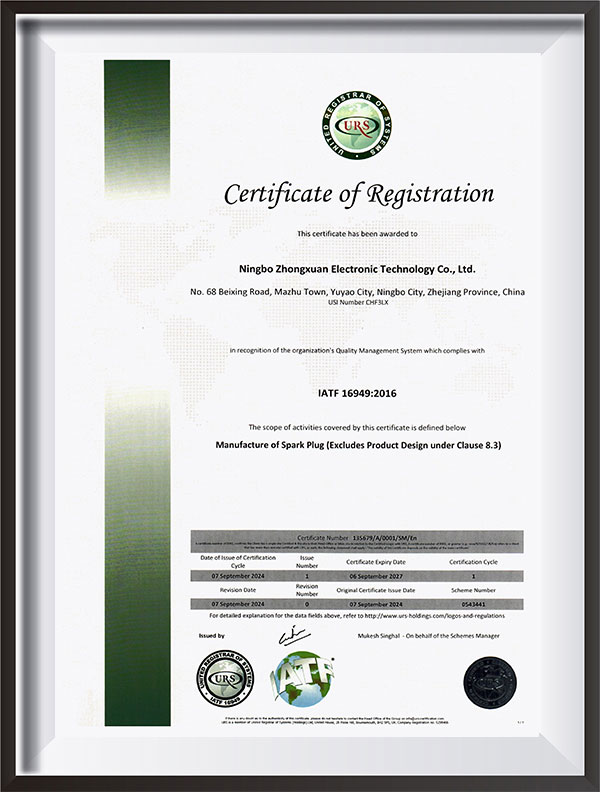
For buyers placing orders with NINGBO ZHONGXUAN ELECTRONIC TECHNOLOGY CO., LTD, the transaction process is structured to balance flexibility with production certainty. When a quotation is issued, the trade terms — FOB, CIF, CNF, or alternatives — are confirmed explicitly with the buyer before any production commitment is made. This matters in the spark plug supply chain because landed costs for ignition components vary significantly by destination: ocean freight on bulk plug orders can meaningfully shift the delivered cost per unit, and the choice between FOB and CIF affects who absorbs that risk and cost.
For batch production orders, NINGBO ZHONGXUAN ELECTRONIC TECHNOLOGY CO., LTD typically requires a 30% deposit upfront, with the remaining balance paid against the Bill of Lading. This is standard practice for manufactured automotive components where raw material procurement and production scheduling must begin well before the goods ship. The primary payment method is T/T (telegraphic transfer). For buyers who commit to long-term, high-volume purchasing, more flexible payment arrangements can be discussed directly with the company.
Standard Payment Flow — Batch Production Orders
Performance Profile: Where Nickel Copper Plugs Fit in the Aftermarket Hierarchy
Nickel copper spark plugs sit at the cost-effective end of the aftermarket ignition hierarchy. They are not the longest-lasting option — iridium and platinum plugs can run for 60,000–100,000 km in appropriate applications — but for vehicles where replacement cost per set is a primary consideration, or for markets where service intervals are shorter due to fuel quality or driving conditions, nickel copper plugs remain the dominant category by unit volume.
Plug Type Performance Comparison (Radar Chart)
Relative scores illustrative; based on general industry positioning.
Understanding Heat Range Selection
Heat range is one of the most practically important specifications when sourcing nickel copper spark plugs for Japanese cars. A plug that runs too cold will foul easily with carbon deposits; one that runs too hot risks pre-ignition. Japanese engine builders generally designate a factory heat range number for each engine, and OEM cross-reference charts are the most reliable guide for aftermarket sourcing.
Approximate Plug Tip Temperature by Heat Range (°C)
Approximate values; actual temperatures vary by engine load and fuel quality.
Key Factors Influencing Heat Range Choice
- Engine displacement and compression ratio — higher compression typically requires a cooler plug
- Fuel type and quality — lower octane fuels increase pre-ignition risk, favoring cooler plugs
- Driving pattern — short urban trips allow less self-cleaning, favoring hotter plugs in the OEM range
- Climate — high ambient temperatures shift effective operating range slightly
Frequently Asked Questions
Are nickel copper spark plugs still used in newer Japanese cars?
Most Japanese vehicles produced after 2010 came factory-fitted with iridium or platinum plugs for their longer service intervals. However, nickel copper plugs remain very widely used in the aftermarket for older Japanese vehicles — particularly those manufactured between 1985 and 2008 — and in replacement markets across Southeast Asia, the Middle East, and Africa where vehicle age skews older and cost-per-plug is a priority.
What is the typical minimum order quantity for batch production of nickel copper spark plugs?
This varies by supplier and plug specification. For standard cross-reference plugs covering common Japanese fitments, MOQs at manufacturers like NINGBO ZHONGXUAN ELECTRONIC TECHNOLOGY CO., LTD are structured around batch production logic — meaning the order needs to justify a full production run, with the 30% deposit securing that commitment from the buyer's side. Specific MOQ figures should be confirmed during the quotation process when trade terms are also agreed.
How does FOB pricing compare to CIF for spark plug shipments from China?
FOB Ningbo or FOB Shanghai pricing places the freight and insurance responsibility on the buyer after goods clear the export port. CIF pricing includes those costs, making landed price comparison easier but reducing the buyer's freight negotiating flexibility. For high-volume buyers with established logistics relationships, FOB is typically preferable. For smaller importers or new trade routes, CIF simplifies the first few shipments. NINGBO ZHONGXUAN ELECTRONIC TECHNOLOGY CO., LTD confirms trade terms at the quotation stage so buyers can make this decision with full price visibility.
How do you verify that a nickel copper plug is correctly gapped for a specific Japanese engine?
The most reliable method is cross-referencing the OEM plug part number from the vehicle's service manual against aftermarket equivalents. Most Japanese OEM plugs shipped from the factory are pre-gapped to spec, but aftermarket replacements should always be checked with a feeler gauge before installation. Gap settings for common Japanese 4-cylinder engines typically fall between 0.8 mm and 1.1 mm — a range well within the handling capability of copper core plug electrodes.
Can flexible payment terms be arranged for repeat large-volume buyers?
Yes. While T/T with a 30% upfront deposit is the standard arrangement at NINGBO ZHONGXUAN ELECTRONIC TECHNOLOGY CO., LTD, the company is open to discussing more flexible payment structures with long-term, high-volume clients. These conversations happen at the relationship level, not the first order, and buyers should raise the topic during follow-up discussions after initial orders have been completed.