


 Español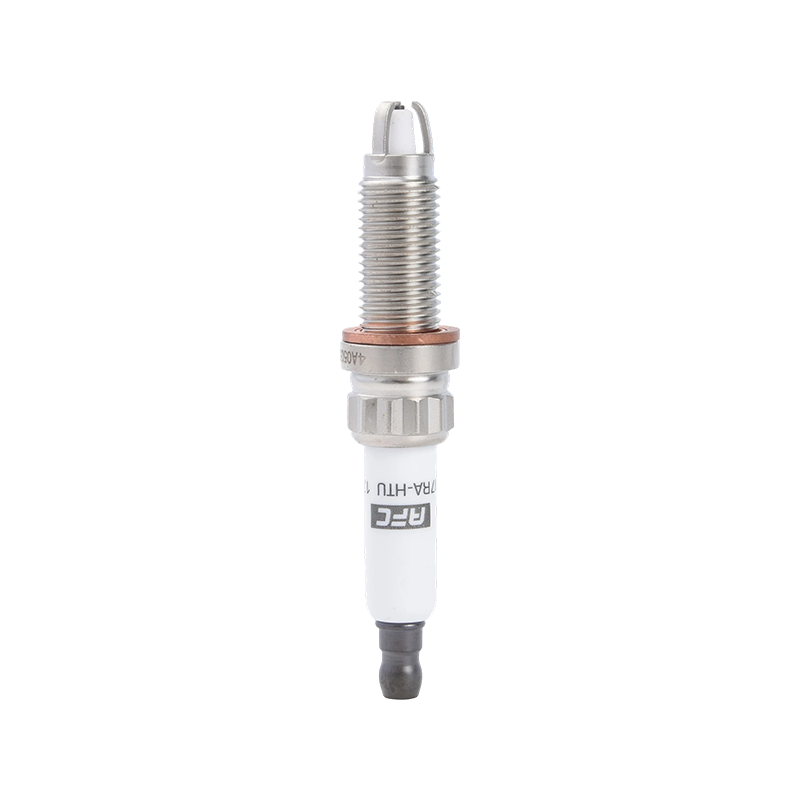
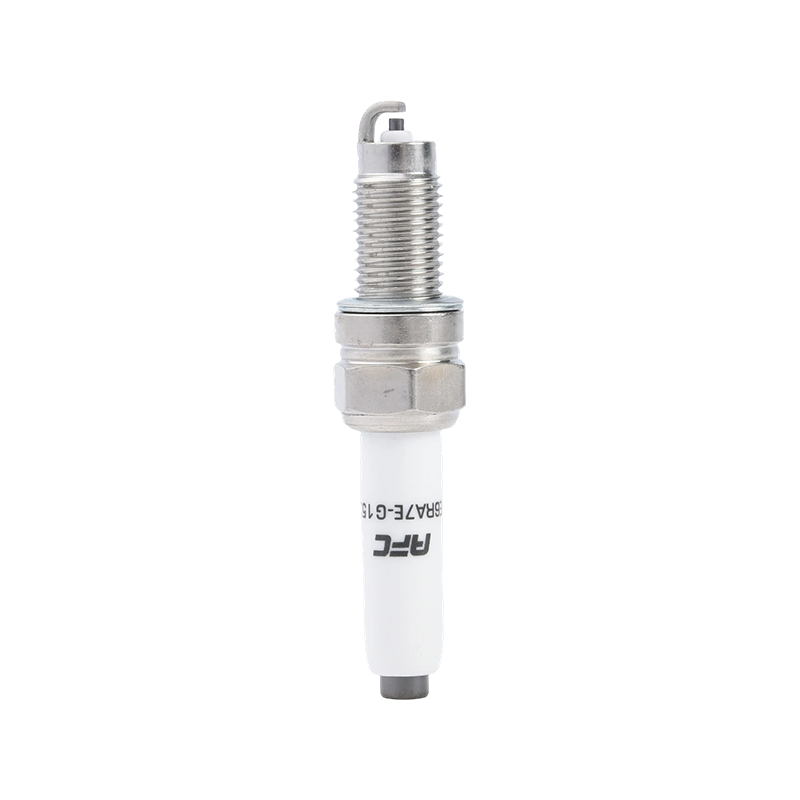
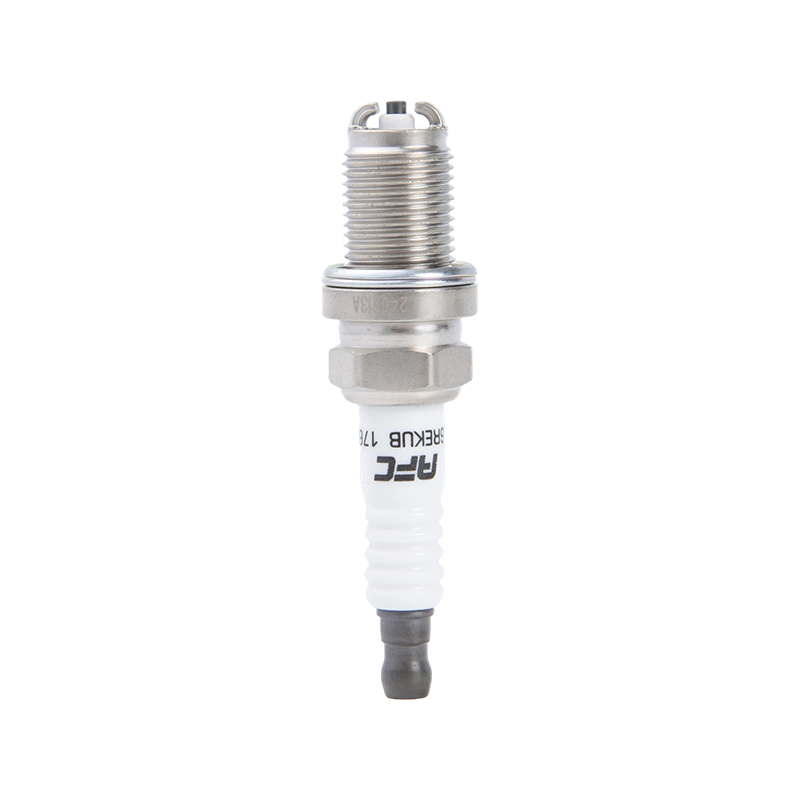
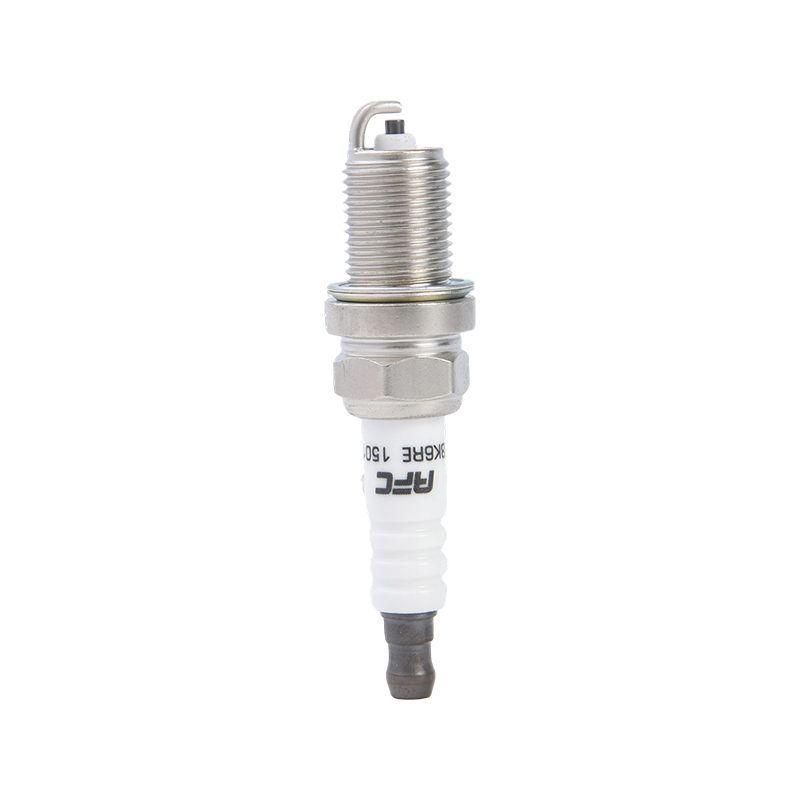
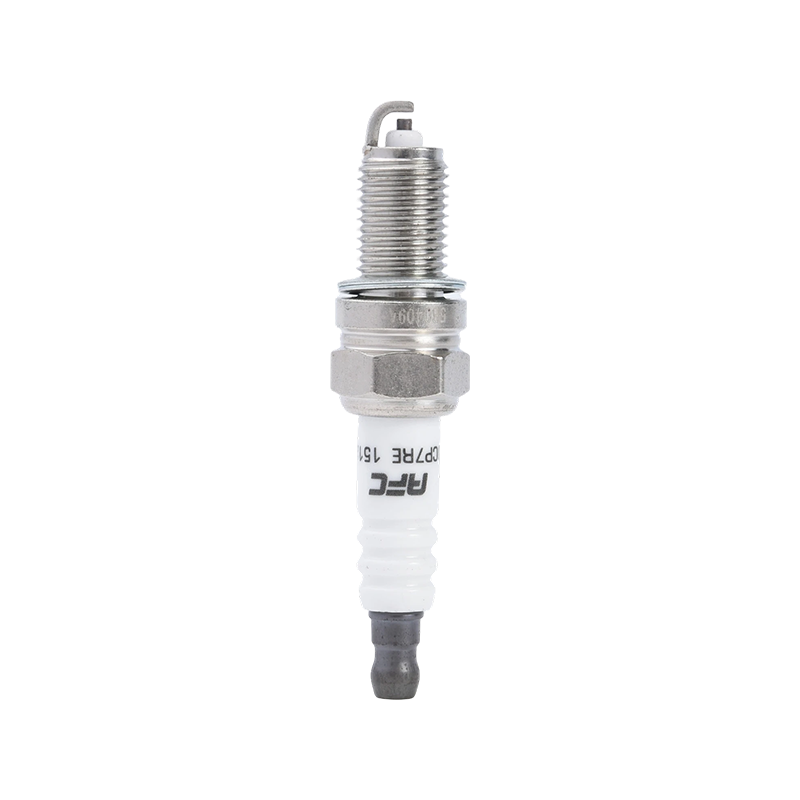
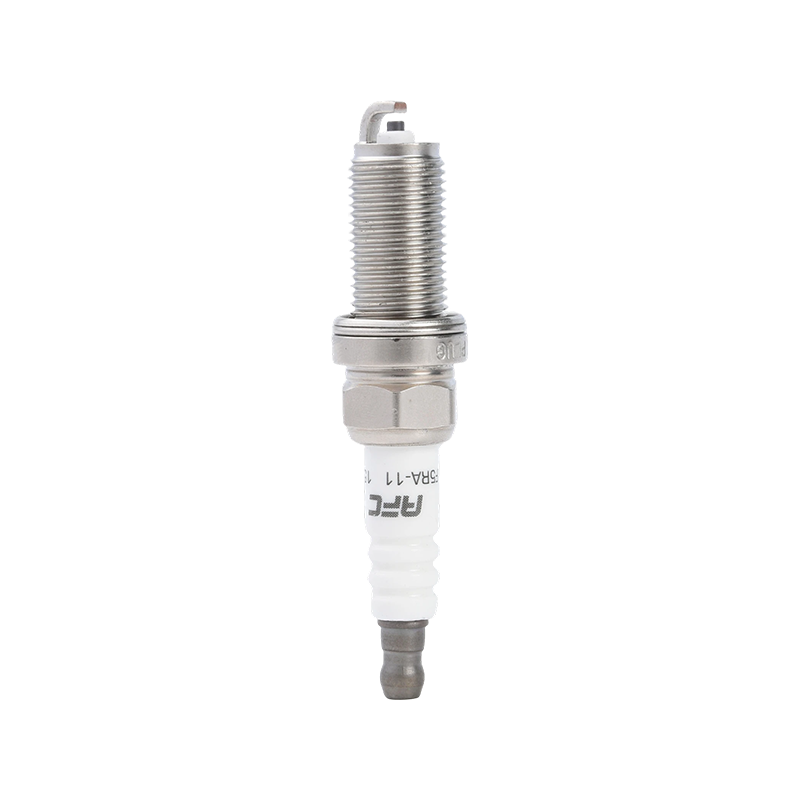
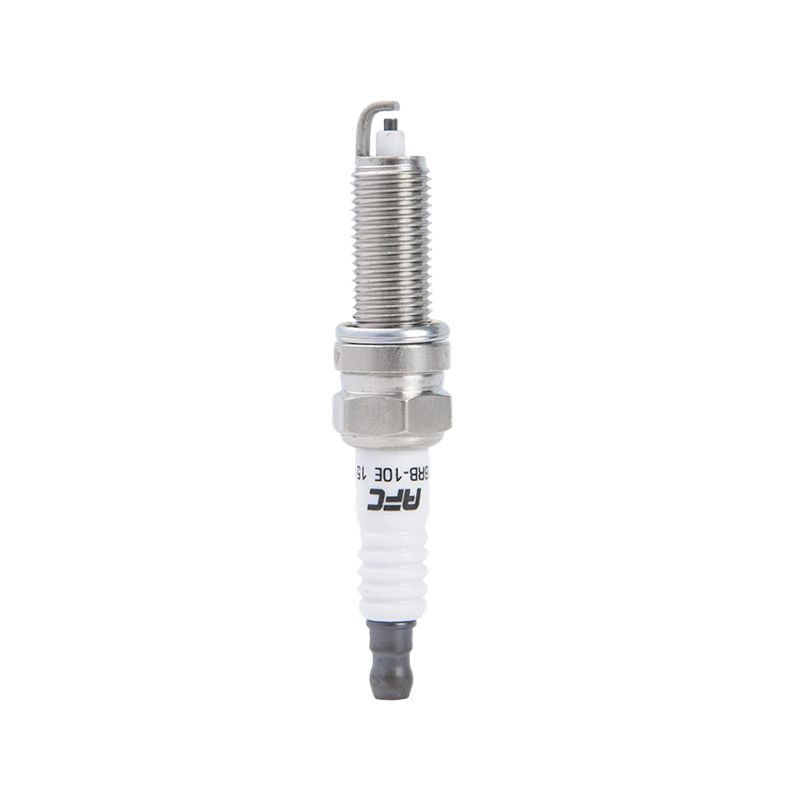
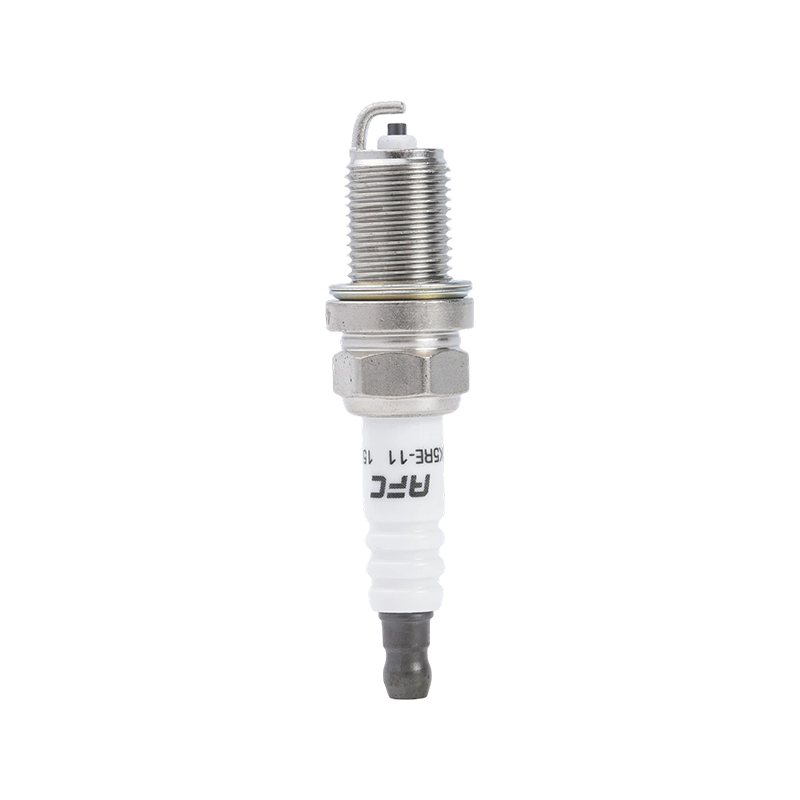
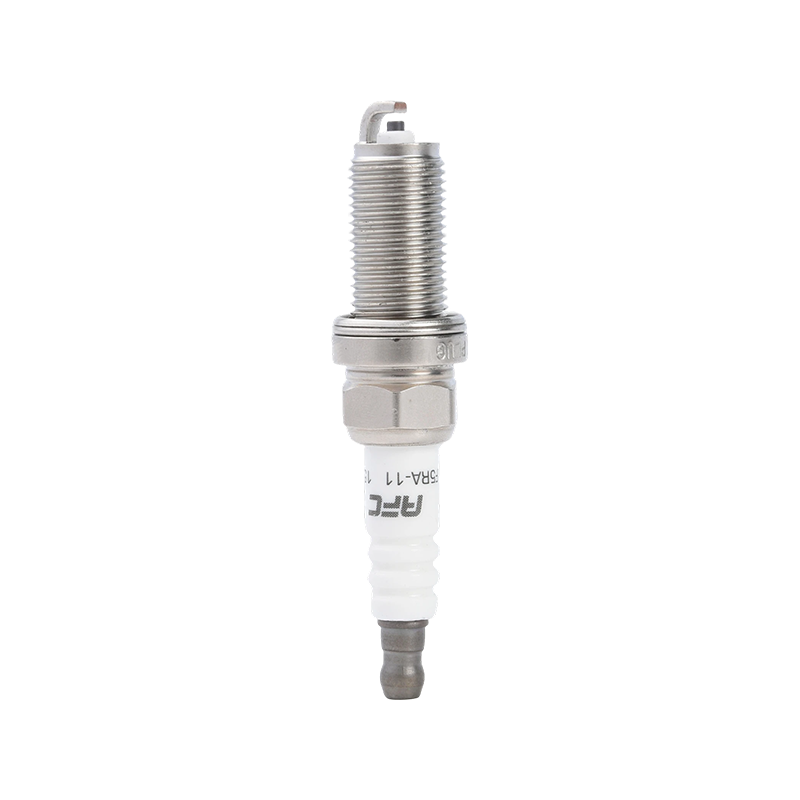
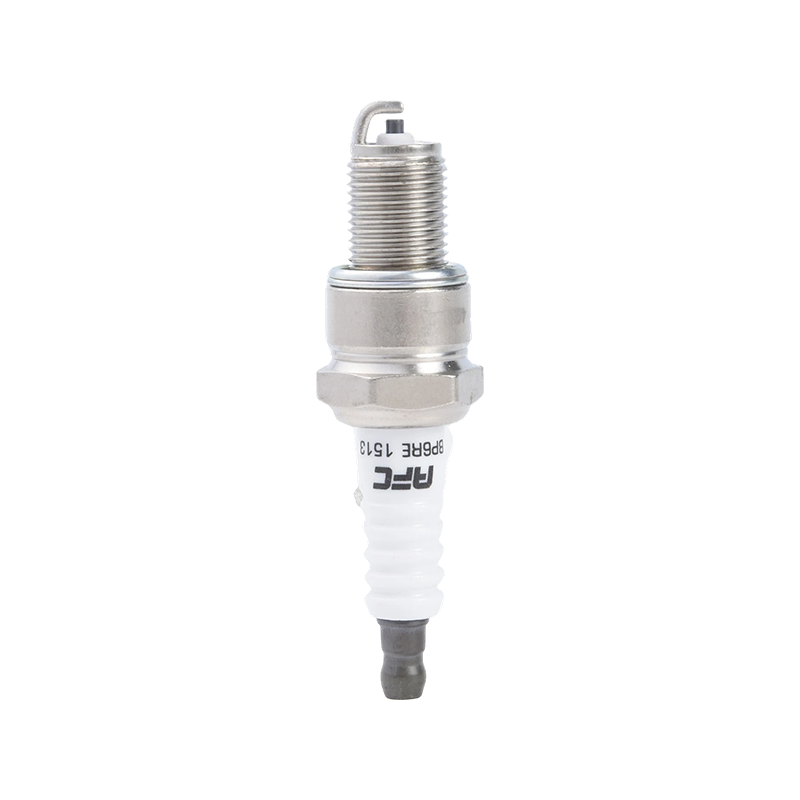
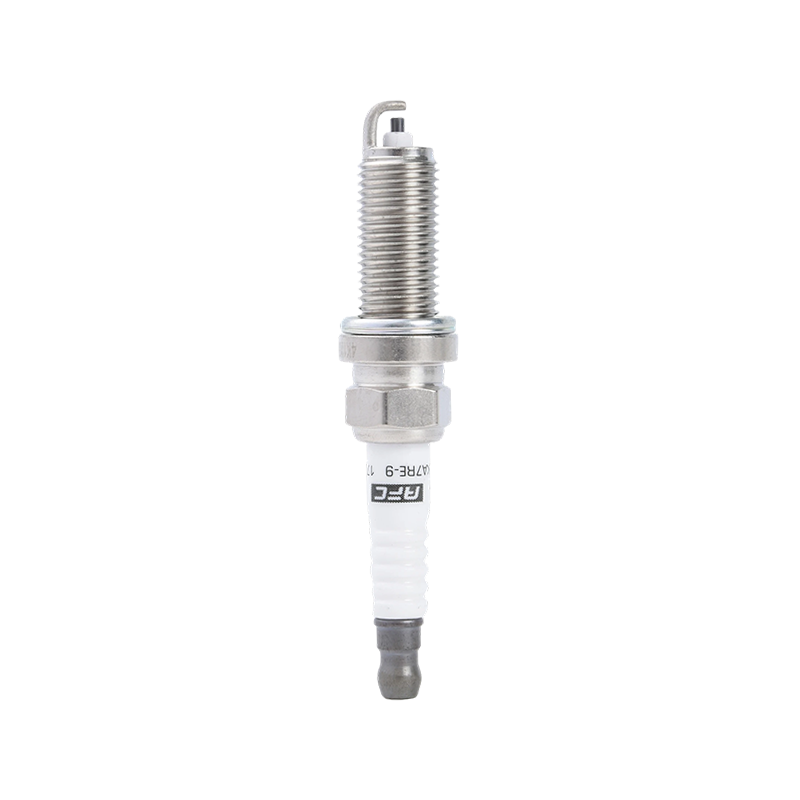
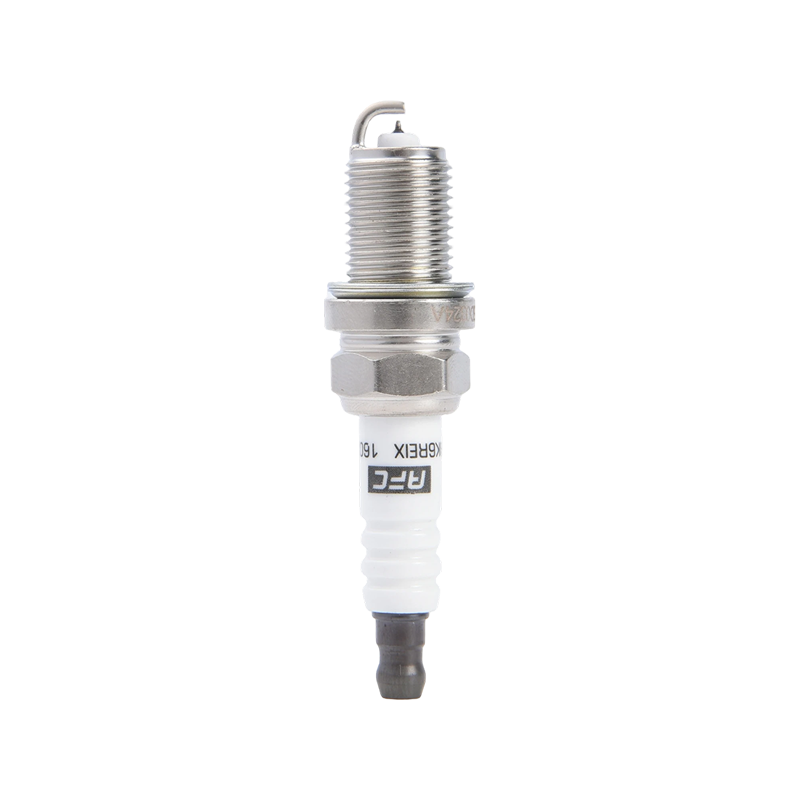
Automotive replacement spark plugs are among the most frequently serviced components in any internal combustion engine. Whether you are sourcing automotive spark plugs for a passenger sedan, a light commercial van, or a high-performance engine, the right spark plug for automotive use directly determines combustion efficiency, fuel economy, and cold-start reliability. Auto light spark plugs—compact, precisely gapped ignition components—handle millions of firing cycles under extreme thermal stress, while the best automotive spark plugs balance electrode durability, heat range accuracy, and OEM dimensional compatibility. Understanding how these parts work, how they degrade, and what manufacturing discipline sits behind them is essential knowledge for any fleet operator, workshop owner, or procurement specialist.
How a Spark Plug Actually Works — and Why It Wears Out
A spark plug bridges two worlds: the high-voltage electrical system and the explosive combustion chamber. At the tip of every automotive replacement spark plug, a central electrode and a ground electrode are separated by a precisely calibrated gap—typically between 0.6 mm and 1.1 mm for most passenger-car applications. When the ignition coil fires, a voltage spike of 12,000 – 45,000 V jumps that gap, igniting the air-fuel mixture at exactly the right moment in the piston stroke.
Wear accumulates through three mechanisms: electrode erosion from repeated spark discharge, chemical attack from combustion byproducts, and thermal fatigue from cycling between ambient temperatures and in-cylinder peaks that can exceed 800 °C. A worn electrode gap that has grown by even 0.2 mm can raise the required firing voltage by roughly 20%, stressing the ignition system and causing misfires.
Electrode Gap Increase vs. Misfire Risk (Relative Units)
Electrode Materials: What Separates Entry-Level from High-Performance
The electrode material is the single biggest differentiator when comparing auto light spark plugs across price tiers. Four material families dominate the market:
| Material | Typical Service Life | Firing Voltage Req. | Best Fit |
|---|---|---|---|
| Copper / Nickel | 20,000 – 30,000 km | Medium-High | Budget replacement, older engines |
| Platinum (single) | 60,000 – 80,000 km | Medium | Mainstream OEM replacement |
| Double Platinum | 80,000 – 100,000 km | Medium-Low | Distributor-less ignition systems |
| Iridium | 100,000 – 150,000 km | Low | Modern direct-injection, turbo engines |
Iridium's melting point sits at 2,446 °C—roughly 600 °C higher than platinum—which explains its resistance to erosion in high-boost, high-temperature combustion environments. However, material choice must be matched to the engine's ignition architecture; fitting an iridium plug into a distributor-based system delivers minimal extra benefit over double-platinum at a higher cost per unit.
What Makes the Best Automotive Spark Plugs: A Multi-Factor View
Choosing the best automotive spark plugs for a given application involves weighing several properties simultaneously—not just electrode material. The radar below illustrates how three plug categories score across five critical dimensions.
Performance Radar: Spark Plug Category Comparison (Score / 10)
From a procurement standpoint, no single plug type wins across all five dimensions. Copper wins on cost efficiency and broad engine compatibility; iridium leads on durability and heat management; platinum strikes a practical middle ground for most workshop replacement scenarios.
Heat Range: The Number You Cannot Ignore
Every spark plug for automotive use carries a heat range designation that reflects how quickly the plug's insulator nose dissipates heat to the cylinder head. Fitting a plug that runs too hot causes pre-ignition; too cold and carbon deposits foul the tip. The operating sweet spot for the insulator nose temperature is 450 °C – 850 °C.
Insulator Nose Temperature vs. Engine Load (°C)
A cold plug clears heat fast—ideal for turbocharged or high-compression engines. A hot plug retains heat longer, keeping the tip clean in low-load, short-journey situations typical of urban driving. Matching heat range to engine specification is as important as matching thread pitch and reach dimensions.
Manufacturing Discipline Behind High-Quality Automotive Replacement Spark Plugs
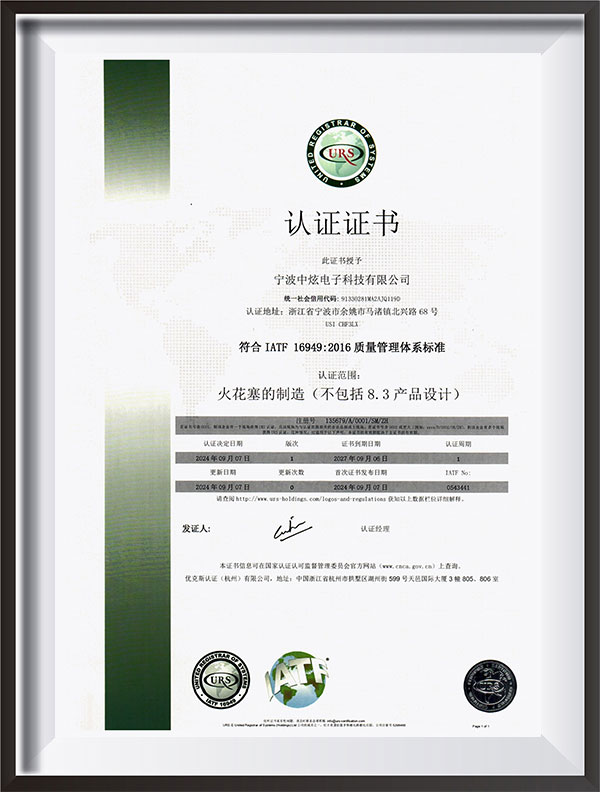
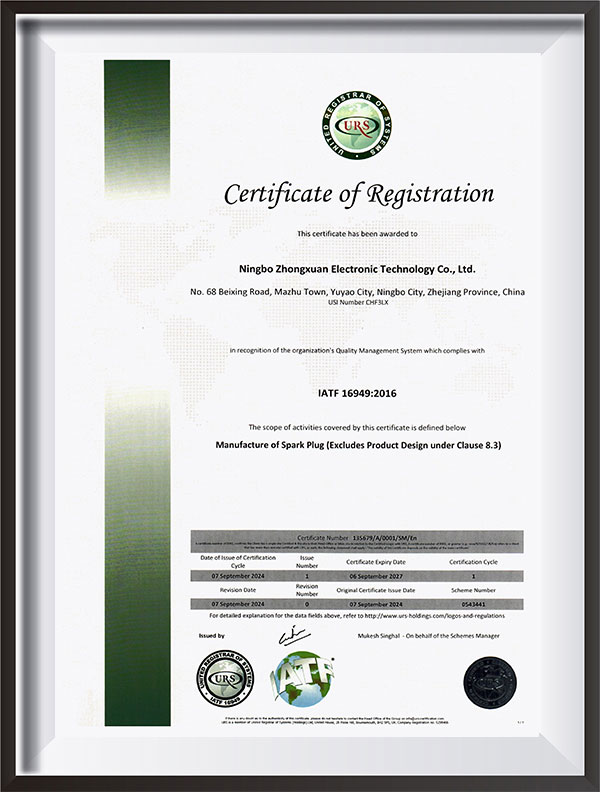
Consistency in spark plug manufacturing is not incidental—it is engineered. NINGBO ZHONGXUAN ELECTRONIC TECHNOLOGY CO., LTD operates as a high-end automotive spark plugs professional manufacturer, and its production environment reflects what that commitment actually requires in practice.
12,000 m²
Standard Workshop Area
IATF 16949
Quality Management Certified
ISO 9001
System Certification
The company's standard workshop exceeds 12,000 square meters and is equipped with multiple advanced, fully automatic production lines. This scale of automation is significant: manual electrode-gap setting typically carries a tolerance of ±0.05 mm, whereas automated production lines maintain ±0.02 mm or better, directly reducing the variability that leads to uneven combustion across cylinder sets.
Production capacity and production technology at NINGBO ZHONGXUAN have reached industry-leading levels—a claim grounded in the company's attainment of both IATF 16949 and ISO 9001 system certifications. IATF 16949 is specific to the automotive supply chain and imposes controls on process traceability, corrective action response times, and production part approval that generic manufacturing certifications do not require. For buyers sourcing automotive replacement spark plugs in volume, this means a documented quality trail from raw material intake to finished part.
Gap-Setting Tolerance: Manual vs. Automated Production (mm)
When to Replace: Reading the Signs Before a Misfire Hits
Many drivers replace auto light spark plugs only after a visible performance drop. A more cost-effective approach is interval-based replacement combined with visual inspection. The following signs indicate a plug is approaching end of life:
- Electrode gap has grown beyond the manufacturer's specified maximum (often 0.25 mm above nominal)
- Carbon deposits on the insulator nose, indicating rich mixture or short-trip operation
- Blistered or cracked insulator nose—a sign of sustained overheating
- Oil fouling on the tip, pointing to underlying engine issues rather than plug failure alone
- Fuel consumption increase of 4–8% without other identified cause
For fleet managers, scheduling replacement at 80% of the rated service life rather than at the limit reduces the probability of in-service failure significantly without dramatically increasing parts cost.
Common Questions About Automotive Spark Plugs
Can I install a different brand of spark plug than the OEM part?
Yes, provided the replacement matches the OEM specification for thread size, reach, hex size, heat range code, and electrode gap. Many aftermarket automotive replacement spark plugs are cross-referenced to OEM part numbers. What matters is dimensional and thermal compatibility, not brand origin. A mismatched heat range or incorrect reach is a far greater risk than a brand substitution.
Do I need to gap a new spark plug before installation?
Copper and platinum plugs typically arrive pre-gapped but should always be verified with a feeler gauge before installation—shipping and handling can alter the gap slightly. Iridium and fine-wire electrodes should not be adjusted with a traditional gapping tool; use a gap gauge only and adjust the ground electrode carefully, since the fine central electrode is brittle.
Is it worth replacing all spark plugs at once even if only one is misfiring?
In almost every case, yes. If one plug has reached end of life, the others are at a similar stage of wear given equal mileage. Replacing all plugs at once saves labor costs (which often exceed parts cost on multi-cylinder engines), ensures even combustion across all cylinders, and avoids a repeat misfire diagnosis within a few thousand kilometers.
What torque specification should I use when installing automotive spark plugs?
Always follow the engine manufacturer's torque specification. As a general reference, 14 mm thread plugs in aluminum heads typically call for 20–30 N·m; 12 mm plugs often require 10–20 N·m. Over-torquing is a common cause of insulator cracking, while under-torquing can cause blow-out under combustion pressure.
How does a high-volume manufacturer ensure consistent quality across millions of spark plugs?
The answer lies in process control at every stage—material incoming inspection, automated electrode forming and gapping, in-line dimensional checks, and final electrical leakage testing. Manufacturers like NINGBO ZHONGXUAN ELECTRONIC TECHNOLOGY CO., LTD, operating under IATF 16949 protocols on fully automatic production lines, apply statistical process control throughout, so deviations are caught at the machine level rather than the final inspection stage. This is what separates a high-end manufacturer from a commodity assembler.