

 Español
Industry News
Content
- 1 Spark Plug Temp Range Explained: The Short Answer First
- 2 How the Heat Range Number Actually Works
- 3 What Physically Determines a Spark Plug's Heat Rating
- 4 Why the Correct Spark Plug Temp Range Matters for Engine Health
- 5 Recognizing the Signs of the Wrong Heat Range
- 6 How to Choose the Right Spark Plug Temp Range
- 7 Turbocharged and High Output Engines Need Extra Attention
- 8 Seasonal Climate and Regional Driving Conditions
- 9 Maintenance Habits That Extend Correct Heat Range Performance
- 10 How Electrode Material Interacts With Heat Range
- 11 Recommended Starting Points by Application Type
- 12 Common Mistakes When Choosing or Installing a Heat Range
- 13 Installation Reference: Torque by Thread Size
- 14 Quick Glossary of Related Terms
- 15 Frequently Asked Questions About Spark Plug Temp Range
- 15.1 Can I run a colder spark plug in a completely stock engine?
- 15.2 Does a colder spark plug make more horsepower?
- 15.3 How often should heat range be reconsidered?
- 15.4 Is a wider spark plug gap related to heat range?
- 15.5 What does a normal, correctly heat ranged spark plug look like when removed?
- 15.6 Can two engines with the same displacement need different heat ranges?
- 15.7 Does switching to iridium or platinum plugs change the required heat range?
- 15.8 Will the wrong heat range trigger a check engine light?
- 15.9 Is it safe to mix heat ranges across cylinders in the same engine?
- 15.10 How long does it take for a new heat range to show its true effect?
- 15.11 Does altitude affect the correct heat range choice?
Spark Plug Temp Range Explained: The Short Answer First
A spark plug temp range, more commonly called the heat range, describes how quickly a spark plug can pull combustion heat away from its firing tip and transfer it into the cylinder head. It is not a measurement of temperature in degrees. It is a rating of heat dissipation speed, and matching that rating to an engine's operating conditions is one of the most overlooked factors in reliable ignition performance.
The core rule is simple: a plug rated colder pulls heat away fast and resists pre-ignition under high load, while a plug rated hotter holds heat longer at the tip so it can burn off carbon during light, low-speed driving. Getting this wrong does not always cause a dramatic failure right away. Instead it shows up gradually, as fouled electrodes, a rough idle, reduced fuel economy, or in more serious cases, detonation damage to pistons and valves.
Heat range sits alongside gap, reach, and seat type as one of the four core specifications that define whether a given spark plug fits and performs correctly in a particular cylinder head. Of the four, heat range is the one most frequently misunderstood, largely because it cannot be checked visually before installation the way thread reach or seat type can. A plug with the wrong reach either physically fits or it does not, and a mismatched seat is usually obvious on installation. A mismatched heat range, by contrast, threads in without complaint and only reveals itself after hours of running time, through gradually worsening symptoms rather than an immediate failure.
This guide works through the full picture in order: how the numbering itself is built and why it differs between brands, what physically inside the plug determines its rating, how heat range interacts with electrode material, how to match a rating to a specific vehicle or equipment type, how to read early warning signs before damage occurs, and how seasonal and regional driving patterns shift the ideal choice. A detailed application table, an installation torque reference, and an extended set of frequently asked questions are included toward the end for quick lookup.
How the Heat Range Number Actually Works
Colder Plug
A colder spark plug has a shorter insulator nose and a shorter heat transfer path. Heat moves from the firing tip into the shell and then into the cylinder head much faster, so the tip runs at a lower average temperature. This suits turbocharged engines, sustained highway towing, track use, or any engine producing high cylinder pressure.
Hotter Plug
A hotter spark plug has a longer insulator nose, so heat has a longer path to travel before it reaches the shell. The tip stays warmer for longer, which helps burn off fuel and oil deposits during idling, stop and go traffic, or short trips where the engine rarely reaches full operating temperature.
Manufacturers each use their own numbering convention, and the scales are not interchangeable without a cross reference chart. Some brands increase the number as heat range gets colder, others do the opposite, which is a common source of installation mistakes.
| Brand | Typical Number Range | Direction as Number Increases |
|---|---|---|
| NGK | 2 to 12 | Colder |
| Denso | 9 to 37 | Colder |
| Champion | 7 to 82 | Hotter |
| Autolite | marked with a suffix letter | Varies by series |
| Bosch | 2 to 8 (Super/Platinum lines) | Hotter |
Because the direction of the scale reverses between brands, cross-referencing by the plug's actual part number and thread configuration is always safer than assuming a number carries the same meaning across manufacturers.
What Physically Determines a Spark Plug's Heat Rating
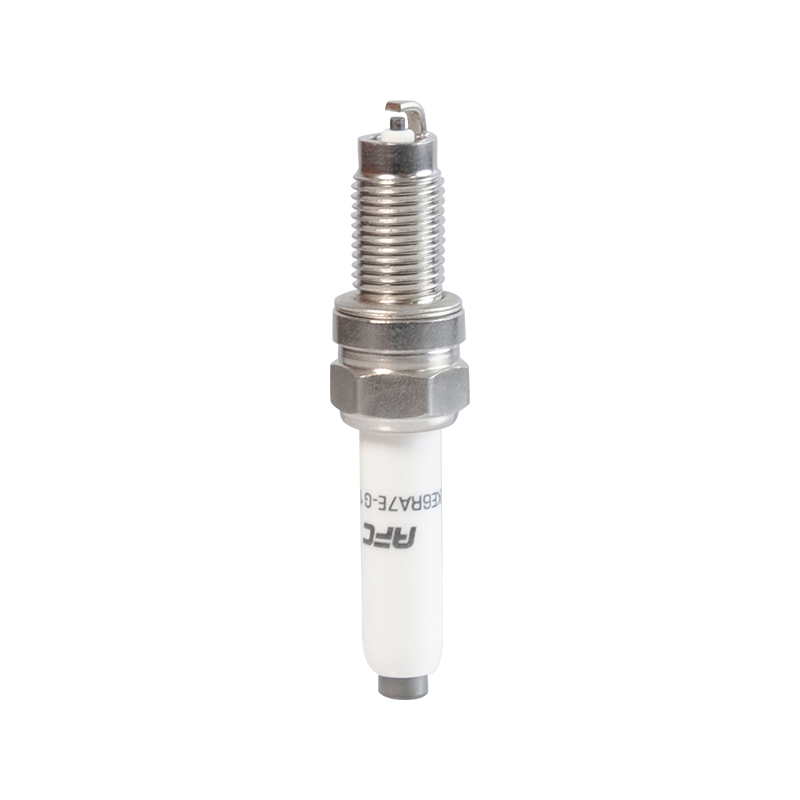
The heat range number is not an arbitrary label. It is derived directly from the physical construction of the plug, and specifically from how far the insulator nose projects into the combustion chamber and how much surface area sits in contact with the metal shell along the way. Three construction details do most of the work.
Insulator Nose Length
The ceramic insulator nose is the visible cone-shaped section surrounding the center electrode. A longer nose has a longer path for heat to travel before reaching the shell and the cylinder head, so it stays hotter for a given combustion load. A shorter nose transfers heat into the shell almost immediately, keeping the tip cooler.
Contact Area With the Shell
Where the insulator meets the metal shell, the surface contact area determines how efficiently heat crosses from ceramic into steel. A wider contact area speeds heat transfer and biases the plug colder, while a narrower contact area slows it and biases the plug hotter, independent of nose length alone.
Tip Design (Projected vs Non-Projected)
A projected tip design extends the firing end slightly further into the combustion chamber, exposing it to more of the incoming air fuel charge for better self-cleaning at idle, without necessarily changing the underlying heat range number. Non-projected tips sit closer to flush with the cylinder head and are common on plugs intended for very high load applications.
These three elements are combined by the manufacturer into a single tested rating, verified on a calibrated test engine under standardized load conditions, then assigned a part number and heat range designation. This is why two plugs that look nearly identical from the outside can carry meaningfully different heat ratings, and why heat range should always be confirmed from the printed part number rather than estimated by eye.
Why the Correct Spark Plug Temp Range Matters for Engine Health
- Ignition consistency: the firing tip needs to stay hot enough to prevent carbon and fuel buildup from insulating the electrode, since a fouled tip weakens or interrupts the spark.
- Detonation control: the tip must also stay cool enough that it does not become an ignition source of its own, triggering the fuel mixture to combust before the intended spark event.
- Component protection: uncontrolled pre-ignition raises cylinder pressure abruptly, which is a leading contributor to cracked piston crowns, damaged ring lands, and burned exhaust valves over time.
- Emissions and combustion quality: a plug operating in its intended spark plug temperature window supports a cleaner, more complete burn, which affects both fuel economy and exhaust output.
Most spark plugs are designed to keep their firing tip within roughly 500 to 850 degrees Celsius during normal operation. Below that window, carbon and oil residues stop burning off and accumulate on the insulator. Above that window, the tip and adjacent combustion chamber surfaces can glow hot enough to ignite the air fuel mixture independently of the timed spark, a condition known as surface ignition or pre-ignition.
Recognizing the Signs of the Wrong Heat Range
Symptoms of a Plug That Runs Too Cold
- Black, dry soot coating the insulator tip
- Rough idle or intermittent misfire at low speed
- Difficulty starting after short trips or cold weather
- Reduced fuel efficiency from incomplete combustion
Symptoms of a Plug That Runs Too Hot
- Blistered or eroded electrode tip after removal
- Audible pinging or knocking under acceleration
- Melted or rounded ground electrode edges
- Loss of power or engine management pulling timing
Pulling a spark plug and reading its tip color and condition remains one of the most direct diagnostic tools available. A plug that has been running in the correct temp range typically shows a light tan or grayish tan deposit on the insulator, with the electrode edges intact and sharply defined rather than rounded or melted.
How to Choose the Right Spark Plug Temp Range
1
Start from the engine manufacturer's original specification. This is calibrated for the stock compression ratio, fuel type, and typical duty cycle, and should always be the baseline before making any change.
2
Account for modifications that raise cylinder pressure or intake charge temperature, such as forced induction upgrades, higher compression pistons, or aggressive ignition timing. These generally call for a colder plug than stock.
3
Account for driving pattern. Engines used mostly for short trips, low speed city driving, or frequent idling benefit from staying closer to stock or even one step hotter, since a colder plug in this use case tends to foul.
4
Adjust in single steps only. Moving more than one heat range step at a time from the baseline specification makes it difficult to isolate whether a resulting symptom is caused by the heat range change or by something else in the ignition or fuel system.
5
Re-check plug condition after a meaningful test interval, ideally a mixed cycle of city and highway driving of at least a few hundred kilometers, rather than judging from a short test drive alone.
Turbocharged and High Output Engines Need Extra Attention
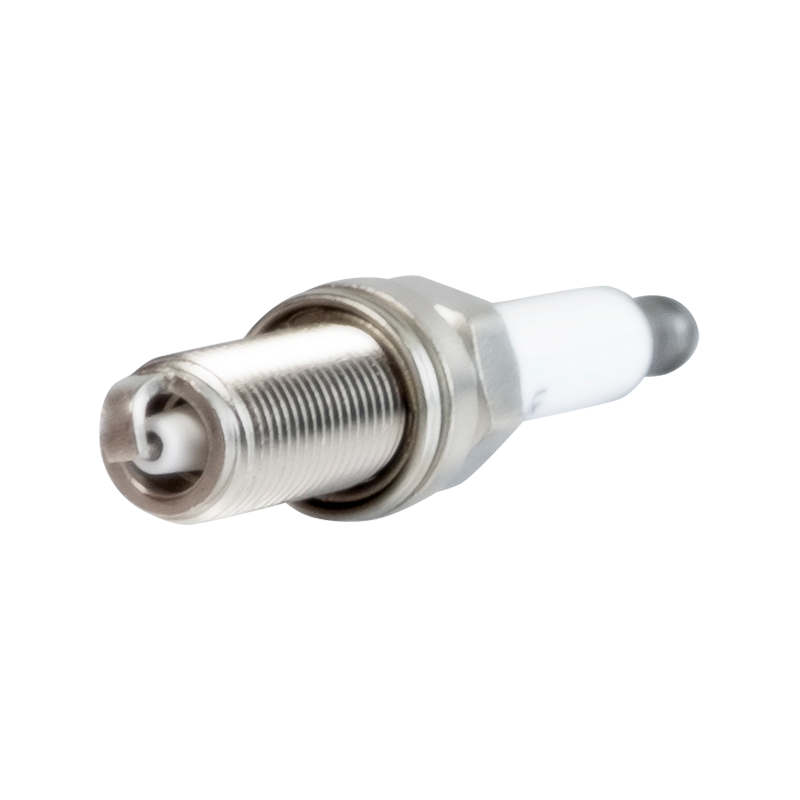
Forced induction raises both cylinder pressure and intake charge temperature, which pushes combustion heat into the spark plug tip faster than in a naturally aspirated engine of similar displacement. For this reason, most turbocharged production engines are specified from the factory with a plug one to two steps colder than a comparable naturally aspirated variant. When boost pressure is raised beyond the factory calibration, it is common practice to step to an even colder spark plug temp range and to reduce the electrode gap slightly, since a wider gap combined with high cylinder pressure demands more voltage to jump the gap reliably.
Engines running E85 or other high ethanol content fuels behave differently again. Ethanol has a higher octane tolerance and a cooler flame temperature than gasoline, which sometimes allows a slightly hotter plug than a pure gasoline tune at the same boost level, though this should always be confirmed against tuner or manufacturer guidance rather than assumed.
Seasonal Climate and Regional Driving Conditions
Ambient temperature and altitude both influence how a given heat range performs in practice. Cold climates lengthen warm up time and increase the number of short, cold starts an engine sees over a season, which favors a plug on the hotter side of the specification range to keep the tip self-cleaning. Hot climates and high altitude driving, where thinner air is often compensated for with more aggressive boost or timing, tend to push cylinder temperatures higher and can justify a colder plug, particularly for vehicles that tow, carry heavy loads, or run at sustained high speed on highways.
Fleet operators and commercial vehicles that combine long idling periods with occasional heavy load hauling represent one of the more difficult cases, since the two duty cycles call for opposite heat range tendencies. In these situations, a mid-range plug matched closely to the engine's original specification, combined with a shorter service interval to catch early fouling or erosion, is generally more practical than chasing an extreme in either direction.
Maintenance Habits That Extend Correct Heat Range Performance
- Set the electrode gap to the specification for that exact plug part number before installation, since gap and heat range work together to determine spark energy delivery.
- Torque the plug to the specified value rather than by feel, since an under-torqued plug seats poorly and cannot transfer heat into the cylinder head efficiently, effectively acting hotter than its rating.
- Inspect plugs at every scheduled interval rather than only when a misfire code appears, since tip erosion and fouling both progress gradually before triggering a diagnostic fault.
- Keep records of which heat range is installed after any tune, boost, or fuel change, so future diagnostics start from an accurate baseline instead of an assumption.
How Electrode Material Interacts With Heat Range
Center electrode material affects how a spark plug behaves within its rated heat range, even though it is a separate specification from the heat range number itself. A thinner, more conductive center electrode concentrates voltage more efficiently and tends to run slightly cleaner at the same nominal heat range compared to a thicker electrode of a softer material.
| Material | Typical Electrode Diameter | Practical Effect on Heat Range |
|---|---|---|
| Copper core, nickel alloy tip | 2.5 mm or thicker | Widest margin for error, but fouls sooner at the cold end |
| Platinum tip | around 1.1 mm | Slightly better fouling resistance at the same rated range |
| Iridium tip | 0.4 to 0.7 mm | Best cold-start self-cleaning behavior, allows a narrower practical margin |
| Double platinum | around 1.1 mm both electrodes | Consistent behavior across the full service interval |
This is why an iridium plug can sometimes be run one notional step colder than an equivalent nickel plug in the same engine without fouling issues at idle. The thin center electrode concentrates spark energy so effectively that self-cleaning at the tip happens even with a shorter dwell above the fouling threshold. This is a secondary effect layered on top of heat range, not a substitute for choosing the correct rating in the first place.
Recommended Starting Points by Application Type
The table below is a general starting reference only, intended to describe typical tendencies across common categories of engine use. The manufacturer's own specification for a specific engine model always takes priority over a general category shown here.
| Application | Typical Duty Cycle | General Heat Range Tendency |
|---|---|---|
| Naturally aspirated daily driver | Mixed city and highway | Factory specification, no change needed |
| Stock turbocharged passenger car | Mixed city and highway | One step colder than an equivalent naturally aspirated engine |
| Modified turbocharged, raised boost | Spirited driving or track days | One to two steps colder than factory turbo specification |
| Dedicated track or race engine | Sustained high load | Two or more steps colder, reviewed with tuner data |
| Motorcycle, high revving small displacement | Frequent high RPM use | Manufacturer specification, rarely changed |
| Marine inboard or outboard engine | Sustained high load at cruising speed | Often one step colder than a road vehicle equivalent |
| Small engine, generator, or lawn equipment | Long idling, light load | Manufacturer specification, biased toward hotter range |
| Agricultural or stationary engine | Long duration steady load | Manufacturer specification, monitored closely for fouling or erosion |
Common Mistakes When Choosing or Installing a Heat Range
- Assuming a heat range number means the same thing across different brands, without checking the actual direction of that brand's scale.
- Jumping multiple heat range steps at once after a modification, which makes it difficult to isolate whether a new symptom comes from the heat range change or from something else entirely.
- Choosing a colder plug purely because it is marketed toward performance use, without any actual increase in cylinder pressure or load to justify the change.
- Ignoring reach and seat type while focusing only on the heat range number, resulting in a plug that may carry the right rating but the wrong physical fit for the cylinder head.
- Leaving a colder plug installed after a tune is reverted to stock, which can leave the engine chronically under-heated at the tip and prone to fouling in everyday driving.
- Skipping a proper heat cycle after installation, judging plug condition from a cold engine inspection rather than after sustained running time.
- Reusing an old gap setting from a different plug model, since gap specifications are tied to the specific part number and are not universal across a manufacturer's catalog.
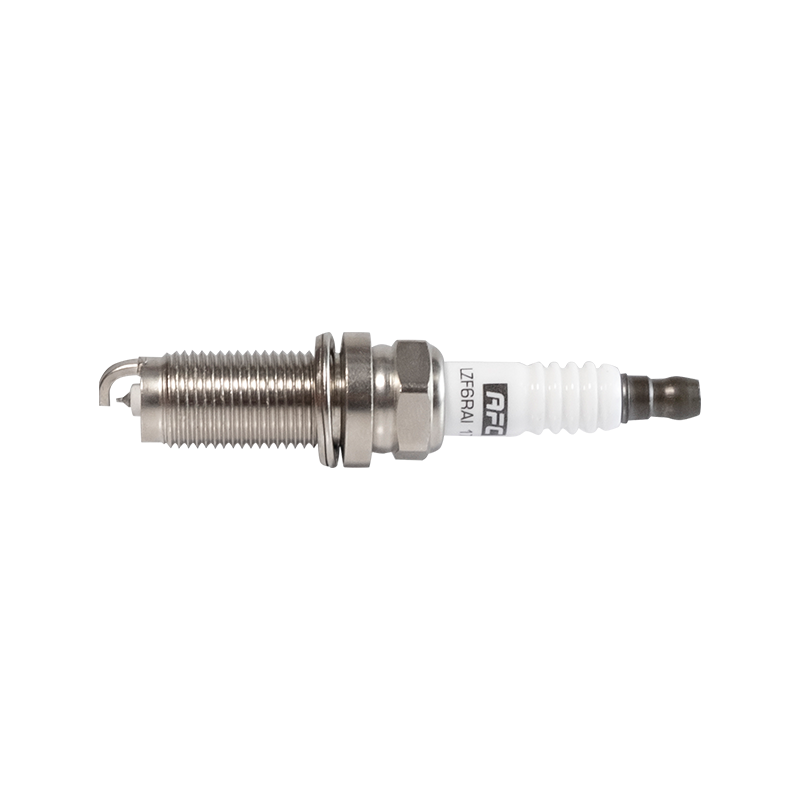
Installation Reference: Torque by Thread Size
Correct seating pressure matters as much as the heat range rating itself, since an under-torqued plug cannot transfer heat into the cylinder head efficiently and will behave as though it is running hotter than its printed rating. The figures below describe common thread sizes for gasketed seat plugs installed into a clean, dry, room temperature aluminum head.
| Thread Size | Torque (Newton meters) | Torque (Foot pounds) |
|---|---|---|
| 10 mm | 10 to 12 | 7 to 9 |
| 12 mm | 15 to 20 | 11 to 15 |
| 14 mm | 20 to 30 | 15 to 22 |
| 18 mm | 30 to 40 | 22 to 30 |
These figures are general references, not a substitute for the specific torque value published for a given engine and plug combination. Always confirm the specification for the exact plug and cylinder head before final installation.
Quick Glossary of Related Terms
Heat Range
A rating describing how quickly a spark plug transfers combustion heat away from its firing tip into the cylinder head, expressed as a manufacturer-specific number or code rather than a temperature in degrees.
Insulator Nose
The ceramic cone surrounding the center electrode, whose length is one of the main physical factors determining heat range.
Pre-Ignition
Combustion that begins before the intended timed spark, often triggered by a hot spot such as an overheated spark plug tip or carbon deposit acting as an unintended ignition source.
Fouling
The buildup of carbon, fuel, or oil residue on the insulator tip, typically caused by a heat range that runs too cold for the engine's duty cycle or by an unrelated ignition or fuel delivery issue.
Electrode Gap
The measured distance between the center electrode and the ground electrode, which works together with heat range and available voltage to determine reliable spark delivery.
Frequently Asked Questions About Spark Plug Temp Range
Can I run a colder spark plug in a completely stock engine?
Running one step colder than factory specification is usually tolerated without harm, but it raises the risk of fouling if the vehicle is driven mostly on short trips or at low speed. There is generally no performance benefit in a fully stock engine, so matching the original specification remains the more reliable choice.
Does a colder spark plug make more horsepower?
A colder plug on its own does not add power. Its role is to prevent detonation under conditions of higher cylinder pressure, such as increased boost or compression, which in turn allows the ignition timing to be tuned more aggressively without risking engine damage. The power gain, where it exists, comes from the tune, not from the heat range change itself.
How often should heat range be reconsidered?
Heat range should be reviewed any time there is a meaningful change to boost pressure, compression ratio, fuel type, or ignition timing, and it is good practice to re-inspect plug tip condition at every oil change interval as a routine check even without any modification.
Gap and heat range are separate specifications, but they interact. Higher cylinder pressure, which often accompanies a colder plug recommendation, requires more voltage to jump a given gap. This is why colder plug installations for boosted applications are frequently paired with a slightly reduced gap rather than the standard naturally aspirated gap.
What does a normal, correctly heat ranged spark plug look like when removed?
A plug operating in its correct temp range typically shows a light tan to grayish brown deposit evenly across the insulator tip, with the ground electrode edge still sharp rather than rounded, and no melting, blistering, or heavy wet fouling present.
Can two engines with the same displacement need different heat ranges?
Yes. Compression ratio, induction type, fuel octane requirement, and intended duty cycle all vary between engines of the same displacement, and each of these factors shifts the ideal heat range independently of engine size.
Does switching to iridium or platinum plugs change the required heat range?
Not directly. The heat range rating is still selected based on engine load and duty cycle rather than electrode material. What changes is the practical margin for error, since a thin iridium or platinum electrode self-cleans more effectively at idle, which can make a marginally cold plug behave acceptably where a thicker nickel electrode of the same rating might foul.
Will the wrong heat range trigger a check engine light?
It can, indirectly. A heat range that is too cold and causes fouling often produces a random or cylinder-specific misfire code, while a heat range that is too hot and causes pre-ignition can trigger a knock sensor related code as the engine control unit pulls timing to compensate. Neither code names heat range directly, so a physical inspection of the removed plug is usually needed to confirm the cause.
Is it safe to mix heat ranges across cylinders in the same engine?
This is not recommended under normal circumstances. Manufacturers calibrate a single heat range across all cylinders of a given engine because cylinder-to-cylinder cooling and load are assumed to be reasonably uniform. Mixing ranges is sometimes used as a temporary diagnostic step to isolate a single problem cylinder, but it should not be treated as a long-term setup.
How long does it take for a new heat range to show its true effect?
A short test drive is not enough to judge tip condition accurately, since the insulator needs sustained running time to reach and stabilize at its typical operating temperature. A mixed cycle of city and highway driving covering at least a few hundred kilometers, followed by a plug pull and visual inspection, gives a much more reliable picture than judging from a single short trip.
Does altitude affect the correct heat range choice?
Higher altitude reduces air density, and many turbocharged and forced induction engines respond by running more boost or more aggressive timing to compensate for the thinner air, which raises cylinder temperature. Naturally aspirated engines are affected less dramatically, but vehicles regularly driven at high altitude with heavy loads, such as mountain towing, are still worth reviewing against the standard heat range specification.