

 Español
Home / News / Industry News / Spark Plug Heat Range 6 vs 7: What's the Difference and Which Should You Use?
Industry News
Content
If you are comparing a heat range 6 and a heat range 7 spark plug for the same engine, the direct answer is that the 6 is one step hotter and the 7 is one step colder. The 7 keeps the electrode tip roughly 70-100°C cooler at the same engine load, which gives a larger safety margin against pre-ignition and electrode melting during sustained high-load running. The 6 stays hotter at low load, which helps it burn off carbon deposits and keeps the idle clean in stop-and-go traffic. For a completely stock naturally aspirated engine that mostly runs in town, the 6 is normally the correct choice. For a turbocharged engine, a tuned engine, or a car that spends long periods on the motorway or track, the 7 is the safer fit.
Heat range describes how quickly the spark plug transfers combustion heat away from the firing tip. It is not a measure of spark energy, and it does not describe how hot the engine block runs. The heat moves along a physical path: from the center electrode and insulator nose, through the shell and threads, into the cylinder head, and finally to the engine coolant.
The length of the insulator nose controls this heat transfer. A long insulator nose forces the heat to travel farther, so the tip stays hotter; that is called a hot plug. A short insulator nose passes the heat into the shell more quickly, so the tip stays cooler; that is called a cold plug. The heat range number printed on the shell is a code for this thermal characteristic, not a quality rating.
The practical goal is to keep the insulator tip inside a temperature window in which combustion deposits burn off while the electrodes do not overheat. The most frequently cited engineering window for clean operation is 450-800°C. Below that, carbon and oil deposits accumulate; above it, the electrodes wear quickly and the risk of pre-ignition rises.
| Tip temperature | What happens | Practical result |
|---|---|---|
| Below 450°C | Carbon and oil deposits build up on the insulator nose | Rough idle, poor cold starts, misfires in humid weather |
| 450-800°C | Deposits burn off steadily; self-cleaning zone | Clean operation, stable ignition, normal service life |
| 800-900°C | Electrode oxidation and insulator glazing begin | Gap grows faster; plug needs replacement much sooner |
| Above 900°C | Surface ignition and pre-ignition risk | Engine knock, melted electrode, possible cylinder damage |
In the numbering convention used by most Asian and European original-equipment applications, a lower number means a hotter-running plug and a higher number means a colder-running plug. A heat range 6 is already on the cooler side of the everyday production scale. A heat range 7 is one full step colder and is normally reserved for engines that generate more heat inside the combustion chamber.
One heat range step shifts the tip temperature by roughly 70-100°C at the same engine load, according to widely cited spark plug engineering literature. That means a 7 keeps the center and ground electrodes measurably cooler when the engine is working hard. The 7 does not make the engine itself run cooler, and it does not reduce coolant temperature. Combustion temperature stays the same; only the heat extraction path at the plug tip becomes faster.
| Parameter | Heat range 6 | Heat range 7 |
|---|---|---|
| Heat rating | One step hotter | One step colder |
| Tip temperature at the same load | Higher | Lower by about 70-100°C |
| Pre-ignition safety margin | Smaller | Larger |
| Fouling resistance in city driving | Better | Reduced |
| Suited to | Naturally aspirated daily drivers, short trips | Turbo engines, tuned cars, track work, towing |
| Typical factory fitment | Older small-capacity engines, many NA engines | Modern turbo engines, high-compression builds |
The difference between a 6 and a 7 rarely shows up on a dyno graph. It shows up in daily behavior, spark plug readings, and long-term wear. Here is what each heat range does in common driving situations.
A turbocharger alone does not automatically demand a 7. Many small turbo engines still leave the factory with a heat range 6 plug because their boost levels are low and the engine management keeps exhaust temperatures in check. One real example is the VW T-Cross 1.0 TSI, which uses the ZKER6A10EG, a heat range 6 nickel-copper plug, as the original fitment.
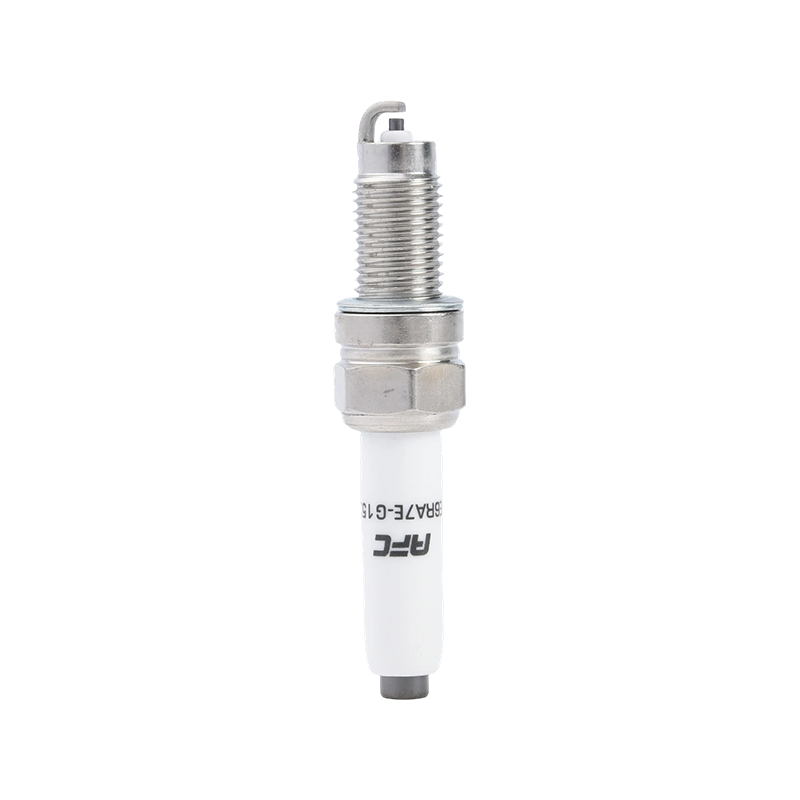
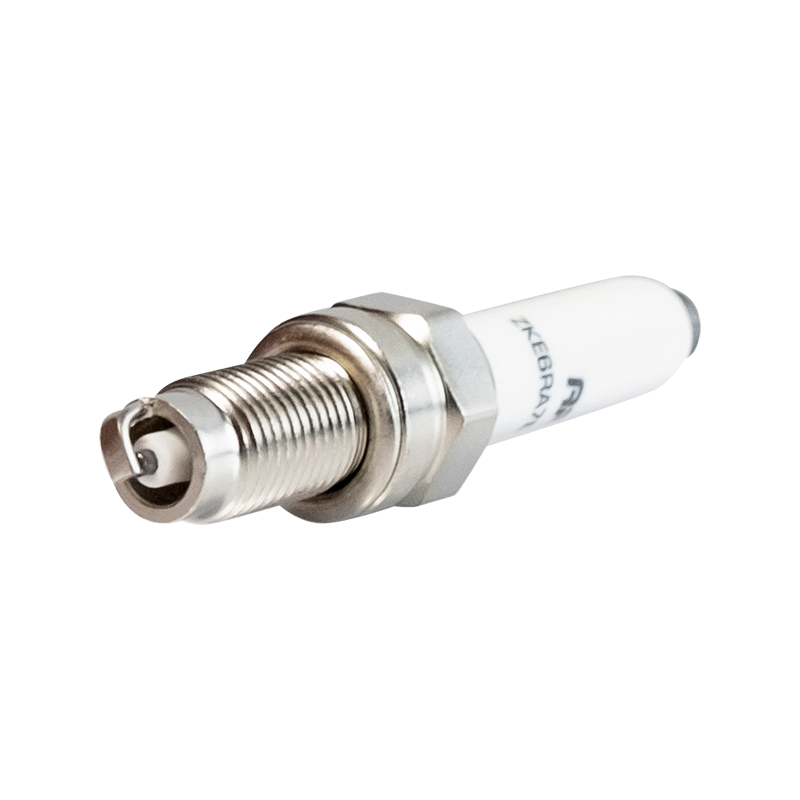 1520 ZKE6RA7E-G Nickel Copper Spark Plug for VW T-Cross and Polo PlusThis nickel-copper plug with heat range 6 matches the factory fitment for the VW T-Cross 1.0 TSI, offering a low-cost, reliable choice for urban driving before considering a colder heat range.View Product →
Spark plugs leave readable visual clues on the insulator nose, the ground electrode, and the shell. These signs tell you whether the current heat range is correct or whether you need to move in one direction.
Reading these symptoms correctly is more important than the brand of plug. If you are new to plug diagnosis, the guide to reading a spark plug chart and heat range markings explains the visual clues and the gap numbers in more detail.
The selection process is simple when you start from the vehicle manufacturer's specification and then add the real operating conditions. Work through these steps in order.
For Japanese-market applications, the OE number 90919-01297 crosses to a heat range 7 double-iridium construction. That is a good example of a colder plug fitted where a modern Japanese ignition system needs both high heat tolerance and long service life.
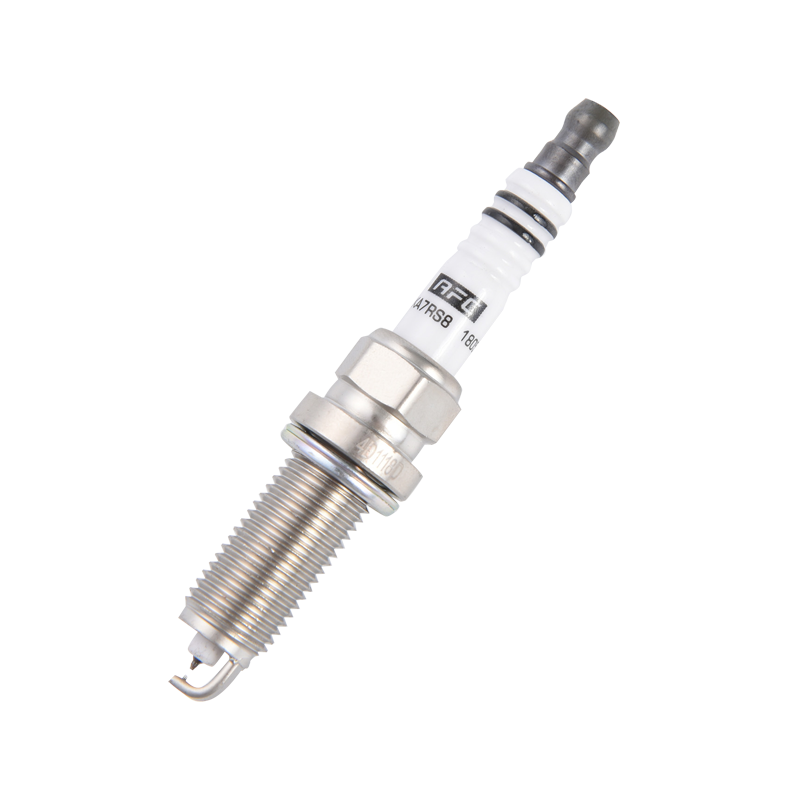 1805 DILKA7RS8 Double Iridium Spark Plug for 90919-01297Referenced as a heat range 7 double-iridium plug for Japanese-market applications, this part suits modern ignition systems that demand high heat tolerance and extended service life.View Product →
Heat range sets the thermal behavior of the plug; electrode material sets its survival under that thermal condition. The two work together, and choosing one without considering the other causes early failure or chronic fouling.
Installing an iridium 7 in place of a nickel 7 does not change the heat range. The thermal rating remains identical; what changes is how long the plug holds its gap and firing voltage under the same heat load.
No. A heat range change by itself does not add power. The perceived power gain appears only when the engine was already losing power because of knock retard or misfire. If the ECU repeatedly pulls ignition timing because a 6 plug is causing pre-ignition, fitting a 7 allows the timing to return toward the intended map, and the engine regains the power it lost.
The reverse is also true. Fitting a 7 to an engine that spends most of its life idling in traffic will eventually cause carbon fouling, which produces misfires and a measurable loss of power. The 7 is not a performance upgrade; it is a thermal correction. Correct heat range selection keeps the engine running the way the manufacturer calibrated it.
The most reliable way to see the 6 vs 7 difference in practice is to look at what carmakers actually fit from the factory. The examples below are verified OE part numbers that we cross-reference daily in the AFC replacement catalog.
| Vehicle application | OE part number | Heat range | Construction |
|---|---|---|---|
| VW T-Cross 1.0 TSI | ZKER6A10EG | 6 | Nickel-copper |
| VW Group EA211 1.4 TSI | 04C905616 | 7 | Iridium |
| Japanese car family (Toyota/Lexus/Honda class) | 90919-01297 | 7 | Double iridium |
Notice that a turbo engine can use a 6 and a naturally aspirated engine can use a 7, depending on the combustion chamber design. The engine code and the OE part number matter more than general rules about turbo or non-turbo.
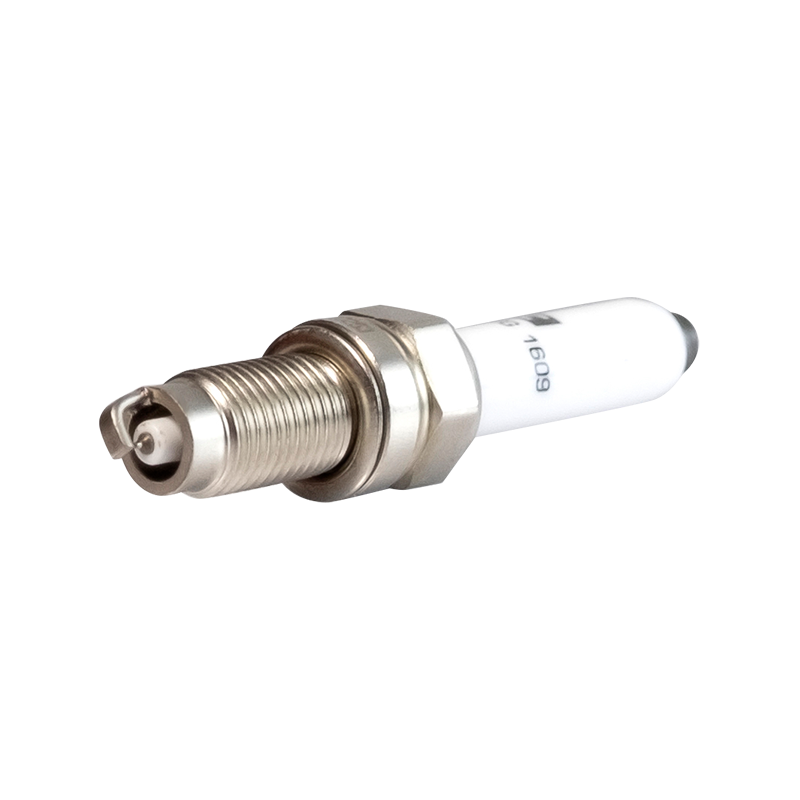 1609 ZKE6RAI-10EG Iridium Spark Plug for VW EA211 04C905616This iridium plug with heat range 6 balances heat dissipation and fouling resistance for urban commuting, illustrating how engine design, not just turbocharging, dictates the correct heat range.View Product →
Yes. In the common OEM numbering scale, a lower number is a hotter plug and a higher number is a colder plug. A 7 transfers heat out of the tip faster than a 6, so the electrode tip runs at a lower temperature under the same engine load.
Most naturally aspirated production engines use heat range 6 or an equivalent. The exception is modern high-compression direct-injection engines, some of which specify 7 from the factory because of the high cylinder pressure and thermal load near the piston crown.
Only if the engine is already showing signs of running too hot, such as a blistered insulator or knock under load, or if the vehicle manufacturer specifies a 7 for your engine code. Otherwise a 7 can foul in normal driving and make the engine run worse.
Sometimes, but only when the knock is caused by an overheated plug tip that acts as a secondary ignition source. If the knock comes from a lean mixture, low-octane fuel, or excessive ignition timing, a 7 only masks the symptom. The root cause must be corrected first.
According to commonly cited spark plug engineering references, one heat range step shifts the tip temperature by roughly 70-100°C at the same engine load. In real driving, the measured difference is often smaller because air flow and combustion turbulence affect the tip temperature as well.
Normal cars should keep the factory heat range all year. Some short-trip drivers switch to a hotter plug in winter because very cold intake temperatures cause the tip to run below the self-cleaning zone, but that is a compromise that needs to be reversed for warm months or longer trips.
Heat range 6 vs 7 is not a question of which plug is better; it is a question of which engine condition your vehicle is in. Start from the OE part number, consider the boost level and compression ratio, and read the old plug before deciding. When the tip temperature stays inside the self-cleaning window, the engine starts cleanly, idles smoothly, and protects itself from pre-ignition under load. If you are unsure about the OE heat range for your engine code, you can cross-reference your OE number in the AFC Spark Plug product list and compare the construction, heat range, and fitment notes before you order.