

 Español
Home / News / Industry News / Iridium Spark Plugs Explained: Durability, Fitment, and Real Engine Benefits
Industry News
Content
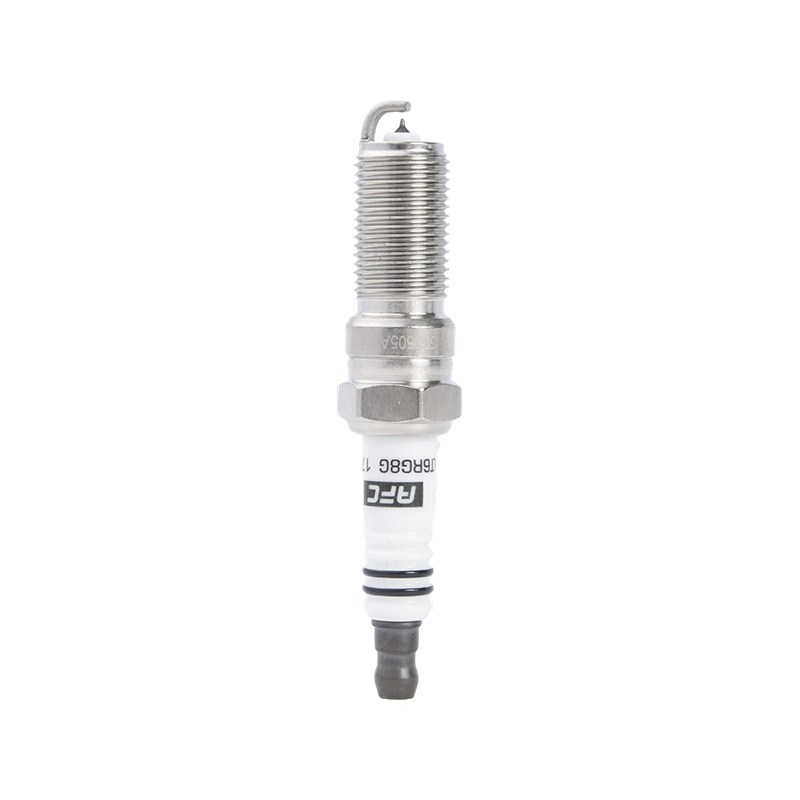
Iridium spark plugs are a practical upgrade, but not because they add horsepower. They deliver a longer service life, more stable firing, and a smaller center electrode that needs less voltage to produce a spark. If the plug matches the engine code, heat rating and gap, an iridium set will usually outlast a nickel or standard platinum set in modern engines.
A conventional spark plug uses a nickel alloy center electrode. During firing, voltage jumps from the center electrode to the ground electrode and creates an arc. Iridium changes this in two important ways: electrode material and electrode shape.
Because iridium is a hard precious metal with a melting point around 2,466°C, manufacturers can make the tip as small as 0.4 mm. A smaller tip lowers the firing voltage and gives a more concentrated spark kernel, which helps combustion stay stable under lean mixtures and high compression.
That does not mean every engine needs iridium. Older engines with distributor-based ignition and wide gaps may run perfectly on nickel plugs. The gain appears when the ignition coil is strong and the engine management system can hold a stable air-fuel ratio.
The three common electrode materials are nickel, platinum and iridium. The most visible difference is service life and electrode machining, not peak power.
| Property | Nickel-Copper | Platinum | Iridium |
|---|---|---|---|
| Electrode durability | Low | Medium | High |
| Usable service life | 15,000-30,000 miles | 30,000-60,000 miles | 40,000-80,000 miles |
| Spark focus | Broader | Good | Narrow and concentrated |
| Cost per set | Low | Medium | Higher |
| Best match | Older engines, basic commuter use | Modern daily drivers | Turbo, GDI, high mileage intervals |
Use the table as a starting point. Actual mileage depends on calibration, driving style and turbocharger load.
In normally aspirated cars with moderate load, iridium plugs commonly reach 60,000 to 80,000 miles. Turbocharged direct-injection engines are harder on plugs; a 40,000 to 50,000 mile change is a safer target. This range applies when the plug is gapped correctly and the engine has no oil consumption or coolant leak.
Some vehicle makers extended iridium intervals to 100,000 miles, but many repair shops shorten them because clogged direct-injection intake valves and worn coils cause misfires before the electrode wears out. Changing plugs before the electrode erodes too far protects the coil and keeps the combustion cycle consistent.
What shortens iridium plug life:
The first warning is usually a misfire under load. The car hesitates during acceleration, the idle becomes rough, or the check engine light stores a cylinder-specific misfire code. Iridium plugs wear more slowly than nickel, but they still erode at the tip and accumulate carbon.
Do not sandblast or file an iridium plug to extend its life. The fine electrode can easily be chipped. The safer diagnostic route is to read color, carbon pattern and gap. A step-by-step visual method is in our guide on how to read spark plug color, wear and gap.
The electrode material is only one half of the decision. The other half is engine-specific fitment. You need the correct reach, thread diameter, hex size, resistance value, heat range and gap. The most reliable shortcut is to compare with the manufacturer part number stamped on the old plug or found in the repair manual.
For Japanese engines, common examples include Nissan VQ25DE with OEM number 22401JA01B, Toyota 8AR with 90919-01276, and Mazda 1.5L/2.0L engines. The correct iridium replacement must match the original thread length and heat range, not just the same hex size.
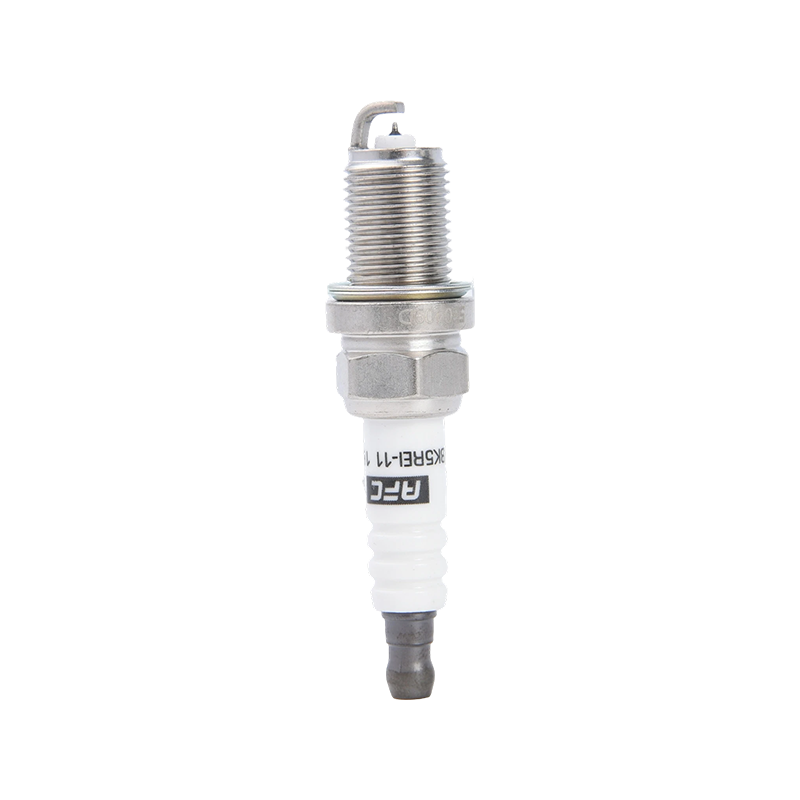
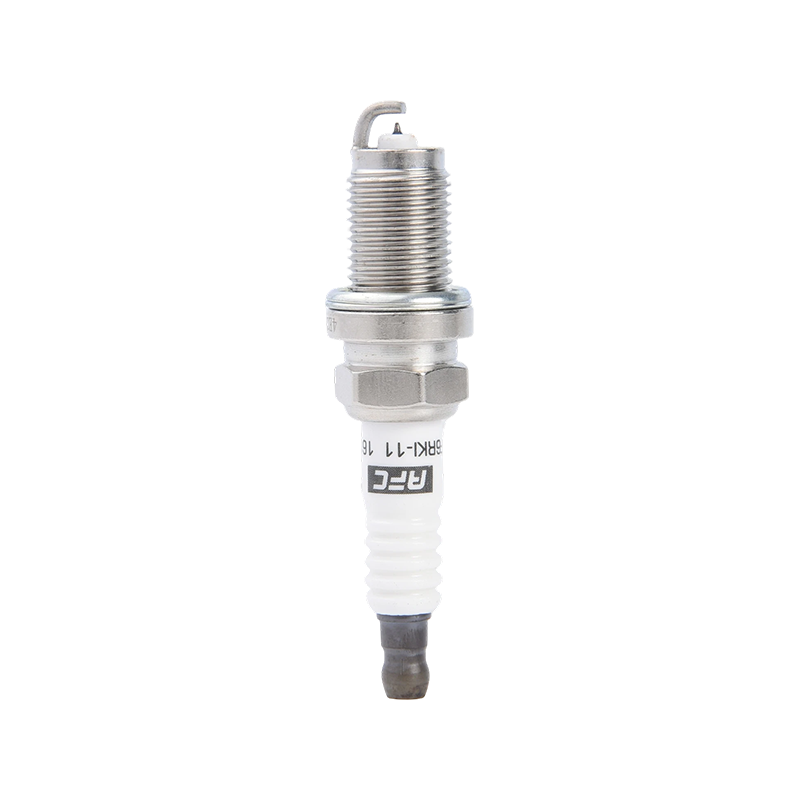
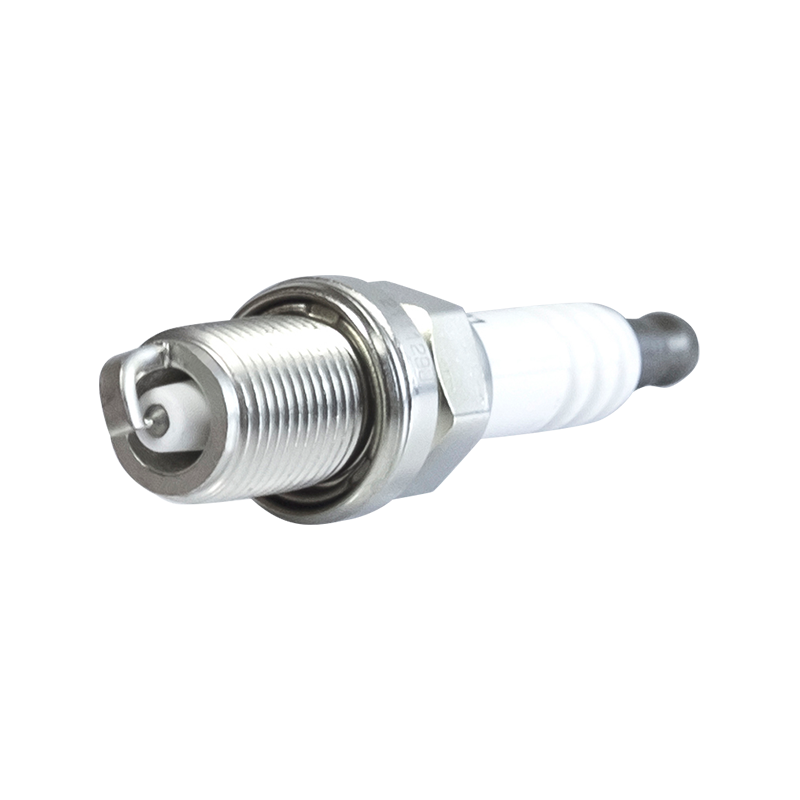 1601 BK5REI-11 Iridium Spark Plug for Japanese EnginesThis iridium plug with 19mm thread length suits Japanese vehicles, where matching OEM numbers like 22401JA01B ensures correct electrode gap and heat range. Its 0.5mm center electrode offers longer life for urban driving.View Product →
For Korean-market Hyundai and Kia vehicles, OEM numbers like 18851-11070 and 18849-09085 appear frequently. Matching the number matters because the electrode gap and reach can differ between similar-looking engines in the same family.
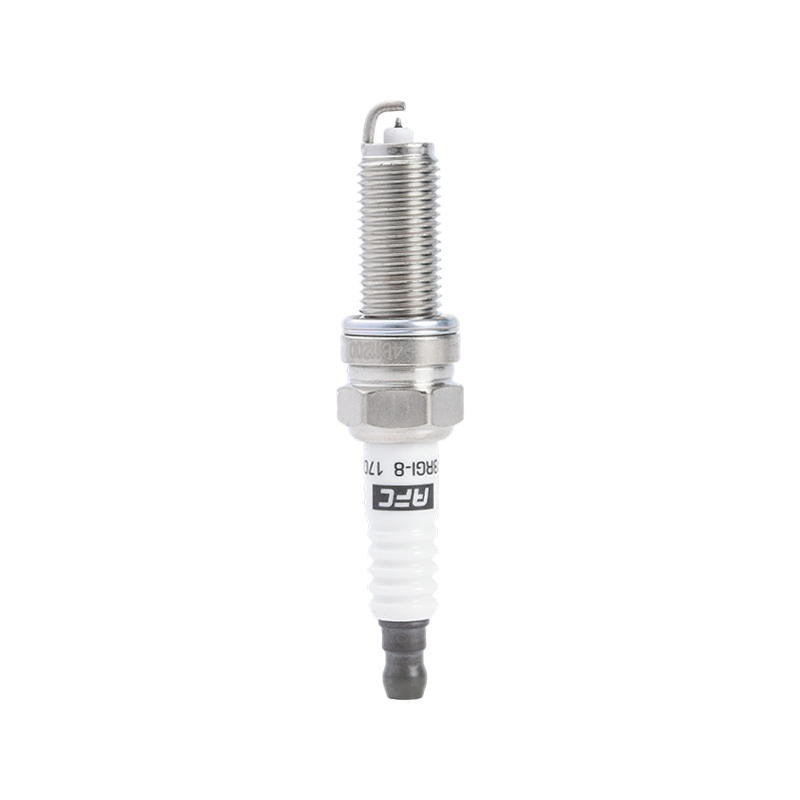
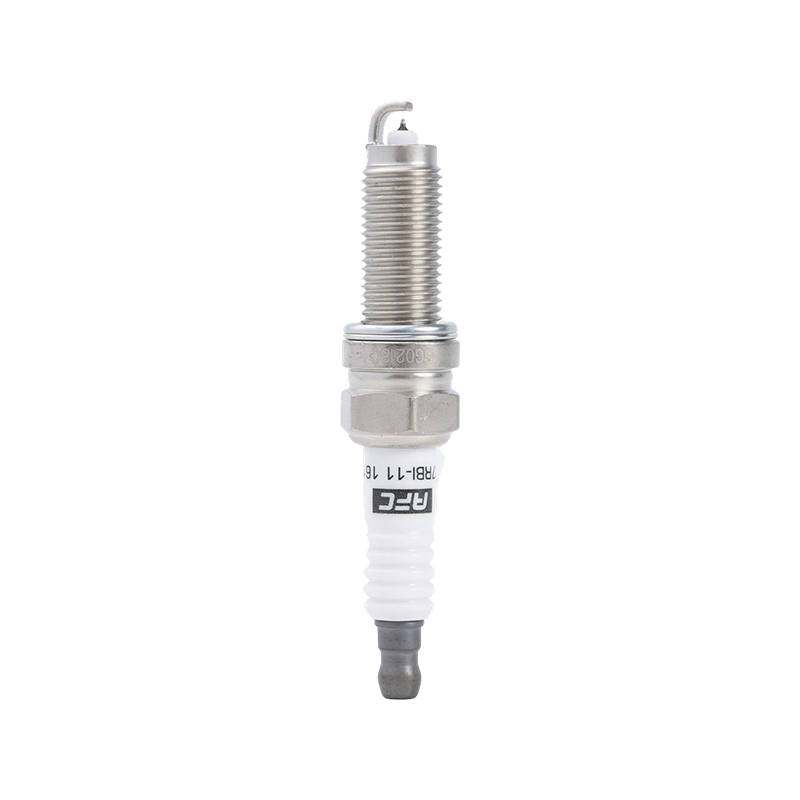
 1607 LZK6RBI-10E Iridium Plug for Hyundai and KiaDesigned for Hyundai and Kia G4F engines, this iridium plug meets OEM references such as 1885510060 and 1884610061. With a 0.5mm electrode and proper heat range, it supports reliable combustion in similar engine families.View Product →
For German engines such as VW EA211 and Audi 1.8T/2.0T, plug part numbers are tied to engine management versions. A plug that fits an earlier EA111 may have the same thread but a different gap or heat range. Use the engine code instead of relying only on the car model year.
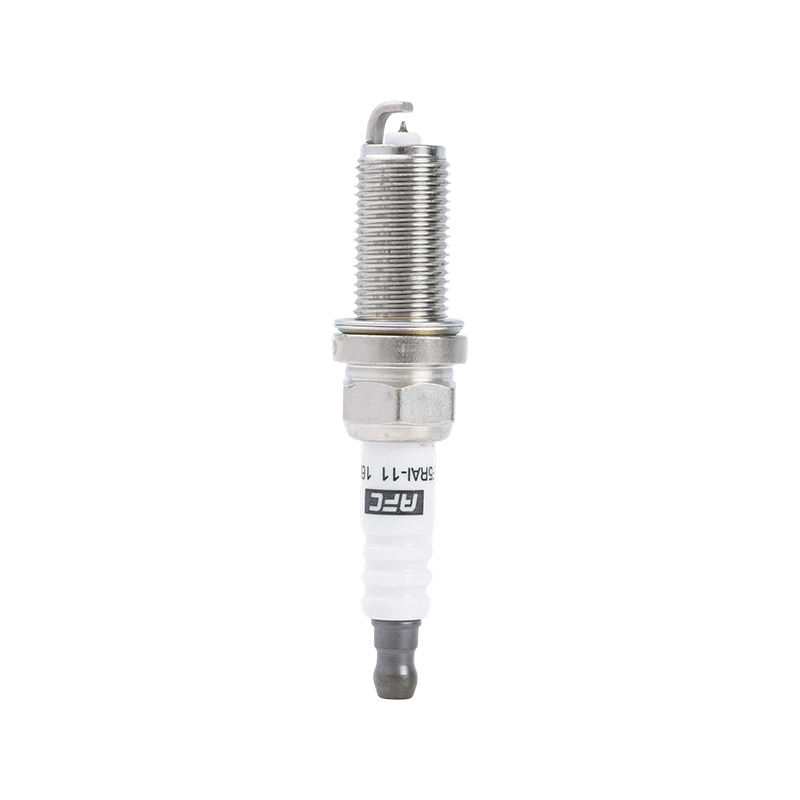
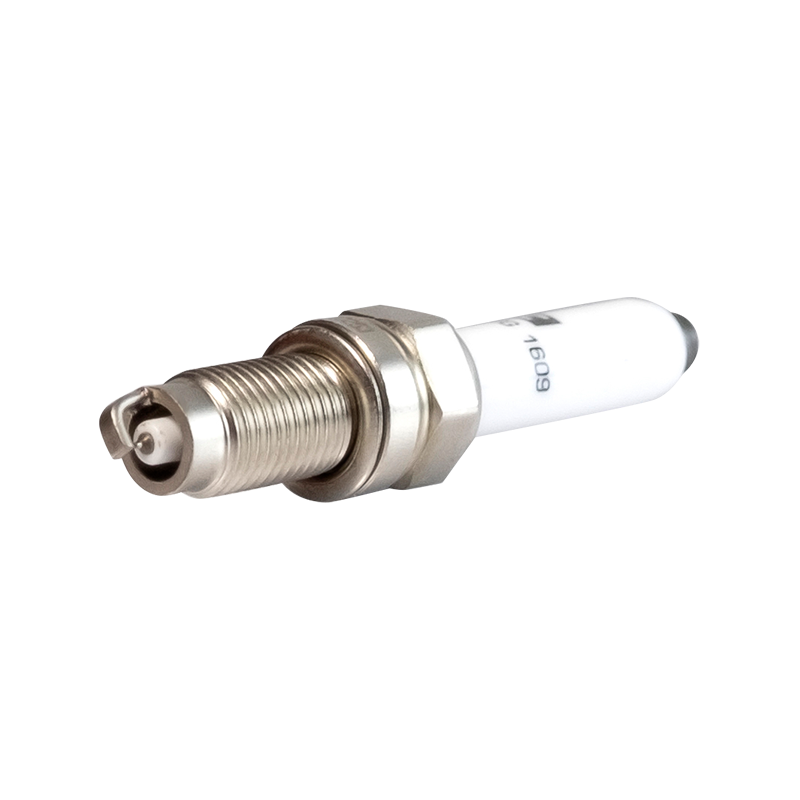 1609 ZKE6RAI-10EG Iridium Plug for VW EA211This iridium spark plug fits VW EA211 engines, matching engine code requirements like 04C905616. Its tapered seat and 0.5mm electrode improve combustion efficiency, making it a reasonable choice for urban commuting despite higher initial cost.View Product →
Iridium plugs cost more than nickel plugs. A four-cylinder set can double the price of a nickel set. What you get in exchange is longer intervals and more consistent idle. On a naturally aspirated engine, do not expect a measurable power gain.
If you install iridium on an older engine, make sure the heat range remains the same as the original. Using a colder plug than required will eventually cause carbon fouling; using a hotter plug risks pre-ignition.
Yes, but mainly in service life and firing consistency. The engine will not suddenly gain power. On a modern car with coil-on-plug ignition, iridium plugs usually produce a steadier idle and longer replacement interval than nickel plugs.
Iridium tips are very hard but brittle. You should never force the ground electrode sideways hard enough to bend the center electrode. Check the gap with a wire-type gapping tool and adjust only when the plug is new and the gap is out of specification.
Typical service life is 40,000 to 80,000 miles. Turbocharged direct-injection engines should be changed closer to 40,000 or 50,000 miles because of higher cylinder pressure and combustion temperature.
For modern engines with long service intervals and difficult access, yes. The longer life reduces labor cost over time. For an old low-compression engine, a quality nickel or single platinum plug is often enough.
Yes, replace them as a complete set. Mismatched plugs can create different gap growth and heat transfer, which leads to inconsistent misfire patterns on coil-on-plug engines.