

 Español
Home / News / Industry News / Conventional Spark Plug Guide: Construction, Heat Range, Lifespan and Replacement
Industry News
Content
A conventional spark plug — also called a nickel-copper or copper-core plug — is the standard parts-catalog ignition component for engines that do not require precious-metal electrodes. It produces a dependable spark, keeps the per-piece cost low, and remains perfectly adequate for thousands of daily-driver applications. Its real trade-off is electrode wear: a conventional plug typically covers roughly 20,000 to 30,000 miles (32,000 to 48,000 km), while an iridium or platinum plug can last 60,000 miles or more.
For a workshop or a budget-conscious owner, the practical conclusion is direct: follow the vehicle manufacturer's specification. If the factory spec calls for a copper-core plug, fitting a conventional design is not a downgrade — it is the technically correct choice. Upgrading to a precious-metal plug in that situation is normally a question of longer service intervals, not better combustion.
The word "conventional" refers mainly to the electrode material. A copper-core plug uses a copper center electrode wrapped in a nickel-alloy jacket, paired with a nickel-alloy ground electrode. Copper is chosen because it conducts heat and electricity better than most other electrode metals; the nickel jacket exists because bare copper erodes too quickly in a combustion chamber.
The complete assembly has seven functional zones that buyers and installers should be able to recognize:
| Component | Material | Function |
|---|---|---|
| Terminal | Plated steel | Connects to the ignition coil or plug wire |
| Insulator | Alumina ceramic | Isolates high voltage; transfers heat away from the tip |
| Center electrode | Copper core, nickel-alloy jacket | Carries current; forms the spark |
| Ground electrode | Nickel alloy | Completes the spark gap |
| Shell and threads | Zinc-coated steel | Seats into the cylinder head; grounds the plug |
Many conventional plugs are also resistor-type, meaning a ceramic resistor is embedded between the terminal and the center electrode. The resistor suppresses electromagnetic interference that can disturb radio reception, engine sensors, or sensitive electronics in newer cars. If the vehicle was built with resistor plugs, replacing them with non-resistor versions can cause driveability complaints even when the gap and heat range are correct.
Heat range is a code that tells you how quickly the plug transfers heat from its firing tip into the cylinder head. It is not a measure of spark energy. A "hotter" plug keeps more heat in the tip and reaches self-cleaning temperature faster; a "colder" plug pulls heat away aggressively and is suited to high-load, high-rpm engines.
A simple scale to remember:
Fitting a plug one heat range too hot can cause pre-ignition and a melted electrode; one range too cold will cause carbon fouling on short trips. For a conventional copper-core plug, the margin is tighter than with iridium designs because the nickel electrode runs hotter at the tip. If you are unsure how the code works on a particular brand, read the spark plug heat range and gap chart guide before ordering.
The gap is the distance between the center electrode and the ground electrode. It directly controls the voltage required to fire the plug. A wider gap demands higher ignition voltage; a narrower gap makes the spark shorter and weaker for the air-fuel mixture.
Typical production gaps for conventional plugs sit between 0.7 mm and 1.5 mm (0.028 to 0.059 in), depending on the engine and ignition system. Classic distributor-based engines usually sit at the wider end, while modern coil-on-plug systems often use a moderate gap around 0.8 to 1.1 mm. The correct value is printed in the vehicle workshop manual and often on the emissions decal under the bonnet.
Important note: many conventional plugs arrive pre-gapped for a specific application. Always verify the gap with a feeler gauge or wire gauge before installation, because shipping vibration can shift the ground electrode by a few hundredths of a millimetre.
Durability differences come from erosion of the electrodes. Every spark removes a microscopic amount of metal from both electrodes; over time the gap widens, the required voltage rises, and the engine begins to misfire. Nickel erodes faster than platinum or iridium, which is why copper-core plugs need shorter intervals.
| Electrode Type | Typical Service Life | Relative Cost Position | Best Application |
|---|---|---|---|
| Copper-core (conventional) | 20,000 - 30,000 miles | Lowest | Older engines, distributor ignition, short service cycles |
| Single platinum | 60,000 - 80,000 miles | Moderate | Coil-on-plug systems where the center electrode wears faster |
| Double platinum | 80,000 - 100,000 miles | Higher | Waste-spark systems ground both electrodes |
| Iridium / double iridium | 60,000 - 100,000+ miles | Highest | Modern engines with long maintenance intervals |
Does a conventional plug hurt fuel efficiency compared with iridium? Not directly. If the copper-core plug is in good condition, correctly gapped, and matched to the correct heat range, combustion quality is essentially identical. The efficiency loss appears only when the electrodes erode and the gap grows beyond specification. That is why regular inspection matters more than the material choice itself.
The strongest argument for a conventional plug is not price alone; it is correctness. Many engines were designed around the spark characteristics of a copper-core electrode, and several applications continue to list a nickel-copper part as the original specification.
For American-market cars, copper-core plugs are still common on naturally aspirated Buick and Chevrolet engines with conventional ignition layouts; a direct fit example is the conventional spark plug for Buick and Chevrolet vehicles. On the European side, small-displacement models such as the VW T-Cross also use a standard nickel-copper part in certain engine codes, available as a nickel-copper spark plug for the VW T-Cross. Japanese vehicles with older or entry-level engines are equally well served by a conventional spark plug for Japanese vehicles that matches the original OEM reference.
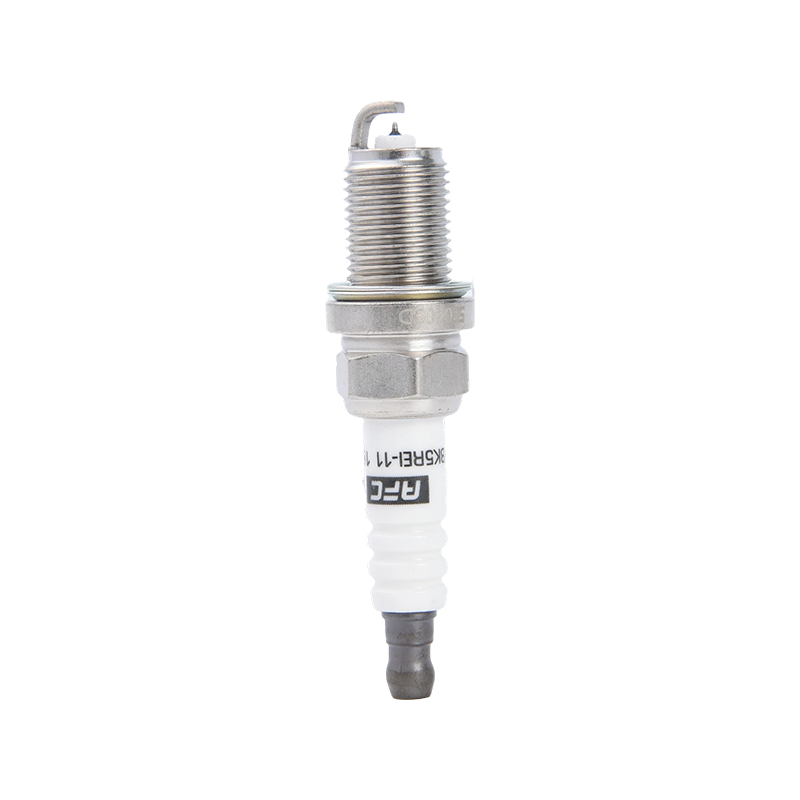
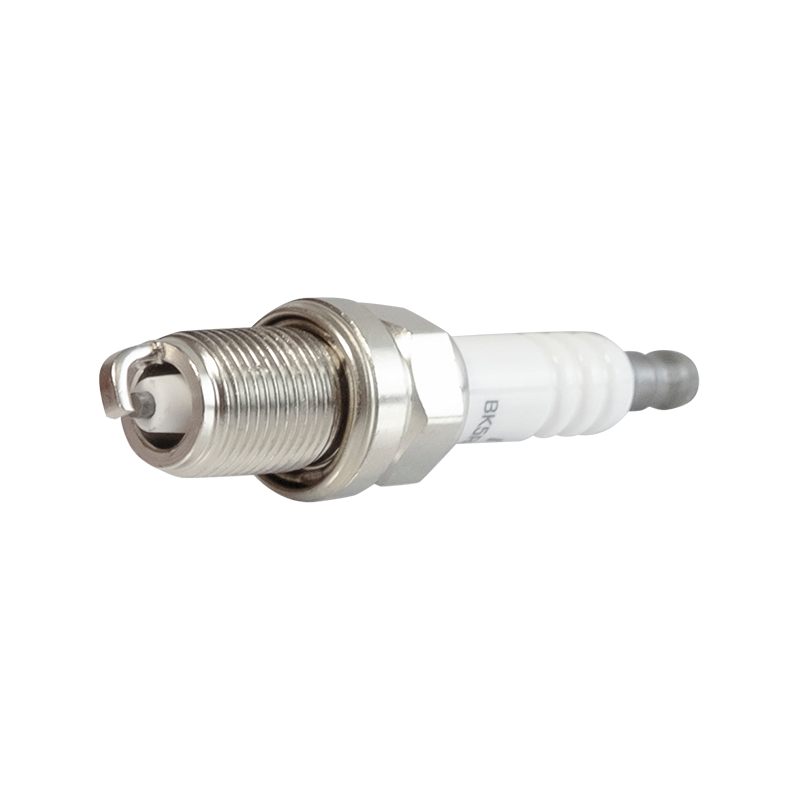 Wholesale 1505 BK5RE-11 Nickel Copper Spark Plug 1136000179 For Japanese Cars ZHONGXUAN ELECTRONIC TECHNOLOGY CO., LTD is China 1505 BK5RE-11 Nickel Copper Spark Plug 1136000179 For Japanese Cars 6953 manufacture...View Product →
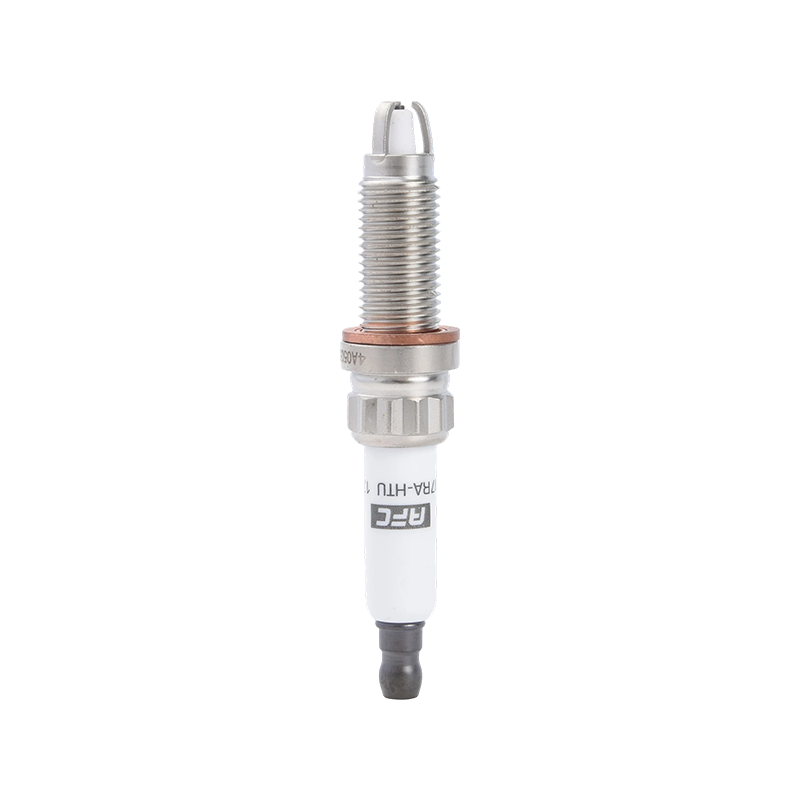
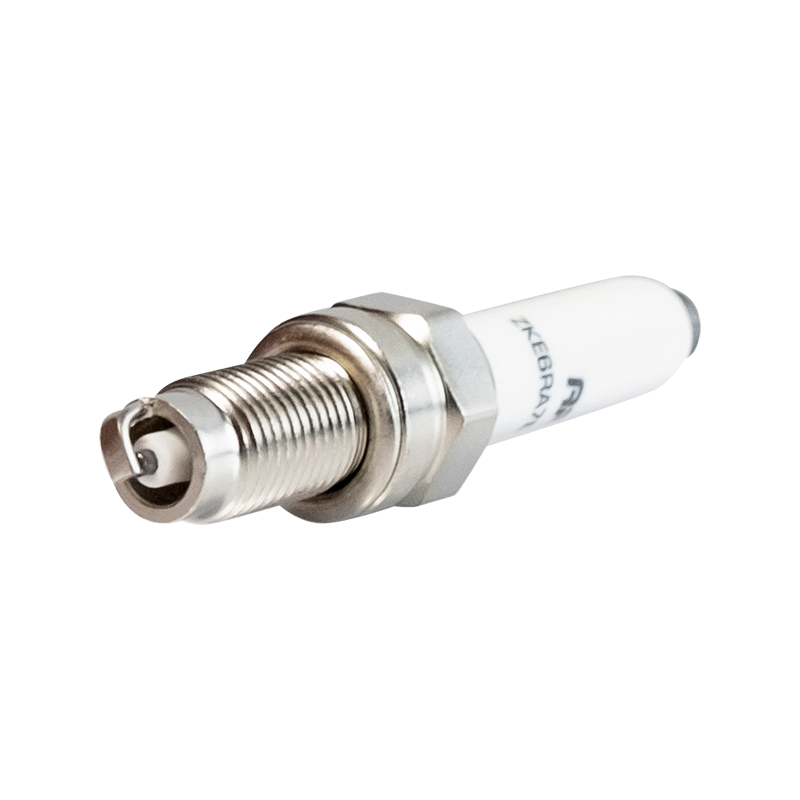 Wholesale 1520 ZKE6RA7E-G Nickel Copper Spark Plug 97973 ZKER6A-10DEG For VW T-CZHONGXUAN ELECTRONIC TECHNOLOGY CO., LTD is China 1520 ZKE6RA7E-G Nickel Copper Spark Plug 97973 ZKER6A-10DEG For VW T-CROSS Polo Plus ma...View Product →
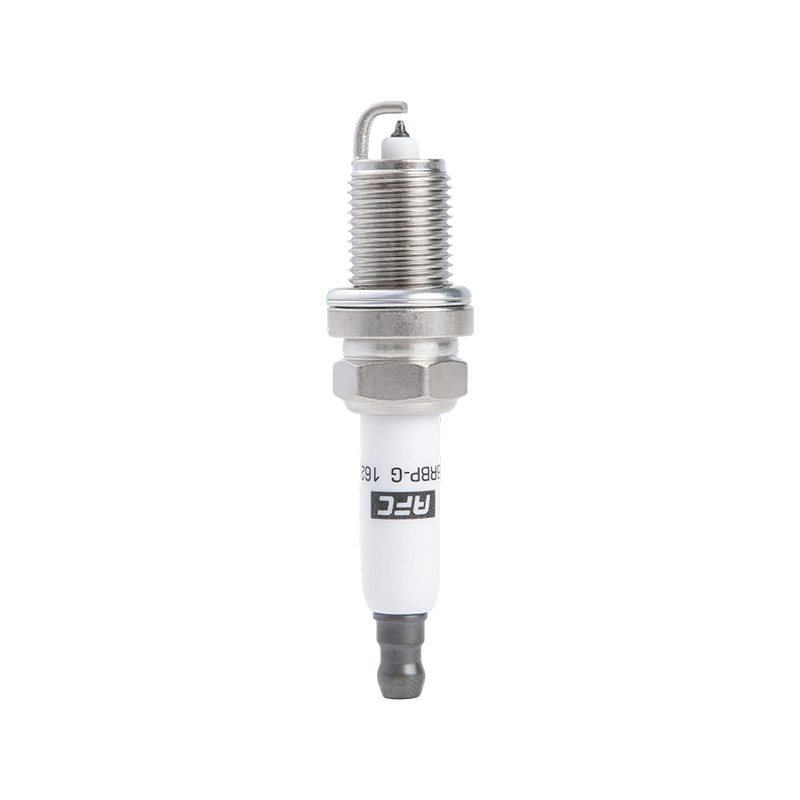
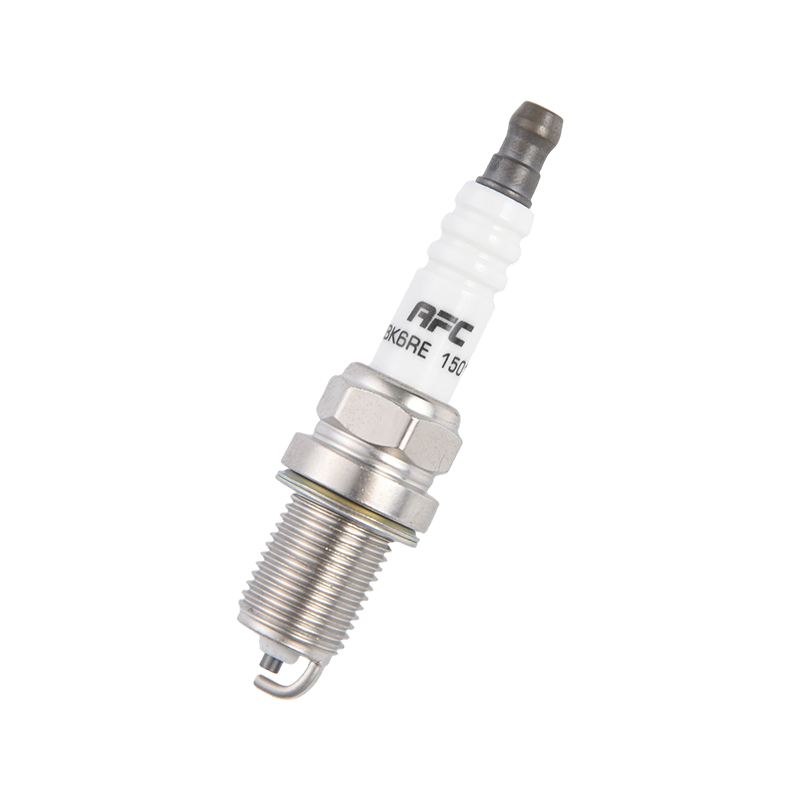 Wholesale 1501 BK6RE Nickel Copper Spark Plug 2756 For BUICK,CHEVROLET ManufactuZHONGXUAN ELECTRONIC TECHNOLOGY CO., LTD is China 1501 BK6RE Nickel Copper Spark Plug 2756 For BUICK,CHEVROLET manufacturers and OEM/ODM ...View Product →
A used conventional plug is a storage device for engine clues. Because nickel electrodes discolour and accumulate deposits quickly, they reveal the combustion condition long before major damage appears.
| Tip Appearance | Likely Cause | Action |
|---|---|---|
| Light tan or grey | Normal combustion, correct heat range | No action; continue service interval |
| Wet, black and oily | Oil entering combustion chamber or flooded mixture | Check valve seals, piston rings, or fuel system |
| Dry, fluffy black soot | Running rich, faulty air filter, or short-trip driving | Review fuel mixture and driving pattern |
| White or blistered insulator, melted electrode | Overheating, lean mixture, or wrong heat range | Check cooling system, fuel trim, and heat range spec |
| Hard grey, sandy deposits | Oil or fuel additives, coolant contamination | Verify coolant level; inspect head gasket condition |
If a conventional plug shows a normal tan colour after 25,000 miles, the engine is running cleanly and the heat range is correct. If the same plug shows heavy soot, the root cause should be fixed before replacing the set; otherwise the new plugs will fail exactly the same way.
Buying a conventional plug looks simple, but a mismatched part can cause misfire, overheating, or even mechanical damage. Confirm the following points against the vehicle's VIN or engine code before ordering:
For buyers who want a broad selection of verified applications, the nickel-copper spark plug range on this catalogue groups conventional plugs by vehicle origin and OEM number. If the exact application is not listed, the manufacturer behind these parts — AFC Zhongguan — can be contacted directly with the vehicle engine code for matching advice.
The difference is the electrode material. A conventional plug uses a copper core with a nickel-alloy jacket; an iridium plug uses an iridium-alloy center electrode, which resists erosion much longer. Iridium plugs can also use a smaller-diameter electrode, which reduces the voltage needed to fire and can slightly improve combustion in engines designed for it. For engines running well on copper-core plugs, the practical difference is mainly service life, not daily power.
Typical replacement intervals for copper-core plugs fall between 20,000 and 30,000 miles (32,000 to 48,000 km). Some older engines with low-energy ignition systems can run longer, while turbo engines or frequent short trips can shorten the interval. The electrode gap should still be checked at every 10,000-mile service.
Only if the current plugs are worn, incorrectly gapped, or the wrong heat range. A healthy conventional plug produces the same combustion performance as an iridium plug. An upgrade to iridium mainly reduces servicing frequency and can be justified on engines with long scheduled maintenance intervals, but it will not recover fuel economy in an otherwise sound engine.
It is not recommended. Modern engines with iridium specifications often have ignition coils that rely on the low firing voltage of a fine-wire iridium electrode. A copper-core plug with a wider electrode can require higher voltage, which stresses the coil, and its shorter life leads to more frequent replacement. If cost is the concern, ask the parts supplier for the copper-core equivalent only when the original spec exists for that engine code.
Rough idle, hesitation during acceleration, higher fuel consumption, and a check-engine code for random misfires are the most common signs. Because copper-core electrodes erode gradually, the engine often begins misfiring intermittently under load long before the plug fails completely. Removing and inspecting one plug is the quickest way to confirm whether the set is at the end of its life.
The gap specification is set by the engine design, not by the electrode material. The correct gap for a given vehicle is the same regardless of whether the plug is copper, platinum, or iridium. What changes is the ability of the plug to hold that gap over time; iridium and platinum resist gap widening much longer than conventional nickel electrodes.