

 Español
Home / News / Industry News / Spark Plug Number Meaning: Complete Guide to Decoding Letters and Numbers
Industry News
Content
The letters and digits stamped on the side of a spark plug are not a serial number and not a random sales code. They form a compact engineering specification. Each character describes one physical property of the plug: thread diameter, heat range, thread reach, seat type, resistor design, electrode material, and in some cases the factory pre-set gap. Read the classic NGK-style code BPR6ES as an example. B means a 14 mm thread. P means a projected insulator nose. R means a built-in resistor. 6 is the heat range. E means 19 mm thread reach. S means a standard copper-core center electrode.
The direct answer to the question is this: spark plug number meaning comes from position. The first letters define the shell and the thread size, the middle digit defines the heat range, the letters after it define the reach and the seat, and the suffix defines the electrode metal and gap. A change in any one position changes the specification, and a change in some positions will physically alter how the plug behaves inside your engine.
Why this matters: a plug with the correct thread but the wrong heat range will cause misfires, fouling or pre-ignition. A plug with the wrong reach can damage the piston or the valve. Always read the code as a full specification, not as a brand name.
There is also a difference between the technical part number and the stock number. A stock number is usually a short 3-to-5-digit code used by distributors and sales staff for inventory sorting. It carries no technical information. Only the technical code on the shell describes the plug itself, and that is the code this article decodes.
You do not need a manual to decode most passenger-car plugs. Learn the following positions and the code becomes readable at a glance.
The first letter block describes the shell, and the key value is the thread diameter in millimetres. A 14 mm thread is the most common size in modern passenger cars. 12 mm and 10 mm shells appear on smaller or older engines and on some compact models, while 16 mm is rare. The cylinder head is machined for exactly one diameter, so this value is not negotiable. If the diameter does not match, the plug will not thread in correctly.
Reach is the length of the threaded portion measured from the sealing surface to the end of the shell. A 19 mm reach is the most common value on Japanese and European models. A 25 mm reach appears on several Ford and VW engine families, and shorter reaches are found on older or smaller engines. A reach that is too long pushes the firing tip into the piston or valve zone. A reach that is too short leaves part of the thread hole exposed and disturbs the heat conduction path, which can lead to detonation around the threads.
The seat is either tapered, meaning it seals without a gasket, or flat, meaning it uses a crush washer. The hex size determines the socket you need, typically 16 mm or 20.8 mm on modern plugs. Installing the wrong seat type is one of the most frequent fitting errors because the plug looks almost identical but fails to seal or sits at the wrong depth.
The middle digit carries the heat range, and a letter such as R indicates a built-in resistor. Resistor plugs suppress radio frequency interference and prevent ignition noise from reaching the engine control unit. Many modern vehicles require a resistor plug; using a non-resistor type in those engines can create radio static and false sensor readings.
| Position | Character | Information carried | Meaning |
|---|---|---|---|
| 1st letter | B | Thread diameter | 14 mm |
| 2nd letter | P | Insulator nose design | Projected tip |
| 3rd letter | R | Electrical function | Resistor built in |
| Digit | 6 | Heat range | Mid range, street use |
| Next letter | E | Thread reach | 19 mm |
| Last letter | S | Center electrode | Standard copper core |
The same left-to-right logic applies to most aftermarket plug families. The characters that move around between brands are usually the suffix, where manufacturers place electrode material codes and gap numbers.
The most common misunderstanding is the direction of the heat range scale. In NGK and Bosch codes, a higher number means a colder plug. On Champion plugs, the opposite is true: a higher number means a hotter plug. Denso follows the same direction as NGK, so the general rule used by most manufacturers is that lower numbers indicate a hotter plug while higher numbers indicate a colder plug, with Champion as the notable exception, as its own technical documentation confirms.
The phrase "hot plug" and "cold plug" describes how much heat the plug holds at the firing tip. A hot plug keeps the tip hot, which helps burn away carbon at low speed and on short trips. A cold plug transfers heat quickly to the cylinder head, so it can survive sustained high RPM, high compression, turbocharging and supercharging. The consequence of a mismatch is quick: one step too cold produces carbon fouling and rough idle; one step too hot raises the risk of pre-ignition and can melt the electrode tip.
| Manufacturer | Higher number means | Typical street scale |
|---|---|---|
| NGK | Colder plug | 5 to 8 |
| Denso | Colder plug | 16 to 24 |
| Bosch | Colder plug | 4 to 8 |
| Champion | Hotter plug | 8 to 14 |
Manufacturers publish the full scale in their catalogues. If you need to select a specific position for an unusual engine build, the spark plug heat range and gap chart explains how the number maps to real engine conditions and gap recommendations.
A practical rule: never change the heat range without a reason. If the engine ran well on the original specification, keep the same heat range number and change only the electrode material when you want a longer service interval.
The suffix is where manufacturers identify the electrode metal, and this is the part of the code that usually determines price and service life. The material choice affects how consistently the plug fires under load and how often it needs to be replaced.
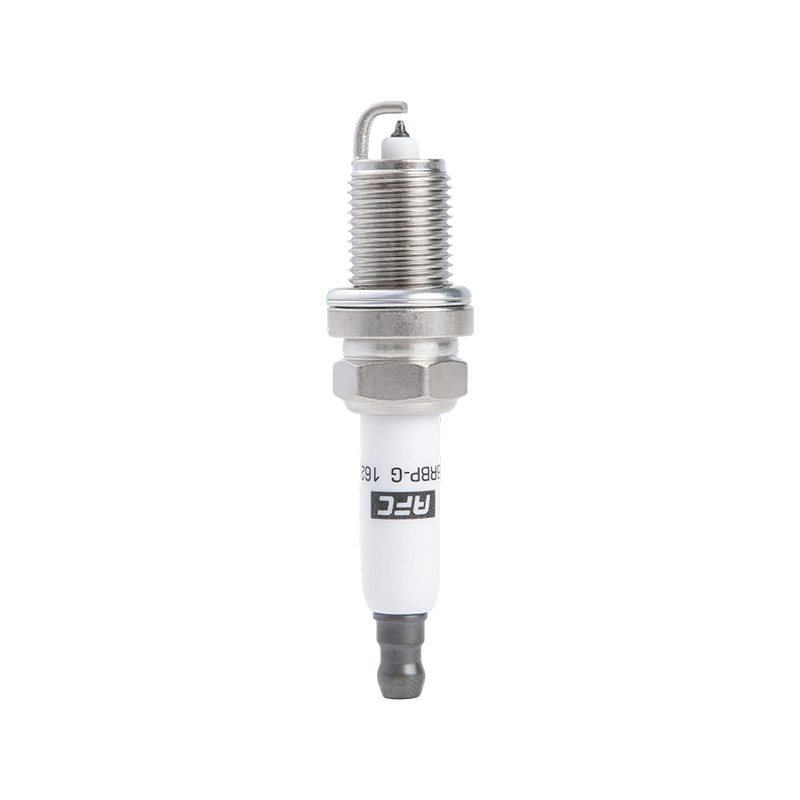
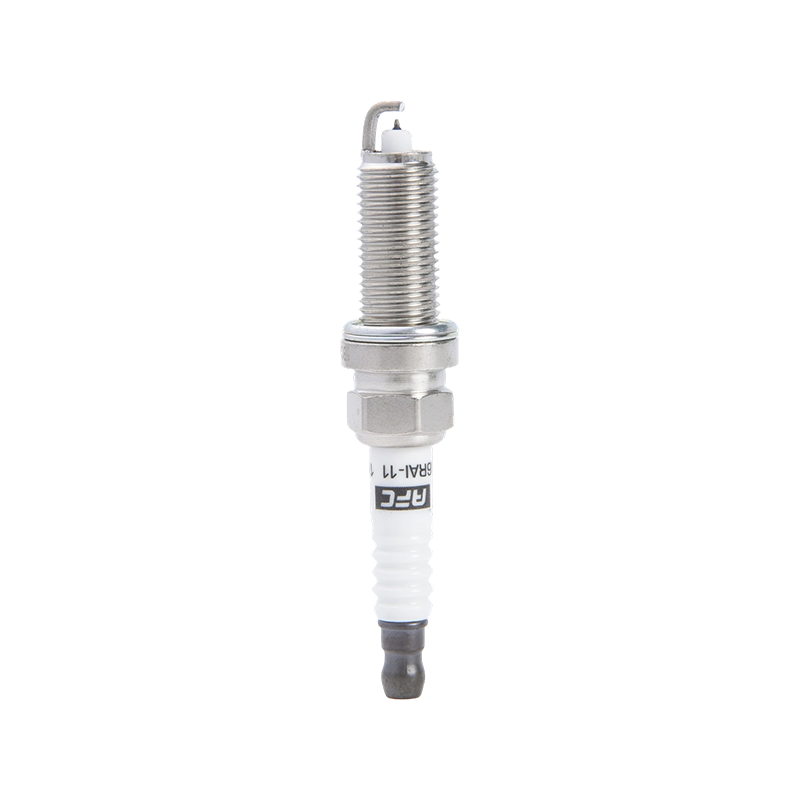
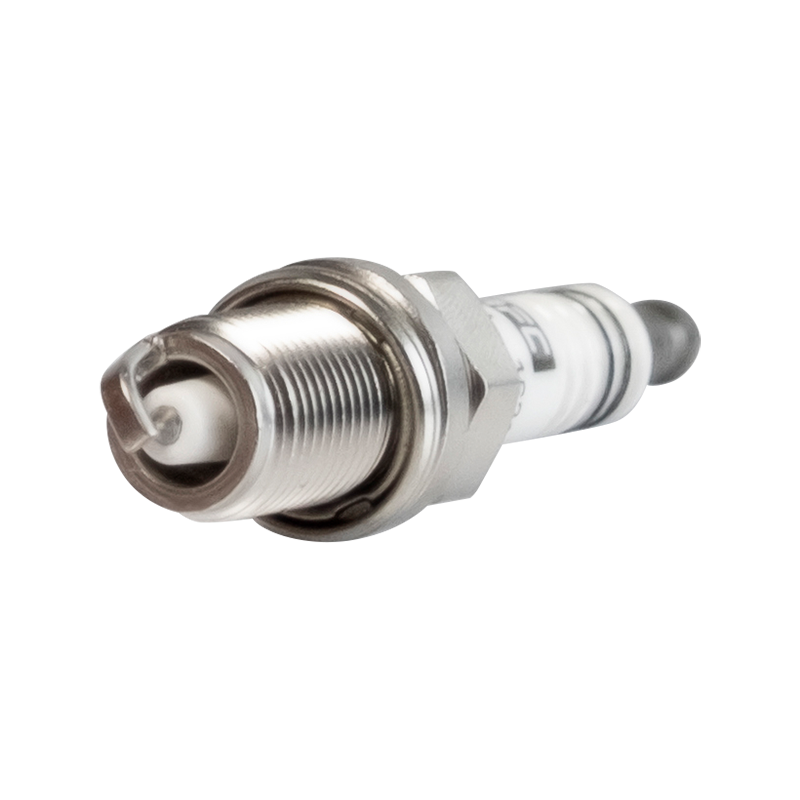
The Nissan VQ25DE is a good example of the double iridium logic. The engine commonly carries the original equipment number 22401JA01B, and that OE reference points to a dual precious-metal design. An aftermarket option that preserves the same thread, reach and heat range is the double iridium spark plug matched to the Nissan VQ25DE OE number 22401JA01B, which upgrades the ground electrode as well as the center tip.
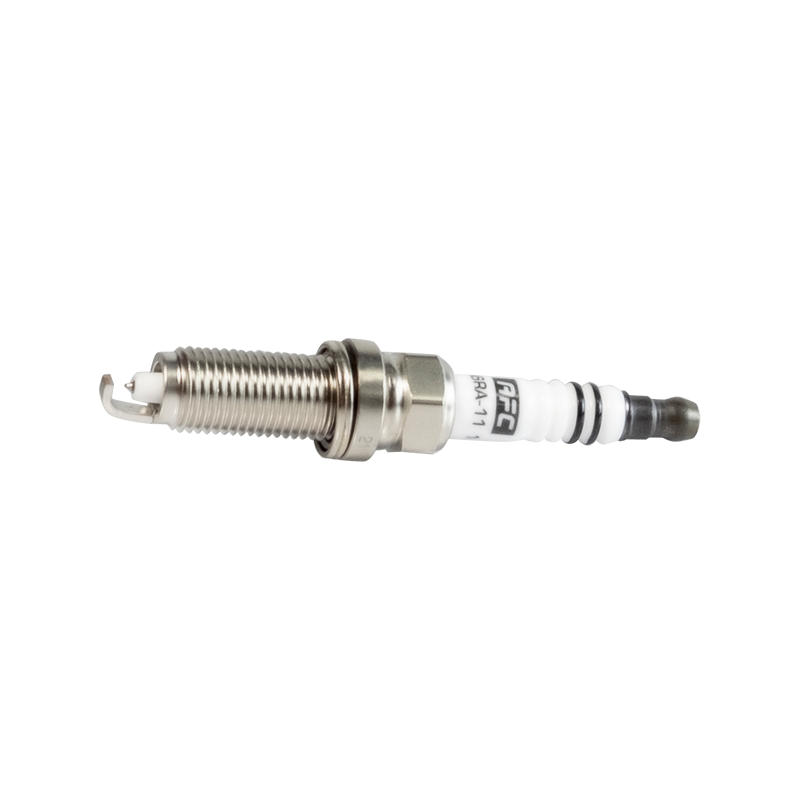 Wholesale 1618 DILKA6RA-11 Double Iridium Spark Plug 9029 For NISSAN VQ25DE 2240ZHONGXUAN ELECTRONIC TECHNOLOGY CO., LTD is China 1618 DILKA6RA-11 Double Iridium Spark Plug 9029 For NISSAN VQ25DE 22401JA01B manufactur...View Product →
| Electrode material | Typical service interval | Best suited for |
|---|---|---|
| Copper core nickel | 20,000 to 30,000 miles | Older engines, simple ignition systems |
| Single platinum | Around 60,000 miles | Modern commuter engines |
| Single iridium | 80,000 to 100,000 miles | High-output engines, boosted applications |
| Double platinum | 60,000 to 80,000 miles | Waste-spark ignition, many VW and Audi engines |
| Double iridium | 80,000 to 100,000 miles | Modern loads, smoother idle |
The original equipment number, or OE number, is the car manufacturer's own reference. Part numbers such as 22401JA01B for Nissan, 90919-01240 for Toyota and 18851-11070 for Hyundai and Kia are used by aftermarket catalogues to verify that a given spark plug code genuinely matches an application. When a catalogue says a plug number corresponds to an OE number, it is claiming that thread, reach, seat, heat range and gap all match the original specification.
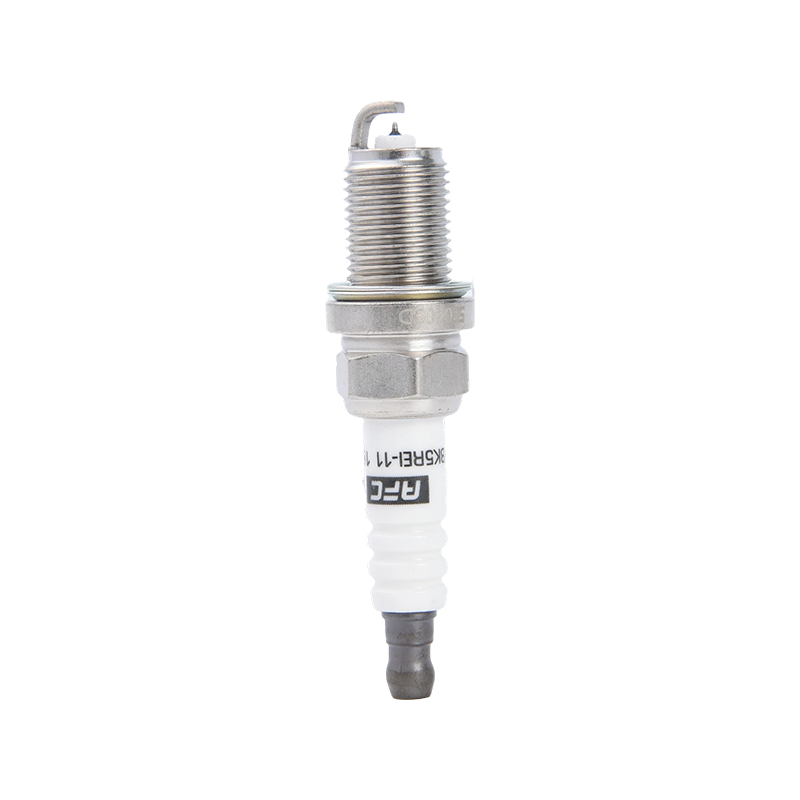
For the Toyota RAV4, the OE reference 90919-01240 points to a precious-metal design. The iridium platinum plug for the Toyota RAV4 assigned to OE 90919-01240 keeps the same heat range and reach as the factory part, so the upgrade can be installed without changing any engine setting.
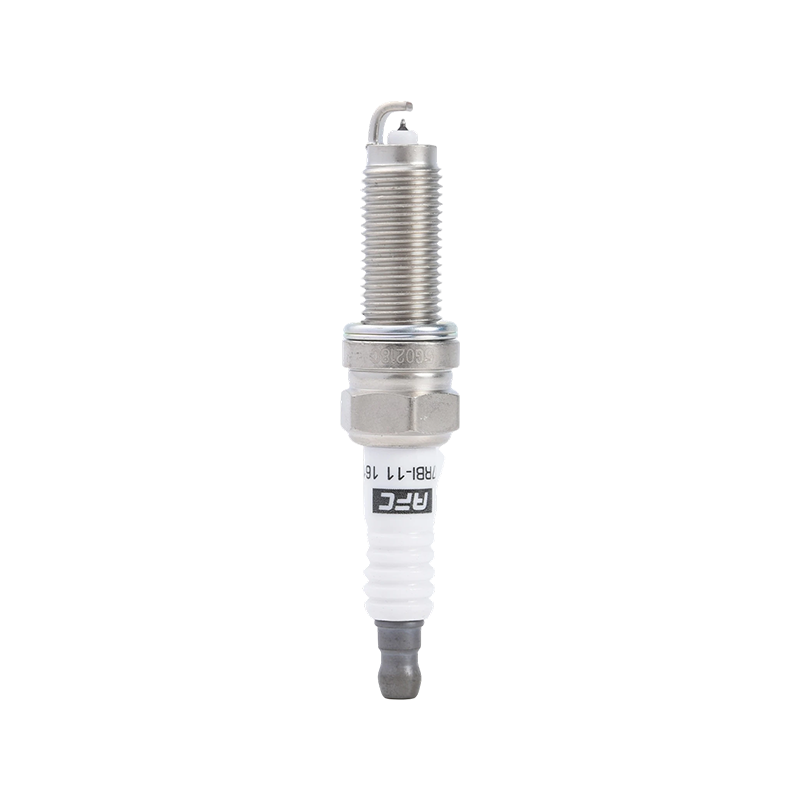
 Wholesale 1631 IF5RT-11 Iridium Platinum Spark Plug 4996 For TOYOTA RAV4 9091901ZHONGXUAN ELECTRONIC TECHNOLOGY CO., LTD is China 1631 IF5RT-11 Iridium Platinum Spark Plug 4996 For TOYOTA RAV4 9091901240 manufacturers...View Product →
A code that looks similar is not an automatic substitute. A one-letter difference can mean a different reach or a different heat range. Always confirm the OE cross-reference before ordering, especially when the plug is for a vehicle you have not serviced before.
| Engine or model family | OE reference | Replacement design |
|---|---|---|
| Nissan VQ25DE | 22401JA01B | Double iridium |
| Toyota RAV4 | 90919-01240 | Iridium platinum |
| Toyota 8AR / Lexus | 90919-01276 | Double iridium |
| Hyundai / Kia families | 18851-11070 | Double iridium |
Use these six checks before ordering, especially when the engine is not familiar to you. The goal is to verify the full specification rather than to match a single letter.
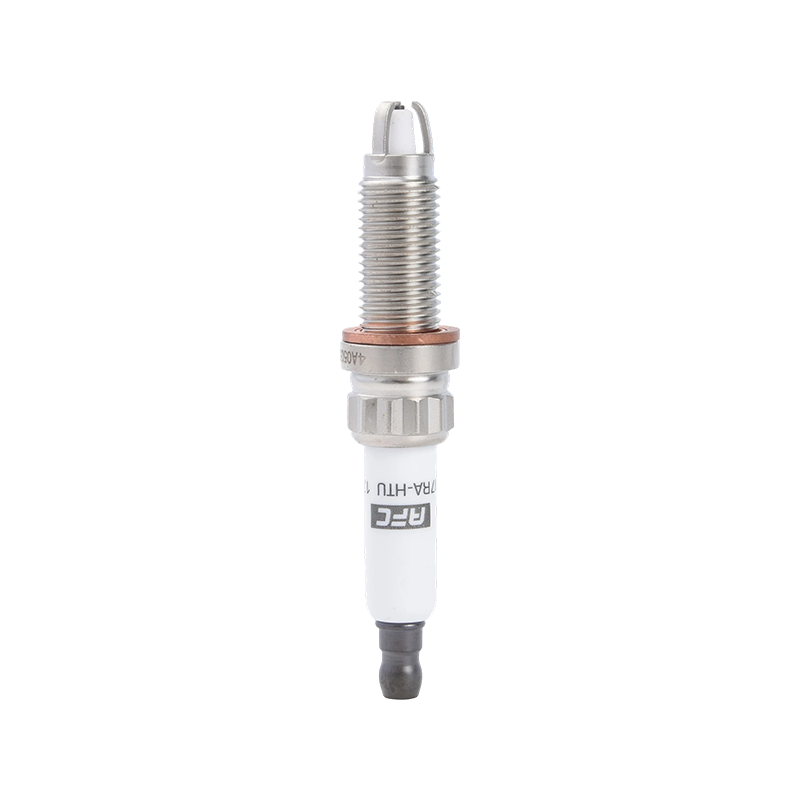
BMW applications show how the system works in practice. Engine families that carry the OE references 12120037582 and 12120039664 use an iridium platinum construction, and the code ILZKB8RD8S identifies that design. An iridium platinum plug for BMW OE numbers 12120037582 and 12120039664 keeps the same physical fit as the original part while upgrading the durability of the firing end.
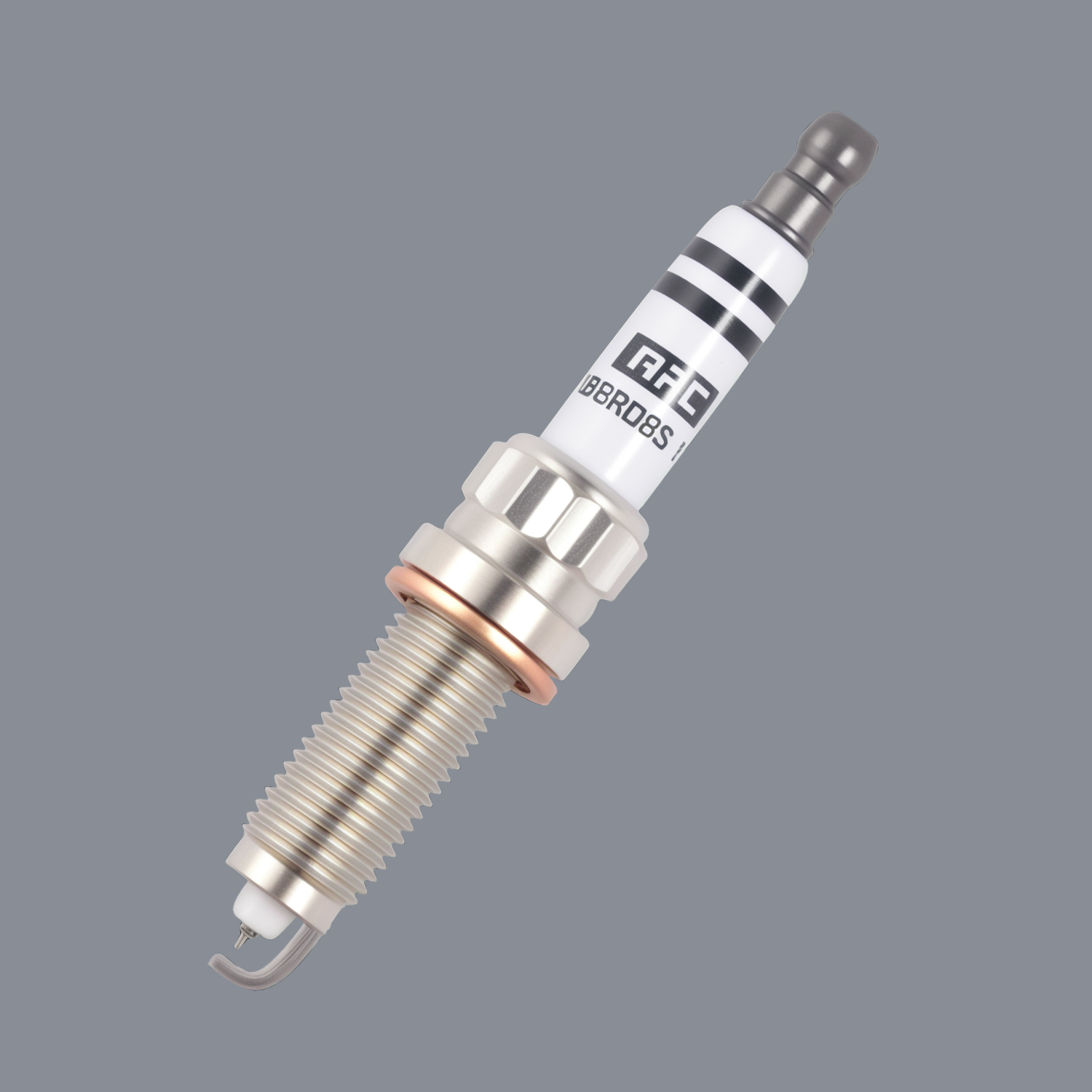 Wholesale 1740 ILZKB8RD8S Iridium Platinum Spark Plug For 12120037582 121200396ZHONGXUAN ELECTRONIC TECHNOLOGY CO., LTD is China 1740 ILZKB8RD8S Iridium Platinum Spark Plug For 12120037582 12120039664 manufacturers ...View Product →
For most buyers, matching the OE number and keeping the same heat range is sufficient. Upgrading the electrode material from copper to platinum or iridium is safe as long as the thread, reach and seat match the original specification. The only thing that changes is the service interval and the ignition consistency under load.
It depends on the brand. In NGK, Denso and Bosch style codes, a higher number means a colder plug. In Champion codes, a higher number means a hotter plug, as confirmed by Champion's own technical documentation. Always confirm the direction on the manufacturer chart before ordering.
No. Reach controls how far the firing tip protrudes into the combustion chamber. Too long can contact the piston or valves, and too short leaves threads exposed and disturbs the heat path. The OE number or the manufacturer catalogue will state the required reach for your engine.
A plug one step too cold fouls easily and misfires at low load. A plug one step too hot increases the risk of pre-ignition and can melt the electrode tip. In both cases you will see rough idle, reduced fuel economy and eventually misfire codes.
Yes, as long as the thread diameter, reach, seat type and heat range match the original specification. The upgrade adds electrode material longevity, typically extending the service interval from about 20,000 to 30,000 miles to 80,000 miles or more, depending on the design.
R means the plug has an internal resistor that suppresses electromagnetic interference. Many modern engine control units require resistor plugs. Replacing a resistor plug with a non-resistor type can cause radio static and false sensor readings.
Automakers often share engine architectures or ignition specifications across models. An OE number such as 90919-01276 can appear on Toyota and Lexus engines of the same family. The spark plug number matched to that OE reference fits all of them because the combustion chamber geometry and the ignition specification are identical.