

 Español
Home / News / Industry News / NGK Laser Iridium vs Iridium IX: Which Spark Plug Is Right for Your Car?
Industry News
Content
Standing in the auto parts aisle, two NGK iridium spark plugs look nearly identical. Both carry a fine iridium tip, both are designed for modern engines, and both are often sold for the same vehicle model. The price gap, however, can be significant, and many drivers wonder whether they are paying for a brand name or for real engineering.
Here is the direct answer: choose the Laser Iridium when you want an original-equipment-style long-life plug rated for 80,000 to 100,000 miles. Choose the Iridium IX when you want an affordable iridium upgrade for an older nickel-copper application and you are comfortable replacing the plugs around 40,000 to 50,000 miles.
According to NGK’s official comparison of the two series, the Laser Series is typically designed to last 80,000 to 100,000 miles, while the Iridium IX is designed to last 40,000 to 50,000 miles. That is the single most important difference. The two plugs are not interchangeable in the sense that you can ignore the service interval; they are built with different electrode geometry and different durability targets. If you want to compare the full spectrum of electrode materials before making a decision, take a quick look at our complete spark plug range.
Both the Laser Iridium and the Iridium IX are marketed as iridium spark plugs, but the way the iridium is applied to the electrode is completely different. The electrode tip size directly affects two things: how concentrated the spark is, and how quickly the gap wears open. Understanding this helps explain why one plug lasts twice as long as the other.
Laser Iridium plugs use a 0.6 mm iridium-alloy center electrode that is welded onto the base electrode with a laser process. The wider tip provides a larger contact area, which spreads the spark energy over a larger surface. This makes the electrode more resistant to erosion and keeps the spark plug gap stable for a much longer period. In practice, that translates into consistent cold starts, stable fuel trims, and a very long service interval. NGK builds the Laser Iridium series as a direct replacement for vehicles that left the factory with iridium or iridium-platinum plugs, which is why it is commonly described as an OE-style part.
The Iridium IX series uses a thinner iridium center electrode, typically in the 0.4 mm to 0.5 mm range depending on the application. A thinner electrode concentrates the electrical field at the tip, which lowers the required firing voltage and produces a sharper, more focused spark. That sounds like a pure performance benefit, and in some ways it is: the plug fires easily even when the ignition system is weak or the air-fuel mixture is colder. But the trade-off is durability. A thinner tip erodes faster, so the gap grows more quickly and the plug must be replaced sooner. The Iridium IX is not designed as an OE replacement; it is positioned as an aftermarket upgrade, particularly for engines that originally used nickel-copper or single-platinum plugs.
The service life difference is not a marketing trick. It is the direct result of the electrode geometry described above. NGK’s published figures state that the Laser Series is built for 80,000 to 100,000 miles, while the Iridium IX is rated for 40,000 to 50,000 miles. Some owner forums report getting closer to 60,000 miles from the IX before misfires begin, but the safe maintenance window is 40,000 to 50,000 miles for a stock engine.
| Parameter | Laser Iridium | Iridium IX |
|---|---|---|
| Center electrode diameter | 0.6 mm | 0.4 – 0.5 mm depending on application |
| Designed service life | 80,000 – 100,000 miles | 40,000 – 50,000 miles |
| Primary application intent | OE-style replacement for modern engines | Aftermarket performance upgrade |
| Typical price range per plug | Higher | Moderate |
| Gap growth over time | Slow | Faster |
Real-world conditions can shorten those numbers. A tuned engine with increased boost pressure tends to erode any spark plug faster because the combustion temperature is higher. Stop-and-go city driving, heavy loads, and long idling periods also raise electrode temperature. If you push a vehicle hard, both the Laser Iridium and the Iridium IX will wear sooner than their rated interval, but the IX will still wear out sooner in percentage terms.
The lower upfront price of the Iridium IX can be misleading when you consider total ownership cost. Spark plug replacement involves not only the parts cost but also the labor charge, which is often the larger portion of the bill at a repair shop. The example below assumes a four-cylinder engine, a unit price of $55 for the Laser Iridium, $35 for the Iridium IX, and a $150 labor fee per replacement.
| Cost Factor | Laser Iridium | Iridium IX |
|---|---|---|
| Number of replacements in 100,000 miles | 1 | 2 to 3 |
| Parts cost for a 4-cylinder engine | $220 | $280 to $420 |
| Labor cost for the same period | $150 | $300 to $450 |
| Total cost over 100,000 miles | Approx. $370 | Approx. $580 to $870 |
For the vast majority of stock vehicles, there is no noticeable difference in throttle response, fuel economy, or horsepower between a fresh Laser Iridium and a fresh Iridium IX. Spark plug performance inside a healthy ignition system is already sufficient to ignite the mixture reliably. The measurable difference appears only over time: the Laser Iridium holds its original gap longer, so the engine continues to run at the same ignition timing margins while the Iridium IX gap begins to widen sooner.
There are, however, a few specific situations where the Iridium IX gives a real advantage. Because the thinner center electrode requires lower firing voltage, the IX is more forgiving in cold weather, weak coils, and older ignition systems. If you have a vehicle with a marginal coil-on-plug unit that is still working but no longer produces full output, the IX can prevent cold-start misfires that a thicker electrode might not tolerate. The same applies to engines with large injectors or a slightly rich idle calibration, where an easy-to-fire plug helps keep the idle steady.
On the other side, the Laser Iridium has a real advantage in high-mileage consistency. At 60,000 miles, the Laser plug has usually kept its gap within 0.1 mm of the original specification, while the IX may have drifted by 0.2 mm or more. That drift directly affects ignition timing and combustion stability. In an engine that is sensitive to spark timing, such as a modern direct-injection unit with a narrow ignition window, the Laser Iridium is the safer choice for long-term operation.
The first rule of spark plug selection is simple: check what the engine was designed to use. The plug type, heat range, and gap are engineering decisions made by the engine manufacturer. Your job is to match them, not to override them with a “better” plug that does not fit the intended specification.
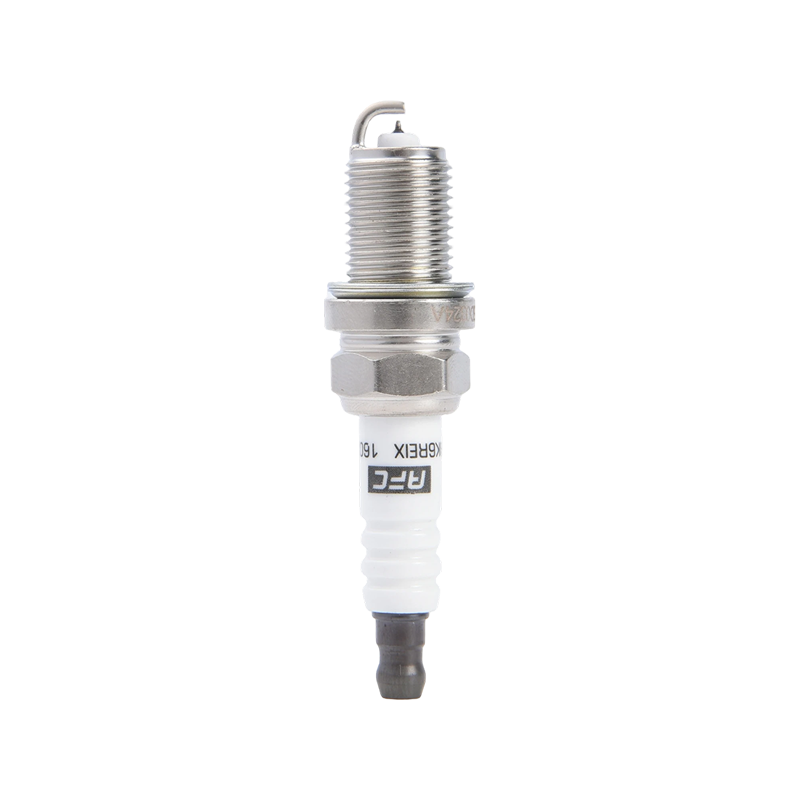
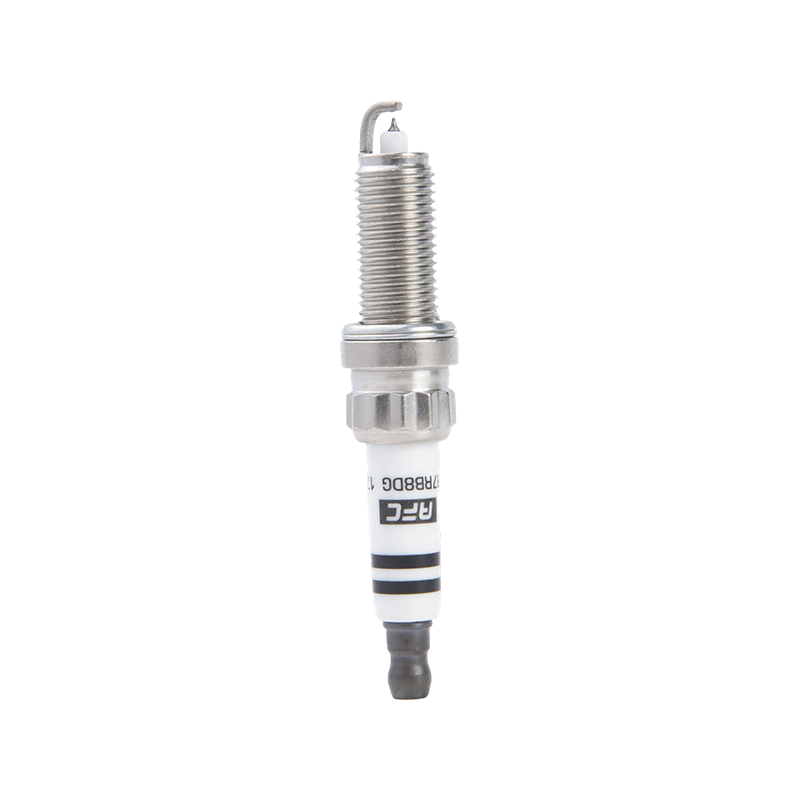
If the owner’s manual or the sticker under the hood specifies iridium spark plugs, the correct replacement is an OE-style long-life plug. The Laser Iridium is designed exactly for this role. It uses the same electrode diameter class, the same heat range, and the same firing position as the factory part. For European engines with this design intent, a quality alternative is an iridium platinum spark plug 95770 for BMW N13 and N55, which follows the same long-life OE philosophy with a platinum ground electrode paired to an iridium center.
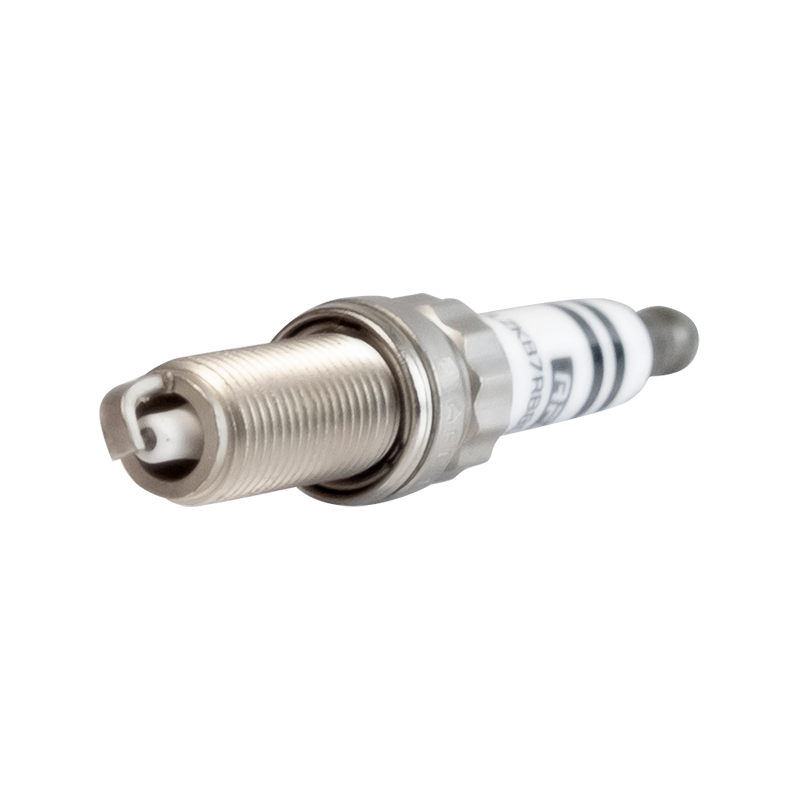 Wholesale 1741 ILZKB7RB8DG Iridium Platinum Spark Plug 95770 For BMW N13 N55 1ZHONGXUAN ELECTRONIC TECHNOLOGY CO., LTD is China 1741 ILZKB7RB8DG Iridium Platinum Spark Plug 95770 For BMW N13 N55 1 3 MINI COPPER CO...View Product →
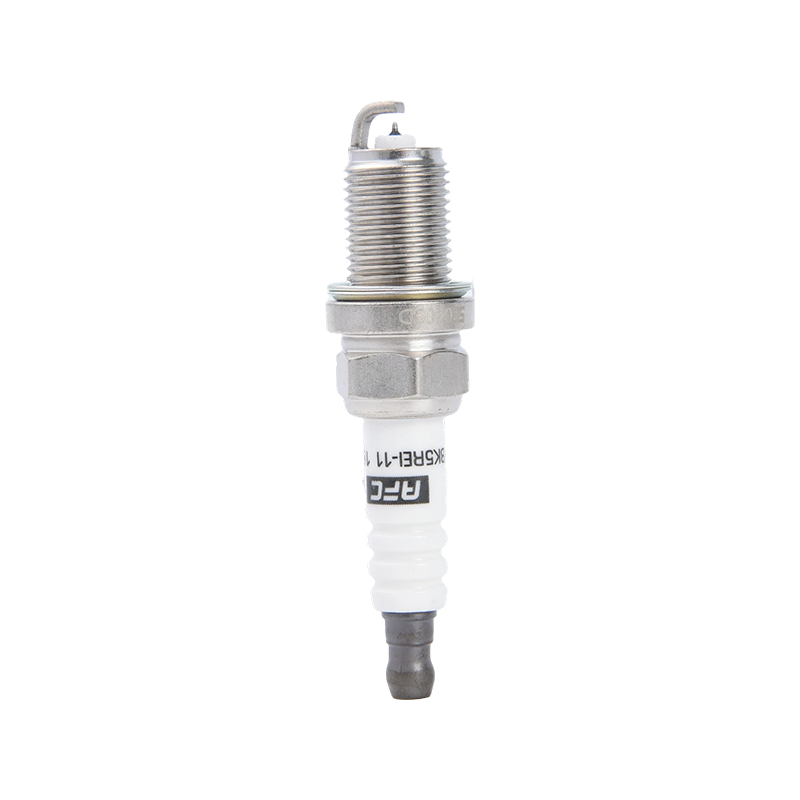
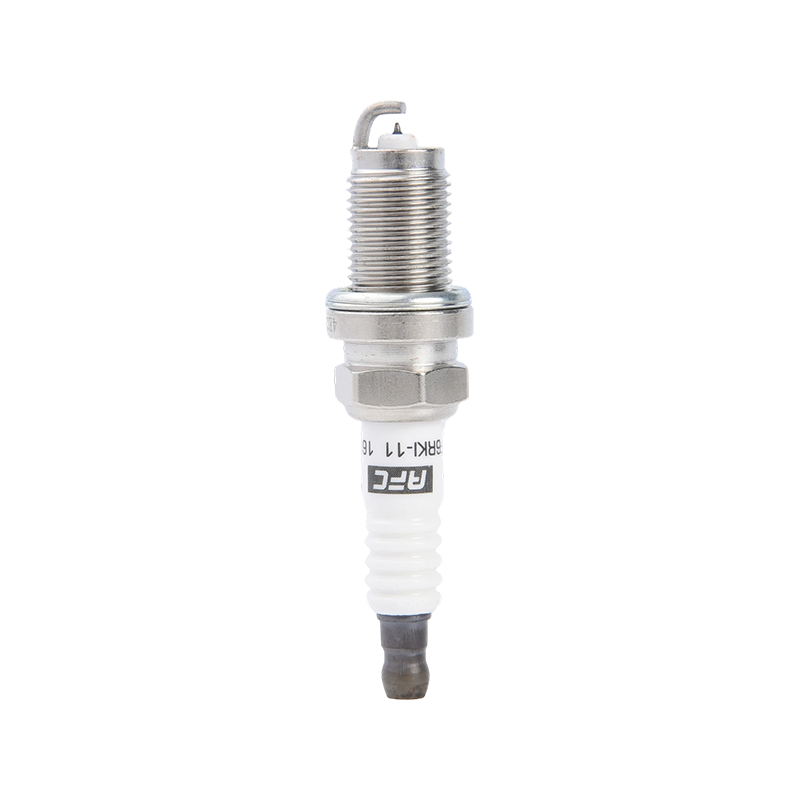
Many older engines left the factory with nickel-copper spark plugs that require replacement every 20,000 to 30,000 miles. If you want the reliability of iridium without changing your vehicle specification, the Iridium IX is the right type of plug. Its narrower electrode lowers the firing voltage and improves cold-start behavior while keeping a similar heat range. For Japanese applications, a single iridium spark plug 7090 for Japanese cars gives you the IX-style upgrade path without forcing you into a longer service interval you may not need.
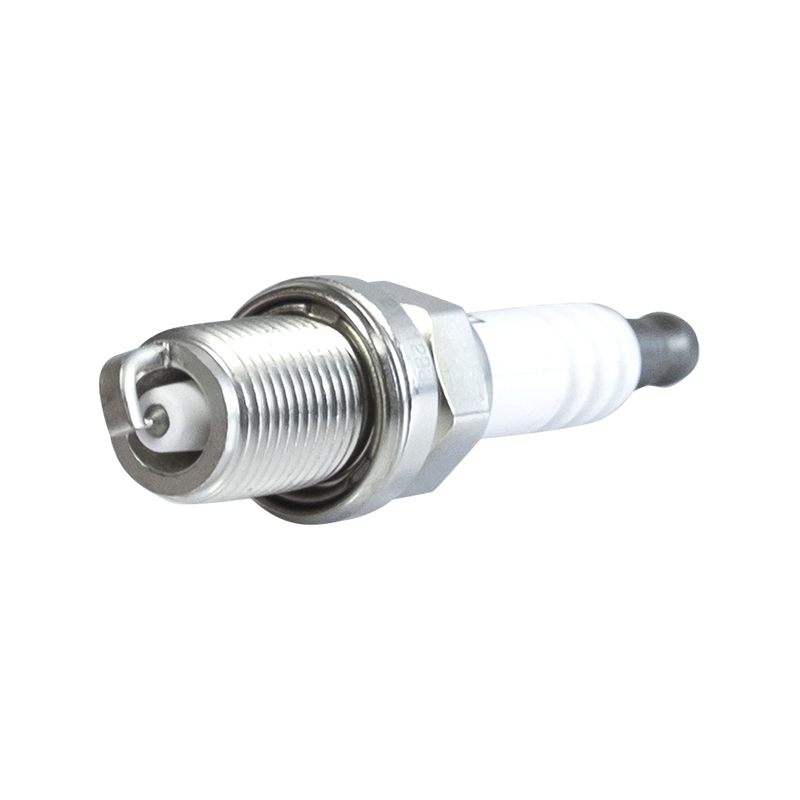 Wholesale 1601 BK5REI-11 Iridium Spark Plug 7090 For Japanese Cars ManufacturersZHONGXUAN ELECTRONIC TECHNOLOGY CO., LTD is China 1601 BK5REI-11 Iridium Spark Plug 7090 For Japanese Cars manufacturers and OEM/ODM fact...View Product →
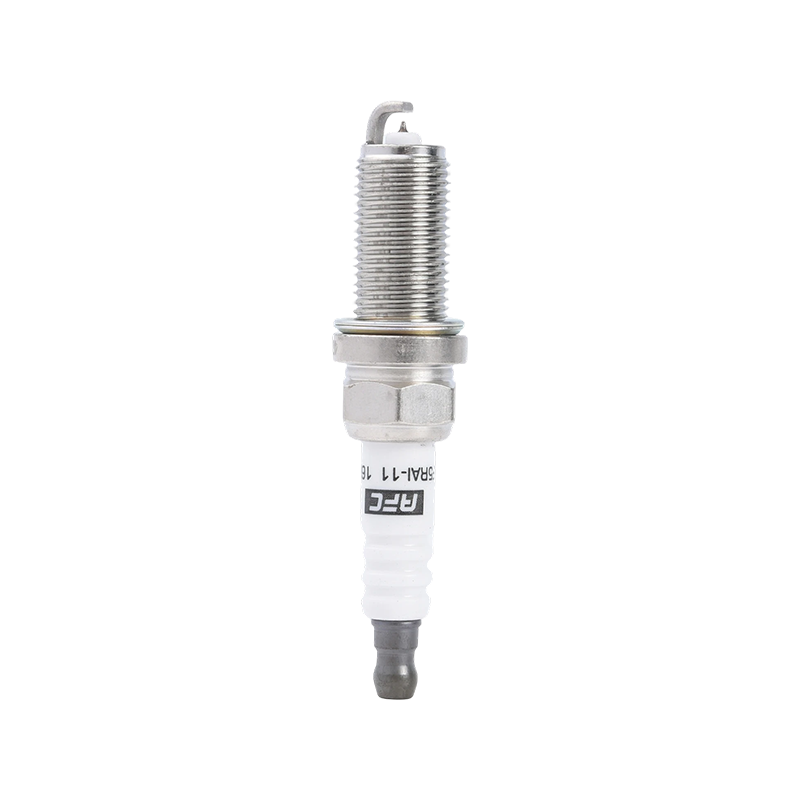
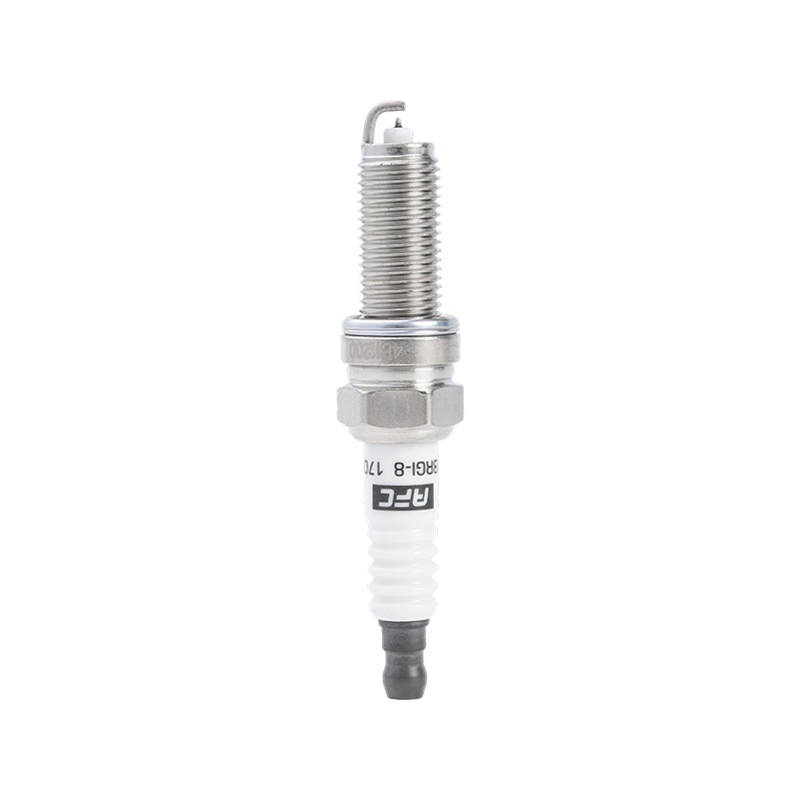
If the engine has room in the specification for a higher-grade plug, or if you simply want to avoid another spark plug change for a decade, consider a double iridium design. The double iridium construction places iridium on both the center and ground electrodes, significantly reducing ground-electrode wear. For vehicles in the Toyota, Lexus, and Honda families, the double iridium spark plug 6176 for Toyota, Lexus and Honda is one of the longest-wearing options in the iridium class.
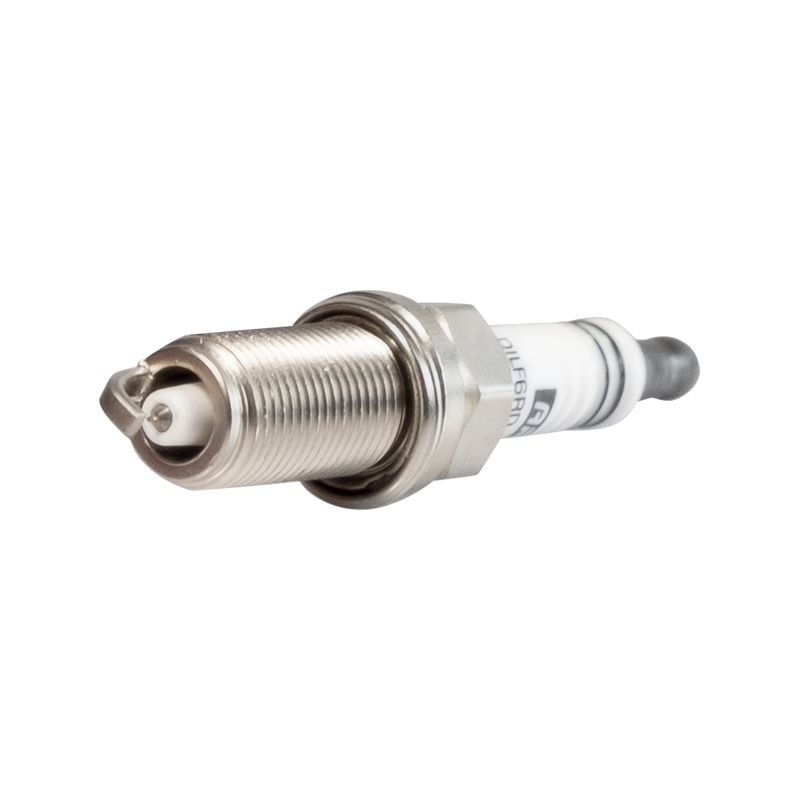 Wholesale 1704 DILF6RD-11 Double Iridium Spark Plug 6176 For TOYOT LEXUS HONDA 9ZHONGXUAN ELECTRONIC TECHNOLOGY CO., LTD is China 1704 DILF6RD-11 Double Iridium Spark Plug 6176 For TOYOT LEXUS HONDA 9091901247 manufac...View Product →
Whichever situation applies to your vehicle, always verify the OE part number printed on the old plug or listed in the manual. Once you know the plug type your engine needs, our spark plug product categories let you filter by vehicle family and electrode material so you can quickly find the matching construction.
A spark plug only performs as well as its installation. Two plugs of the same type can behave very differently depending on how they are fitted. Here are the three details that matter most.
One more point that is often debated is whether anti-seize compound is needed. Modern iridium plugs from NGK have a plated shell that reduces the risk of seizure, and applying anti-seize to the threads can actually change the torque reading because the lubricated threads create a different clamping force. If you choose to use anti-seize, apply only a thin film on the threads and reduce the torque by roughly 20 percent, or follow the user guide that came with the plug.
Yes, as long as the thread size, reach, heat range, and gap match your engine. The Iridium IX will fire correctly and may even reduce the required firing voltage. The main consequence is a shorter replacement interval. If the engine originally specified a long-life plug, plan to inspect the IX at 40,000 to 50,000 miles instead of waiting for 100,000 miles.
NGK rates the Iridium IX series at 40,000 to 50,000 miles for most street applications. Some vehicles with a low-energy ignition system or a mild driving cycle may reach closer to 60,000 miles, while tuned or heavily loaded engines may need replacement sooner. The rated number is the safe planning figure.
Both plugs can help restore fuel economy after old worn plugs begin to misfire. The difference between a fresh Laser Iridium and a fresh Iridium IX is negligible on most engines. The Laser Iridium’s real fuel economy benefit appears over time: because the gap stays stable longer, ignition timing remains closer to the target, and the engine does not gradually lose efficiency as the plugs age.
Iridium IX is used in many turbocharged applications and its thin electrode helps prevent misfires under high boost. The important detail is the heat range: a turbocharged engine builds higher combustion chamber temperatures, so the plug must have the correct heat rating for that engine. If the heat range matches, the Iridium IX is a legitimate choice, but the service life will still be shorter than an OE-style Laser Iridium in the same engine.
NGK’s Laser Iridium uses a 0.6 mm iridium center electrode, while the Iridium IX uses a thinner tip, typically 0.4 mm to 0.5 mm depending on the application. The narrower tip of the IX creates a more concentrated spark and reduces firing voltage, while the wider Laser tip resists gap erosion and delivers a longer service life.
If you drive a late-model vehicle and the owner’s manual specifies iridium or iridium-platinum plugs, the correct choice is a long-life OE-style plug such as the Laser Iridium. The higher price is justified by the doubled service life, the stable gap over time, and the lower risk of ignition-related drivability issues. If you drive an older vehicle that originally used nickel-copper plugs and you want a low-cost iridium upgrade, the Iridium IX is the right pick. You get the benefit of easier cold starts and more reliable firing, but you must accept the shorter maintenance interval.
For owners who want the absolute longest service life from a set of spark plugs, the double iridium construction sits a step above both of the NGK series discussed here. It adds iridium to the ground electrode as well, eliminating the common weak point where a standard platinum or copper ground electrode wears open prematurely. Whatever you choose, always cross-reference the original part number, verify the heat range, and torque the plugs correctly.