

 Español
Home / News / Industry News / Spark Plug Heat Range Guide: Hot vs Cold, Numbers, and Choosing the Right Plug
Industry News
Content
Selecting the heat range of a spark plug is not a performance upgrade. It is a combustion tuning decision that affects engine reliability. The heat range controls how quickly the firing tip sheds heat into the cylinder head, and the correct heat range keeps that tip between 500°C and 800°C (932°F to 1472°F) during normal driving. If the heat range is too hot, the electrode temperature can spin out of control and cause pre-ignition. If it is too cold, carbon and oil deposits can foul the plug before the engine reaches full load. This guide explains what heat range numbers mean, why the difference between hot and cold plugs matters, and how to pick the right plug for a specific engine.
Heat range is the ability of a spark plug to transfer combustion heat from the firing tip to the engine cooling system. The plug does not generate the heat; it simply moves it. A plug with a high heat range number is a cold plug because heat dissipates quickly and the tip stays cooler. A plug with a low heat range number is a hot plug because the insulator nose retains more heat and the tip runs hotter. This temperature difference is measured at the firing end and is the main factor that keeps the plug self-cleaning.
In technical terms, the optimum firing end temperature is approximately 500°C to 800°C (932°F to 1472°F) according to major spark plug engineering data. Below 500°C, deposits accumulate on the ceramic and cause fouling. Above 800°C, the center electrode can glaze over or melt, and the mixture can ignite before the spark. The heat range number is a manufacturer-specific guide that tells you where a plug will sit inside that window under a given load.
To understand the thermal path, consider the insulator length between the firing tip and the shell. A long path means more resistance to heat flow, so the tip stays hot. A short path lets heat escape faster, so the tip stays cool. That is why a cold plug has a shorter insulator nose and a hot plug has a longer one. The nose length directly determines how much heat is retained in the ceramic.
This is not about the spark itself. A spark plug with the wrong heat range will still fire, but it will either run too hot or too cold for the combustion conditions.
The words "hot" and "cold" describe the temperature of the electrode tip, not the intensity of the spark. A hot plug is designed to resist fouling at low loads. A cold plug is designed to resist pre-ignition at high loads. The choice is always a trade-off.
| Characteristic | Hot Plug | Cold Plug |
|---|---|---|
| Heat range number | Low number | High number |
| Tip temperature under normal load | Higher | Lower |
| Insulator nose length | Longer | Shorter |
| Heat transfer to cylinder head | Slower | Faster |
| Primary risk | Overheating | Carbon fouling |
| Best suited for | Stop-and-go traffic | Highway or track use |
Each heat range step changes the tip temperature by roughly 50 to 150 degrees Fahrenheit depending on the plug design, as documented in spark plug technical literature. That means going one step colder is not a cosmetic change. It can shift the plug out of the self-cleaning window. The table above is a practical reference for a replacement buyer, but the actual behavior must still match the engine specification.
Spark plug manufacturers use different numbering conventions, and a single number cannot be compared directly across brands. The most common system uses a range from 2 to 11, where the lower number is hotter and the higher number is colder. This range is popular in the aftermarket and appears on most plug packaging. However, some manufacturers invert the system, with high numbers representing hot plugs. Always check the specific table for the plug you are buying.
Engineers determine the heat range by testing the plug in a controlled engine setup and measuring the tip temperature at a specified load. They record the temperature at the firing end and then assign a numeric indicating the heat dissipation capacity. Because the test conditions vary, the number alone does not tell you the temperature in your engine. It is only a relative rating.
To connect heat range to practice, a plug with a rating of 2 or 3 will run much hotter than a plug rated 8 or 9. For a naturally aspirated engine used for daily commuting, a mid-range plug is usually factory recommended. For a forced induction engine, a higher number on the scale is often needed to prevent knock. But this is not a formula that works every time. The only way to know the correct heat range is to match the OEM recommendation and adapt only if the engine has been modified.
If you are reading a heat range chart, remember that the "hot" side of the scale is for low-speed, low-load operation, and the "cold" side is for sustained high speed, high load, or modified engines. This chart is not a universal measure of quality. For a more detailed walkthrough, read this how to read a spark plug chart heat range gap article, which walks through the exact steps used to compare an OEM plug number against an aftermarket replacement.
The consequences of a wrong heat range are immediate and visible in the plug’s condition. A plug that is too hot will show white or blistered ceramic, melted electrodes, and sometimes cracks on the insulator. A plug that is too cold will appear black and sooty, with a strong smell of fuel and possible bridging of the gap by soot particles.
These symptoms do not always appear immediately. The damage accumulates over thousands of miles. For example, a plug that is one step too cold for a turbocharged engine may survive a highway trip but fail after repeated stop-and-go commuting, where the tip never gets hot enough to burn off deposits. This is exactly the kind of failure that is often blamed on the plug quality when the real cause is a heat range mismatch.
Start by identifying the factory plug. The OEM specification is the safest baseline because it is already matched to the engine's compression ratio, combustion chamber shape, fuel system, and ignition timing. If you are replacing a plug, use the exact OEM part number or a cross-reference that lists the same heat range. This is why our replacement spark plugs are listed with OEM numbers for Toyota, Lexus, Nissan, Honda, Ford, BMW, VW, and many other brands.
Once you have that baseline, consider whether the engine has been modified. A change in boost pressure, a larger turbo, an aftermarket intake, or a retuned ECU can require the cold side. As a rule, every 0.5 psi of additional boost can push the tip temperature higher, though this is a rough guideline. If the engine is completely stock, the factory heat range is almost always correct. If your tune raises boost by 1 psi or more, a step colder is a common starting point, but the plug must still retain enough heat to avoid fouling at idle.
The same logic applies to normal driving. If the vehicle is used for short trips, the idle time creates a risk of fouling. A hot plug resists fouling because it stays hot at idle. If the vehicle is driven under heavy load for long trips, a cold plug prevents pre-ignition. For a daily driver that is not modified, stay with the OEM range. For a weekend track car, move one or two steps colder, but be ready to check the plug color after the first session.
For an aftermarket buyer, the easiest way to reduce guesswork is to verify the heat range against the engine code and the original plug number. Our product listings include both OEM cross-references and the plug model code, so you can compare the heat range before ordering.
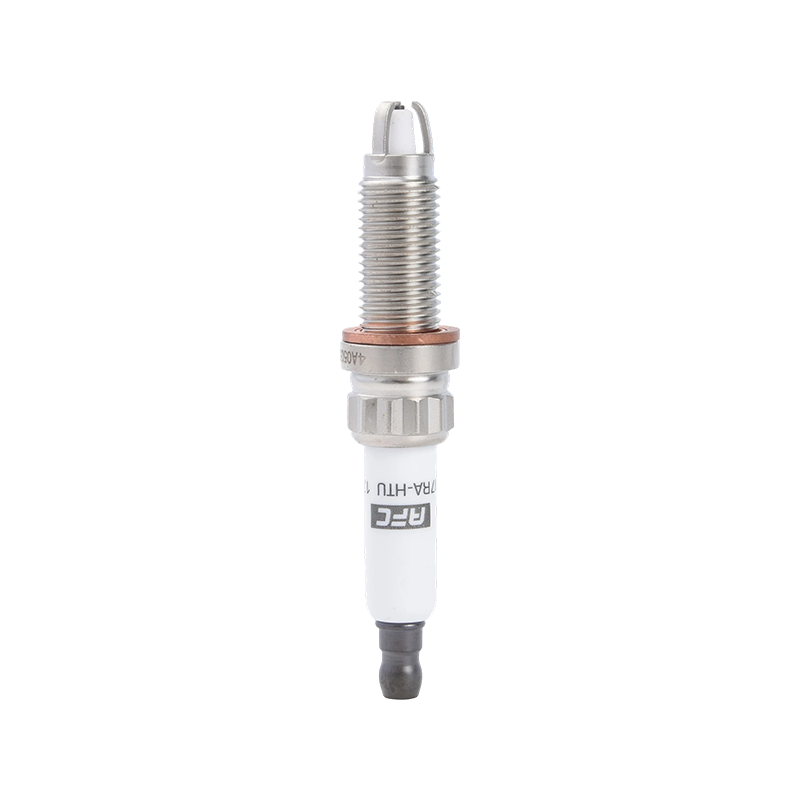
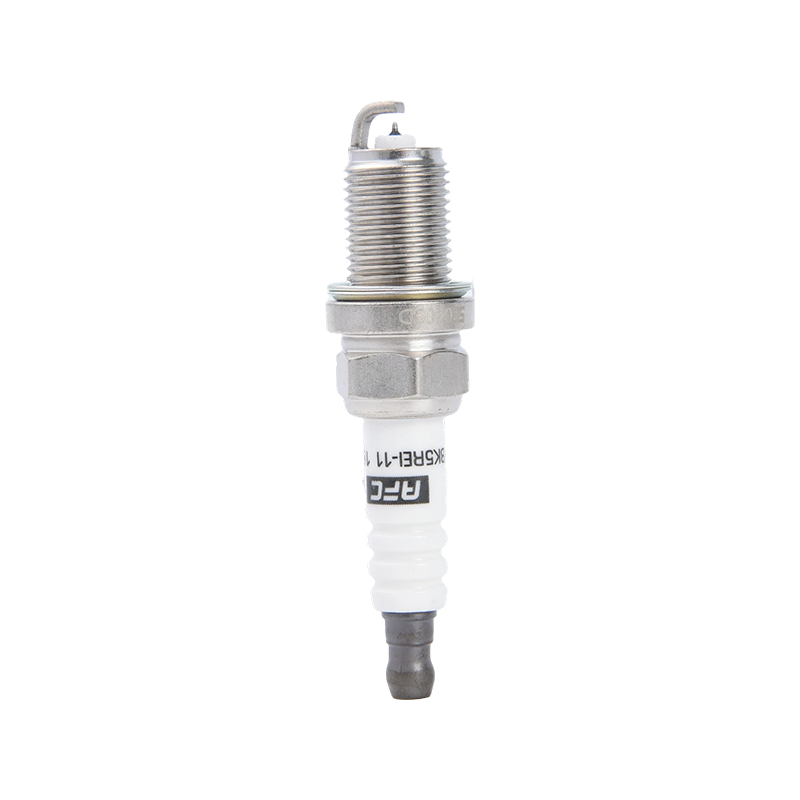
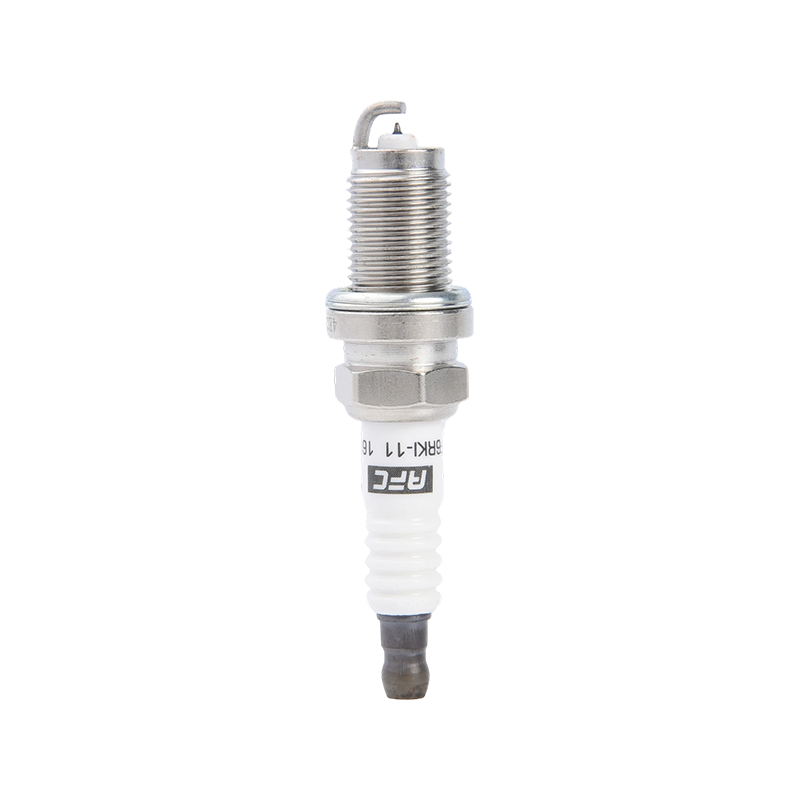
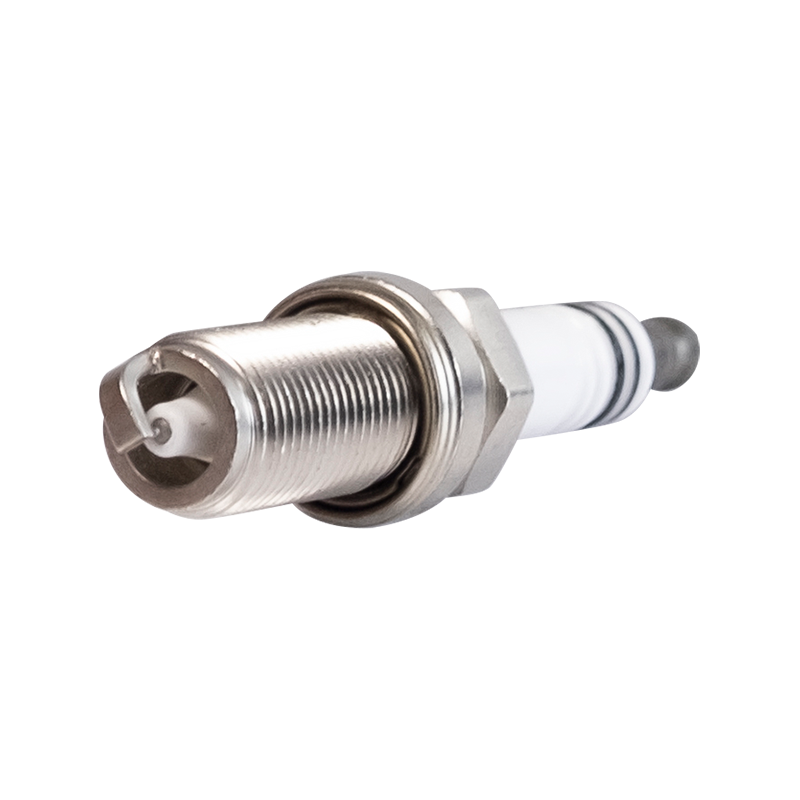 Double Iridium Spark Plug for Toyota 8AR-FTS and LexusDual iridium electrodes improve ignition stability and resist wear, with a cold heat range suited for turbocharged engines. OEM cross-reference 90919-01276 ensures correct heat range matching.View Product →
Heat range is not a material property, but material choice influences how the plug behaves at the edges of that range. A copper electrode is more heat-conductive than an iridium electrode, so a copper plug will shed heat faster at the same geometry. This makes copper plugs a conventional baseline for older engines, but they also have a shorter service life.
Iridium and platinum plugs are precious metal electrodes that have very high melting points and can survive higher tip temperatures. The fine wire center electrode concentrates the spark and reduces the voltage needed. That means an iridium plug can be used with the same heat range as a copper plug, yet it will run cleaner at the low end and resist wear better at the high end. In practice, an iridium platinum plug is a good middle ground for modified engines because it combines the heat dissipation of a short insulator with the durability of a precious metal center electrode.
For modern European engines, double platinum plugs are often the factory choice because the side electrode also uses platinum. This gives the plug a longer service interval while maintaining the same heat range as the original. For Japanese engines that specify a long-life iridium plug, a double iridium design can be a direct replacement with the same heat range and better wear resistance.
What matters for heat range is the distance from the firing tip to the shell, not the electrode material. However, the material affects how hot the plug can be used without failure. This is why a plug rated 8 in iridium might be able to withstand a higher combustion temperature than a plug rated 8 in copper, even though both dissipate heat similarly.
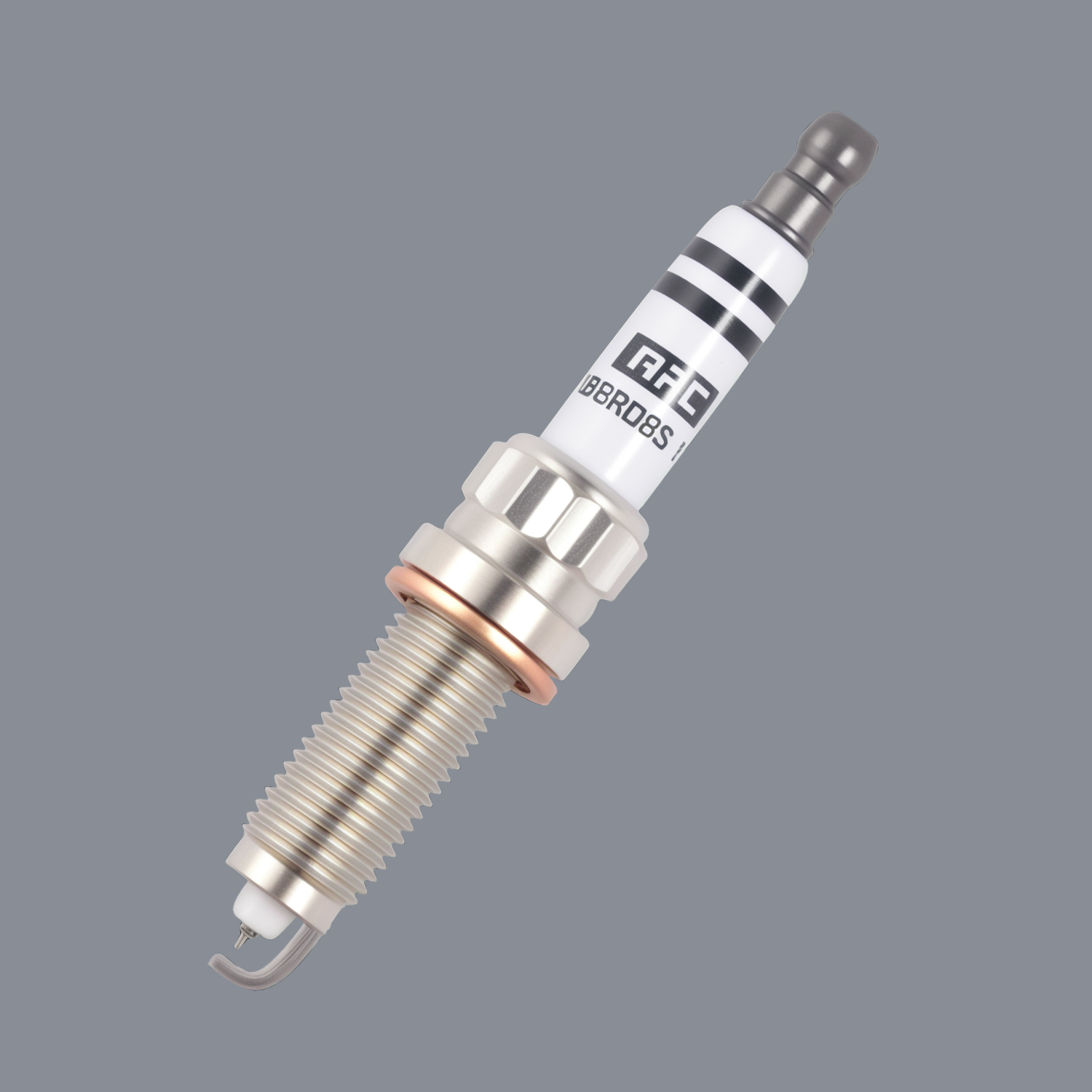 Iridium Platinum Spark Plug for BMW with Heat Range CodeThis plug's code indicates a cold heat range, and the iridium-platinum build allows it to handle high combustion temperatures without premature failure, making it a reliable choice for BMW engines.View Product →
There are several misconceptions that lead to poor heat range choices. We list the most common ones so you can avoid wasting money and risking engine damage.
When you order replacement plugs, always compare the OEM part number and the heat rating. If the OEM plug has a code like ILZKBR8D8S, the "8" indicates a cold heat range. If you substitute with a "6", you are likely to run into trouble. The model code itself is a short form of the full technical specification. This is why we always recommend checking the OEM cross reference before you buy. For example, the VW EA111 engine relies on a double platinum plug with a specific heat range to match its factory ignition system.
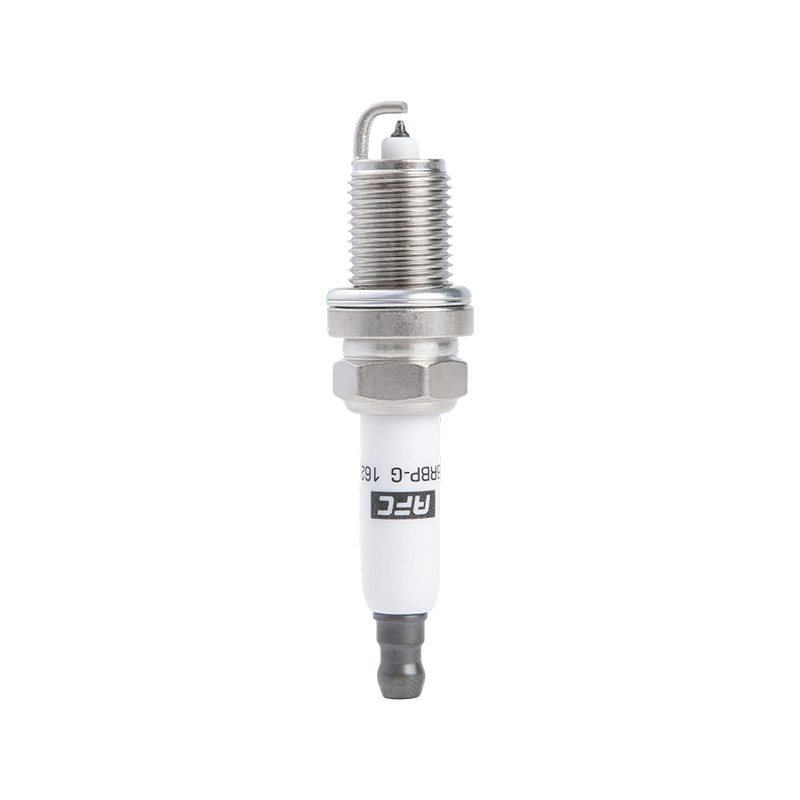
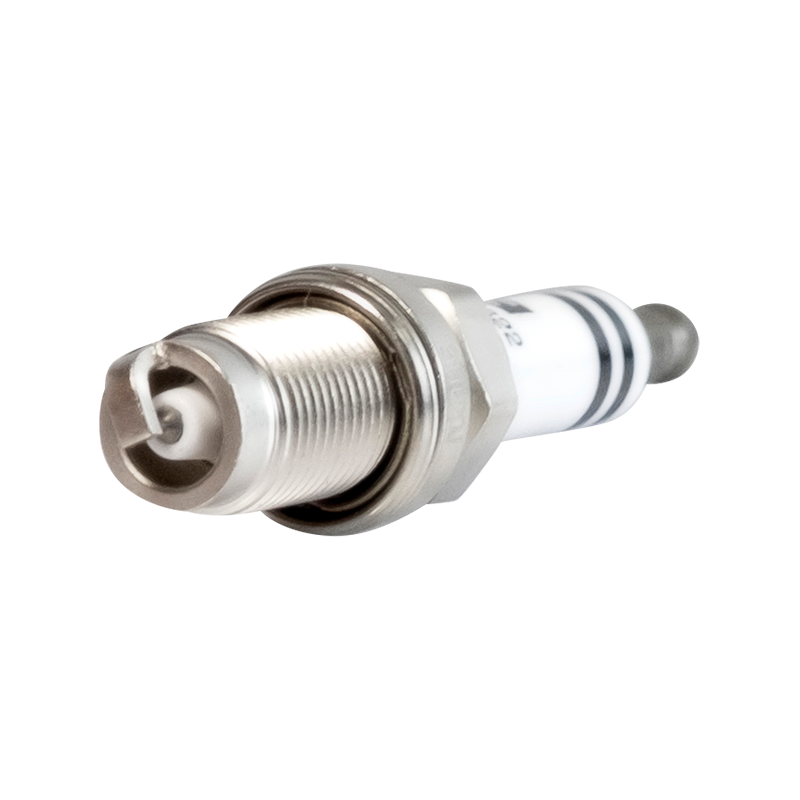 Double Platinum Spark Plug for VW EA111 1.4T EnginesDesigned with a heat range of 6, this plug matches the factory ignition system of the EA111. Platinum electrodes provide long service life and stable performance under start-stop conditions.View Product →
Below we answer the most common questions buyers ask when they are looking for a replacement plug.
A hot plug has a longer insulator nose and slower heat transfer, so the firing tip stays at a higher temperature. A cold plug has a shorter insulator nose and faster heat transfer, so the tip stays cooler. The terms have nothing to do with spark intensity.
No. A hotter plug will not add power. It only changes the firing tip temperature. If you install a hotter plug on a stock engine, you risk pre-ignition and knock. Performance gains come from combustion tuning, not heat range changes.
A turbo engine needs a colder plug than a naturally aspirated engine of the same displacement. Start by matching the factory plug. If the turbo is upgraded or boost is increased, move one step colder and inspect the plug after a short run. Always confirm against the engine code.
Higher altitude lowers the air density and reduces the cylinder pressure, which makes the plug run cooler. The same plug that works at sea level might run too cold at high altitude, increasing the chance of fouling. This is a minor effect, but it is worth noting if you are tuning at a track with significant elevation changes.
Check the heat range every time you change the plug type or the engine map. Once you find a plug that keeps the tip at the right color, record the part number and heat range. Use that as the baseline for future purchases.
A double iridium plug is a high-end replacement, but it must still match the heat range of the OEM plug. The electrode material does not allow you to bypass the thermal balance. Use the same heat range number unless the engine is modified.
The heat range is a small number that carries outsize consequences. A plug that is one step too hot can kill an engine; one step too cold can create misfires and a loss of power. The safe path is to begin with the factory specification and only change the heat range when the engine has been modified in a way that changes its thermal demand. Then verify the choice by reading the spark plug color and gap condition after a few hundred miles.
If you are buying replacement spark plugs in bulk, ask your supplier for the heat range number and the OEM reference. A responsible aftermarket manufacturer should be able to tell you the original part number that each plug is designed to replace, and should show the physical construction that corresponds to that heat range. That is the kind of detail we pack into every product listing so you can make a confident decision without guessing.