

 Español
Industry News
Content
- 1 Anti Seize On Spark Plugs: The Direct Answer
- 2 Why Anti Seize Compound Exists For Spark Plugs In The First Place
- 3 Why Most Modern Spark Plugs Already Have Built-In Protection
- 4 What The Major Spark Plug Manufacturers Actually Recommend
- 5 When Anti Seize On Spark Plugs Actually Makes Sense
- 6 When Anti Seize On Spark Plugs Causes Problems
- 7 How Much To Adjust Torque When Using Anti Seize
- 8 How To Apply Anti Seize Correctly If You Choose To Use It
- 9 Removing A Seized Spark Plug Without Causing Further Damage
- 10 What To Do If The Cylinder Head Threads Are Already Damaged
- 11 How The Anti Seize Decision Changes Across Different Engine Types
- 12 Alternatives And Complementary Practices
- 13 Common Mistakes To Avoid
- 14 Myths Versus Facts About Anti Seize And Spark Plugs
- 15 Frequently Asked Questions
- 15.1 Do new spark plugs need anti seize compound?
- 15.2 Will anti seize damage my spark plugs?
- 15.3 Can I use regular anti seize for exhaust bolts on spark plugs?
- 15.4 What happens if I get anti seize on the spark plug electrode?
- 15.5 How do I know if my spark plug already has anti seize coating from the factory?
- 15.6 Should I use anti seize on aluminum cylinder heads specifically?
- 15.7 Does anti seize affect spark plug gap or performance?
- 15.8 Is it true that older service manuals always recommended anti seize?
- 15.9 Can anti seize help with a recurring stuck spark plug problem?
- 15.10 Is there a risk of using too little anti seize rather than too much?
- 15.11 Does the type of anti seize compound matter for spark plugs?
- 15.12 Can I switch between using and not using anti seize on the same engine over time?
Anti Seize On Spark Plugs: The Direct Answer
Most modern spark plugs do not need anti seize compound. Spark plug manufacturers apply trivalent zinc, nickel, or other corrosion-resistant plating directly to the plug threads during production, and this plating already provides the lubrication and corrosion protection that anti seize compound was historically meant to deliver. Adding anti seize compound on top of pre-plated threads is unnecessary in the large majority of cases, and in several real situations it actively causes more harm than good.
That said, anti seize on spark plugs is not universally wrong. There are specific scenarios, mostly involving aluminum cylinder heads, high-mileage engines with worn threads, or older plugs without modern plating, where a thin, controlled application of anti seize compound is reasonable and even recommended by some engine builders. The rest of this guide breaks down exactly when anti seize helps, when it hurts, how torque values shift once anti seize is introduced, how the major spark plug brands each treat the question, how to apply it correctly, how to fix problems if you already used too much, and how the decision changes across different engine types.
- Plated spark plug threads from the factory already resist seizing in most aluminum and cast iron heads.
- Anti seize compound reduces thread friction, which means torque specs must be adjusted downward to avoid overtightening.
- Excess anti seize compound can attract carbon deposits and, in rare cases, contribute to thread galling if applied incorrectly.
- Engine type, head material, mileage, and climate all shift the calculation toward or away from using anti seize.
Why Anti Seize Compound Exists For Spark Plugs In The First Place
Spark plugs sit in a hostile thermal environment. Combustion chamber temperatures can exceed 2000 degrees Celsius at the plug tip during peak burn, while the threaded shell transfers heat into the cylinder head at a much lower but still significant temperature, often in the 150 to 300 degree Celsius range depending on plug heat range and engine load. Repeated heating and cooling cycles cause the spark plug threads and the cylinder head threads to expand and contract at different rates, especially when steel plug threads meet an aluminum cylinder head.
Aluminum expands roughly twice as fast as steel for the same temperature change, based on standard coefficient of thermal expansion data published in mechanical engineering reference tables. This mismatch is the root cause of thread seizing: the aluminum head grips the steel plug tightly during heat cycles, and over years of service the two metals can effectively weld together at a microscopic level through a process called galvanic corrosion combined with thermal fusing.
What Anti Seize Compound Actually Does
Anti seize compound is typically a grease-based carrier loaded with metallic particles such as copper, nickel, aluminum, or graphite. These particles fill microscopic gaps between the threads, creating a barrier that prevents the two metal surfaces from making direct contact and fusing. The compound also lowers the coefficient of friction along the threads, which makes future removal easier even after years of heat cycling.
The Chemistry Behind Galvanic Seizing
Galvanic corrosion happens whenever two dissimilar metals are in contact in the presence of moisture or condensation, which forms naturally inside an engine bay through humidity and combustion byproducts. Steel and aluminum sit far enough apart on the galvanic series that a small electrochemical reaction occurs over time, slowly oxidizing the contact surfaces. This oxidation layer, combined with thermal expansion clamping the threads tighter together, is what produces the classic stuck spark plug that will not budge even with a breaker bar.
| Anti Seize Type | Primary Metal Particles | Typical Use Case |
|---|---|---|
| Copper-based | Copper flake | Exhaust bolts, older plugs, high heat areas |
| Nickel-based | Nickel flake | High temperature, marine, stainless fasteners |
| Aluminum-based | Aluminum flake | General purpose, lighter duty fasteners |
| Graphite-based | Graphite powder | Lower temperature general fasteners, dry lubrication |
Why Most Modern Spark Plugs Already Have Built-In Protection
Since the early 1990s, spark plug manufacturers have shifted almost universally to trivalent chromium or zinc plating on plug shells, replacing older cadmium-based coatings that were phased out for environmental and regulatory reasons. This plating is engineered specifically to resist the corrosion and thread seizing that anti seize compound was originally designed to prevent.
A factory-plated spark plug installed into a properly prepared thread bore typically does not require additional anti seize compound, because the plating layer is already doing that job. Several major spark plug manufacturers explicitly instruct against adding anti seize to pre-plated threads, since the compound can interfere with the plating's designed friction coefficient and lead to inaccurate torque readings during installation.
How To Tell If Your Plugs Are Pre-Plated
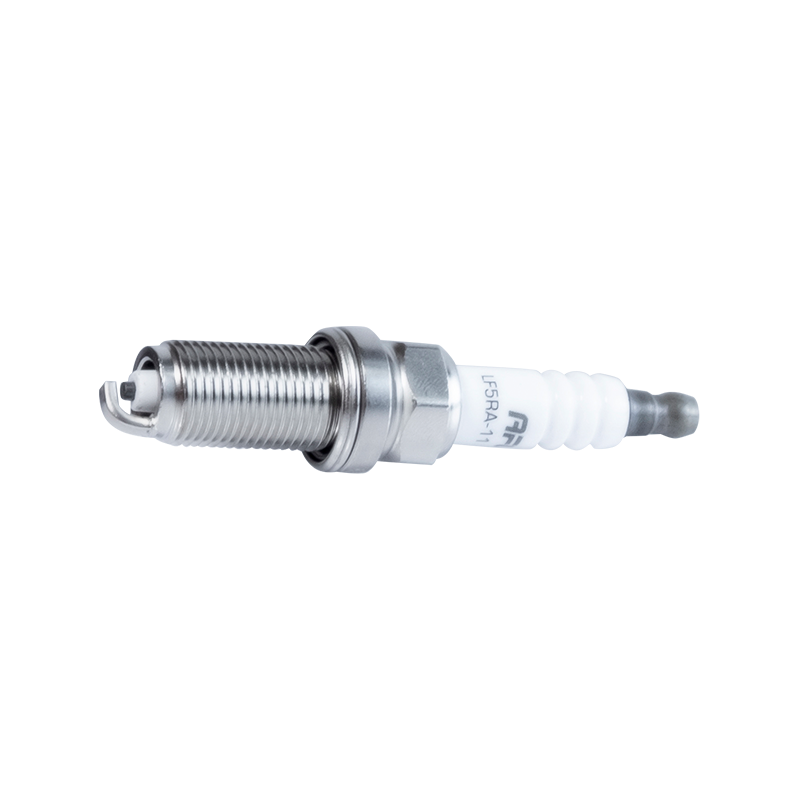
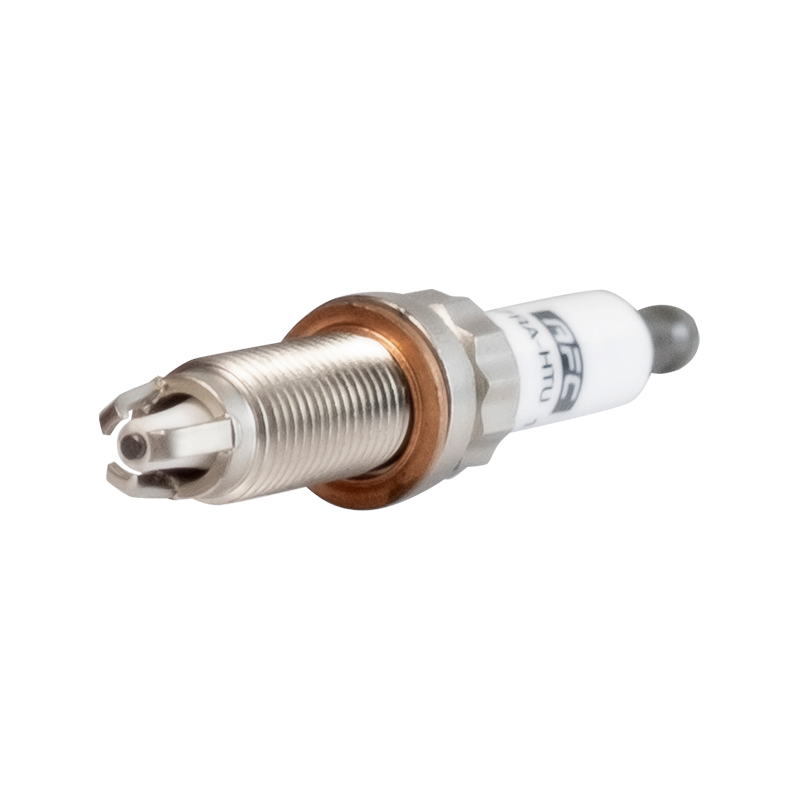
Nearly all spark plugs sold for production vehicles since the 1990s carry plating. Visual indicators include a smooth, slightly shiny gray or silver finish along the threads, as opposed to dull, unfinished steel. If the plug box or manufacturer documentation specifies "do not use anti seize" or "anti seize not required," this confirms factory plating is present and sufficient.
- Shiny, uniform gray thread finish usually indicates trivalent plating.
- Manufacturer packaging often states torque specs assuming no additional lubricant.
- Plugs designed for direct replacement in modern engines (post-2000 platforms) are almost always pre-plated.
What Happened To Cadmium Plating
Older spark plugs, particularly those manufactured before the mid-1990s, often used cadmium plating, which provided strong corrosion resistance but raised environmental and worker safety concerns during manufacturing. As cadmium was phased out under various regional environmental regulations, manufacturers transitioned to trivalent chromium and zinc-nickel alloys, which deliver comparable or better corrosion resistance without the same handling hazards. This transition is one reason older repair advice, including widespread anti seize recommendations from decades-old service manuals, no longer applies cleanly to plugs manufactured today.
What The Major Spark Plug Manufacturers Actually Recommend
Manufacturer guidance varies slightly in wording but converges on the same general position: anti seize is not required on factory-plated threads, and if used, torque must be reduced.
| Brand | General Stance On Anti Seize | Torque Adjustment If Used |
|---|---|---|
| NGK | Not required on plated threads; discouraged on most modern plugs | Reduce torque if applied anyway |
| Denso | Plating sufficient for most applications | Reduce torque by approximately 20 percent |
| Bosch | Optional only for aluminum heads with wear history | Reduce torque, apply thin film only |
| Champion | Pre-plated threads generally do not need it | Reduce torque accordingly |
| Autolite | Plating adequate for typical service intervals | Reduce torque, avoid electrode contact |
Despite small wording differences, no major manufacturer recommends anti seize as a default step for a routine plug replacement on a healthy, pre-plated thread bore. The consistent theme across brands is that anti seize is a conditional tool for specific thread conditions, not a universal best practice.
When Anti Seize On Spark Plugs Actually Makes Sense
Despite factory plating covering most situations, there remain legitimate scenarios where a thin layer of anti seize compound is a reasonable choice. These situations share a common thread: the natural protection has already broken down or was never adequate in the first place.
Aluminum Cylinder Heads With High Mileage
Engines with aluminum heads that have accumulated 100,000 miles or more of heat cycling sometimes show early signs of thread wear inside the spark plug bore. In these cases, the threads in the head itself may no longer provide a perfectly clean mating surface, and a small amount of anti seize can help bridge minor imperfections and ease both installation and future removal.
Replacing Severely Corroded Or Stuck Plugs
If a previous spark plug required significant force to remove, or showed visible corrosion or galling on the threads, the cylinder head threads themselves may be slightly damaged. Applying a thin anti seize layer to the new plug in this specific case can reduce the chance of a repeat seizing event, buying time until a proper thread repair (such as a heli-coil insert) can be scheduled.
Marine And Heavy Equipment Engines
Engines exposed to constant moisture, salt air, or heavy-duty industrial duty cycles face accelerated corrosion regardless of plating quality. Marine mechanics and heavy equipment technicians frequently report using anti seize as a standard precaution in these environments, since the corrosive exposure outpaces what factory plating alone can handle over the service interval.
Unplated Or Older Replacement Plugs
Some specialty or older-style replacement plugs, particularly those sourced for vintage or classic vehicles, may not carry modern trivalent plating. In these specific cases anti seize compound restores some of the protection that newer plugs already have built in.
Extreme Climate Storage Conditions
Vehicles or equipment stored for extended periods in coastal, high-humidity, or wide-temperature-swing climates can experience accelerated thread corrosion even between normal service intervals. Equipment that sits idle for months at a time, such as generators, boats, or seasonal lawn equipment, is more exposed to this risk than a daily-driven vehicle, making anti seize a more defensible precaution for these specific use cases.
Mixed Metal Repairs After Head Resurfacing
Cylinder heads that have been resurfaced or had their spark plug bores re-tapped after a repair sometimes present slightly different thread tolerances than the original factory specification. In these post-repair situations, a machine shop or engine builder may recommend anti seize as a precaution until the new threads have proven reliable over a few service cycles.
When Anti Seize On Spark Plugs Causes Problems
The risk with anti seize is rarely catastrophic, but it is real and well documented among engine technicians. Understanding these failure modes explains why so many manufacturers now advise against routine use.
Over-Torquing From Reduced Friction
Anti seize compound can lower thread friction by a significant margin compared to dry or factory-plated threads. If a mechanic applies anti seize but still torques to the standard dry-thread specification, the plug can end up clamped far tighter than intended, since less of the applied torque is being absorbed by friction and more is being converted into actual clamping force. Overtightening a spark plug can crack the porcelain insulator, distort the shell, or in aluminum heads, strip the threads in the cylinder head itself, an expensive repair that often requires a heli-coil or thread insert.
Carbon And Debris Attraction
Excess anti seize compound applied beyond the threads, especially any that migrates toward the firing end or electrode area, can attract carbon particles and combustion byproducts. Over time this buildup can interfere with proper heat transfer away from the plug tip, subtly altering the plug's effective heat range and increasing the risk of pre-ignition or fouling in sensitive applications.
Inconsistent Torque Readings
Every additional variable, including the type, amount, and even the temperature of anti seize compound at the time of installation, changes the actual friction coefficient at the thread interface. This makes torque wrench readings less predictable, which is part of why manufacturers prefer a consistent, plating-only thread condition: it keeps torque specifications reliable across millions of installations.
Interference With Plating Performance
Trivalent plating is engineered as a complete corrosion and friction management system on its own. Layering anti seize compound on top does not simply add a second layer of protection; in some cases it changes how the plating interacts with the cylinder head threads during the initial seating process, slightly altering the seal at the gasket or taper seat. This is a secondary but real reason manufacturers prefer threads to remain in their designed, plating-only state.
False Sense Of Security During Installation
Technicians who rely on anti seize as a default habit sometimes skip the careful hand-thread check that catches cross-threading early. The smoother feel anti seize provides can mask the early resistance that would otherwise warn an installer that the plug is starting on a misaligned thread path, increasing the risk of thread damage that anti seize was supposed to prevent in the first place.
How Much To Adjust Torque When Using Anti Seize
If you do decide anti seize is appropriate for your specific situation, the torque value needs to be reduced from the standard dry-thread specification published for that plug. A widely cited rule of thumb among engine builders is to reduce torque by roughly 20 to 25 percent when any anti seize or thread lubricant is present, though the exact figure depends on the specific compound's lubricity and the plug manufacturer's own guidance.
| Plug Type | Standard Dry Torque | Approximate Lubricated Torque |
|---|---|---|
| 14mm gasket seat, aluminum head | 20 to 30 Nm | 15 to 23 Nm |
| 14mm gasket seat, cast iron head | 25 to 35 Nm | 19 to 27 Nm |
| 12mm gasket seat, aluminum head | 15 to 20 Nm | 11 to 15 Nm |
| 10mm gasket seat, aluminum head | 8 to 12 Nm | 6 to 9 Nm |
| Tapered seat (no gasket), aluminum head | 10 to 15 Nm | 7 to 11 Nm |
| Tapered seat (no gasket), cast iron head | 15 to 20 Nm | 11 to 15 Nm |
These figures are general references rather than universal rules. Always check the torque specification printed on the spark plug packaging or the manufacturer's service documentation for the exact plug part number being installed, since heat range, thread pitch, and seat design all influence the correct value.
Why Gasket Seat And Tapered Seat Plugs Behave Differently
Gasket seat plugs rely on a crush washer to create the seal between the plug and the cylinder head, which means the torque value is calibrated to compress that washer by a specific, repeatable amount. Tapered seat plugs, by contrast, seal through direct metal-to-metal contact between the plug's conical seat and a matching taper machined into the head, which generally requires less torque to achieve a proper seal. Applying anti seize changes the effective friction in both designs, but the margin for error is often tighter on tapered seat plugs since there is no crush washer to absorb minor torque variation.
How To Apply Anti Seize Correctly If You Choose To Use It
Application technique matters as much as the decision to use anti seize at all. A heavy, careless application is the single most common cause of the problems described earlier in this guide.
- Apply a very thin film, ideally using a small brush or your fingertip, to the threaded portion of the plug only, starting roughly two threads back from the gasket seat or seating surface.
- Avoid any contact between anti seize and the electrode, insulator tip, or firing end of the plug, since contamination here can affect spark quality and heat dissipation.
- Thread the plug in by hand first to confirm it spins freely without resistance before using a torque wrench.
- Reduce the torque value by approximately 20 to 25 percent from the dry specification, or use the manufacturer's lubricated torque figure if one is published.
- Wipe away any visible excess compound that squeezes out around the gasket seat after final torque is reached.
Tools That Make The Job Easier
A dedicated spark plug socket with a rubber insert holds the plug securely and protects the porcelain insulator during installation. A torque wrench rated for the low Newton-meter range typical of spark plugs, rather than a general automotive torque wrench calibrated for larger fasteners, improves accuracy substantially at these lower torque values.
Step By Step Checklist For A Clean Installation
| Step | Action | Why It Matters |
|---|---|---|
| 1 | Clean the plug well opening | Removes debris that could fall into the cylinder |
| 2 | Inspect old plug threads for damage | Identifies whether anti seize is actually warranted |
| 3 | Apply thin anti seize if needed | Prevents future seizing without excess buildup |
| 4 | Hand-thread the plug fully | Confirms proper alignment before torque is applied |
| 5 | Torque to the lubricated specification | Avoids overtightening from reduced friction |
| 6 | Reconnect coil or boot and verify seating | Confirms a complete, secure installation |
Removing A Seized Spark Plug Without Causing Further Damage
If you are reading this guide because a spark plug is already stuck, the priority shifts from prevention to careful extraction. Forcing a seized plug with excessive torque is the most common way a difficult removal turns into a much more expensive repair.
Let The Engine Cool Completely
Attempting removal on a warm or hot engine increases the risk of snapping the plug, since the aluminum head is still in its expanded state and gripping the threads tightly. Allowing the engine to reach ambient temperature, ideally after sitting overnight, lets the aluminum contract back toward its resting dimension, which can meaningfully ease removal.
Apply A Penetrating Oil And Wait
A quality penetrating oil applied around the base of the plug, left to sit for fifteen to thirty minutes before any force is applied, can work its way into the microscopic gaps between the threads and break some of the corrosion bond. Repeating this step once if the plug still resists is far safer than escalating to more force.
Use Steady, Controlled Force
A breaker bar applied smoothly, rather than a sharp jerking motion, reduces the risk of snapping the plug at the hex or shell junction. If the plug begins to turn but then binds again partway out, back it off slightly and apply more penetrating oil rather than pushing through the resistance.
When To Stop And Seek Professional Help
If a plug snaps off inside the cylinder head, or if the hex breaks away from the shell entirely, the remaining piece typically requires specialized extraction tools and should be handled by an experienced technician to avoid damaging the threads beyond simple repair.
What To Do If The Cylinder Head Threads Are Already Damaged
Sometimes the question of anti seize becomes secondary to a more pressing problem: the spark plug hole threads in the cylinder head itself are stripped, cross-threaded, or otherwise compromised. In these cases anti seize alone will not solve the underlying issue.
Heli-Coil Thread Inserts
A heli-coil is a coiled wire insert that restores a damaged thread to its original size by providing a fresh, durable threaded surface inside a slightly oversized hole. This is one of the most common and cost-effective repairs for stripped spark plug threads in aluminum heads, and it can typically be performed without removing the cylinder head from the engine.
Time-Sert And Solid Bushing Inserts
For more severe damage, a solid thread insert such as a Time-Sert offers a sturdier repair than a coiled heli-coil, since it is a one-piece machined bushing rather than a wound wire. These are often preferred for spark plug holes specifically because they handle the repeated heat cycling and torque loading better over the long term.
Helicoil Versus Time-Sert: Which To Choose
| Factor | Heli-Coil | Time-Sert |
|---|---|---|
| Construction | Coiled wire insert | Solid one-piece bushing |
| Durability under heat cycling | Good for moderate use | Better for repeated, heavy cycling |
| Typical cost | Lower | Higher |
| Common use case | Light to moderate stripped threads | Severely damaged or repeat-failure threads |
After any thread repair, anti seize becomes a more justifiable choice on the next plug installation, since the repaired thread surface is a new mechanical interface that has not yet proven its long-term resistance to seizing the way an undamaged factory thread has.
How The Anti Seize Decision Changes Across Different Engine Types
The right answer is not identical across every machine that uses a spark plug. The thread material, duty cycle, and typical maintenance interval all shift the calculation.
Passenger Car And Light Truck Engines
Most daily-driven vehicles with aluminum heads and factory-plated plugs fall squarely into the no-anti-seize-needed category, provided the engine has a normal maintenance history and the cylinder head threads have not previously been damaged.
Motorcycle Engines
Motorcycle cylinder heads are frequently aluminum and often run hotter relative to their size than a typical car engine, given the more compact cooling systems involved. Anti seize is sometimes used here on higher-mileage bikes, though factory-plated plugs again reduce the necessity for most routine maintenance.
Small Engines And Lawn Equipment
Lawn mowers, generators, and similar small air-cooled engines often use simpler, sometimes unplated spark plugs and frequently sit unused for long stretches between seasons. The combination of basic plug coatings and extended idle periods makes these engines a more reasonable candidate for a light anti seize application, particularly in humid or coastal climates.
Marine Outboard And Inboard Engines
As noted earlier, the corrosive salt air and moisture exposure common in marine environments accelerates thread degradation regardless of plating quality, making anti seize a more frequently recommended practice among marine mechanics compared to typical automotive use.
Turbocharged And High-Performance Engines
Turbocharged engines often run higher cylinder pressures and, in some tuning scenarios, colder heat range plugs designed to handle the additional thermal load. The torque precision on these engines matters even more, since over or under tightening can affect the seal integrity needed to manage higher combustion pressures, making careful, manufacturer-specified torque values especially important if anti seize is used at all.
Alternatives And Complementary Practices
Anti seize is not the only, or even necessarily the best, tool for preventing spark plug thread problems. Several complementary practices reduce the risk of seizing without introducing the friction and torque complications anti seize can bring.
Anti Seize Compound
Used correctly, anti seize compound provides reliable corrosion resistance and meaningfully eases future removal, but it requires the torque adjustment discussed above and careful, minimal application.
Dielectric Grease On The Boot Only
Many technicians apply dielectric grease to the rubber spark plug boot, where it seals against moisture intrusion at the connection point, while leaving the threads themselves dry or relying on factory plating. This addresses a different failure point, electrical connection corrosion, rather than thread seizing.
Routine Replacement Intervals
Following the manufacturer's recommended spark plug replacement interval, commonly between 30,000 and 100,000 miles depending on plug material and engine design, naturally limits the total heat cycling any single plug installation endures, reducing the cumulative seizing risk regardless of whether anti seize is used.
Anti-Corrosion Thread Inspection
Before installing any new plug, briefly inspecting the cylinder head threads themselves, with a flashlight and a careful visual check, can catch early thread damage before it becomes a seizing problem severe enough to require a heli-coil repair.
Periodic Plug Removal On Long-Interval Plugs
Some long-life iridium and platinum plugs are rated for extended intervals well beyond 60,000 miles, and engines that go this long without a plug removal can sometimes develop more stubborn seizing simply from the extended time between services. A small number of technicians choose to remove and reinstall plugs at roughly the halfway point of a very long service interval, primarily as a check for early thread issues rather than as a routine necessity.
Common Mistakes To Avoid
Across forums, repair shop notes, and engine builder discussions, a small number of recurring mistakes account for most anti seize related spark plug problems.
- Applying anti seize to plugs that are already factory plated, doubling up unnecessary protection and altering torque behavior.
- Failing to reduce torque after applying anti seize, leading to overtightening and potential thread damage.
- Applying too much compound, allowing excess to contaminate the electrode or insulator tip.
- Mixing anti seize types, such as combining copper and aluminum-based products from different past services, which can occasionally affect long-term lubricity consistency.
- Skipping a hand-thread check before torquing, which can mask early signs of cross-threading until damage has already occurred.
- Using a generic torque value from memory rather than checking the specific figure published for the plug being installed.
- Ignoring visible thread damage on a removed plug and reinstalling a new plug without addressing the underlying head thread condition.
Myths Versus Facts About Anti Seize And Spark Plugs
| Common Belief | What Is Actually True |
|---|---|
| Anti seize should always be used on spark plugs | Most factory-plated plugs do not require it |
| More anti seize means better protection | A thin film is sufficient; excess causes contamination risk |
| Anti seize has no effect on torque | It reduces friction meaningfully, requiring a lower torque value |
| Old advice from decades ago still fully applies today | Modern plating has changed the equation since the 1990s |
| Anti seize on the electrode is harmless if wiped later | Even brief contact risks affecting spark quality before cleanup |
Frequently Asked Questions
Do new spark plugs need anti seize compound?
In most cases, no. New spark plugs sold for modern vehicles almost always carry trivalent plating that already prevents thread seizing, so additional anti seize compound is generally unnecessary unless the cylinder head threads show prior wear or corrosion.
Will anti seize damage my spark plugs?
Anti seize itself does not damage the plug, but failing to reduce torque after applying it can lead to overtightening, which may crack the insulator or strip the cylinder head threads. The compound is safe when the torque value is properly adjusted.
Can I use regular anti seize for exhaust bolts on spark plugs?
General-purpose copper or aluminum-based anti seize products sold for automotive use are typically suitable for spark plug threads as well, provided they are applied thinly and kept away from the electrode area.
What happens if I get anti seize on the spark plug electrode?
Contamination on the electrode or firing tip can interfere with spark quality and may affect the plug's heat dissipation characteristics. Any compound that contacts this area should be wiped away thoroughly before installation.
How do I know if my spark plug already has anti seize coating from the factory?
Check the plug's packaging or the manufacturer's installation instructions, which often explicitly state whether the threads are pre-treated and whether additional anti seize is recommended or discouraged for that specific part number.
Should I use anti seize on aluminum cylinder heads specifically?
Aluminum heads are more prone to thread wear over a high number of heat cycles compared to cast iron, so anti seize is more commonly considered here, particularly on higher-mileage engines, though factory-plated plugs still often perform fine without it.
Does anti seize affect spark plug gap or performance?
Properly applied anti seize, kept strictly to the threads and away from the electrode, has no measurable effect on spark plug gap or ignition performance. Problems only arise from excess compound migrating to the firing end.
Is it true that older service manuals always recommended anti seize?
Many older manuals predate widespread trivalent plating and reflect a time when plain steel threads were more common, which is part of why that advice does not transfer cleanly to most plugs sold today.
Can anti seize help with a recurring stuck spark plug problem?
If a plug has seized in the same engine more than once, anti seize can reduce the chance of a repeat occurrence, but it is also worth inspecting the cylinder head threads for underlying damage that may be the real root cause.
Is there a risk of using too little anti seize rather than too much?
A very thin, even film is sufficient for the corrosion barrier to work; using too little simply provides less protection rather than causing a separate problem, so a light, even coat is the safer target compared to overapplication.
Does the type of anti seize compound matter for spark plugs?
Copper, nickel, and aluminum-based compounds all function similarly for this purpose, with nickel-based formulas generally favored for higher temperature tolerance, though any quality automotive-grade product applied thinly will typically perform adequately.
Can I switch between using and not using anti seize on the same engine over time?
Yes, the decision can be reassessed at each service interval based on the condition of the threads observed when the old plug is removed, rather than treated as a fixed, permanent choice.