

 Español
Industry News
Content
- 1 Spark Plug Condition: The Direct Answer First
- 2 Why Spark Plug Condition Matters More Than People Think
- 3 Reading Spark Plug Condition by Color and Deposit Type
- 4 Electrode Gap and Its Effect on Spark Plug Condition
- 5 Symptoms of Declining Spark Plug Condition While Driving
- 6 Spark Plug Materials and How They Affect Wear Rate
- 7 Step-by-Step: How to Inspect Spark Plug Condition Yourself
- 8 Replacement Intervals by Application
- 9 How Spark Plug Condition Connects to Fuel Mixture and Engine Tuning
- 10 Heat Range and Its Role in Long-Term Spark Plug Condition
- 11 Spark Plug Condition in Small Engines and Outdoor Power Equipment
- 12 Common Mistakes That Damage Spark Plug Condition Prematurely
- 13 When Spark Plug Condition Signals a Bigger Mechanical Problem
- 14 Torque Specifications by Thread Size
- 15 Decoding the Spark Plug Part Number
- 16 Diagnostic Tools That Go Beyond a Visual Check
- 17 Climate and Seasonal Effects on Spark Plug Condition
- 18 Spark Plug Condition in High-Performance and Racing Applications
- 19 Spark Plug Condition and Ignition Coil Interaction
- 20 Glossary of Spark Plug Condition Terms
- 21 Frequently Asked Questions About Spark Plug Condition
- 21.1 How often should I check spark plug condition?
- 21.2 Can I clean a fouled spark plug instead of replacing it?
- 21.3 What does a normal spark plug look like?
- 21.4 Does spark plug condition affect fuel economy?
- 21.5 Why does only one cylinder show poor spark plug condition?
- 21.6 Is it safe to keep driving with worn spark plug condition?
- 21.7 Should all spark plugs be replaced at once, or only the worn ones?
- 21.8 What tools do I need to check spark plug condition at home?
- 21.9 Can a bad spark plug damage other engine parts?
- 21.10 Why does my new spark plug already look fouled after a short time?
- 21.11 Does spark plug condition differ between four-stroke and two-stroke engines?
- 21.12 How do I know if my spark plug gap has grown too wide?
Spark Plug Condition: The Direct Answer First
A healthy spark plug condition shows a light tan or grayish-brown deposit on the insulator tip, a clean electrode with no excessive erosion, and a gap that matches the engine manufacturer's specification, typically between 0.028 and 0.060 inches (0.7 to 1.5 mm) depending on ignition type. If the spark plug condition shows black sooty deposits, wet oily coating, white blistering, or a widened gap beyond factory tolerance, the plug is signaling a specific underlying problem that should be addressed before it damages the ignition coil, catalytic converter, or fuel economy.
This guide breaks down every visual and mechanical indicator of spark plug condition, explains what each symptom means for engine health, and gives concrete replacement intervals, gap tolerances, and diagnostic steps that apply to gasoline, small engine, motorcycle, and marine applications alike.
Why Spark Plug Condition Matters More Than People Think
The spark plug sits at the exact point where electrical energy becomes combustion energy. Every ignition event depends on a spark plug delivering a consistent, correctly timed spark across a precise gap, tens of thousands of times per hour at cruising speed. Because the plug tip is directly exposed to combustion chamber temperatures that swing between roughly 1,500°F and 4,500°F within a single combustion cycle, its surface physically records what has been happening inside the cylinder. Mechanics have relied on reading spark plug condition for over a century because it is one of the few components that gives a visible, physical readout of combustion quality, fuel mixture, oil control, and ignition timing all at once.
A neglected spark plug condition does not just cause a rough idle. Prolonged use of a worn or fouled plug forces the ignition coil to work harder to jump an enlarged gap, which accelerates coil failure, raises unburned hydrocarbon output that can overheat and destroy a catalytic converter, and increases fuel consumption by as much as 4 to 6 percent in vehicles running on badly worn plugs, according to fleet maintenance studies published by the U.S. Department of Energy's Vehicle Technologies Office.
Reading Spark Plug Condition by Color and Deposit Type
The single fastest way to evaluate spark plug condition is to pull the plug and examine the firing tip under good light. Deposit color and texture point to a specific cause almost every time. The table below summarizes the most common conditions technicians look for.
| Appearance | Likely Cause | Recommended Action |
|---|---|---|
| Light tan or grayish-brown | Normal combustion, correct heat range | No action needed, follow standard interval |
| Dry black soot | Overly rich fuel mixture, clogged air filter, weak spark | Check fuel trims, air filter, and ignition coil output |
| Wet, black, oily film | Oil entering combustion chamber via worn rings or valve seals | Inspect piston rings, valve stem seals, PCV system |
| White or chalky blistering | Overheating, incorrect heat range, lean mixture | Verify cooling system, fuel mixture, and plug heat range |
| Yellow-green glaze | Sudden acceleration after long idle, deposits melted onto insulator | Clean or replace plug, avoid prolonged idling |
| Rounded or eroded electrode | Normal wear from extended mileage, gap growth over time | Replace plug and re-gap ignition system |
| Melted or ash-like deposits | Pre-ignition or detonation damage | Stop engine use, inspect for mechanical damage immediately |
Reading spark plug condition consistently requires pulling all plugs at the same time rather than a single cylinder, because a mismatch between cylinders often points to a cylinder-specific issue such as an injector, valve, or coil problem rather than an engine-wide one.
Electrode Gap and Its Effect on Spark Plug Condition
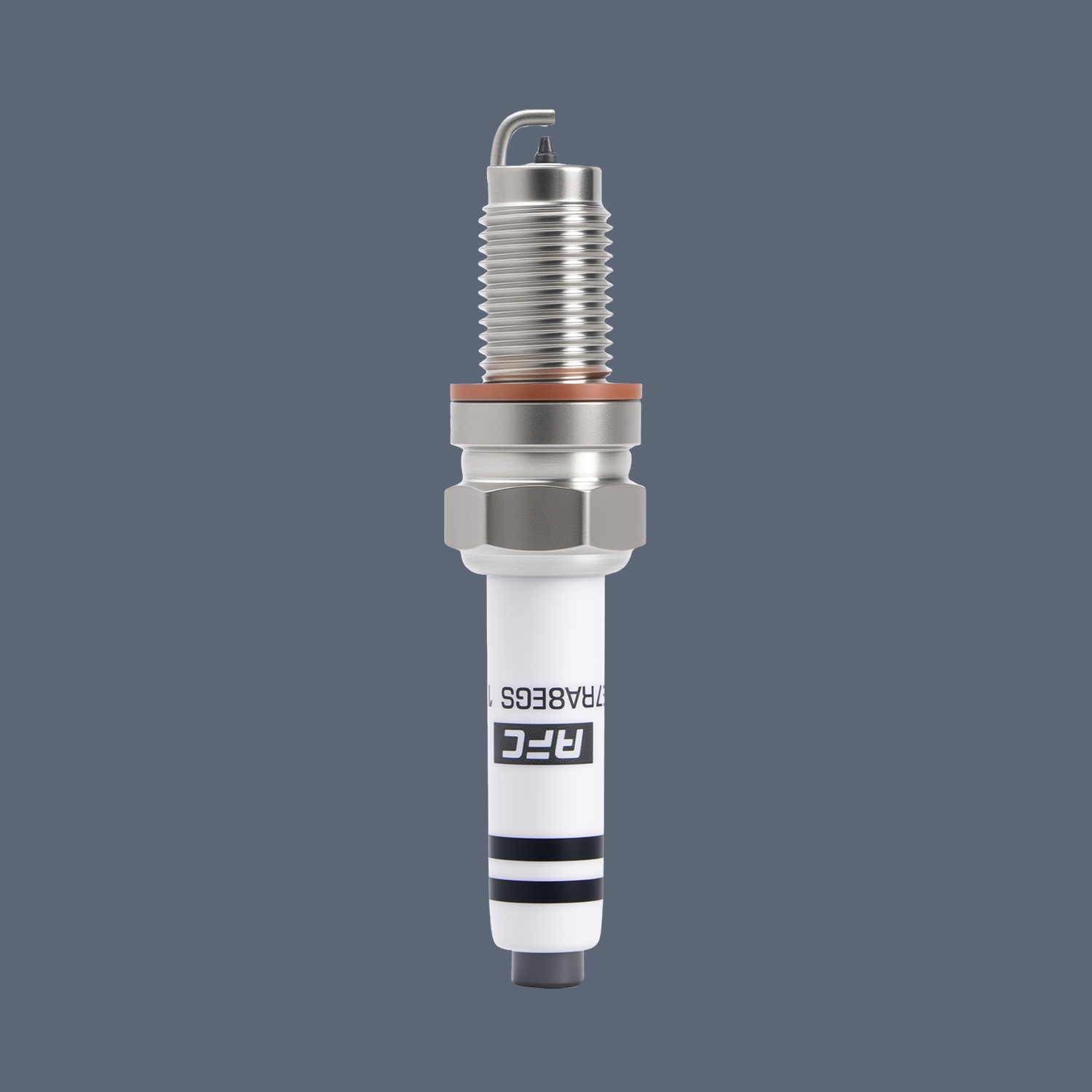
Gap is the physical distance between the center electrode and the ground electrode where the spark jumps. As a spark plug ages, the constant electrical erosion widens this gap, and a widened gap is one of the clearest markers of declining spark plug condition. A gap that has grown even 0.010 inch (0.25 mm) beyond specification can require up to 30 percent more voltage from the ignition coil to fire reliably.
Typical Gap Specifications by Ignition Type
- Conventional distributor ignition: 0.028 to 0.035 inch (0.7 to 0.9 mm)
- Standard electronic ignition: 0.035 to 0.045 inch (0.9 to 1.1 mm)
- Coil-on-plug systems: 0.040 to 0.060 inch (1.0 to 1.5 mm)
- Small engines and outdoor power equipment: 0.025 to 0.030 inch (0.6 to 0.75 mm)
Always check the engine manufacturer's specification rather than assuming a universal gap, since coil-on-plug and platinum or iridium plugs are frequently engineered around a wider factory gap than older copper-core designs.
Symptoms of Declining Spark Plug Condition While Driving
Spark plug condition rarely fails silently. Drivers usually notice a cluster of the following symptoms well before a plug fails completely:
- Rough or uneven idle, particularly noticeable at a stop light or in neutral
- Hesitation or a flat spot during acceleration, especially under load or towing
- Noticeable drop in fuel economy over a period of weeks
- Difficulty starting the engine in cold or damp weather
- Illuminated check engine light with a misfire code such as P0300 through P0308
- Audible popping or backfiring from the exhaust under deceleration
- Engine surging or vibrating noticeably at highway cruising speed
Any single symptom can have other causes, but two or more appearing together is a strong indicator that spark plug condition should be checked before the next scheduled service interval.
Spark Plug Materials and How They Affect Wear Rate
Not all spark plugs age at the same rate, and the electrode material is the biggest factor in how long good spark plug condition can be maintained before replacement is required.
| Electrode Material | Typical Service Life | Common Use |
|---|---|---|
| Copper core, nickel alloy tip | 20,000 to 30,000 miles | Older vehicles, small engines, high-performance builds |
| Platinum | 60,000 to 80,000 miles | Mainstream passenger vehicles |
| Iridium | 80,000 to 120,000 miles | Modern coil-on-plug engines, turbocharged engines |
| Double platinum | 60,000 to 100,000 miles | Waste-spark and distributorless ignition systems |
Iridium and platinum plugs resist electrode erosion far better than copper because the metals have a substantially higher melting point and better resistance to spark erosion, so the gap widens more slowly and spark plug condition remains stable for a much longer interval.
Step-by-Step: How to Inspect Spark Plug Condition Yourself
A basic spark plug condition inspection takes under 30 minutes on most engines and requires only a socket set, a gap gauge, and a flashlight.
Inspection Procedure
- Let the engine cool completely to avoid burns and thread damage from removing a hot plug
- Label each ignition coil or wire before disconnecting so plugs can be matched back to their original cylinder
- Use a spark plug socket with a rubber insert to remove each plug without dropping debris into the cylinder
- Photograph or lay out plugs in cylinder order for side-by-side comparison
- Compare deposit color, electrode shape, and gap against the reference table above
- Measure the gap with a wire or feeler gauge and compare to the manufacturer specification
- Check the threads and washer seat for corrosion or damage before reinstalling or replacing
- Torque new or reinstalled plugs to the specified value, since overtightening can crack the insulator and undertightening can cause poor heat transfer
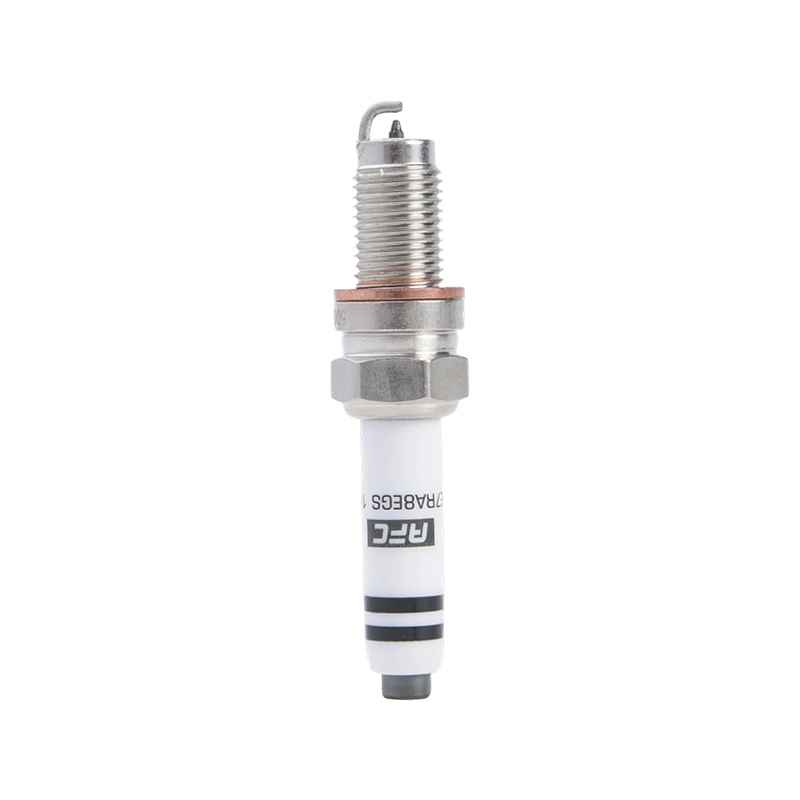
Cylinder-to-cylinder differences in spark plug condition are often more diagnostically useful than the overall condition itself, since a single fouled or eroded plug against otherwise clean plugs usually points to a fault isolated to that cylinder.
Replacement Intervals by Application
Spark plug condition should be checked on a schedule even before problems appear, since some degradation is gradual and easy to miss without a direct comparison. Manufacturer-recommended intervals vary considerably by application and plug material.
| Application | Inspection Interval | Replacement Interval |
|---|---|---|
| Passenger car, copper plugs | Every 10,000 miles | Every 20,000 to 30,000 miles |
| Passenger car, iridium or platinum | Every 30,000 miles | Every 60,000 to 100,000 miles |
| Motorcycle, air-cooled | Every 4,000 to 6,000 miles | Every 8,000 to 12,000 miles |
| Small engines (mowers, trimmers) | Once per season | Every 25 to 100 operating hours |
| Marine outboard engines | Every 50 operating hours | Every 100 to 300 operating hours |
Turbocharged and direct-injection engines run hotter combustion cycles and typically demand shorter inspection intervals than the naturally aspirated equivalents, since spark plug condition tends to decline faster under sustained boost and cylinder pressure.
How Spark Plug Condition Connects to Fuel Mixture and Engine Tuning
Spark plug condition is one of the most reliable low-cost tools for evaluating air-fuel ratio without a dedicated wideband sensor. A properly tuned engine running close to a stoichiometric ratio of roughly 14.7 to 1 air-to-fuel for gasoline produces the light tan deposit associated with normal spark plug condition. Deviating meaningfully in either direction changes the appearance predictably.
Rich Mixture Indicators
A rich mixture leaves excess unburned fuel that carbonizes on the insulator tip, producing dry black soot. Rich-running spark plug condition is common with a clogged air filter restricting airflow, a leaking fuel injector, a failing oxygen sensor sending an inaccurate signal, or a mass airflow sensor reading incorrectly low.
Lean Mixture Indicators
A lean mixture burns hotter than intended, and this is where white or chalky blistering on the insulator tip shows up. Lean-running spark plug condition is frequently traced to a vacuum leak, an undersized fuel injector for the application, low fuel pressure from a weak pump, or an incorrect plug heat range for the engine's compression ratio.
Heat Range and Its Role in Long-Term Spark Plug Condition
Heat range describes how quickly a spark plug transfers combustion heat away from its firing tip into the cylinder head. A plug with the wrong heat range for a given engine will show poor spark plug condition even when everything else in the fuel and ignition system is correctly tuned.
- Too hot a plug retains heat and can trigger pre-ignition, showing up as melted or ash-covered electrodes
- Too cold a plug sheds heat too fast to burn off normal deposits, showing up as persistent black fouling even on a correctly tuned engine
- Correct heat range self-cleans between roughly 900°F and 1,700°F at the firing tip, keeping spark plug condition stable over the full service interval
Manufacturers publish a specific heat range code for every engine and application, and deviating from it, even with an otherwise high-quality plug, is one of the most common causes of chronic poor spark plug condition reported by independent repair shops.
Spark Plug Condition in Small Engines and Outdoor Power Equipment
Small engines used in mowers, generators, chainsaws, and trimmers face a different set of spark plug condition challenges than automotive engines, largely because of two-stroke oil mixing, seasonal storage, and infrequent use.
Oil-mixed two-stroke fuel commonly leaves an oily residue on the electrode even under normal operation, so the acceptable spark plug condition baseline for a two-stroke engine looks noticeably darker than the equivalent four-stroke plug. Equipment left with fuel in the tank over winter is also prone to gum and varnish deposits forming on the electrode from stale gasoline breaking down, which is why seasonal spark plug condition checks before the first start of the year catch problems that a mid-season inspection would miss.
A quick field test for small engines is pulling the plug, cleaning it with a wire brush, checking the gap against the equipment's manual, and confirming the electrode has not rounded off, since a rounded electrode on a small engine plug is a common cause of hard cold starts even when the fuel and carburetor are otherwise fine.
Common Mistakes That Damage Spark Plug Condition Prematurely
| Mistake | Effect on Condition |
|---|---|
| Overtightening during install | Cracked insulator, thread damage, compressed sealing washer |
| Undertightening during install | Poor heat transfer, overheating, premature electrode erosion |
| Bending the ground electrode to set gap | Cracked porcelain, uneven spark, especially on iridium plugs with fine wire electrodes |
| Using the wrong reach or thread length | Piston contact damage, poor combustion sealing, hard starting |
| Skipping anti-seize where required | Thread galling in aluminum heads, difficult future removal |
| Reusing old sealing washers | Compression leaks, inconsistent heat transfer at the seat |

When Spark Plug Condition Signals a Bigger Mechanical Problem
Some spark plug condition indicators are not solved by simply replacing the plug, since they are downstream symptoms of a mechanical fault elsewhere in the engine.
- Consistent oily fouling across every cylinder often points to worn piston rings or valve stem seals allowing oil past the combustion chamber, not a single bad plug
- Melted electrodes or metallic specks embedded in the deposits usually indicate detonation severe enough to damage internal components and warrants an immediate mechanical inspection
- One cylinder consistently fouled while the rest remain clean often traces back to a leaking fuel injector or a weak coil on that specific cylinder
- Coolant residue or a sweet smell on the plug threads can indicate a leaking head gasket allowing coolant into the cylinder
Treating spark plug condition purely as a replace-and-forget task misses these upstream signals, which is why experienced technicians document what they see on the old plugs before installing new ones rather than discarding them immediately.
Torque Specifications by Thread Size
Correct torque is one of the most overlooked factors in long-term spark plug condition. A plug that is seated too loosely never makes proper contact with the cylinder head, so heat cannot transfer away from the firing tip fast enough, accelerating electrode wear and promoting the same white blistering associated with a lean mixture. A plug seated too tightly compresses or crushes the sealing washer past its design limit and can even micro-crack the ceramic insulator, a defect that is not always visible during a routine inspection but shows up later as an intermittent misfire.
| Thread Size | Cast Iron Head (ft-lb) | Aluminum Head (ft-lb) |
|---|---|---|
| 10 mm | 9 to 11 | 7 to 9 |
| 12 mm | 15 to 18 | 12 to 15 |
| 14 mm, gasket seat | 25 to 30 | 18 to 22 |
| 14 mm, tapered seat | 15 to 20 | 10 to 15 |
| 18 mm | 30 to 35 | 25 to 30 |
When a torque wrench is not available, a common field rule is to hand-tighten the plug until the washer contacts the seat, then turn an additional quarter turn for a gasket-seat plug or one-sixteenth turn for a tapered-seat plug, though this should only be treated as a fallback rather than a substitute for measured torque.
Decoding the Spark Plug Part Number
Every spark plug carries a manufacturer part number that encodes thread diameter, reach, heat range, and electrode configuration in a compact alphanumeric string. Understanding this code makes it far easier to confirm that a replacement plug matches the original spark plug condition baseline for a given engine, rather than relying purely on cross-reference charts that can occasionally list an incorrect substitute.
- Leading letters typically indicate thread diameter and hex size
- A numeric heat range code follows, where a higher number generally means a colder-running plug in most manufacturer systems, though this convention is reversed in some brands
- A letter for seat type distinguishes gasket seat from tapered seat designs
- A trailing suffix often denotes reach length and electrode material, such as platinum or iridium tipping
Because heat range numbering is not standardized across brands, cross-referencing between manufacturers should always be done using an official cross-reference tool rather than assuming numeric equivalence, since a mismatch here is a frequent hidden cause of chronic poor spark plug condition that owners mistake for a fuel or ignition problem.
Diagnostic Tools That Go Beyond a Visual Check
A visual inspection covers most of what a technician needs, but several additional tools give a more complete picture of spark plug condition when symptoms persist after a routine replacement.
Ignition Oscilloscope
A scope pattern shows the firing voltage, spark line duration, and coil oscillation for each cylinder on a single screen. A widened gap from worn spark plug condition shows up as a taller firing line, since more voltage is required to bridge the larger gap before the spark line settles into its burn phase. Comparing all cylinders on one scope trace makes an outlier plug or coil easy to spot even before the misfire becomes noticeable to the driver.
Borescope Inspection
Threading a small camera through the spark plug hole allows a direct view of the piston crown and valve area without removing the cylinder head. This is particularly useful when spark plug condition shows detonation damage, since a borescope can confirm whether the piston crown shows pitting or a foreign object has entered the combustion chamber before more invasive teardown work is scheduled.
Compression and Leak-Down Testing
Because the spark plug hole is also the access point for a compression gauge, a compression or leak-down test is a natural next step whenever spark plug condition indicates possible oil intrusion. A cylinder reading noticeably lower compression than its neighbors, combined with oily fouling on that cylinder's plug, strongly points to worn rings or a valve sealing problem rather than a fuel delivery issue.

Climate and Seasonal Effects on Spark Plug Condition
Ambient temperature and humidity change how a spark plug ages even when driving habits stay the same. Cold climates place extra demand on ignition systems since colder intake air is denser and requires a stronger spark to ignite the fuel mixture reliably, which can accelerate gap wear on marginal plugs during winter months. Short trips in cold weather compound the problem because the engine may not reach full operating temperature long enough to burn off condensation and light deposits, leading to a sootier spark plug condition than the same vehicle would show with longer, warmer trips.
Hot, high-altitude, or desert conditions present the opposite risk. Thinner air changes the effective air-fuel ratio unless the engine management system compensates, and sustained high underhood temperatures can push a marginal heat range choice toward the lean, overheated end of the spectrum, showing up as chalky white deposits sooner than expected.
Vehicles used for towing, plowing, or other sustained high-load work should have spark plug condition checked more frequently than the standard interval, since load-related heat and detonation stress accumulate faster than mileage alone would suggest.
Spark Plug Condition in High-Performance and Racing Applications
Forced induction, high compression, and aggressive tuning all shorten the interval at which spark plug condition should be reviewed. Racing and heavily modified street engines commonly run a colder heat range than the factory recommendation specifically to manage the higher combustion temperatures produced by increased boost or compression, and a plug pulled after a track session tells a very different story than the same plug pulled after daily commuting.
- Track-driven engines are typically inspected every event or every few hours of track time rather than by mileage
- A narrower gap, often 0.020 to 0.028 inch, is common on high-boost applications to keep spark energy requirements manageable at high cylinder pressure
- Fine-wire iridium or platinum electrodes are favored in racing because their reduced quenching surface improves flame kernel growth, though they demand more careful handling since the thin center wire is easier to damage than a standard electrode
- Any sign of aluminum specks or melted deposits after a session should be treated as an immediate warning of detonation, not routine wear
Because performance tuning shifts the acceptable baseline for what normal spark plug condition looks like, comparing plugs against a stock reference chart can be misleading for a modified engine, and working with a tuner familiar with the specific combination is more reliable than a generic guide.
Spark Plug Condition and Ignition Coil Interaction
Spark plugs and ignition coils wear as a linked system, and evaluating one without the other misses half the picture. As spark plug condition degrades and gap widens, the coil must generate higher secondary voltage to maintain a reliable spark, and coils are only designed with a limited voltage margin above what a healthy plug requires. Running worn plugs for an extended period is one of the more common preventable causes of premature coil failure, particularly in coil-on-plug systems where each cylinder has its own dedicated coil sitting directly on top of the plug and exposed to the same underhood heat cycles.
A failing coil can also cause a plug to appear worse than its actual mileage would suggest. A coil delivering inconsistent or reduced voltage may cause incomplete combustion even with a nearly new plug installed, producing sooty deposits that look identical to a rich fuel mixture. This is why technicians commonly swap a suspect coil to a known-good cylinder as a diagnostic step, rather than assuming a new spark plug alone will resolve a persistent misfire.
Replacing spark plugs and inspecting the coil boots, springs, and connector pins as a single service reduces the chance of a comeback repair, since a corroded coil boot or a weak spring contact can produce symptoms that are easy to mistake for a plug that is simply worn out.
Glossary of Spark Plug Condition Terms
| Term | Meaning |
|---|---|
| Firing tip | The exposed insulator and electrode area visible inside the combustion chamber |
| Gap | The measured distance between center and ground electrode where the spark jumps |
| Heat range | A rating of how quickly the plug transfers heat from the tip to the cylinder head |
| Fouling | Deposit buildup on the firing tip that interferes with a clean, consistent spark |
| Pre-ignition | Fuel igniting before the intended spark event, often from a hot spot in the chamber |
| Detonation | Uncontrolled secondary combustion that produces a sharp knocking sound and mechanical stress |
| Reach | The length of threaded portion that extends into the cylinder head |
| Seat type | Whether the plug seals with a flat gasket washer or a tapered conical surface |
Frequently Asked Questions About Spark Plug Condition
How often should I check spark plug condition?
Most passenger vehicles benefit from a visual check every 10,000 to 30,000 miles depending on plug material, while iridium and platinum plugs can safely go longer between inspections due to their slower wear rate.
Can I clean a fouled spark plug instead of replacing it?
Light dry soot can often be cleaned with a wire brush and reused temporarily, but oily fouling, blistering, or electrode erosion cannot be reliably corrected by cleaning and the plug should be replaced.
What does a normal spark plug look like?
A normal plug shows a light tan to grayish-brown deposit on the insulator tip, minimal electrode wear, and a gap within the manufacturer's specified range.
Does spark plug condition affect fuel economy?
Yes. A widened gap or fouled plug forces incomplete combustion, and vehicles running on badly worn plugs commonly see a measurable drop in fuel economy along with reduced power output.
Why does only one cylinder show poor spark plug condition?
A single affected cylinder usually points to a localized issue such as a leaking injector, a weak ignition coil, or a valve sealing problem specific to that cylinder rather than a global fuel or ignition issue.
Is it safe to keep driving with worn spark plug condition?
Short term, yes, but prolonged driving on worn plugs increases strain on the ignition coil and catalytic converter and can eventually lead to more expensive repairs than the plugs themselves.
Should all spark plugs be replaced at once, or only the worn ones?
Replacing all plugs together is standard practice, since they experience nearly identical wear conditions and replacing only one leaves the others near the end of their service life anyway.
What tools do I need to check spark plug condition at home?
A spark plug socket with a rubber insert, a ratchet and extension, a wire or feeler gap gauge, and a torque wrench cover nearly every passenger vehicle inspection. A flashlight or phone camera helps when comparing deposit color across cylinders.
Can a bad spark plug damage other engine parts?
Yes. Prolonged misfiring from poor spark plug condition sends unburned fuel into the exhaust system, which can overheat and permanently damage the catalytic converter, and the added electrical demand can shorten ignition coil life as well.
Why does my new spark plug already look fouled after a short time?
Rapid fouling on a freshly installed plug usually points to an underlying issue such as a rich fuel mixture, an oil leak into the cylinder, a weak coil, or an incorrect heat range, rather than a defective plug itself.
Does spark plug condition differ between four-stroke and two-stroke engines?
Yes. Two-stroke engines mix oil directly with the fuel, so a light oily residue on the electrode is normal and does not indicate a problem the way it would on a four-stroke engine, where any oil on the plug signals oil intrusion into the combustion chamber.
How do I know if my spark plug gap has grown too wide?
Measure the gap with a wire-type gauge and compare it against the manufacturer specification. A gap more than 0.010 inch beyond the specified value is generally considered excessive and warrants replacement rather than re-gapping, since electrode erosion has already reshaped the firing surface.