

 Español
Industry News
Content
- 1 What Spark Plug Indexing Actually Changes
- 2 Where Spark Plug Indexing Came From
- 3 Why Indexing Spark Plugs Matters for Performance Builds
- 4 How Chamber Design Changes the Ideal Orientation
- 5 Four Methods Used to Index Spark Plugs
- 6 Tools and Equipment Needed
- 7 Step-by-Step Process for Indexing Spark Plugs
- 8 Which Direction Should the Electrode Face
- 9 What the Data Shows
- 10 Torque and Clamp Load Considerations
- 11 Common Mistakes When Indexing Spark Plugs
- 12 Indexing Compared to Other Spark Plug Adjustments
- 13 Where Indexing Spark Plugs Is Worth the Effort
- 14 Common Myths About Spark Plug Indexing
- 15 Frequently Asked Questions
- 15.1 Does indexing spark plugs void a warranty?
- 15.2 Can indexing be done with any spark plug?
- 15.3 How much horsepower does indexing add?
- 15.4 Is indexing the same as gapping a spark plug?
- 15.5 How often does indexing need to be redone?
- 15.6 What tools are needed to index a spark plug at home?
- 15.7 Does indexing matter on a stock, unmodified engine?
- 15.8 Can indexing be done with the engine still in the vehicle?
- 15.9 Does indexing affect spark plug heat range?
- 15.10 Is indexing legal in sanctioned racing classes?
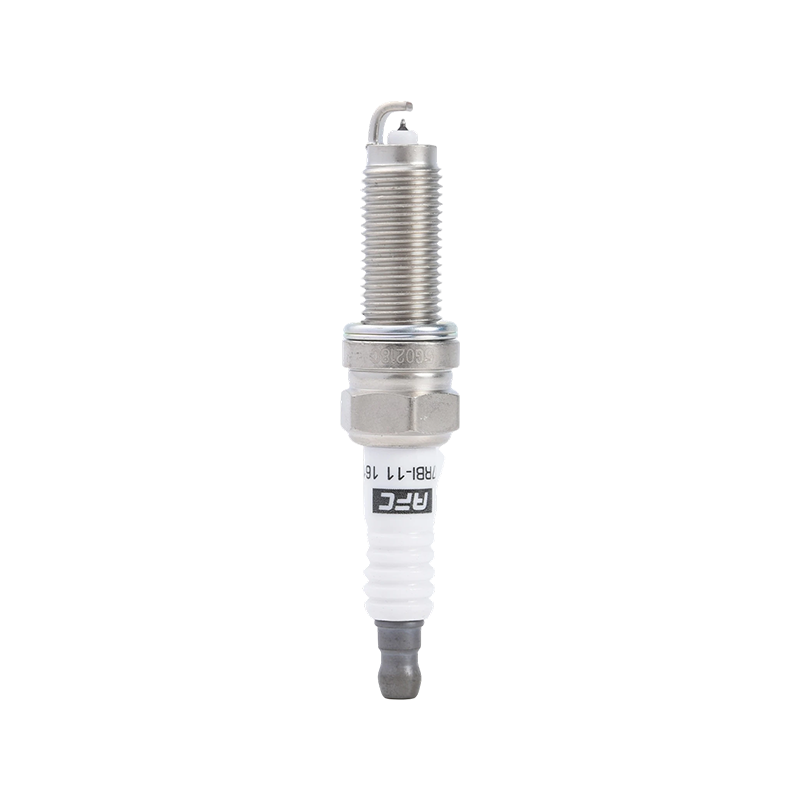
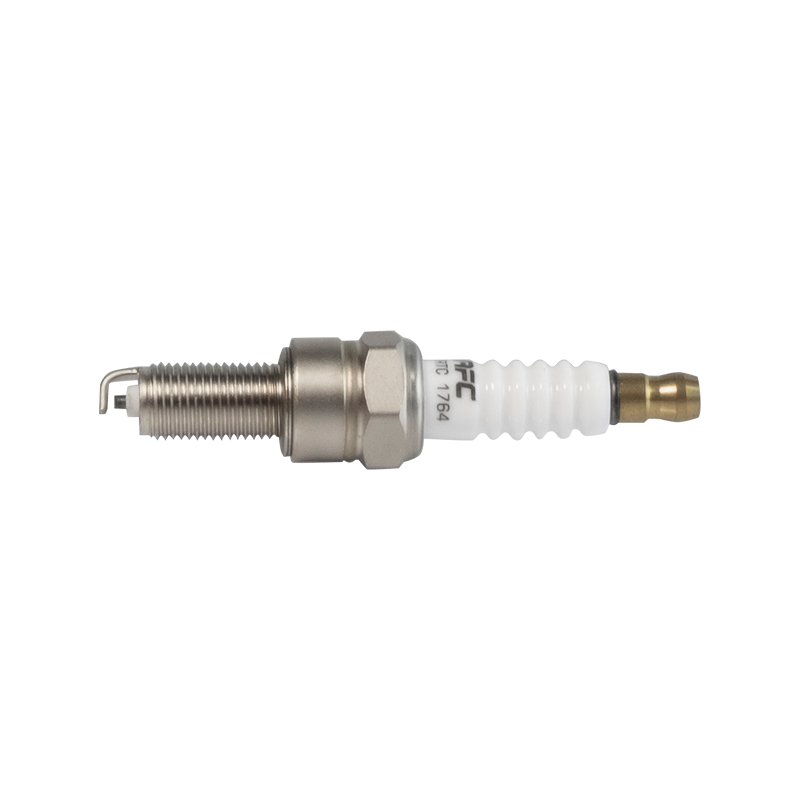
Indexing spark plugs means rotating the plug in the cylinder head so that the open side of the ground electrode faces the incoming air-fuel mixture or the center of the combustion chamber, rather than letting it fall wherever the threads happen to stop. The practice exists because a standard spark plug is installed purely by torque, not by orientation, so the ground electrode can end up shielding the spark, deflecting flame travel, or sitting in a position that slows combustion. Indexing spark plugs corrects that by controlling the rotational position of the electrode relative to the piston, the intake valve, or the chamber shape, and it is used heavily in racing engines, high-compression builds, and any application where even a one or two percent gain in combustion efficiency is worth chasing.
This guide walks through what indexing spark plugs actually changes inside the cylinder, the tools and washer systems used to do it, a repeatable step-by-step process, the data behind why it matters, how it interacts with chamber design, how it compares to other spark plug modifications, and the mistakes that waste the effort. Every section below can be read on its own if you already know which part you need, and the FAQ at the end covers the questions that come up most often once builders start indexing plugs for the first time.
What Spark Plug Indexing Actually Changes
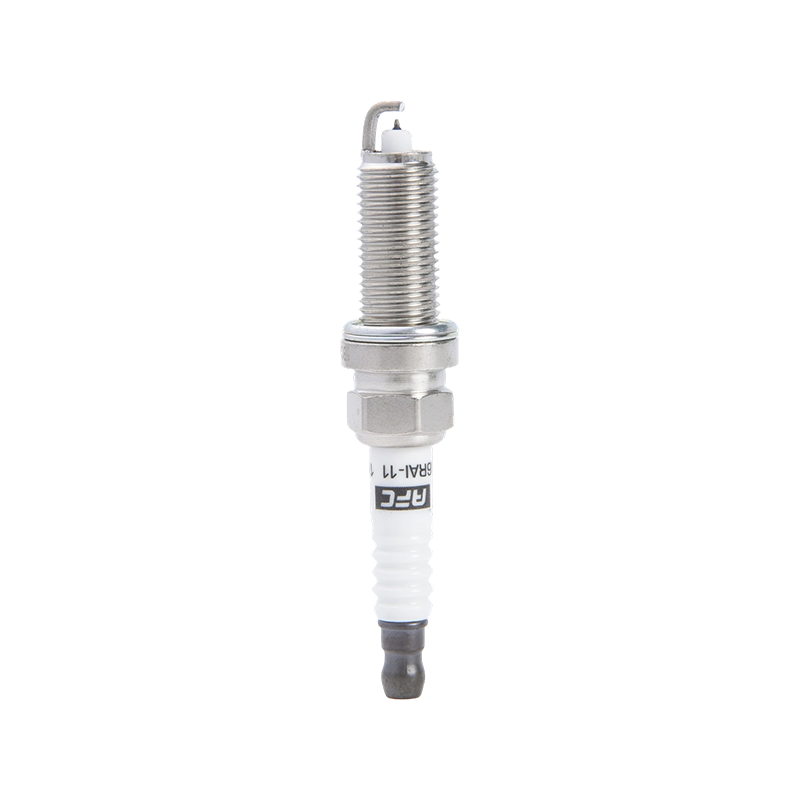
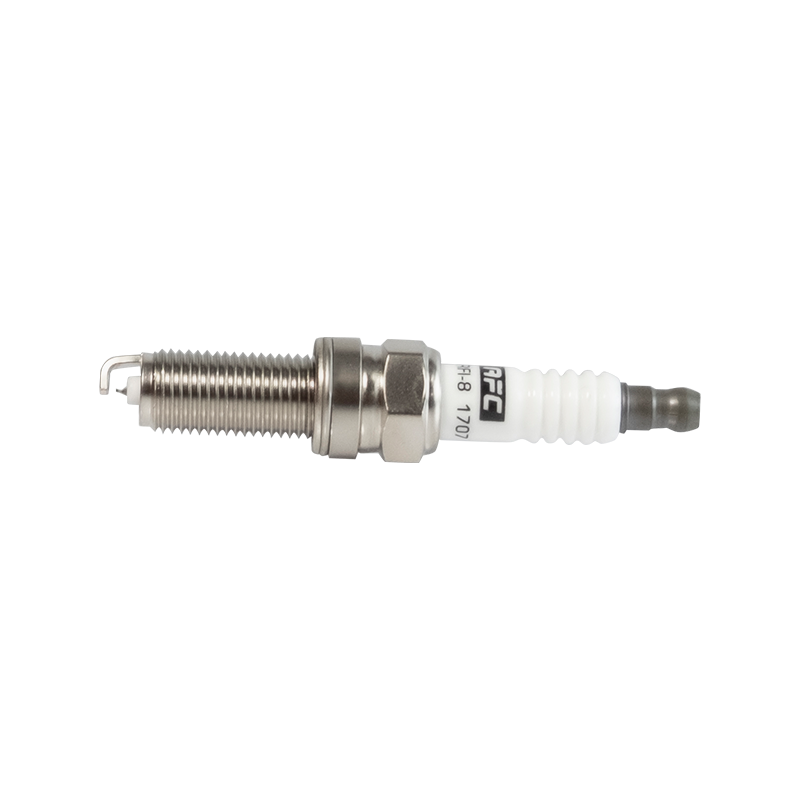
A spark plug's ground electrode is a solid piece of metal welded to the shell. Once the plug is threaded into the head and torqued down, that electrode sits at whatever angle the threads stopped turning. On a standard installation this angle is random within roughly a 60 degree window, because thread engagement, gasket crush, and manufacturing tolerance all shift the final resting position slightly. Indexing spark plugs removes that randomness by deliberately controlling where the electrode lands.
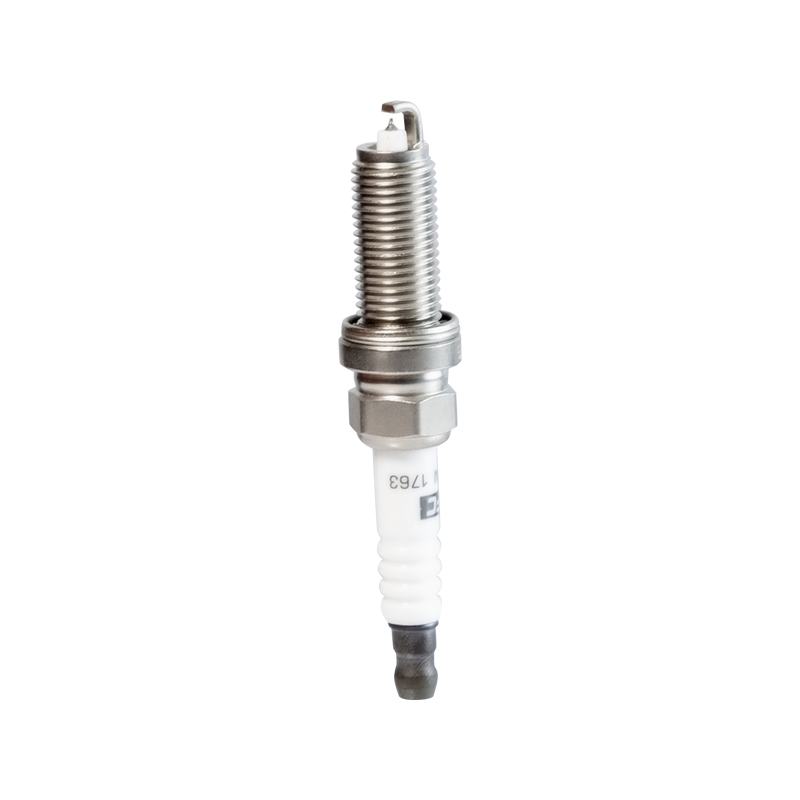
Inside the chamber, the ground electrode is not a passive bystander. It physically blocks a portion of the spark gap from the approaching flame kernel and can shadow part of the spark itself from the fuel mixture moving past the plug tip. When the open side of the electrode faces the mixture flow or the center of the chamber, the flame kernel forms with less obstruction and propagates more symmetrically. When it faces away, the electrode partially shields the gap, and ignition delay increases slightly on that cylinder.
Independent dyno testing conducted by engine builders and reported through SAE technical papers has shown that indexed spark plugs can improve peak cylinder pressure timing by a measurable margin compared to randomly oriented plugs, particularly in engines with squish bands, domed pistons, or off-center spark plug locations where the electrode's shadow effect is more pronounced. The gain per cylinder is small on a stock engine, typically in the range of a fraction of a horsepower to a few tenths of a percent in brake specific fuel consumption, but across an eight cylinder engine at sustained high RPM, that adds up to a noticeable difference on a dynamometer sheet.
It helps to think about the spark plug tip as a small obstruction sitting directly in the path of the flame front at the exact moment the flame front is at its weakest and most sensitive to disruption. In the first fraction of a millisecond after the spark fires, the flame kernel is only a few millimeters across and still gathering enough thermal energy to become self-sustaining. Any nearby metal mass, including the ground electrode itself, absorbs heat from that kernel and can slow its early growth. This is called quenching, and it is a well documented phenomenon in combustion research. Indexing does not eliminate quenching entirely, since the electrode is still physically present in the chamber, but it changes where the quenching effect is strongest relative to the direction the flame needs to travel to reach the outer edges of the chamber efficiently.
The practical result is that two engines built to identical specifications, down to the same pistons, heads, camshaft, and ignition timing, can produce slightly different peak cylinder pressure curves purely because the spark plugs in one engine happened to land with electrodes oriented favorably and the other did not. Indexing spark plugs turns that random outcome into a controlled, repeatable one.
Where Spark Plug Indexing Came From
Electrode orientation was not something early automotive engineers worried about, because ignition systems, fuel delivery, and combustion chamber designs of the mid-twentieth century had far larger sources of cylinder to cylinder variation to solve first. Indexing became a meaningful practice once engine builders in professional drag racing and circle track programs had already optimized nearly every other variable in the ignition and fuel systems, at which point electrode orientation became one of the few remaining sources of unexplained variance between otherwise identical cylinders.
Engine dyno cells run by professional racing teams in the 1980s and 1990s began documenting cylinder pressure differences that correlated with electrode position, and that data pushed spark plug manufacturers to start offering pre-gapped, pre-indexed plug part numbers for specific engine families. What started as a closely guarded technique among a small number of professional engine builders gradually became a documented, teachable process as dyno equipment became more accessible to smaller race shops and engine research organizations published comparative data publicly.
Today indexing spark plugs is considered a routine step in serious naturally aspirated and forced induction engine builds, not a secret technique, and indexing washer kits are sold by multiple ignition parts suppliers specifically for this purpose.
Why Indexing Spark Plugs Matters for Performance Builds
01
Flame Kernel Symmetry
A symmetrical, unobstructed flame kernel burns more predictably cycle to cycle. Indexing reduces the variance in how each combustion event develops, which lowers cylinder to cylinder pressure variation.
02
Reduced Detonation Sensitivity
When the electrode faces away from the piston dome or squish area, hot spots caused by electrode shielding are less likely to trigger pre-ignition under high boost or high compression.
03
Consistent Tuning Baselines
Engine tuners rely on repeatable combustion behavior. Indexed plugs remove one variable from cylinder to cylinder timing differences, so ignition maps hold up better across the full RPM range.
04
Longer Plug Life Under Load
An electrode oriented into clean airflow runs cooler and fouls less than one buried in a low-flow pocket of the chamber, which extends usable service life in sustained high-load applications.
05
More Usable Timing Margin
Because indexed cylinders behave more predictably, tuners can run ignition timing closer to the theoretical optimum without leaving as much safety margin against the worst performing cylinder in the bank.
06
Better Correlation Between Cylinders
When every cylinder shares the same electrode orientation relative to its own chamber geometry, exhaust gas temperature and air-fuel ratio readings across cylinders become easier to interpret and compare during tuning.
How Chamber Design Changes the Ideal Orientation
The correct electrode orientation is not a fixed universal answer. It depends heavily on where the spark plug sits relative to the intake valve, the exhaust valve, the piston dome, and the squish band. The table below summarizes general starting points used by engine builders for common chamber families, though final orientation should always be confirmed with back-to-back testing on the specific head casting in use.
| Chamber Type | Plug Position | Common Starting Orientation |
|---|---|---|
| Wedge, canted valve | Offset toward exhaust side | Electrode facing the intake valve |
| Hemispherical | Centrally located | Electrode facing away from center, toward chamber wall |
| Pentroof, four valve | Centrally located between four valves | Electrode aligned parallel to the cylinder bore axis |
| Semi-hemispherical, heart shaped | Slightly offset from center | Electrode facing away from the squish band |
| Flat top, side plug | Offset to one side of the bore | Electrode facing toward the center of the bore |
Squish band geometry deserves particular attention because it directly affects detonation resistance. In chambers with an aggressive squish band, the mixture is forced rapidly out of the squish area toward the plug location as the piston nears top dead center. If the electrode sits directly in that high velocity path, it disrupts the squish-induced turbulence that is meant to promote fast, even burning. Orienting the electrode out of that direct path preserves the intended turbulence pattern the chamber was designed around.
Four Methods Used to Index Spark Plugs
There is no single universal way to control electrode orientation, because thread torque and washer crush are what ultimately stop the plug's rotation. Builders use one of four approaches, depending on the level of precision needed and the type of plug.
Indexing Washer Kits
An indexing washer kit contains a set of copper or steel crush washers machined in slightly different thicknesses, usually stepped in increments of a few thousandths of an inch. Because the final resting angle of the plug depends on how much the washer compresses, swapping to a washer of a different thickness changes exactly where the threads stop turning. The builder torques the plug in, checks the electrode angle with a proprietary indexing tool or a paint marker line, removes the plug, swaps to a washer one step thicker or thinner, and repeats until the electrode lands within the target window, typically plus or minus 5 to 10 degrees of the ideal orientation. This is the most widely used method in club-level and grassroots racing because the washer sets are inexpensive and reusable across many builds.
Pre-Indexed Plugs from the Manufacturer
Several performance ignition manufacturers now offer plugs that are laser-marked at the factory to show exact electrode orientation relative to a reference line on the shell hex. Some racing series specify these part numbers directly because they remove the trial-and-error washer swapping entirely. The builder simply aligns the reference mark to a known position before final torque, using a torque wrench with a witness mark rather than washer substitution. This method trades a small price premium for a significant time savings, particularly on multi-cylinder engines where the washer method would otherwise need to be repeated on every hole.
Selective Torque-to-Angle Assembly
On engines where washer swapping is impractical, some builders use a torque-to-angle method: the plug is seated to a low initial torque, the electrode angle is checked, and then the plug is rotated forward in small increments and re-torqued until the target orientation and the manufacturer's specified clamp load are both satisfied simultaneously. This method demands more care because over-rotating past the correct clamp load can crush the gasket and change the plug's heat range performance.
Thread Chasing with Indexed Inserts
A less common but very precise method involves installing a machined thread insert in the spark plug hole that has a built-in stop keyed to a specific rotational position. Once the insert is installed, every plug of a matching thread pitch seats at the same repeatable angle every time it is installed, removing the need to re-index after every plug change. This method requires machine work on the cylinder head and is generally reserved for dedicated race engines that are rebuilt frequently and need indexing to be effectively permanent.
| Method | Precision Level | Typical Application |
|---|---|---|
| Washer kit swapping | Plus or minus 5 to 10 degrees | Drag racing, circle track, dyno tuning |
| Factory pre-indexed plugs | Plus or minus 3 degrees | Sanctioned racing series, OEM performance programs |
| Torque-to-angle assembly | Plus or minus 10 to 15 degrees | Shop-level engine builds without washer kits |
| Indexed thread inserts | Plus or minus 2 degrees, repeatable | Dedicated race engines rebuilt frequently |
Tools and Equipment Needed
Indexing does not require an extensive tool collection, but each piece plays a specific role in getting a repeatable, accurate result.
Calibrated Torque Wrench
Every indexing attempt depends on hitting the same torque value each time a plug is reinstalled, since torque is what determines how much the washer compresses and where the plug finally stops rotating.
Stepped Indexing Washer Set
A set covering a range of thicknesses in small, consistent increments gives enough resolution to fine-tune the resting angle without needing dozens of individual washers.
Angle Reference Tool or Protractor
A simple degree wheel or dedicated spark plug indexing gauge lets the builder read the electrode's final position accurately instead of estimating it by eye.
Spark Plug Socket with Rubber Insert
A socket that grips the plug's insulator firmly prevents slippage during installation, which matters because any slip changes the final resting angle unpredictably.
Paint Marker or Layout Fluid
Marking the electrode position and a reference point on the head makes it easy to check and record orientation across every cylinder without disassembling anything.
Log Sheet or Spreadsheet
Recording washer thickness, torque value, and final angle for each cylinder position means the next rebuild does not require repeating the trial-and-error process from scratch.
Step-by-Step Process for Indexing Spark Plugs
- Clean the spark plug threads in the cylinder head and inspect for damage before starting, since debris changes how the washer seats.
- Determine the target electrode orientation for the engine, usually facing the intake side of the chamber or toward the center bore depending on chamber design and manufacturer recommendation.
- Install the plug with a baseline washer and torque it to the manufacturer's specified value using a calibrated torque wrench.
- Mark the electrode's final resting angle using an indexing tool or a felt marker line referenced against the hex flats.
- If the angle is off target, remove the plug and swap to a washer one increment thicker or thinner, moving the resting point in the needed direction.
- Re-torque and re-check the angle, repeating the washer swap until the electrode lands within the acceptable window for that engine.
- Record the washer thickness used for each cylinder position, since the correction needed can vary slightly from hole to hole due to machining tolerance.
- Move to the next cylinder and repeat the same process, keeping the target orientation consistent across every hole in the head.
- Once every cylinder is indexed, photograph or diagram the final orientation of each plug for the build record before installing the intake manifold or any components that would block visual access.
- Re-verify torque after the engine has completed a heat cycle, since gasket crush can relax slightly on the first run.
- Recheck electrode orientation at the same time as the post heat cycle torque check, since minor gasket relaxation can occasionally shift the resting angle by a few degrees.
Which Direction Should the Electrode Face
There is genuine disagreement among engine builders on the ideal electrode orientation, and the correct answer depends heavily on chamber geometry, so treat any single rule as a starting point rather than a universal law.
Facing the intake valve: Common on wedge and canted-valve chambers, this orientation keeps the electrode out of the direct path of the incoming charge as it sweeps toward the exhaust side, reducing flow disruption during the intake stroke.
Facing the center of the chamber: Preferred in hemispherical and pentroof chambers where the flame needs to travel outward symmetrically from a centrally located plug, so the electrode is turned away from any single flow path.
Facing away from the exhaust valve: Used in some high-compression builds to keep the electrode away from the hottest region of the chamber, reducing the chance of the electrode itself becoming a pre-ignition source.
Facing away from the squish band: Used in chambers with an aggressive squish design so the electrode does not interrupt the turbulence sweeping the mixture toward the plug at the top of the compression stroke.
Because chamber shape varies so much between engine families, many professional engine builders determine the best orientation for a specific head casting through back-to-back dyno pulls rather than relying purely on theory, then lock that orientation in as the standard for every build using that head. Some shops maintain an internal reference sheet for every head casting they commonly build, noting the orientation that produced the most consistent cylinder pressure results across multiple engines, which removes the guesswork on future builds using the same casting.
What the Data Shows
Engine research groups that have published comparative testing on electrode orientation generally report the same pattern: gains from indexing spark plugs are small on any single cylinder but consistent in direction. A widely cited comparison from an independent engine research lab found that indexed plugs produced more repeatable peak cylinder pressure timing across repeated pulls than randomly oriented plugs in the same head, with the standard deviation of pressure rise timing narrowing noticeably once every cylinder was indexed to the same reference orientation. The absolute horsepower difference on a naturally aspirated V8 in that testing was modest, generally under one percent, but the consistency improvement was large enough that tuners used it to tighten ignition timing margins without increasing detonation risk.
Forced induction and high compression applications tend to show a larger practical benefit, since those engines already operate closer to the detonation threshold and any reduction in localized hot spots around the electrode buys additional timing margin that can be used productively elsewhere in the tune. In turbocharged applications specifically, some engine builders have reported being able to add one to two degrees of additional ignition advance across the board once indexing was applied consistently, precisely because the worst-case cylinder was no longer as far behind the best-case cylinder in combustion timing.
Exhaust gas temperature spread across cylinders is another commonly tracked metric. Builders who index plugs frequently report tighter EGT spread bank to bank after indexing, which is consistent with more uniform combustion timing, since a cylinder that burns later than its neighbors tends to run measurably hotter exhaust gas temperatures as a direct consequence.
Torque and Clamp Load Considerations
Because the indexing washer method relies on controlling exactly how much the washer crushes, torque accuracy becomes more important than on a standard installation where orientation is not a concern. A torque wrench that is out of calibration by even a small margin can shift the final resting angle enough to move the electrode outside the target window, undoing the careful washer selection from the previous attempt.
| Thread Size | Gasket Seat Torque | Taper Seat Torque |
|---|---|---|
| 10 millimeter | 9 to 12 lb-ft | 6 to 8 lb-ft |
| 12 millimeter | 13 to 18 lb-ft | 10 to 12 lb-ft |
| 14 millimeter | 18 to 22 lb-ft | 14 to 18 lb-ft |
| 18 millimeter | 28 to 34 lb-ft | 22 to 26 lb-ft |
These ranges are general reference points only, and the specific plug and cylinder head manufacturer's published torque value should always take priority. The key point for indexing purposes is consistency: whichever value is chosen within the acceptable range, it should be applied identically across every cylinder and every trial fitting, since changing torque values mid-process makes it impossible to isolate the washer thickness as the only variable affecting final orientation.
Common Mistakes When Indexing Spark Plugs
| Mistake | Consequence |
|---|---|
| Over-rotating past the correct torque to force alignment | Crushed gasket, altered heat range behavior, possible thread damage |
| Using mismatched washer thicknesses across cylinders without tracking them | Inconsistent clamp load and uneven gap between the plug tip and piston |
| Indexing without first confirming the correct orientation for that chamber design | Wasted effort or a change that hurts rather than helps combustion |
| Skipping the re-check after the first heat cycle | Gasket relaxation can shift the electrode slightly out of the target window |
| Reusing a crushed copper washer during the trial-and-error process | Unpredictable seating angle and reduced sealing at the plug seat |
| Using an uncalibrated or inconsistent torque wrench between trials | Final resting angle varies unpredictably even with the correct washer |
| Not recording which washer thickness worked for each individual hole | The entire trial-and-error process must be repeated at the next rebuild |
| Applying the same target orientation to every engine regardless of chamber type | Orientation optimized for one chamber design may not help, or could hurt, a different chamber design |
Indexing Compared to Other Spark Plug Adjustments
Indexing is one of several ways builders adjust spark plugs for performance, and it is often confused with other adjustments that address different parts of the combustion process entirely.
| Adjustment | What It Controls | Primary Benefit |
|---|---|---|
| Indexing | Rotational orientation of the ground electrode | More symmetrical, repeatable flame kernel formation |
| Gapping | Distance between center and ground electrode | Controls spark energy and required firing voltage |
| Heat range selection | How quickly the plug tip sheds heat into the head | Prevents pre-ignition or fouling depending on load level |
| Projected tip selection | How far the electrode extends into the chamber | Positions the spark closer to the center of the mixture |
| Electrode material selection | Durability and spark consistency over time | Longer service life and more stable spark voltage |
None of these adjustments replace the others. A well-built performance engine typically addresses heat range and gap first, since those affect basic reliability and starting behavior, then layers indexing on top once the other fundamentals are already correct.
Where Indexing Spark Plugs Is Worth the Effort
Indexing is not something every engine needs. It is most valuable where the cost of a small combustion improvement is justified by the level of competition or the sensitivity of the application.
- Sanctioned drag racing and circle track classes where lap times or elapsed times are decided by hundredths of a second.
- Turbocharged and supercharged street and race engines running near the edge of detonation limits.
- High compression naturally aspirated engines built for maximum output on pump or race fuel.
- Dyno development work where cylinder to cylinder consistency directly affects how tightly an ignition map can be tuned.
- Endurance and long-duration racing where reduced electrode fouling extends the interval between plug changes.
- Marine and aviation piston engines where cylinder to cylinder consistency directly affects vibration and long-term reliability at sustained high output.
- Engine research and development programs comparing chamber designs, where controlling electrode orientation removes a confounding variable from test results.
For a daily driven engine running stock compression and mild tuning, the practical difference from indexing is usually too small to notice, and the time spent swapping washers is better spent elsewhere. Indexing earns its place on builds where every measurable percentage point matters, and the return on the extra assembly time scales directly with how close to the performance limit the engine is already being pushed.
Common Myths About Spark Plug Indexing
Myth: Indexing works the same way on every engine
Reality: the correct orientation depends on chamber geometry, valve layout, and plug location, so an orientation that helps one head casting can be neutral or even mildly negative on a different chamber design.
Myth: Indexing alone will fix a detonation problem
Reality: indexing can reduce localized hot spots slightly, but it is not a substitute for correct fuel octane, ignition timing, and cooling system performance when detonation is already occurring.
Myth: Any washer thickness works as long as torque is correct
Reality: torque alone determines clamp load, not rotational position. Two washers of different thickness can both reach correct torque while stopping the plug at very different angles.
Myth: Once indexed, a plug never needs to be checked again
Reality: any time the plug is removed and reinstalled, including for a routine gap check, the indexing process needs to be repeated, since the washer or seat is what sets the final position.
Frequently Asked Questions
Does indexing spark plugs void a warranty?
Removing and reinstalling plugs with washer substitutions is a routine maintenance style action and generally does not affect an engine's mechanical warranty on its own, though builders should still follow the torque specification for their specific plug and head combination to avoid gasket or thread damage.
Can indexing be done with any spark plug?
Most tapered seat and gasket seat plugs can be indexed using the washer swap method, though tapered seat plugs that rely on a metal-to-metal seal without a crush washer are harder to index precisely because there is no washer thickness to adjust. Gasket seat plugs are generally the easier and more common choice for indexing projects.
How much horsepower does indexing add?
On most naturally aspirated engines the measurable gain from indexing alone is small, often under one percent, with the larger benefit being more consistent combustion from cylinder to cylinder rather than a dramatic peak power increase. Forced induction and high compression engines tend to see a more meaningful practical benefit because the improved consistency allows more aggressive but still safe ignition timing.
Is indexing the same as gapping a spark plug?
No. Gapping sets the distance between the center and ground electrode, which controls spark energy and voltage requirement. Indexing controls the rotational orientation of the ground electrode relative to the chamber. The two are separate adjustments and both can be performed on the same plug.
How often does indexing need to be redone?
Indexing is set at installation and does not need to be repeated unless the plug is removed and reinstalled, since the electrode's orientation is fixed once the plug seats against the washer or seat. Any time plugs are pulled for inspection or replacement, the indexing process should be repeated if orientation matters for that application.
What tools are needed to index a spark plug at home?
A calibrated torque wrench, a spark plug socket, a set of stepped indexing washers or crush washers in varying thicknesses, and either a dedicated indexing tool or a simple angle reference marked on the hex flats are enough to index plugs in a home garage setting.
Does indexing matter on a stock, unmodified engine?
The measurable benefit on a stock, mildly tuned engine is generally small enough that most owners will not notice a difference in daily driving, which is why indexing is used mainly in racing and high-output applications where the extra assembly time has a clear payoff.
Can indexing be done with the engine still in the vehicle?
Yes, as long as the spark plugs are accessible without removing major components, indexing can be performed with the engine in the chassis, though it does take longer per cylinder than a standard plug swap because of the repeated trial fitting involved.
Does indexing affect spark plug heat range?
Indexing itself does not change the plug's heat range rating, but using a washer that is significantly thicker or thinner than the manufacturer's original design can slightly change how far the plug tip sits from the head, which can have a minor secondary effect on how the plug sheds heat.
Is indexing legal in sanctioned racing classes?
Indexing spark plugs is a permitted assembly practice in the vast majority of sanctioned racing classes because it does not alter the plug itself, only its installed orientation, though builders should always check the specific rulebook for their class since equipment rules vary between sanctioning bodies.