

 Español
Industry News
Content
- 1 Electrode Wear Stages: What The Chart Actually Measures
- 2 Reading The Color Chart: What The Tip Tells You Beyond Wear
- 3 Material Type And Wear Rate: Why Iridium Outlasts Copper
- 4 Heat Range: The Overlooked Factor Behind Uneven Wear Charts
- 5 Mileage-Based Wear Chart By Driving Condition
- 6 How Engine Design Changes The Wear Curve
- 7 What Accelerates Spark Plug Wear Beyond Normal Rates
- 8 Symptoms That Show Up Before The Plug Fails Completely
- 9 How To Measure Electrode Gap Wear Without Special Equipment
- 10 Replacing A Worn Spark Plug: What The Process Actually Involves
- 11 Common Mistakes That Distort A Wear Chart Reading
- 12 Frequently Asked Questions
- 12.1 How often should I check my spark plug wear chart against actual mileage?
- 12.2 Can a worn spark plug damage other engine components?
- 12.3 Is it normal for one cylinder's spark plug to wear faster than the others?
- 12.4 Does a wider gap always mean the plug needs replacing?
- 12.5 Why do some wear charts show shorter intervals than the vehicle manufacturer's recommendation?
- 12.6 Should all spark plugs in an engine be replaced at the same time?
- 12.7 Can a spark plug wear chart predict ignition coil problems?
- 12.8 Do higher-mileage iridium plugs still need a gap check even if they look fine?
- 12.9 Does fuel quality affect where a plug falls on the wear chart?
A spark plug wear chart tells you exactly one thing that matters most to an engine's health: how much of the electrode has eroded away and whether the gap has widened past the point where combustion stays reliable. As a rule of thumb, once electrode wear pushes the gap more than 0.008 to 0.010 inch (0.20 to 0.25 mm) beyond the factory specification, ignition timing accuracy drops, misfires appear under load, and fuel economy falls measurably. Copper-core plugs typically reach that threshold near 20,000 to 30,000 miles, platinum plugs stretch to 60,000 to 100,000 miles, and iridium plugs can hold a stable gap out to 100,000 to 120,000 miles depending on driving conditions. The rest of this guide breaks down exactly how to read a wear chart, what each electrode color and shape means, how material type changes the wear curve, how heat range and engine design factor into the numbers, and when replacement stops being optional.
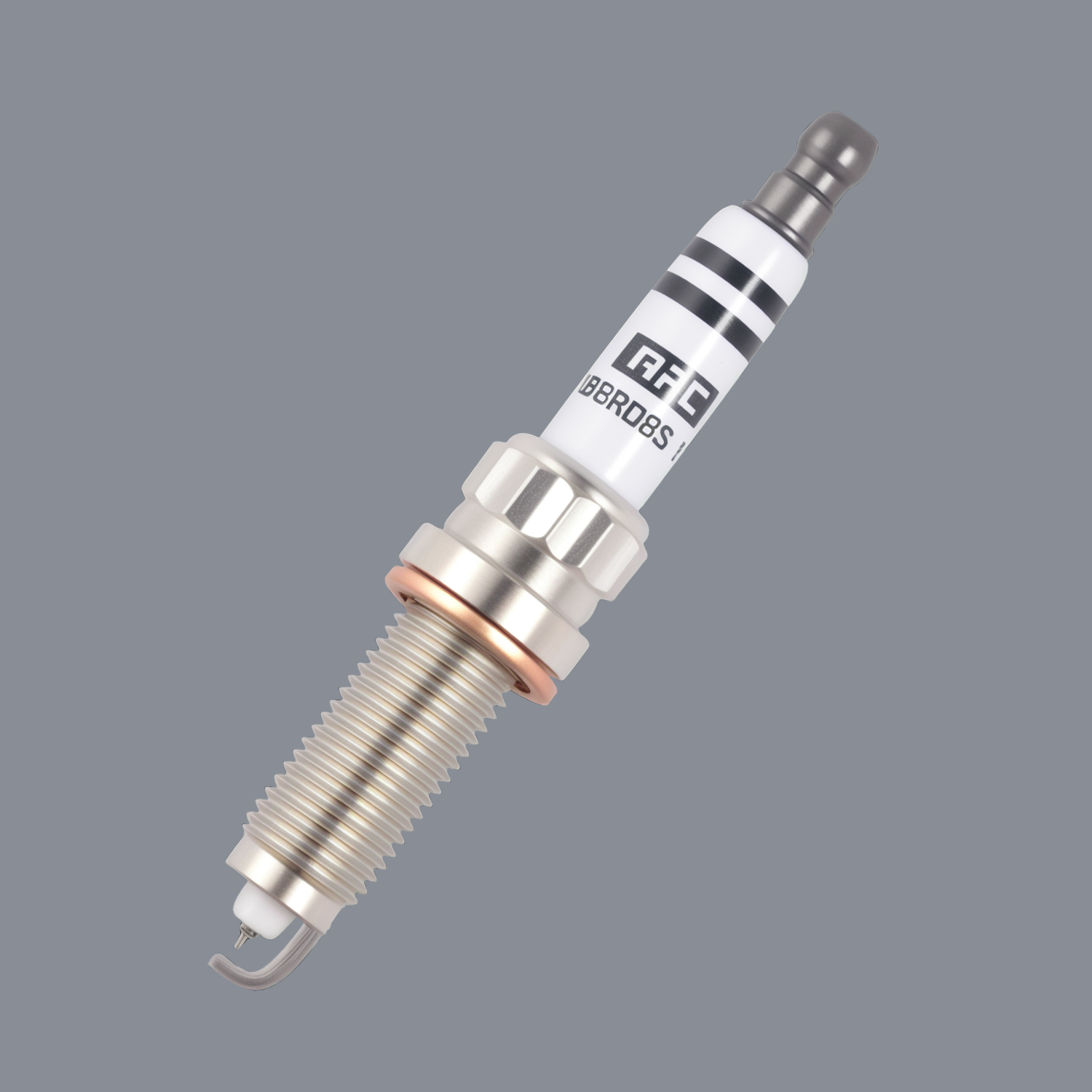
Spark plug wear is not a single moment where a plug suddenly stops working. It is a slow curve, and understanding where a plug sits on that curve is what separates a routine maintenance decision from an unplanned roadside repair. Every time the ignition coil fires, a small amount of energy jumps across the electrode gap, and that spark event physically removes metal atoms from both the center and ground electrode through electrical erosion. Over tens of thousands of firing events per mile, that microscopic metal loss adds up to a measurable, chartable trend. Reading that trend correctly means looking at three things together: how wide the gap has grown compared to the original factory setting, how the electrode shape has changed under a magnifying inspection, and how the color and deposit pattern on the insulator tip has shifted from the baseline appearance of a new plug. A wear chart that only tracks gap width misses shape and color changes that often show up earlier and can flag a problem unrelated to normal mileage wear, such as a fuel system issue or an oil leak into the combustion chamber.
Electrode Wear Stages: What The Chart Actually Measures
A wear chart plots electrode condition against three variables that change together over the life of a spark plug: gap width, electrode shape, and metal loss at the firing tip. In the earliest stage, the center electrode still has sharp, well-defined edges and the ground electrode retains its original rectangular profile. This is the state a plug leaves the factory in, and it is the baseline every wear measurement is compared against.
As combustion cycles accumulate, spark erosion rounds off the sharp edges of both electrodes. Every spark event removes a microscopic amount of metal through a process called electrical erosion, and because the spark always follows the path of least resistance, it tends to jump from the same points repeatedly, deepening pits rather than spreading wear evenly. A rounded, mushroom-shaped center electrode tip is the single clearest visual marker of mid-life wear on any spark plug, regardless of brand or material.
In the final stage before failure, the ground electrode has thinned enough that the gap has grown well past specification, requiring higher voltage to jump the same distance. Coils and ignition modules are only rated to produce so much voltage; once the required firing voltage approaches that ceiling, individual cylinders begin missing combustion events, especially under acceleration or heavy load, when cylinder pressure is already demanding more voltage than idle conditions do.
| Wear Stage | Electrode Appearance | Typical Gap Growth | Action Needed |
|---|---|---|---|
| New / Baseline | Sharp square edges, uniform color | 0 mm | None |
| Early Wear | Slightly rounded tip, light gray deposits | Up to 0.05 mm | Monitor at next service |
| Mid Wear | Mushroomed or rounded center electrode | 0.10 to 0.15 mm | Schedule replacement soon |
| Advanced Wear | Thinned ground electrode, pitting | 0.20 to 0.25 mm | Replace immediately |
| Failure Risk | Severe erosion, cracked insulator possible | 0.30 mm or more | Stop driving, replace before further use |
Reading The Color Chart: What The Tip Tells You Beyond Wear
Electrode wear is only half the diagnostic picture. Tip color and deposit pattern reveal how the engine is actually running, which is why most technicians read the wear chart and the color chart together rather than in isolation.
Normal Combustion Signature
A healthy plug pulled from a properly tuned engine shows a light tan or grayish-brown insulator tip with minimal deposit buildup. This coloring indicates correct air-fuel ratio and proper heat range for the engine, and it should appear consistently across all cylinders. A mismatch between cylinders, where one plug looks noticeably different from the rest, points to a cylinder-specific problem rather than a general tuning issue.
Rich Mixture / Carbon Fouling
Black, dry, sooty deposits covering the insulator and electrodes signal an overly rich fuel mixture, a dirty air filter restricting airflow, or excessive idling in stop-and-go traffic. Carbon fouling insulates the electrode from the spark, weakening ignition even before mechanical wear becomes significant.
Oil Fouling
Wet, black, oily deposits usually mean oil is entering the combustion chamber through worn valve guide seals, worn piston rings, or a failing turbocharger seal. This pattern often appears well before the electrode itself shows significant erosion, so a wear chart alone can understate how urgently the plug needs attention.
Overheating Signature
A white or blistered insulator tip with eroded electrodes indicates the plug is running too hot for the application, often from an incorrect heat range, a lean fuel mixture, or advanced ignition timing. Overheated plugs wear far faster than the mileage-based averages in the tables above because thermal erosion compounds with normal spark erosion.
Material Type And Wear Rate: Why Iridium Outlasts Copper
The single biggest variable in any spark plug wear chart is the electrode material, because different metals erode at fundamentally different rates under the same electrical and thermal stress.
- Copper-core plugs use a nickel-alloy electrode with a copper core for heat dissipation. Copper conducts electricity and heat efficiently, which gives strong spark performance when new, but the softer nickel alloy erodes fastest of the three common materials.
- Platinum plugs use a small platinum disc welded to the center electrode tip, sometimes both electrodes. Platinum resists electrical erosion far better than nickel alloy, roughly doubling to tripling service life over standard copper plugs.
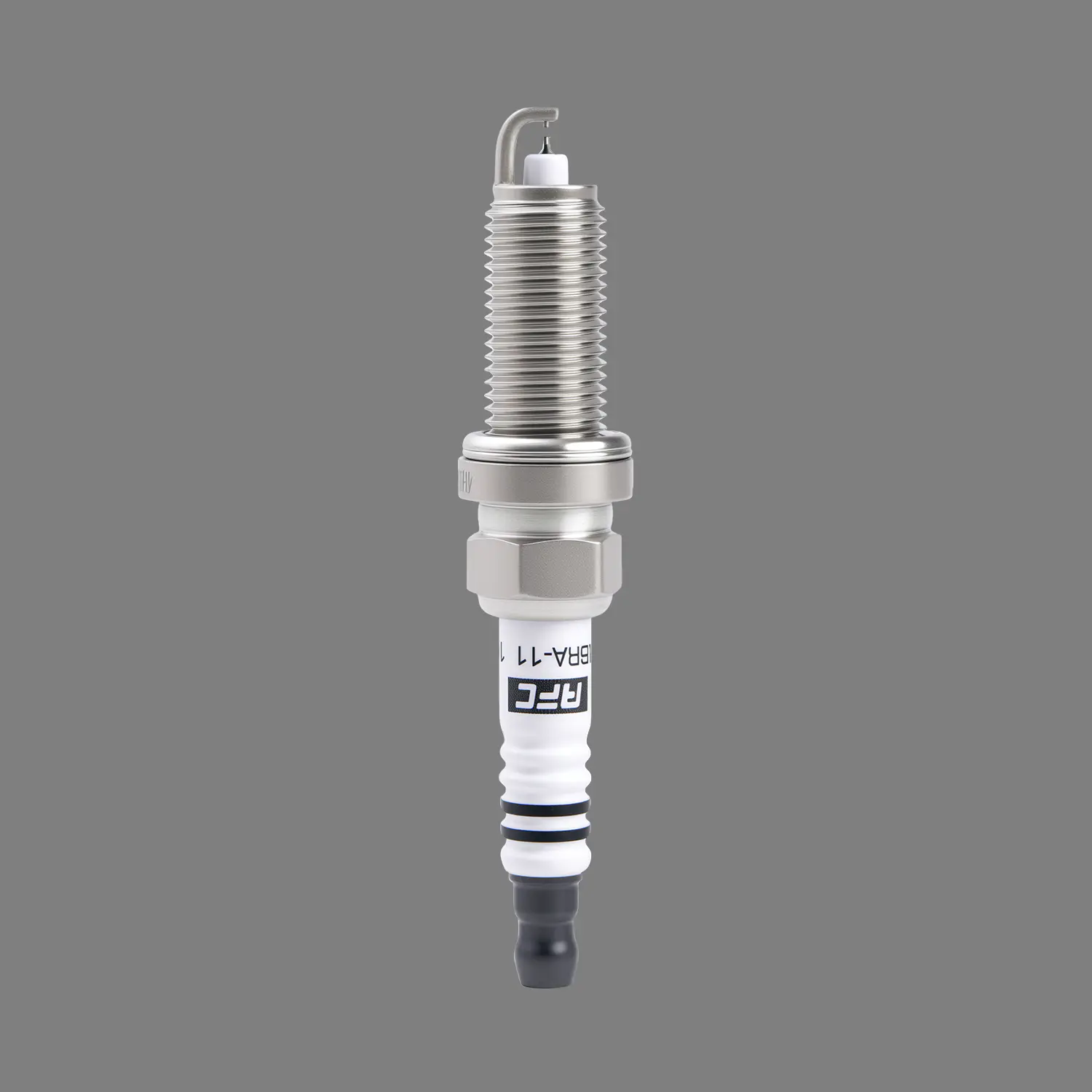
- Iridium plugs use an iridium alloy tip, often with a finer electrode diameter than platinum or copper designs. Iridium has a higher melting point and superior hardness compared to platinum, allowing manufacturers to use a thinner center electrode that improves spark efficiency while still resisting wear for the longest service interval of the three materials.
| Material | Typical Service Life | Relative Wear Rate | Best Suited For |
|---|---|---|---|
| Copper / Nickel Alloy | 20,000 to 30,000 miles | Fastest | Older engines, high-performance tuning, frequent plug changes |
| Platinum | 60,000 to 100,000 miles | Moderate | Daily-driven passenger vehicles |
| Iridium | 100,000 to 120,000 miles | Slowest | Long-interval maintenance, modern direct-injection engines |
Heat Range: The Overlooked Factor Behind Uneven Wear Charts
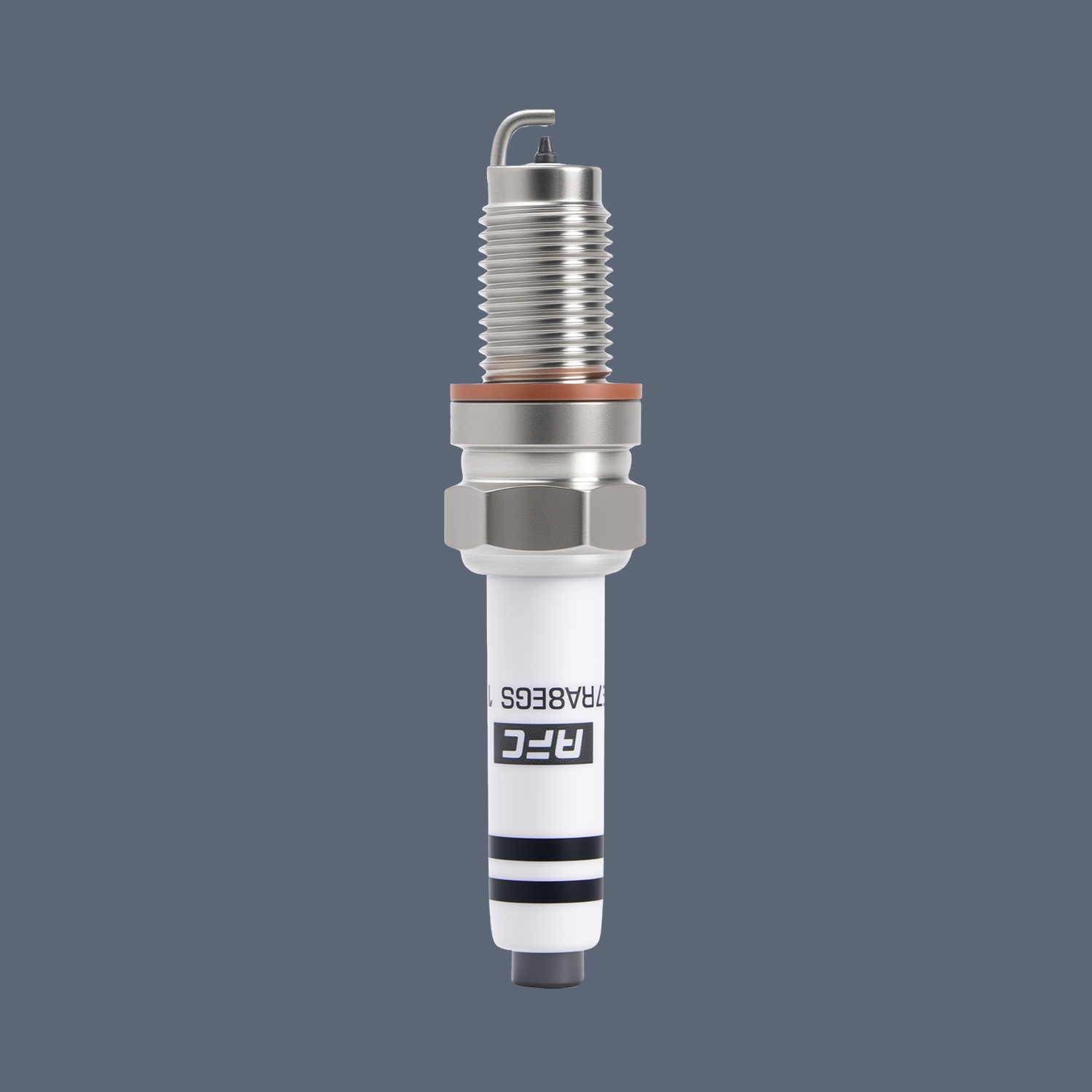
Material and mileage explain most of a wear chart, but heat range explains why two plugs of the identical material and identical mileage can show completely different erosion patterns. Heat range describes how quickly a spark plug transfers combustion heat away from the tip and into the cylinder head. A plug with too cold a heat range for the engine cannot burn off carbon deposits fast enough, leading to fouling long before the electrode metal itself has worn significantly. A plug with too hot a heat range holds heat at the tip longer, which accelerates electrode erosion and can, in extreme cases, contribute to pre-ignition where the hot tip itself ignites the fuel mixture ahead of the intended spark event.
Why Heat Range Matters More In Modified Or High-Load Engines
Engines that have been tuned for more power, run higher boost pressure, or regularly tow heavy loads generate more combustion heat per cycle than a stock engine under normal use. Using the factory-specified heat range in one of these higher-load situations often results in the tip running hotter than the original design intended, which shows up on a wear chart as accelerated erosion well ahead of the mileage a stock engine would show under the same material. This is one of the most common reasons a performance-oriented owner sees plug wear numbers that do not match the general tables published for their vehicle.
Matching Heat Range To Real-World Use
For a daily-driven, unmodified vehicle, the factory-specified heat range is calibrated to balance fouling resistance against erosion resistance across typical trip lengths and load conditions. For a vehicle used for towing, track use, or after significant engine modification, a heat range one step colder than stock is a common adjustment that manufacturers and tuners recommend to keep tip temperature within the self-cleaning range without accelerating erosion. Changing heat range without changing anything else about the fuel or ignition tune should always be checked against a heat range chart specific to the plug manufacturer, since heat range numbering is not standardized identically across brands.
Mileage-Based Wear Chart By Driving Condition
Manufacturer intervals assume moderate, mixed driving. Real-world wear accelerates or slows depending on how the vehicle is actually used, and a wear chart that ignores driving pattern will overstate how long a plug can safely stay in service.
| Driving Pattern | Effect On Wear Rate | Adjusted Interval |
|---|---|---|
| Highway-dominant commuting | Slower, steady-state combustion is gentler on electrodes | Full manufacturer interval or slightly beyond |
| Stop-and-go city driving | Faster, frequent cold starts and idling increase carbon buildup | 10 to 15 percent below standard interval |
| Towing or heavy load hauling | Faster, sustained high cylinder pressure increases voltage demand | 15 to 25 percent below standard interval |
| Turbocharged or forced induction | Faster, higher cylinder pressures accelerate electrical erosion | 15 to 20 percent below standard interval |
| Short-trip cold climate use | Faster, engine rarely reaches full operating temperature | 10 to 20 percent below standard interval |
How Engine Design Changes The Wear Curve
Not every engine ages a spark plug the same way even under identical mileage and driving habits, because combustion chamber design, injection method, and cylinder count all change how much electrical and thermal stress the electrode absorbs per mile.
Naturally Aspirated Versus Turbocharged Engines
A naturally aspirated engine draws air at roughly atmospheric pressure, which keeps peak cylinder pressure and the resulting voltage demand relatively moderate and consistent. A turbocharged or supercharged engine compresses intake air well above atmospheric pressure, which raises peak cylinder pressure substantially during boosted operation. Higher cylinder pressure requires higher firing voltage to jump the same gap, and that additional voltage stress is a major reason boosted engines are generally rated for shorter plug intervals than a comparable naturally aspirated engine, even when both use the same plug material.
Direct Injection Versus Port Injection
Direct-injection engines spray fuel straight into the combustion chamber rather than into the intake port, which changes the local fuel distribution around the spark plug tip. Some direct-injection designs are more prone to a specific carbon buildup pattern on the intake valves and, indirectly, on the plug tip, because fuel no longer washes over the intake valves the way it does in port injection. Manufacturers of modern direct-injection engines frequently specify finer iridium electrodes partly to offset this tendency, since a thinner electrode requires less voltage to fire through light deposit buildup than a thicker copper or platinum tip would.
Cylinder Count And Per-Cylinder Load
In a four-cylinder engine, each cylinder fires more often per mile at a given road speed than in a six or eight-cylinder engine turning the same wheel speed at a lower engine RPM, since larger engines often produce the needed power at lower RPM. This means four-cylinder engines can put more total firing events through each plug over an identical trip distance, which is one reason some four-cylinder applications specify slightly shorter intervals than a larger-displacement engine using an otherwise similar plug design.
What Accelerates Spark Plug Wear Beyond Normal Rates
Several mechanical and operating conditions push wear well ahead of the averages shown in a standard chart. Recognizing these factors helps explain why two identical vehicles can need replacement at very different mileages.
- Incorrect heat range for the engine, causing the tip to run hotter than designed and erode faster.
- Fuel system problems that create a lean mixture, raising combustion temperature at the electrode.
- Worn ignition coils that force higher voltage output to compensate for a widening gap, which in turn accelerates further gap growth in a feedback loop.
- Carbon or oil fouling that insulates part of the electrode, concentrating spark energy on a smaller contact area.
- Detonation or pre-ignition events, which subject the electrode to abnormal pressure spikes and localized overheating.
- Installing the wrong plug gap during service, which changes voltage requirements from the moment the plug is installed.
Symptoms That Show Up Before The Plug Fails Completely
Worn spark plugs rarely fail all at once; they degrade gradually, and the symptoms track closely with where the plug sits on the wear chart.
- Rough idle or a noticeable vibration at stoplights, often the first sign of early to mid-stage wear.
- Hesitation or a flat spot during acceleration, when cylinder pressure momentarily demands more voltage than the worn gap can reliably deliver.
- Reduced fuel economy, typically a measurable drop of several percent as incomplete combustion wastes unburned fuel.
- A illuminated check engine light with a misfire code, which usually corresponds to advanced-stage wear or an already-failed plug.
- Difficulty starting in cold weather, since cold starts already demand higher voltage than a warm engine.
- Audible engine knock or pinging under load, which can accompany advanced wear combined with heat range mismatch.
How To Measure Electrode Gap Wear Without Special Equipment
Checking gap wear at home only requires a wire-type or coin-type feeler gauge, and the process takes a few minutes per plug once the plug is removed.
Step-By-Step Measurement
- Remove the spark plug with the engine cold to avoid thread damage in the cylinder head.
- Slide the feeler gauge between the center and ground electrode at the narrowest point.
- Compare the measured gap to the factory specification listed for that engine, not a generic figure.
- Record the difference; anything beyond 0.20 mm over spec generally signals the plug should be replaced rather than re-gapped.
- Inspect the ground electrode shape at the same time, since a thinned or rounded electrode indicates the metal itself has eroded, not just the gap.
One important caution: fine-wire iridium and platinum electrodes should not be re-gapped by bending the ground electrode the way copper plugs traditionally are, because the thinner alloy tip can crack or shear under the bending force that copper alloy easily tolerates. If a fine-wire plug measures out of spec, replacement is the safer path rather than manual adjustment.
Replacing A Worn Spark Plug: What The Process Actually Involves
Once a wear chart or a direct inspection confirms a plug is past its useful life, the replacement process itself is straightforward mechanically, but a few steps determine whether the new plug performs correctly from the first start.
Preparing The Engine
Spark plugs should always be removed and installed with the engine completely cold. Aluminum cylinder heads expand when hot, and removing a plug from a hot aluminum head raises the risk of thread damage, since the plug's steel threads and the head's aluminum threads expand at different rates. Compressed air around the plug well before removal also helps prevent debris from falling into the cylinder when the plug comes out.
Setting The Correct Gap Before Installation
Even a brand-new plug should have its gap verified against the specific engine's factory specification before installation, since gap requirements vary by engine even within the same plug part number lineup in some cases. Pre-gapped plugs are common, but verifying the gap takes under a minute and eliminates a source of early misfire that would otherwise show up on the very next wear inspection.
Torque, Not Force
Overtightening a spark plug can crush the gasket or crack the porcelain insulator, while undertightening leaves a poor thermal contact between the plug and cylinder head, causing the plug to run hotter than its rated heat range. A torque wrench set to the engine manufacturer's specified value is the most reliable way to seat a plug correctly, and hand-tightening followed by a specified additional quarter or half turn is the accepted alternative when a torque wrench is not available.
Anti-Seize And Dielectric Grease
A thin layer of anti-seize compound on the threads helps prevent the plug from seizing in an aluminum head over a long service interval, though many modern plugs already come with a plated thread coating that makes additional anti-seize unnecessary or even counterproductive if it is applied too heavily, since excess anti-seize can act as a lubricant that leads to overtightening. Dielectric grease on the boot connection, not the threads, helps prevent moisture intrusion and makes the boot easier to remove at the next service interval.
Common Mistakes That Distort A Wear Chart Reading
| Mistake | Effect On Reading | Correct Practice |
|---|---|---|
| Measuring gap at the widest point instead of narrowest | Understates actual wear on irregularly eroded electrodes | Always measure at the closest point between electrodes |
| Comparing color across different fuel types or ethanol blends | Creates false alarms from fuel-related color shifts rather than wear | Note fuel type when logging color observations over time |
| Inspecting immediately after a cold start | Temporary condensation and rich mixture can mimic fouling | Inspect after normal warmed-up driving, not right after startup |
| Using a generic gap spec instead of the vehicle-specific value | Leads to incorrect replacement decisions on borderline plugs | Always confirm the exact specification for the engine, not the plug box average |
Frequently Asked Questions
How often should I check my spark plug wear chart against actual mileage?
A visual and gap check at every oil change is a reasonable habit, though for iridium plugs many owners only pull them for inspection once they approach the upper half of the expected service life range.
Can a worn spark plug damage other engine components?
Yes. A badly worn plug forces the ignition coil to work harder to bridge a wider gap, and sustained misfires can allow unburned fuel to wash oil off cylinder walls or overheat the catalytic converter over time.
Is it normal for one cylinder's spark plug to wear faster than the others?
Uneven wear across cylinders usually points to a cylinder-specific issue such as an oil leak past a valve seal, an injector delivering too much or too little fuel, or a weak coil on that cylinder, rather than a normal variation.
Does a wider gap always mean the plug needs replacing?
In most cases yes, because the gap widens as a direct result of metal loss at the electrode tip. Unlike a simple adjustment issue, this metal loss cannot be reversed by re-gapping alone once wear has progressed significantly.
Why do some wear charts show shorter intervals than the vehicle manufacturer's recommendation?
Manufacturer intervals are based on average conditions across a broad customer base. A wear chart adjusted for specific driving patterns, such as towing or short-trip cold-climate use, will often show a shorter safe interval because those conditions accelerate erosion beyond the average case.
Should all spark plugs in an engine be replaced at the same time?
Yes, in almost every case. Replacing plugs as a full set keeps combustion characteristics consistent across all cylinders and avoids a situation where one new plug and several worn plugs create an uneven voltage demand across the ignition system.
Can a spark plug wear chart predict ignition coil problems?
Indirectly, yes. If a wear chart shows one plug eroding significantly faster than the others under identical mileage and driving conditions, a weak coil delivering inconsistent voltage to that cylinder is a common underlying cause worth checking before simply installing another plug.
Do higher-mileage iridium plugs still need a gap check even if they look fine?
Yes. Gap growth on a fine-wire iridium electrode is not always visually obvious because the wire is already thin, so a physical gap measurement remains the more reliable check even when the plug appears visually intact.
Does fuel quality affect where a plug falls on the wear chart?
Fuel quality affects deposit buildup more than electrode metal loss directly, but heavy deposits can indirectly increase the voltage needed to fire through them, which places additional electrical stress on the electrode over time and can accelerate the wear curve compared to clean-burning fuel.