

 Español
Home / News / Industry News / What is Spark Plug Indexing? The Complete Guide to Purpose and Process
Industry News
Content
Spark plug indexing is the deliberate rotation of a spark plug so that the open side of its ground electrode points in a chosen direction inside the combustion chamber. You do not need to bend the electrode. Instead, you add thin copper washers under the plug shoulder, and when you torque the plug into the cylinder head, it stops at a slightly different angle. The open gap is then positioned to give the flame kernel a clear path toward the densest part of the air-fuel charge.
This technique has been a staple of performance engine building for decades. The practical effect depends entirely on the engine. A race engine with high compression or a turbocharger can show measurable gains in combustion consistency, while a stock daily driver will only feel a subtle difference at low load. For any engine that expects more from its ignition system, learning to index a spark plug is a valuable skill.
Indexing works best when the other combustion variables are already healthy. The gap must be correct, the fuel system clean, and the compression even across cylinders. If those are in place, indexing is the next meaningful step for an engine builder who wants every cylinder to start the burn from the same point.
A conventional J-gap plug uses a center electrode and a bent side electrode. The space between them is where the spark jumps. Because the side electrode is curved, it blocks the flame kernel on one side and leaves the other side open. On a new plug, the manufacturer has no way of knowing which way that open side will face once the plug is installed in your cylinder head.
When you tighten a gasket-seat plug, the rotation stops at a random position. If you install the plug and happen to point the open side toward the exhaust valve, the flame has to expand against the flow of the intake charge. That is the situation indexing corrects.
Indexing defines the final orientation. The procedure works by exploiting the thread pitch of the plug. A 14mm plug with a 1.25mm pitch advances 1.25mm every full turn. The copper washer sits on the shoulder of the plug seat and raises the plug slightly. On the next tighten, that raised height makes the plug rotate a little further before it bottoms out.
This is a mechanical adjustment, not a tuning modification. It does not change the spark voltage, the gap, or the ignition timing. It only influences the physical position of the ground electrode at the moment the spark fires.
Some modern plugs use a surface-gap design where the spark jumps across the face of the plug. These do not have a side electrode to rotate, so indexing has no effect on them. The J-gap plugs that most performance engines use remain the standard case for this technique.
The cleanest way to understand indexing is to look at the flame kernel. When the spark jumps across the gap, the small plasma ball has to grow until it ignites the whole mixture. If the side electrode is large and sits directly in the path of the flame, it absorbs heat and slows the flame front. Pointing the open gap toward the intake valve allows the flame to move into the fresh charge as it enters the cylinder.
Engine builders who run back-to-back comparisons in the same engine describe gains that usually land between 1 and 3 percent on naturally aspirated race engines. That does not sound like much, but in a formula where every point of power matters, it can separate a fast lap from a mid-pack result. In a forced-induction engine, the effect can be larger because the denser charge burns faster and any delay in flame growth is amplified.
| Engine Type | Typical Power Gain | Practical Effect |
|---|---|---|
| Naturally aspirated race | 1-2 percent | Best where every point matters |
| Forced induction | 2-4 percent | Lower knock risk, smoother response |
| Street daily driver | Less than 1 percent | Better idle, small power change |
| Marine outboard | Not measured | Some factory manuals require it |
A major hidden benefit is consistency across cylinders. In a factory engine, each cylinder has a small casting difference. If you index the plugs so that every cylinder has the same electrode orientation, you reduce run-to-run variation and make the engine's idle and part-throttle behavior far more predictable.
Another key advantage is pre-ignition control. When the ground electrode stays cooler, the cylinder is more resistant to hot spots that can cause detonation on the edge of the knock limit. A platinized or iridium electrode helps with this, and indexing adds the final geometry adjustment.
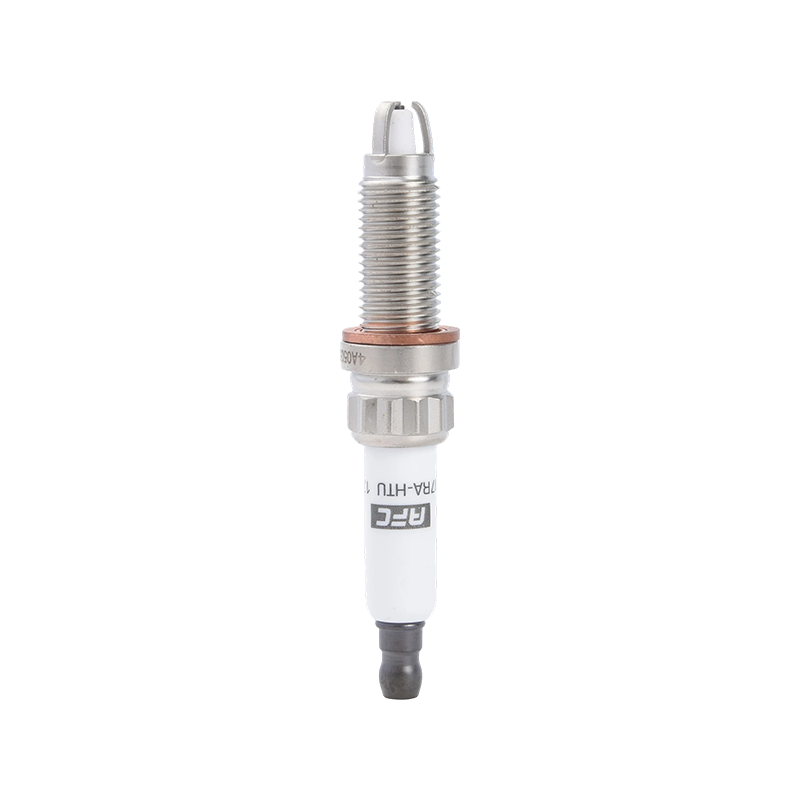
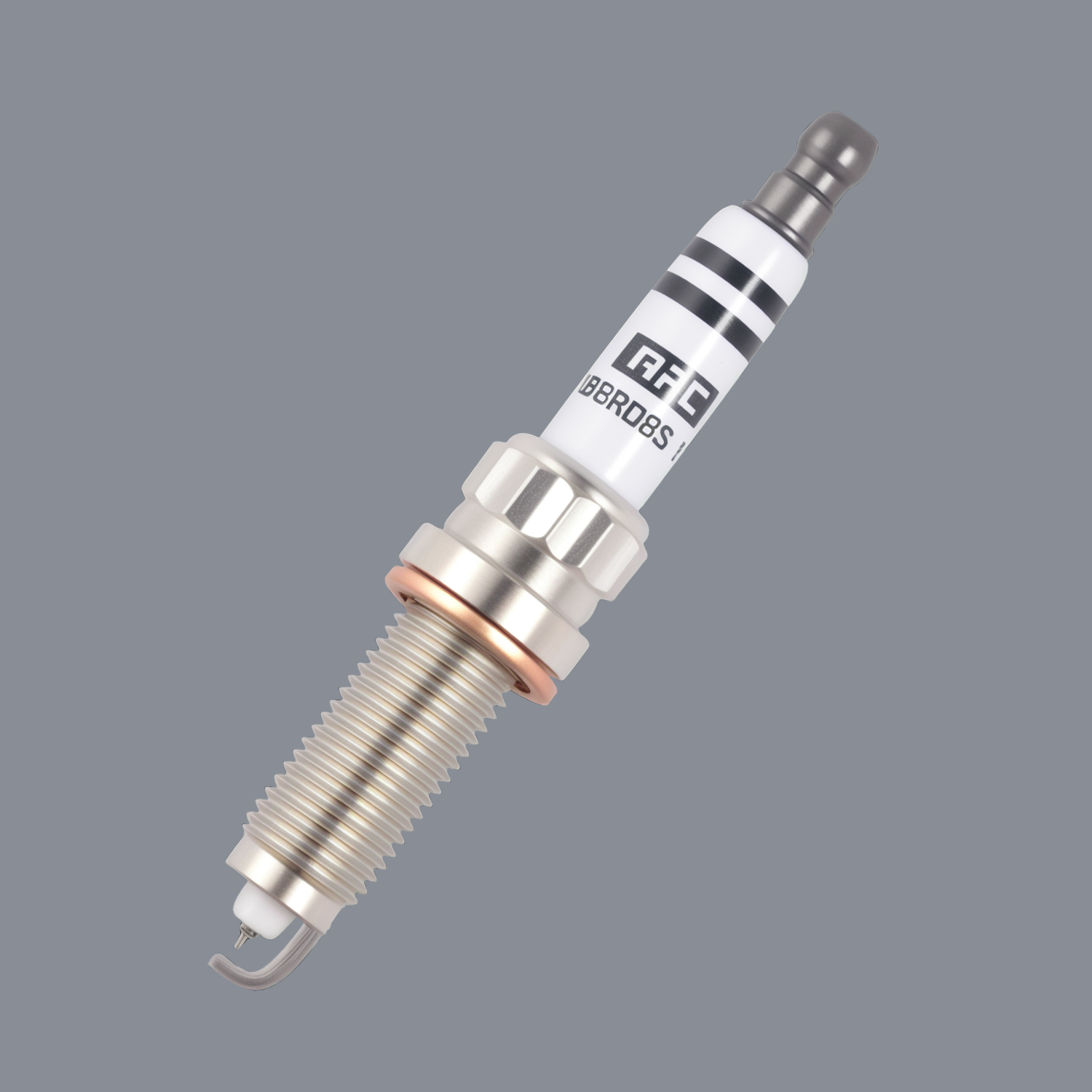 Iridium Platinum Spark Plug for BMW and Mini ApplicationsThis iridium platinum spark plug offers excellent pre-ignition control and stable performance, making it a reliable choice for engines that require precise indexing and heat management.View Product →
Before you start, make sure the engine is cool and the cylinder is at top dead center or you have access through the spark plug opening. Use compressed air to blow away any debris that might fall into the cylinder.
| Washer Thickness | Rotation Angle |
|---|---|
| 0.25 mm | 72 degrees |
| 0.50 mm | 144 degrees |
| 0.75 mm | 216 degrees |
| 1.00 mm | 288 degrees |
The angle math is a guide, not an exact science. The copper washer gets crushed slightly during the first install, and the torque value affects the crush. That is why you must always use a fresh washer for the final assembly and stay within the manufacturer's torque range.
Indexing is cheap. You do not need a special machine. A basic set is enough to handle most engines:
Using a correct torque wrench cannot be overemphasized. If the torque varies from plug to plug, the final rotation angle will vary. In aluminum heads, a 14mm plug usually takes 18-25 Nm, while a 12mm plug may take 15-20 Nm. Always confirm the value from your service manual.
An indexing washer kit costs very little. It saves time because you can test several rotation positions without machining anything. When you find the right washer, mark it and keep it with that cylinder for future runs.
While you are testing the angle, look at the washer after the trial fit. The crushed copper leaves a visible contact ring. That ring tells you whether the washer is seated evenly. A tilted washer can make the plug stop at a different angle than you calculated, so check for a small gap in the contact ring before you commit.
Indexing is not for everyone. The correct answer depends on engine type, tuning goals, and the factory recommendation:
On a modern street car, the benefit is smaller. You will get a more stable idle and a slightly better response below 3,000 rpm. The ignition system in a modern car produces a strong spark, and the injector spray is already well mixed. You are not going to see a large power increase.
For those who do track days or autocross, indexing a plug set takes less than 30 minutes and adds a new layer of consistency. It is the kind of detail that helps the engine stay predictable across a long session.
Even today, nickel copper plugs are produced for many modern engines as an economical replacement. The side electrode is large and offers a clear open side for orientation, so the same washer method applies. For a compact car like a VW T-Cross, the right nickel copper plug must match the heat range and thread reach developed for the engine.
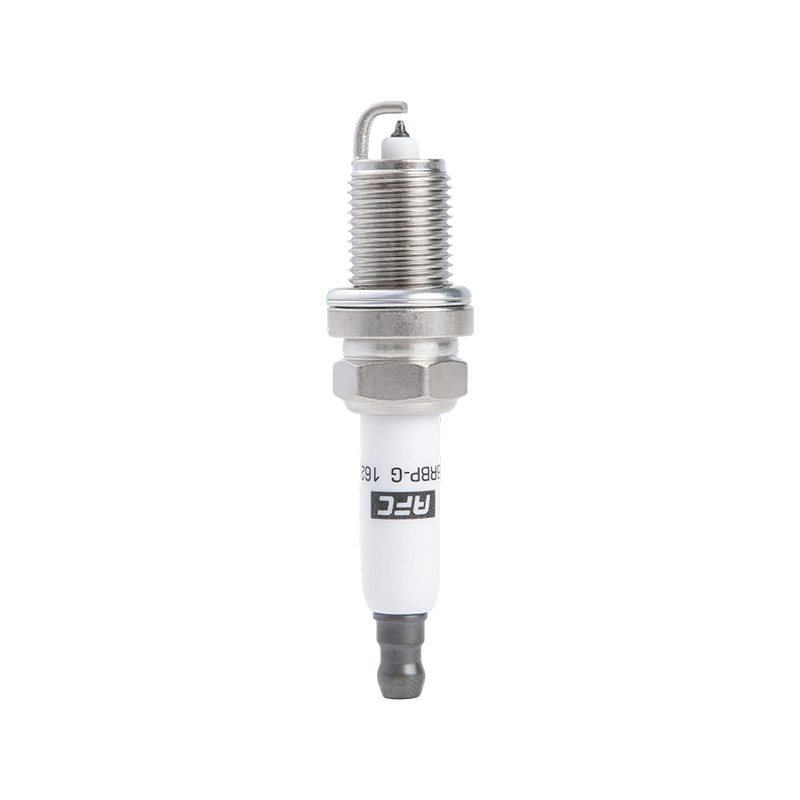
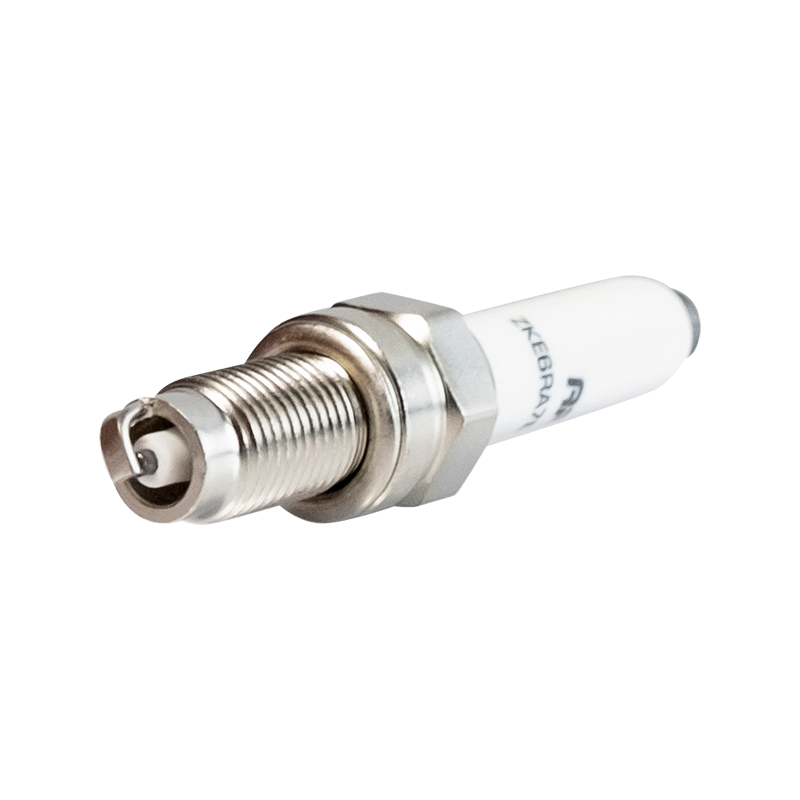 Nickel Copper Spark Plug for VW T-Cross and Polo PlusA cost-effective nickel copper spark plug designed for Volkswagen compact cars, providing dependable ignition and heat dissipation for everyday driving conditions.View Product →
A quick way to test whether indexing helps your particular engine is to install the plugs with no washers, run the engine on a dyno, record the numbers, then index them to the intake side and repeat the pull. The delta tells you if it is worth keeping. On many street engines, the difference is small enough that most owners skip this step.
There is plenty of forum advice that repeats either outdated or half-true information. Here is the practical view after working with plugs in different engines.
After installing the plugs, read the color and wear pattern across the center insulator and the ground electrode. The spark plug reading guide shows what a healthy cylinder looks like. If one cylinder shows a different color than the others after you index the plugs, the issue is likely in the fuel or compression, not the plug orientation.
Ideal index plugs have a conventional J-gap side electrode, a flat gasket seat, and a clear access from the plug hole. Plugs with a long ceramic insulator or a narrow hex can be harder to work with.
Fine-wire plugs are excellent when indexing is combined with a race tune. The small side electrode reduces the heat sink and makes the flame kernel less likely to lose energy. Iridium and platinum have better high-temperature stability than copper, so the rotation remains stable over a long run.
The double iridium family is especially appealing because both the center and side electrodes are made of iridium. In a Japanese car engine, a double iridium plug tolerates a high combustion temperature and gives a low ignition voltage requirement. That means the index angle does not have to be perfect to get a reliable spark.
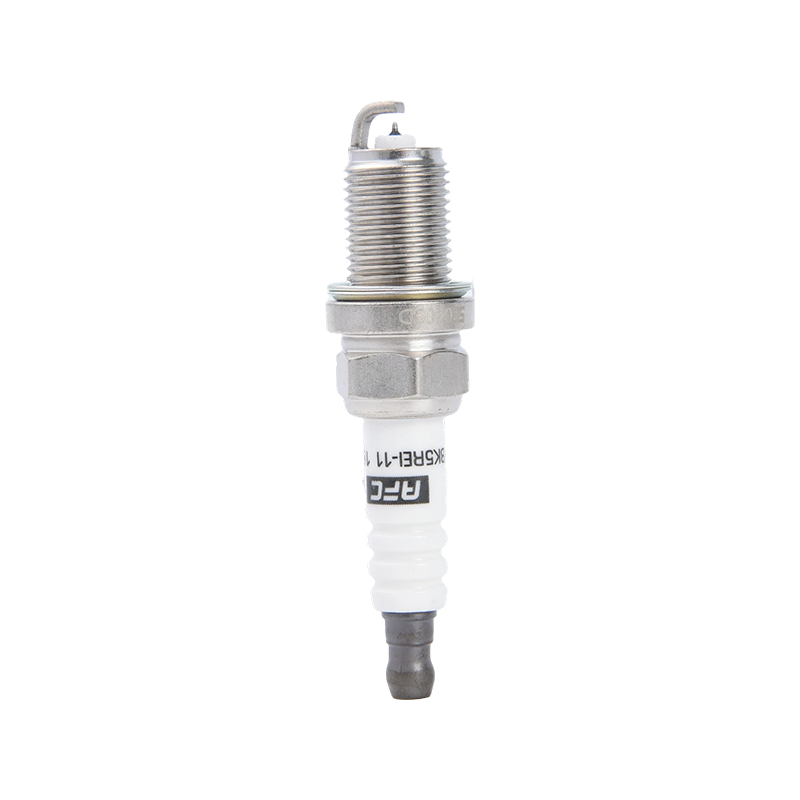
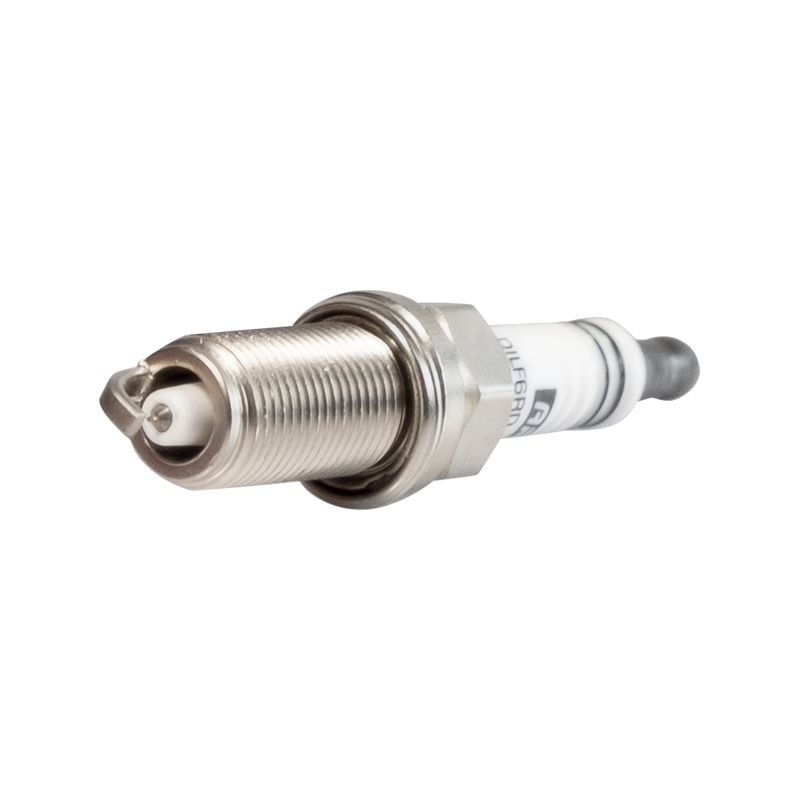 Double Iridium Spark Plug for Toyota, Lexus, and HondaWith dual iridium electrodes, this spark plug ensures long-lasting durability and consistent ignition, suitable for Japanese engines demanding high temperature resistance and low maintenance.View Product →
Selection matters as much as orientation. The car origin and engine family determine the thread reach, heat range, and electrode dimensions. A plug that is too long or too short will not index correctly because the thread shoulder will not seat where it should.
If you work on several makes, choose a plug set that matches the engine family rather than forcing one universal plug into all blocks. The thread pitch and the way the side electrode is shaped are not identical across every manufacturer. A plug with a flat ground electrode tip and a well-defined open side will always be easier to read under a borescope.
It depends. In race engines and high-compression forced-induction engines, builders report measurable improvements in flame development, knock resistance, and consistency. In a daily driver, the gain is mostly a smoother idle and slightly improved part-throttle response. You will not feel a 10-horsepower gain in a stock engine.
Most engine builders orient it toward the intake valve so the flame kernel can grow into the incoming charge. But there are exceptions. A centrally located plug, a particular piston crown, or an exhaust-side cooling need can make a different orientation more effective. Test by reading the plug and observing the cylinder at part load.
Yes. Iridium fine-wire plugs with a standard J-gap side electrode can be indexed with the same washer system. The iridium side electrode is usually thin, so the open side is easy to see under a borescope and the plug is robust enough to handle repeated installation cycles.
Usually you want to stay below 1.5mm of total stack. More than that can push the plug too far out of the cylinder and affect flame travel or the spark location. If you need twice the rotation from a thicker washer, choose a washer thickness that gives you the right angle with no more than three washers.
No. Gapping sets the distance between the center electrode and side electrode. Indexing sets the rotational direction of the side electrode. You need to set the gap before you begin indexing.
Most do not. Modern ignition systems have a strong spark, and fine-wire plugs create a compact flame kernel. If your car is stock and running well, skip it. If you have a modified engine with forced induction or high compression, indexing is a worthwhile finishing step.
For a four-cylinder engine, expect 20 to 40 minutes the first time you do it. Most of that time goes into trial fits and reading the angle. Once you know the correct washer for each cylinder, a full index job on the same plugs takes less than 10 minutes.
Indexing is a low-cost detail that makes a real difference when the engine is already well-tuned. It is a simple mechanical adjustment that gives you control over a variable you normally cannot see.
Start with a fresh set of plugs, set the gap, and use a clean copper washer. The washer thickness determines the rotation, and the torque wrench determines whether the angle is repeatable. If the engine is a race build, a street performance car, or a marine outboard that asks for it, the time is worth it.
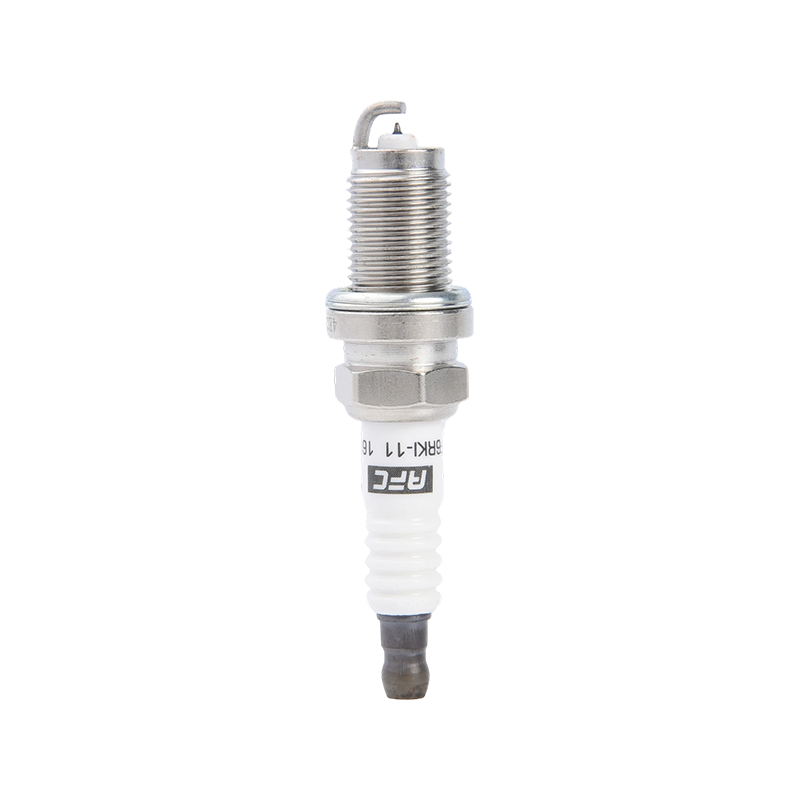
The right starting point is the right plug. The AFC spark plug product range is organized by car origin and engine family, so you can start from your vehicle and work toward an indexed plug that fits correctly.