

 Español
Home / News / Industry News / Spark Plug Lifespan: How Long They Last, When to Replace & Warning Signs
Industry News
Content
Picture a 2020 sedan with 65,000 miles. The engine still runs, but you notice a slight drop in fuel economy and the cold start takes two cranks instead of one. That is usually the first subtle sign that the spark plugs are aging.
The direct answer is that spark plug lifespan ranges from 30,000 to 100,000 miles, and the one decisive factor is electrode material. Nickel-copper plugs must be replaced every 20,000-30,000 miles, while iridium and double-iridium plugs can easily reach 80,000-120,000 miles. The good news is that with basic maintenance awareness, you can predict when to replace them and avoid performance losses.
Different electrode materials exhibit very different wear behaviors. Understanding these differences helps you plan maintenance and avoid paying for an unnecessary early replacement.
| Electrode Material | Typical Lifespan | Suggested Replacement Interval | Practical Notes |
|---|---|---|---|
| Nickel-Copper | 20,000-30,000 miles | 30,000 miles | Affordable but short service life |
| Platinum | 50,000-100,000 miles | 60,000 miles | Good for older engines |
| Double Platinum | 60,000-100,000 miles | 80,000 miles | Dual platinum electrodes resist wear |
| Iridium | 60,000-100,000 miles | 80,000 miles | Strong performance and easy for coil-on-plug systems |
| Double Iridium | 80,000-120,000 miles | 100,000 miles | Longest service life, premium choice |
| Iridium-Platinum | 60,000-100,000 miles | 80,000 miles | Balanced performance and durability |
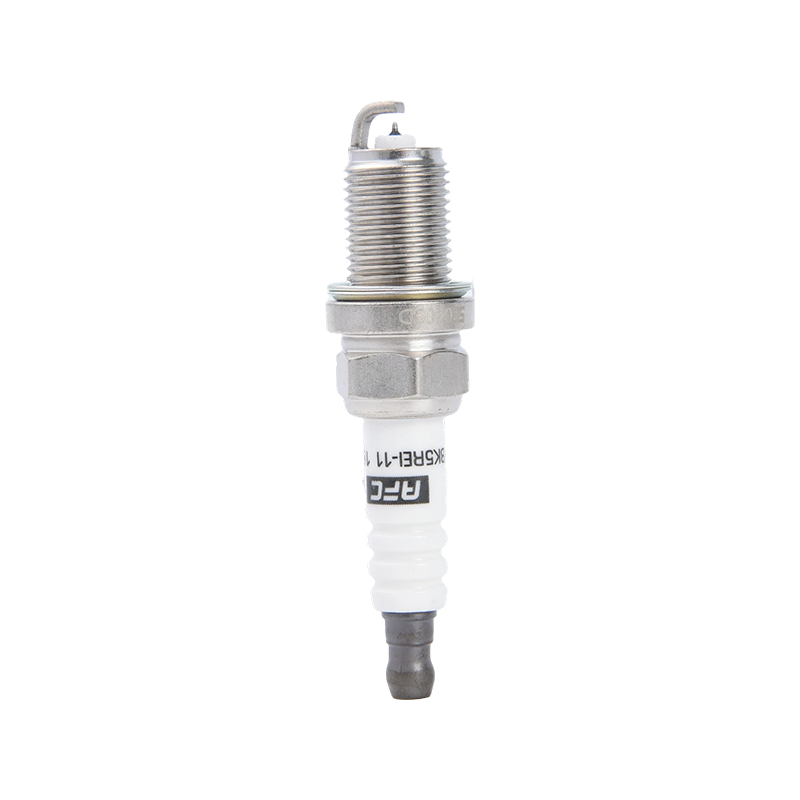
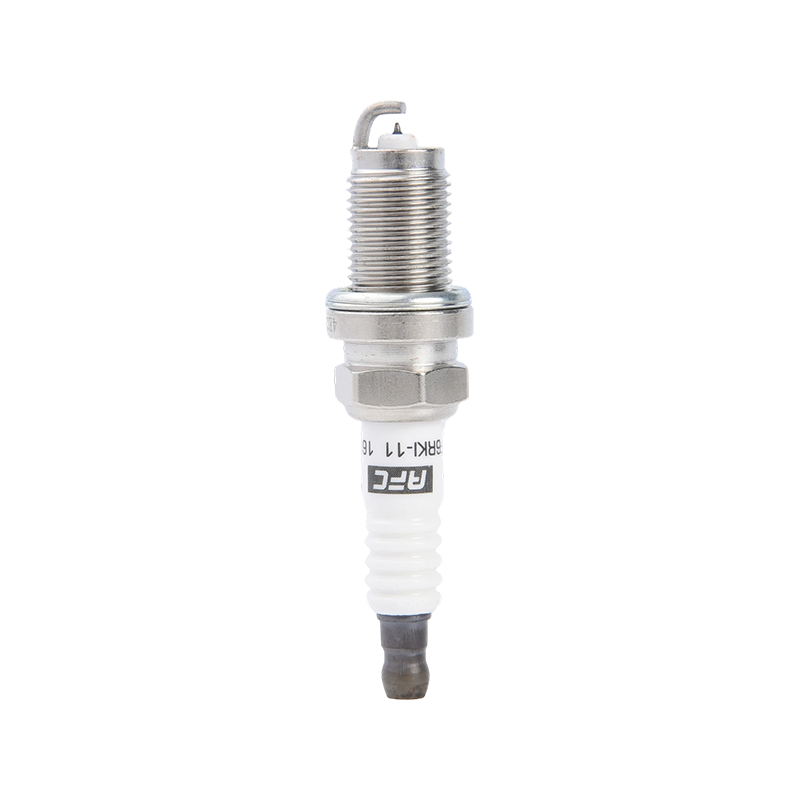
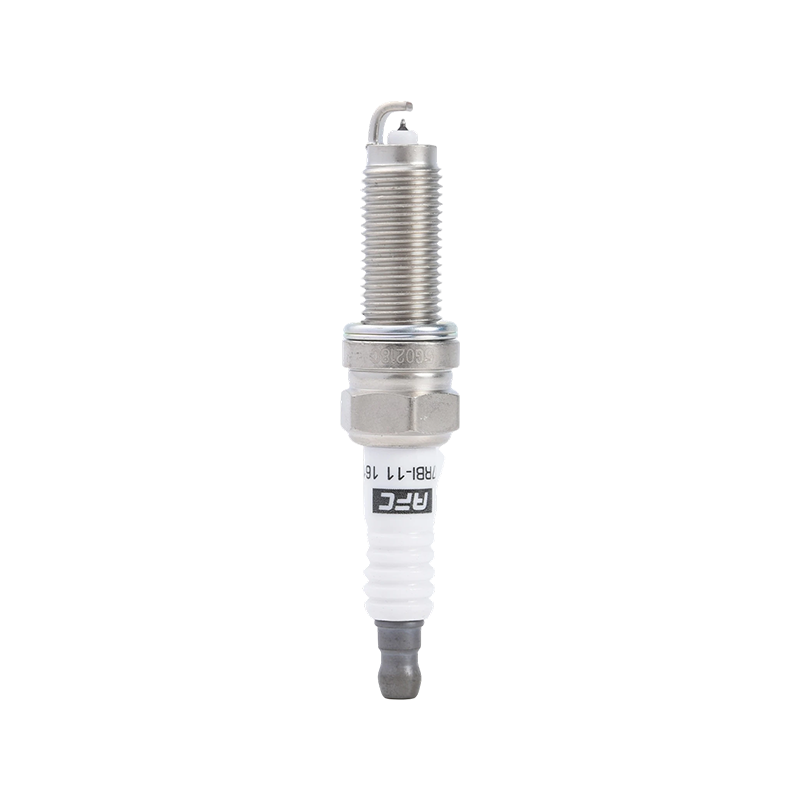
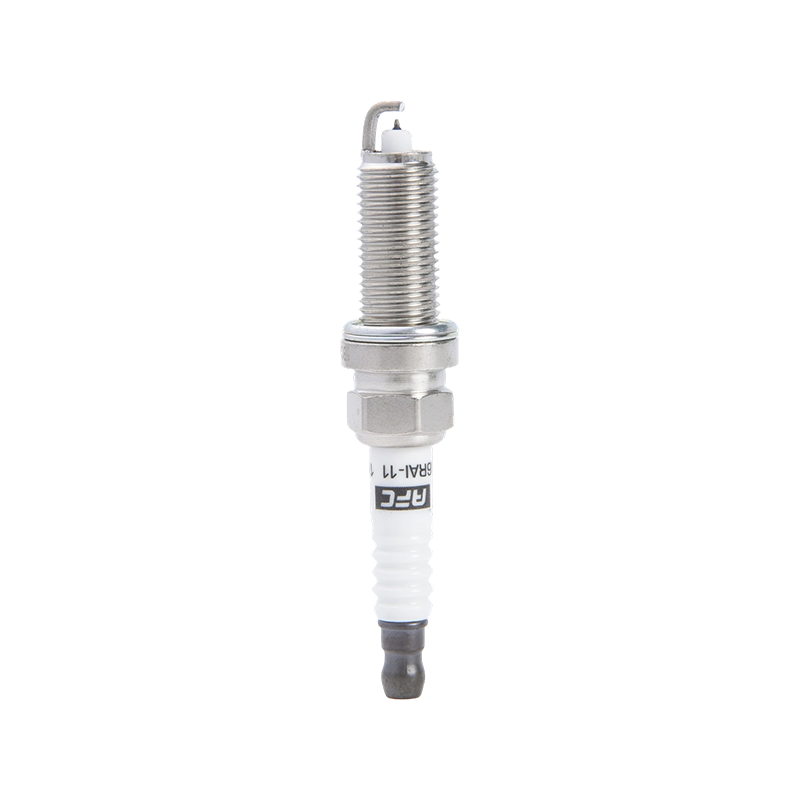
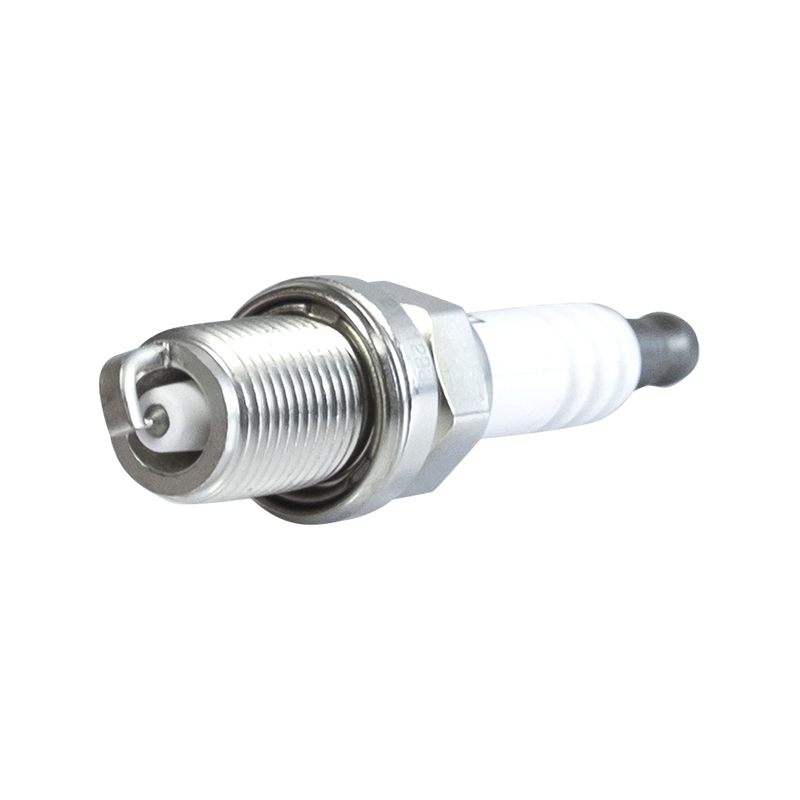 Iridium Spark Plug for Japanese Cars with 0.5mm ElectrodeThis iridium spark plug features a 0.5mm center electrode and a 5-heat-range design, offering extended lifespan up to 40,000 km. It suits urban driving and reduces wear from frequent starts, making it a reliable upgrade over nickel-copper plugs.View Product →
Another way to think about this is to map lifespan to an engine's service interval. On a typical 1.5L naturally aspirated Japanese engine, the factory interval for iridium plugs is 60,000 miles, while the same engine with nickel-copper plugs requires a 30,000-mile interval. The difference is literally a full service cycle added or removed.
Plugs do not die randomly. Their service life follows a predictable pattern shaped by five practical variables.
The hardest material used on the electrode surface dictates how quickly the gap erodes. Nickel-copper electrodes soften at high combustion temperatures, which is why their gap grows rapidly and misfire begins early. Iridium has a melting point nearly three times higher than nickel, which is why a 0.4 mm iridium tip can outlast a 2.5 mm nickel electrode.
Turbocharged engines operate at higher compression ratios and produce hotter combustion. A plug in a turbocharged 2.0L engine may see electrode temperatures 200 degrees Celsius higher than the same plug in a naturally aspirated engine. That extra heat accelerates wear and shortens lifespan by 10-20%.
A slightly lean fuel mix raises combustion temperature significantly. A mix that runs 10% lean can increase electrode temperature by roughly 50 degrees Celsius, accelerating oxidation of the electrode. Conversely, a rich mix creates carbon deposits that bridge the gap and cause misfire.
Short city trips are hard on plugs. The engine reaches operating temperature only after several miles, and repeated cold starts deposit more carbon on the insulator. A plug that lasts 80,000 miles on the highway may be worn out at 50,000 miles in stop-and-go traffic.
Weak ignition coils force the plug to deliver the same spark with less energy. This causes the electrode to erode faster and often leads to premature gap growth. A failing coil can cut plug lifespan by as much as 25%.
Instead of waiting for a check engine light, watch for practical red flags that point to reduced spark efficiency.
Follow this practical guide to inspect the color and gap on your plugs: Read how to inspect spark plug condition.
Many drivers ask why they should replace plugs that still fire. The answer lies in performance margins, not just breakage.
A spark plug does not simply fail. It degrades in a curve. As the electrode gap widens, the required firing voltage rises, and the ignition coil has to work harder. The spark becomes weaker, combustion becomes less efficient, and unburned fuel increases.
For example, when the gap increases from 0.030 inches to 0.050 inches, the required voltage can rise from 8 kV to 14 kV. Fuel economy can drop by 2-5%, and emissions can worsen noticeably. These losses are silent. They do not trigger a fault code until the misfire rate crosses the engine's threshold. By replacing plugs at the recommended interval, you restore full combustion efficiency and avoid potential damage to the catalytic converter.
Follow these habits to get the most miles out of your plugs:
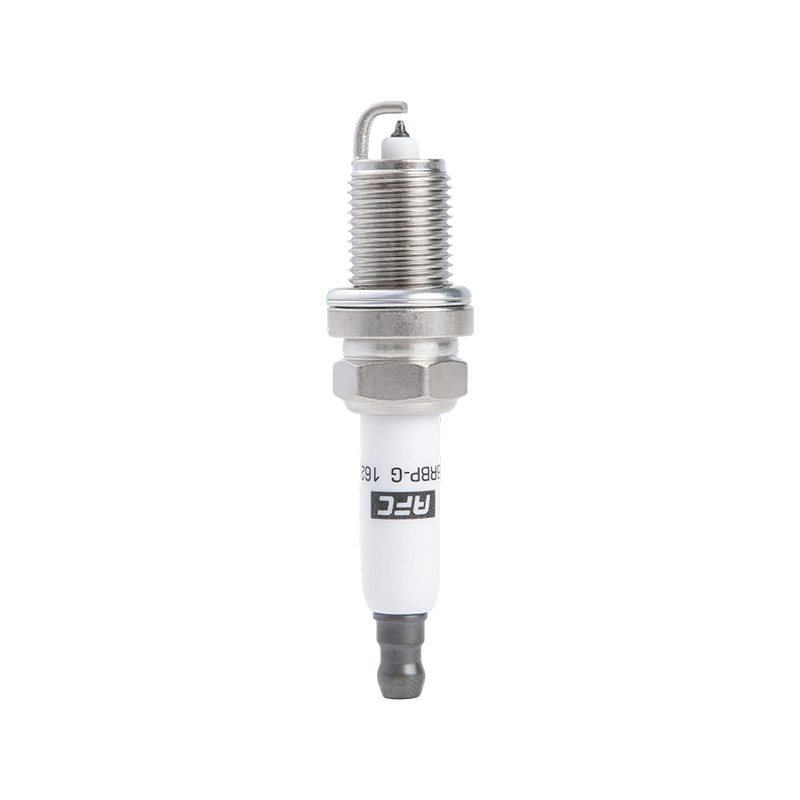
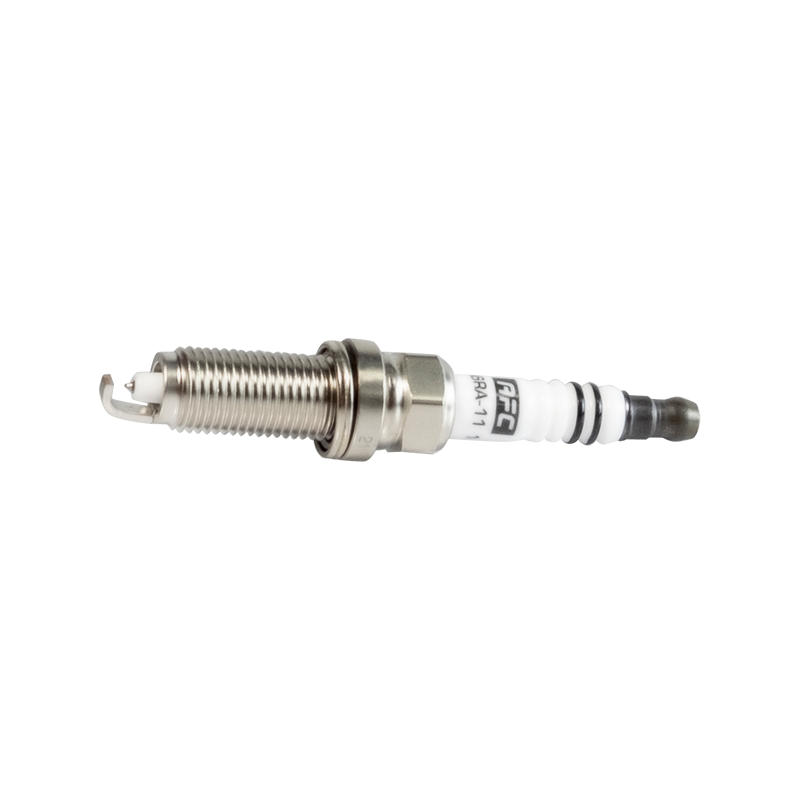 Double Iridium Spark Plug for Nissan VQ25DE and VQ35DEWith dual iridium electrodes, this plug delivers exceptional corrosion resistance and ignition stability, lasting 80,000-100,000 km. Its heat range 6 handles turbocharged engine conditions, making it ideal for high-performance Nissan engines.View Product →
Selecting the right plug is not just about size and thread pitch. Two parameters matter most.
The heat range is the plug's ability to dissipate combustion heat. A too-hot plug can cause pre-ignition, while a too-cold plug can foul with carbon. For most modern engines, use the OEM-recommended heat range and avoid experimenting with colder or hotter plugs.
Match the material to the replacement interval you are comfortable with. Nickel-copper plugs work well for older engines that are not worth investing in long-life plugs. Iridium and double-iridium plugs are best for modern engines with long maintenance intervals and direct injection systems.
If you are running a German-engineered vehicle, look for an iridium-platinum option that matches the OEM heat range. Learn more about nickel-copper alternatives here: Read why nickel-copper plugs remain a classic choice.
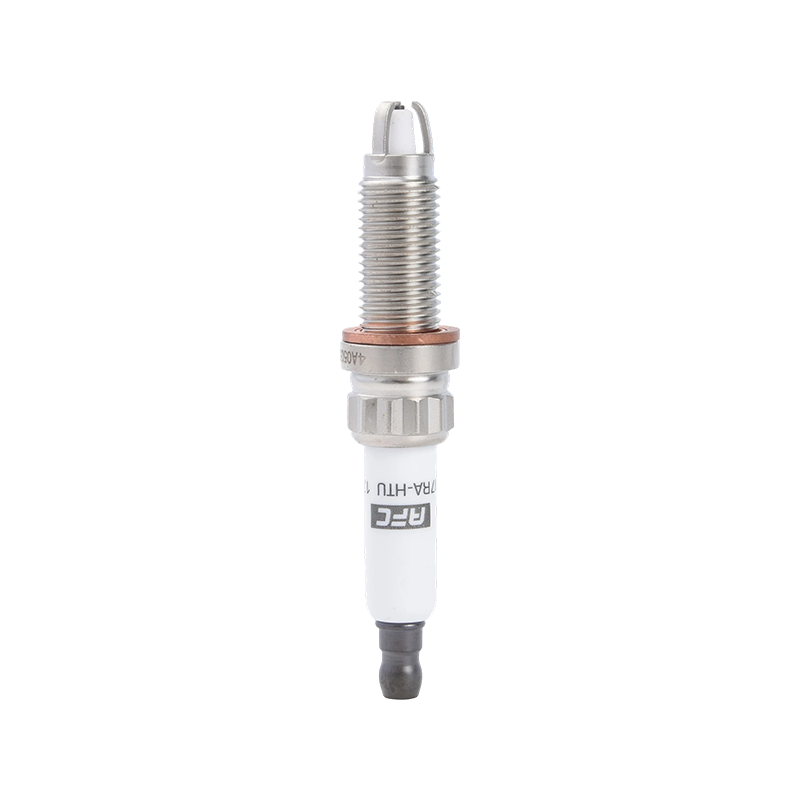
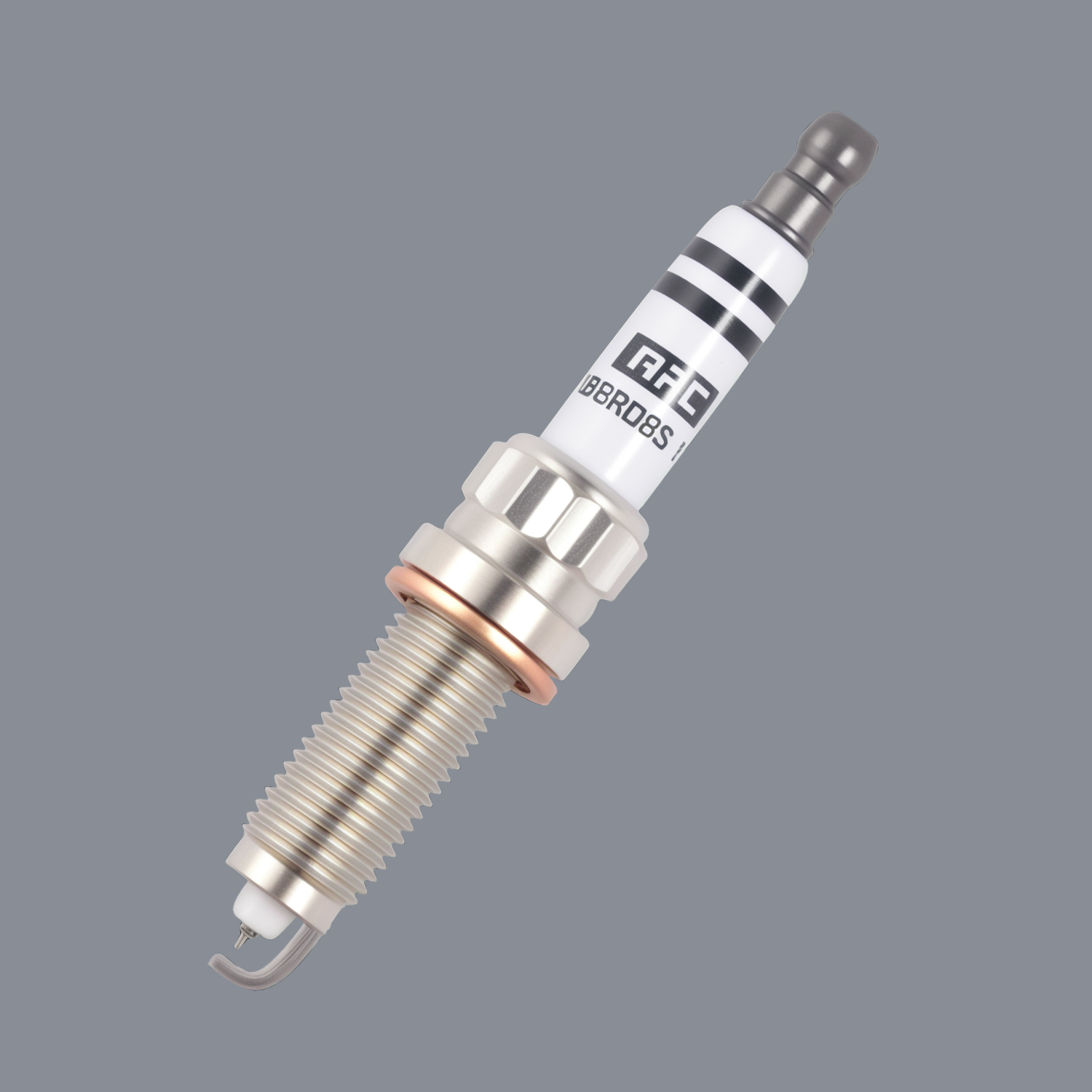 Iridium Platinum Spark Plug for German Engines OEM MatchThis iridium platinum plug is designed for German-engineered vehicles, matching OEM heat range specifications. It balances longevity and performance, offering a maintenance interval suitable for high-mileage driving.View Product →
The answer depends on the electrode material. Nickel-copper plugs need replacing every 20,000-30,000 miles, platinum plugs 50,000-100,000 miles, and iridium plugs 60,000-100,000 miles. Always read your owner's manual for the vehicle-specific interval.
Yes. In some specific applications, such as a naturally aspirated Japanese engine with factory double-iridium plugs, the interval can reach 120,000 miles. This is at the higher end of design tolerance and requires clean fuel and consistent maintenance.
The gap grows, the spark weakens, fuel economy drops, and eventually the engine misfires. Ignoring the interval also raises the risk of carbon buildup and damage to the catalytic converter.
For a four-cylinder engine, nickel-copper plugs cost about $8-$15 per plug, iridium plugs cost $20-$35 per plug, and labor typically adds $50-$100 depending on accessibility. A full set with iridium plugs usually runs $200-$350.
In modern engines operating within recommended conditions, yes. Iridium's high melting point and small-tip design resist electrode gap growth far better than nickel. Still, turbocharged engines with high heat loads may not reach 100,000 miles.
Many drivers can, provided they have the right socket and torque wrench. The most common mistakes are over-torquing, damaging the porcelain insulator, or installing the wrong heat range. If the engine has a coil-on-plug design, accessibility can be difficult.
For daily city driving, iridium or double-iridium plugs are the best investment. They reduce the hassle of repeated replacements and maintain fuel economy consistently over a longer service window.
Use the OEM part number from the owner's manual, the original plug label, or an online lookup by vehicle model and engine code. Cross-reference with the manufacturer's installation guide to confirm thread size, reach, and heat range.