

 Español
Home / News / Industry News / Spark Plug Types Guide: How to Choose Between Copper, Platinum, Iridium
Industry News
Content
Modern engines generally run on five spark plug families: nickel-copper, single platinum, double platinum, single iridium, and double iridium. If you need a direct conclusion, iridium and double iridium give the longest service life and the most stable ignition, while nickel-copper costs the least and remains an appropriate factory-style replacement for engines with short maintenance intervals. The fastest way to decide is to locate the original part number stamped on your current plug. That number encodes the thread size, reach, heat range, gap, and electrode design, so it removes most of the guesswork.
The table below summarizes the practical differences you will see across the five mainstream categories.
| Type | Electrode material | Typical replacement interval | Best suited to |
|---|---|---|---|
| Nickel-copper | Copper core, nickel-alloy electrode | 10,000–25,000 miles | Older engines, short service cycles |
| Single platinum | Platinum center electrode, nickel ground | 40,000–60,000 miles | Standard coil-on-plug engines |
| Double platinum | Platinum on both center and ground electrodes | 60,000–80,000 miles | Waste-spark ignition systems |
| Single iridium | Iridium center electrode, nickel ground | 60,000–100,000 miles | Modern turbo and high-compression engines |
| Double iridium | Iridium tip on both center and ground electrodes | 100,000+ miles | Long-interval modern engines |
These ranges are based on common OE replacement intervals and aftermarket service practices for typical passenger cars. The exact schedule for your engine may differ, so the owner’s manual remains the final reference.
Nickel-copper spark plugs are the oldest mainstream type still in production. The construction uses a copper core to move heat away from the firing tip quickly, surrounded by a nickel alloy that resists arc erosion. They are the least expensive plugs available, and they deliver dependable, predictable combustion in engines that do not demand extreme ignition performance.
The main drawback is electrode wear. A nickel electrode erodes faster than platinum or iridium under the same voltage and temperature, so replacement intervals are noticeably shorter. On most cars, a nickel-copper plug lasts about 10,000 to 25,000 miles. Frequent short trips can accelerate that further because the plug never reaches its self-cleaning temperature, and carbon deposits build up faster.
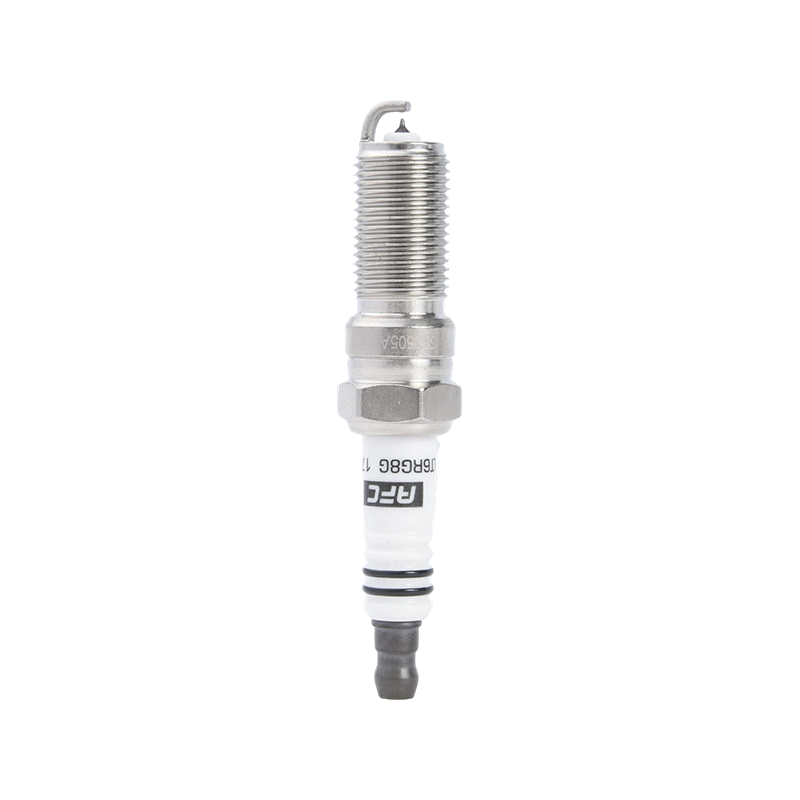
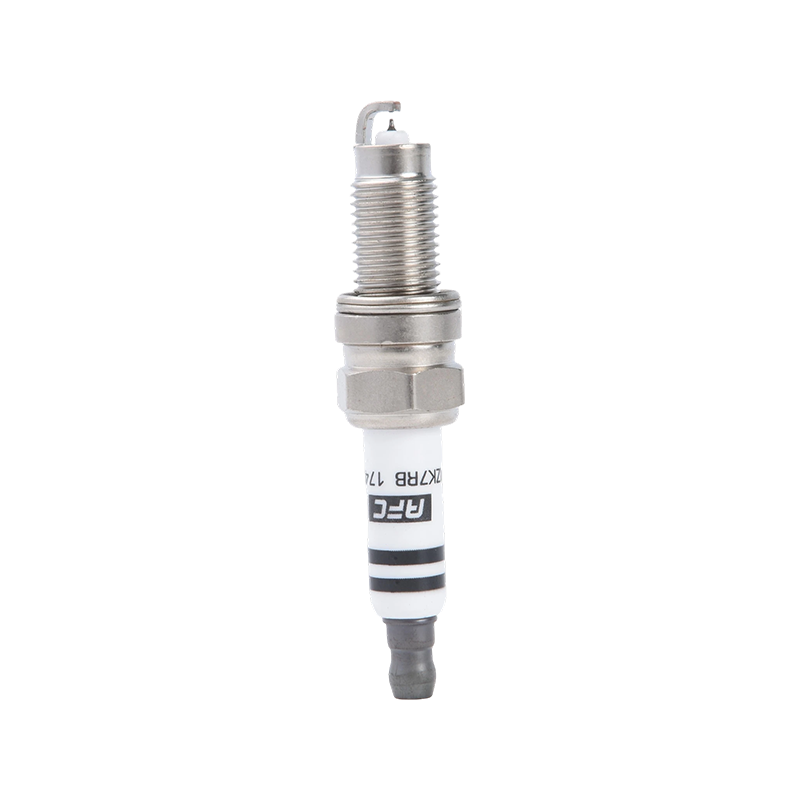
Where does nickel-copper still make sense? On older naturally aspirated engines, low-cost commuter vehicles, and engines with a short factory maintenance cycle. Many independent mechanics choose them simply because they are easy to replace and inexpensive to stock. One practical example from the AFC line is the nickel-copper spark plug for the VW T-Cross, which is designed around a common 1.0L TSI engine. The plug confirms that even a budget-friendly electrode family still requires careful attention to heat range and gap.
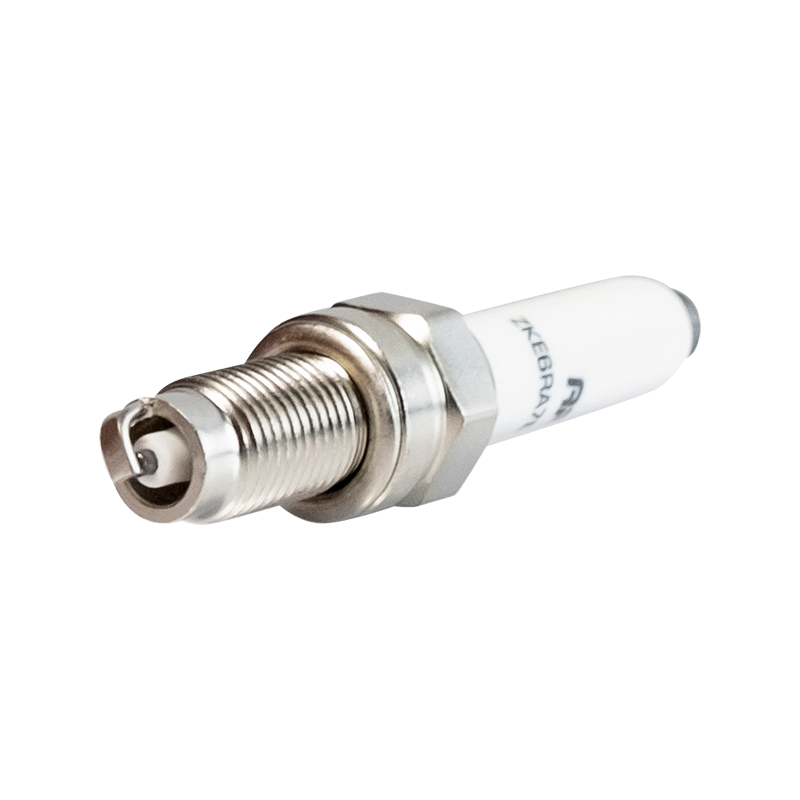 Wholesale 1520 ZKE6RA7E-G Nickel Copper Spark Plug 97973 ZKER6A-10DEG For VW T-CZHONGXUAN ELECTRONIC TECHNOLOGY CO., LTD is China 1520 ZKE6RA7E-G Nickel Copper Spark Plug 97973 ZKER6A-10DEG For VW T-CROSS Polo Plus ma...View Product →
Platinum has a significantly higher melting point than nickel, so a platinum-tipped electrode holds its shape much longer and resists gap growth. Single platinum plugs use a platinum center electrode and a standard nickel ground electrode. They suit many coil-on-plug systems where the spark always fires in the same direction.
Double platinum plugs are different. They have platinum on both the center and the ground electrode. That extra platinum is not a marketing gimmick; it is essential for waste-spark ignition systems. In a waste-spark system, one coil feeds two cylinders, and the spark travels in opposite directions through the paired plugs. The ground electrode on one of those plugs receives the same level of wear as the center electrode. If that plug has no precious-metal ground tip, the ground electrode erodes quickly and the gap widens, which leads to misfires.
If your vehicle uses a waste-spark coil setup, double platinum is usually the safest replacement choice. Single platinum is more common on simpler distributorless systems and on engines that were factory-tuned for a single firing direction. BMW, VW, Audi, and Mercedes models from the 2000s are frequent users of double platinum, but the exact OE number on your original plug should be confirmed before purchase.
Iridium is harder and more heat-resistant than platinum. It has a melting point above 2,400°C, and its hardness allows manufacturers to make the center electrode very thin, often 0.6 mm or less. A thinner electrode concentrates the electric field, which lowers the voltage needed to fire the plug and improves ignition reliability under cold starts, heavy throttle, or high turbo boost.
Double iridium plugs carry an iridium tip on the ground electrode as well. Because both electrodes resist wear, the gap stays within specification for a very long time. That is why they are now factory-fit on many modern turbocharged and direct-injection engines with service intervals of 100,000 miles or more. In real driving, the difference between single iridium and double iridium is less about the strength of the spark and more about how long the plug can hold its original gap.
Japanese vehicles illustrate this clearly. The Nissan VQ25DE engine, used across Nissan and Infiniti models, carries the OE number 22401JA01B, and a common long-life replacement is a double iridium spark plug for the Nissan VQ25DE. The part is built to match the original thread reach and heat range, not just the thread diameter, which is where many aftermarket purchases go wrong.
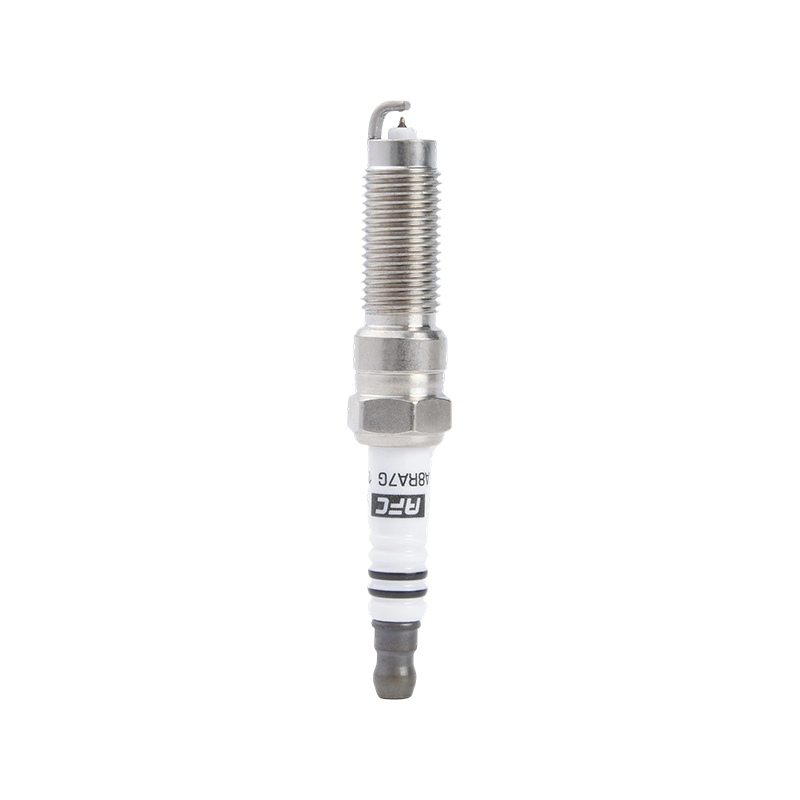
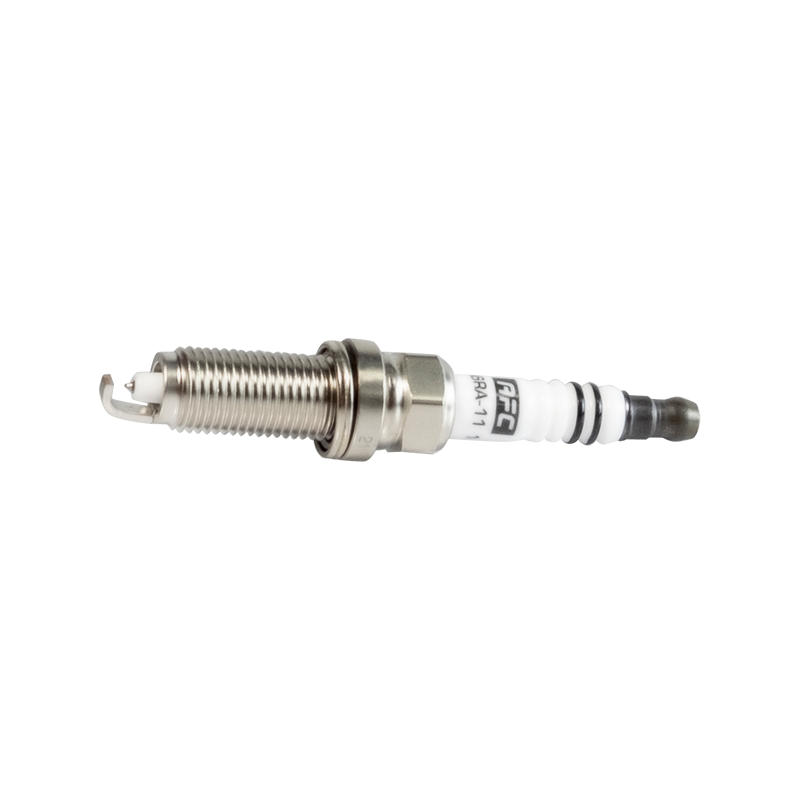 Wholesale 1618 DILKA6RA-11 Double Iridium Spark Plug 9029 For NISSAN VQ25DE 2240ZHONGXUAN ELECTRONIC TECHNOLOGY CO., LTD is China 1618 DILKA6RA-11 Double Iridium Spark Plug 9029 For NISSAN VQ25DE 22401JA01B manufactur...View Product →
The original part number on your old plug is the single most reliable reference. It defines thread size, reach, heat range, gap, and resistor type. Popular examples include 22401JA01B for Nissan, 12568387 for GM, 04C905616 for VW/Audi, and 1884911070 for Hyundai/Kia. These identifiers are not interchangeable between manufacturers, and they are not optional details.
Heat range is how quickly the plug transfers heat from the firing tip to the cylinder head. A plug that is too hot can cause pre-ignition; a plug that is too cold will foul quickly with carbon. If you are not familiar with heat range codes, our guide on how to read a spark plug chart explains the numbering system and how to compare brands.
A waste-spark system usually requires double platinum or double iridium so that both electrodes survive the reverse polarity firing. A direct coil-on-plug system can often run on single platinum or iridium. If you replace the plug type without considering the ignition system, you may experience shorter electrode life even if the engine runs normally at first.
Finally, buy from a source that organizes plugs by vehicle series and engine code. A comprehensive AFC product catalog groups products in a way that speeds up the match, while the AFC Spark Plug homepage offers a broader view of the available product line and market coverage.
If you do not have access to the original part number, the following scenarios are a useful shortcut. They are not a substitute for the OE specification, but they cover the most common buyer situations.
| Situation | Recommended type | Why |
|---|---|---|
| Older commuter car, standard ignition | Nickel-copper | Low cost, sufficient for low stress |
| Waste-spark ignition system | Double platinum | Protects the ground electrode from reverse firing |
| Modern turbo or direct-injection engine | Iridium or double iridium | Finer electrode, stable gap under high load |
| Long service interval required | Double iridium | Lowest electrode wear, longest durability |
The chart above is a starting point. Engine design, fuel quality, and driving habits all influence how long a plug actually lasts.
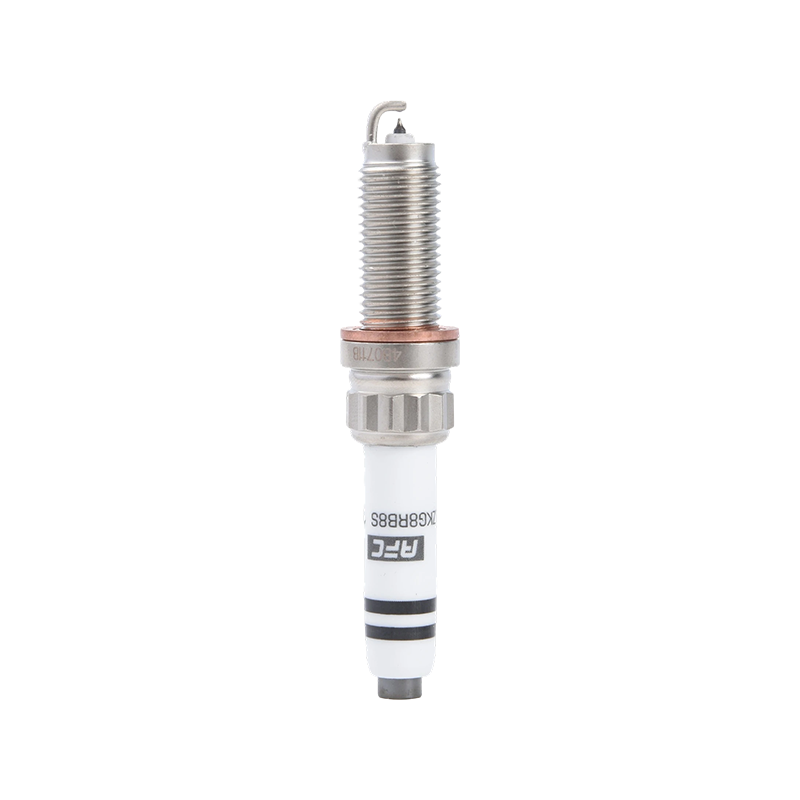
Spark plug matching becomes easier when you think in terms of regional vehicle platforms. North American models frequently use codes such as 12568387 for GM, L3Y218110 for Ford, and 55569865 for Chrysler. European models follow a different system: BMW engines like the N13 and N55 use 12120037582 and 12120039664, while VW EA111 engines use 04C905616 and Audi EA888 engines use 06H905601. A concrete aftermarket match for the BMW N13/N55 family is the iridium platinum spark plug for BMW N13 and N55 engines, which is calibrated for the exact thread reach and heat range of those heads.
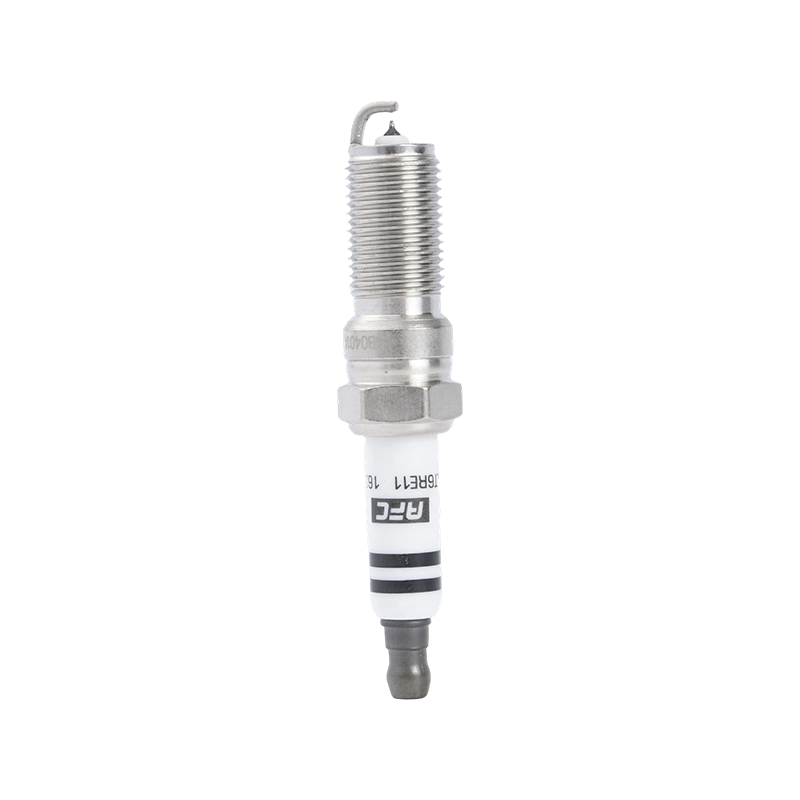
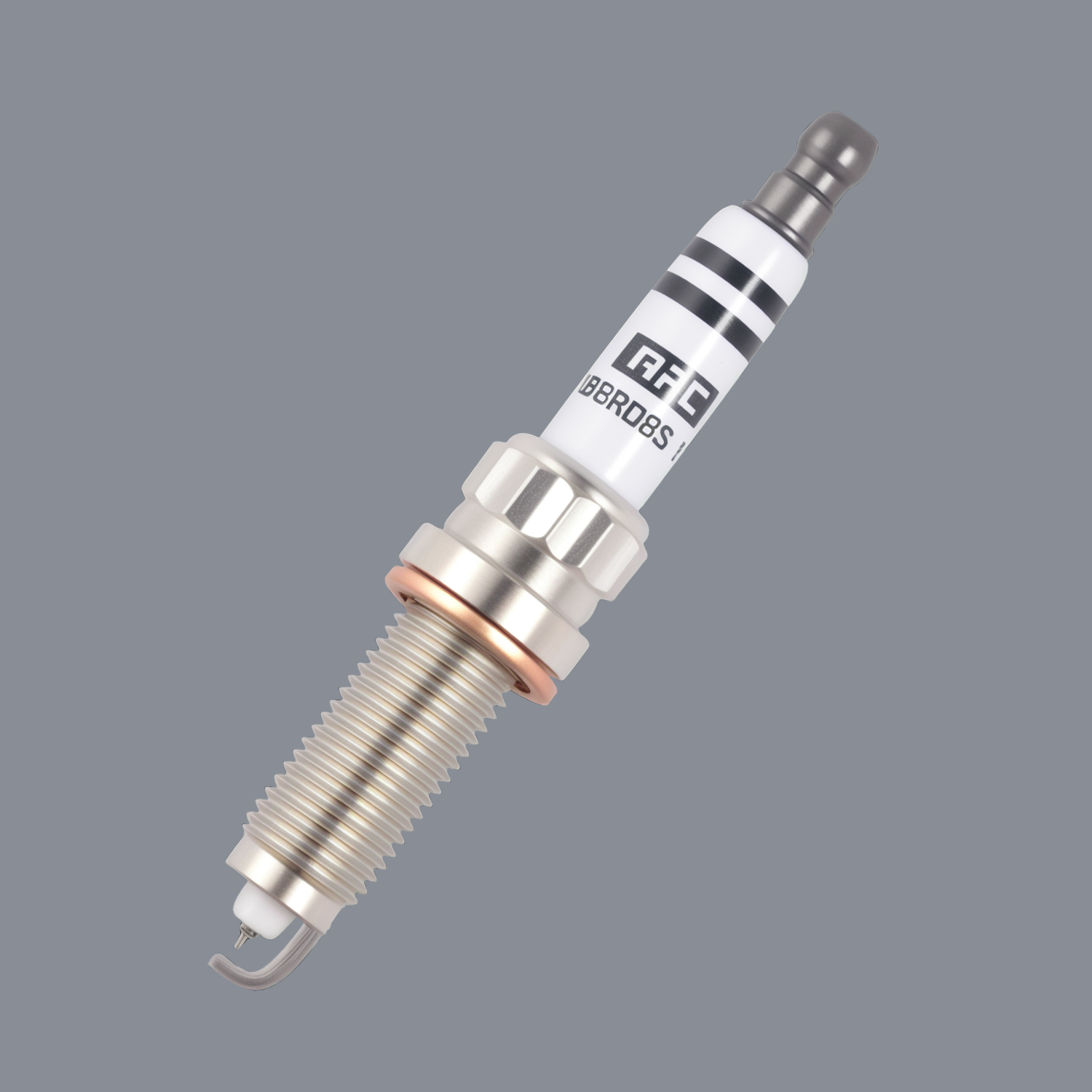 Wholesale 1740 ILZKB8RD8S Iridium Platinum Spark Plug For 12120037582 121200396ZHONGXUAN ELECTRONIC TECHNOLOGY CO., LTD is China 1740 ILZKB8RD8S Iridium Platinum Spark Plug For 12120037582 12120039664 manufacturers ...View Product →
Japanese applications are matched by codes like 22401JA01B for Nissan, 9091901276 for Toyota/Lexus, and 122905A2A01 for several Mazda and Ford Japanese-market engines. Korean platforms often use 1884911070 or 1884908086 depending on the engine generation. Chinese domestic brands, including Haval, ChangAn, and Geely, also use identifiable OE numbers such as 3707010B01 and 2036007600.
No matter which platform you work with, the same rule applies: confirm the old plug number, check the heat range, and then select the electrode family that matches the maintenance interval and ignition system. This approach prevents the most common buying error, which is choosing a plug by thread size alone.
Double iridium is technically the most robust because it holds its gap longest and provides the most stable ignition. However, the correct answer still depends on the OE reference. If the engine came with nickel-copper plugs, switching to iridium is allowed as long as the heat range, gap, and thread length are exactly the same, but the additional cost may not offer meaningful benefits on a low-stress engine.
Yes, but the effect is usually small. A worn plug requires higher voltage to fire, which can reduce combustion efficiency and increase fuel consumption. Replacing a badly worn copper plug with a fresh iridium plug can restore normal combustion, but upgrading from a new copper plug to iridium will not meaningfully improve fuel economy.
In most cases, yes, provided the heat range and gap are identical. The engine will run even if the heat range is wrong, but it may foul or overheat. Always compare the reach, which is the length of the threaded portion, and the heat range code before changing electrode family.
Nickel-copper plugs commonly fall in the 10,000 to 25,000 mile range, single platinum around 40,000 to 60,000 miles, double platinum around 60,000 to 80,000 miles, iridium around 60,000 to 100,000 miles, and double iridium above 100,000 miles. The vehicle manufacturer’s published interval should always be followed because turbocharged and high-compression engines put more stress on the spark plug.
Modern iridium plugs are usually pre-gapped from the factory, but the gap should still be verified before installation because shipping can shift the ground electrode. Use a round wire gauge, not a flat feeler gauge, to check the gap, and never use a tool to pry on the center electrode. The fine iridium tip is more fragile than a conventional nickel electrode.