

 Español
Home / News / Industry News / Torque Wrench for Spark Plugs: Specs, Torque Settings, and Buying Guide
Industry News
Content
If you are about to install a new set of spark plugs, the single most useful tool you can add to the job is a properly rated torque wrench. The short answer, before we go any deeper: yes, you need one, and the tightening target for most modern engines falls between 13 ft-lb and 22 ft-lb (18 to 30 Nm). Spark plugs thread into aluminum cylinder heads that strip easily, and the difference between a reliable seal and an expensive repair is often no more than a few foot-pounds. This guide covers torque wrench types, real torque specifications for popular engines, buying criteria, and installation steps that prevent misfires, thread damage, and premature plug failure.
There is no single torque number that fits every engine, but the range is much narrower than most people expect. The exact specification depends on three things: the plug's thread diameter, the seat design, and the cylinder head material. The table below summarizes typical workshop-recommended values.
| Thread Size | Seat Type | Typical Torque | Common Applications |
|---|---|---|---|
| 14 mm | Gasket seat | 18 to 25 ft-lb (24 to 34 Nm) | Most Asian and American engines |
| 14 mm | Taper seat | 12 to 18 ft-lb (16 to 24 Nm) | Ford EcoBoost, GM Ecotec, some European engines |
| 12 mm | Gasket seat | 10 to 15 ft-lb (14 to 20 Nm) | Late-model direct-injection engines |
| 10 mm | Gasket seat | 8 to 12 ft-lb (11 to 16 Nm) | Small-displacement Japanese engines, motorcycles |
When the vehicle's service manual is not available, check the packaging or technical data sheet supplied with the spark plugs. A package printed value such as 20 Nm is a safe starting point for a 14 mm gasket-seat plug in an aluminum head. Always prefer the carmaker's published value because some heads use hardened or shallow thread inserts that alter the safe range.
A spark plug does three jobs at once: it delivers the ignition spark, it seals the combustion chamber, and it transfers combustion heat out through the cylinder head. All three depend on proper seating pressure. The recommended torque value is engineered to compress the gasket or taper seat just enough to create a gas-tight seal without exceeding the yield limit of the aluminum threads. Going outside that window produces predictable failures.
Over-tightening symptoms: The gasket can crush beyond its elastic limit, making the plug sit too deep in the chamber. The ceramic insulator can crack, which causes an instant misfire as the spark leaks through the crack to the shell. In aluminum heads, applying roughly 30 ft-lb or more on a 14 mm plug is enough to start stripping threads in many designs, turning a 15-minute plug change into a helicoil repair job that costs far more than the plugs themselves.
Under-tightening symptoms: A loose plug cannot transfer heat effectively, so the firing tip runs hotter than intended. That raises the risk of preignition, electrodes that melt, and carbon fouling from incomplete combustion. Combustion gases also leak past a loose seat, which produces a ticking noise under load and contaminates the plug's threads with combustion residue that makes the next removal much harder. On some engines, vibration can back a plug out far enough to push the coil pack off its seat.
The practical consequence is simple: a torque wrench removes guesswork, and guesswork on aluminum heads is a gamble you cannot win reliably. Experienced mechanics occasionally install plugs "by feel," but feel varies with wet or dry threads, extension length, and the position of the plug socket in a cramped engine bay.
Not every torque wrench is suitable for spark plugs. The three main designs behave differently at low torque values, and that difference matters when your target is between 13 and 22 ft-lb. Here is how they compare.
| Type | Typical Accuracy | Price Range | Best For | Main Weakness |
|---|---|---|---|---|
| Beam | Roughly +/- 5% | Lowest, very affordable | Occasional DIY use, budget buyers | Reading the needle precisely in dim engine bays; needs a steady eye |
| Click | +/- 3 to 4% | Moderate | Most popular; audible signal works in tight areas | Must be reset to zero after storage; accuracy fades near the low end of its scale |
| Digital electronic | +/- 2% or better | Highest | Professional shops, precise in-lb readings | Batteries, electronics, and higher replacement cost |
The 20% rule: A click-type wrench is only dependable from roughly 20% of its full scale upward. A 5 to 80 ft-lb wrench should not be trusted at 13 ft-lb because 13 ft-lb sits below the reliable window. This is exactly why many DIYers complain their wrench "clicked too soon" or "clicks late." For spark plugs, choose a wrench whose target torque falls in the middle of its listed range, or switch to a 1/4-inch drive model rated in inch-pounds, such as 40 to 200 in-lb, where 13 ft-lb equals 156 in-lb and stays comfortably in range.
Instead of choosing the cheapest or the most powerful wrench, focus on these six selection criteria. They determine whether the tool can actually deliver an accurate low-torque reading on a small plug.
The following torque values come from service literature commonly used by professional workshops for each engine family. They are representative values; always confirm against the exact vehicle model and year. A matching OEM plug reference is included because torque alone will not save you if the plug has the wrong reach, heat range, or electrode gap.
| Engine Family | Typical Torque | Common OEM Plug Reference |
|---|---|---|
| Toyota / Lexus 2.0T (8AR-FTS) | 15 to 18 ft-lb (20 to 25 Nm) | 90919-01276 |
| Nissan VQ25DE and VQ35DE | 15 to 18 ft-lb (20 to 25 Nm) | 22401-JA01B, 22401-JA00B |
| Honda 1.5T / 2.0T (L15B, K20C) | 14 to 17 ft-lb (19 to 23 Nm) | 12290-5R000, 12290-5R003 |
| Ford 1.0T EcoBoost | 12 to 15 ft-lb (16 to 20 Nm) taper seat | L3Y2-18-110, CM5G-12405-AA |
| GM 2.4L Ecotec and 1.5L family | 15 to 18 ft-lb (20 to 25 Nm) | 12637197, 12625058 |
| BMW N13, N20, N55 | 17 ft-lb (23 Nm) | 12120037582, 12120039664 |
| VW / Audi EA888 and EA211 | 16 to 22 ft-lb (22 to 30 Nm) | 06K905601, 04C905616 |
| Hyundai / Kia Theta and Gamma | 15 to 20 ft-lb (20 to 27 Nm) | 18851-11070, 18849-08080 |
Notice how consistent the values are across brands: almost everything sits between 12 and 22 ft-lb. That consistency is why a high-quality 1/4-inch or compact 3/8-inch torque wrench is a universal tool for plug work. The OEM reference column is also your best friend when ordering replacement plugs, because iridium and platinum upgrades are usually marketed under the same OE numbers.
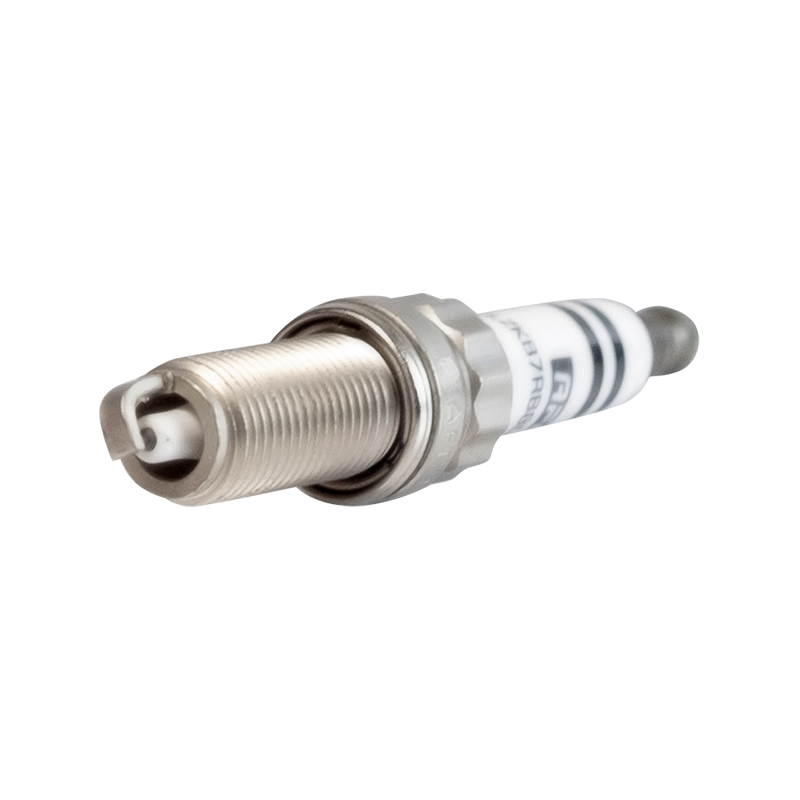 Iridium Platinum Spark Plug 1741 for BMW N13 N55 Mini Cooper, OEM 95770This iridium-platinum plug for BMW and Mini turbo engines features dual precious metal electrodes and a cold heat range, supporting reliable ignition under high load. Verify OEM 95770 to match your engine’s torque and sealing requirements.View Product →
Accurate torque is the result of correct procedure, not just correct tooling. These seven steps cover the installation method used by professional technicians.
This is one of the most debated points in plug installation. The short guidance for modern vehicles: if the plug has a factory-applied plating or anti-seize coating on the threads, do not add extra compound. Adding copper anti-seize changes the friction between the threads, and because torque is really a measure of friction plus clamping force, the same wrench setting can produce 20% to 30% more clamping load on a lubricated thread. That can push an already borderline 18 ft-lb setting into thread-damage territory. For older engines or specific makes where anti-seize is specified in the service manual, the accepted method is to reduce the torque value by roughly 20% when the compound is used. Read more in our detailed explanation of when to apply anti-seize on spark plugs.
If you decide to use anti-seize, apply a tiny amount to the threads but keep it away from the firing end and the terminal. The compound should cover the threads thinly, not fill the gap between the threads and the seat. Even then, the safest route is to run the plug without any extra compound and rely on the factory coating that comes on quality iridium, platinum, and double-iridium plugs.
A torque wrench cannot fix a plug that has the wrong reach, wrong heat range, or wrong gap. The reach is the distance from the shell's seating surface to the end of the threads; installing a plug that is even 1 mm too long can put the electrode into the path of the piston or valve. The heat range controls how quickly the tip sheds heat; installing a colder plug than specified causes carbon fouling, while a hotter plug can trigger preignition. This is why professional purchasing systems reference both the engine and the OEM number rather than just the plug's physical size.
For example, the Toyota 8AR-FTS engine used in many Lexus and Toyota turbo models specifies both a narrow torque window and a particular electrode design with OEM reference 90919-01276. Substituting a similar-looking plug without checking that reference is the most common reason a brand-new set misfires on the first cold start. Our catalog covers these cross-references in detail, including spark plugs sorted by car series and OEM number, so you can verify the match before the plug ever touches the head.
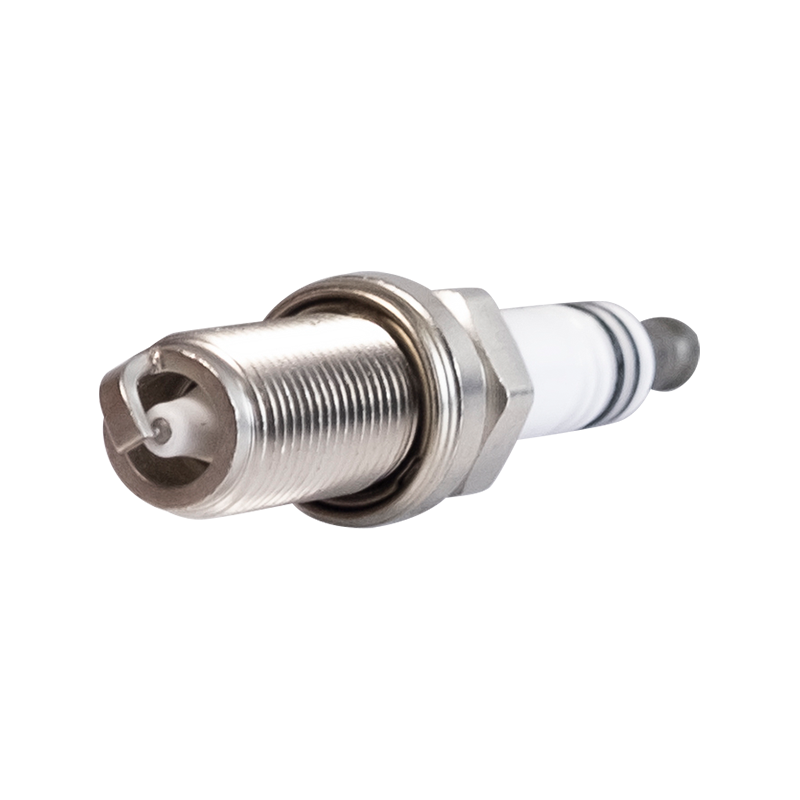 Double Iridium Spark Plug 1773 for Toyota 8AR-FTS Lexus, OEM 90919-01276Designed for the Toyota/Lexus 8AR-FTS engine, this dual-iridium plug offers strong corrosion resistance, long service life, and stable ignition. Confirm the OEM reference 90919-01276 to avoid misfires on cold starts.View Product →
The same logic applies to Ford's small-displacement EcoBoost family, whose taper-seat plugs are easy to confuse with gasket-seat plugs from other engines. When the seat design is wrong, the plug does not seal right even at the perfect torque value, because the taper angle or seat position does not match the head. Always match the engine family, the seat style, and the OEM number, and only then set the torque wrench to the spec table above.
 Iridium Platinum Spark Plug 1635 for Ford 1.0T 1.5T EcoBoost, OEM 91924This taper-seat iridium-platinum plug suits Ford’s small-displacement EcoBoost engines. Its durable electrodes and cold heat range handle turbo conditions, while matching OEM 91924 and correct seat style prevents sealing issues.View Product →
Yes, for any modern aluminum-head engine. The safe torque window is narrow, and the cost of a stripped spark plug thread start around $150 for a simple thread repair kit job and climbs quickly if the head has to be removed. A basic beam wrench or an entry-level click wrench costs far less than one thread repair.
A 1/4-inch drive wrench rated around 40 to 200 in-lb is best for most engines because its scale is designed for low-torque fasteners. A compact 3/8-inch drive model in the 2 to 20 ft-lb range is a good alternative, especially for technicians who want one wrench that also covers other suspension and engine work.
For the vast majority of passenger cars, the standard falls between 13 and 22 ft-lb. A 14 mm gasket-seat plug typically uses 18 to 25 ft-lb, while a 14 mm taper-seat plug uses 12 to 18 ft-lb. Check your owner's manual or the plug supplier's data sheet rather than relying on memory.
No. Torque wrenches are designed to measure tightening force, not break loose rusted or carbon-seized plugs. Use a standard ratchet or breaker bar to loosen the plug, then switch to the torque wrench only for installation. Applying high removal force through a torque wrench can damage its internal mechanism.
Yes. Lubricated threads reduce friction, so the same torque reading produces more clamping force. The common workshop practice is to reduce the specified torque by about 20% when applying anti-seize. Many modern plugs arrive with a thread coating that makes additional anti-seize unnecessary.
The most common outcomes are crushed gaskets, cracked ceramic insulators, and stripped threads in the cylinder head. The insulator crack often produces an immediate misfire that is hard to track down because the plug looks fine from the outside. Stripped threads force you to install a thread insert or replace the head.
Yes, and for spark plugs it is often easier. Multiply the foot-pound value by 12 to get inch-pounds. For example, 15 ft-lb equals 180 in-lb. Wrenches that read in inch-pounds generally have finer graduations in the low range, which reduces the risk of setting the value a few degrees off.
Most manufacturers recommend calibration every 12 months or after roughly 5,000 cycles, whichever comes first. Dropping the wrench, or using it to break fasteners loose, can shift its accuracy immediately. If you suspect a damaged wrench, test it against a known torque value before using it on engine internals.
Torque wrenches are inexpensive relative to the damage they prevent. A dependable 1/4-inch click or beam wrench, used with clean threads, the correct socket, and a verified torque spec from the manufacturer, will protect your cylinder head threads and let the plug do its job of sealing and cooling properly. Pair that tool with a spark plug that matches the OEM reference for your engine family, and the combination is reliable enough for every plug change from a 1.0-liter three-cylinder to a 3.5-liter V6.
Remember the core numbers: 13 to 22 ft-lb for most engines, 20% torque reduction if anti-seize is used, one clean click per plug, and a check against the OEM part number before installation. That is the entire recipe for a trouble-free spark plug service.