

 Español
Home / News / Industry News / Spark Plug Parts Explained: Anatomy, Materials, and How to Choose the Right One
Industry News
Content
A spark plug is not a single throwaway component; it is a precision assembly of eight spark plug parts that have to cooperate under severe operating conditions. The terminal, resistor, ceramic insulator, ribs, center electrode, ground electrode, metal shell, and gasket must handle 20,000 to 50,000 volts, withstand combustion gas temperatures that briefly exceed 2,000 °C, and contain peak cylinder pressures well above 50 bar. Pick the wrong part and misfires, early fouling, or premature ignition coil failure are the usual results. The direct answer is simple: know the anatomy, decode the numbers, and match the electrode material to your engine and maintenance plan. The sections below explain exactly how to do that.
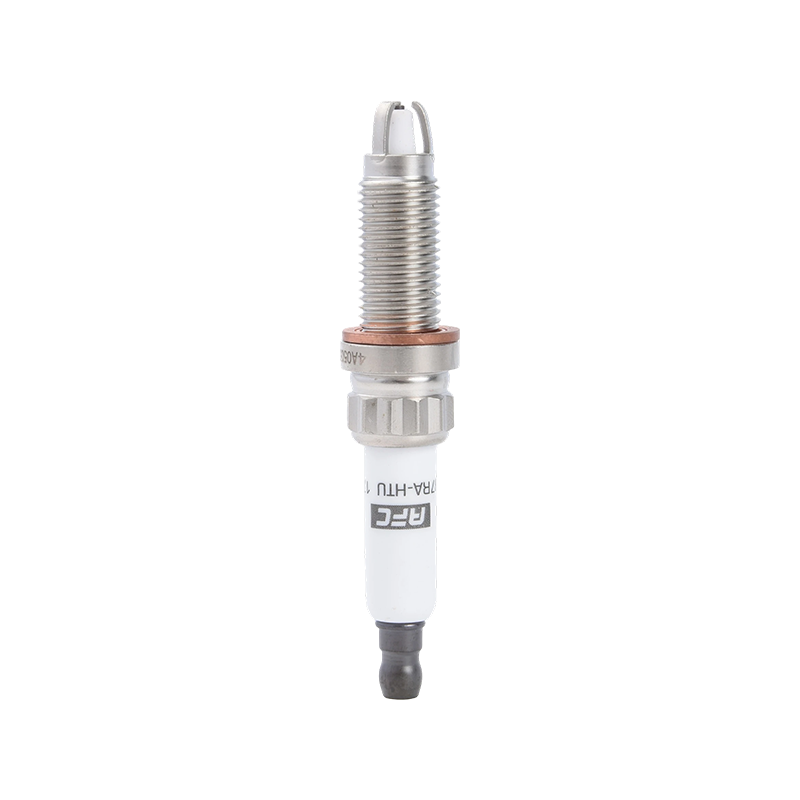
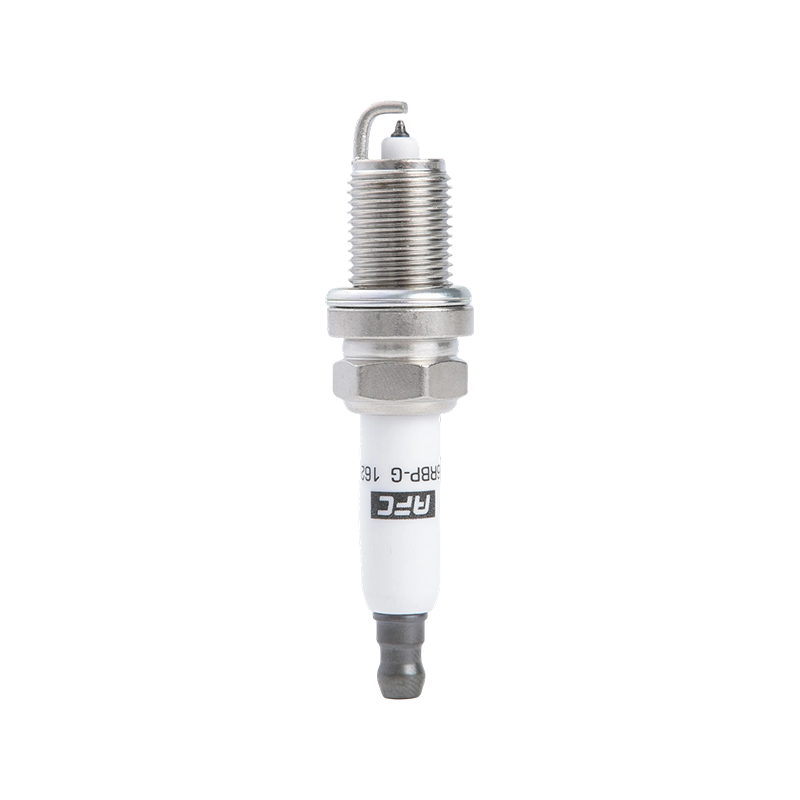
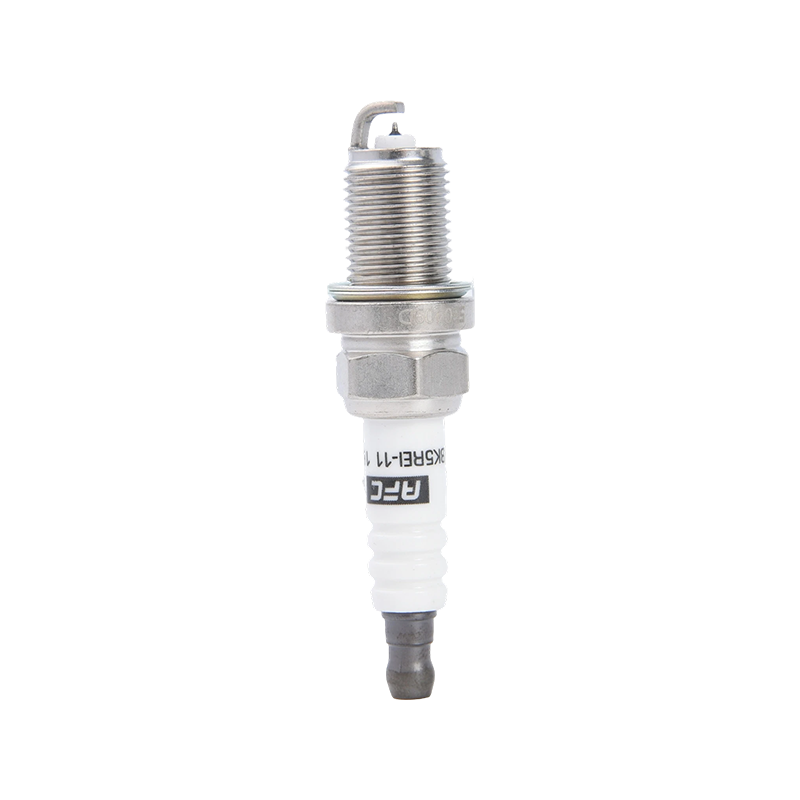
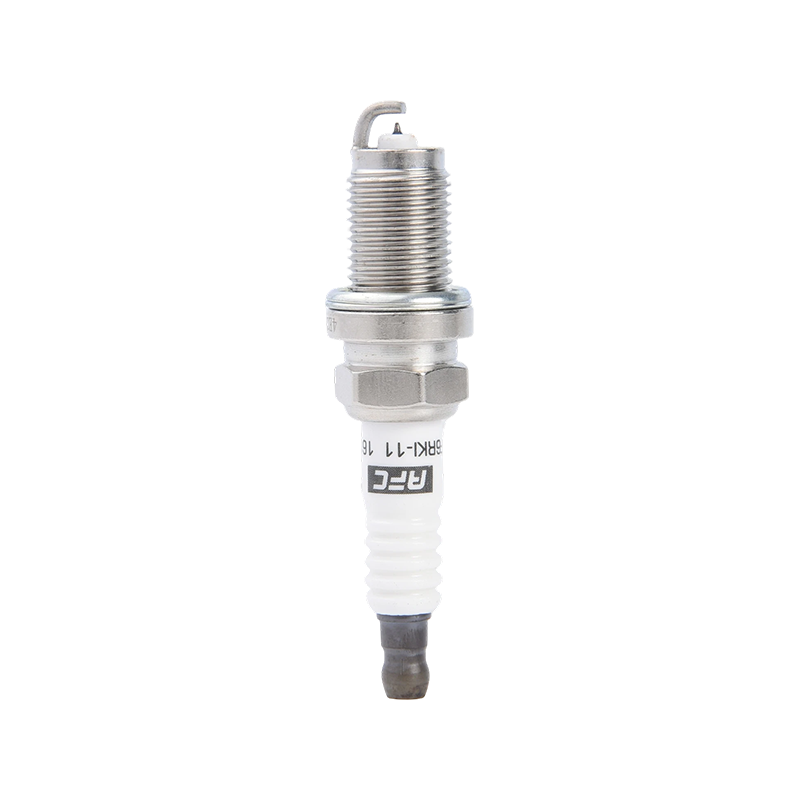
Every spark plug in a modern four-stroke engine shares the same standard architecture, whether it is a budget nickel plug or a fine-wire double iridium racing unit. The layout is identical because the firing environment is identical. Industry guides often describe the assembly as three main sub-assemblies: housing, insulator, and electrodes (source: Denso spark plug construction library). For daily maintenance work, however, it is far more useful to look at eight individual parts. The table below lists these spark plug parts in the order voltage reaches them, plus the failure mode that tells you when the part is finished.
| Spark plug part | Main job | What usually goes wrong |
|---|---|---|
| Terminal / terminal nut | Connects the ignition coil or plug wire to the resistor | Corrosion, loose fit, burnt contact |
| Resistor | Suppresses radio-frequency interference; typically 5,000 ohms | Open circuit, intermittent misfire |
| Ceramic insulator | Routes high voltage to the center electrode; made of aluminum oxide | Cracks, carbon tracking, flashover |
| Ribs | Lengthen the surface path to stop voltage leakage | Chipped ribs, carbon bridging |
| Center electrode | Emits the spark; copper core pulls heat away from the tip | Gap erosion, tip rounding, melting |
| Ground electrode | Completes the circuit and positions the spark in the chamber | Burn-back, gap widening, cracking |
| Metal shell | Screws into the cylinder head, seals pressure, transfers heat | Stripped threads, seizure in the head |
| Gasket / taper seat | Seals the chamber against blow-by | Deformed gasket, compression leaks |
The ceramic insulator deserves special attention because it does two contradictory jobs at once. It must be an excellent electrical insulator, yet it also has to conduct heat from the firing tip toward the shell. Insulators are pressed from aluminum oxide ceramic and are engineered so that the tip stays inside a self-cleaning window of roughly 450 to 850 °C. Below that window, carbon and fuel residue accumulate into fouling deposits; above it, the ceramic tip can reach a temperature where it ignites the charge before the spark does, a condition known as pre-ignition.
The resistor is just as important for modern electronics. Most resistor spark plugs house a glass-sealed element with about 5,000 ohms of resistance. Without it, the voltage spike at every firing creates radio-frequency noise that interferes with infotainment systems, keyless entry, and even diagnostic signals. When the resistor fails, the symptom is usually an intermittent misfire and a visible static burst on the radio at the same moment.
The firing sequence is the same from a 1.0-liter city car to a 4.0-liter V8. The ignition coil charges, the voltage climbs until it ionizes the air-fuel mixture, a spark bridges the gap, and the flame kernel expands. The whole electrical discharge lasts only about 1 to 2 milliseconds, but that short event controls combustion quality for the entire cycle.
A wider gap demands more voltage because the air-fuel mixture has to be broken down over a longer distance. A typical engine needs 8,000 to 12,000 volts at idle, but under full throttle the same plug can be asked for 25,000 to 40,000 volts because the denser mixture inside a pressurized cylinder resists the arc. At 3,000 rpm, a four-cylinder engine fires each plug 25 times per second. If electrode erosion opens the gap from 0.8 mm to 1.3 mm, the coil has to work measurably harder on every one of those firings, and that is one of the most common hidden causes of repeated coil failures.
The spark plug part called the metal shell is the main heat channel. The majority of the heat generated at the tip travels from the center electrode into the ceramic insulator, then into the shell, and finally through the threads into the cylinder head. That is why thread reach and tightening torque matter so much. A plug seated too shallowly, or a gasket that leaks, changes the thermal path and pushes the tip temperature outside the safe window described in the previous section.
Here is the direct answer: a spark plug has two different numbers on its box, and mixing them up is the most common mistake in the aftermarket. The OE reference number is issued by the car manufacturer and is the safest search term. The aftermarket part number is the maker's internal code, usually built from letters and numbers that describe thread diameter, reach, heat range, and electrode style.
When a catalog says a spark plug fits a Toyota RAV4, the OE number you must verify is 90919-01240. For a Honda with code 122905R0003 or a Nissan VQ25DE with OE 22401-JA01B, that carmaker number is the reference everything else is judged against. The aftermarket code is unique to each producer, so you cannot reliably decode it from memory across different brands. As NGK's decoding guide explains, the first letter of a typical code identifies the thread diameter, the following number is the heat range, and the last letters indicate reach and electrode construction, but the exact meaning of each figure is maker-specific.
| Vehicle / engine | OE reference number | Replacement example |
|---|---|---|
| Toyota RAV4 (2.0 L / 2.5 L) | 90919-01240 | 4996, iridium platinum |
| Honda (1.5 L / 2.0 L) | 122905R0003 | 90137, double iridium |
| Nissan VQ25DE | 22401-JA01B | 9029, double iridium |
| VW / Audi EA211 (1.4 T) | 04C905616 | 96596, iridium |
So the practical move is to use the OE number plus the engine code, not the picture or the brand name. A Nissan VQ25DE with OE 22401-JA01B, for example, matches a double iridium 9029, which is manufactured to that specific OE cross-reference.
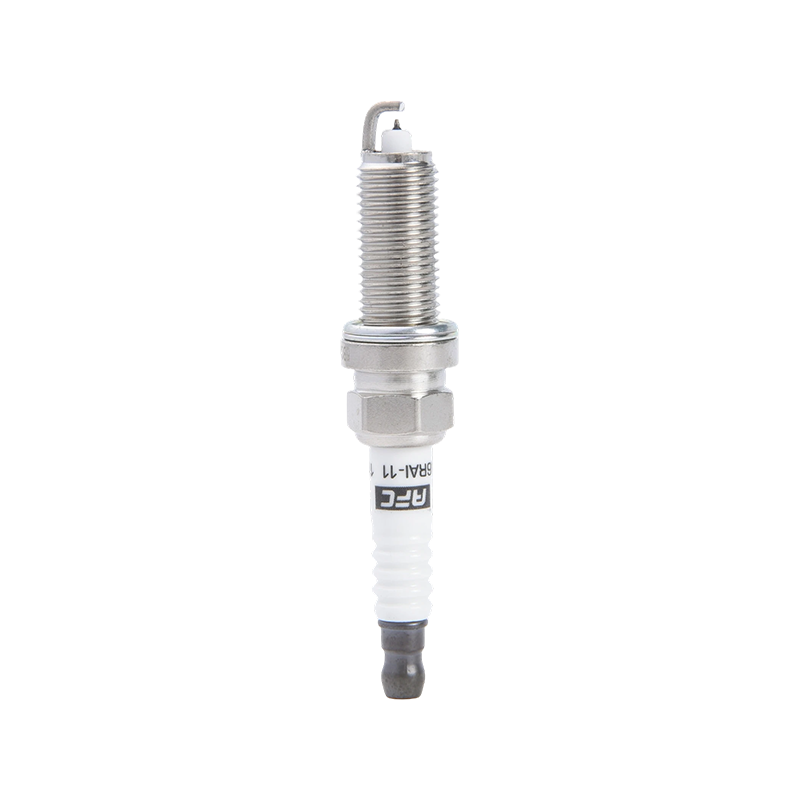
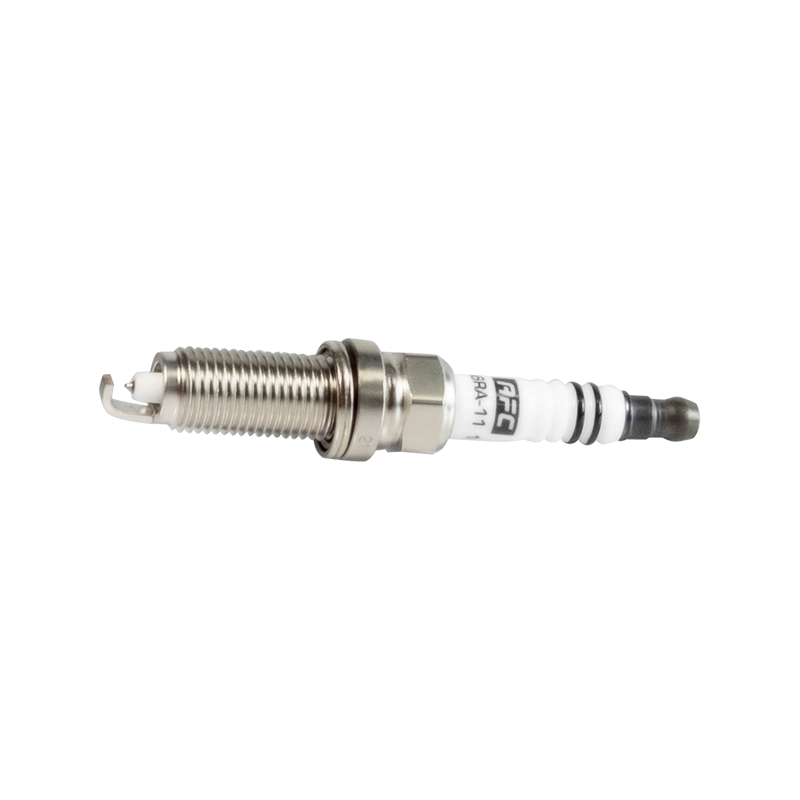 DILKA6RA-11 Double Iridium Spark Plug for Nissan VQ25DE OE 22401JA01BThis dual iridium plug is a direct OE cross-reference for Nissan VQ25DE and VQ35DE engines. It offers long service life and stable ignition, making it a reliable choice when matching the OE number.View Product →
A code such as BR7ES follows a typical structure: the first letter marks the thread size, the R indicates a resistor type, the number is the heat range, and the final letters identify reach and electrode construction. Do not memorize a single global chart, because the same letter can mean a different dimension in another maker's system. Confirm every code in the manufacturer's own catalog before installation.
The short version is that electrode material decides service life more than any other single specification. Nickel-copper plugs erode because nickel melts near 1,455 °C and the spark scours the surface with every firing. Iridium melts near 2,450 °C, which is why a fine iridium tip can last two to three times longer in real-world driving. Material science, not luck, sets these limits. Here is how the common material families compare:
| Material | Typical interval | Best suited for | Trade-off |
|---|---|---|---|
| Nickel-copper | 30,000-40,000 km | Budget maintenance, low-stress engines | Fastest electrode wear |
| Platinum (single) | 60,000-80,000 km | Standard replacement at moderate cost | Needs gap checks more often |
| Double platinum | 80,000-100,000 km | Waste-spark and coil-on-plug systems | Higher price than single platinum |
| Iridium | 80,000-100,000 km | Late-model cars, daily driving | Costs more than nickel or platinum |
| Iridium platinum | 100,000 km class | Turbocharged engines | Premium price |
| Double iridium | 100,000 km+ | Extended-service fitments | Highest material cost |
Fine iridium tips are not only longer-lived; the geometry itself improves ignition. A 0.4 mm iridium tip concentrates the electric field far more than an old flat 2.5 mm nickel tip. The concentrated field lowers the breakdown voltage needed to fire, so the coil works less, the flame kernel is more repeatable, and high-load misfires become rarer. That is why nearly every modern turbocharged platform specifies platinum-class or iridium-class plugs from the factory. A BMW N13 or N55 engine is a typical example: the high cylinder pressure and heat demand an iridium-platinum plug, and the 95770 is manufactured for those exact engines.
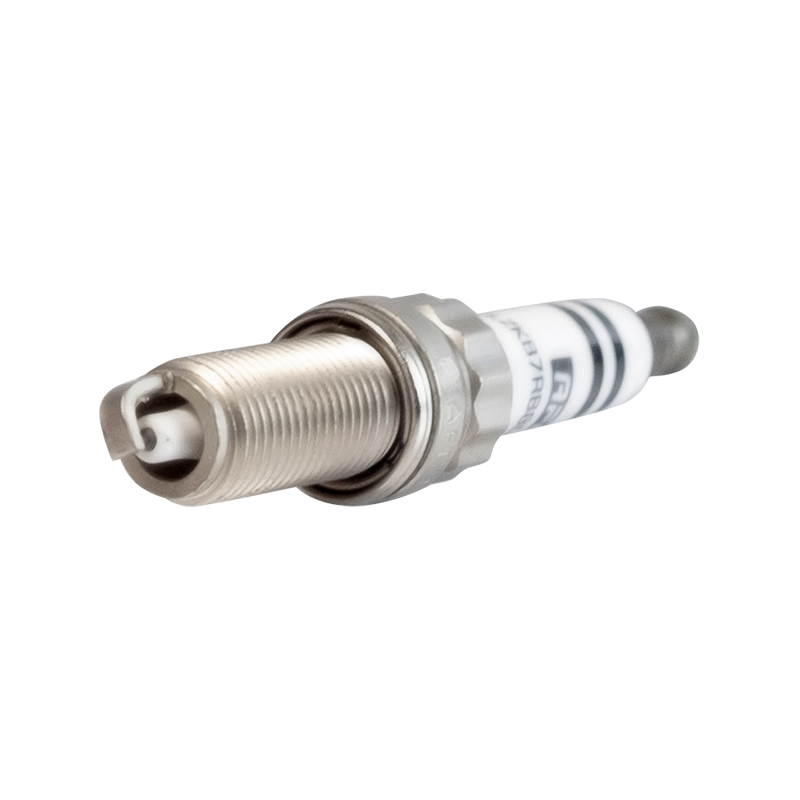 ILZKB7RB8DG Iridium Platinum Spark Plug for BMW N13 N55 and MiniEngineered for BMW turbocharged platforms requiring iridium-platinum construction, this plug supports consistent flame kernel development under high cylinder pressure and heat, reducing misfire risk.View Product →
Heat range is the most misunderstood label in spark plugs. It does not describe the energy of the spark; it describes how quickly the insulator tip transfers heat to the cylinder head. A plug with a shorter insulator tip is called colder because it sheds heat faster. A plug with a longer tip is hotter and holds more heat during gentle driving.
Follow the carmaker's heat range. In some tuned cars, one step colder is acceptable, but on a daily driver a colder plug than specified usually fouls quickly because the tip never reaches its self-cleaning temperature. A hotter plug than specified is worse: the tip can drift into pre-ignition, and pre-ignition can bend connecting rods and melt pistons. If you have changed compression or boost, select a heat range that a tuner confirms for that exact combination.
The gap is equally strict. Modern naturally aspirated cars typically run 0.8 to 1.1 mm, while boosted engines often run 0.7 to 0.9 mm so that the spark does not blow out under load. Always verify the gap before installing, and never bend the ground electrode of a fine-wire iridium or platinum plug with a lever-style tool, because that cracks the precious-metal disc. Use a gap tool that pushes only the side electrode, or fit a pre-gapped part. If you want to see how heat range and printed codes line up across different makers, our spark plug heat range chart guide gives the full mapping.
The car usually announces electrode wear before the plug stops completely. The typical signals are:
Visual inspection confirms the diagnosis faster than any scan tool. When you thread a plug out, look for these patterns:
Stick to the interval set by the part type. Nickel-copper plugs rarely pass 30,000 to 40,000 km in a modern engine, while iridium and double iridium parts stay healthy for 80,000 to 120,000 km when the engine runs clean. The vehicle maintenance schedule is the authority; use it rather than a plug maker's maximum claim.
The fastest way to buy correctly is to run through a fixed check list before you order:
A concrete example: a Toyota RAV4 with OE number 90919-01240 needs an iridium-platinum plug in the correct heat range. The AFC 4996 is built for that OE cross-reference, so the fitment is decided by the number, not by the car model at a glance.
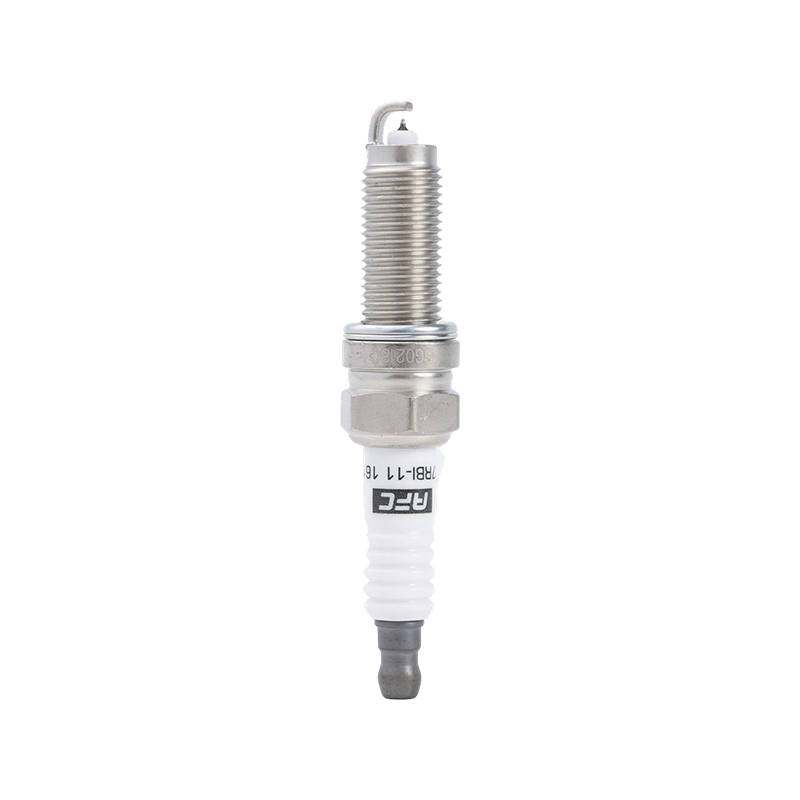
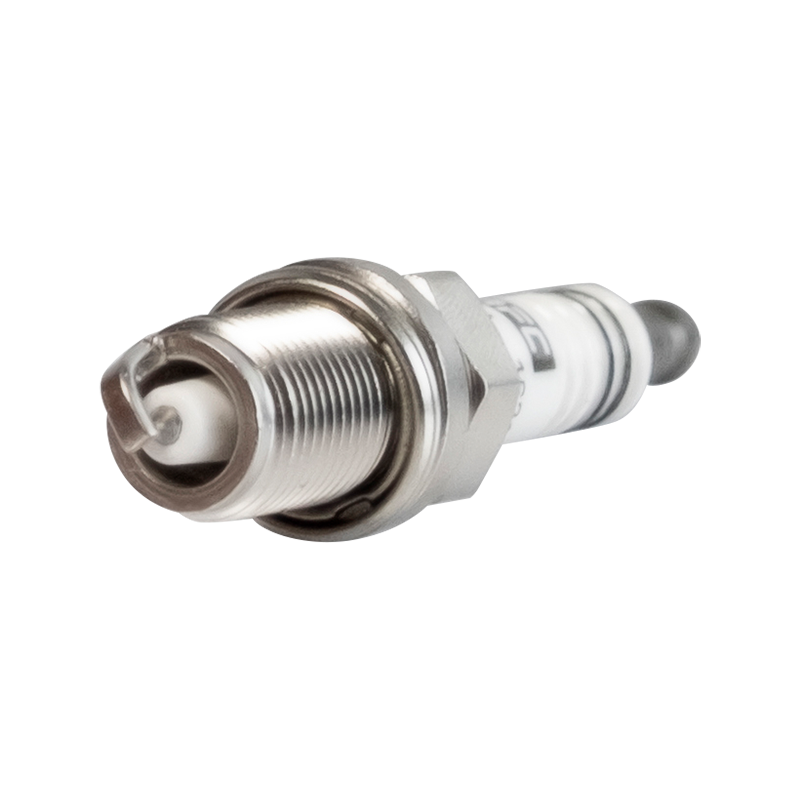 IF5RT-11 Iridium Platinum Spark Plug for Toyota RAV4 OE 9091901240Built to the Toyota RAV4 OE cross-reference 90919-01240, this iridium-platinum plug balances heat dissipation and ignition concentration, helping reduce vibration and cold-start difficulty.View Product →
Apply the same logic across every engine family, whether German, Japanese, American, Korean, or Chinese. You can browse the complete spark plug catalog sorted by electrode material and by vehicle origin, which makes it easy to check your OE reference against parts that have already been validated.
The terminal, resistor, ceramic insulator, ribs, center electrode, ground (side) electrode, metal shell, and gasket are the eight parts that make up every standard spark plug.
Yes. The glass-sealed resistor, typically 5,000 ohms, can fail open. The usual symptoms are an intermittent misfire, radio static that tracks with engine rpm, and sometimes a stored misfire code on a single cylinder. A multimeter reading across the terminal and center electrode will confirm it.
In normal service, 80,000 to 120,000 km is reasonable. Fuel quality, oil condition, and ignition health move that number more than any other factor. A weak coil can wear out a fine iridium tip faster than a standard nickel plug in the same engine.
Not on a modern engine. Cleaning removes deposits, but it cannot restore the round edge of a worn center electrode or the original gap geometry. Reusing an old plug also risks seizing in the head, because the thread coating is already consumed. New parts are the predictable route.
A plug that is too cold carbon fouls and misfires, usually on short trips. A plug that is too hot risks pre-ignition, which raises cylinder pressure and temperature sharply and can end with melted pistons or damaged valves.
Iridium platinum places iridium on the center electrode and platinum on the ground electrode. Double iridium uses iridium on both. Double iridium gives the longest predictable service life in waste-spark and turbocharged applications, while iridium platinum is a strong long-life choice at a slightly lower cost.