

 Español
Home / News / Industry News / Burnt Spark Plug: Causes, Symptoms, and How to Fix It Without Guesswork
Industry News
Content
A rough idle, hesitation during acceleration, or a slow rise in fuel consumption are all reasons to pull a spark plug and read the tip. A burnt spark plug is easy to identify once you know what to look for: the ceramic insulator looks white, blistered, or cracked, and the electrode may be melted. The important conclusion is that a burnt spark plug is not a normal wear failure; it is a heat-related failure that will happen again unless the underlying cause is corrected. Replacing the plug alone is only half of the repair.
When you remove a plug from a cylinder, compare the whole firing end rather than just the center electrode. A burnt plug has a set of visual clues that separate it from normal wear or carbon fouling.
The table below is a quick reference for separating a burnt plug from a normal plug and a carbon-fouled plug. If you identify a burnt plug, you need to investigate why the cylinder is running hot. For more visual details and color interpretation, see our spark plug reading guide.
| Condition | Insulator nose | Electrode | What it usually means |
|---|---|---|---|
| Normal | Light brown to tan | Sharp edges, little wear | Proper mixture and heat range |
| Burnt | White, blistered, or cracked | Melted, rounded, or missing metal | Overheating from a lean mixture, ignition timing, or cooling system |
| Carbon fouled | Black, dry soot | Rough but not melted | Rich mixture, weak spark, or short-trip driving |
The electrode gap on a healthy spark plug is set to a precise distance. When heat burns metal away, the gap opens up. A wider gap demands a higher voltage from the ignition coil, and at high rpm the coil may not deliver enough voltage for a clean spark. That causes misfire.
Burnt spark plugs are almost always a symptom of cylinder overheating. The causes below are the most common in modern gasoline engines. Work through them in this order, because fixing only the spark plug will not prevent a repeat failure.
When a cylinder runs too lean, there is less fuel to absorb heat during combustion. Exhaust gas temperature rises, and the spark plug tip sees more heat than it can dissipate. Usual causes are low fuel pressure, dirty fuel injectors, a failing mass air flow sensor, or a vacuum leak after the sensor.
Ignition timing that is too far advanced raises peak cylinder pressure and temperature. Detonation, or combustion knock, creates shock waves that hammer the spark plug and piston crown. The ceramic nose often shows small cracks under detonation.
Spark plugs are designed to operate within a specific temperature window. A plug with a heat range that is too hot holds more heat on the tip even under normal driving. Over time, this creates the same white, blistered appearance as a lean-mixture burn.
Low coolant level, a stuck thermostat, a failed radiator fan, or a weak water pump let cylinder head temperatures climb. The spark plug is one of the first parts to show that type of damage.
Using fuel with a lower octane rating than required increases the risk of detonation under load. Sustained high-speed driving, towing, or track use can also push a borderline plug into overheating.
Diagnosis is more than reading the plug color. The repair is only reliable when you find and correct the root cause. Follow this sequence:
Do not rush to install new spark plugs until the cause is corrected. A new plug will survive only if the combustion temperature and air-fuel mixture are back in the normal range.
After fixing the cause, the electrode material matters. Modern engines, especially turbocharged and direct-injection units, run hotter and need a spark plug with good heat transfer. The right choice is not necessarily the most expensive one; it is the plug that matches the original part design.
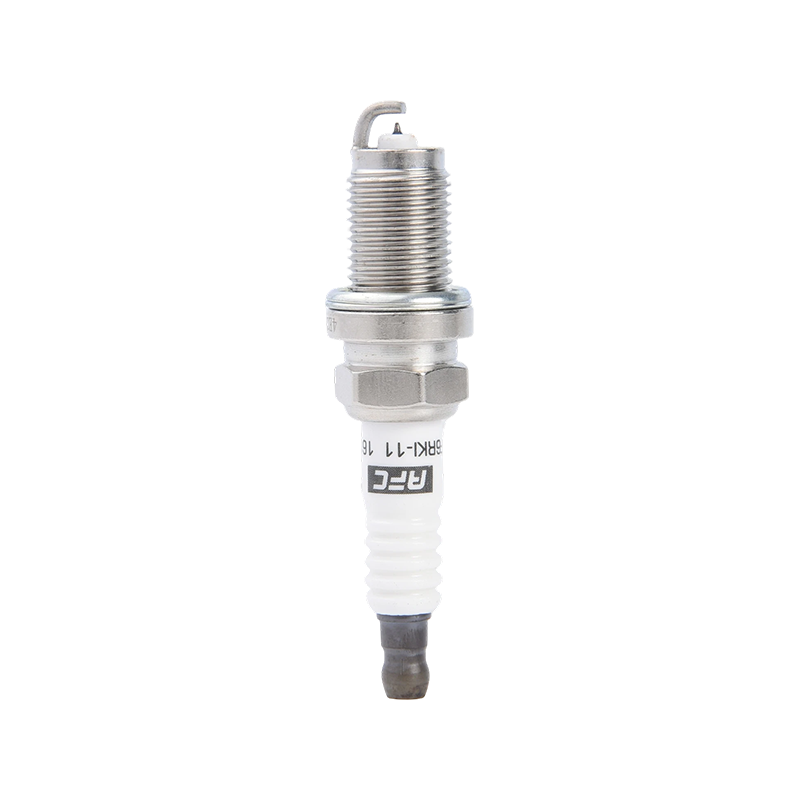
The products shown below are direct aftermarket replacement options based on original OE fitment numbers. Once the burnt condition has been fully corrected, a fine-wire electrode plug will usually settle into the same tan color as a healthy plug.
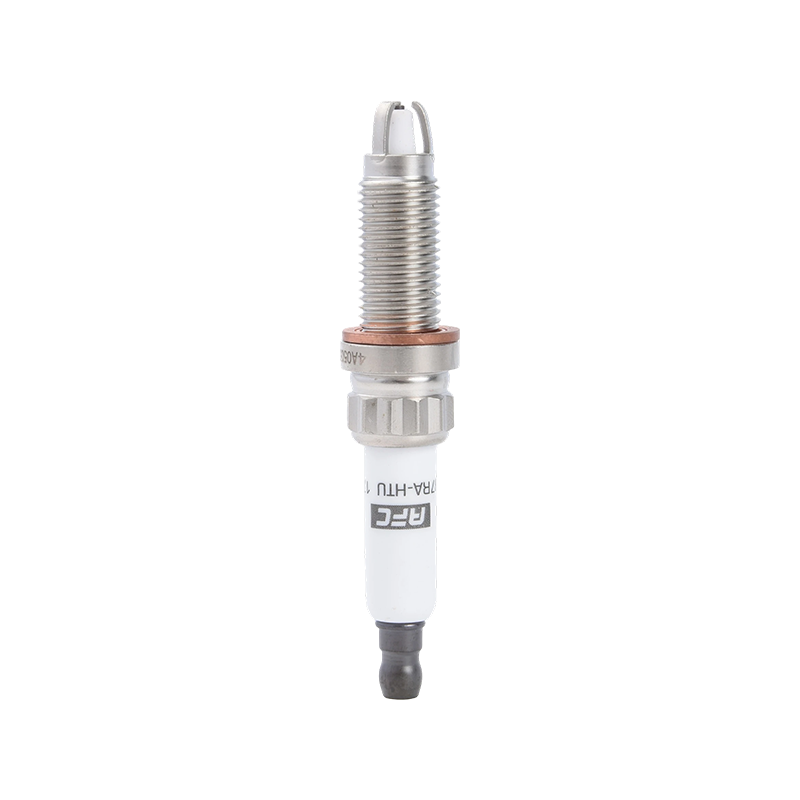
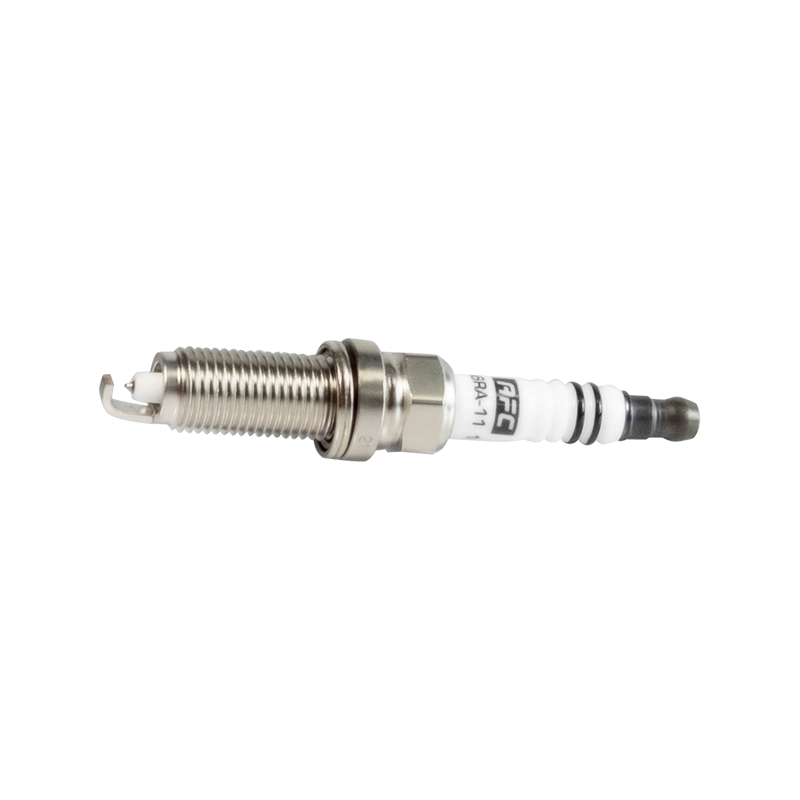 DILKA6RA-11 Double Iridium Spark Plug for Nissan VQ25DEThis dual iridium spark plug matches Nissan VQ25DE and VQ35DE engines, offering strong corrosion resistance and stable ignition. Its heat range suits turbocharged conditions, and it holds up for 80,000 to 100,000 kilometers.View Product →
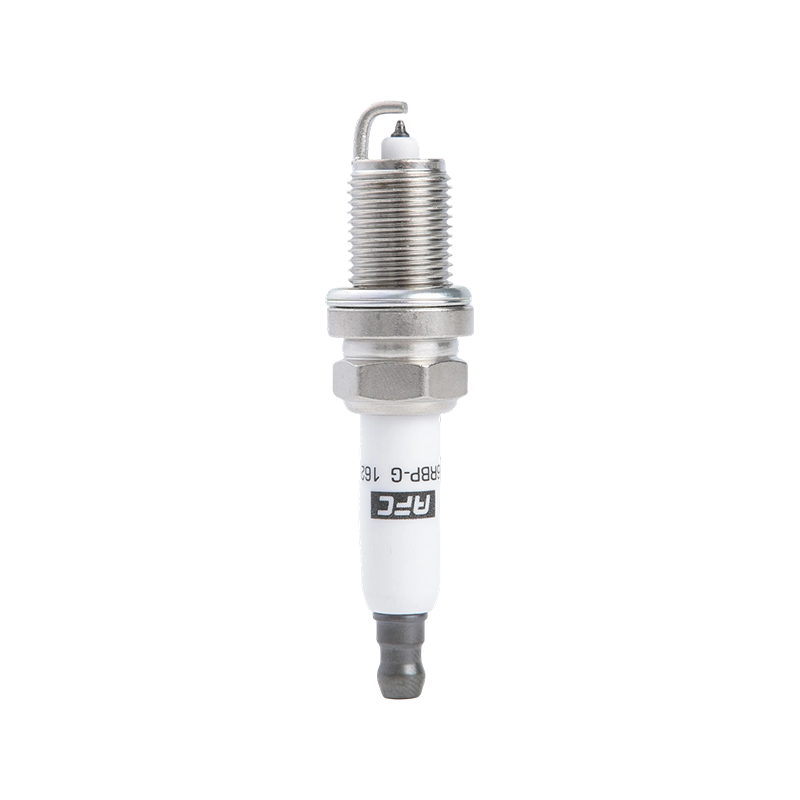
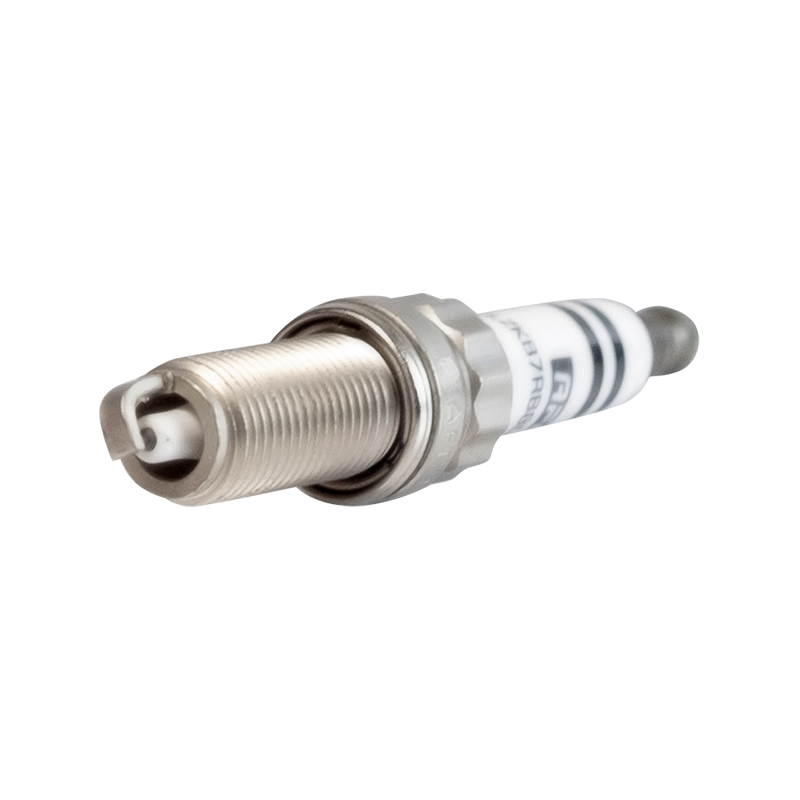 ILZKB7RB8DG Iridium Platinum Spark Plug for BMW and MINIFeaturing iridium center and platinum side electrodes, this plug improves ignition efficiency and resists wear for BMW and MINI models. Its cold heat range handles turbocharged high-pressure environments, supporting up to 80,000 kilometers of service.View Product →
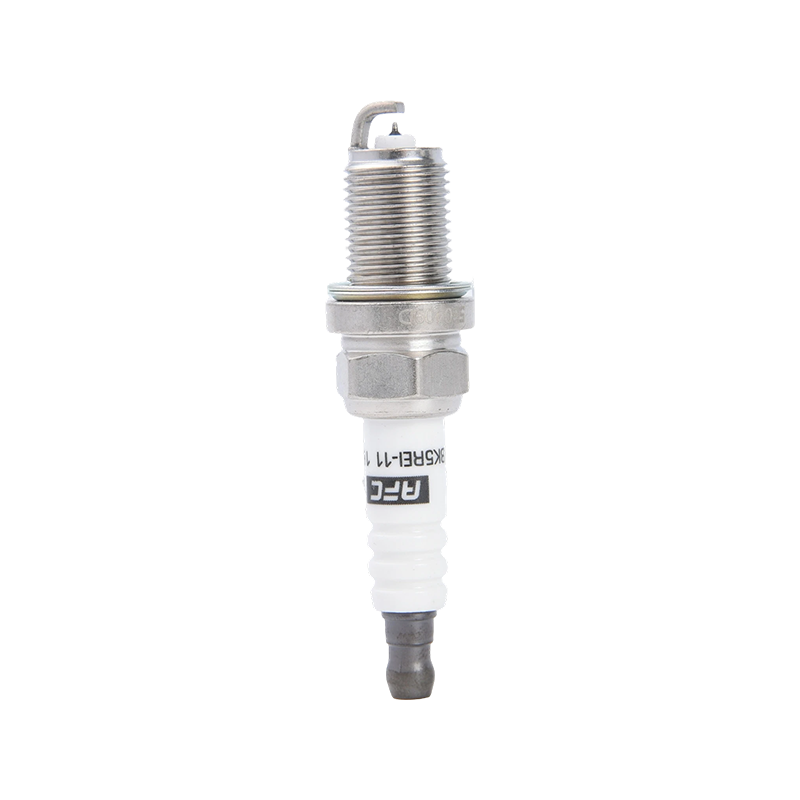
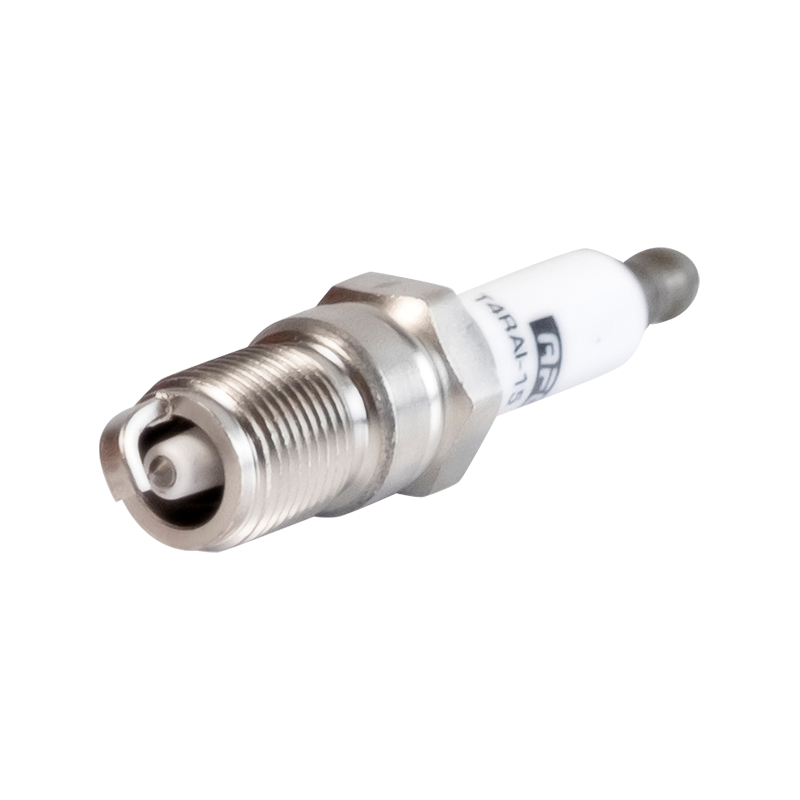 T4RAI-15 Iridium Spark Plug for GM and Buick GL8Designed with a 0.059-inch gap for high-compression engines, this iridium plug improves combustion and cold-start performance. It fits older Buick GL8, Chevrolet, and Cadillac models, with a service life of about 40,000 kilometers.View Product →
Once the engine is running correctly, regular maintenance is the best protection. Follow the manufacturer’s spark plug interval, but also pay attention to the conditions that create overheating.
No. The heat damage has already changed the ceramic and electrode geometry. Sandblasting or wire brushing may remove deposits, but it cannot restore the original heat path. A burnt spark plug should always be replaced.
A worn plug shows gradual electrode erosion and a wider gap, but the ceramic remains a normal tan color. A burnt plug shows a white or blistered ceramic and a melted electrode. Worn plugs are replaced on schedule; burnt plugs require engine diagnosis.
Indirectly, yes. A bad oxygen sensor can make the computer run the engine persistently too lean, which increases cylinder temperature. The plug burns as a result, but vacuum leaks and low fuel pressure are equally common causes.
You should not drive any longer than necessary. The misfire can damage the catalytic converter, and a melted electrode can cause expensive cylinder damage. If the car is misfiring, park it or drive to a workshop under light throttle.
Yes, in a four-cylinder engine, replace all plugs together even if only one looks burnt. The other plugs have likely seen the same mileage and may fail soon. Replacing all plugs also makes it easier to monitor future changes in plug color.