

 Español
Home / News / Industry News / What Does a Spark Plug Do? Function, Heat Range, Gap Tolerances, and Failure Signs
Industry News
Content
A spark plug does one essential job: it generates a high-voltage arc that ignites the air-fuel mixture inside the combustion chamber. That explosion creates the pressure that pushes the piston downward and turns the crankshaft. If the spark plug fails to fire exactly at the right moment, the engine misfires, loses power, and burns more fuel. When a spark plug is worn, you might notice rough idle, hesitation on acceleration, or an illuminated check-engine light. The purpose of this article is to explain exactly what a spark plug does, how it performs that task, and what the most important specifications mean when you are selecting a replacement.
At the most basic level, a spark plug converts electrical energy into a controlled plasma spark. That spark jumps a precisely measured gap between the center electrode and the ground electrode. The spark initiates combustion, which raises cylinder pressure and drives the piston. In modern engines, this event must happen thousands of times per minute. A four-cylinder engine running at 3000 RPM fires a spark plug 6000 times per minute, because each cylinder fires once per two revolutions. If even one cylinder misses on a combustion stroke, the engine loses a measurable percentage of its rotational force and the fuel that was injected into that cylinder is wasted.
A spark plug also performs a secondary function: it helps control the heat balance in the combustion chamber. The plug absorbs heat from the explosion and transfers it into the cylinder head water jacket. If the plug runs too hot, it can cause pre-ignition and engine knock. If it runs too cold, it can collect carbon deposits. Both extremes reduce efficiency and lead to rough operation.
The operation of a spark plug is precise and extremely fast. Here is the sequence of events from the moment you turn the key to the moment the piston gets its push:
This entire sequence occurs in under one millisecond. For an engine turning at 3000 RPM, each full cycle takes about 40 milliseconds, so the ignition timing must be tuned to within a few degrees of crankshaft rotation. If the spark occurs too early, the rising pressure can cause engine knock and damage. If it occurs too late, a large part of the combustion energy is wasted in the exhaust system.
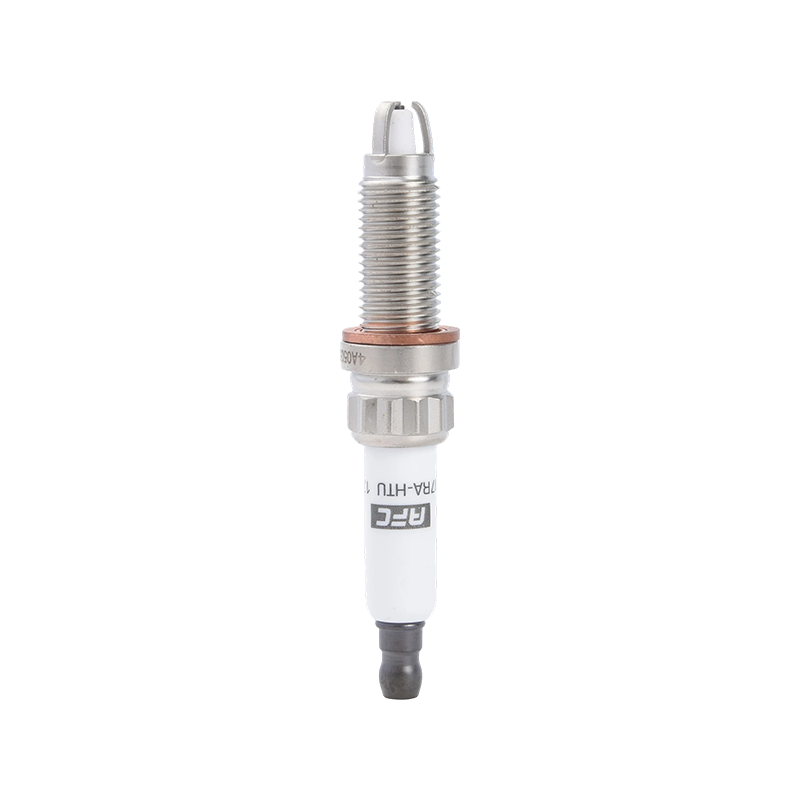
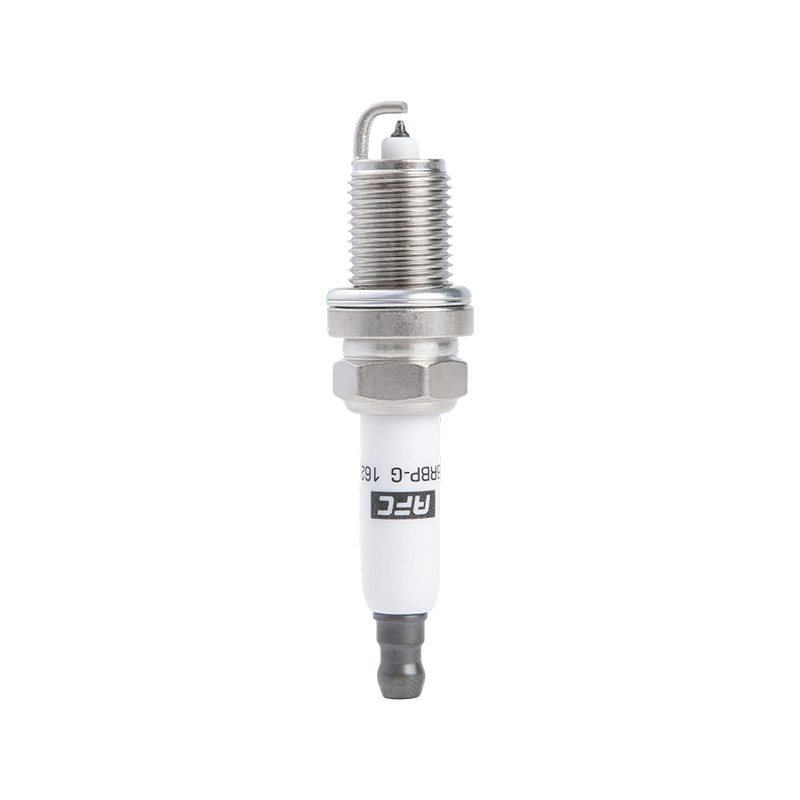
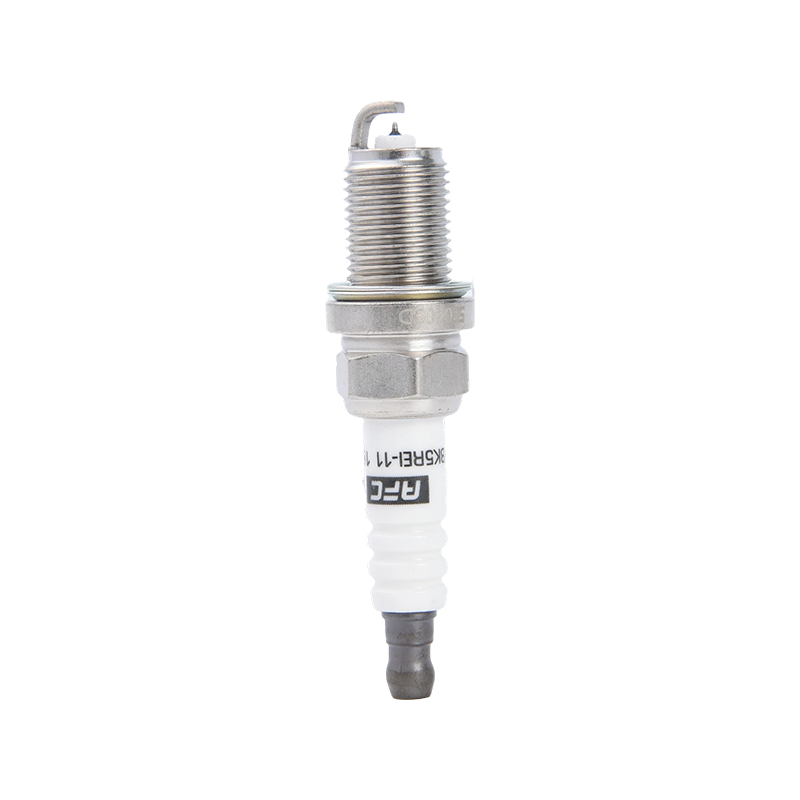
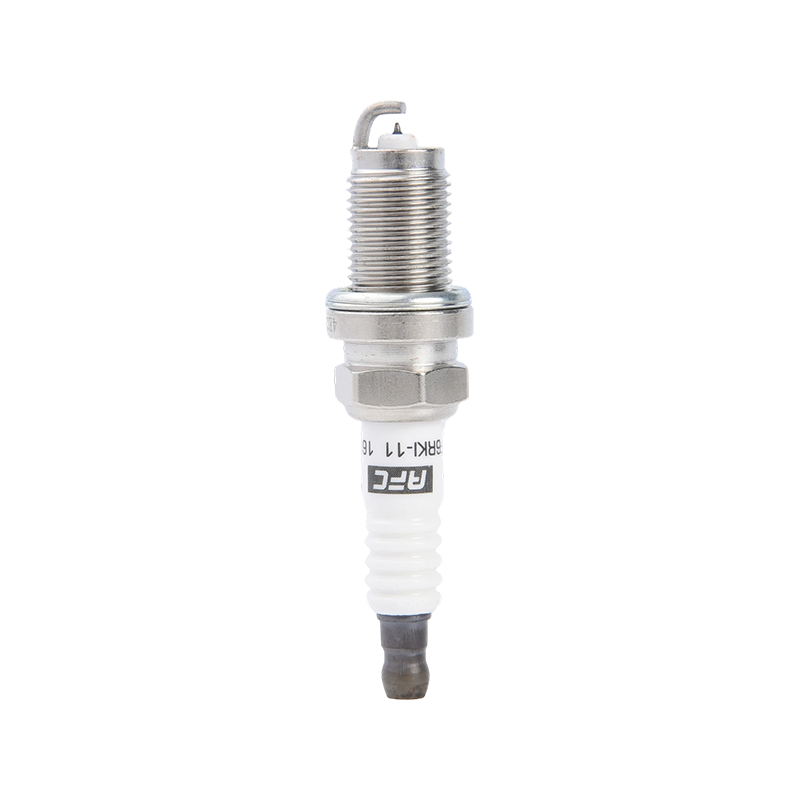
To understand how a spark plug works, it helps to recognize its main components. Each part plays a specific role in delivering the spark and withstanding the extreme environment of the combustion chamber.
| Component | Function |
|---|---|
| Terminal | Connects the spark plug wire or ignition coil and accepts the high-voltage pulse. |
| Insulator | Made of alumina ceramic; prevents voltage leakage to the metal shell. |
| Shell | Metal body that threads into the cylinder head and seats with a gasket. |
| Center electrode | Carries the high voltage into the gap; material determines wear life. |
| Ground electrode | Forms the other side of the gap; also called the side or earth electrode. |
The gap between the center electrode and the ground electrode is where the spark actually occurs. The size of that gap is a critical specification that must match the ignition system and engine design.
The heat range of a spark plug describes how quickly it transfers heat away from the firing tip. It is not about the temperature of the spark itself. A hot spark plug has a long insulator tip and retains more heat, keeping the firing tip hot enough to burn off carbon deposits. A cold spark plug has a shorter insulator tip and dissipates heat faster, which is needed in high-compression or turbocharged engines because a hot tip could ignite the mixture before the spark occurs, causing pre-ignition.
| Type | Heat Transfer | Typical Use |
|---|---|---|
| Hot | Slower, higher tip temperature | Low-compression engines, stop-and-go driving |
| Cold | Faster, lower tip temperature | Turbocharged, high-compression, sustained high load |
Using the wrong heat range can lead to early plug failure. A plug that is too cold for the engine will foul and misfire under light load. A plug that is too hot can damage the electrodes and even hole a piston in severe cases. Always follow the engine manufacturer's heat range specification. European manufacturers, especially German vehicles with turbocharged inline-six engines, often require a cold heat range to protect the engine from pre-ignition.
The spark plug gap is the distance between the center electrode and the ground electrode. This distance directly affects the voltage required to fire the plug and the quality of the combustion event. If the gap is too wide, the ignition system may not supply enough voltage, causing a misfire, especially at high RPM. If the gap is too narrow, the spark is short and may not fully ignite the mixture, resulting in incomplete combustion and higher emissions.
| Engine Type | Typical Gap |
|---|---|
| Naturally aspirated, older design | 0.6-0.8 mm |
| Modern port-injected | 0.8-1.0 mm |
| Direct-injected or turbo | 0.8-1.1 mm |
Many modern plugs are pre-gapped at the factory, but aftermarket plugs can be shipped with a set gap that may not match your vehicle. Checking the gap with a gap gauge before installation costs little and prevents a host of running problems. American-made engines often have distinct gap requirements compared with Japanese or German engines, so the OEM specification on the plug package should be your first reference.
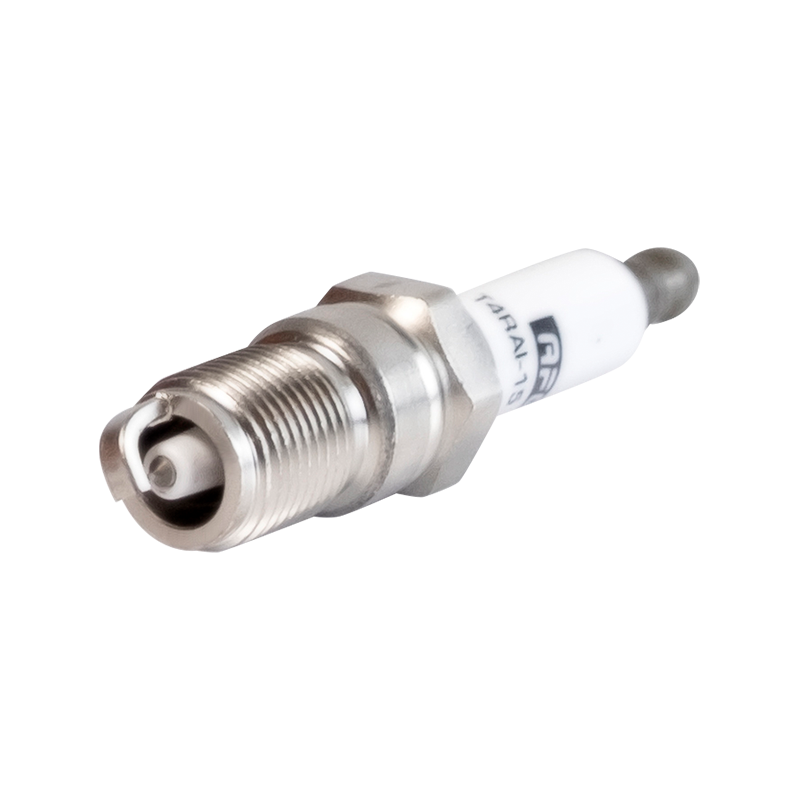 Iridium Spark Plug for Buick, Chevrolet, Cadillac with 0.059-inch GapThis iridium plug offers a precise 0.059-inch gap and durable electrode, addressing the gap-checking advice above and providing wear resistance for high-compression American engines.View Product →
The metal used for the center electrode and ground electrode determines how long the spark plug can maintain its gap and resist wear from high temperature and electrical erosion. Nickel-copper plugs are the traditional choice, but they wear quickly. Iridium and platinum electrodes are much more resistant to erosion, which allows a smaller, more efficient center electrode and a longer service interval.
| Material | Typical Life | Best Suited For |
|---|---|---|
| Nickel-copper | 30,000 km | Older engines, budget replacements |
| Platinum | 60,000-80,000 km | Naturally aspirated engines, moderate heat |
| Iridium | 80,000-100,000 km | Modern engines, performance |
| Iridium-platinum | 100,000-120,000 km | Turbocharged and direct-injected engines |
| Double iridium | 120,000-160,000 km | Dense traffic, high-mileage vehicles, long intervals |
Japanese engines, such as those found in Nissan and Toyota cars, often come from the factory with double iridium plugs. These plugs retain a small gap for a very long time, which is why the recommended replacement interval can exceed 120,000 km. Choosing a replacement with the same electrode material is the safest way to preserve the intended ignition performance.
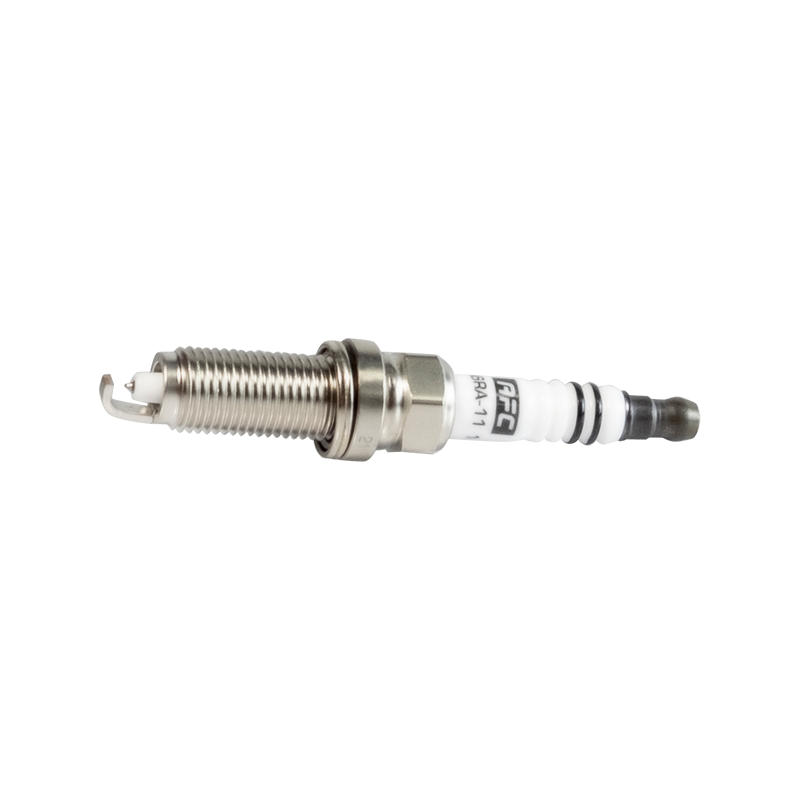 Double Iridium Spark Plug for Nissan VQ25DE and VQ35DE EnginesDesigned for Nissan's VQ-series engines, this plug features dual iridium electrodes for extended life and stable ignition, matching the recommended OEM material for Japanese vehicles.View Product →
A spark plug that is worn, fouled, or improperly gapped will disrupt combustion. Here are the six symptoms you are most likely to notice:
If you have several worn plugs at the same time, the effect is multiplied. Replacing all of them as a set is recommended because plug wear is usually even across the engine, and a freshly tuned ignition system will run more smoothly.
The condition of a removed spark plug provides valuable clues about engine health. A healthy plug has a light tan or gray insulator tip. Black, sooty deposits indicate the fuel mixture is too rich or the plug is running too cold. White or blistered electrodes point to overheating. Wet, oily deposits usually mean oil is leaking into the combustion chamber past worn valve guides or piston rings.
Inspecting the gap and the side electrode is also useful. If the gap has widened beyond the manufacturer's specification, the plug is simply at the end of its service life. For a full explanation of how color, wear, and gap interact, refer to this detailed color and wear guide. Reading plugs before condemning them helps avoid unnecessary parts changes and can reveal underlying engine problems.
Replacement intervals vary based on electrode material and engine design. For a modern car, a set of iridium plugs can last well past 100,000 km. But if your car has been running rough, check the plugs regardless of mileage. When replacing plugs, always confirm the engine model and original part number. A plug with the wrong reach or heat range can physically interfere with the piston or contribute to detonation.
Tightening torque for many passenger car plugs is in the range of 15 to 25 Nm, but always check the particular engine's specification because aluminum cylinder heads and different thread sizes require different values.
When a spark plug fails, the cylinder misses its combustion event. The engine loses power, uses more fuel, and may emit higher levels of hydrocarbons. If the misfire persists, the unburned fuel can damage the catalytic converter over time.
Nickel-copper plugs typically need replacement around 30,000 km. Platinum plugs last roughly 60,000 to 80,000 km. Iridium and double iridium plugs can serve between 100,000 and 160,000 km. Follow the vehicle manufacturer's maintenance schedule for the best guidance.
No, unless you are tuning the engine with major modifications. Using a hotter plug in a turbo or high-compression engine risks pre-ignition. Using a colder plug in a normal engine may cause fouling. Stick to the recommended heat range.
The spark plug gap is the distance between the center and ground electrodes. It usually ranges from 0.6 to 1.1 mm depending on the engine. The ignition system voltage must overcome this gap to create the spark.
Iridium is one of the rarest precious metals. It also allows a much thinner center electrode, which produces a concentrated, reliable spark. That manufacturing cost is offset by a service life often three times longer than nickel-copper plugs.