

 Español
Home / News / Industry News / Hot Spark Plug vs Cold Spark Plug: Heat Range Guide for Engine Performance
Industry News
Content
The direct answer is simple: a hot spark plug keeps more heat in its firing tip, while a cold spark plug pulls heat away from the tip much faster. The terms have nothing to do with ignition voltage or spark intensity. They describe the plug's thermal behavior, commonly called its heat range.
Every production engine leaves the factory with a specific heat range chosen by the manufacturer to match normal driving conditions, compression ratios, and fuel types. If you switch to the wrong heat range, even by a single step, you can trigger pre-ignition, carbon fouling, higher fuel consumption, or reduced throttle response. This guide explains exactly how hot and cold spark plugs work, how to read heat range numbers, when you should move hotter or colder, and how to identify a mismatch before serious engine damage occurs.
Heat range is the measure of a spark plug's ability to transfer heat from the combustion chamber into the engine's cooling system. The critical physical feature is the insulator nose, the ceramic tip that surrounds the center electrode. A long insulator nose exposes more surface area to combustion gases, which traps heat and keeps the tip hotter. A short insulator nose reduces exposed surface area, so heat flows quickly down through the shell and into the cylinder head.
Heat range is expressed with a number that varies by manufacturer. Some brands assign a higher number to hotter plugs, while others do the opposite. Always check the specific brand's chart before comparing across manufacturers. A plug rated one step hotter or colder than the OEM specification represents a meaningful change in firing tip temperature, typically around 70 to 100 degrees Celsius (158 to 212 degrees Fahrenheit) under identical operating conditions. The goal is to maintain the firing tip temperature between roughly 450 and 850 degrees Celsius (842 and 1562 degrees Fahrenheit). Above this window, the tip can cause pre-ignition. Below it, carbon and fuel deposits accumulate on the insulator and short out the spark.
To see how heat range relates to reading plug condition and gap wear, review our guide on reading spark plug charts for heat range and gap. That resource explains how electrode and insulator appearance reveal whether the current heat range is correct for your engine.
A hot spark plug has a longer insulator nose that retains heat in the firing tip. Because the tip stays hotter, the plug can burn off oil ash, carbon, and other combustion byproducts that would otherwise foul a colder design in certain conditions. This self-cleaning characteristic is useful in engines that spend a lot of time operating at low load, low speed, or cold-start conditions.
The main risk with a hot plug emerges under sustained high load. When the engine generates more combustion heat than the plug can shed, the insulator tip can exceed 900 degrees Celsius (1652 degrees Fahrenheit). At that temperature, the air-fuel mixture can ignite before the spark fires, causing pre-ignition, detonation, and in severe cases, melted electrodes or a holed piston.
A cold spark plug has a shorter insulator nose that transfers heat away from the firing tip quickly and efficiently. Despite the name, a cold plug does not cool the combustion chamber. It simply operates at a lower tip temperature by moving heat into the cylinder head coolant more rapidly. This prevents the tip from becoming a source of uncontrolled ignition under severe thermal loads.
A cold plug's weakness is low-load operation. If the engine never generates enough heat to keep the shorter insulator nose clean, carbon, oil, and fuel residue accumulate and create an electrical path to ground, causing misfires, rough idle, and poor fuel economy.
The table below summarizes the practical differences between the two designs. Use it as a quick reference when selecting spark plugs for a stock engine, a modified engine, or a specific driving environment.
| Characteristic | Hot Spark Plug | Cold Spark Plug |
|---|---|---|
| Insulator nose | Longer, retains heat | Shorter, dissipates heat |
| Firing tip temperature | Higher at same load | Lower at same load |
| Self-cleaning ability | Excellent at low speeds | Requires sustained heat |
| Pre-ignition resistance | Lower, higher risk at load | Higher, safer under load |
| Ideal driving profile | Short trips, city, cold climate | Highway, track, towing, boost |
| Primary failure mode | Melted electrode, detonation | Carbon fouling, misfire |
The OEM heat range is almost always the correct starting point for a stock engine. Deviate only when you have a specific reason, such as adding forced induction, increasing compression, or encountering chronic fouling in a particular driving environment. Follow this process:
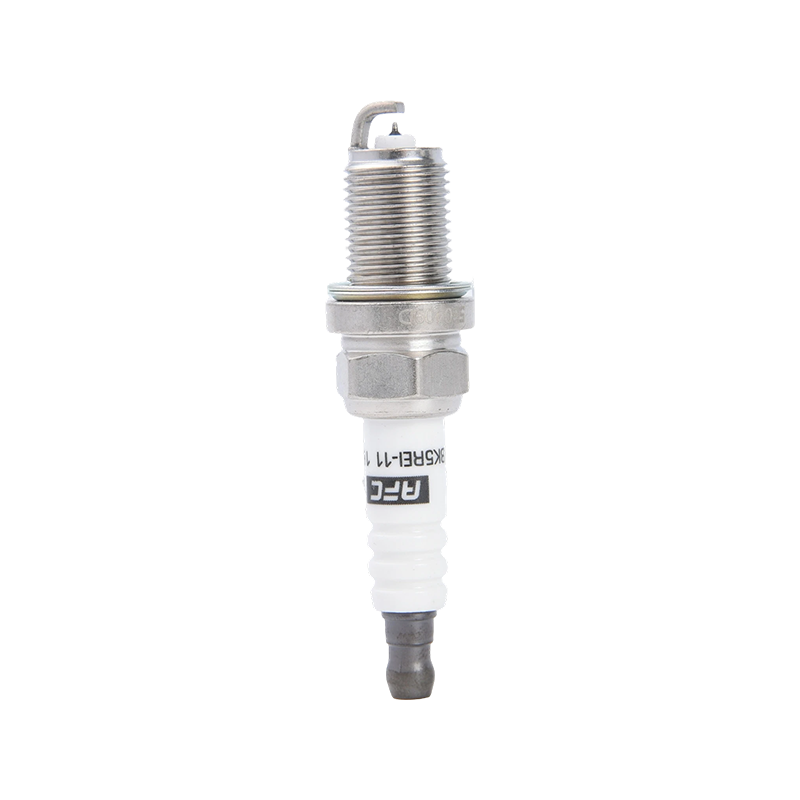
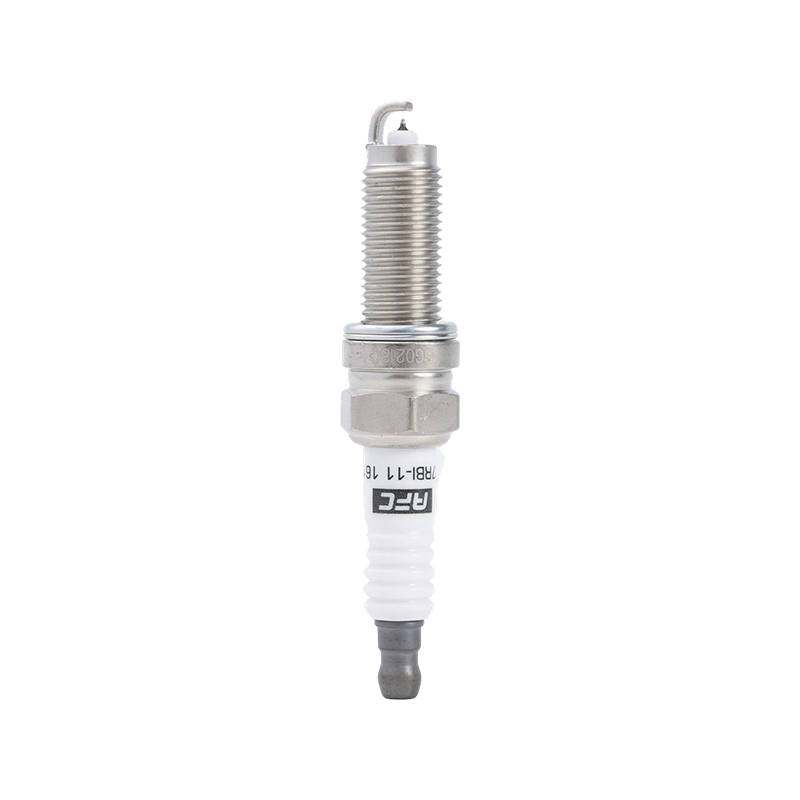
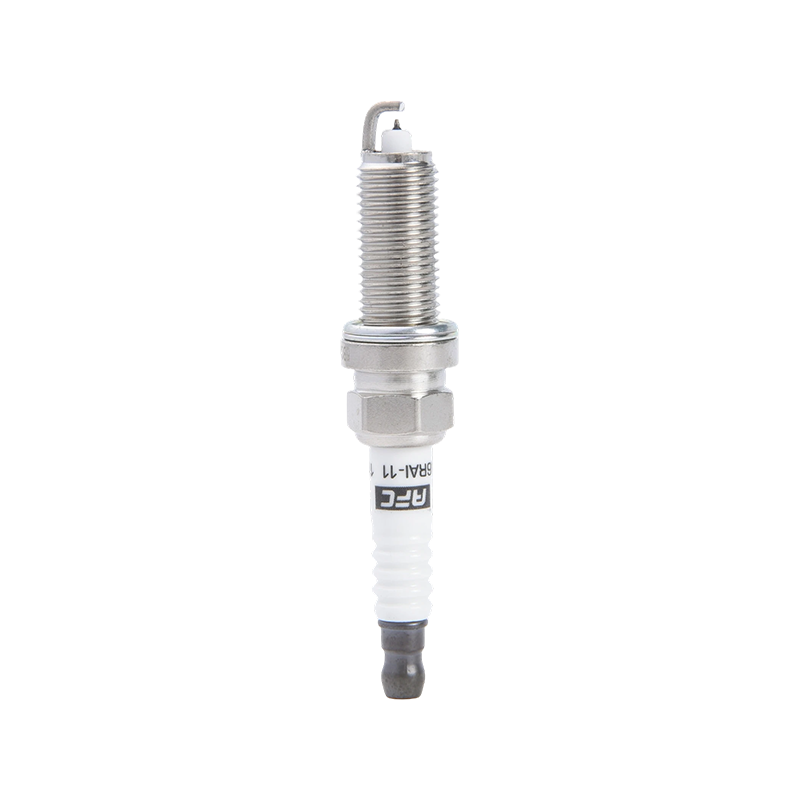
 1631 IF5RT-11 Iridium Platinum Spark Plug for Toyota RAV4This dual-precious-metal spark plug matches OEM heat range for stock Toyota RAV4 engines, offering up to 80,000 km service life and stable ignition for reliable daily driving.View Product →
For stock daily drivers, choosing a plug that matches the original equipment specification is the safest approach. Many OEM replacement plugs combine long service life with a heat range tuned to the original engine calibration. If your vehicle is unmodified and you simply want a reliable replacement, select a plug with the same heat range and electrode material as the factory part.
Reading the electrodes and insulator after removal gives you the clearest evidence of a heat range mismatch. But you can also feel the problem while driving. Here is what each direction of error looks like in practice.
If you notice any of these patterns after installing plugs, the first step is not to switch heat range again blindly. Confirm that the fuel mixture, ignition timing, and engine mechanical condition are correct. A plug that is too hot on paper can also appear lean because of a vacuum leak or failing fuel injector. Always fix the root cause before changing the plug specification.
Heat range adjustments are not performance upgrades. A hotter plug does not add horsepower, and a colder plug does not make more power. Both changes are corrective actions to keep the firing tip in the safe operating window. Here is how common scenarios call for a shift in heat range.
An engine that runs at high RPM for 20 minutes on a road course generates far more heat than the same engine commuting to work. For occasional track use, many enthusiasts drop one heat range colder than stock to prevent knock on hot laps. If the car is trailered to events and never driven on the street, two steps colder may be justified. But such a plug will foul quickly in stop-and-go street traffic, so swap back after the event.
Towing near the vehicle's rated capacity raises cylinder head temperatures significantly, especially on long grades. If you regularly tow, one step colder is a reasonable safety margin. Monitor plug condition and watch for any signs of fouling during lighter usage periods.
In winter, an engine that rarely reaches full operating temperature may develop chronic plug fouling, especially in older carbureted or port-injected engines. Moving one step hotter can help burn off deposits and improve cold-start behavior. This is a common fix for vehicles used exclusively for short winter commutes, though it must be reverted or re-evaluated in warmer months.
At altitudes above roughly 1500 meters (5000 feet), air density drops, which effectively reduces cylinder pressure and combustion temperatures. Many manufacturers specify a hotter plug for high-altitude delivery markets. If you live at elevation and the engine runs rich or fouls plugs, a single step hotter often resolves the issue.
When installing plugs in any condition, avoid applying antiseize compound unless the plug manufacturer explicitly recommends it. Our technical article on anti-seize on spark plugs and when to use it covers this topic in detail, because over-torquing with antiseize is a frequent cause of thread damage.
Electrode material and heat range are independent specifications, but they work together in practical plug selection. A copper or nickel plug has a large diameter center electrode with limited durability, so manufacturers often pair it with a hotter heat range to improve self-cleaning over its shorter service life. Iridium and platinum plugs use much finer center electrodes, which fire more reliably at lower voltages and resist wear for 80,000 to 160,000 kilometers (50,000 to 100,000 miles) or more. These materials are available in both hot and cold heat ranges, so you do not have to sacrifice service life to get the correct thermal characteristics.
For modern turbocharged engines, OE specifications increasingly call for double iridium or iridium platinum construction. The fine electrodes concentrate the spark and reduce quenching effects, while the precious metal tips withstand the higher combustion pressures of boosted operation. If your engine is modified and you are moving one heat range colder, choosing a double iridium plug ensures the electrodes survive the same harsh conditions that make a colder range necessary.
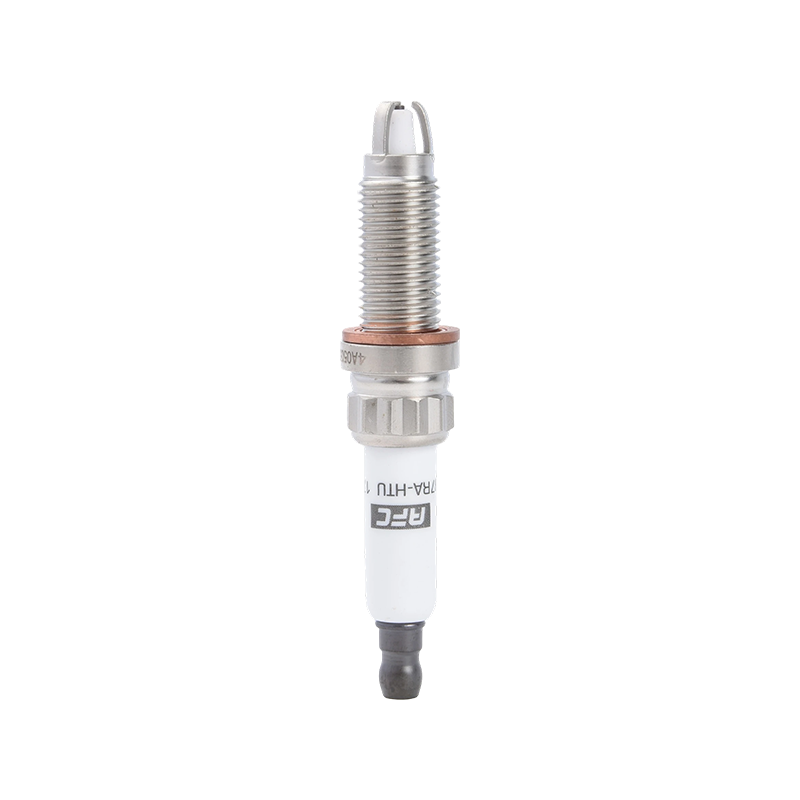
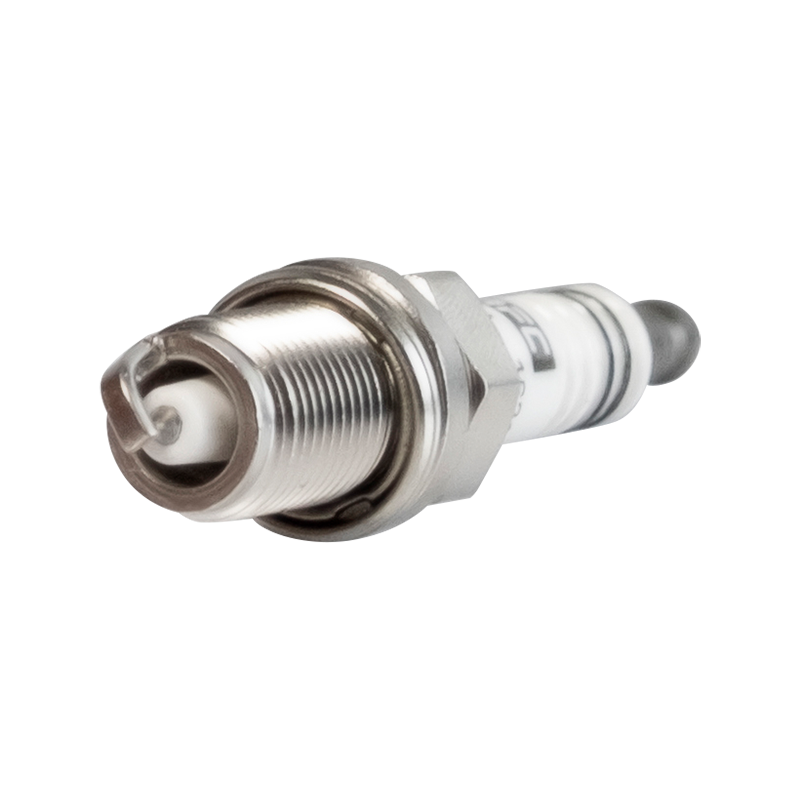
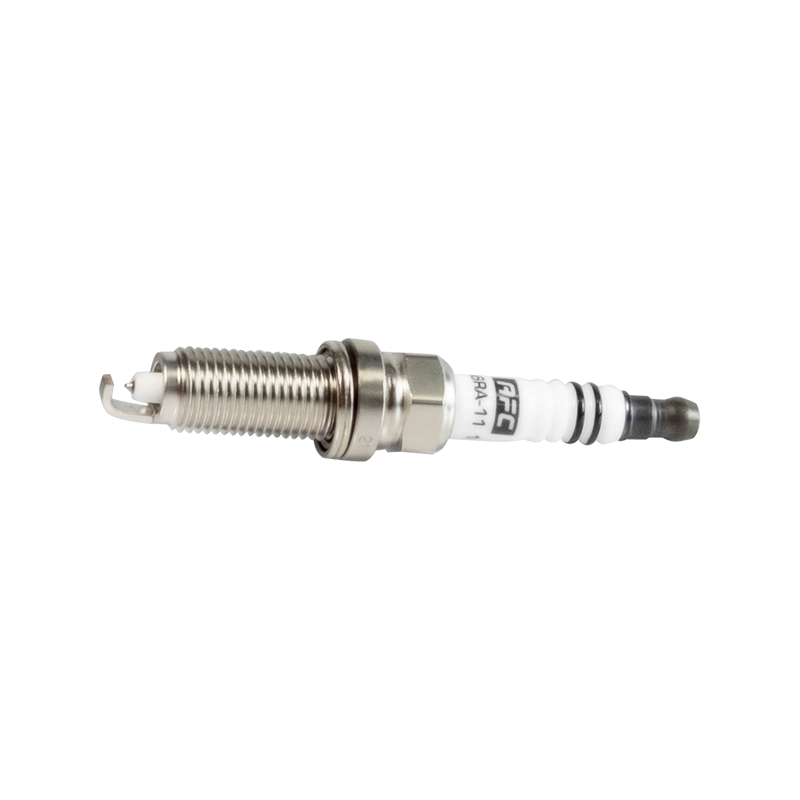 1618 DILKA6RA-11 Double Iridium Spark Plug for Nissan VQ EnginesDesigned for Nissan VQ25DE and VQ35DE engines, this double iridium plug provides long life up to 100,000 km and consistent ignition, suitable for turbocharged or modified builds.View Product →
A common misconception is that iridium or platinum plugs run hotter than copper plugs. In reality, the heat range is determined by the insulator nose geometry, not the electrode metal. A platinum plug labeled with the same heat range number as a copper plug will have the same thermal characteristics, just with a longer service life and a lower firing voltage requirement.
When replacing plugs in a Japanese or European engine, always verify the OE heat range and cross-reference the original part number. Many engines share block architecture across model years but use different heat ranges based on calibration updates. Installing a plug with the correct thread size and gap but the wrong heat range is a common source of mysterious drivability issues.
No. A hotter plug does not change the ignition energy or flame kernel size. It only changes the operating temperature of the firing tip. If it keeps the tip clean and prevents pre-ignition, the engine runs as designed. If the heat range is wrong, power drops, but the correct heat range does not add power beyond the manufacturer's specification.
In most cases, yes. Forced induction raises cylinder pressures and heat soak, which increases the risk of pre-ignition. Moving one step colder than the equivalent naturally aspirated engine is a common and safe practice. However, an overly cold plug in a turbo car that only sees light commuting will foul quickly. Match the heat range to the real driving conditions, not just the presence of the turbocharger.
The insulator tip reaches temperatures above 900 degrees Celsius (1652 degrees Fahrenheit). Hot spots form on the insulator and can ignite the air-fuel mixture before the spark occurs, causing pre-ignition and detonation. Sustained pre-ignition can melt electrodes, crack insulators, damage the catalytic converter, and in severe cases punch a hole through a piston. Running a plug one or two steps too hot is far more dangerous than running one too cold.
Carbon and oil deposits build up on the insulator nose because the tip temperature stays below the self-cleaning threshold of roughly 450 degrees Celsius (842 degrees Fahrenheit). These deposits eventually create a conductive path that shorts the spark to the shell, causing misfires, rough idle, poor cold-start behavior, and higher fuel consumption. Unlike a too-hot plug, a too-cold plug rarely causes catastrophic mechanical damage, but it degrades driveability quickly.
The most reliable reference is the original equipment part number printed on your current spark plugs or in the owner's manual. You can also look up the vehicle's factory specification in an online parts catalog. If the engine is unmodified, use exactly the OEM heat range. If the engine is modified, consult your tuner or a spark plug supplier that publishes heat range recommendations for your specific turbo kit, supercharger, or engine build.
Both matter, but they affect different aspects of operation. The gap controls the voltage required to jump the gap and the size of the initial flame kernel. The heat range controls the thermal environment of the firing tip. A proper heat range with an incorrect gap will still misfire under load, and a correctly gapped plug with the wrong heat range may foul or pre-ignite. Set the gap to factory specifications and use the heat range that matches your engine and usage.
Hot and cold spark plugs are not about performance tuning, and they are not interchangeable at random. The heat range is a thermal specification that the engine manufacturer selects to keep the firing tip within its self-cleaning window across the expected driving conditions. For a stock vehicle, the correct choice is almost always the OEM heat range. Change it only when a real operational need exists, such as forced induction, high-compression tuning, chronic fouling in winter, or sustained heavy-duty use such as towing and track sessions.
When you do adjust the heat range, move only one step at a time, and verify the result by reading the plug electrodes after a few hundred miles. The ideal appearance is a light tan or gray insulator nose with no fluffy carbon deposits and no white blisters. If you see either extreme, the solution is not to keep stepping hotter or colder, but to investigate fuel delivery, ignition timing, compression, and oil consumption first.
Choosing the right plug means respecting the original engineering intent of the engine, observing how it actually behaves under your driving patterns, and using the heat range as a deliberate corrective tool rather than a guesswork upgrade.